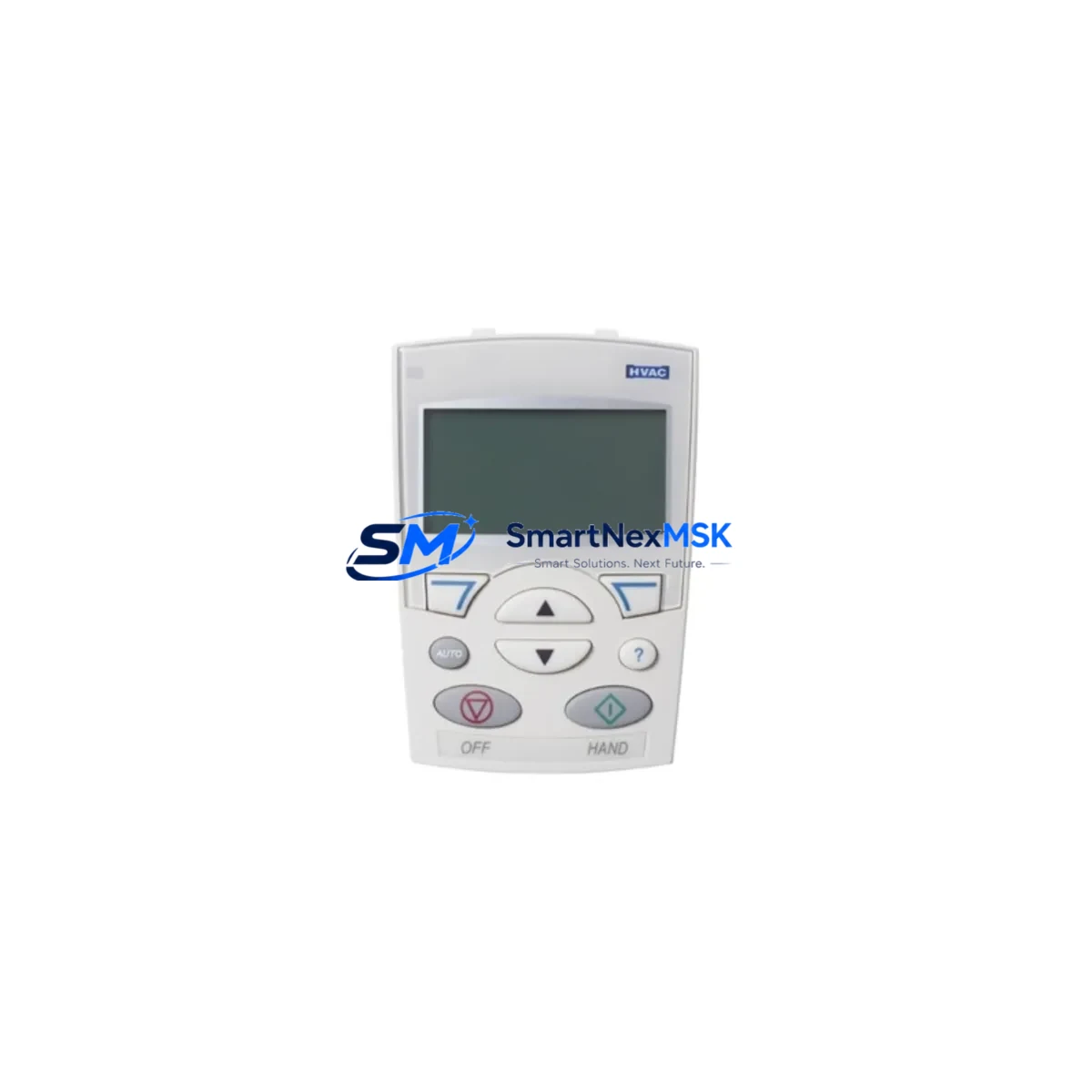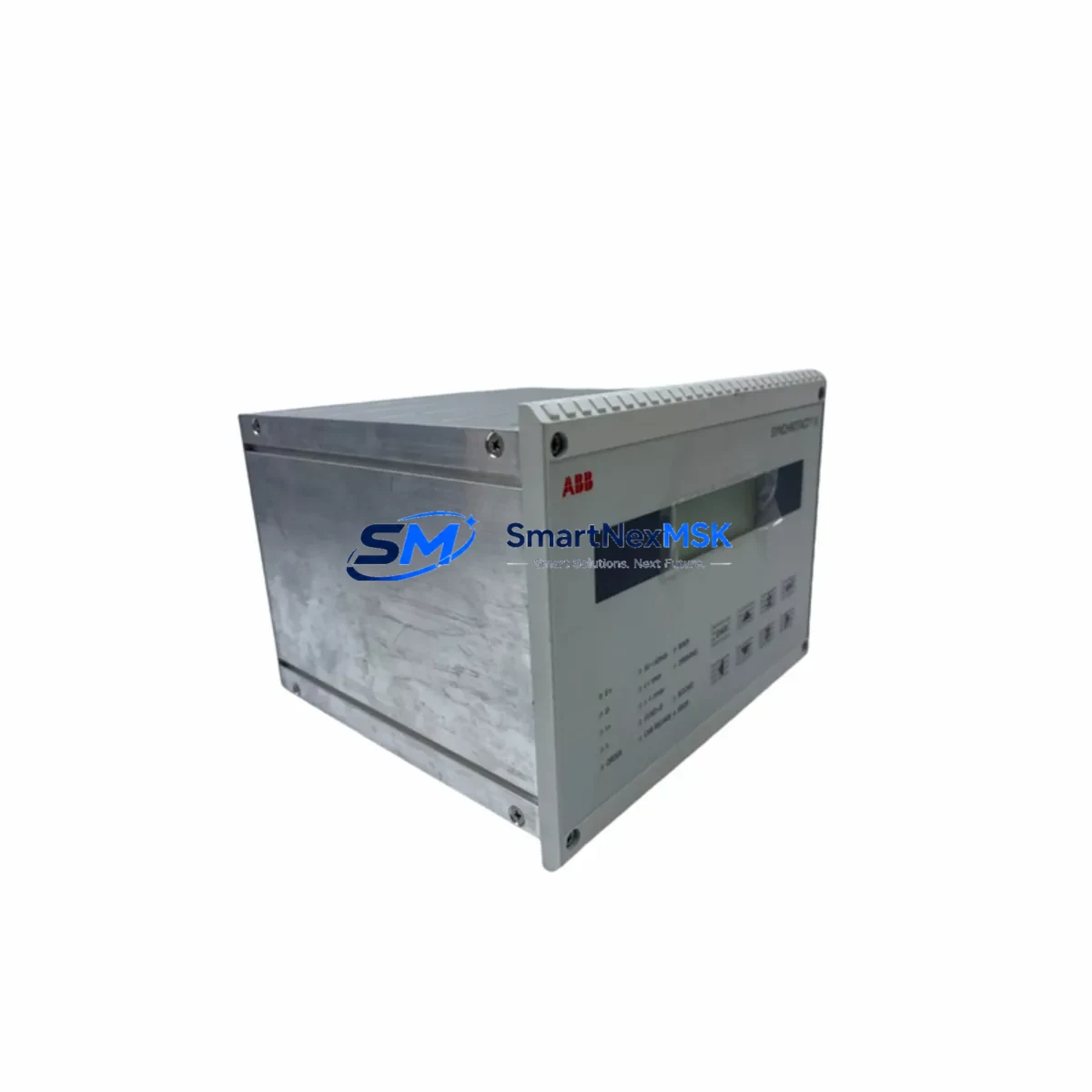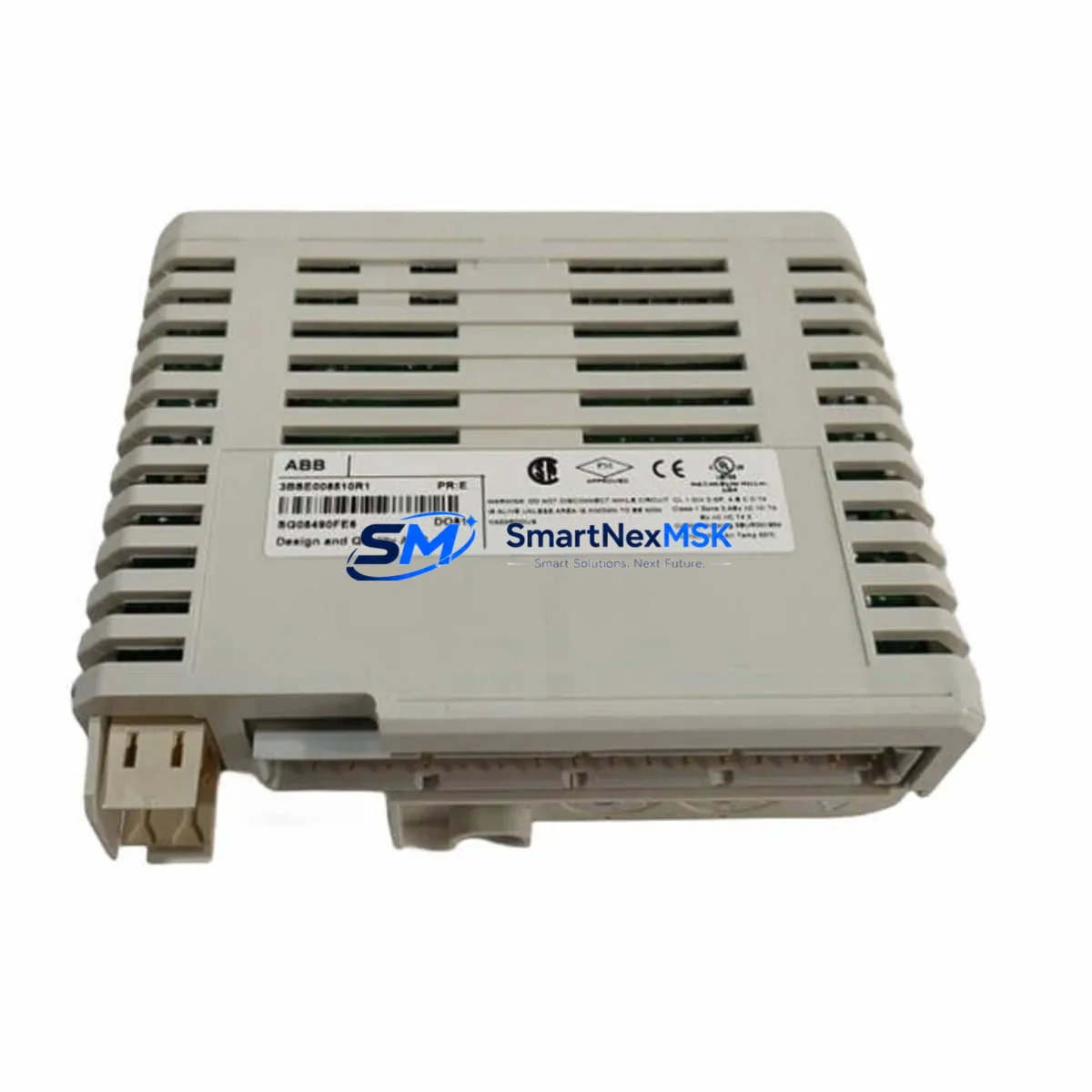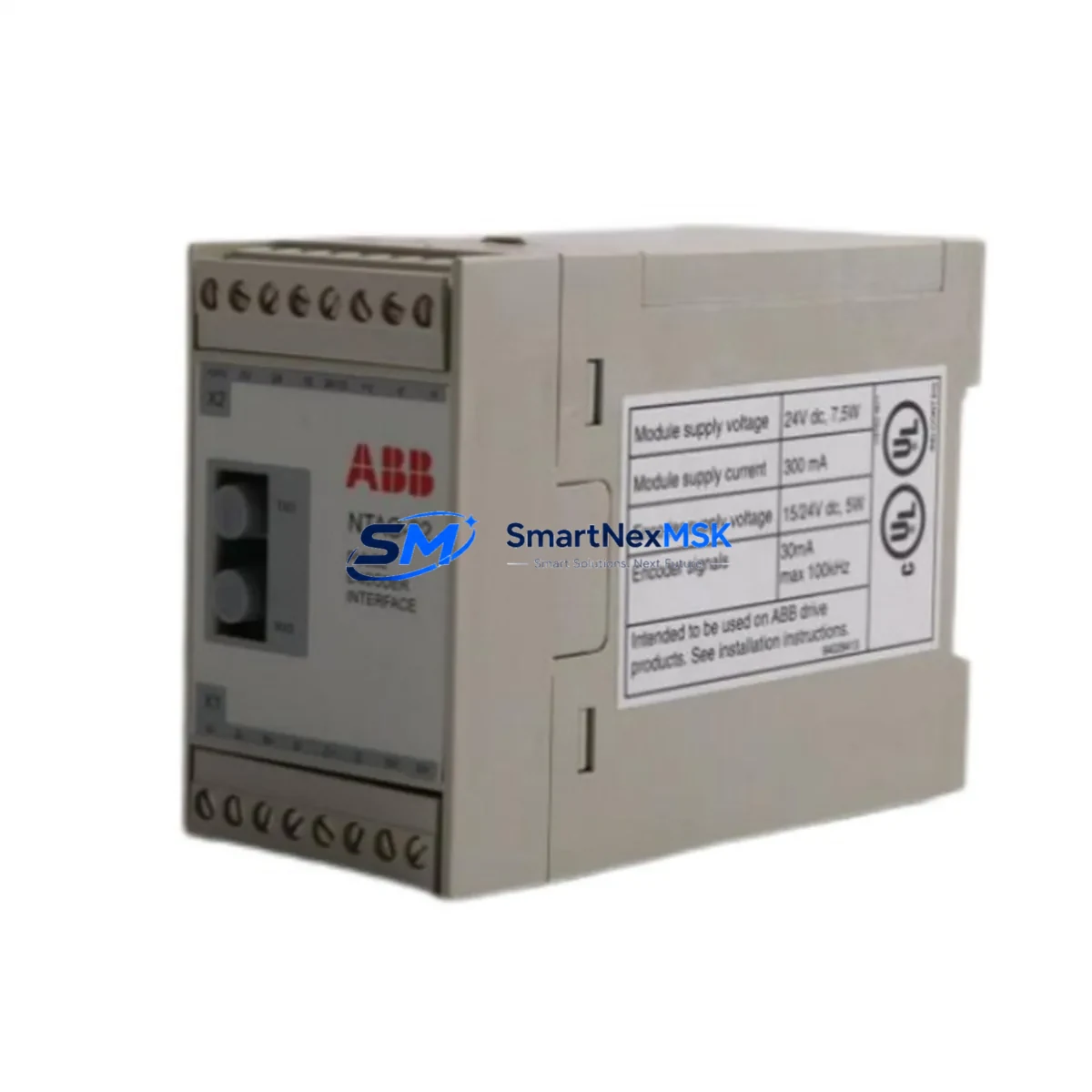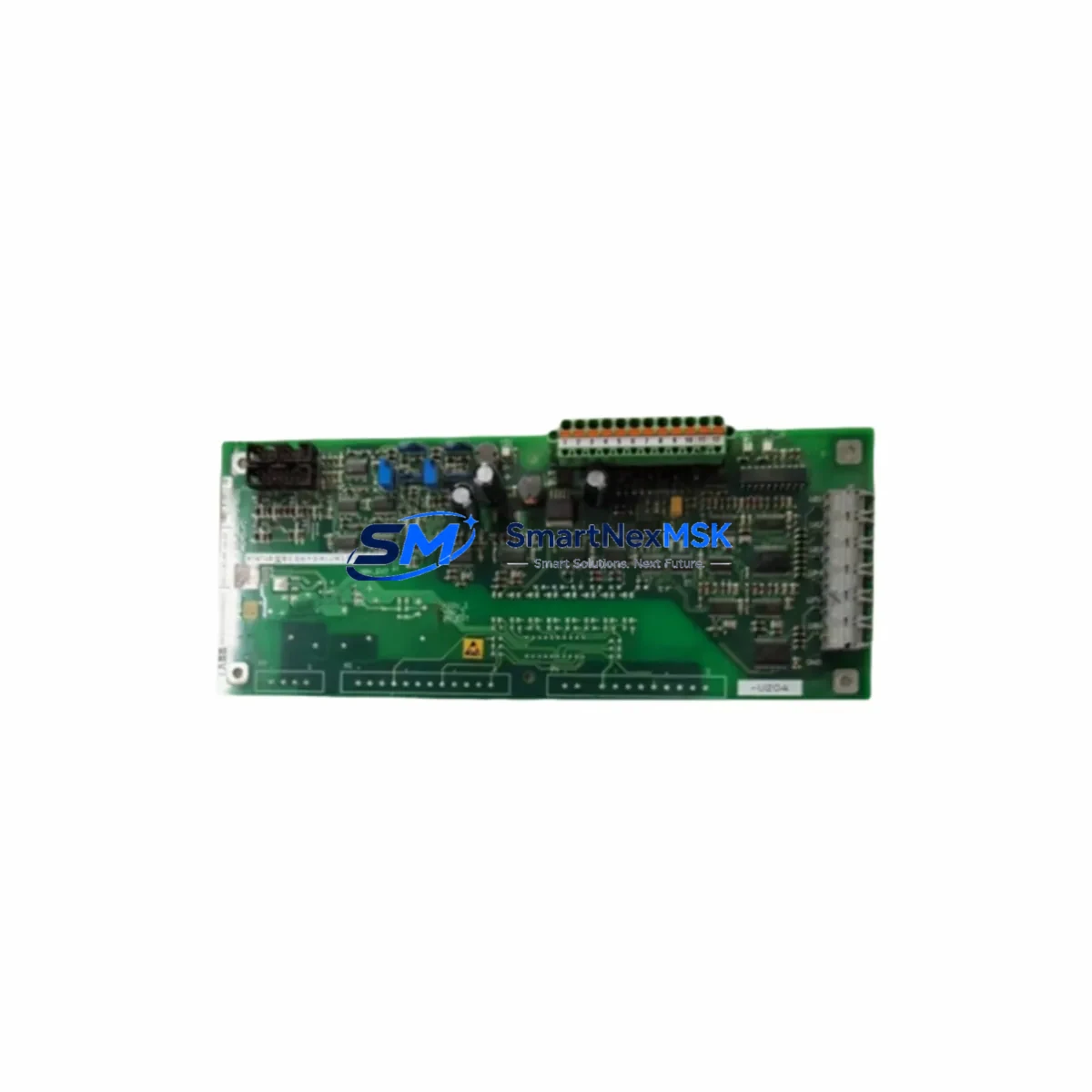
ABB 3BHE003748R0002 GDC742 AE: Retrofit-Ready DCS Interface Module for Symphony Plus Control Systems
The ABB 3BHE003748R0002 GDC742 AE is a high-performance DCS Interface Module engineered for the ABB Symphony Plus control platform. Designed to serve as a direct retrofit replacement for legacy and discontinued ABB modules, this unit enables seamless integration into existing control cabinets without requiring full system redesign. Whether you are upgrading an aging Symphony Harmony or Infi-90 installation, migrating from an obsolete communication architecture, or restoring a critical production line after an unplanned failure, the GDC742 AE provides the compatibility, reliability, and verified performance that industrial automation engineers demand.
Each unit supplied by SMARTNEXMSK undergoes pre-shipment functional testing, is backed by a 12-month warranty, and ships from verified inventory with full traceability documentation. Our stock is sourced from controlled supply chains to ensure authenticity and long-term operational integrity.
Upgrade Compatibility Table
| Parameter | Details |
|---|---|
| SKU / Part Number | 3BHE003748R0002 GDC742 AE |
| Manufacturer | ABB |
| Compatible Platform | ABB Symphony Plus (S+) |
| Legacy Compatibility | Symphony Harmony, Infi-90, Bailey DCS series |
| Module Function | DCS Interface / Communication Bridge |
| Installation Type | Rack-mount, backplane insertion |
| Communication Protocol | INFI-NET / Symphony Plus internal bus |
| Replacement Recommendation | Direct drop-in for GDC742 series variants |
| Commissioning Notes | Verify module address, backplane slot assignment, and I/O mapping prior to power-up |
| Warranty | 12 months from date of shipment |
| Pre-Shipment Testing | Full functional test performed on every unit |
| Origin | Germany |
Retrofit Planning for Existing Automation Systems
Integrating the ABB 3BHE003748R0002 GDC742 AE into an existing Symphony Plus or legacy Symphony Harmony installation requires careful pre-engineering to ensure continuity of control logic and field I/O. Before removing the legacy module, engineers should document the current backplane slot configuration, verify the rack type — typically an ABB PM865 or PM891 controller rack — and confirm that the replacement module’s firmware revision is compatible with the active system software version running on the Symphony Plus Operations Workplace (OWS).
Power supply capacity is a critical first checkpoint. The existing ABB SD821 or SD822 power supply units must be verified to support the additional load introduced by the replacement module. In installations where the control cabinet houses multiple I/O modules such as the ABB AI810 analog input module or the DI810 digital input module, total rack power draw must be recalculated before commissioning.
Terminal wiring should be mapped against the original as-built drawings. For installations using the ABB TB820 ModuleBus modem or TB840A communication interface, the field bus segment addressing must be preserved to avoid disrupting downstream I/O communication. If the system uses an ABB CI854 PROFIBUS DP communication interface or CI840A fieldbus interface, protocol migration parameters should be exported and re-imported after module replacement to maintain signal integrity.
HMI screen bindings in the Symphony Plus Information Management (IM) layer should be reviewed. Tag references tied to the replaced module’s node address must be updated in the ABB 800xA system configuration if the module address changes during the retrofit. Operators should be briefed on any temporary alarm suppression required during the cutover window.
For installations involving ABB INFI-NET communication rings, the network topology map should be updated to reflect the new module’s node assignment. In multi-drop configurations, the GDC742 AE’s node ID must be set to match the decommissioned unit’s address to avoid re-engineering the entire communication segment. Programming cables such as the ABB TK212A or TK501 should be on-site during commissioning to allow direct module configuration and diagnostic readout.
Spare parts staging is equally important. A complete retrofit kit for a Symphony Plus cabinet upgrade typically includes the GDC742 AE interface module, a compatible ABB NTDI01 or NDSI91 termination unit, and any required backplane connectors. Having these components staged before the maintenance window begins is essential to controlling total downtime.
Downtime Control During System Migration
Minimizing production downtime during a DCS module replacement requires a structured cutover methodology. For the ABB 3BHE003748R0002 GDC742 AE, the recommended approach is a hot-standby swap where the replacement module is pre-configured offline, verified against the system’s I/O list, and inserted into the rack only after the legacy module has been safely decommissioned through the Symphony Plus system management console.
Before initiating the swap, export the full controller configuration from the ABB Control Builder M engineering tool. This backup preserves all function block logic, PID loop parameters, interlock conditions, and communication settings. If the system is running on an ABB AC800M controller, the project archive should be stored on a redundant engineering workstation to prevent data loss during the transition.
During the physical swap, field I/O should be placed in manual hold mode where process safety permits. Analog output modules such as the ABB AO810V2 should be set to last-value hold to prevent uncontrolled actuator movement. Digital output modules should be verified in the safe state before the backplane slot is vacated.
After insertion of the GDC742 AE, perform a cold-start diagnostic from the Symphony Plus system console. Verify that all I/O channels are recognized, communication links to the INFI-NET segment are re-established, and HMI tag values are updating correctly. Total cutover time for a single-module replacement in a well-prepared environment is typically 30 to 90 minutes, depending on the complexity of the I/O mapping and the number of downstream communication nodes affected.
SMARTNEXMSK provides pre-shipment configuration support and technical documentation for all GDC742 AE units to help engineering teams reduce on-site commissioning time and maintain control system continuity throughout the migration process.
Retrofit Support FAQ
Q1: Is the ABB 3BHE003748R0002 GDC742 AE a direct replacement for the original GDC742 module?
A: Yes. The GDC742 AE is designed as a form-fit-function replacement for the original GDC742 and compatible variants within the ABB Symphony Plus platform. Backplane connector pinout, module addressing, and communication protocol are preserved. Minor firmware differences may require a configuration update via ABB Control Builder M before commissioning.
Q2: What wiring changes are required when installing this module?
A: In most retrofit scenarios, no field wiring changes are required. The GDC742 AE uses the same termination unit interface as the original module. However, engineers should verify that the existing termination unit — such as the ABB NTDI01 or equivalent — is in serviceable condition and that all terminal screws are torqued to specification before power-up.
Q3: How is compatibility with the Symphony Plus communication bus verified before installation?
A: Compatibility is verified by confirming the module’s firmware version against the active Symphony Plus system software release. SMARTNEXMSK provides the firmware revision number with each shipment. If a firmware update is required, it can be applied via the ABB TK212A programming cable and Control Builder M engineering environment prior to rack insertion.
Q4: What does the 12-month warranty cover?
A: The 12-month warranty covers manufacturing defects, functional failures under normal operating conditions, and pre-shipment test certification. Each unit is tested for communication integrity, I/O channel functionality, and backplane interface compliance before dispatch. Warranty claims are processed directly through SMARTNEXMSK with a target response time of 48 hours.
© 2026 SMARTNEXMSK. All rights reserved.
Original Source: https://smartnexmsk.com
Contact: [email protected] | +86 18259474341