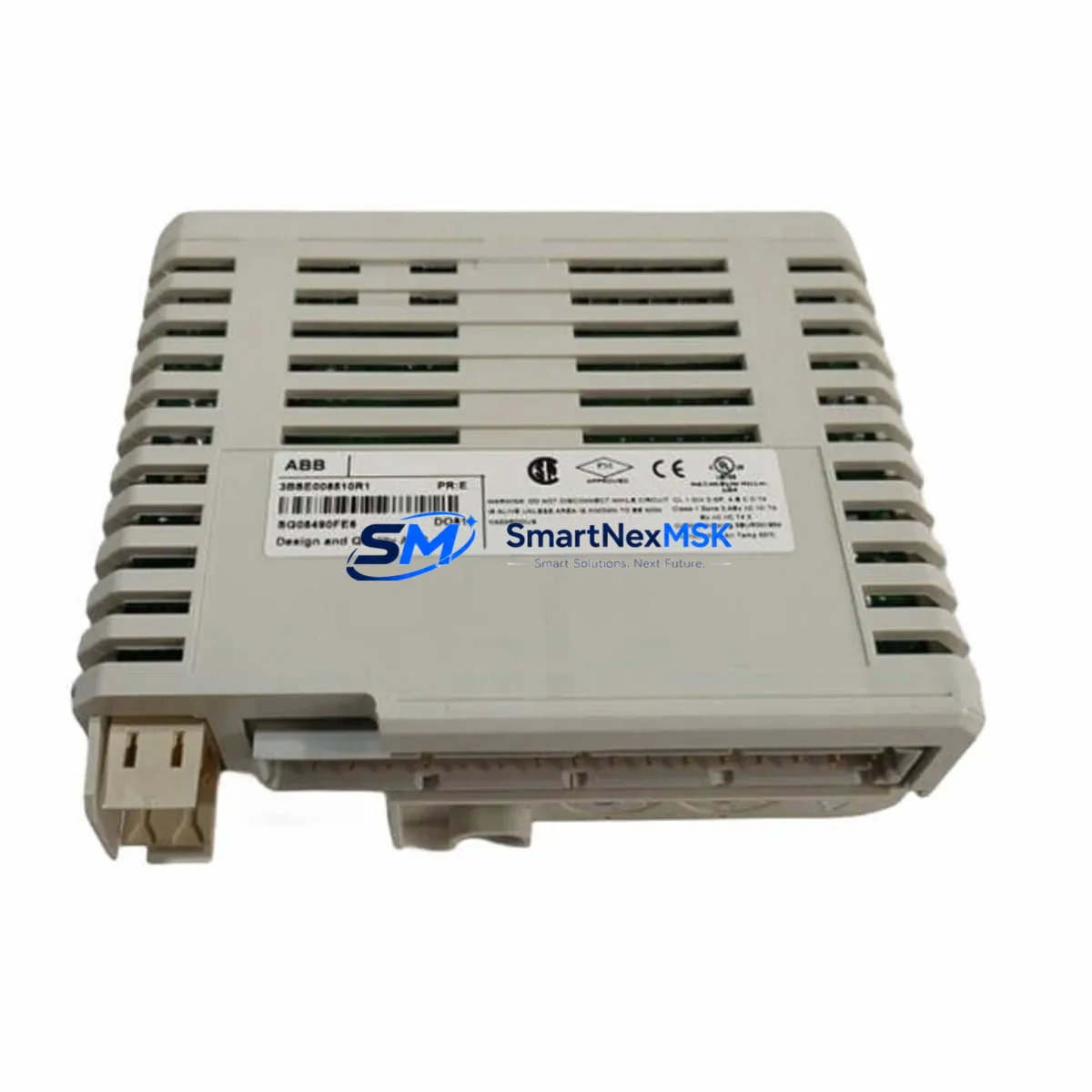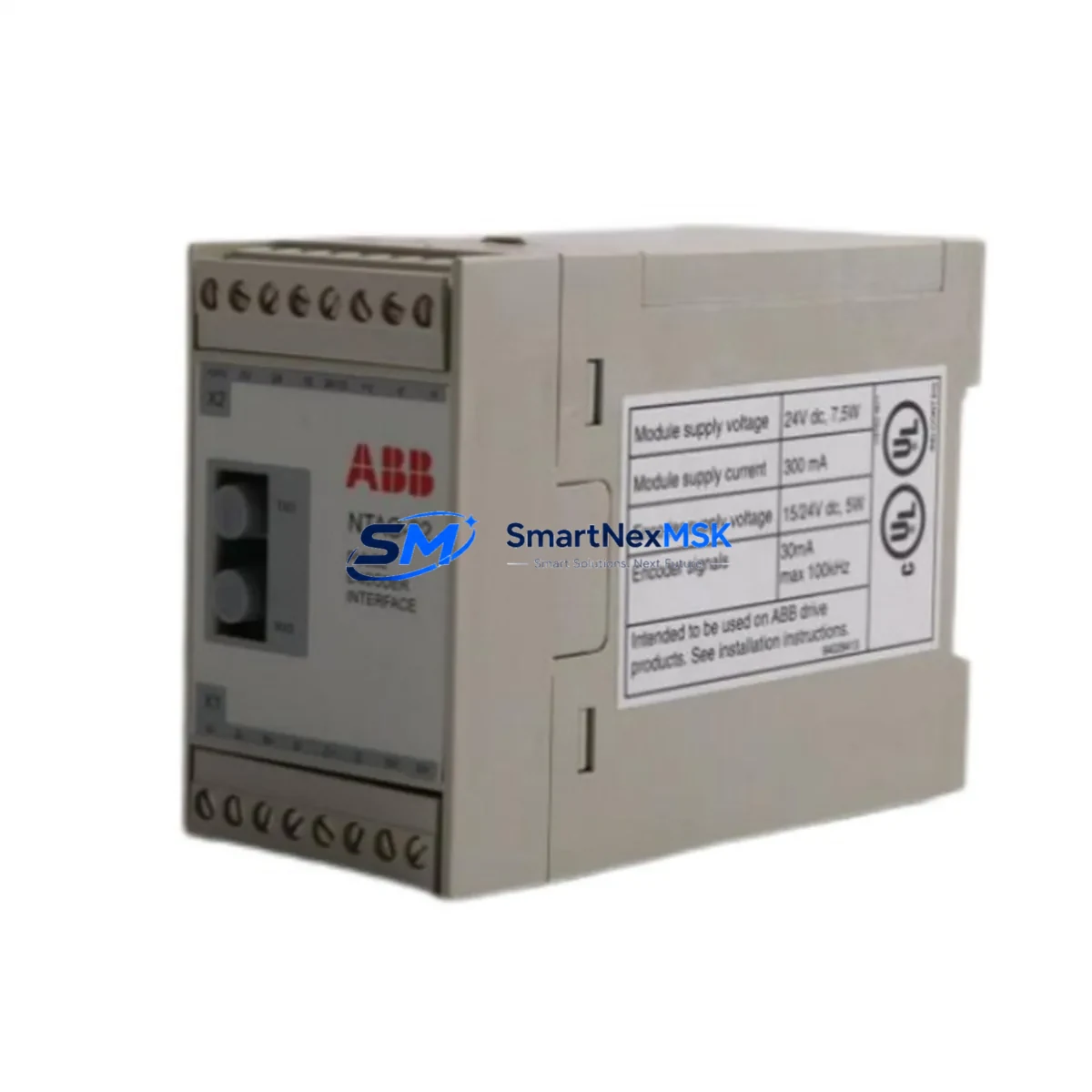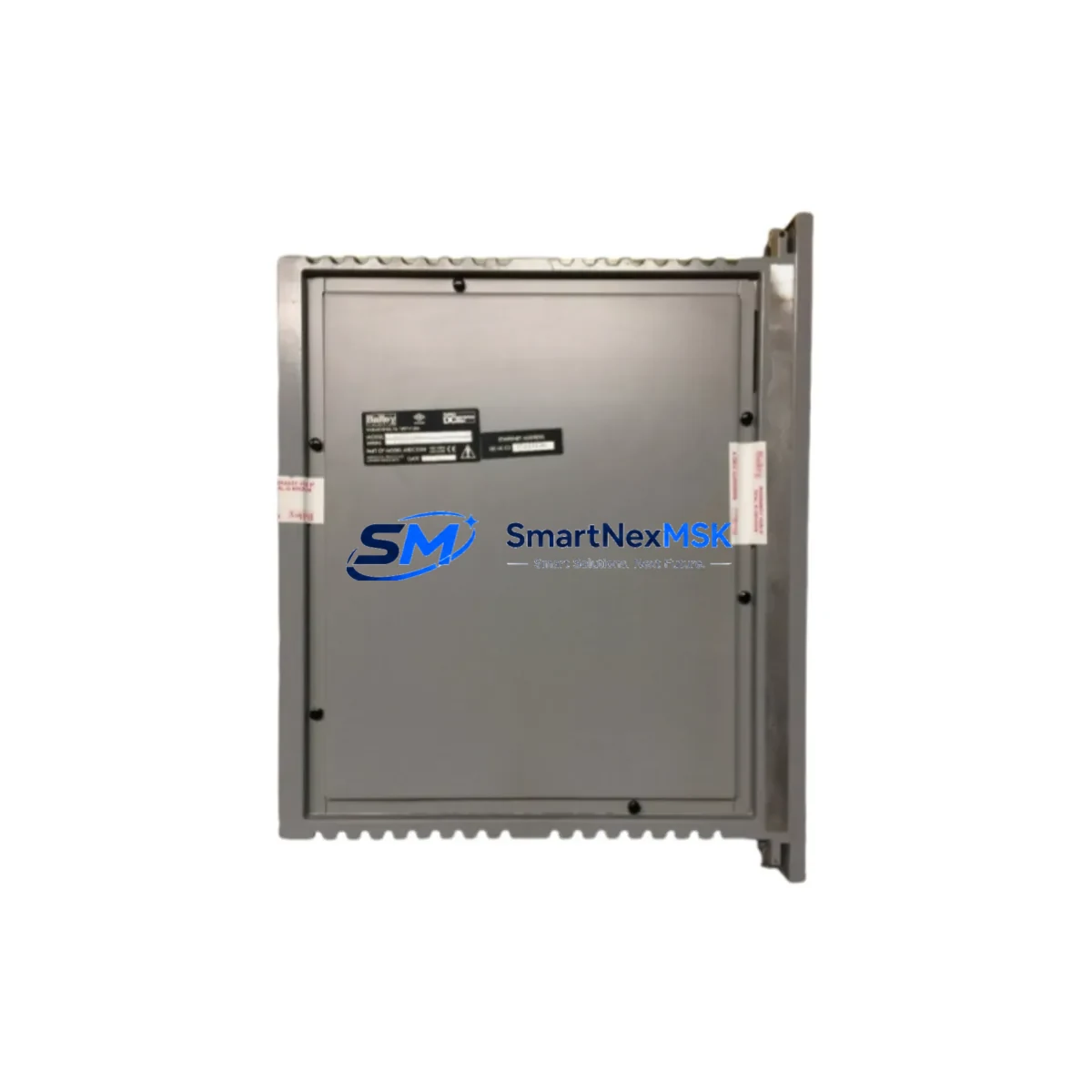
ABB 40CN3210B Retrofit-Ready Power Supply for AC800M Control Systems
The ABB 40CN3210B is a proven, retrofit-ready power supply module engineered for seamless integration into ABB AC800M Distributed Control System (DCS) architectures. As legacy control infrastructure ages and OEM support windows close, the 40CN3210B has become a critical component in brownfield modernization projects — enabling engineers to restore full system functionality without replacing the entire control platform. Whether you are recovering from an unplanned failure, executing a scheduled upgrade, or migrating from an end-of-life configuration, the 40CN3210B delivers the electrical stability and backplane compatibility your system demands.
Upgrade Compatibility Table
| Parameter | Details |
|---|---|
| Compatible Platform | ABB AC800M DCS (PM851, PM856, PM860, PM861, PM864, PM866) |
| Backplane Interface | Standard AC800M S800 I/O backplane — direct drop-in, no adapter required |
| Input Voltage | 24 VDC nominal (18–30 VDC operating range) |
| Output Capacity | Sufficient for full rack I/O load; verify against existing TB820V2 or TB840A terminal base load calculations |
| Communication Compatibility | PROFIBUS DP, MMS/IEC 61850, Modbus RTU — no protocol reconfiguration required |
| Mounting | DIN rail or panel-mount per AC800M rack specification; compatible with TP830 and TP854 rack assemblies |
| Replacement Recommendation | Direct replacement for 40CN3210B; cross-reference with 3BSE013208R1 and 3BSE020520R1 for legacy BOM alignment |
| Commissioning Notes | Verify module address via Control Builder M; confirm redundancy role (primary/secondary) before hot-swap |
| Warranty | 12 Months — covers manufacturing defects, functional failure, and DOA replacement |
Retrofit Planning for Existing Automation Systems
Successful retrofit of the ABB 40CN3210B begins well before the module arrives on-site. Engineers must audit the existing power budget across the AC800M rack, accounting for all installed I/O modules such as the AI810, AO810V2, DI810, and DO810, as well as any communication interface modules like the CI854A (PROFIBUS DP) or CI857 (PROFINET). The 40CN3210B must be sized against the aggregate current draw of these modules to confirm no derating is required under full I/O load.
Terminal wiring is the next critical checkpoint. The 40CN3210B connects via the TB820V2 or TB840A terminal base, and field wiring must be verified against the original loop drawings before disconnection. Mislabeled or undocumented field cables are a common source of commissioning delays in older plants. Photograph all terminal assignments before removal of the legacy module.
Backplane slot addressing must be confirmed in ABB Control Builder M prior to module insertion. The AC800M controller — whether a PM856, PM860, or PM864 — assigns hardware addresses based on physical slot position. If the replacement module occupies a different slot than the original, the hardware configuration tree must be updated and downloaded to the controller before the system will recognize the new module. Failure to do so will result in a hardware mismatch fault and potential I/O inhibit on all downstream S800 modules.
For sites running redundant power configurations, the 40CN3210B must be commissioned in the correct redundancy role. The primary and secondary power modules communicate via the rack backplane, and swapping roles without updating the Control Builder M project will trigger a redundancy fault. Confirm the active/standby designation in the hardware configuration before energizing the replacement unit.
HMI screens connected via OPC DA or OPC UA to the AC800M should be reviewed for any power module status tags. If the legacy module published diagnostic data (e.g., output voltage, load percentage, fault status) to the HMI, verify that the tag addresses remain valid after replacement. In some AC800M configurations, module-level diagnostics are surfaced through the PM8xx controller’s diagnostic buffer and may require a Control Builder M re-download to refresh tag mappings.
Communication links — particularly PROFIBUS DP segments managed through the CI854A — should be monitored during the first 30 minutes of post-replacement operation. Power supply transients during module insertion can cause temporary PROFIBUS segment faults. Have the GSD file and network configuration backed up in advance, and confirm segment termination resistors are correctly positioned on both ends of the bus.
Downtime Control During System Migration
Minimizing unplanned downtime during a 40CN3210B replacement requires a structured pre-outage checklist. Before de-energizing the rack, export the full Control Builder M project to a local backup, including all hardware configuration, function block diagrams, and communication settings. This ensures that if the controller loses its program during the power interruption — a risk in non-battery-backed configurations — restoration is a matter of minutes rather than hours.
Where process conditions permit, coordinate the replacement window with the operations team to align with a planned production pause or shift changeover. If the AC800M rack supports hot-swap on the power supply slot, confirm this capability in the rack documentation before attempting a live swap. Not all AC800M rack variants support hot-swap on the power rail; attempting it on an unsupported configuration risks a full rack reset and loss of control continuity across all connected I/O.
After module insertion, follow the standard AC800M power-up sequence: energize the power supply first, wait for the module status LED to indicate ready, then confirm controller heartbeat on the PM8xx before releasing I/O to process control. Document the commissioning timestamp, module serial number, and post-replacement diagnostic readings for the plant maintenance record. This documentation supports the 12-month warranty claim process and provides traceability for future audits.
Retrofit Support FAQ
Q1: Is the ABB 40CN3210B a direct drop-in replacement for my existing AC800M power supply?
In most AC800M rack configurations, yes. The 40CN3210B uses the standard AC800M backplane connector and is compatible with TP830 and TP854 rack assemblies. Confirm your rack variant and slot assignment in Control Builder M before installation. No firmware update is required on the controller side for a like-for-like replacement.
Q2: What wiring changes are needed when retrofitting the 40CN3210B?
The 40CN3210B connects via the TB820V2 or TB840A terminal base. If your existing terminal base is in good condition and correctly wired, no rewiring is required — the module plugs directly into the terminal base. If the terminal base itself is damaged or end-of-life, it should be replaced simultaneously to avoid intermittent contact faults after commissioning.
Q3: How do I verify compatibility with my current PROFIBUS or Modbus network?
The 40CN3210B does not directly participate in PROFIBUS or Modbus communication — it supplies power to the rack. Communication is managed by the CI854A (PROFIBUS DP) or CI857 (PROFINET) interface modules installed in the same rack. Replacing the power supply does not affect network configuration. However, monitor the communication segment during the first power-up cycle to confirm no transient faults were introduced during the swap.
Q4: What does the 12-month warranty cover, and how is it claimed?
The 12-month warranty covers manufacturing defects, functional failure under normal operating conditions, and dead-on-arrival (DOA) units. To initiate a claim, contact [email protected] with the module serial number, purchase order reference, and a description of the fault. Replacement units are dispatched from stock, and failed modules are returned for inspection. Warranty does not cover damage resulting from incorrect installation, overvoltage, or unauthorized modification.
© 2026 SMARTNEXMSK. All rights reserved.
Original Source: https://smartnexmsk.com
Contact: [email protected] | +86 18259474341