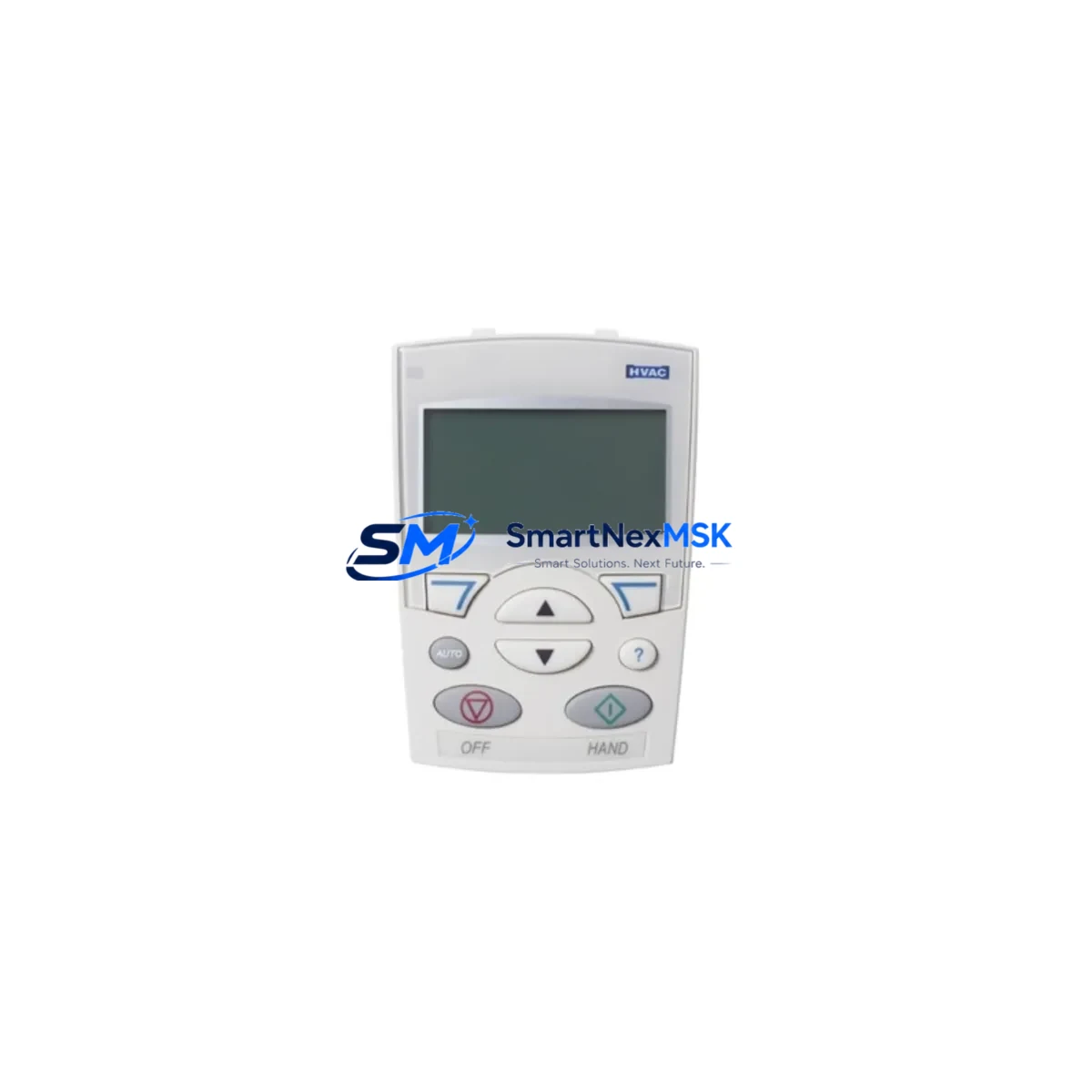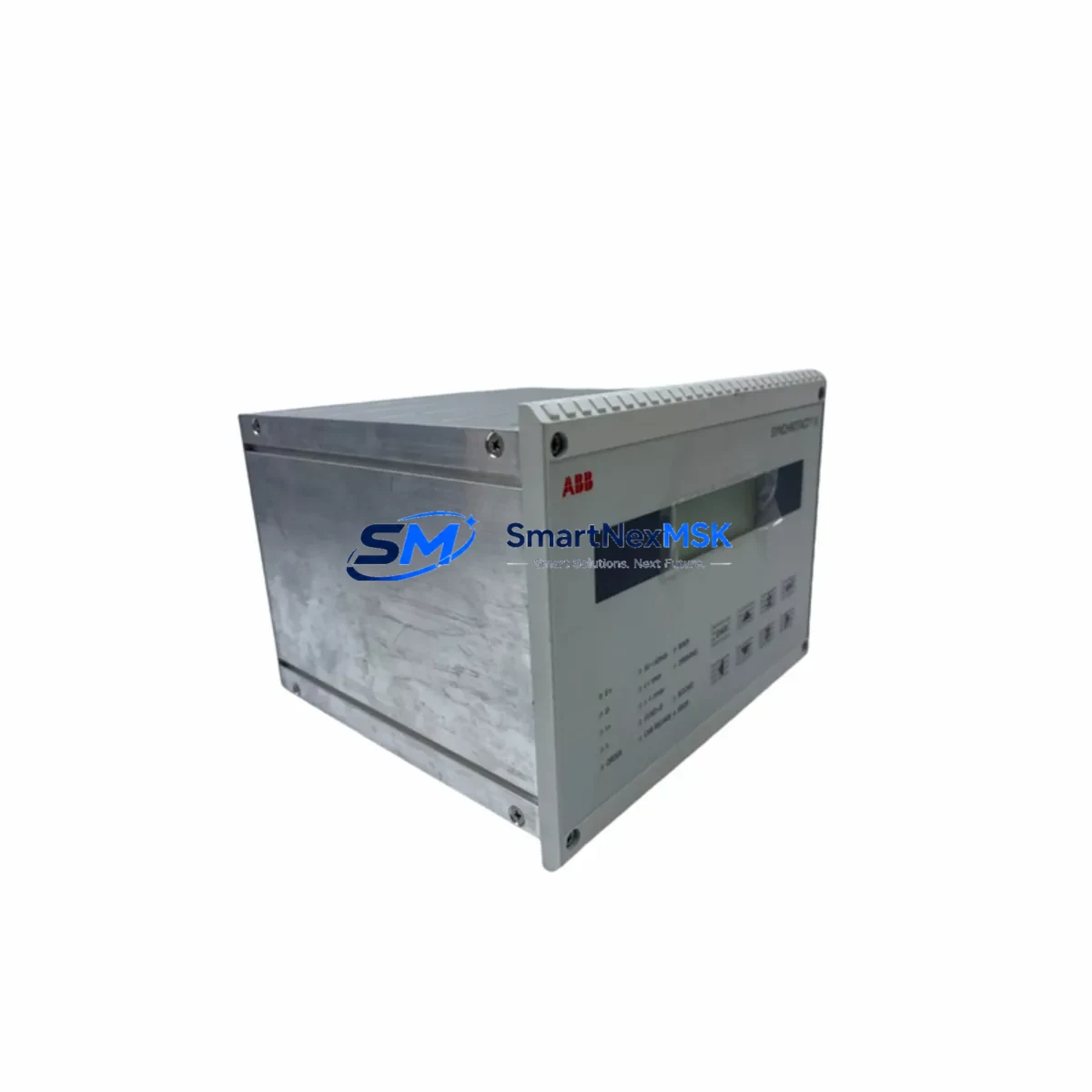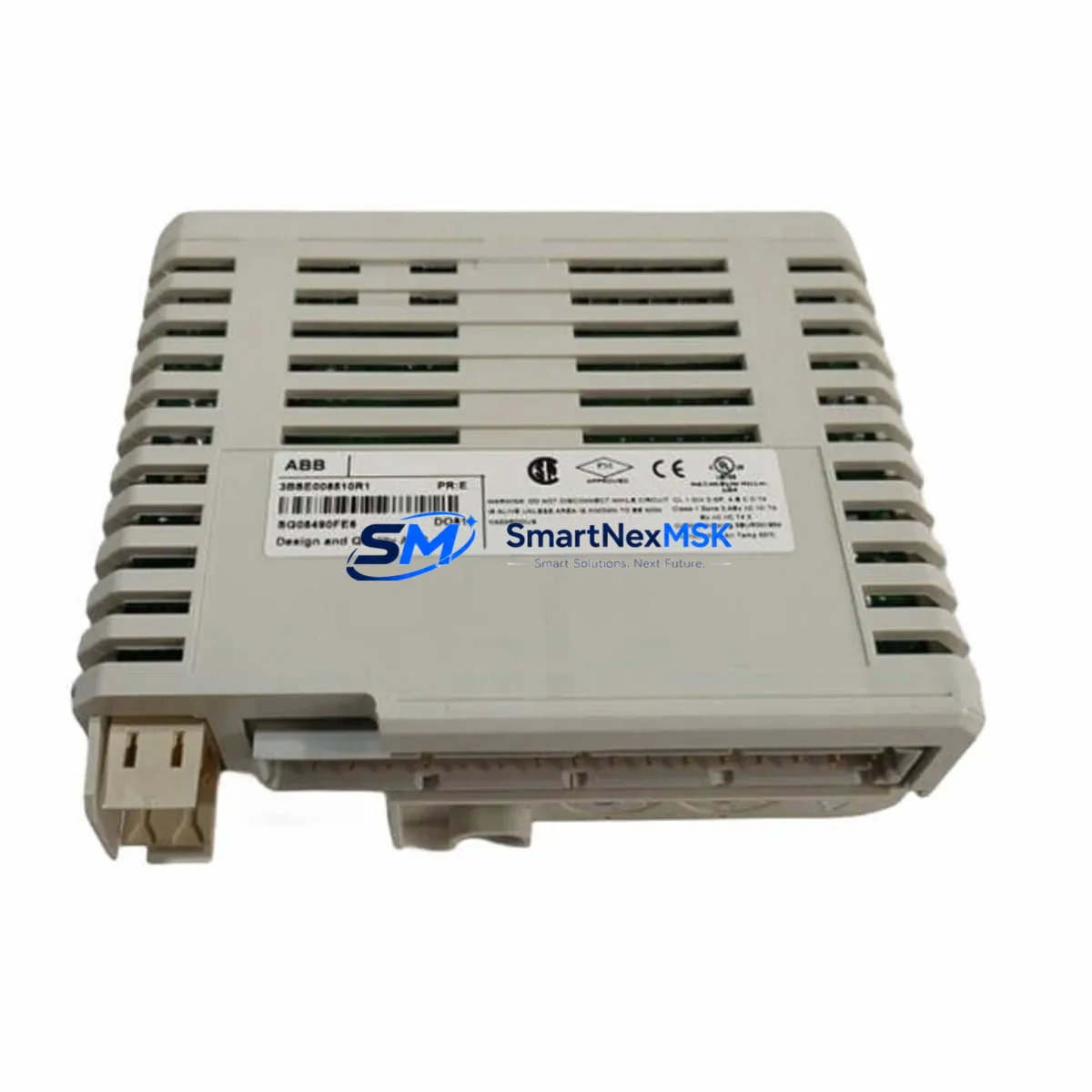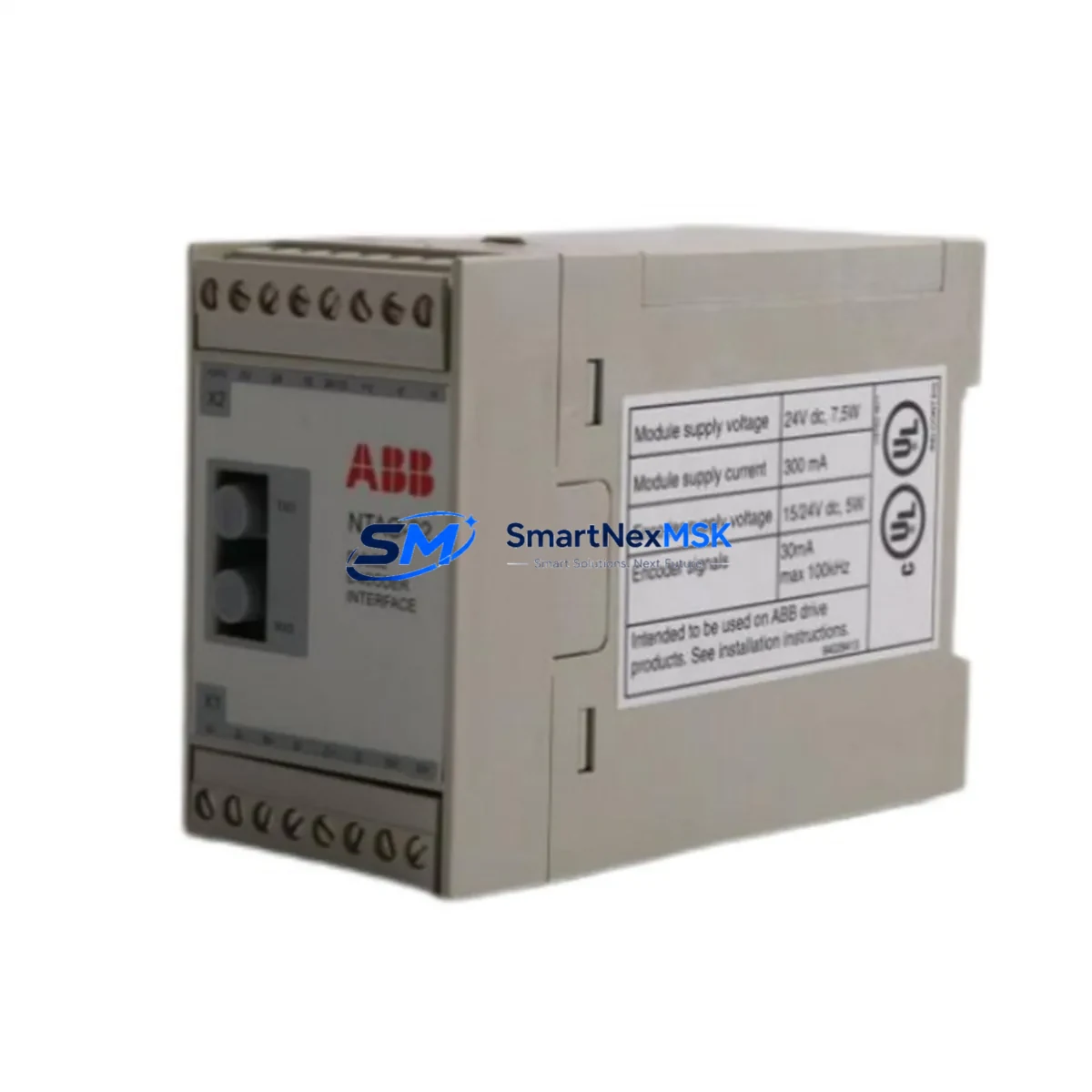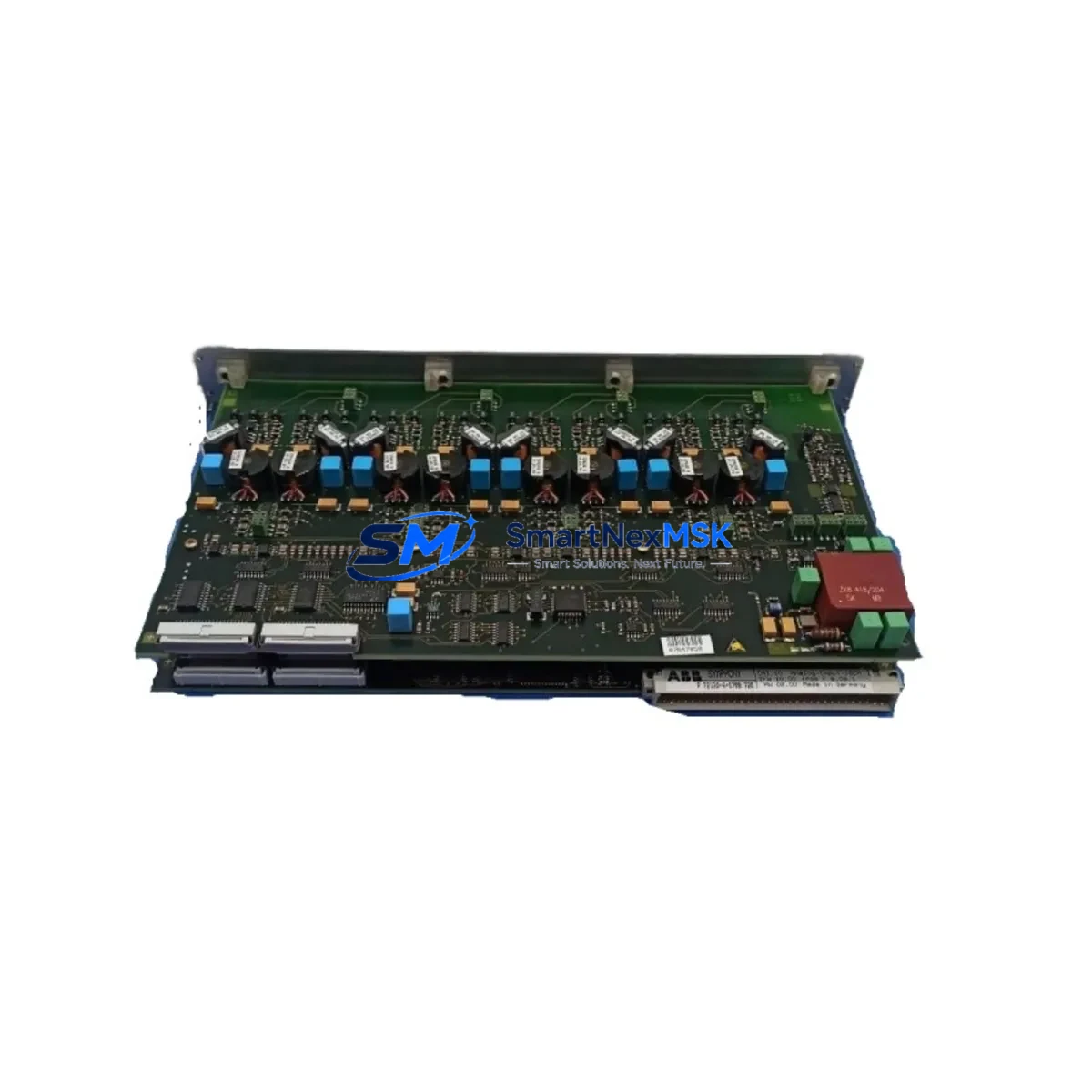
ABB CAI10 Safety-Enhanced Analog Input Module: Reliable Control in Harsh Industrial Sites
The ABB CAI10 is an 8-channel analog input module engineered for the AC500 and S500 distributed I/O platform, purpose-built to deliver uninterrupted signal integrity in the most demanding industrial environments. Whether deployed in petrochemical processing, power generation, mining extraction, water treatment, metallurgical smelting, port logistics, or continuous-process manufacturing, the CAI10 is designed to maintain precise, drift-free analog measurement under conditions that would compromise lesser hardware.
In high-load control cabinets where dozens of I/O modules share a common backplane, signal crosstalk and ground-loop interference are persistent threats to measurement accuracy. The CAI10 addresses this through galvanic channel isolation and robust EMI shielding, ensuring that each of its eight analog channels — configurable for 4–20 mA current loops or 0–10 V voltage signals — delivers stable, repeatable readings regardless of adjacent switching noise from variable-frequency drives, contactors, or high-current bus bars. This makes it a trusted front-end sensor interface for critical process variables such as pressure, temperature, flow rate, and level in safety instrumented systems (SIS) and basic process control systems (BPCS) alike.
Signal drift is one of the leading causes of unplanned shutdowns in continuous production facilities. The CAI10’s 12-bit resolution A/D conversion and tight linearity specification ensure that process values reported to the AC500 CPU — whether a PM573, PM583, or PM595 — remain within calibrated tolerance across the full operating temperature range of -25 °C to +70 °C. This thermal stability is critical in outdoor switchgear enclosures, desert-climate substations, and unheated mine-site control rooms where ambient swings of 60 °C or more are routine.
Power supply quality directly affects analog module performance. Voltage sags, micro-interruptions, and conducted surges from large motor starts can induce transient errors in sensitive A/D converters. The CAI10 is rated for operation on the AC500 24 V DC system bus, which is typically fed through a CP-E 24/10.0 or equivalent SINEAX-series power supply with built-in surge suppression. For additional protection in high-risk environments, pairing the CAI10 with a DEHN surge arrester on field wiring terminals and a Phoenix Contact TRABTECH rail-mount surge protection device on the 24 V supply rail is standard practice in critical interlock loops.
In safety-critical applications — emergency shutdown (ESD) systems, fire and gas detection loops, turbine overspeed protection, and high-integrity pressure protection systems (HIPPS) — the analog input module must not only measure accurately but also fail predictably. The CAI10 supports wire-break and short-circuit detection on each channel, allowing the AC500 CPU to execute safe-state logic when a field transmitter fault is detected, rather than acting on a frozen or erroneous value. This diagnostic transparency is essential for achieving the required probability of failure on demand (PFD) in SIL-rated loops.
Communication reliability between the CAI10 and the AC500 CPU is maintained through the S500 I/O bus, a deterministic, noise-immune backplane protocol that eliminates the latency and packet-loss risks of Ethernet-based field I/O in electrically noisy environments. For installations requiring remote I/O over longer distances, the CAI10 integrates seamlessly with CI590-CS31-HA or CI592-CS31 communication interface modules, extending the S500 bus over CS31 or PROFIBUS DP to field junction boxes up to 500 m away — without sacrificing scan-cycle determinism.
Complementary modules commonly deployed alongside the CAI10 in the same control cabinet include the ABB CAO10 analog output module for closed-loop PID control, the ABB DI524 32-channel digital input module for discrete interlock signals, the ABB DO526 digital output module for actuator commands, and the ABB AI523 analog input module for RTD/thermocouple temperature measurement. Together, these modules form a complete, coordinated I/O subsystem capable of handling the full signal spectrum of a process unit — from raw sensor inputs through to final control element commands — within a single, standardized AC500 architecture.
Every CAI10 unit supplied by SMARTNEXMSK is sourced from authorized distribution channels and undergoes incoming inspection including visual examination, label verification, and functional power-on testing prior to dispatch. Units are shipped in anti-static packaging with original manufacturer documentation. A 12-month warranty covers all hardware defects from the date of delivery, with rapid replacement support to minimize your spare-parts holding risk. Long-term supply continuity is maintained through our established procurement network, ensuring availability for both immediate project needs and ongoing maintenance stock replenishment.
Safety Reliability Table
| Parameter | Specification |
|---|---|
| Part Number / SKU | CAI10 |
| Brand / Manufacturer | ABB |
| Platform Compatibility | AC500 / S500 Distributed I/O |
| Number of Analog Input Channels | 8 channels |
| Input Signal Types | 4–20 mA, 0–20 mA, 0–10 V, ±10 V (configurable per channel) |
| Resolution | 12-bit A/D conversion |
| Channel Isolation | Galvanic isolation between field and system bus |
| Wire-Break / Short-Circuit Detection | Yes — per channel diagnostic |
| Operating Temperature | -25 °C to +70 °C |
| Storage Temperature | -40 °C to +85 °C |
| Degree of Protection | IP20 (module); cabinet-level IP54/IP65 recommended for harsh sites |
| EMC / EMI Resistance | Compliant with IEC 61000-4 series (ESD, EFT, surge, conducted RF) |
| Supply Voltage | 24 V DC via S500 backplane bus |
| Power Consumption | Approx. 2.5 W (typical) |
| Weight | 240 g |
| Country of Origin | Germany |
| Warranty | 12 months from date of delivery |
| Incoming Inspection | Visual, label verification, functional power-on test |
Control Cabinet Protection Strategy
A robust control cabinet housing the CAI10 in a safety-critical application is never a single-module solution. In a typical ESD or process control panel for a petrochemical plant, the CAI10 sits on the S500 I/O rail alongside an ABB CAO10 analog output module driving control valves, and an ABB DI524 handling discrete inputs from pushbuttons, limit switches, and pressure switches. The ABB DO526 drives solenoid valves and motor starters based on CPU logic, while an ABB AI523 monitors thermocouple and RTD temperature signals from reactor vessels and heat exchangers.
Power integrity for the entire rack is maintained by a CP-E 24/10.0 DIN-rail power supply with active power factor correction and output surge clamping. A secondary UPS module or battery-backed DC buffer ensures that the AC500 CPU and its I/O — including the CAI10 — ride through mains interruptions of up to 20 ms without triggering a safe-state shutdown, which is critical in continuous chemical processes where an unplanned trip carries significant restart cost and safety risk.
Field wiring to the CAI10’s analog input terminals is protected by Phoenix Contact TRABTECH PT 2×24DC surge protection plugs at the cabinet entry gland plate, limiting transient voltages induced by lightning strikes or large motor switching to safe levels before they reach the module’s input circuitry. Shielded twisted-pair (STP) cable with drain wire grounded at a single point — typically the cabinet earth bar — further suppresses common-mode noise from variable-frequency drives and high-voltage bus bars running in adjacent cable trays.
For installations where the CAI10 is part of a remote I/O drop connected via CI590-CS31-HA over a CS31 fieldbus, the communication cable is routed in a dedicated metallic conduit separated from power cables by a minimum of 200 mm, in accordance with IEC 61918 installation guidelines. This physical separation, combined with the CS31 bus’s inherent noise immunity, ensures that communication errors — which could cause the CPU to act on stale analog values — are effectively eliminated even in the vicinity of arc furnaces, large compressors, or high-voltage switchgear.
Critical Industrial Safety Applications
In petrochemical and refinery environments, the CAI10 is deployed in high-integrity pressure protection systems (HIPPS) and emergency shutdown (ESD) panels, where it reads 4–20 mA signals from smart HART transmitters monitoring reactor pressure, separator level, and compressor discharge temperature. Its wire-break detection ensures that a failed transmitter cable triggers a safe-state response rather than a frozen process value that could mask a developing overpressure event.
In power generation and substation applications, the CAI10 monitors analog signals from current transformers, voltage transducers, and temperature sensors on generator stator windings and transformer oil. The module’s EMI immunity is essential in high-voltage switchyards where strong electromagnetic fields from bus bars and disconnectors would corrupt measurements in less robust hardware.
In mining and mineral processing plants, the CAI10 is used in conveyor belt load monitoring, crusher motor current measurement, and flotation cell level control. Operating in unheated surface buildings or underground control rooms where temperature extremes and vibration are constant, the module’s wide thermal range and vibration-rated backplane mounting ensure continuous operation without recalibration.
In water and wastewater treatment facilities, the CAI10 reads flow, pH, turbidity, and dissolved oxygen signals in SCADA-integrated AC500 systems. Its long-term measurement stability reduces the frequency of manual calibration checks, lowering maintenance labor costs in remote pump stations where technician visits are infrequent.
In metallurgical and steel plants, the CAI10 is integrated into continuous casting machine control systems, monitoring mold level, cooling water flow, and strand temperature. The harsh electromagnetic environment generated by large induction furnaces and thyristor-controlled drives makes the CAI10’s galvanic isolation and EMC compliance non-negotiable for reliable process control.
Safety and Quality FAQ
Q1: What warranty does SMARTNEXMSK provide on the ABB CAI10?
All CAI10 units carry a 12-month hardware warranty from the date of delivery. If a unit exhibits any manufacturing defect or functional failure within this period under normal operating conditions, we will arrange rapid replacement to minimize your downtime. Our warranty process is straightforward — contact [email protected] with your order reference and fault description.
Q2: What pre-shipment testing is performed on each CAI10?
Every unit undergoes a structured incoming inspection: visual examination for physical damage, label and serial number verification against manufacturer records, and a functional power-on test confirming that the module initializes correctly and passes its internal self-diagnostic routine. Units that do not pass all checks are quarantined and not dispatched.
Q3: Is the CAI10 compatible with all AC500 CPU variants and S500 I/O racks?
Yes. The CAI10 is compatible with the full range of AC500 CPUs — including PM571, PM573, PM583, PM591, and PM595 — and mounts on any standard S500 I/O rack or terminal unit. Configuration is performed via ABB Automation Builder (formerly Control Builder Plus) using the standard CAI10 device description. No hardware modification is required for integration into existing AC500 installations.
Q4: Can SMARTNEXMSK support long-term and repeat supply of the CAI10?
Yes. We maintain stock of the CAI10 and related AC500/S500 I/O modules to support both project commissioning quantities and ongoing maintenance spare-parts programs. For customers with planned maintenance schedules or multi-site rollouts, we can discuss framework supply agreements to guarantee availability and pricing stability. Contact us at [email protected] or +86 18259474341 to discuss your requirements.
© 2026 SMARTNEXMSK. All rights reserved.
Original Source: https://smartnexmsk.com
Contact: [email protected] | +86 18259474341