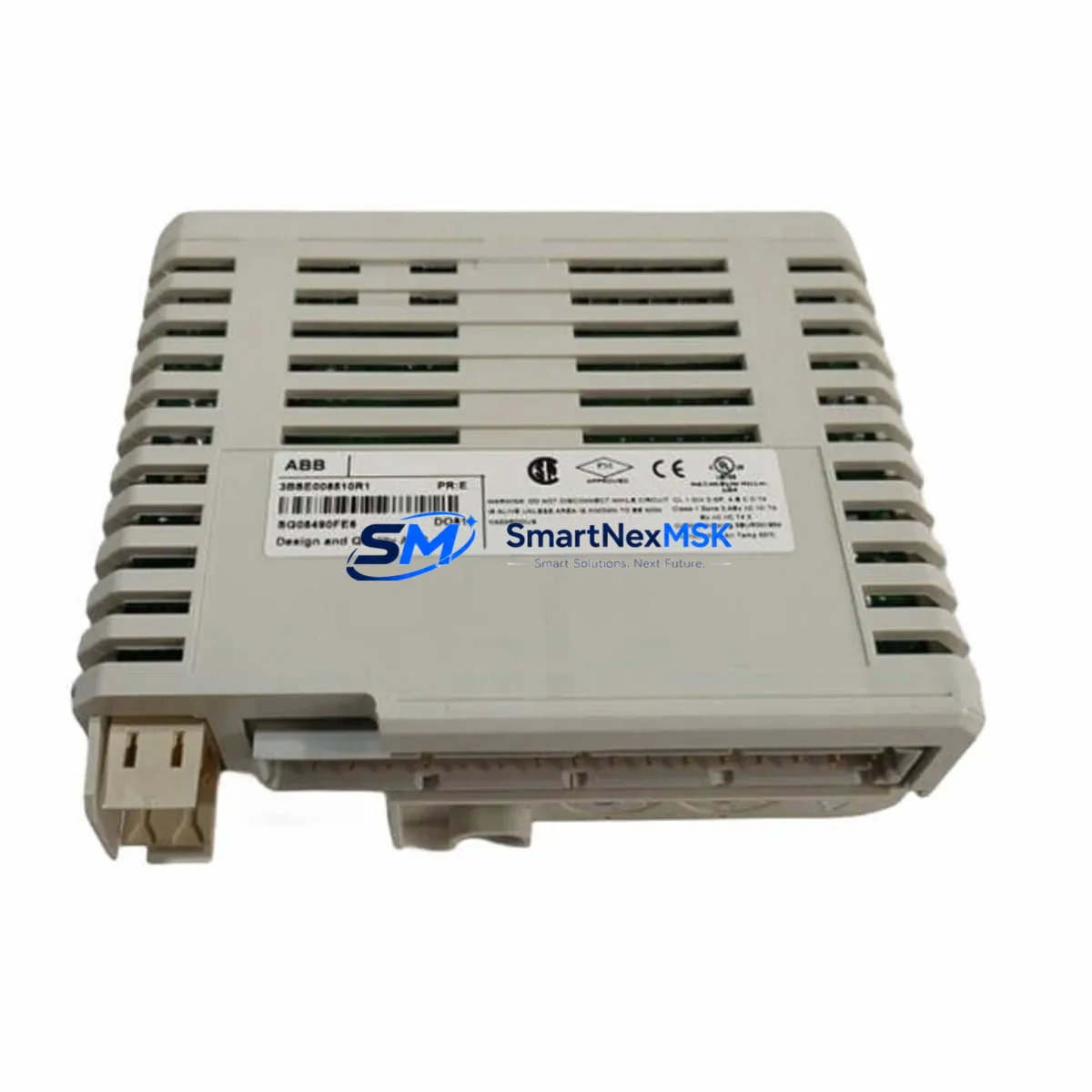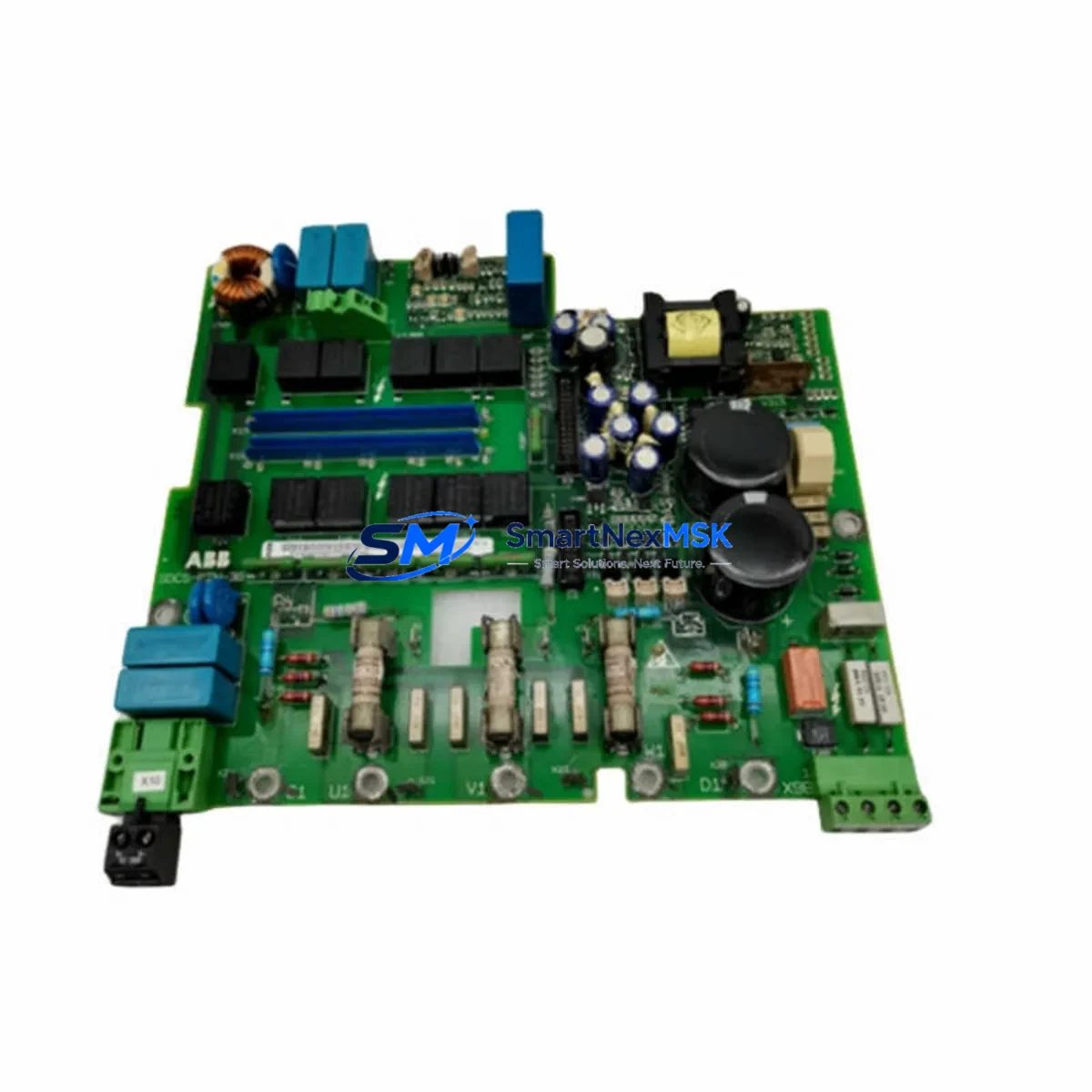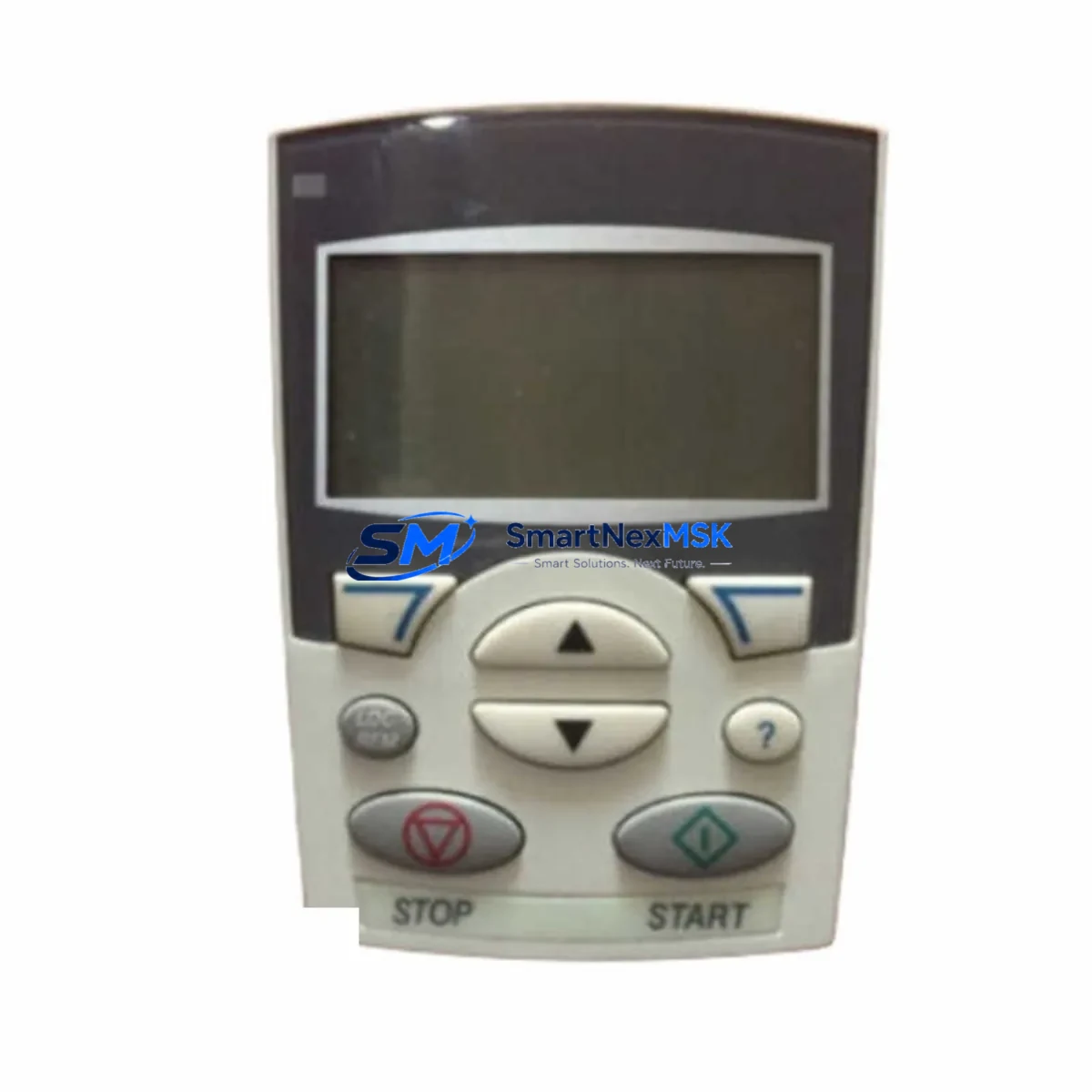
ABB DCS-CP-P Retrofit-Ready Control Panel for Symphony Plus: Compatible Modernization for Legacy DCS Systems
The ABB DCS-CP-P is a control panel module engineered for seamless integration into ABB Symphony Plus and Freelance distributed control system (DCS) architectures. As industrial facilities face the growing challenge of maintaining aging automation infrastructure, the DCS-CP-P provides a verified, drop-in retrofit solution that eliminates the need for full system overhauls. Whether you are replacing a failed unit, upgrading a discontinued component, or modernizing a legacy control cabinet, the DCS-CP-P delivers the compatibility, reliability, and technical precision that industrial automation engineers demand.
Designed to interface directly with the Symphony Plus backplane, the DCS-CP-P supports the standard rack and module addressing conventions used across ABB’s DCS platform family. Engineers migrating from older Symphony or Harmony DCS generations will find that the DCS-CP-P maintains backward-compatible communication protocols, reducing the scope of software reconfiguration required during the upgrade cycle. The module is fully compatible with ABB’s AC 800M controller family and integrates cleanly with existing I/O expansion modules, power supply units, and communication interface cards already installed in the control cabinet.
Upgrade Compatibility Table
| Parameter | Details |
|---|---|
| Compatible DCS Platform | ABB Symphony Plus, Freelance DCS, Harmony DCS (legacy migration) |
| Backplane Interface | Standard Symphony Plus rack slot — no mechanical adapter required |
| Communication Protocol | PROFIBUS DP, HART, Modbus RTU (platform-dependent configuration) |
| Controller Compatibility | ABB AC 800M, AC 870P, compatible with existing I/O bus architecture |
| Installation Requirement | DIN rail / rack mount; terminal wiring per original panel layout |
| Replacement Scope | Direct replacement for discontinued DCS-CP-P units; no firmware reflash required in most configurations |
| Commissioning Notes | Verify module address jumpers, confirm I/O channel mapping, validate HMI tag assignments post-swap |
| Warranty | 12-Month Warranty — covers manufacturing defects and functional failure under normal operating conditions |
Retrofit Planning for Existing Automation Systems
A successful DCS-CP-P retrofit begins well before the module arrives on site. Engineers should start by auditing the existing control cabinet layout, documenting the current terminal block wiring assignments, and confirming the power supply capacity of the installed ABB SDCS-POW-1 or equivalent DCS power supply module. Insufficient power headroom is one of the most common causes of post-retrofit instability, particularly in cabinets where additional I/O expansion modules such as the ABB AI810 analog input module or DI810 digital input module have been added over the years without a corresponding power budget review.
Before removing the legacy panel module, engineers should export a full backup of the control application from the ABB AC 800M controller using ABB Control Builder Plus. This preserves the existing function block logic, loop tuning parameters, and alarm setpoints, ensuring that the replacement DCS-CP-P can be brought online without reprogramming from scratch. In systems where the HMI is running ABB 800xA or an older Operate IT interface, it is equally important to verify that all graphic display tags referencing the panel module’s I/O channels remain correctly mapped after the hardware swap.
For facilities running PROFIBUS DP networks, the DCS-CP-P’s GSD file and station address must be confirmed against the existing network configuration before the module is powered up. In mixed-protocol environments where legacy Modbus RTU devices share the same control cabinet — such as third-party motor drives, flow computers, or remote I/O stations connected via ABB CI854 PROFIBUS communication interface modules — the retrofit plan should include a communication link verification step to confirm that the new panel module does not introduce address conflicts or bus timing issues.
Facilities upgrading from older Harmony DCS or Bailey INFI 90 architectures to Symphony Plus will find the DCS-CP-P particularly valuable as a bridging component during phased migration projects. Rather than replacing the entire control system in a single outage window, the DCS-CP-P allows engineering teams to modernize individual control loops and panel sections while keeping the remainder of the legacy system operational. This approach is especially effective in continuous process industries — such as power generation, chemical processing, and pulp and paper — where extended planned shutdowns are operationally and commercially prohibitive.
When planning terminal wiring adaptation, engineers should cross-reference the DCS-CP-P’s terminal assignment diagram against the original panel’s wiring schedule. In many retrofit scenarios, the existing field cable terminations can be reused directly, with only the module-side connections requiring re-termination. Where signal conditioning is required — for example, when integrating 4–20 mA HART field instruments previously connected through an ABB HART multiplexer — the DCS-CP-P’s analog input channels should be verified for loop impedance compatibility before final commissioning.
Downtime Control During System Migration
Minimizing unplanned downtime is the primary operational constraint in any DCS retrofit project. The DCS-CP-P’s drop-in compatibility with the Symphony Plus rack architecture means that the physical module swap can typically be completed within a single planned maintenance window, often in under two hours for a single panel section. To protect the integrity of the existing control program, engineers should follow a structured hot-swap protocol: isolate the affected I/O channels in the control application, place the associated control loops in manual mode at the ABB 800xA operator station, and confirm that all field devices connected to the panel module are in a safe hold state before removing the legacy unit.
Once the DCS-CP-P is seated in the rack and powered, the module self-initializes against the controller’s I/O configuration database. In most Symphony Plus installations, the controller will automatically recognize the replacement module and restore normal I/O scanning within seconds, provided the module address and slot assignment match the original configuration. Engineers should monitor the system event log in ABB Control Builder Plus during the first 15 minutes of operation to confirm that no diagnostic alarms are generated and that all analog and digital channels are reporting correctly.
For facilities where continuous process control cannot be interrupted even briefly, a parallel commissioning approach is recommended: install and configure the DCS-CP-P in a spare rack slot, validate all I/O channel assignments and communication links in shadow mode, and then perform the final cutover during the shortest available process pause. This technique is particularly effective in power plant auxiliary systems and chemical reactor control applications where even momentary loss of panel feedback can trigger safety interlock sequences.
All DCS-CP-P units supplied by SMARTNEXMSK undergo pre-shipment functional testing, including power-on self-test verification, I/O channel continuity checks, and communication interface validation. Each unit ships with a test report confirming that the module meets ABB’s original performance specifications, reducing the risk of commissioning delays caused by infant-failure defects. The 12-month warranty covers all manufacturing defects and functional failures under normal DCS operating conditions, providing engineering teams with the confidence to proceed with retrofit projects on critical production assets.
Retrofit Support FAQ
Q: Is the DCS-CP-P a direct drop-in replacement for the original ABB unit, or does it require firmware updates?
A: In the majority of Symphony Plus installations, the DCS-CP-P is a direct drop-in replacement that does not require firmware updates or controller reconfiguration. The module is pre-configured to operate within the standard Symphony Plus I/O addressing scheme. However, engineers should verify the module revision level against the installed controller firmware version using ABB’s compatibility matrix, particularly in systems running older AC 800M firmware releases.
Q: What wiring changes are required when replacing a failed DCS-CP-P in an existing control cabinet?
A: In most cases, the existing field cable terminations can be reused without modification. The replacement DCS-CP-P uses the same terminal block layout as the original unit, so re-termination is limited to the module-side connections. Engineers should photograph the existing wiring before removal and cross-reference against the panel’s wiring schedule to confirm signal assignments. Where shielded cables are used for analog signals, shield grounding continuity should be verified after re-termination.
Q: How is compatibility with PROFIBUS DP and Modbus RTU networks verified before commissioning?
A: Prior to powering the replacement DCS-CP-P, engineers should confirm the module’s PROFIBUS station address using the address selector switches and verify that the GSD file loaded in the PROFIBUS master configuration matches the module’s firmware version. For Modbus RTU networks, the baud rate, parity, and device address settings should be confirmed against the existing network configuration. A network diagnostic scan using a PROFIBUS tester or Modbus poll utility is recommended before restoring the control loops to automatic mode.
Q: What does the 12-month warranty cover, and what is the process for warranty claims?
A: The 12-month warranty covers manufacturing defects and functional failures under normal DCS operating conditions, including I/O channel failures, communication interface faults, and power supply regulation issues. Warranty claims are processed through SMARTNEXMSK’s technical support team. To initiate a claim, contact [email protected] with the module serial number, a description of the fault symptom, and the pre-shipment test report supplied with the unit. Replacement units are dispatched within 3–5 business days of claim verification.
© 2026 SMARTNEXMSK. All rights reserved.
Original Source: https://smartnexmsk.com
Contact: [email protected] | +86 18259474341