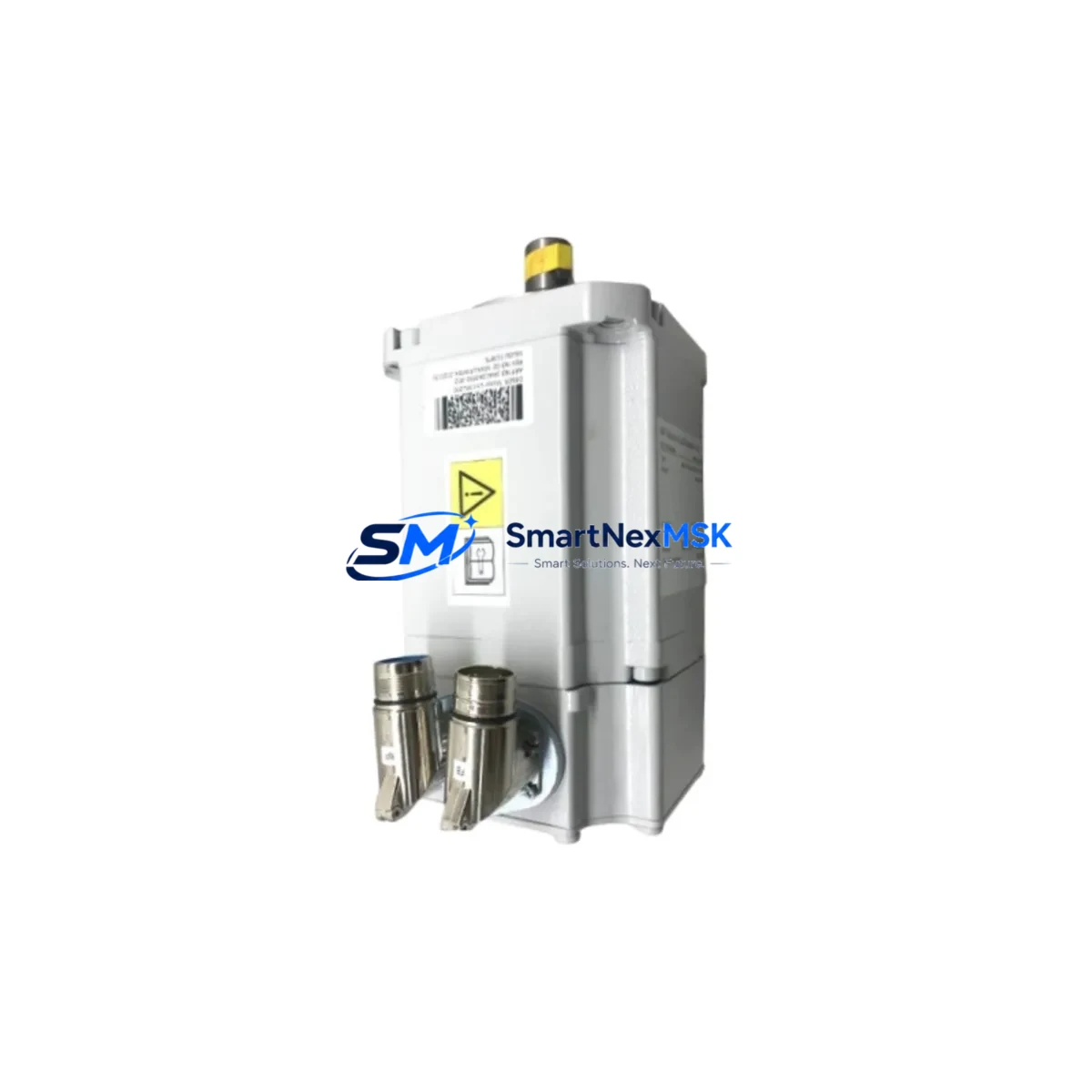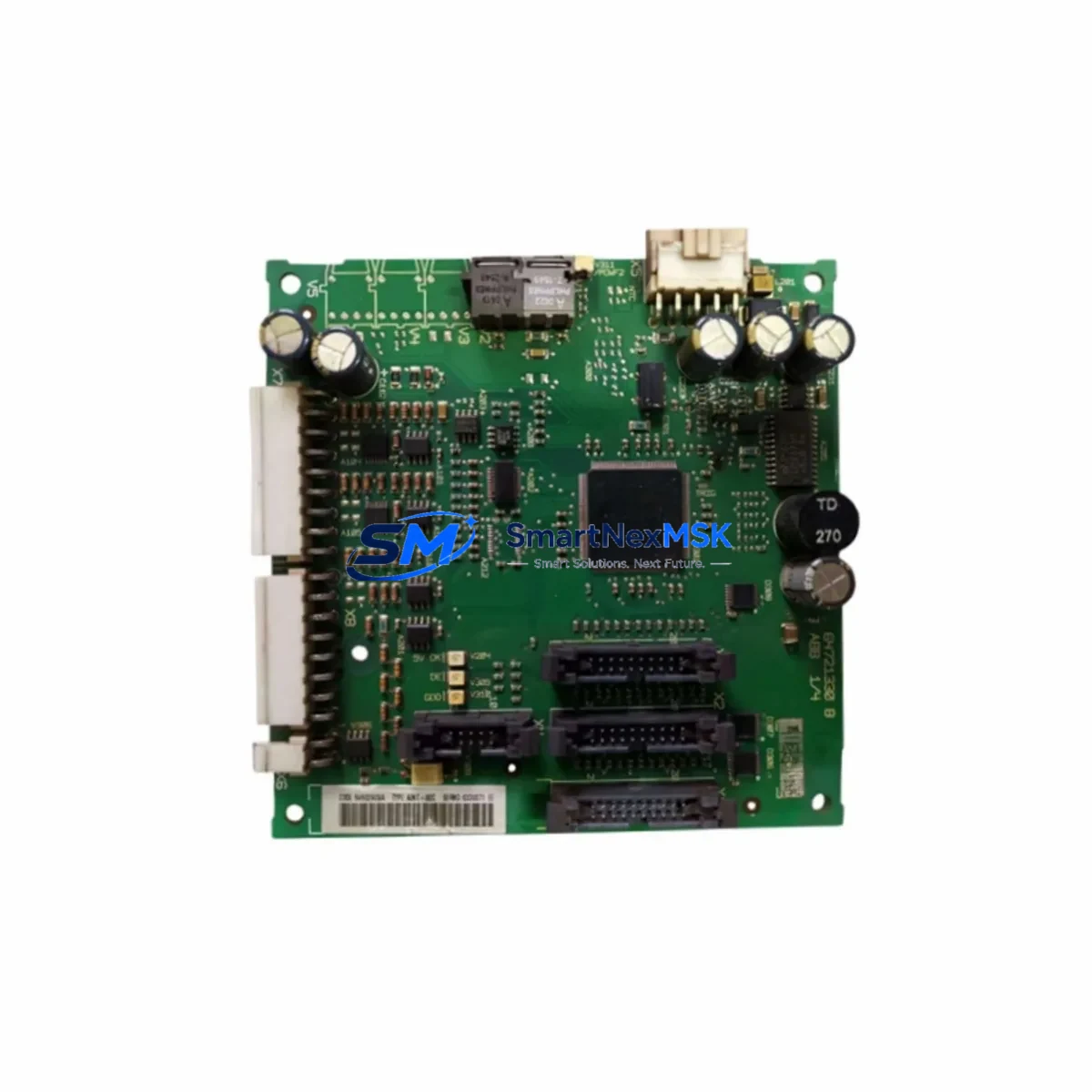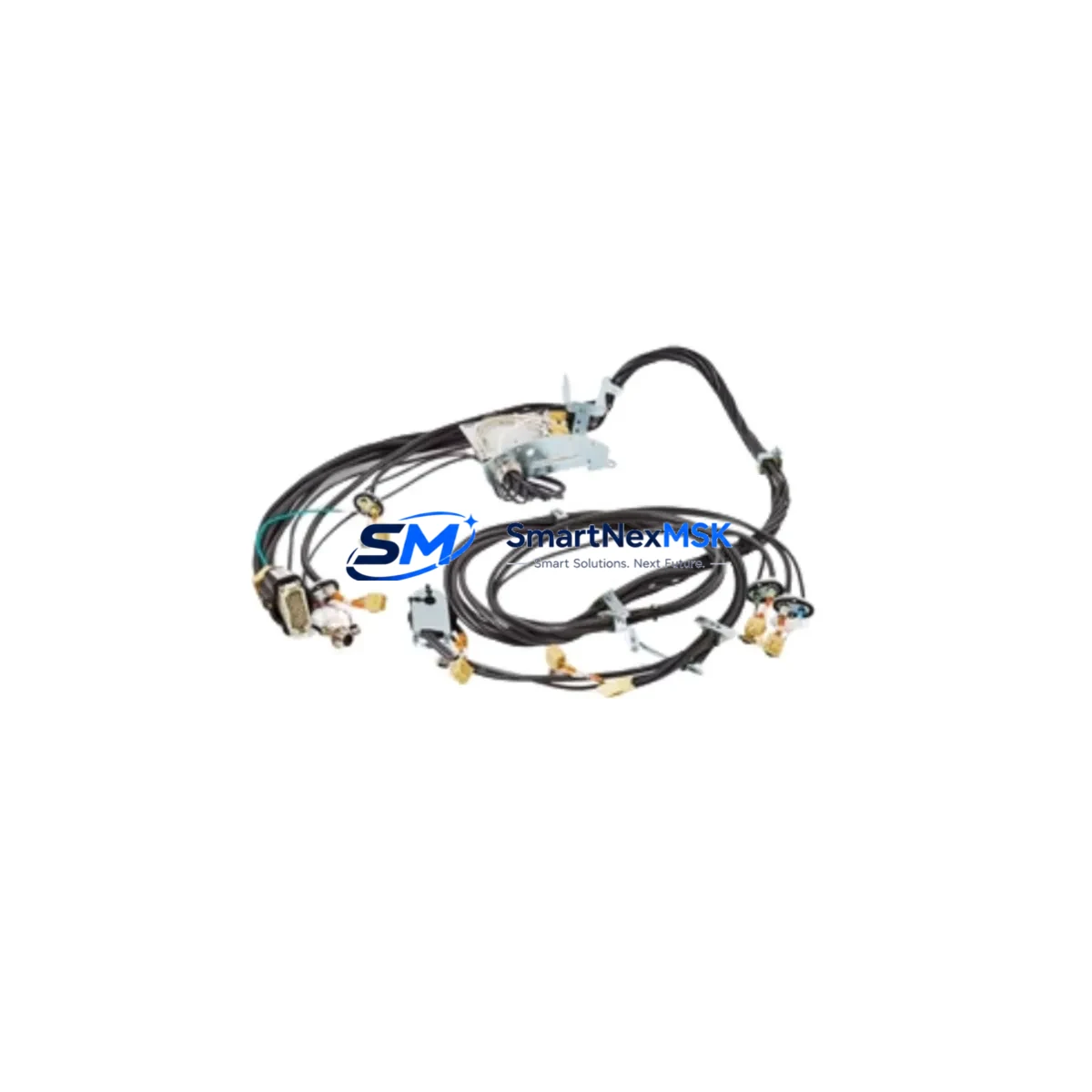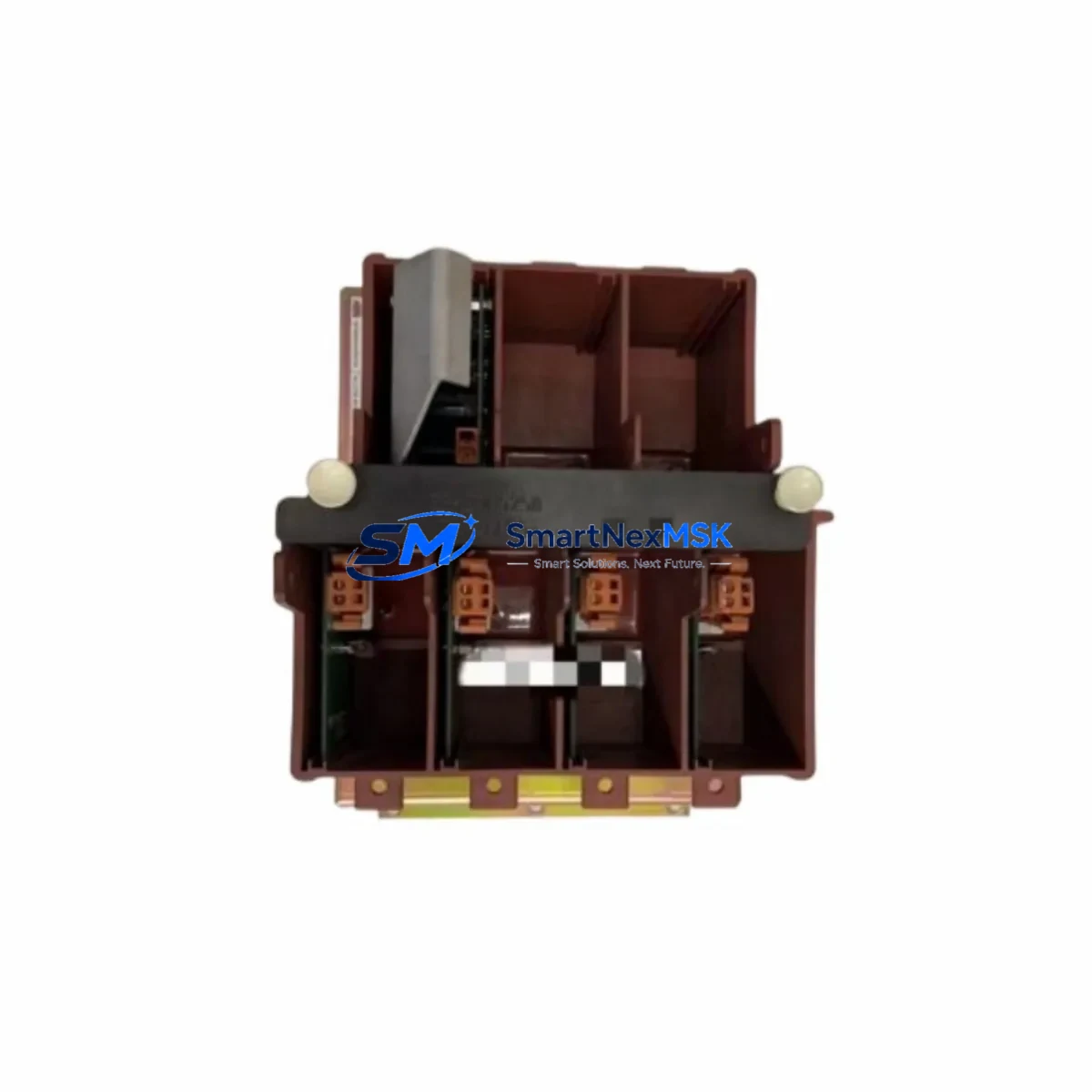
ABB DSQC377B 3HAC025007-001 Retrofit-Ready I/O Module for IRC5 Control Systems
The ABB DSQC377B (part number 3HAC025007-001) is a digital I/O module engineered for the ABB IRC5 robot controller platform, widely deployed across IRB460, IRB2400, IRB4400, and IRB6600 series industrial robots. As ABB progressively phases out legacy IRC5 hardware, the DSQC377B has become one of the most sought-after retrofit and replacement components for system integrators, maintenance engineers, and automation managers tasked with extending the operational life of existing robot cells without committing to a full controller replacement.
This module provides 16 digital inputs and 16 digital outputs, operating at 24 VDC logic levels, and communicates over the IRC5 internal DeviceNet backplane. It is fully compatible with RobotWare 5.x and RobotWare 6.x, making it a direct drop-in replacement for failed or end-of-life DSQC377 and DSQC377A units already installed in the field. Engineers performing a like-for-like swap can retain existing terminal wiring, I/O signal mapping, and RAPID program logic without modification, dramatically reducing commissioning time and unplanned downtime.
Upgrade Compatibility Table
| Parameter | DSQC377 / DSQC377A (Legacy) | DSQC377B 3HAC025007-001 (This Unit) |
|---|---|---|
| Digital Inputs | 16 x 24 VDC | 16 x 24 VDC |
| Digital Outputs | 16 x 24 VDC | 16 x 24 VDC |
| Communication Bus | DeviceNet (IRC5 backplane) | DeviceNet (IRC5 backplane) |
| RobotWare Compatibility | RobotWare 5.x | RobotWare 5.x / 6.x |
| Controller Platform | IRC5 Single / Dual Cabinet | IRC5 Single / Dual / Panel-Mounted |
| Terminal Wiring | Screw terminal, 24-pin | Screw terminal, 24-pin (identical) |
| Backplane Slot | IRC5 I/O slot (standard) | IRC5 I/O slot (direct fit) |
| Module Address Config | Rotary switch (hardware) | Rotary switch (hardware, same position) |
| Replacement Action | — | Direct swap, no RAPID changes required |
| Commissioning Requirement | — | Power cycle + I/O unit re-scan in FlexPendant |
| Warranty | — | 12-Month Warranty |
Retrofit Planning for Existing Automation Systems
A successful DSQC377B retrofit begins well before the module arrives on-site. The first step is a power budget audit of the IRC5 controller’s internal 24 VDC supply rail. The DSQC377B draws up to 200 mA from the backplane; if the cabinet already hosts a DSQC652 DeviceNet master module, a DSQC679 teach pendant interface board, and a DSQC400 axis computer, the combined load must be verified against the DSQC609 power supply unit’s rated output. Overloading the internal supply is a common cause of intermittent I/O faults that are misdiagnosed as module failures.
Terminal wiring on the DSQC377B uses a 24-pin screw-terminal connector block that is physically and electrically identical to the DSQC377A it replaces. Field engineers can disconnect the existing connector block as a single assembly and re-seat it on the new module without re-terminating individual wires — a significant time saving in cabinets where wire labeling has degraded over years of service. Before re-powering, verify that the rotary address switch on the DSQC377B is set to the same node address as the removed unit; a mismatch will cause the IRC5 to report a DeviceNet configuration error and prevent robot motion.
For lines running IRB460 palletizing robots, the DSQC377B typically handles gripper open/close signals, conveyor interlock inputs, and pallet-present sensor feedback. During the swap, it is advisable to document the current I/O signal table from the FlexPendant’s I/O configuration screen and cross-reference it against the RAPID module’s signal declarations. If the system also uses a DSQC354 analog I/O module for conveyor speed reference, that module remains unaffected and does not need to be reconfigured.
Sites upgrading from IRC5 to IRC5P (Panel-Mounted Controller) as part of a broader cell modernization should note that the DSQC377B is compatible with both form factors. The IRC5P uses the same internal DeviceNet bus and the same DSQC609 power supply architecture, so the module can be migrated directly into the new cabinet. If the upgrade also involves replacing the FlexPendant with a newer DSQC679T unit or integrating a PC-based HMI via OPC-UA, the I/O signal names defined in the RAPID program will remain valid as long as the module address is preserved.
For systems that include a DSQC688 EtherNet/IP scanner module for upstream PLC communication — for example, connecting the IRC5 to a Siemens S7-300 or Allen-Bradley ControlLogix — the DSQC377B replacement has no impact on the EtherNet/IP configuration. The scanner module operates independently on a separate communication path, and its I/O assembly mappings do not need to be updated after the DSQC377B swap.
Downtime Control During System Migration
Minimizing production downtime during a DSQC377B replacement requires a structured pre-shutdown checklist. Before powering down the IRC5, use the FlexPendant to export the current system parameters — including the I/O configuration, motion configuration, and RAPID program backup — to a USB drive. This backup takes less than three minutes and provides a complete restore point if any configuration discrepancy is discovered after the swap.
The physical replacement itself typically takes 15 to 20 minutes: power down the controller, discharge the internal capacitors (wait 30 seconds after the main switch is off), remove the connector block from the failed DSQC377B, extract the module from its backplane slot, seat the new DSQC377B, reconnect the terminal block, and restore power. On first boot, the IRC5 will perform a DeviceNet bus scan. If the module address is correctly set, the controller will recognize the DSQC377B automatically and resume normal operation without requiring a configuration download.
If the system was previously running with a faulted or partially functional DSQC377B, the RAPID program may have accumulated error state variables that prevent automatic restart. In this case, clear the error log via the FlexPendant, reset the program pointer to main, and perform a supervised test cycle in manual reduced-speed mode before returning the cell to automatic production. This step protects both the tooling and the workpiece during the first post-replacement cycle and is standard practice for any IRC5 I/O module change-out.
For multi-robot cells where the IRC5 is networked to a line PLC via PROFIBUS or EtherNet/IP, coordinate the maintenance window with the PLC operator to suppress robot-fault alarms at the SCADA level during the swap. This prevents false fault records in the production MES and avoids triggering automatic line-stop sequences that would extend the downtime beyond the module replacement itself.
Retrofit Support FAQ
Q1: Is the DSQC377B a direct replacement for DSQC377 and DSQC377A without any program changes?
Yes. The DSQC377B is backward compatible with both the DSQC377 and DSQC377A at the hardware, wiring, and software levels. The terminal connector block, backplane interface, DeviceNet node address switch, and I/O signal count are identical. No changes to the RAPID program or I/O configuration are required, provided the rotary address switch is set to the same position as the removed module.
Q2: What commissioning steps are required after installing the DSQC377B?
After seating the module and restoring power, navigate to the I/O configuration screen on the FlexPendant and verify that the DSQC377B appears on the DeviceNet bus with the correct node address. Perform a manual I/O test by toggling each output and confirming the corresponding field device response. If the system uses a DSQC688 EtherNet/IP scanner, verify that the upstream PLC is receiving valid I/O data before releasing the cell to automatic mode.
Q3: How is the DSQC377B tested before shipment?
Each DSQC377B unit undergoes functional testing prior to dispatch, including power-on verification, I/O channel continuity checks, and DeviceNet communication validation. Units are shipped with original or equivalent protective packaging to prevent ESD damage during transit. A 12-month warranty covers defects in materials and workmanship from the date of delivery.
Q4: Can the DSQC377B be used in an IRC5 Panel-Mounted Controller (IRC5P) as well as the standard IRC5 cabinet?
Yes. The DSQC377B is compatible with both the standard IRC5 single-cabinet and dual-cabinet configurations and the IRC5P panel-mounted variant. The internal backplane architecture and power supply interface are identical across all IRC5 form factors, so the module installs and operates identically in each configuration.
© 2026 SMARTNEXMSK. All rights reserved.
Original Source: https://smartnexmsk.com
Contact: [email protected] | +86 18259474341