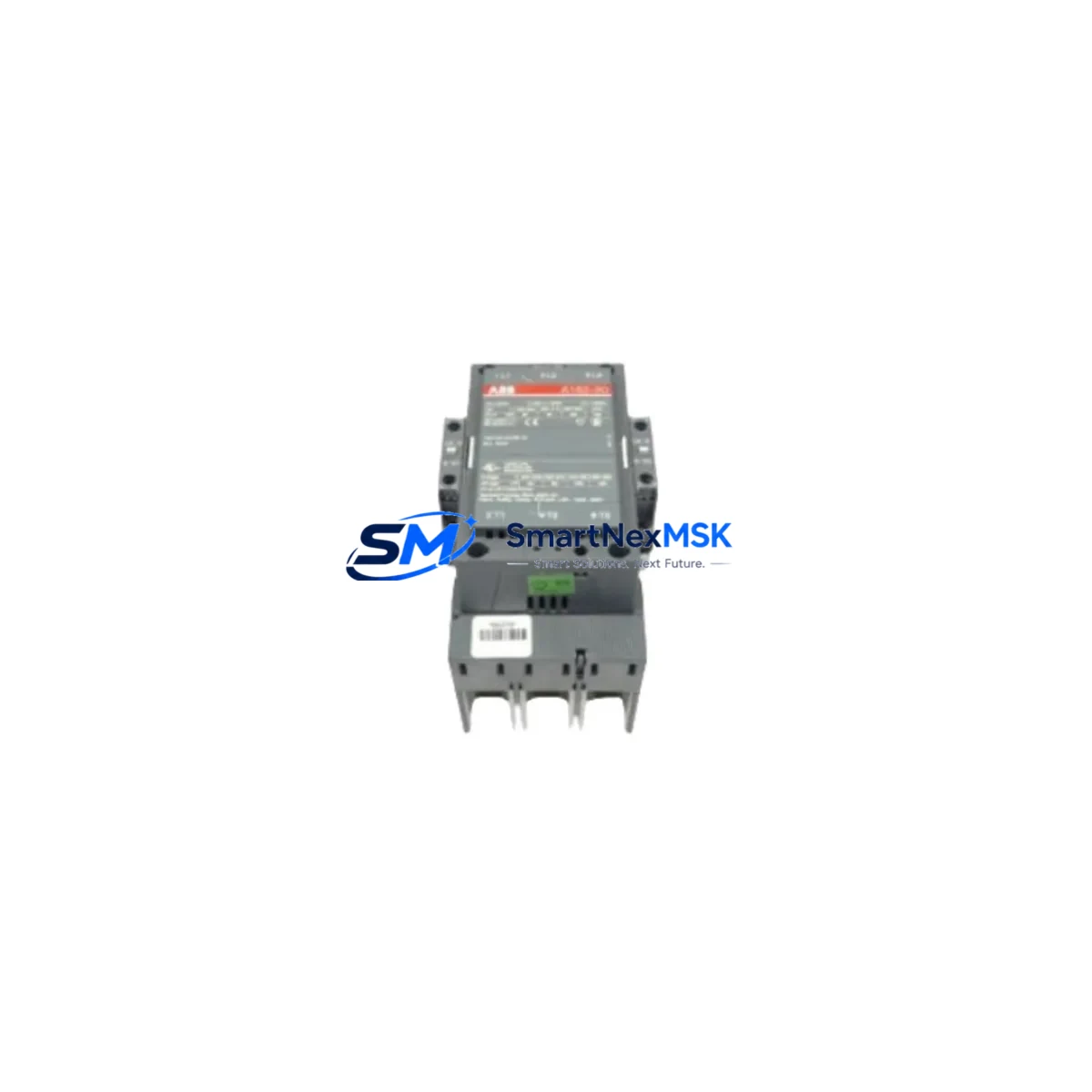
ABB HAC023469-001 Retrofit-Ready Spring Counterbalance for IRB 1403 Control Systems
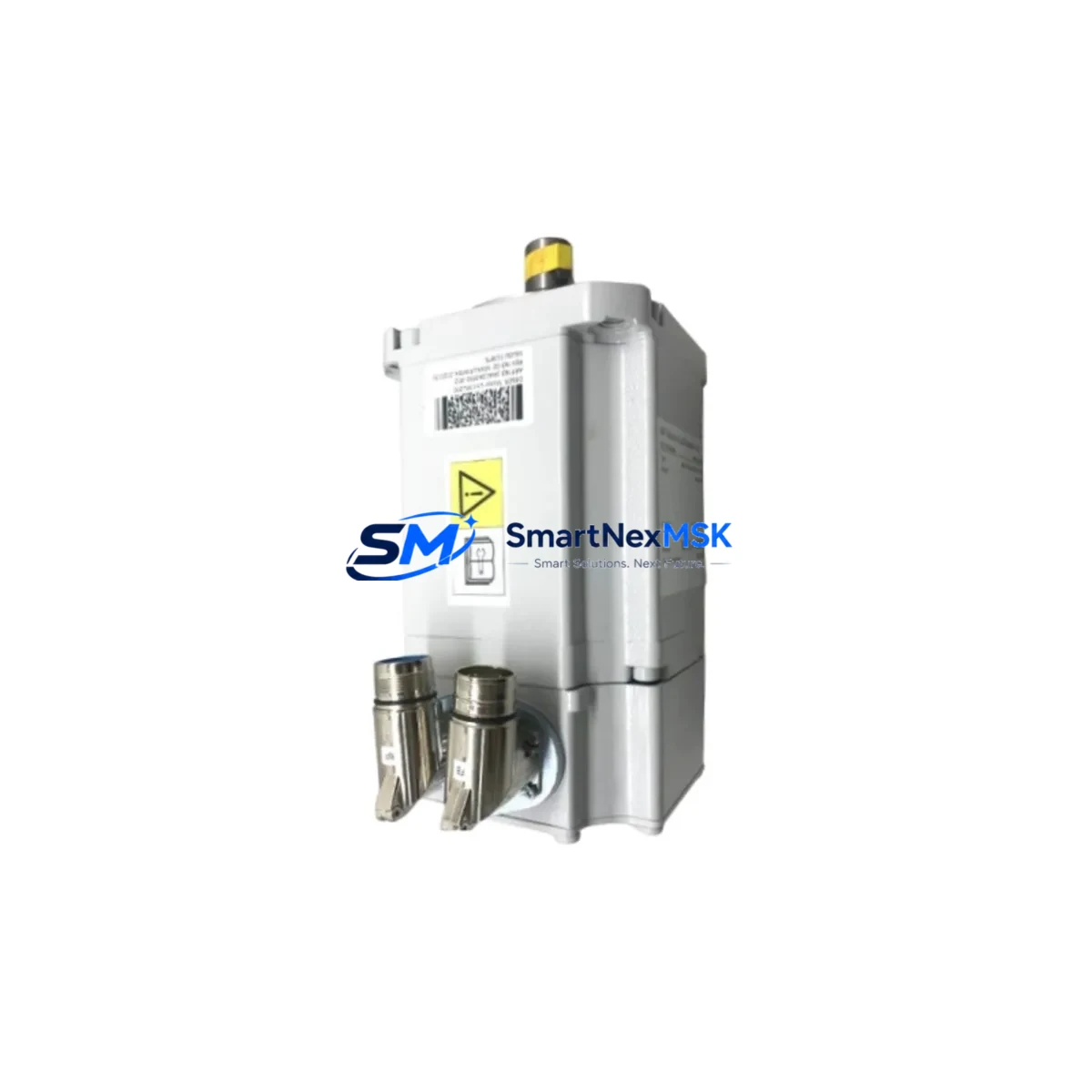
The ABB HAC023469-001 is a factory-specification spring counterbalance unit engineered for the IRB 1403 industrial robot series. As legacy IRB 1403 installations approach end-of-service milestones, this component plays a critical role in retrofit and overhaul programs — restoring axis-2 load compensation, protecting gearbox integrity, and extending the operational life of existing robot cells without requiring a full manipulator replacement.
Whether you are managing a planned maintenance window, responding to an unscheduled failure, or executing a broader control system modernization, the HAC023469-001 provides a verified drop-in solution that preserves your existing mechanical envelope, wiring harness routing, and robot program logic. No axis recalibration offsets are required beyond the standard mastering procedure documented in ABB’s IRB 1403 Product Manual.
Upgrade Compatibility Table
| Parameter | Detail |
|---|---|
| Compatible Robot Model | ABB IRB 1403 (all variants) |
| ABB Part Number | HAC023469-001 |
| Function | Axis-2 Spring Counterbalance / Load Compensation |
| Mounting Interface | Direct bolt-on; matches OEM bracket geometry |
| Installation Requirement | Axis-2 in calibration position; spring pre-load tool recommended |
| Communication Compatibility | Mechanical component — no fieldbus dependency |
| Controller Compatibility | IRC5, S4C+, S4C (IRB 1403 pairings) |
| Replacement Recommendation | Replace at 40,000-hour service interval or upon spring fatigue/failure |
| Commissioning Note | Perform axis mastering via RobotStudio or FlexPendant after installation |
| Warranty | 12 Months from date of shipment |
Retrofit Planning for Existing Automation Systems
A successful IRB 1403 retrofit involves more than swapping the HAC023469-001 spring counterbalance. Experienced automation engineers approach the overhaul as a system-level exercise, auditing every interdependent component before the maintenance window opens.
Begin with the IRC5 controller cabinet. Verify that the drive module powering axis 2 — typically a DSQC661 or DSQC662 drive unit — shows no fault history related to overcurrent or axis-load alarms, which can indicate a degraded counterbalance has been forcing the drive to compensate mechanically. While the cabinet is open, inspect the SMB (Serial Measurement Board), commonly the DSQC233 or its successor, to confirm resolver signal integrity on axis 2 before reinstalling the new spring unit.
Check the axis-2 gearbox (ABB part family 3HAC series gearbox modules) for backlash and oil condition. A failed counterbalance accelerates gearbox wear; if the spring has been degraded for an extended period, gearbox replacement may be required concurrently. Similarly, inspect the axis-2 motor — typically a 3HAC-series AC servo motor — for bearing noise and encoder feedback quality via the FlexPendant diagnostic screens.
On the control side, confirm that the IRC5 main computer (DSQC1000 or legacy DSQC645) holds a current backup of the robot program, including all module files, system parameters, and tool/work-object data. Store this backup on both the controller CompactFlash and an external USB drive before any mechanical work begins. If the installation is running RobotWare 5.x, verify that the axis-2 calibration offset stored in the system parameters matches the physical fine-calibration mark on the manipulator arm — this value must be re-entered after mastering if the spring unit replacement disturbs the axis position.
For cells integrated with a PLC — whether a Siemens S7-300, Allen-Bradley ControlLogix, or Mitsubishi Q-series controller — coordinate the robot maintenance window with the PLC program’s safety interlock logic. Ensure the robot’s DeviceNet or PROFIBUS DP communication link to the PLC is cleanly shut down before power isolation, and document the node address and baud rate settings for rapid recommissioning. If the cell uses an ABB SafeMove safety controller board, re-validate all speed and zone supervision parameters after axis mastering is complete.
Peripheral equipment in the cell — including the teach pendant cable (IRC5 FlexPendant), the customer I/O terminal board, and any Ethernet/IP or PROFINET gateway modules — should be visually inspected during the same window to avoid repeat downtime. Replacing the HAC023469-001 while simultaneously servicing these ancillary components maximizes the value of each planned shutdown.
Downtime Control During System Migration
Minimizing production loss during an IRB 1403 spring counterbalance replacement requires disciplined pre-staging and a clear task sequence. Ship the HAC023469-001 to site before the maintenance window opens and perform a dimensional pre-check against the existing unit while the robot is still running — confirm spring free length, end-fitting thread specification, and bracket bolt pattern match the installed part.
On the day of replacement, follow a strict isolation sequence: disable the IRC5 controller via the main switch, apply LOTO (lockout/tagout) on the cabinet, and mechanically support axis 2 with a rated lifting sling before releasing the old spring unit. The new HAC023469-001 can typically be installed and torqued to specification within 45–90 minutes by a trained ABB-certified technician.
After mechanical installation, restore power and perform the axis-2 mastering routine using the FlexPendant’s calibration wizard. Load the pre-saved robot program backup and execute a slow-speed dry run (10% speed override) through the full production cycle to verify path accuracy and absence of axis-2 load alarms. Gradually increase speed to 100% over three to five test cycles before returning the cell to production. This structured approach consistently achieves full recommissioning within a single 4–8 hour shift, protecting production schedules and avoiding extended unplanned outages.
Retrofit Support FAQ
Q1: Is the HAC023469-001 a direct replacement for all IRB 1403 variants, including early production units?
A: Yes. The HAC023469-001 is the current ABB-specified spring counterbalance for the IRB 1403 series across all production variants. It is dimensionally and functionally interchangeable with earlier part revisions. No bracket modification or adapter hardware is required for standard installations.
Q2: Does replacing the spring counterbalance require robot re-programming or PLC logic changes?
A: No program changes are required. The HAC023469-001 is a purely mechanical component. After installation, only the standard axis-2 mastering procedure is needed to restore calibration. All existing RAPID modules, I/O configurations, and PLC communication parameters remain unchanged.
Q3: What wiring or terminal checks should be performed during installation?
A: Although the spring counterbalance itself carries no electrical connections, use the maintenance window to inspect the axis-2 motor power cable connector (typically an M23 circular connector on the lower arm), the resolver cable routing for chafing, and the SMB battery backup condition. Addressing these items concurrently prevents secondary faults after recommissioning.
Q4: What does the 12-month warranty cover, and how is the unit tested before shipment?
A: Every HAC023469-001 unit is inspected for spring free-length tolerance, end-fitting thread integrity, and surface finish before dispatch. The 12-month warranty covers manufacturing defects and premature spring fatigue under normal operating conditions. Warranty claims are supported with full documentation; contact [email protected] for RMA procedures.
© 2026 SMARTNEXMSK. All rights reserved.
Original Source: https://smartnexmsk.com
Contact: [email protected] | +86 18259474341