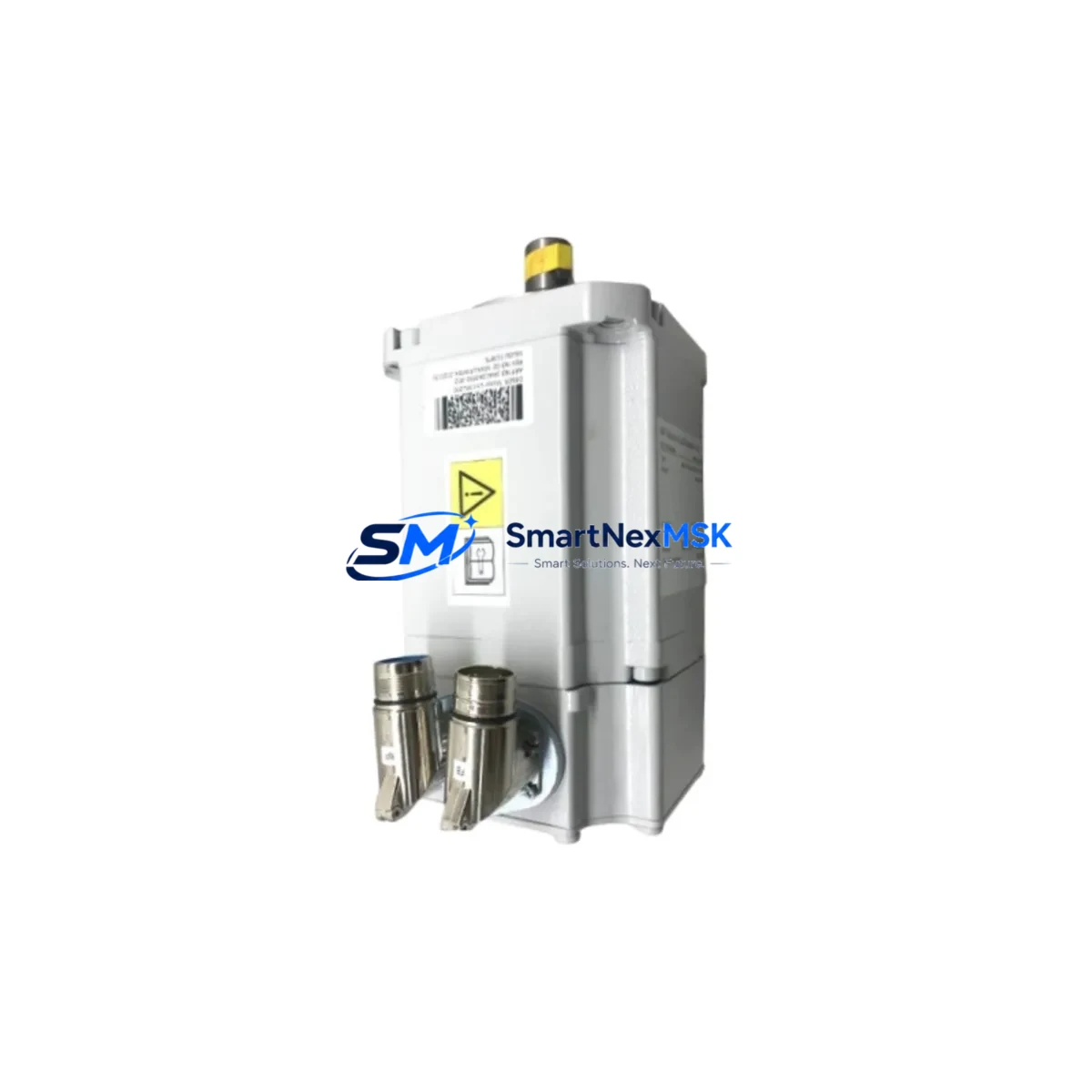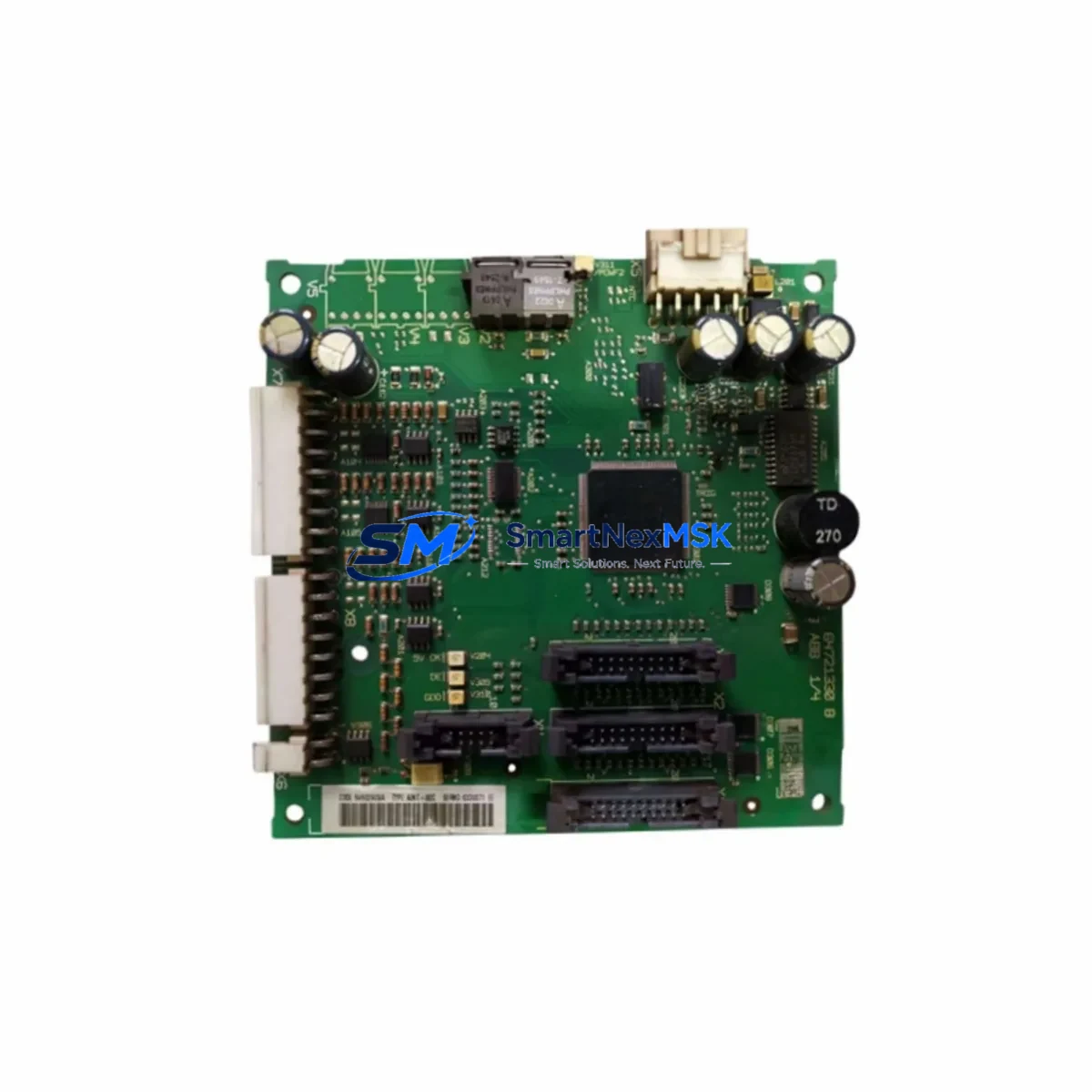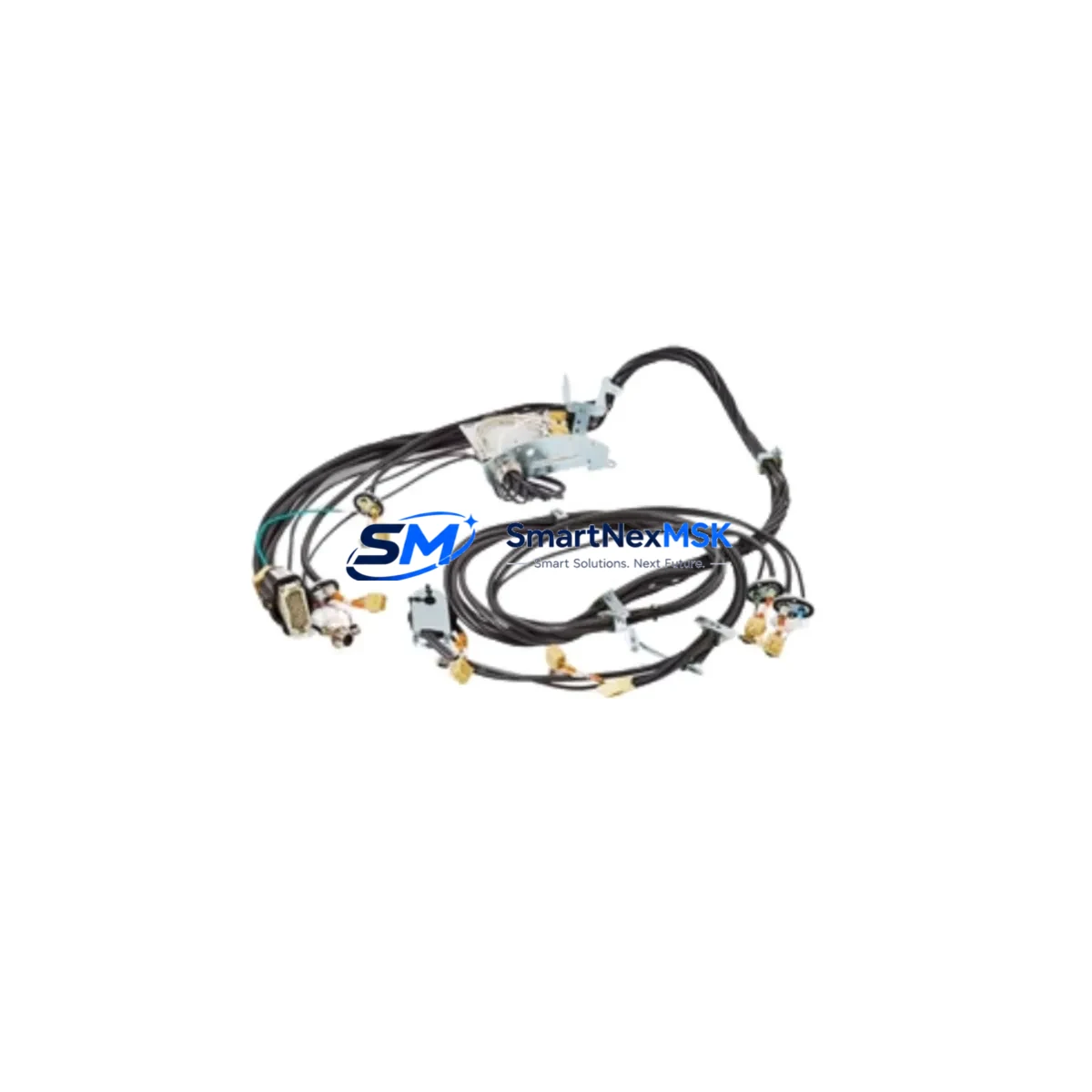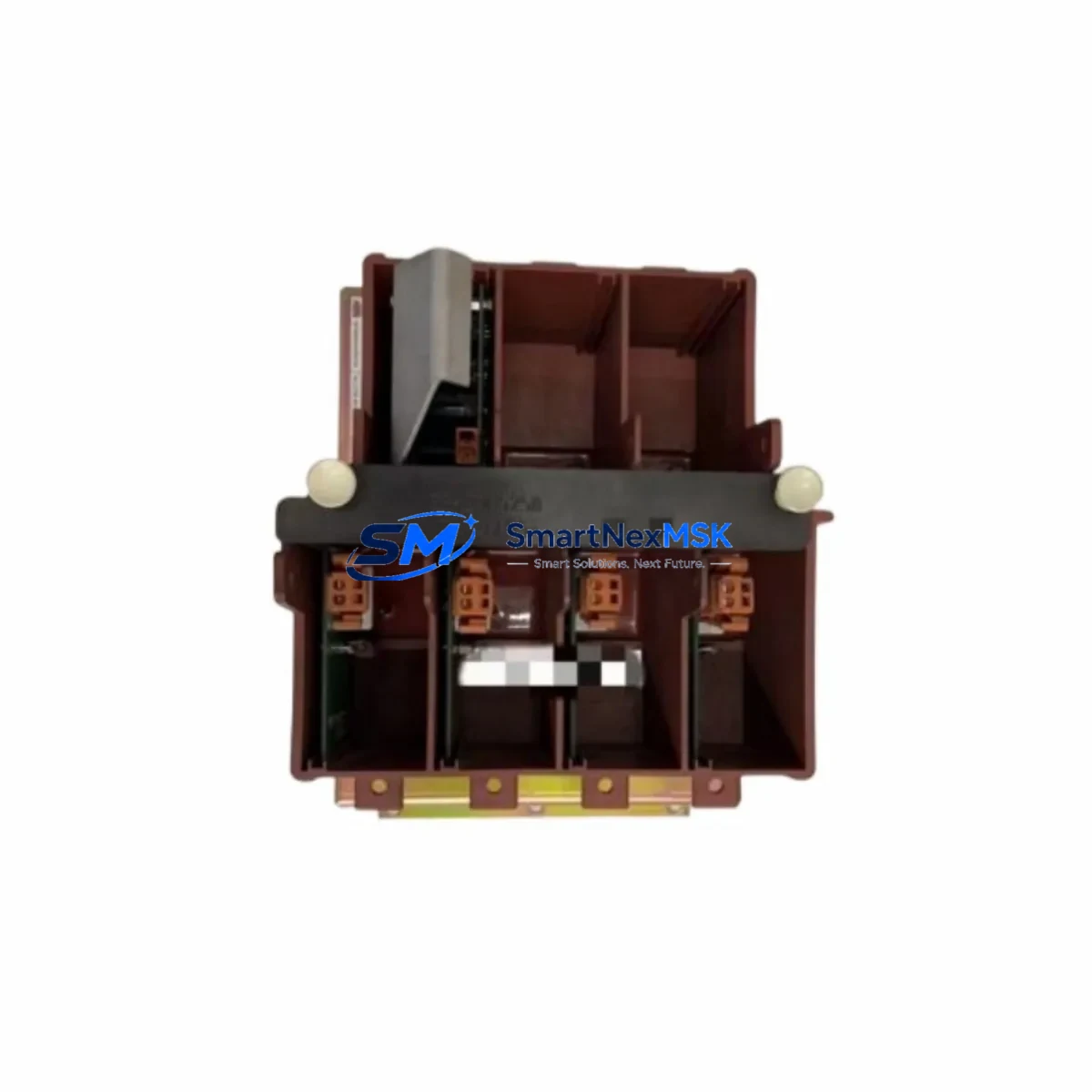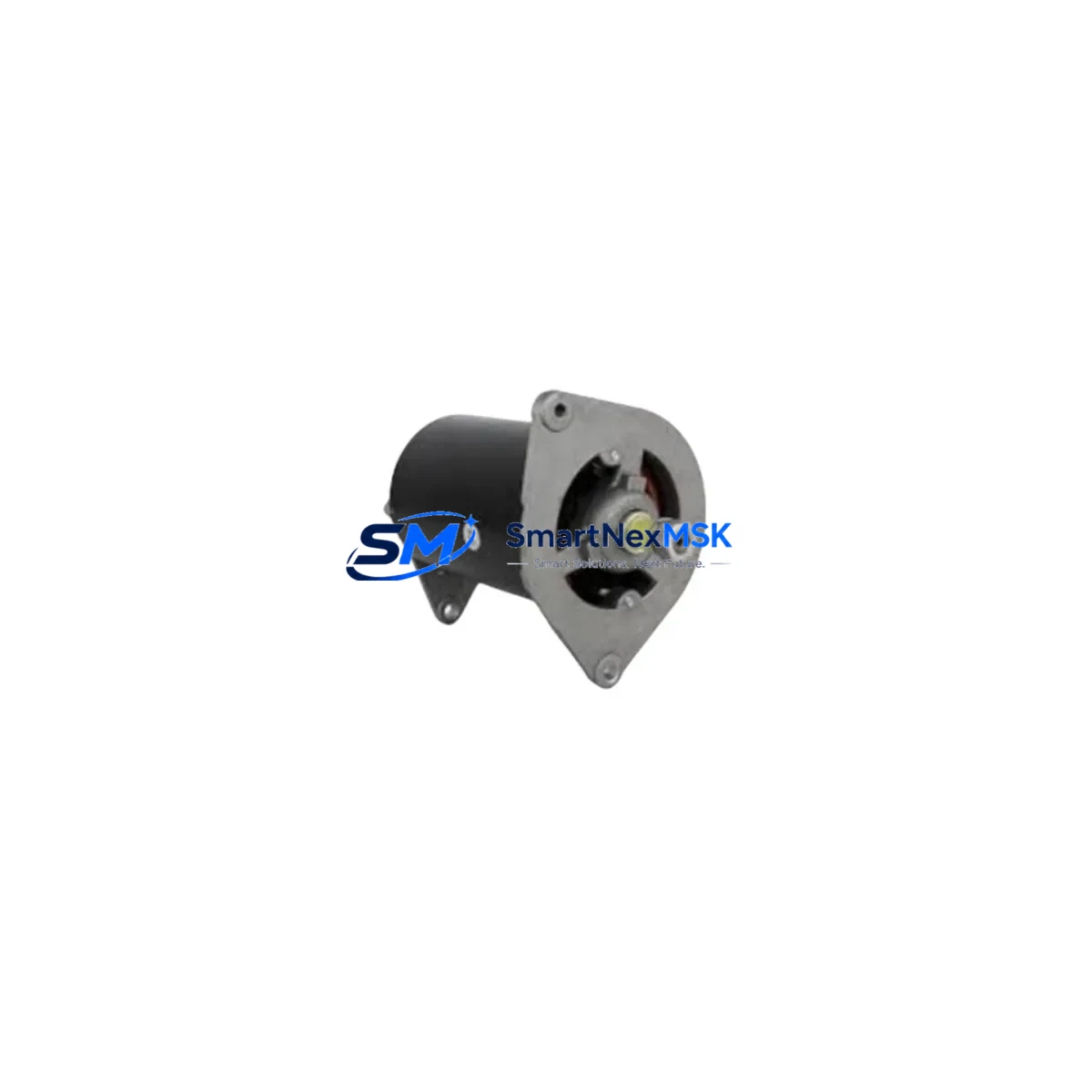
ABB HENF209650R1 P3LC Retrofit-Ready Processor for MOD 300 DCS: Seamless Compatibility Upgrade for Legacy Control Systems
The ABB HENF209650R1 P3LC is a high-reliability processor board engineered for the Advant MOD 300 Distributed Control System platform. As ABB progressively phases out legacy Advant hardware, plant engineers and system integrators face increasing pressure to source verified replacement modules that maintain full backward compatibility with existing rack infrastructure, I/O wiring, and application software. The HENF209650R1 P3LC addresses this challenge directly — it is a proven retrofit solution for facilities operating MOD 300 control cabinets that cannot afford unplanned downtime or full system migration.
This processor module is designed to slot into the standard Advant MOD 300 backplane without mechanical modification. It retains compatibility with the MOD 300 communication bus architecture, enabling continued operation of existing AMPL (Advant Master Programming Language) application logic without recompilation. For sites running mixed-generation hardware — including DSBC 176 communication controllers, DSMB 127 memory boards, and DSAI 130 analog input modules — the HENF209650R1 P3LC integrates without disrupting the existing I/O map or forcing a full cabinet rewire.
Upgrade Compatibility Table
| Parameter | Details |
|---|---|
| Compatible Platform | ABB Advant MOD 300 DCS |
| Module Type | Processor / CPU Board (P3LC) |
| Backplane Interface | MOD 300 standard backplane bus — direct plug-in, no adapter required |
| Communication Compatibility | MasterBus 300, PROFIBUS DP (via gateway), Modbus RTU (via DSCS 140 or equivalent) |
| I/O Compatibility | Compatible with DSAI, DSAO, DSDI, DSDO series I/O modules on existing racks |
| Software Compatibility | Supports existing AMPL application programs; no forced recompilation for standard logic |
| Installation Requirement | Power-off installation; verify 24 VDC backplane supply before insertion |
| Replacement Recommendation | Direct replacement for failed or end-of-life HENF209650R1 P3LC units |
| Commissioning Note | Module address DIP switches must match original configuration; verify via existing documentation or AMPL node map |
| Warranty | 12-Month Warranty — covers manufacturing defects and functional failure under normal operating conditions |
Retrofit Planning for Existing Automation Systems
Successful retrofit of the HENF209650R1 P3LC into an operating MOD 300 system requires systematic pre-installation verification across several engineering disciplines. Before removing the failed or aging processor board, engineers should document the current module address settings using the DIP switch configuration recorded in the original cabinet drawings or the AMPL node configuration file. Mismatched node addresses are the most common cause of communication failure after a processor swap.
Power supply capacity is a critical checkpoint. The MOD 300 rack typically draws regulated 24 VDC from a dedicated DSPU 110 or DSPU 120 power supply unit. Before installing the replacement HENF209650R1 P3LC, verify that the power supply output is within specification — voltage sag under load can cause intermittent processor resets that are difficult to diagnose in the field. If the existing DSPU unit is aging, a concurrent power supply replacement is strongly recommended to avoid repeat failures.
Terminal wiring on associated I/O modules — including DSAI 130 analog input cards, DSAO 120 analog output cards, DSDI 110 digital input modules, and DSDO 115 digital output modules — should be inspected for corrosion, loose ferrules, and correct labeling before the processor is powered up. Wiring errors that were masked by a failed processor can cause unexpected field device behavior on first power-up after replacement.
For systems that include a DSBC 176 communication controller managing MasterBus 300 traffic, confirm that the communication controller firmware version is compatible with the replacement processor. In some MOD 300 configurations, the DSBC 176 maintains a node table that must be updated or cleared after a processor board replacement to allow the new module to register correctly on the bus.
HMI integration is another area requiring attention. Sites running ABB Operate IT or legacy MOD 300 operator stations connected via MasterBus 300 should verify that all process variable tags, alarm setpoints, and trend configurations remain intact after the processor swap. In most cases, the HMI configuration is stored on the operator station server rather than the processor module itself, so data loss is unlikely — but a full tag scan and alarm acknowledgment test should be performed as part of the commissioning checklist.
For facilities that have partially migrated to newer ABB 800xA infrastructure, the HENF209650R1 P3LC can continue to serve as a bridge node, maintaining legacy MOD 300 I/O in service while the migration to AC 800M controllers or S800 I/O modules proceeds in phases. This phased approach minimizes capital expenditure and allows production to continue without a full cutover shutdown.
Programming cable access should also be confirmed. The DSCS 140 serial communication module or a compatible USB-to-serial adapter with the correct pinout is required for direct processor diagnostics and AMPL program upload/download. Ensure the engineering workstation running ABB Master software retains a valid license and the correct COM port configuration before the maintenance window begins.
Downtime Control During System Migration
Minimizing unplanned downtime during a processor board replacement in a MOD 300 DCS environment requires a structured approach that begins well before the maintenance window. The first priority is a complete backup of the existing AMPL application program, including all function block configurations, loop tuning parameters, and interlock logic. This backup should be stored on both the engineering workstation and an offline medium, and verified against the last known-good version in the site’s change management system.
Where process conditions allow, a controlled shutdown sequence should be executed to bring all field devices to a safe state before the processor is de-energized. For continuous process applications where a full shutdown is not feasible, the replacement should be staged during a scheduled low-production period, with operators briefed on manual control procedures for critical loops.
The physical swap of the HENF209650R1 P3LC is straightforward — the module is extracted from the backplane slot, the replacement is inserted with DIP switches pre-configured to match the original node address, and the rack is powered up. The processor typically completes its self-test and begins communicating on the MasterBus 300 within 60–90 seconds. A systematic loop check — verifying analog input readings, digital output states, and alarm status on the HMI — should follow immediately to confirm that all I/O channels are responding correctly before the process is returned to automatic control.
For sites with redundant processor configurations, the replacement can be performed on the standby processor first, with a controlled switchover test before the primary is touched. This approach eliminates process interruption entirely and is the recommended method for critical continuous operations.
All HENF209650R1 P3LC units supplied by SMARTNEXMSK are subject to pre-shipment functional testing, including power-on self-test verification and communication bus response checks, to ensure the module is operational before it reaches the site. This reduces the risk of a failed replacement extending the maintenance window.
Retrofit Support FAQ
Q1: Is the HENF209650R1 P3LC a direct drop-in replacement for the original ABB module?
Yes. The HENF209650R1 P3LC is a form-fit-function replacement for the original ABB Advant MOD 300 processor board of the same part number. No backplane modification, wiring change, or software recompilation is required in standard replacement scenarios. DIP switch settings must be configured to match the original node address before installation.
Q2: What commissioning steps are required after installing the replacement processor?
After physical installation, power up the rack and allow the processor to complete its self-test sequence (typically 60–90 seconds). Verify MasterBus 300 communication status on the DSBC 176 or equivalent communication controller. Perform a full I/O loop check covering all analog and digital channels associated with the processor node. Confirm HMI tag values and alarm states before returning loops to automatic control. Document the replacement in the site’s maintenance management system.
Q3: Can this module be used in a system that is partially migrated to ABB 800xA?
Yes. In hybrid MOD 300 / 800xA environments, the HENF209650R1 P3LC can continue to operate legacy MOD 300 I/O nodes while the migration to AC 800M controllers and S800 I/O proceeds in phases. Communication between the MOD 300 and 800xA layers is typically managed via MasterBus 300 gateway or OPC server integration. Confirm gateway firmware compatibility with your ABB system integrator before proceeding.
Q4: What does the 12-month warranty cover, and what is the return process?
The 12-month warranty covers manufacturing defects and functional failure under normal operating conditions from the date of shipment. It does not cover damage resulting from incorrect installation, overvoltage, or physical mishandling. To initiate a warranty claim, contact SMARTNEXMSK with the order reference, a description of the failure symptom, and photographic evidence of the installation. Replacement or repair will be arranged within the agreed lead time. All units undergo pre-shipment functional testing prior to dispatch.
© 2026 SMARTNEXMSK. All rights reserved.
Original Source: https://smartnexmsk.com
Contact: [email protected] | +86 18259474341