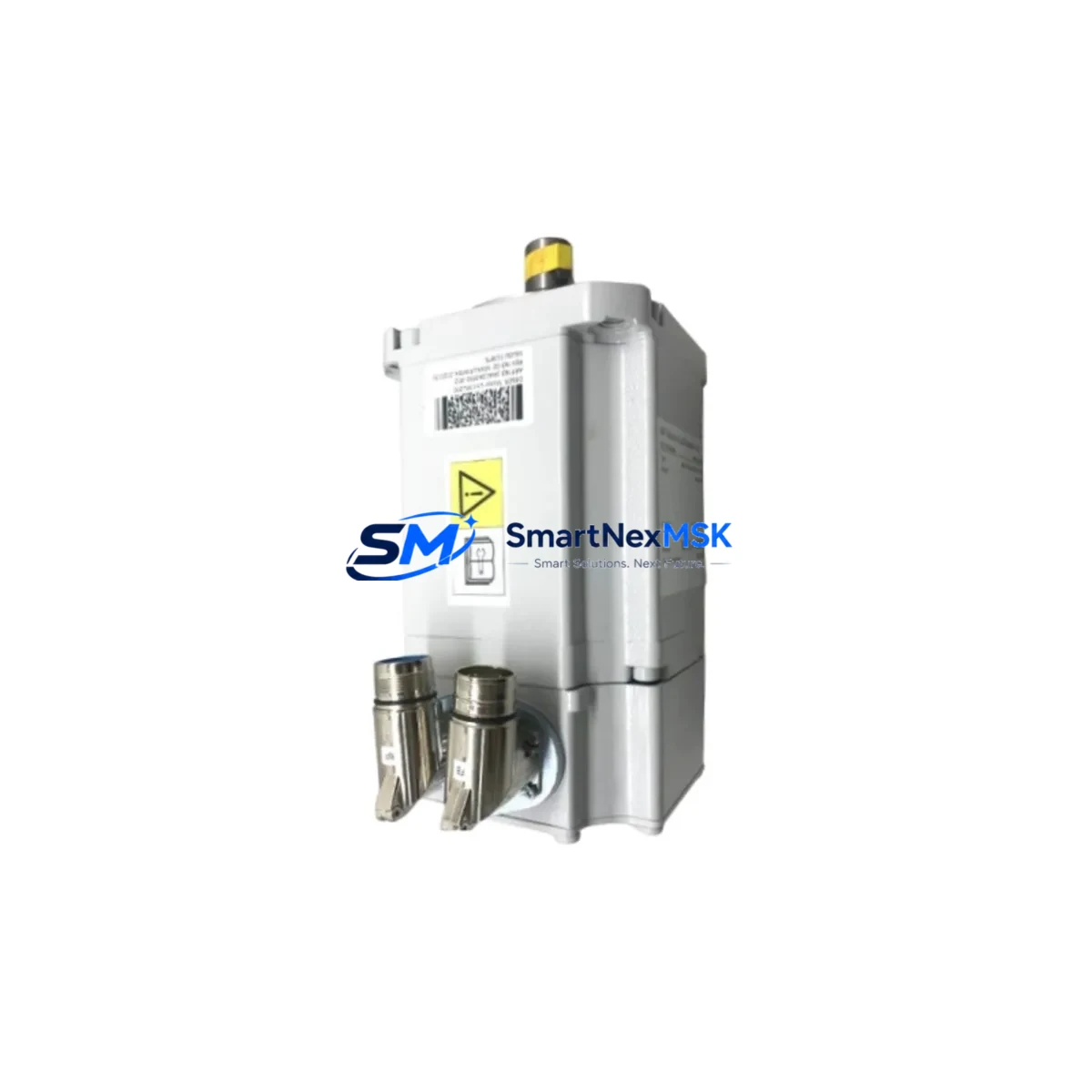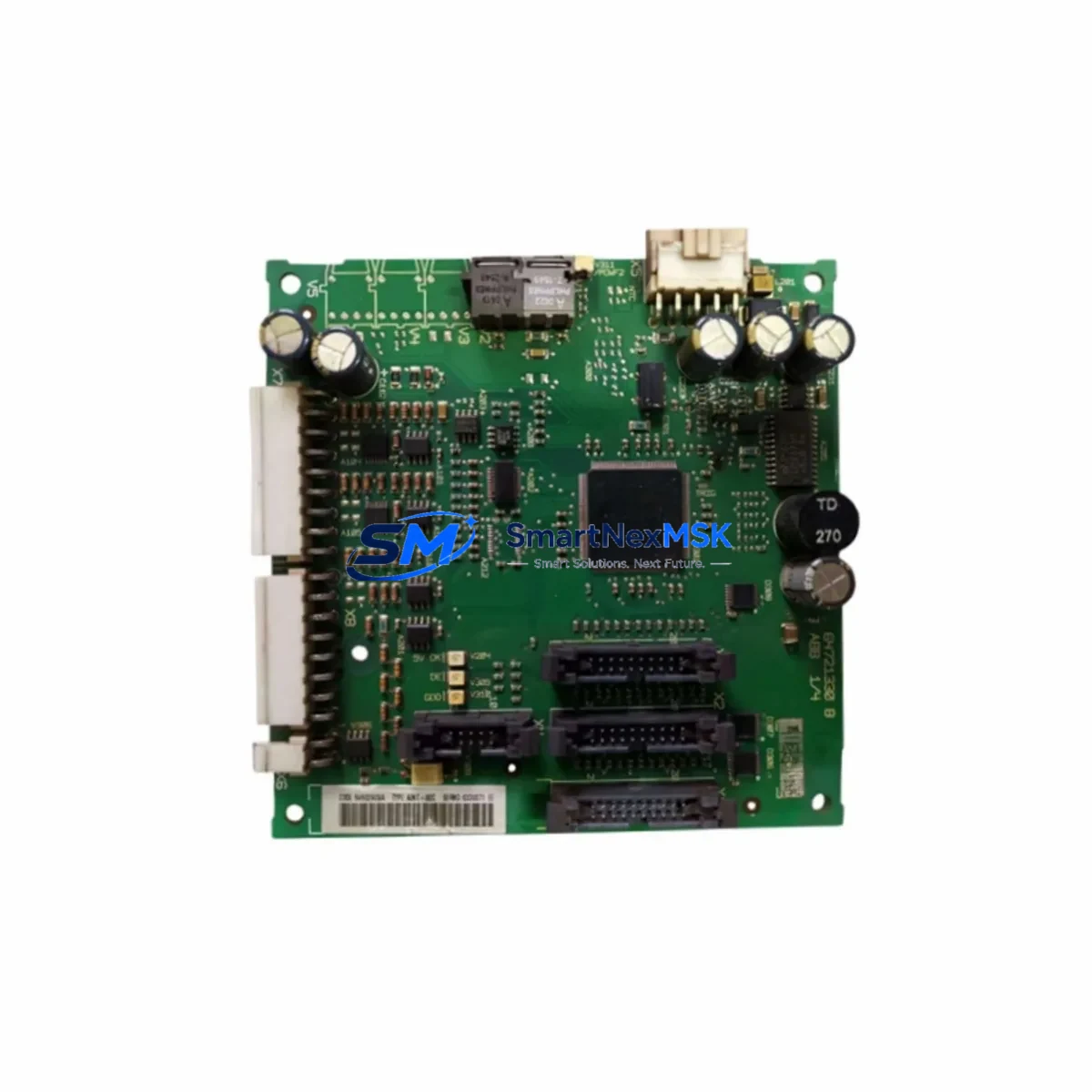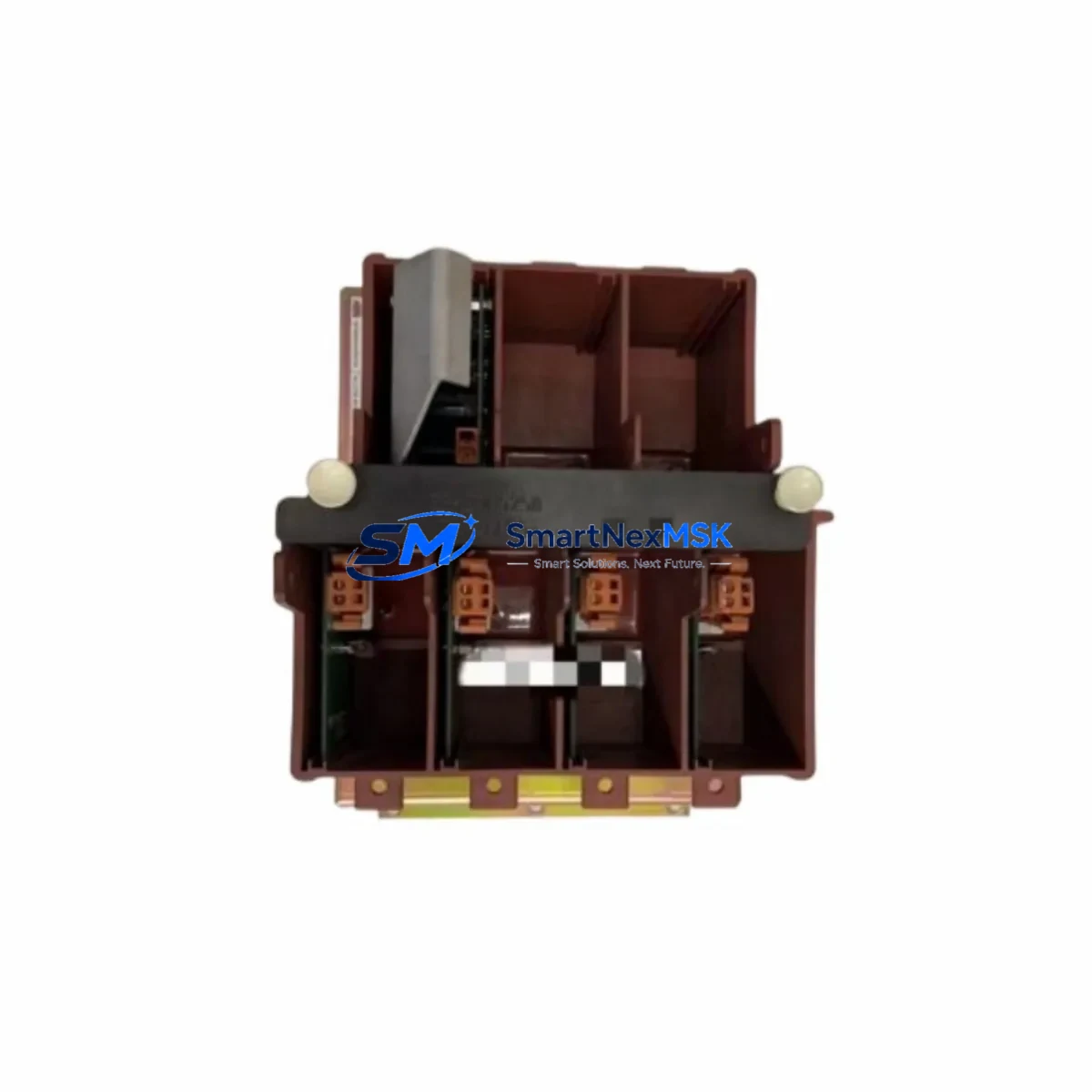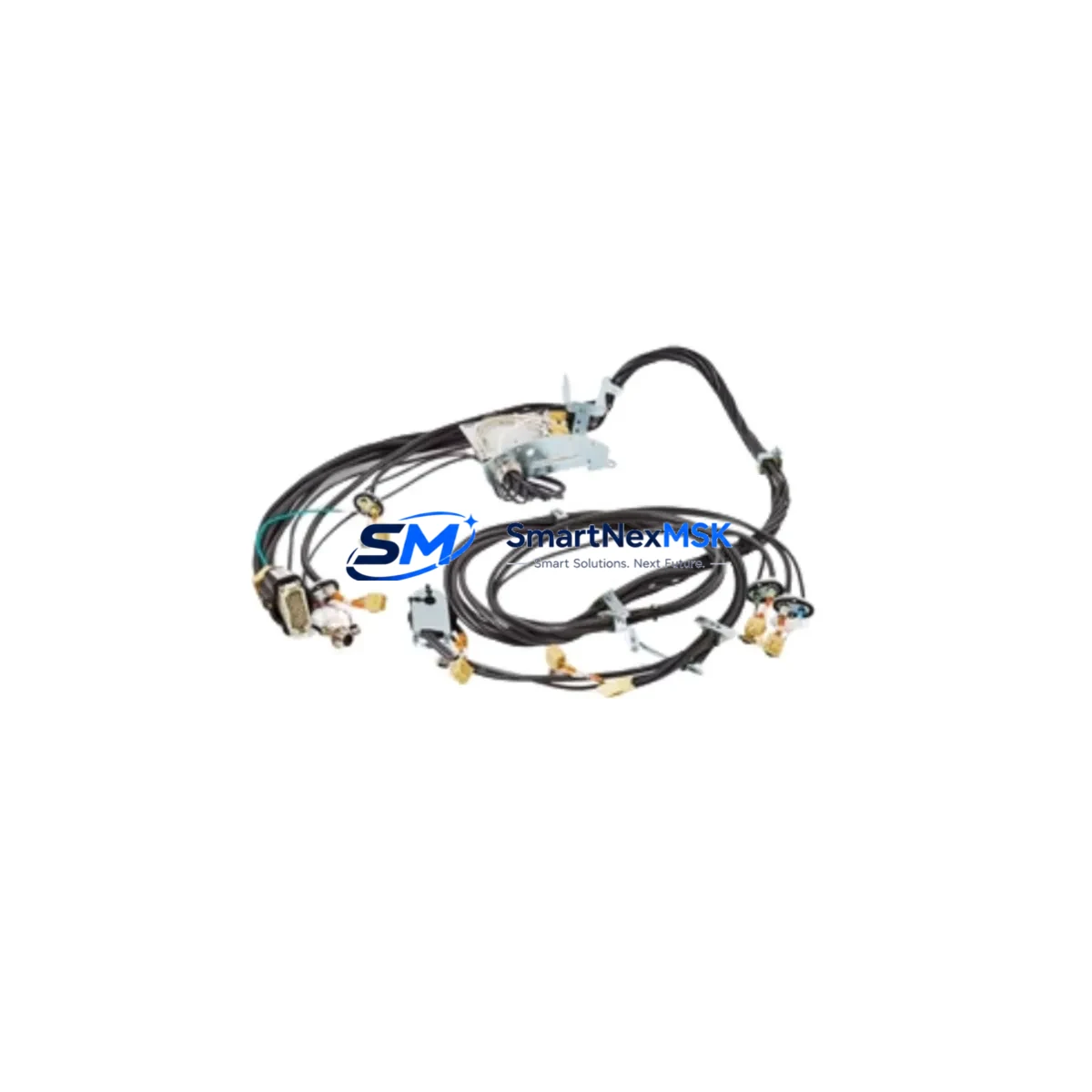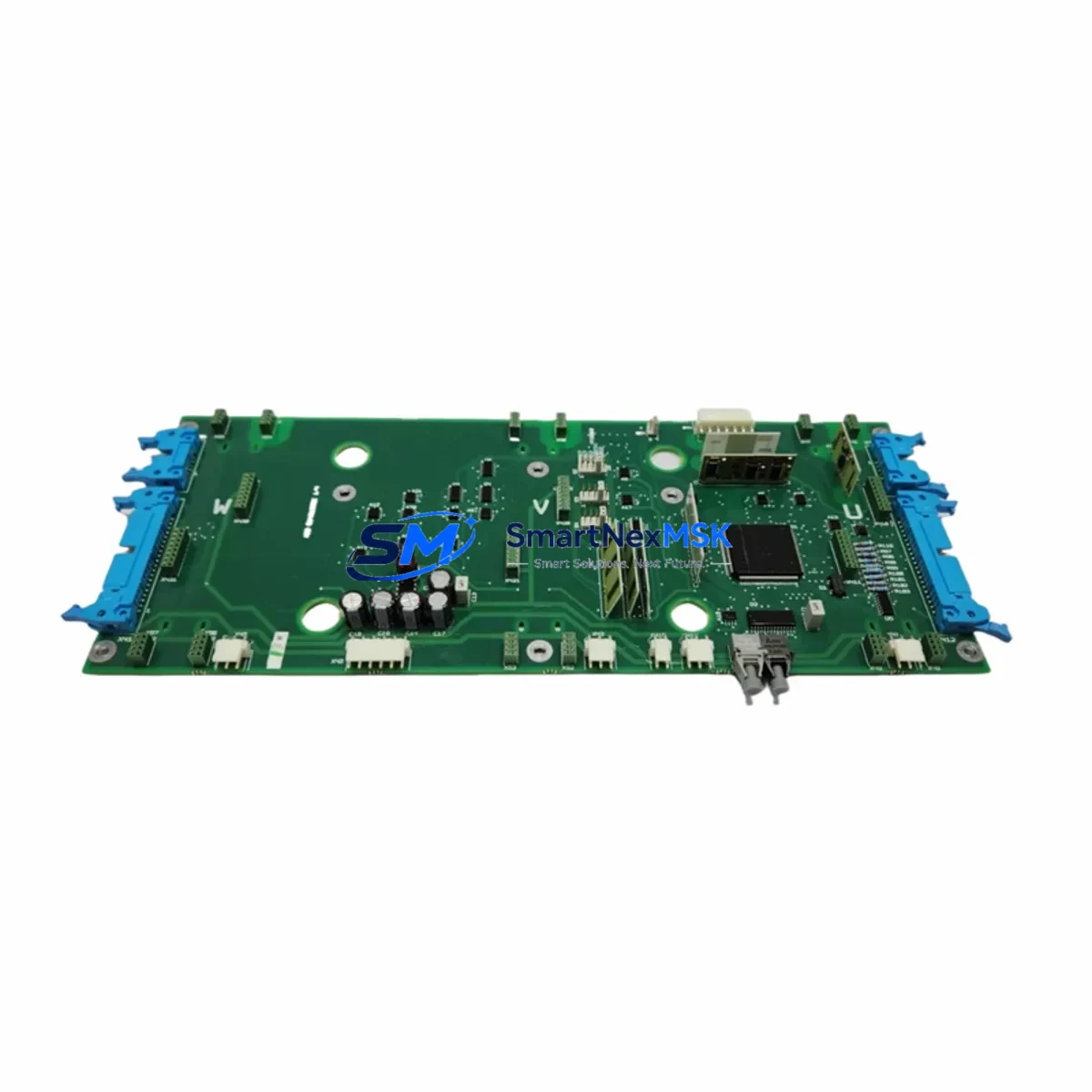
ABB NINT-73C Retrofit-Ready DDCS Interface for ACS800 Control Systems
The ABB NINT-73C is a fiber optic DDCS (Distributed Drive Control System) interface board engineered for seamless integration into ABB ACS800 series variable frequency drives. As legacy ACS800 installations age and original NINT-73C boards reach end-of-life, sourcing a verified, tested replacement becomes critical to maintaining production continuity. SMARTNEXMSK maintains ready stock of the NINT-73C, fully tested prior to shipment, backed by a 12-month warranty, and available for fast international dispatch.
Whether you are executing a planned control system upgrade, responding to an unplanned board failure, or modernizing a legacy ACS800 drive cabinet, the NINT-73C provides the fiber optic DDCS communication link that connects the drive inverter unit to the control board — a function that cannot be bypassed without a full drive replacement. Procurement teams and maintenance engineers working on ACS800 retrofit projects consistently identify the NINT-73C as a high-priority spare due to its role in the DDCS communication chain.
Upgrade Compatibility Table
| Parameter | Detail |
|---|---|
| Compatible Drive Series | ABB ACS800 (single drive and multidrive configurations) |
| Interface Type | DDCS Fiber Optic (Distributed Drive Control System) |
| Connector / Installation | Direct slot-in replacement on ACS800 control board; no mechanical modification required |
| Communication Compatibility | Compatible with DDCS protocol; supports connection to RDCO-0x, APBU-44C, and NDBU-95C branch units |
| Replacement Recommendation | Direct replacement for failed or degraded NINT-73C; verify firmware version on RMIO board before installation |
| Commissioning Notes | Confirm DDCS node address settings; re-initialize drive parameters after board swap; validate fiber optic link integrity with drive diagnostics |
| Warranty | 12 months from date of shipment; covers manufacturing defects and functional failure under normal operating conditions |
| Pre-Shipment Testing | Each unit powered-on tested and communication link verified before dispatch |
| Origin | Finland (ABB manufactured) |
Retrofit Planning for Existing Automation Systems
A successful NINT-73C retrofit begins well before the board arrives on site. Engineers should start by auditing the existing ACS800 control section, confirming the RMIO-11C or RMIO-02C main control board revision and its current firmware version, since DDCS communication behavior can vary between firmware generations. The NINT-73C slots into the designated fiber optic interface position on the RMIO board — no rewiring of the main power terminals or motor cables is required, which significantly reduces retrofit risk.
For multi-drive systems using an APBU-44C or NDBU-95C branching unit, the DDCS ring topology must be re-verified after the board swap. Each drive node on the DDCS ring — including any RDCO-01C or RDCO-02C communication option boards installed in adjacent drives — should be checked for correct node addressing to prevent communication conflicts. In larger installations where the ACS800 drives are supervised by an AC500 PLC or a third-party DCS via a RDNA-01 DeviceNet adapter or RETA-01 Ethernet adapter, the DDCS link restoration must be confirmed at the supervisory level before returning the drive to automatic mode.
Control cabinet upgrades that involve replacing the NINT-73C alongside other aging components — such as the APOW-01C auxiliary power supply board or the AINT-02C inverter interface board — should be sequenced carefully. Replace and verify one board at a time to isolate any commissioning issues. If the ACS800 is connected to an ACS800 multidrive cabinet with a shared DC bus, ensure the DC bus is fully discharged and the main contactor is locked out before any board-level work begins.
For sites running legacy HMI panels — such as the CDP312R control panel or a SCADA system communicating via Modbus RTU through an RMBA-01 adapter — confirm that the HMI drive parameter mapping remains intact after the NINT-73C replacement. In most cases, the HMI configuration is stored in the RMIO board’s parameter memory and is unaffected by the fiber optic interface swap, but a full parameter backup using DriveWindow or Drive Composer prior to the retrofit is strongly recommended.
Downtime Control During System Migration
Minimizing production downtime during an NINT-73C replacement requires a structured approach. Begin by performing a full parameter backup of the ACS800 drive using DriveWindow Light or Drive Composer Pro connected via the drive’s panel port or PC tool interface. Store the backup file securely — this is your recovery baseline if commissioning issues arise after the board swap.
Before powering down the drive, document the current DDCS node address configured on the NINT-73C (typically set via DIP switches or parameter group 70 in the RMIO firmware). Record the fiber optic cable routing — TX and RX connections must be reinstated correctly on the replacement board, as reversed fiber connections will prevent DDCS communication from establishing. Label each fiber cable before disconnection.
With the replacement NINT-73C installed and fiber connections restored, power up the drive in local control mode first. Use the CDP312R panel or Drive Composer to verify that the DDCS communication status parameter (typically parameter 70.01 or equivalent) shows an active link before switching back to remote or fieldbus control. If the drive is part of a coordinated multi-drive system, bring each drive online individually and confirm DDCS ring integrity at the APBU or NDBU branching unit before releasing the system to automatic production control.
A well-executed NINT-73C swap — with pre-staged spare, parameter backup, and verified fiber routing — can typically be completed within a planned maintenance window of two to four hours, keeping unplanned production loss to a minimum.
Retrofit Support FAQ
Q1: Is the NINT-73C a direct drop-in replacement for a failed unit in my ACS800 drive?
Yes. The NINT-73C is a direct slot-in replacement for the fiber optic DDCS interface position on the ACS800 RMIO control board. No mechanical modification or rewiring of power or motor terminals is required. After installation, verify the DDCS node address and fiber TX/RX orientation before powering up.
Q2: What commissioning steps are required after replacing the NINT-73C?
After installing the replacement board, restore the drive parameter backup using DriveWindow or Drive Composer. Confirm the DDCS node address matches the original configuration. Power up in local mode, verify DDCS link status in the drive diagnostics, then return to remote or automatic control. For multi-drive DDCS ring systems, verify ring integrity at the APBU-44C or NDBU-95C branching unit.
Q3: How do I verify the fiber optic connections are correct on the replacement NINT-73C?
The NINT-73C has two fiber optic ports: TX (transmit) and RX (receive). These must be connected to the corresponding RX and TX ports of the adjacent DDCS device (branching unit or next drive in the ring). Reversed connections are the most common commissioning error. The drive’s DDCS status parameter will show a communication fault if the fiber orientation is incorrect — swap the two fiber cables and recheck.
Q4: What warranty and testing does SMARTNEXMSK provide with the NINT-73C?
Every NINT-73C unit shipped by SMARTNEXMSK is powered-on tested and DDCS communication link verified prior to dispatch. All units carry a 12-month warranty covering manufacturing defects and functional failure under normal operating conditions. If a unit fails within the warranty period, SMARTNEXMSK will arrange a replacement. Contact our team at [email protected] or +86 18259474341 for warranty claims or pre-sales technical support.
© 2026 SMARTNEXMSK. All rights reserved.
Original Source: https://smartnexmsk.com
Contact: [email protected] | +86 18259474341