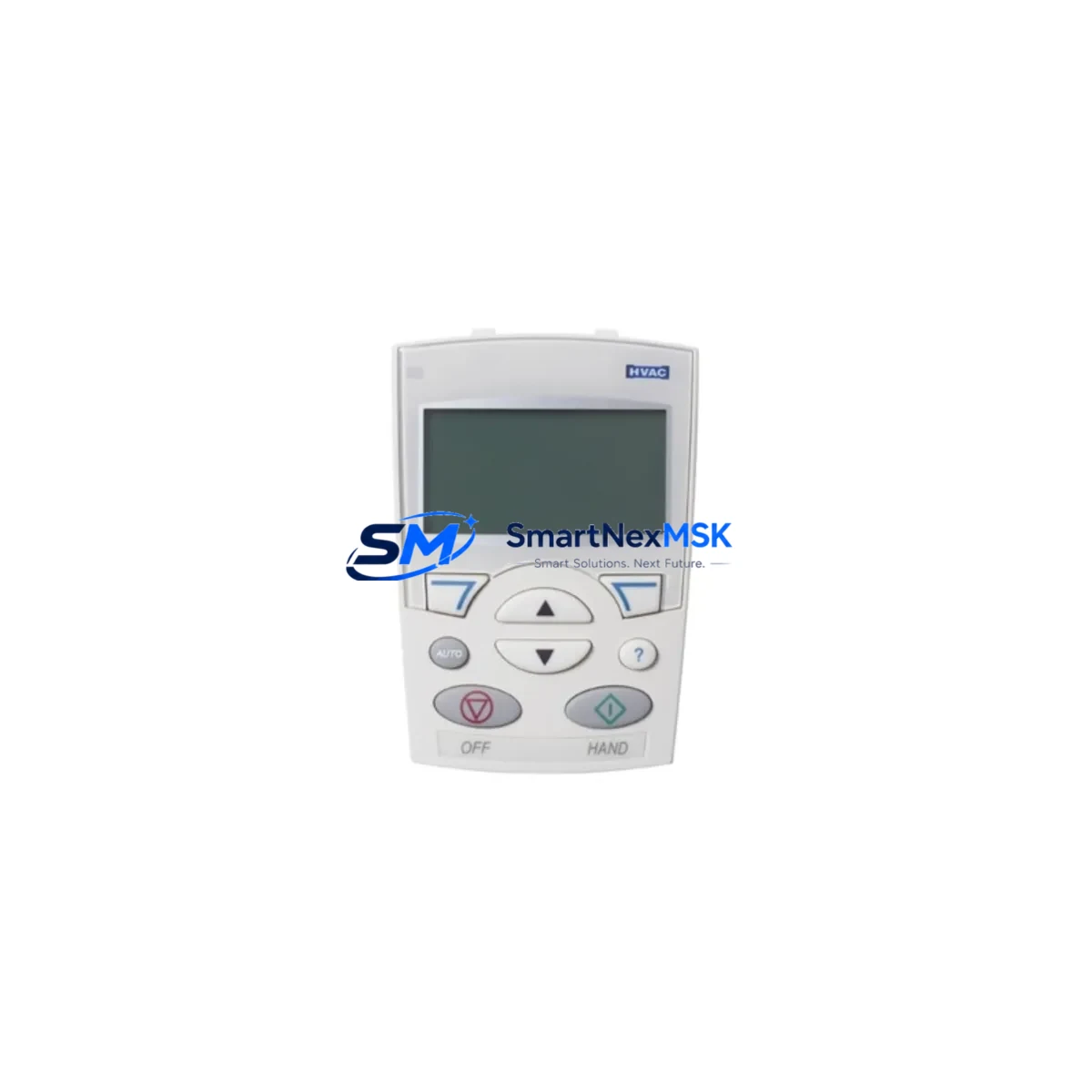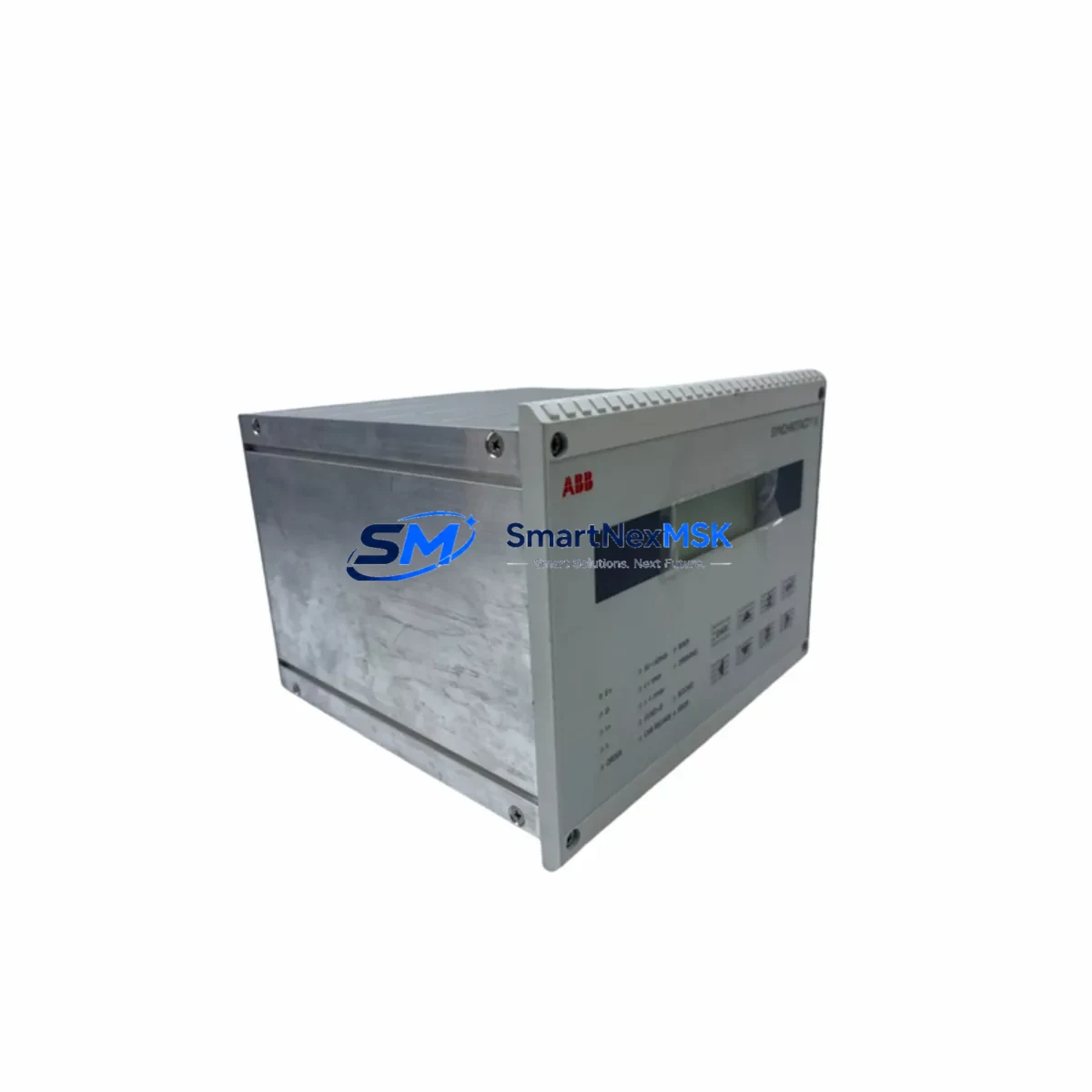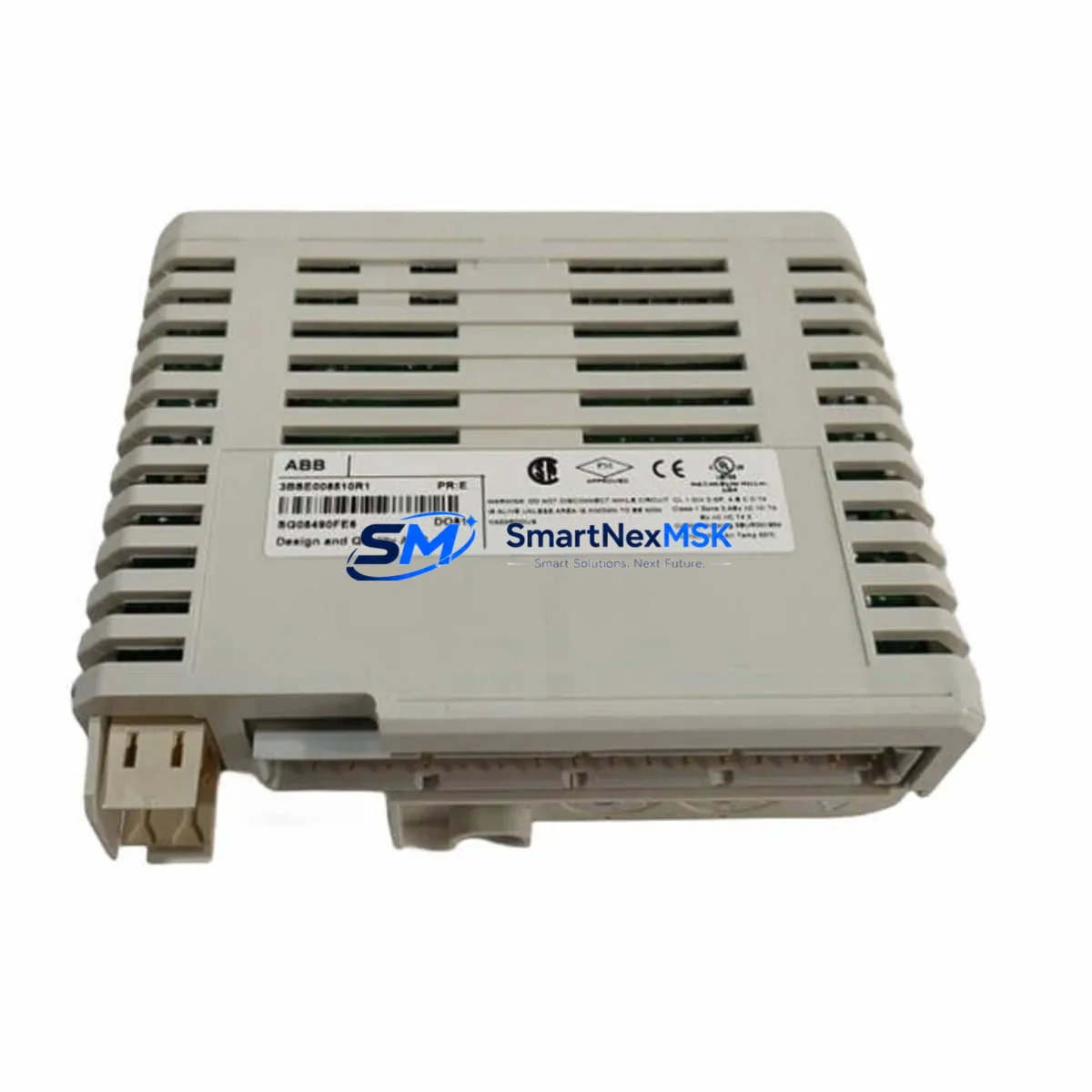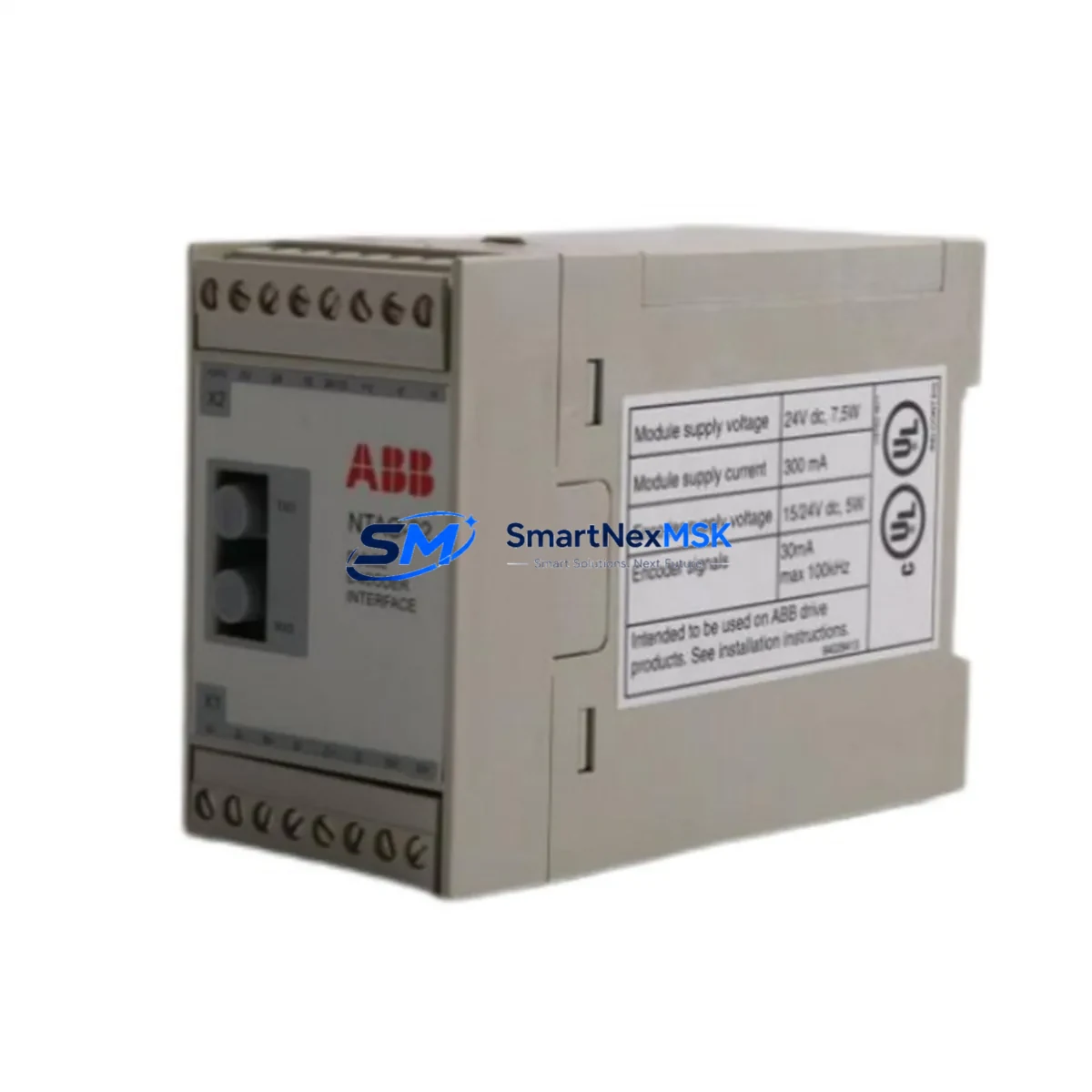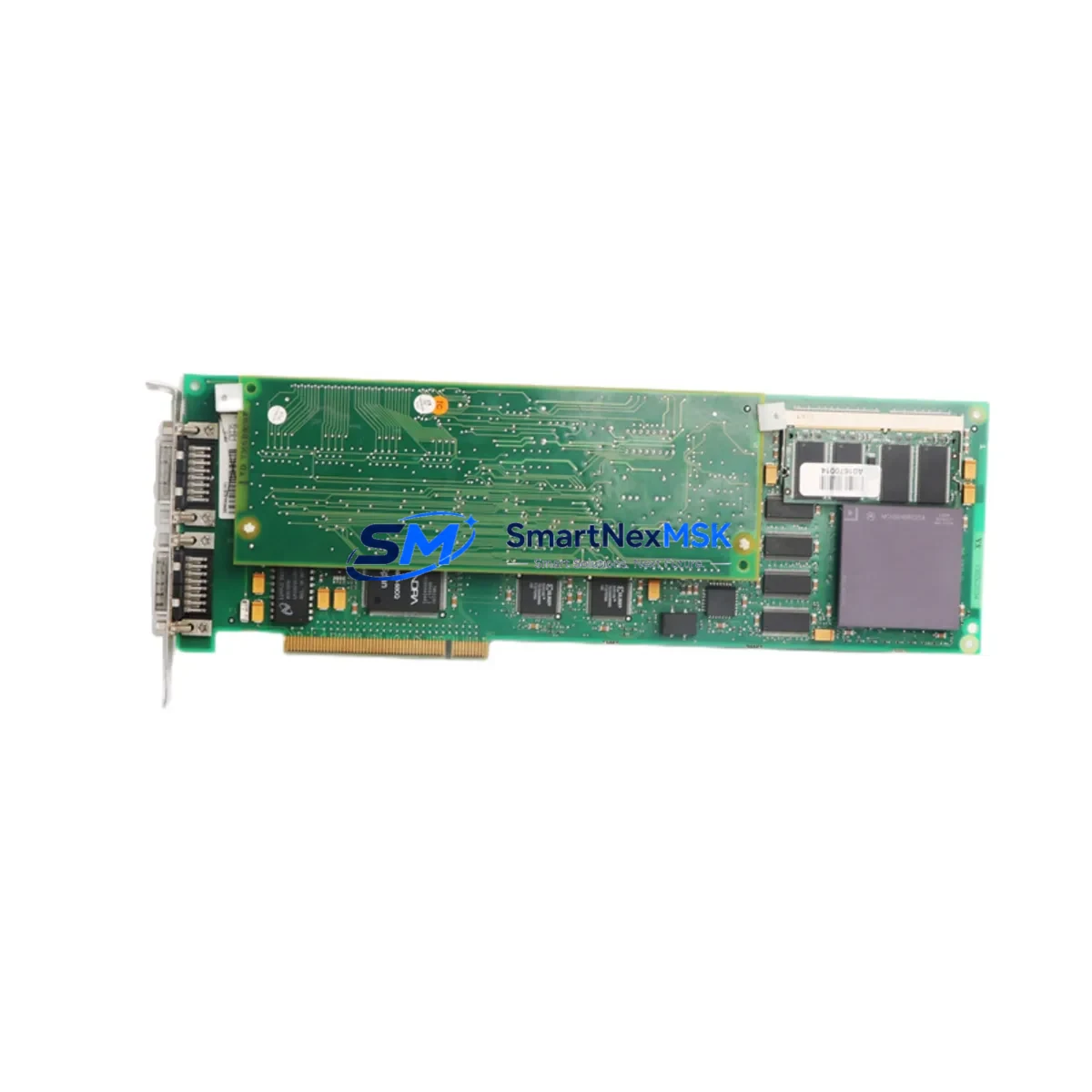
ABB PU516 3BSE013064R1 Retrofit-Ready CPU for AC800M Control Systems
The ABB PU516 (3BSE013064R1) is a high-performance central processing unit designed for the AC800M Distributed Control System platform. As a direct retrofit replacement for legacy PU513 (3BSE000435R1) and PU515 (3BSE013063R1) processors, the PU516 delivers enhanced processing capacity, expanded memory, and improved communication throughput — making it the preferred upgrade path for facilities managing aging DCS infrastructure. Whether you are recovering from an unplanned failure, executing a planned control system modernization, or expanding I/O capacity on an existing AC800M rack, the PU516 provides a verified, drop-in compatible solution backed by a 12-month warranty and pre-shipment functional testing.
Upgrade Compatibility Table
| Parameter | PU513 (Legacy) | PU515 (Legacy) | PU516 3BSE013064R1 (This Unit) |
|---|---|---|---|
| Backplane Interface | AC800M Standard | AC800M Standard | AC800M Standard — Direct Fit |
| Communication Ports | Ethernet (1×) | Ethernet (2×) | Ethernet (2×), CEX-Bus |
| Program Memory | 8 MB | 16 MB | 32 MB — Expanded |
| Redundancy Support | No | Optional | Yes — Hot Standby Ready |
| Control Builder M Compatibility | 5.0+ | 5.0+ | 5.1+ (Recommended 6.0+) |
| Installation Slot | Slot 1, TB820 Rack | Slot 1, TB820 Rack | Slot 1, TB820 / TB840 Rack |
| Retrofit Recommendation | Direct Replacement | Direct Replacement | — |
| Commissioning Focus | Address reassignment, program reload | Redundancy config check | Verify CEX-Bus topology, update firmware |
| Warranty | — | — | 12-Month Warranty Included |
Retrofit Planning for Existing Automation Systems
Successful integration of the PU516 into an existing AC800M control system requires a structured pre-migration assessment. Before removing the legacy PU513 or PU515 processor, engineers should document the current rack configuration, including the TB820 or TB840 backplane layout, the positions of all installed I/O modules such as DI810, DO810, AI810, and AO810, and the addressing scheme used for each module. The PM864A power supply module feeding the rack must be verified to provide sufficient capacity for the PU516’s slightly higher current draw compared to the PU513.
Communication architecture is a critical checkpoint. If the existing system uses CI854 PROFIBUS DP communication interfaces or CI857 INSUM communication modules, their configuration files must be exported from Control Builder M before the CPU swap. The PU516 supports the same CEX-Bus communication expansion used by CI854 and CI857, ensuring protocol continuity without rewiring. For systems using Modbus TCP or OPC DA links to SCADA or historian platforms, the IP addressing and port configurations should be recorded and verified post-swap.
Terminal wiring on the TB820 rack is not affected by the CPU replacement — field wiring connected to SM811, SM812, or other signal modules remains intact. However, if the retrofit is combined with an I/O expansion using additional TB820 racks or TB840 redundant backplanes, new rack addresses must be assigned and verified in Control Builder M before going live. The TP830 termination panel connections should also be inspected for corrosion or loose contacts during the maintenance window.
For facilities running redundant CPU configurations, the PU516 supports hot-standby redundancy when paired with a second PU516 unit and a TK212A redundancy cable. This is a significant upgrade over the non-redundant PU513, and the transition requires careful planning of the switchover logic and watchdog timer settings within the application program.
Downtime Control During System Migration
Minimizing unplanned downtime is the primary concern for any DCS CPU replacement. The recommended approach is to perform a full backup of the AC800M application using Control Builder M, exporting both the project file and the hardware configuration. This backup should be stored on an offline engineering workstation and verified before the physical swap begins.
During the replacement window, the PU516 should be pre-configured offline using Control Builder M in simulation mode, with the application program loaded and verified against the exported configuration. This reduces on-site commissioning time to firmware verification, module address confirmation, and a controlled startup sequence. For processes that cannot tolerate a full shutdown, a staged migration using the PU516’s hot-standby capability allows the new CPU to synchronize with the running system before the legacy unit is taken offline.
After the PU516 is installed and powered, the startup sequence should include verification of all I/O module status LEDs on the TB820 rack, confirmation of communication link status for CI854 or CI857 modules, and a check of the HMI operator station — typically running ABB 800xA or a third-party SCADA — to confirm that all process variables are updating correctly. Any HMI faceplates or control graphics referencing specific module addresses should be reviewed if the rack configuration has changed. The entire commissioning process, from power-down to verified process control restoration, typically takes 2–4 hours for a single-rack system with a pre-tested replacement unit.
Retrofit Support FAQ
Q: Is the PU516 3BSE013064R1 a direct drop-in replacement for the PU513 and PU515?
A: Yes. The PU516 installs in the same Slot 1 position on the TB820 or TB840 backplane and uses the same connector interface. The application program created for PU513 or PU515 in Control Builder M is compatible and can be downloaded directly to the PU516 after a firmware update. No field wiring changes are required.
Q: What commissioning steps are required after installing the PU516?
A: After physical installation, connect to the PU516 via Control Builder M, verify the hardware configuration matches the installed rack, download the application program, and perform a controlled startup. Confirm all I/O module addresses, check communication link status for any CI854 or CI857 modules, and verify HMI process variable updates. A full I/O loop check is recommended before returning the system to automatic control.
Q: Does the PU516 support the same communication protocols as the legacy PU513?
A: Yes. The PU516 supports Ethernet-based communication including Modbus TCP, OPC DA/UA, and PROFINET, as well as PROFIBUS DP via the CI854 communication interface. The CEX-Bus expansion supported by the PU516 provides additional communication flexibility not available on the PU513, enabling easier integration with CI857 INSUM or additional remote I/O racks.
Q: What does the 12-month warranty cover, and how is the unit tested before shipment?
A: Every PU516 3BSE013064R1 unit undergoes pre-shipment functional testing including power-on verification, communication port checks, and memory integrity validation. The 12-month warranty covers hardware defects and functional failures under normal operating conditions. Units are shipped with anti-static packaging and include a test report. For warranty claims, contact our technical support team with the unit serial number and fault description.
© 2026 SMARTNEXMSK. All rights reserved.
Original Source: https://smartnexmsk.com
Contact: [email protected] | +86 18259474341