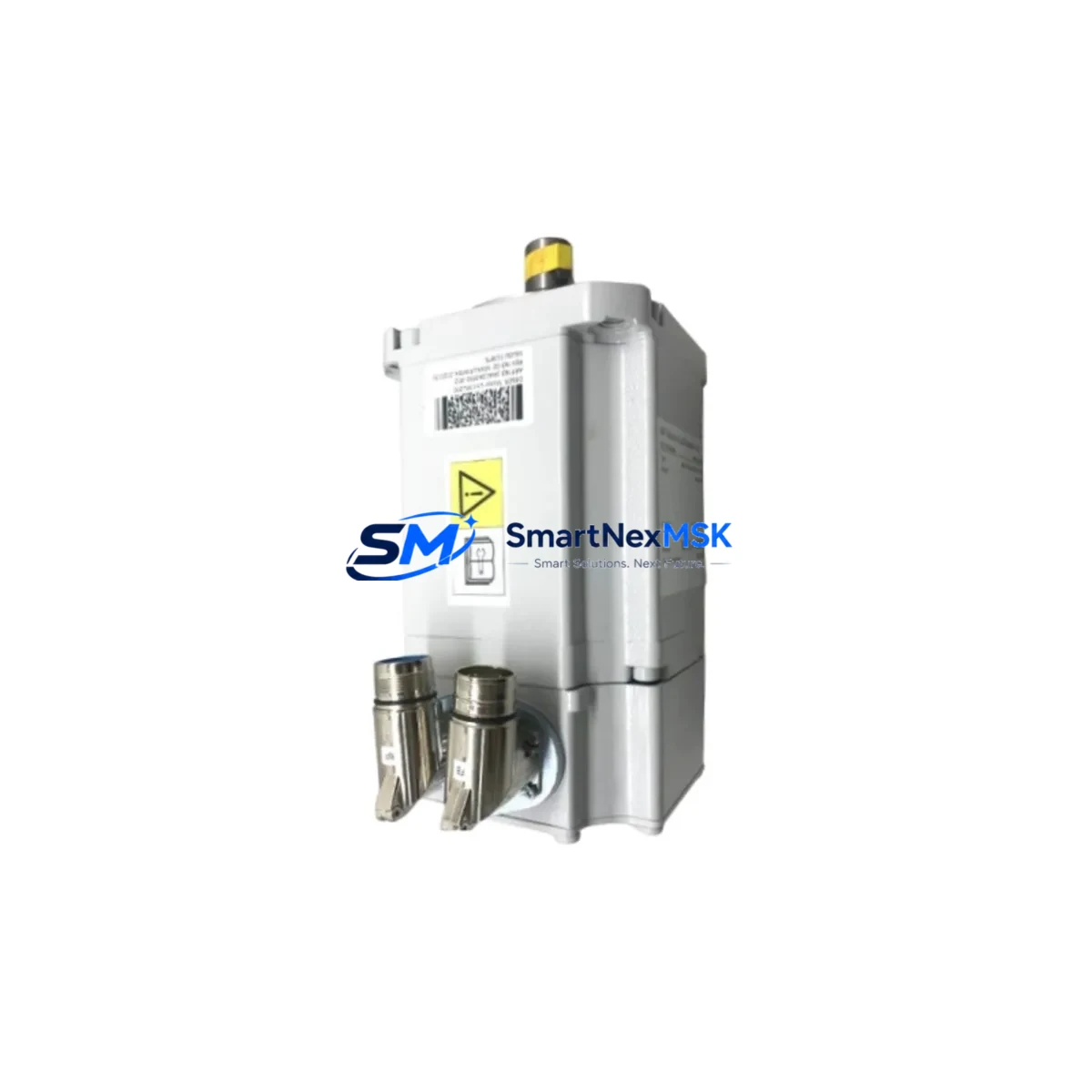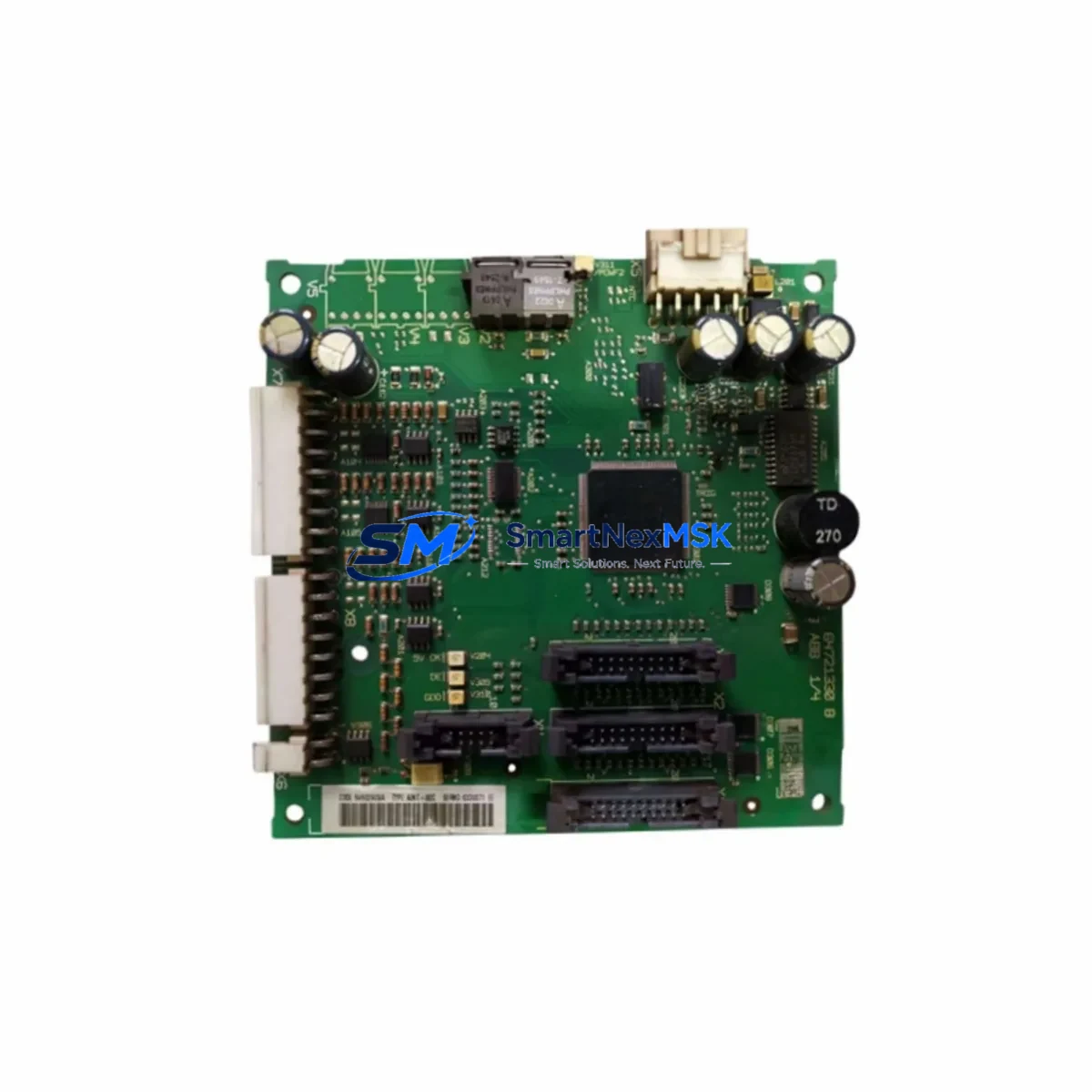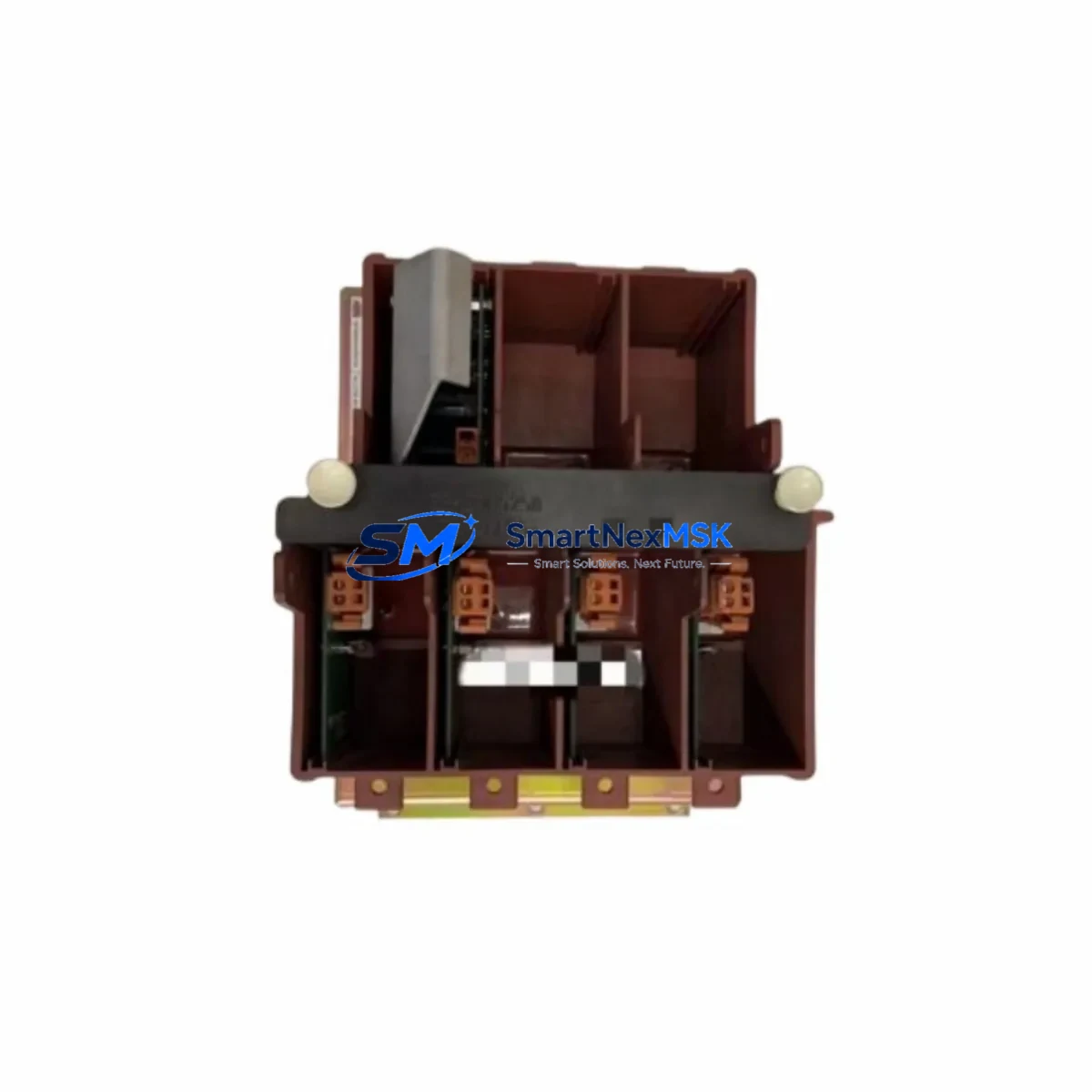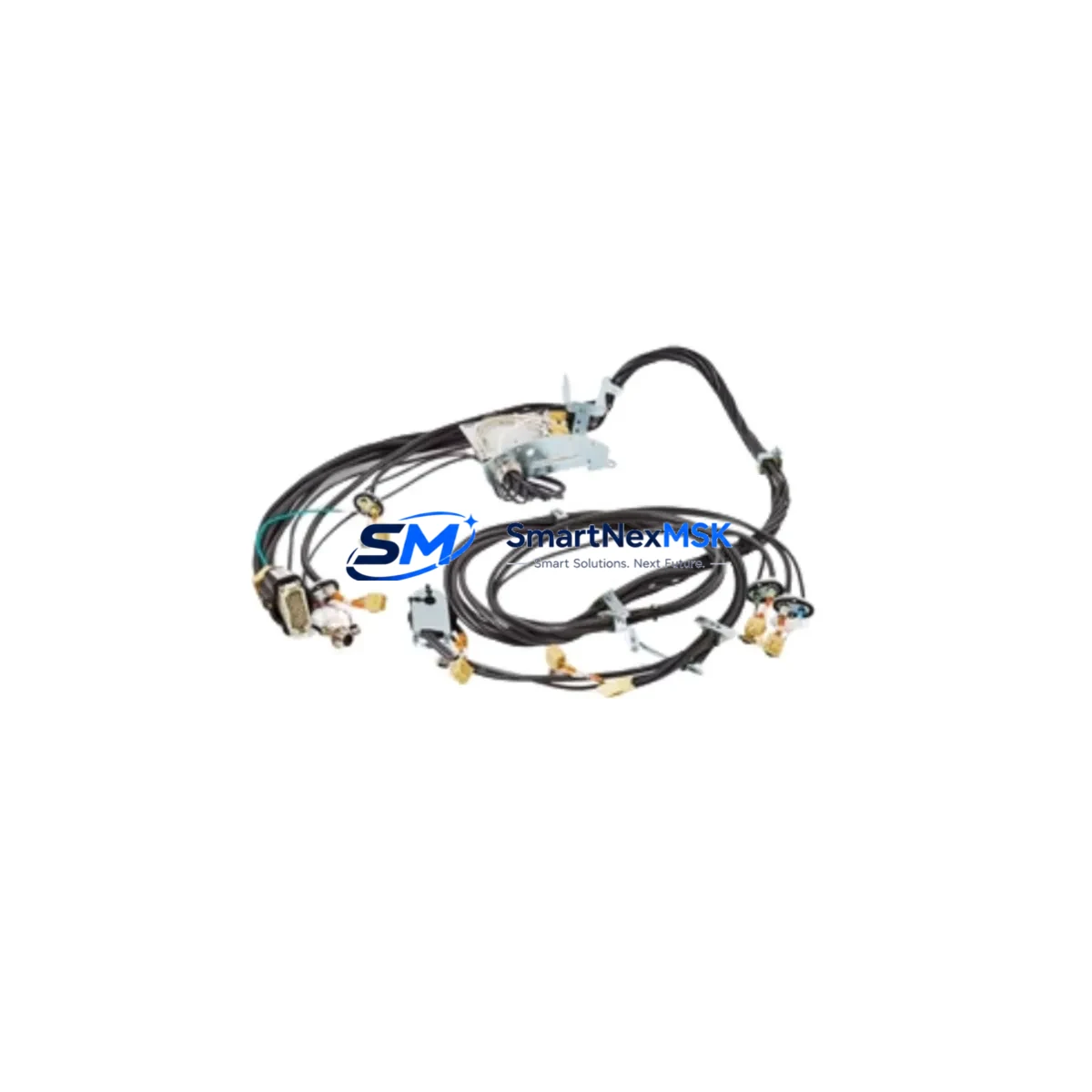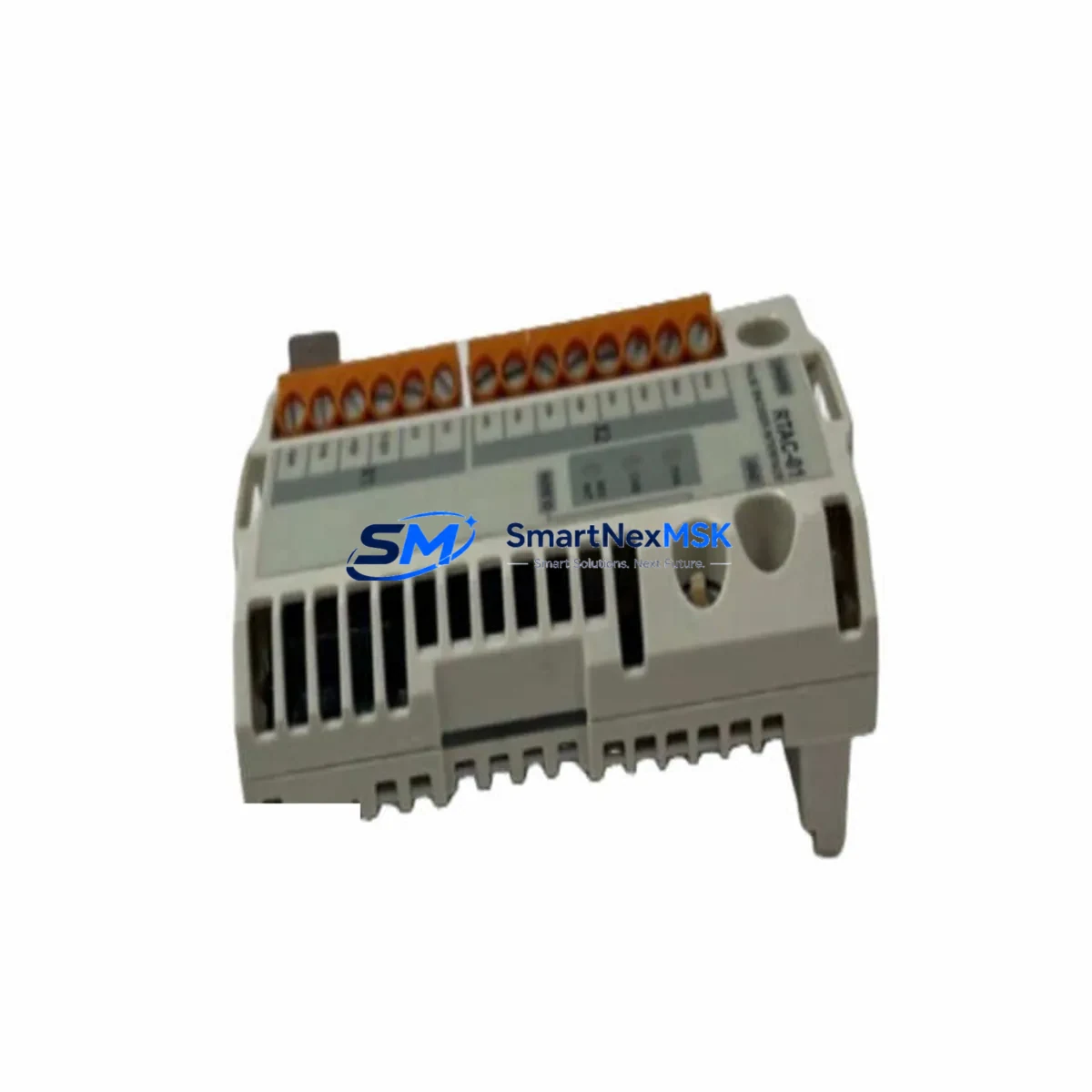
ABB RTAC-01 Retrofit-Ready Encoder Interface for ACS800 Control Systems
The ABB RTAC-01 is a precision encoder interface module engineered for seamless integration into ACS800 and ACS600 series variable frequency drive systems. As legacy drive platforms approach end-of-life or require performance upgrades, the RTAC-01 provides a reliable, drop-in retrofit path that preserves existing wiring infrastructure, minimizes re-engineering effort, and restores closed-loop speed control without requiring a full drive replacement. For maintenance engineers managing aging motor control centers and retrofit planners coordinating phased system upgrades, the RTAC-01 represents a cost-effective bridge between legacy encoder feedback architectures and modern drive control requirements.
The module mounts directly onto the ACS800 drive’s option slot, interfacing with incremental encoders commonly used in tension control, winding, extruder, and conveyor applications. Its compatibility with the ACS800’s RDCO-02 communication adapter and RMIO-02 main control board means that existing program logic, speed reference scaling, and PID tuning parameters can be retained during the retrofit — dramatically reducing commissioning time and the risk of introducing new control errors into a proven process.
When planning a retrofit involving the RTAC-01, engineers should conduct a full audit of the encoder signal cable routing, verifying shielding continuity and connector integrity before installation. The module accepts standard 5 V or 24 V incremental encoder signals, and the pulse count configuration must match the encoder resolution already defined in the drive’s parameter set. Mismatched pulse counts are a common source of speed feedback errors during initial commissioning and should be verified against the drive’s Group 50 encoder parameters before powering up.
Upgrade Compatibility Table
| Parameter | Specification / Recommendation |
|---|---|
| Compatible Drive Series | ABB ACS800, ACS600 |
| Module Type | Encoder Interface Option Module |
| Encoder Signal Input | Incremental encoder, 5 V / 24 V TTL/HTL |
| Mounting Interface | ACS800 option slot (direct plug-in) |
| Communication Compatibility | Compatible with RDCO-02, RMIO-02 control boards |
| Replacement Scope | Drop-in for legacy RTAC-01 units; no wiring modification required |
| Commissioning Parameters | Group 50 encoder configuration in ACS800 parameter set |
| Operating Environment | Industrial cabinet, 0–55°C, IEC 60068 compliant |
| Installation Requirement | Drive must be powered down; ESD precautions required |
| Warranty | 12-Month Warranty — tested and verified before shipment |
Retrofit Planning for Existing Automation Systems
A successful RTAC-01 retrofit begins well before the module arrives on site. Maintenance and retrofit engineers should start by documenting the existing ACS800 drive configuration, including the firmware version on the RMIO-02 main control board, the current parameter backup, and the encoder type and resolution in use. If the drive is communicating with an upper-level control system via a RDCO-02 PROFIBUS adapter or an RCAN-01 CANopen module, the fieldbus node address and baud rate settings must be recorded to ensure communication is restored immediately after the module swap.
Power supply integrity is a critical pre-retrofit check. The ACS800’s internal 24 VDC auxiliary power supply feeds both the control board and option modules including the RTAC-01. Engineers should verify that the APBU-44C or APBU-12C branching unit (where applicable in multi-drive configurations) is delivering stable voltage before installing the new module. A degraded power supply can cause intermittent encoder feedback faults even with a new RTAC-01 in place, leading to misdiagnosis and extended downtime.
Terminal block wiring on the encoder feedback cable should be inspected and re-terminated if oxidation or loose connections are found. In older ACS600 installations being migrated to ACS800 hardware, the encoder cable pinout may differ and an adapter harness or re-termination at the RTAC-01 connector will be required. The NDIO-02 digital I/O extension module and NAIA-03 analog I/O module, if present in the drive’s option slots, should be documented and their parameter assignments verified to avoid conflicts after the RTAC-01 is installed.
For systems using DriveWindow or DriveWindow Light for parameter management, a full parameter upload from the existing drive should be completed before any hardware changes. This backup serves as the restoration baseline if commissioning reveals unexpected behavior. The RTAC-01’s encoder feedback can then be validated using the DriveWindow oscilloscope function to confirm signal quality and pulse count accuracy before returning the drive to production.
Downtime Control During System Migration
Minimizing unplanned downtime during an RTAC-01 retrofit requires a structured pre-outage preparation protocol. The replacement module should be bench-tested and confirmed functional before the scheduled maintenance window. All parameter backups, wiring diagrams, and encoder specifications should be assembled in a single retrofit package accessible to the field technician without requiring remote support during the outage.
The physical swap of the RTAC-01 is straightforward — the module is removed from the ACS800 option slot after the drive is fully de-energized and LOTO procedures are applied. The replacement unit is inserted, the encoder cable reconnected, and the drive powered up in local control mode for initial verification. Speed feedback should be confirmed at low speed before transferring control back to the RDCO-02 fieldbus or the RMIO-02 analog reference input. This staged power-up sequence prevents full-load faults from masking encoder configuration issues.
In multi-drive systems where the ACS800 is part of a coordinated line controlled by an AC500 PLC or a Symphony Plus DCS, the drive should be isolated from the master speed reference during commissioning. The master controller’s watchdog timer and drive fault response logic should be temporarily adjusted to prevent a cascade shutdown while the RTAC-01 is being validated. Once encoder feedback is confirmed stable across the full speed range, the drive can be reintegrated into the coordinated control loop and production resumed.
For legacy ACS600 systems being fully migrated to ACS800 hardware, the RTAC-01 retrofit is typically the final step after the drive chassis, RMIO-02 board, and power section have been replaced. In these cases, the encoder interface is the last link in restoring closed-loop control, and its correct configuration is the gating factor for production restart. Having a pre-configured RTAC-01 with the correct encoder pulse count and signal voltage already set reduces commissioning to a verification exercise rather than a full setup procedure.
Retrofit Support FAQ
Q: Is the RTAC-01 a direct drop-in replacement for the original ABB encoder interface module in ACS800 drives?
A: Yes. The RTAC-01 is designed as a direct plug-in replacement for the ACS800 option slot. No wiring modifications are required when replacing a like-for-like unit. When migrating from an ACS600 installation, encoder cable pinout differences should be verified before installation.
Q: How is the RTAC-01 tested before shipment?
A: Each RTAC-01 unit undergoes functional verification prior to dispatch, including signal input testing and connector integrity checks. A 12-month warranty is provided from the date of shipment, covering manufacturing defects and functional failures under normal operating conditions.
Q: What encoder types are compatible with the RTAC-01?
A: The RTAC-01 supports standard incremental encoders with 5 V TTL or 24 V HTL signal levels. The encoder pulse count must be configured in the ACS800 parameter Group 50 to match the physical encoder resolution. Absolute encoders are not supported by this module.
Q: Can the RTAC-01 be used in ACS600 drives without modification?
A: The RTAC-01 is primarily designed for the ACS800 platform. For ACS600 applications, compatibility depends on the specific drive variant and option slot configuration. Contact our technical team with your drive nameplate data and encoder specifications for a confirmed compatibility assessment before ordering.
© 2026 SMARTNEXMSK. All rights reserved.
Original Source: https://smartnexmsk.com
Contact: [email protected] | +86 18259474341