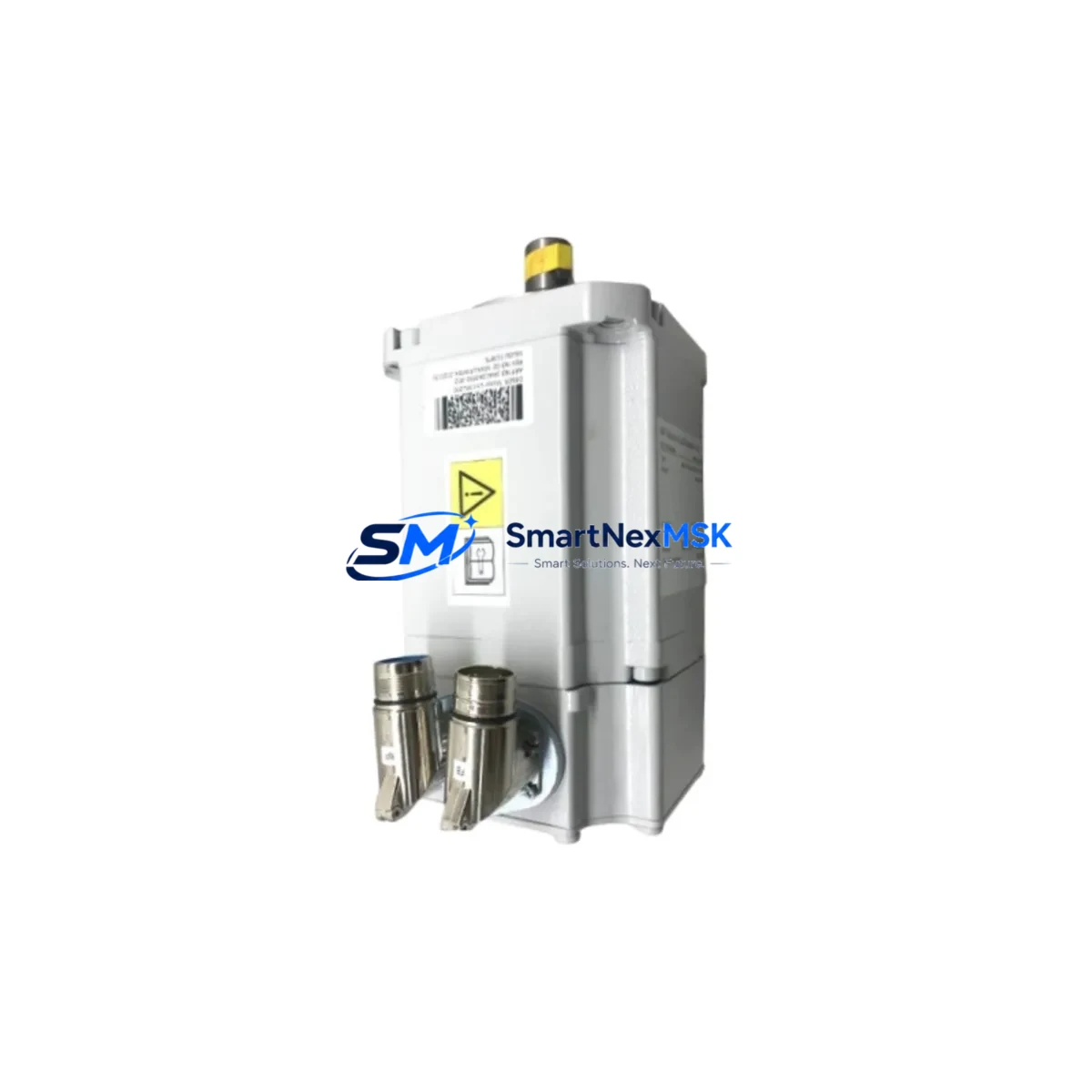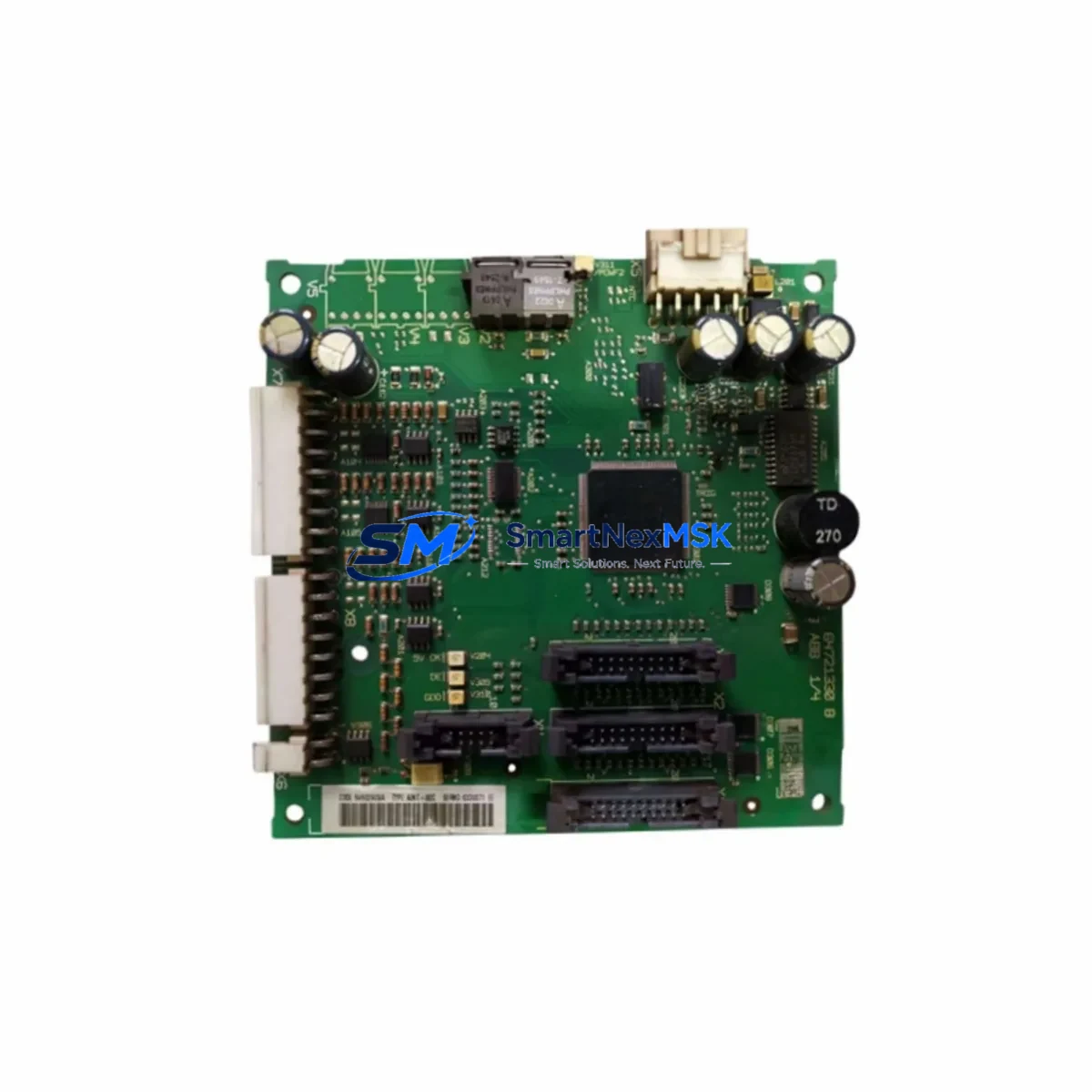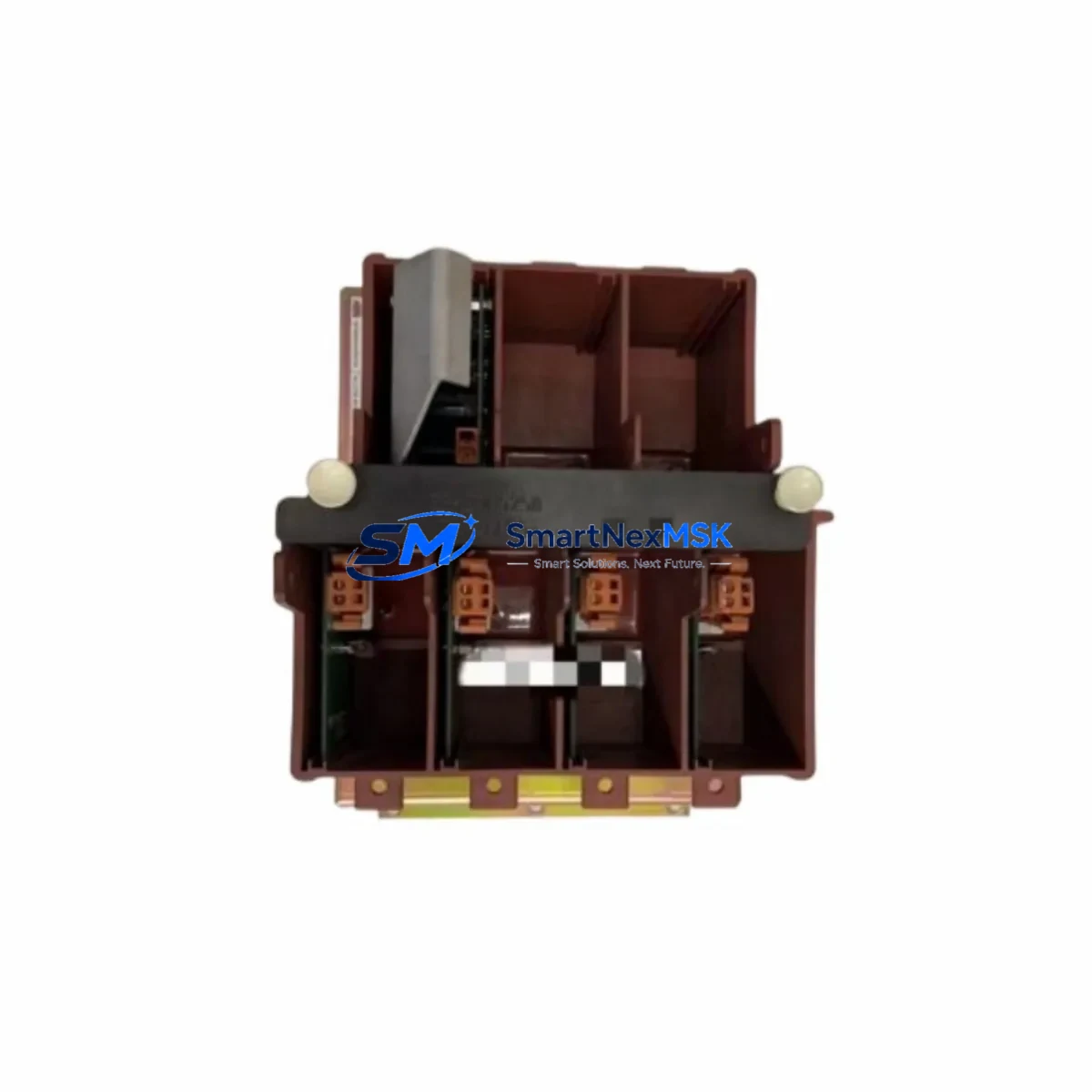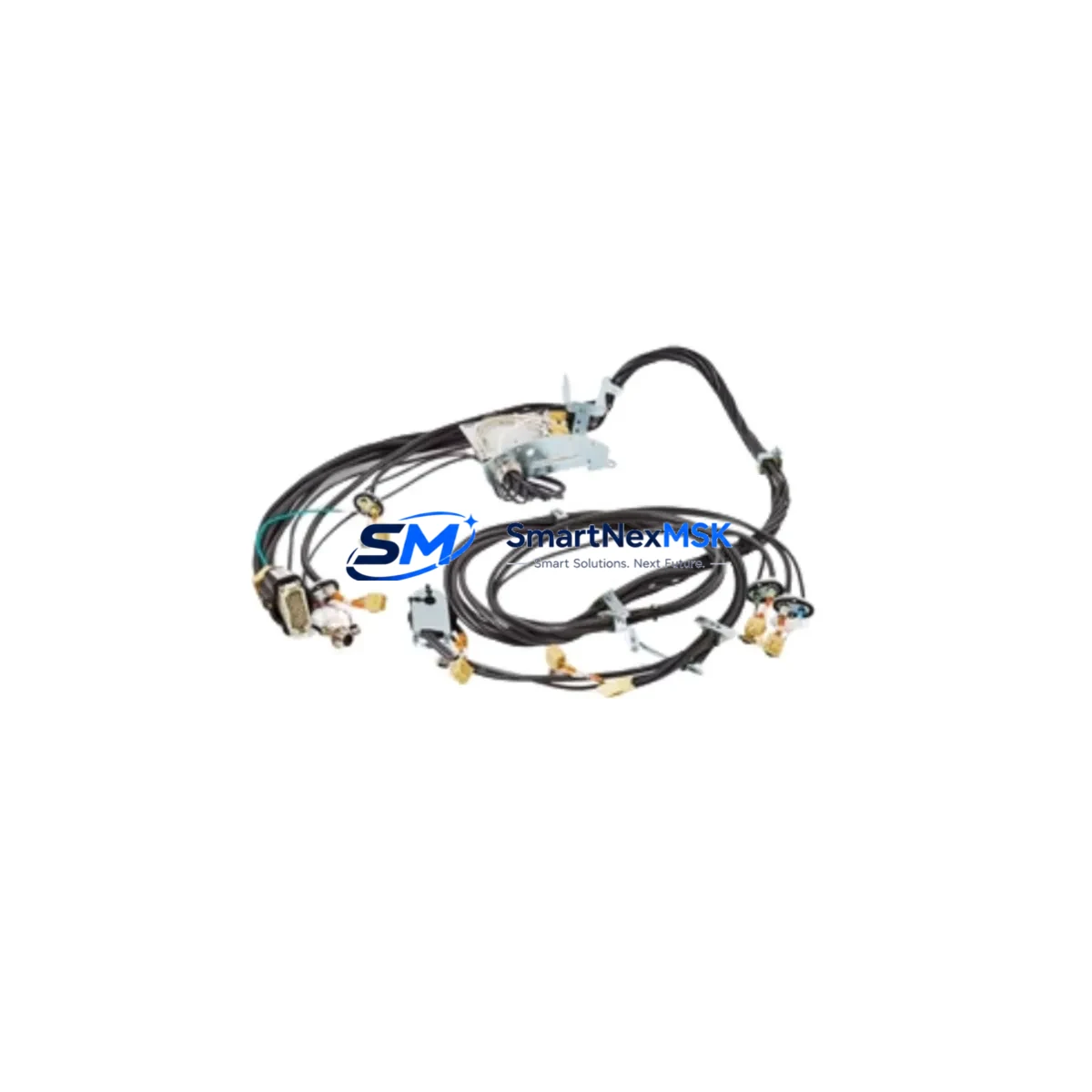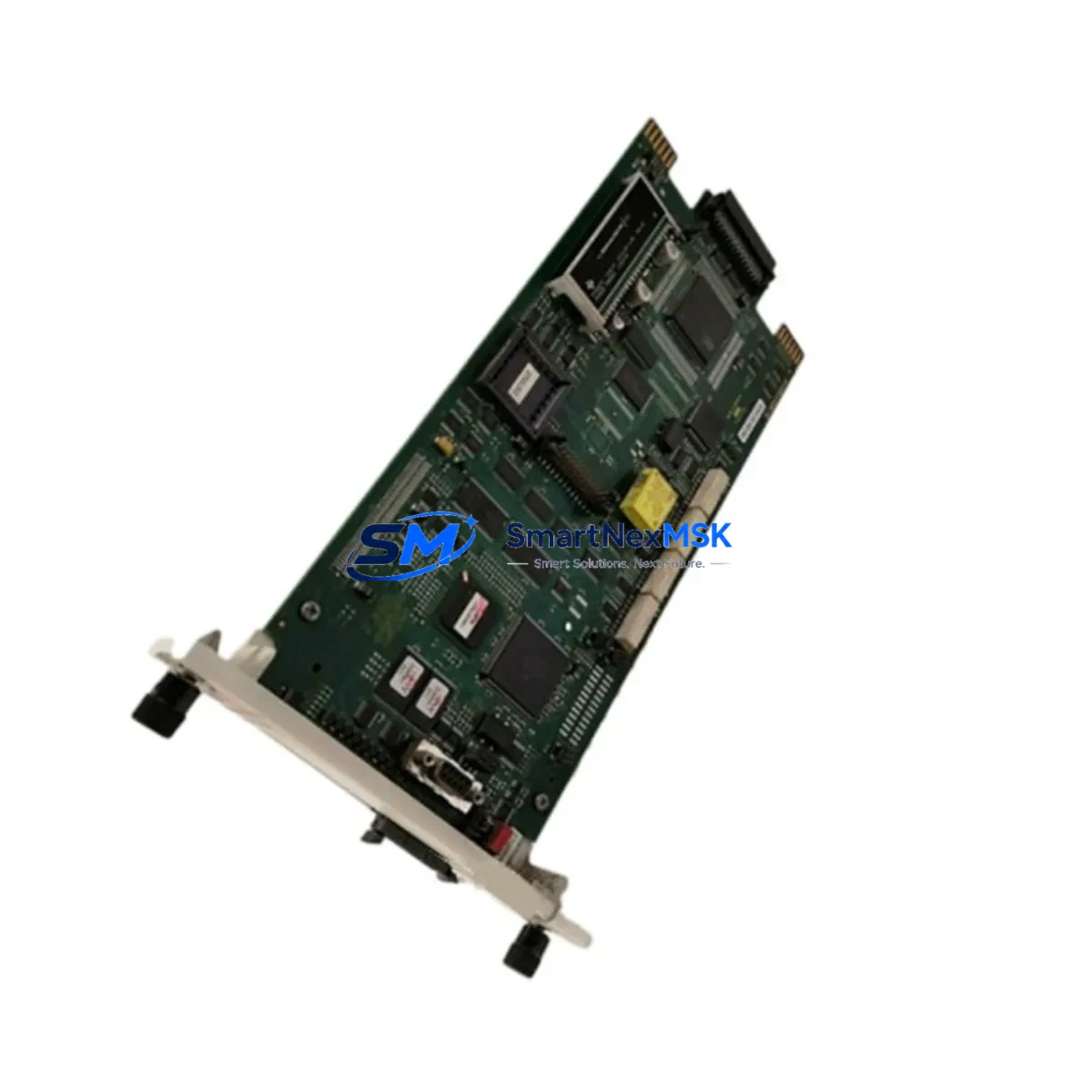
ABB SPBRC400 Retrofit-Ready Bridge Controller for AC800M Control Systems
The ABB SPBRC400 is a high-performance DCS bridge controller module designed for seamless integration into ABB AC800M-based distributed control systems. As legacy automation infrastructure ages and OEM support windows close, the SPBRC400 has become one of the most sought-after retrofit components for engineers managing brownfield upgrades, control cabinet modernization, and system continuity projects across process industries including oil & gas, power generation, chemical processing, and water treatment.
Whether you are replacing a failed unit on an active production line, migrating from an older AC800 generation, or expanding an existing control architecture, the SPBRC400 delivers the compatibility, reliability, and documentation support that industrial retrofit projects demand. Our inventory is sourced, inspected, and dispatch-tested before shipment, with a 12-month warranty covering all units.
Upgrade Compatibility Table
| Parameter | Details |
|---|---|
| Compatible Platform | ABB AC800M DCS (PM861, PM864, PM866 series controllers) |
| Module Function | Redundant bridge controller for S800 I/O bus communication |
| Backplane Interface | ModuleBus / S800 I/O bus — standard ABB rack slot |
| Communication Protocol | MMS / IEC 61850 / Profibus DP compatible via AC800M OPC server |
| Power Supply Requirement | 24 VDC via rack backplane (verify rack PSU capacity before installation) |
| Replacement Candidates | SPBRC410, SPBRC400-1, legacy S800 bridge variants |
| Installation Type | Direct rack-mount; no additional wiring adapter required for standard AC800M racks |
| Firmware Compatibility | Compatible with AC800M firmware 5.x and above; verify with Control Builder M |
| Commissioning Tool | ABB Control Builder M (CBM) — no hardware key required for module swap |
| Warranty | 12 months from date of shipment; covers manufacturing defects and functional failure |
Retrofit Planning for Existing Automation Systems
A successful SPBRC400 retrofit begins well before the module arrives on site. Engineers should start by auditing the existing AC800M rack configuration, confirming available backplane slots, and verifying that the installed PM864 or PM866 controller firmware supports the bridge module revision being installed. In most cases, the SPBRC400 slots directly into the S800 I/O bus position without requiring changes to the terminal wiring or field cable routing — a significant advantage over cross-brand migrations.
Power budget verification is a critical pre-installation step. The rack’s SD821 or SD822 power supply module must have sufficient headroom to support the SPBRC400 alongside co-installed modules such as AI810 analog input modules, DI810 digital input modules, and AO810 analog output modules. Overloaded backplanes are a common root cause of intermittent communication faults that are often misdiagnosed as controller failures.
For sites running Profibus DP field networks, the SPBRC400 works in conjunction with the CI854 Profibus DP communication interface module. Engineers migrating from older S100 or Masterpiece 200 architectures to AC800M will need to remap Profibus node addresses and update the hardware configuration in Control Builder M. The CI854 and SPBRC400 together form the communication backbone that bridges field devices — including ABB TZID-C positioners, Endress+Hauser transmitters, and third-party Profibus slaves — to the AC800M controller logic.
HMI integration should be validated in parallel. Sites running ABB 800xA System or third-party SCADA platforms via OPC DA/UA will need to confirm that the bridge module’s node address and I/O mapping are reflected correctly in the HMI tag database. Where graphic displays reference specific I/O channel addresses, a channel-by-channel verification against the new module’s configuration is recommended before live cutover. The TB820 ModuleBus modem and TP830 termination panel are commonly involved in these verification steps for distributed I/O clusters.
For multi-rack installations, module addressing must be set correctly using the DIP switches or software address assignment in CBM to avoid bus conflicts. Document all address assignments before powering down the existing system — this record becomes the commissioning baseline for the replacement module.
Downtime Control During System Migration
Minimizing production downtime during a bridge controller replacement requires a structured cutover plan. The recommended approach is to pre-configure the SPBRC400 offline using a bench test rack or a spare AC800M controller, loading the exported hardware configuration from Control Builder M and verifying that all I/O modules are recognized before the unit goes to site.
Where redundant bridge controller pairs are installed, the SPBRC400 supports hot-standby switchover, allowing the primary controller to remain in service while the standby module is replaced. This eliminates the need for a full process shutdown in many applications. After the new module is seated and powered, the system performs an automatic synchronization cycle — typically completing within 30 to 90 seconds depending on I/O count and network load.
For non-redundant installations, the cutover window should be planned during a scheduled maintenance period. The existing application program, function block library, and I/O configuration stored in the PM864 or PM866 controller are not affected by a bridge module swap — the controller retains its logic and resumes normal scan cycle operation as soon as the new SPBRC400 establishes communication with the I/O bus. Field outputs should be verified in manual mode before returning the loop to automatic control.
All units shipped by SMARTNEXMSK are pre-tested under load conditions simulating normal AC800M rack operation. Test records are available upon request. This pre-shipment validation step is designed to eliminate the risk of receiving a non-functional module during a time-critical maintenance window.
Retrofit Support FAQ
Q1: Is the SPBRC400 a direct drop-in replacement for the SPBRC410?
In most AC800M rack configurations, yes. Both modules occupy the same backplane slot and use the same S800 I/O bus interface. However, firmware version compatibility should be confirmed in Control Builder M before installation, as certain SPBRC410 revisions introduced extended diagnostic features that may require a CBM project update to fully utilize.
Q2: What wiring changes are required when replacing a failed bridge controller?
For standard AC800M rack installations, no field wiring changes are required. The SPBRC400 connects exclusively via the backplane — there are no external terminal connections on the module itself. Verify that the rack’s backplane connector pins are clean and undamaged before seating the replacement module.
Q3: How do I verify compatibility with my existing AC800M firmware version?
Check the firmware version displayed in Control Builder M under the hardware configuration tree. The SPBRC400 is compatible with AC800M firmware 5.0 and above. If your site is running an earlier firmware release, a controller firmware update should be planned as part of the retrofit scope — this is typically a low-risk, non-intrusive operation when performed during a maintenance window.
Q4: What does the 12-month warranty cover, and what is the claims process?
The 12-month warranty covers all manufacturing defects and functional failures under normal operating conditions. It does not cover damage resulting from incorrect installation, overvoltage events, or physical mishandling. To initiate a warranty claim, contact our sales team with the order reference number and a description of the fault. Replacement units are dispatched within 3 business days of claim approval, and return shipping of the defective module is arranged at no cost to the customer.
© 2026 SMARTNEXMSK. All rights reserved.
Original Source: https://smartnexmsk.com
Contact: [email protected] | +86 18259474341