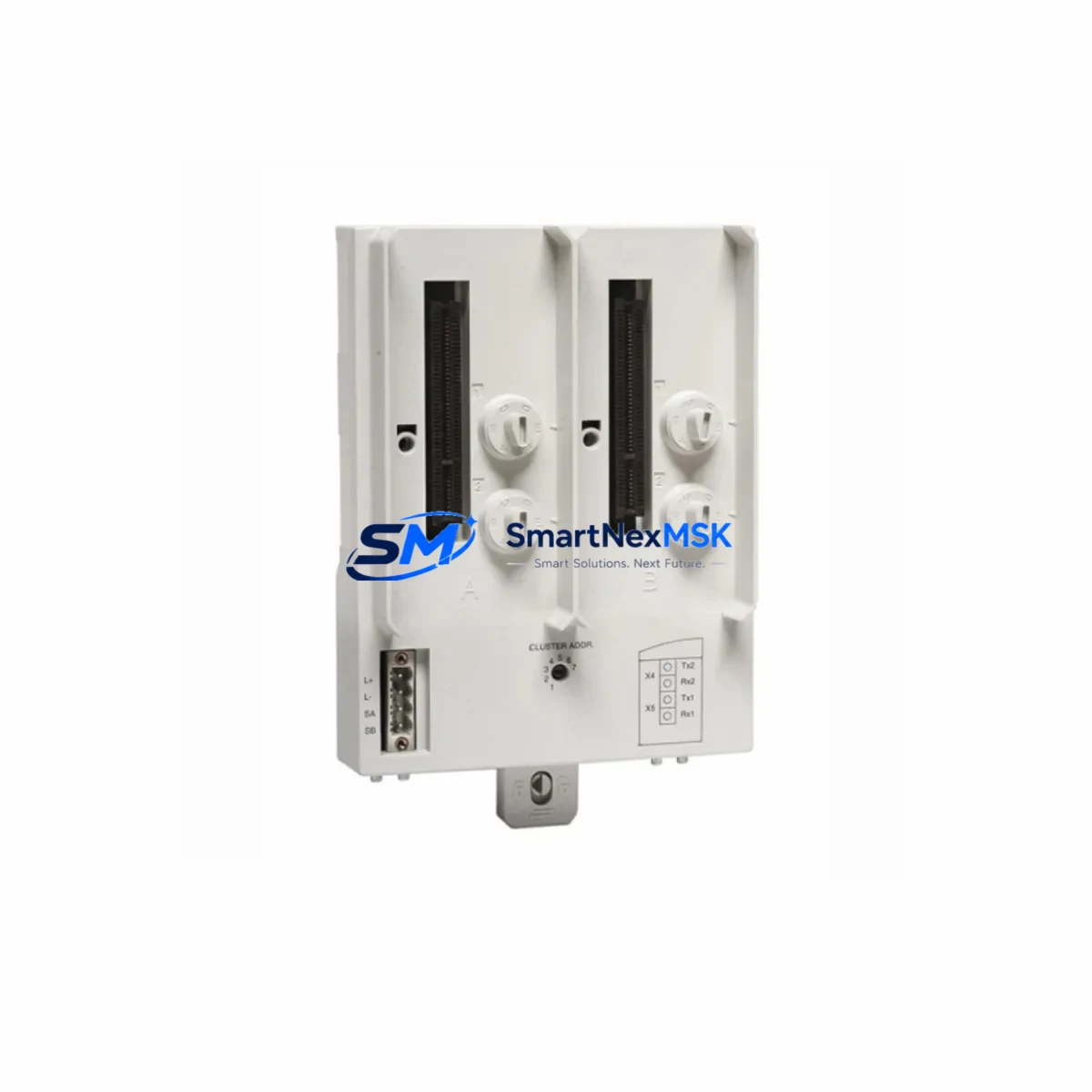
ABB TU849 Maintenance-Ready Spare for S800 I/O Automation
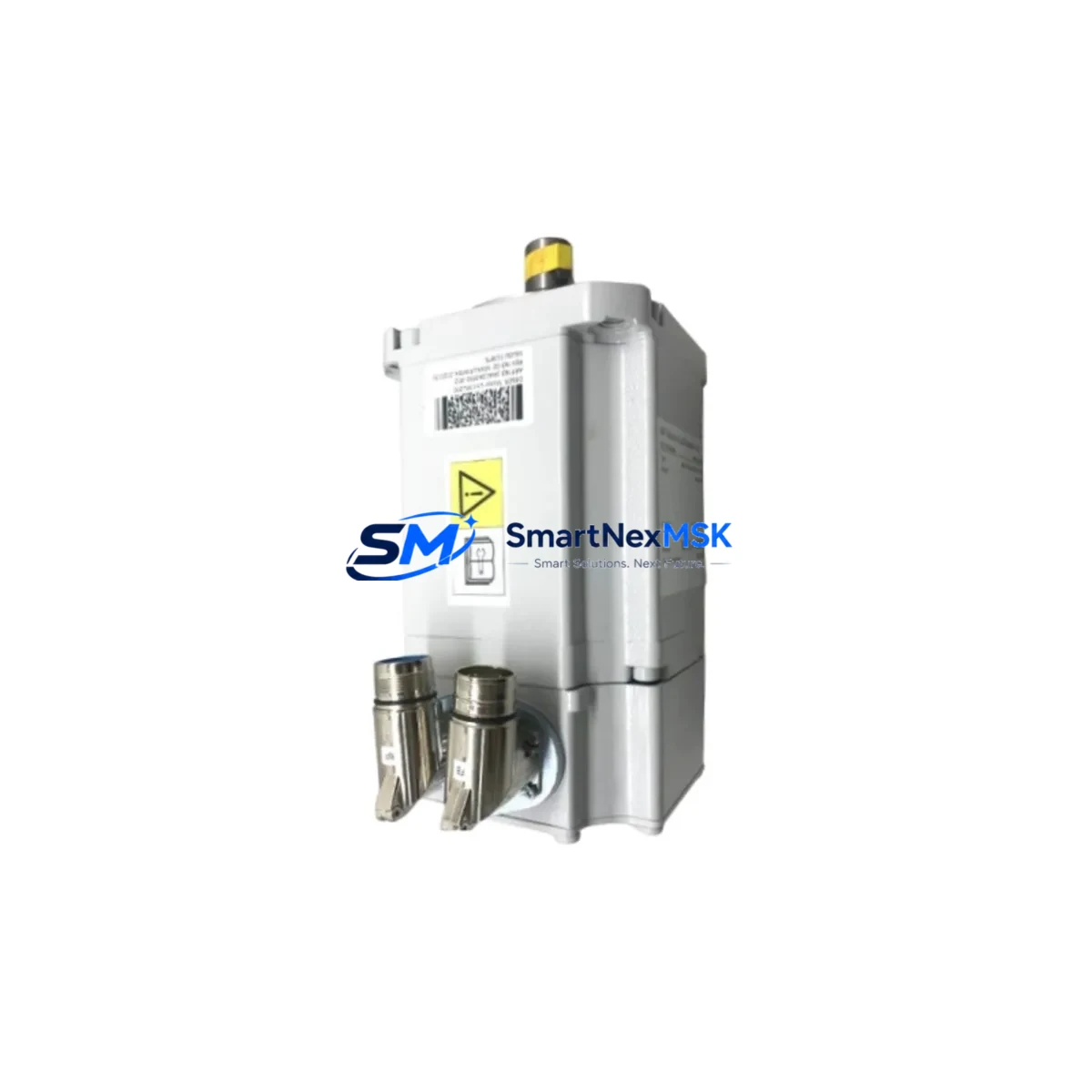
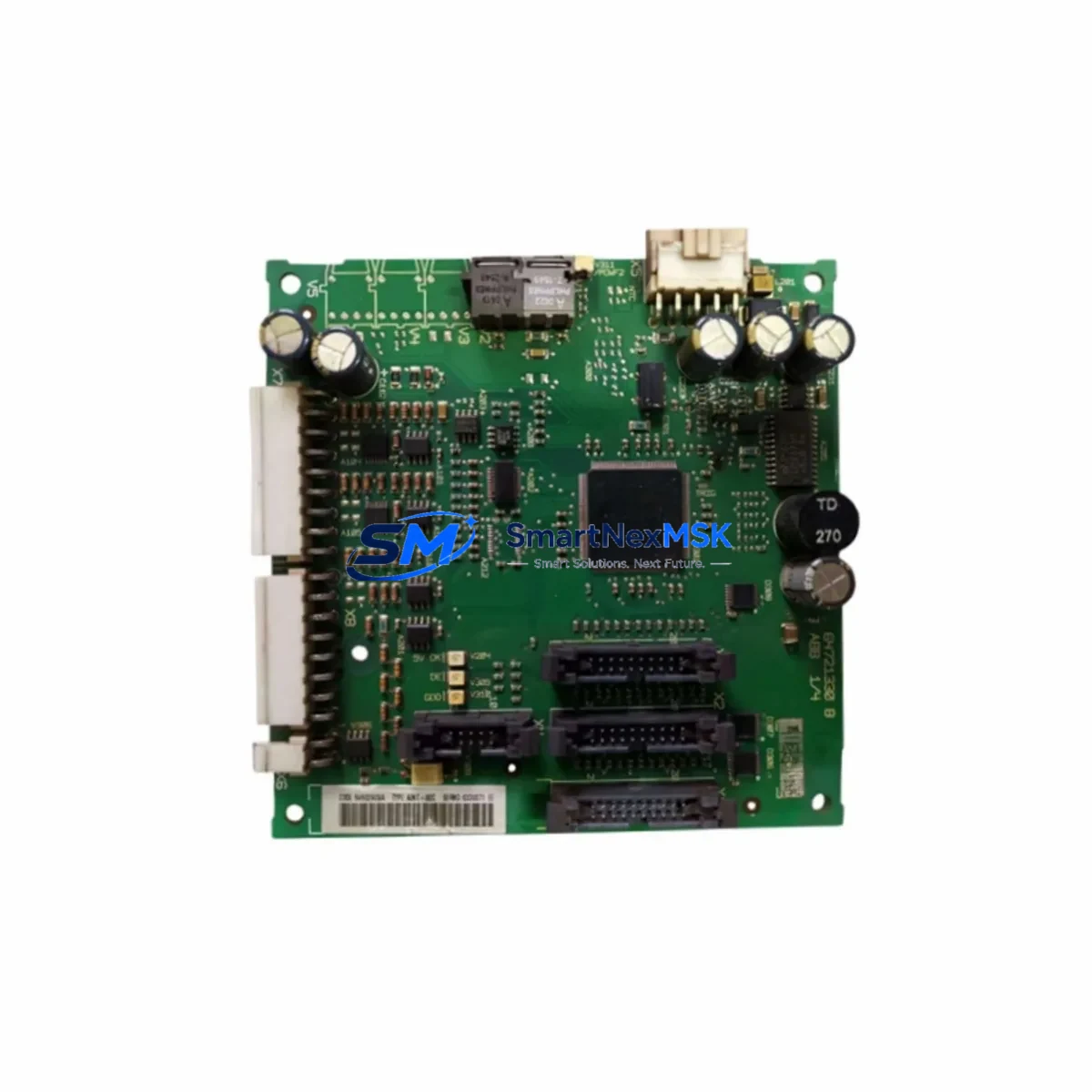
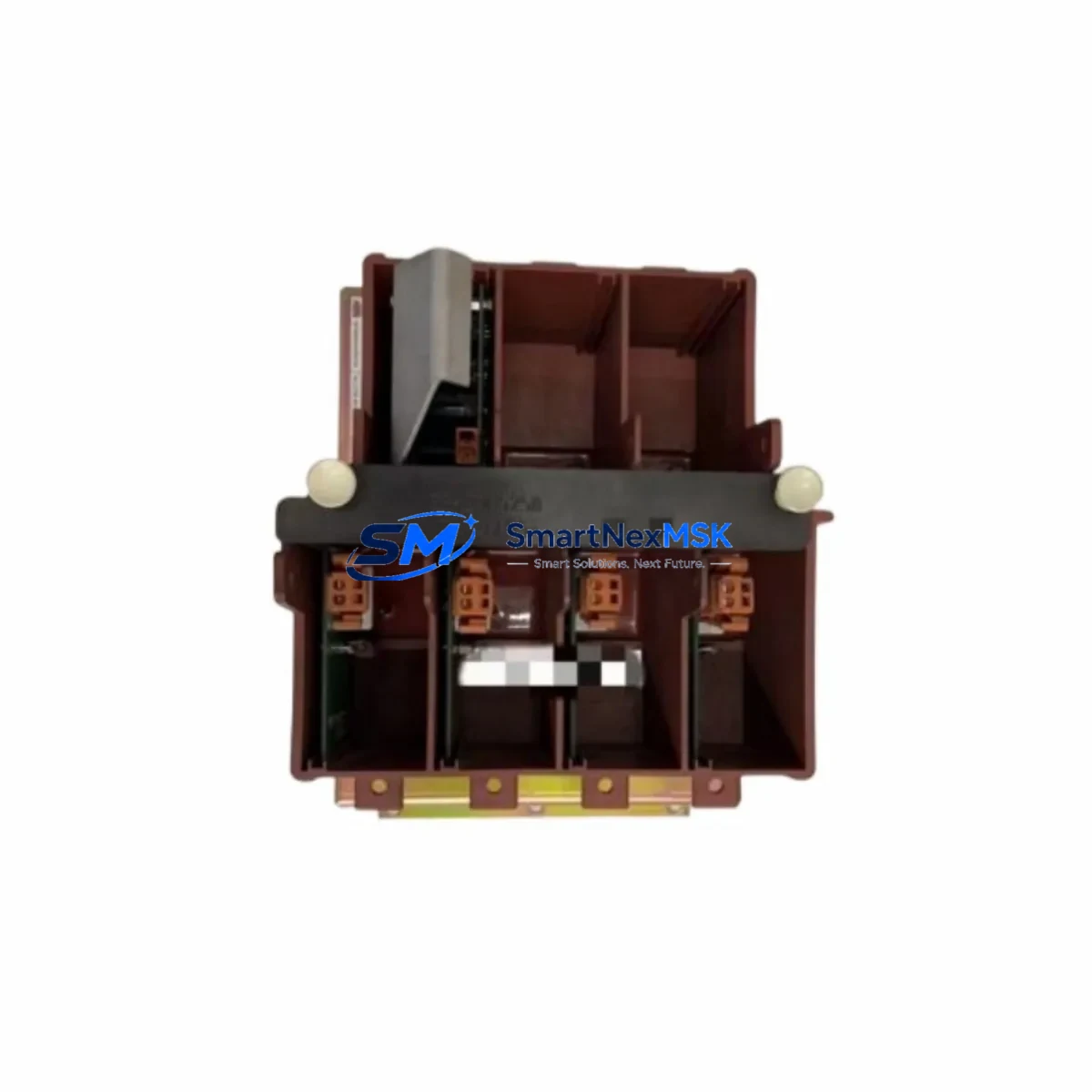
The ABB TU849 is an original Module Termination Unit (MTU) designed for the S800 I/O system, widely deployed in AC800M-based DCS and process automation architectures across power generation, oil & gas, pulp & paper, and chemical processing industries. As a field-proven termination interface, the TU849 provides the critical mechanical and electrical connection point between S800 I/O modules and field wiring — making it an essential spare part for any maintenance team responsible for continuous process control uptime.
Sourced directly from verified supply channels, every TU849 unit we ship is inspected and tested prior to dispatch. We maintain ready stock to support emergency breakdown recovery, planned turnaround maintenance, and long-term spare parts inventory programs. With a 12-month warranty and documented compatibility with the S800 I/O platform, the TU849 is a dependable replacement for aging or failed termination units in live control cabinets.
Spare Maintenance Table
| Parameter | Specification |
|---|---|
| Part Number / SKU | TU849 |
| Brand | ABB |
| Series | S800 I/O |
| Compatible System | AC800M DCS, S800 I/O Modules |
| Product Type | Module Termination Unit (MTU) |
| Mounting | DIN Rail |
| Origin | Sweden |
| Weight | Approx. 210 g |
| Application Environment | Industrial process control, DCS cabinets, field I/O panels |
| Compatibility | S800 I/O module family; replaces legacy MTU configurations in AC800M systems |
| Installation | Snap-on DIN rail mount; field wiring via screw terminals |
| Maintenance Recommendation | Inspect terminal tightness and module seating during scheduled cabinet audits; replace if corrosion or mechanical wear is detected |
| Warranty | 12 Months |
| Pre-Shipment Testing | Yes — functional verification before dispatch |
Maintenance Planning for Continuous Operation
When a TU849 termination unit is flagged for replacement during a planned inspection or emergency fault isolation, experienced maintenance engineers know that the MTU is rarely the only component requiring attention. A thorough cabinet audit at the time of TU849 replacement should include a systematic check of the surrounding S800 I/O ecosystem.
Begin by verifying the associated AI810 or AI820 analog input modules seated on the termination unit — connector wear or bent pins on the module side can cause intermittent signal faults that mimic MTU failure. Inspect the AO810 analog output module if the loop involves control valve positioners, as output drift is often traced back to poor termination contact rather than the module itself. For digital I/O circuits, check the DI810 and DO810 modules for proper seating and verify that field wiring terminal screws are torqued to specification.
The TB820 ModuleBus Modem connecting the S800 I/O cluster to the AC800M controller should be inspected for communication errors logged in the controller diagnostic buffer — a degraded MTU can introduce noise on the ModuleBus that manifests as sporadic communication faults. Similarly, the CI854 PROFIBUS DP communication interface or CI858 DNP3 interface, if present in the same cabinet, should be checked for alarm history that correlates with the MTU degradation timeline.
Power distribution within the cabinet deserves equal attention. Verify the SD821 or SD822 power supply unit output voltage under load — an aging PSU delivering marginal voltage can accelerate MTU terminal oxidation and module instability. Check the TB807 or TB811 power distribution terminal blocks for signs of overheating or loose connections. If the cabinet includes a TU830 or TU831 termination unit for other I/O clusters, inspect those simultaneously to avoid repeat maintenance visits.
For systems with field signal conditioning, review the signal isolator modules installed between field transmitters and the S800 I/O inputs — a failed isolator can produce symptoms identical to a faulty MTU. Finally, confirm that the AC800M PM864 or PM866 processor module firmware is current and that no hardware fault codes are latched that predate the MTU issue, ensuring the root cause is correctly isolated before returning the system to service.
Site Replacement Workflow
Replacing the TU849 in a live S800 I/O system requires a structured approach to minimize process disruption and ensure full system restoration. Follow this recommended workflow:
1. Pre-Replacement Preparation: Download and archive the current I/O configuration from the AC800M controller using Control Builder Plus. Photograph the existing field wiring layout on the TU849 terminal rows before disconnection. Verify that the replacement TU849 carries the same hardware revision as the installed unit to ensure full compatibility with the seated I/O module.
2. Safe Isolation: Coordinate with the control room to place the affected I/O channels in manual or safe-state mode. De-energize the field wiring circuits at the marshalling terminal blocks — do not rely solely on software inhibit. Confirm zero voltage on all terminals with a calibrated multimeter before proceeding.
3. Module and Wiring Removal: Unlatch and remove the S800 I/O module from the TU849. Label and disconnect field wiring in sequence. Release the DIN rail locking tab and slide the TU849 free from the rail.
4. Installation of Replacement Unit: Mount the new TU849 on the DIN rail and secure the locking tab. Reconnect field wiring in reverse sequence, torquing each terminal screw to the manufacturer specification (typically 0.5–0.6 Nm for S800 MTU terminals). Re-seat the I/O module and confirm the module status LED indicates correct initialization.
5. System Verification: Restore the I/O channels from manual/safe-state mode. Verify all field signals read correctly in the AC800M controller and confirm no new fault codes are present. Document the replacement in the site maintenance log with the new unit serial number and date.
This workflow supports legacy system life extension strategies by enabling like-for-like replacement without requiring controller reconfiguration, preserving existing I/O addressing and loop tuning parameters.
Spare Parts Support FAQ
Q1: Is the TU849 compatible with all S800 I/O modules in the AC800M system?
The TU849 is designed as a standard Module Termination Unit within the S800 I/O family and is compatible with the primary analog and digital I/O modules in that series. We recommend confirming the hardware revision of your installed modules against the TU849 revision before ordering if your system was commissioned prior to 2010, as early-generation S800 hardware may have specific MTU pairing requirements. Our technical team can assist with compatibility verification based on your system documentation.
Q2: What is included in the 12-month warranty and what does pre-shipment testing cover?
Every TU849 unit undergoes functional verification prior to dispatch, including terminal integrity checks and visual inspection for mechanical damage. The 12-month warranty covers manufacturing defects and functional failure under normal operating conditions. It does not cover damage resulting from incorrect installation, overvoltage events, or environmental exposure beyond the rated operating range. Warranty claims are processed with return authorization and typically resolved within 10 business days.
Q3: How should the TU849 be stored as a long-term spare in an inventory program?
Store the TU849 in its original anti-static packaging in a dry, temperature-controlled environment (recommended: 5–40°C, relative humidity below 75% non-condensing). Avoid storage near strong electromagnetic sources or corrosive atmospheres. For long-term inventory programs exceeding 24 months, inspect the unit annually for terminal oxidation and packaging integrity. We recommend maintaining a minimum of two TU849 units per S800 I/O cluster in critical process applications to support rapid swap-out during unplanned outages.
Q4: Can the TU849 be used to replace older or discontinued ABB S800 termination units in legacy systems?
In many cases, yes. The TU849 is a current-production ABB S800 MTU that can serve as a direct replacement for earlier termination unit variants in the same mechanical form factor. However, wiring configuration and module compatibility should be verified against the original system drawings before installation. Our team can review your existing documentation and confirm suitability for your specific legacy system configuration prior to shipment.
© 2026 SMARTNEXMSK. All rights reserved.
Original Source: https://smartnexmsk.com
Contact: [email protected] | +86 18259474341