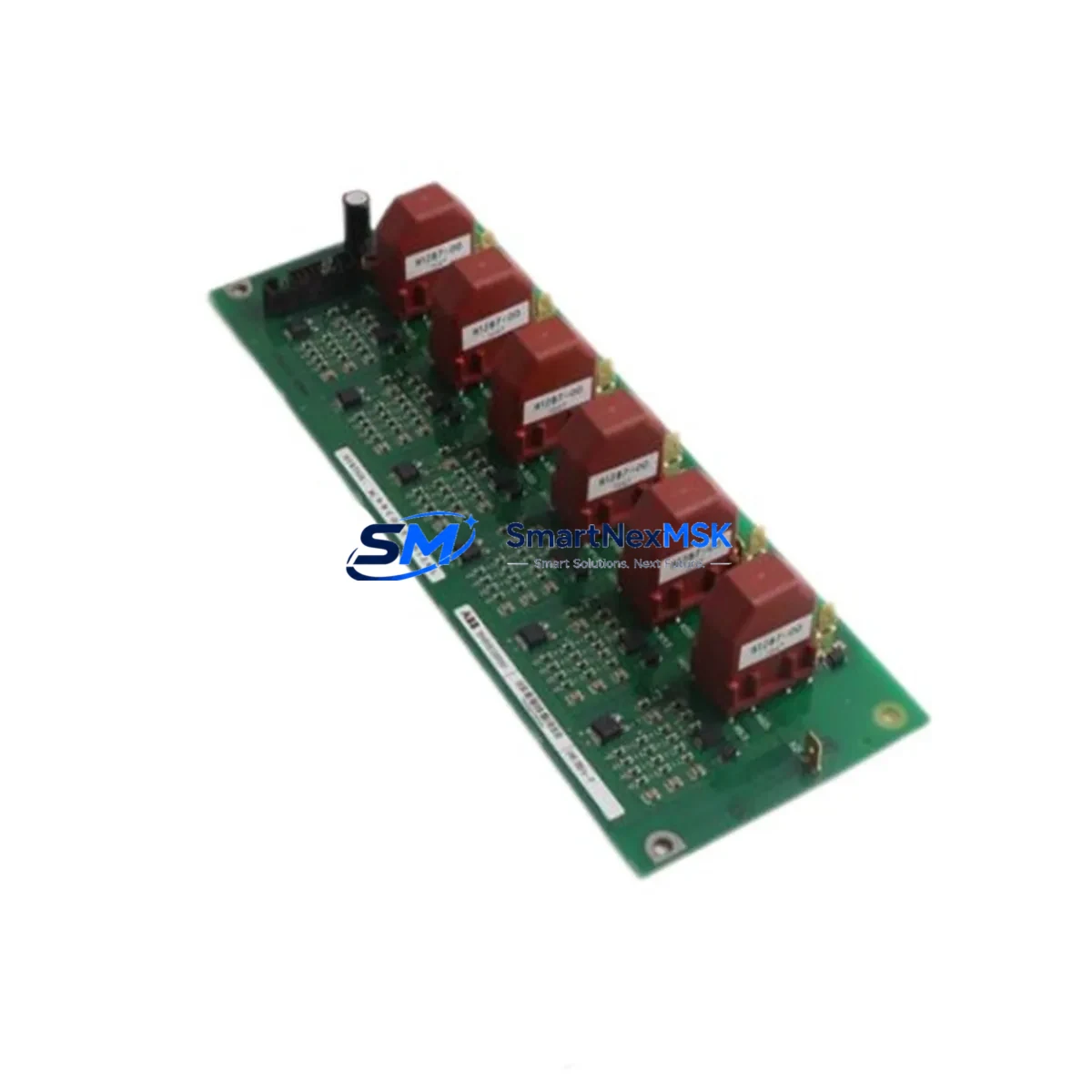
ABB VV01 Retrofit-Ready Control Module for Contronic Systems: Compatible Upgrade for Legacy Automation
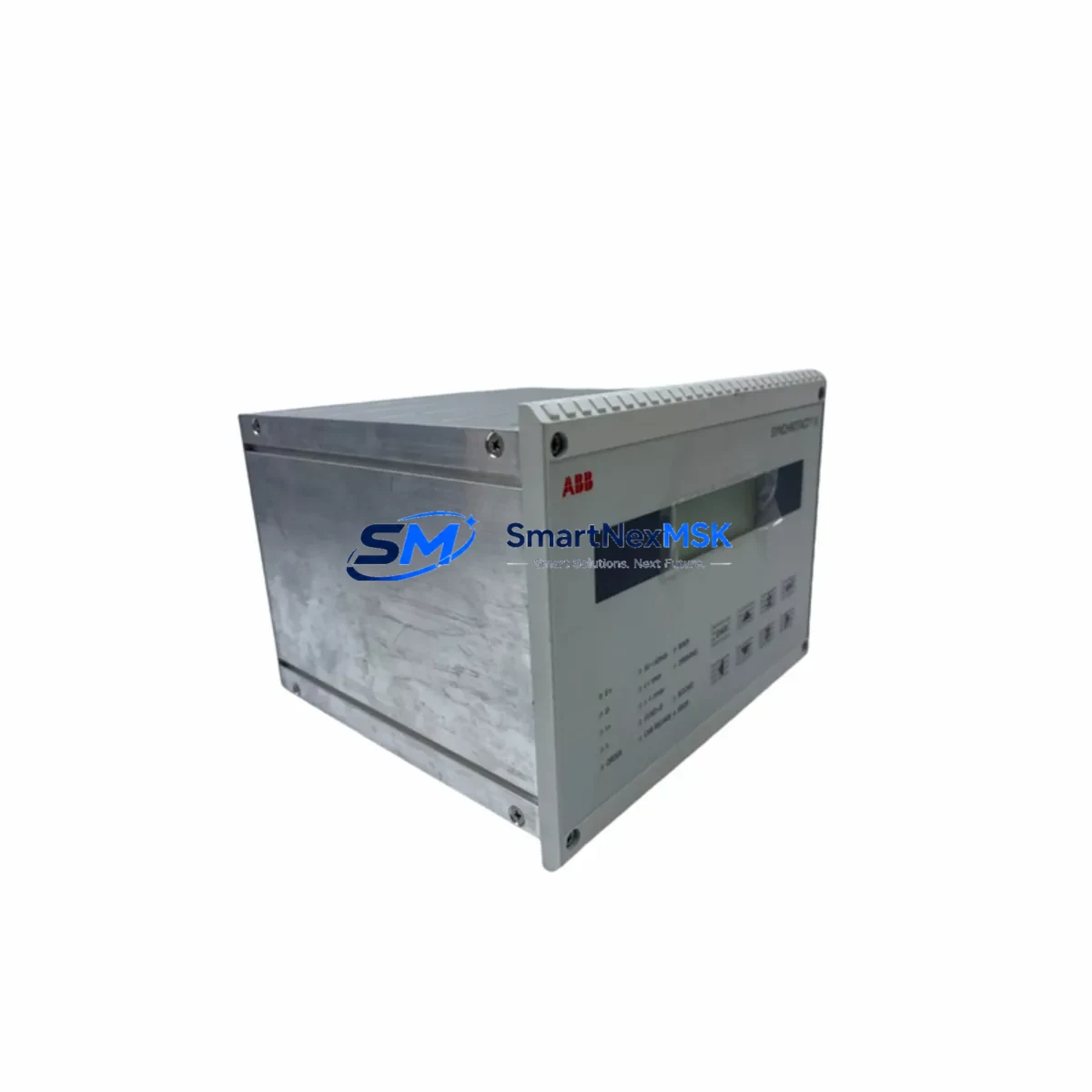
The ABB VV01 is a retrofit-ready control module engineered for seamless integration into H&B Contronic distributed control systems. As legacy Contronic platforms approach end-of-life and original spare parts become increasingly scarce, the VV01 provides a reliable, drop-in compatible replacement that preserves existing control logic, wiring infrastructure, and communication architecture. Whether you are managing a planned system upgrade or responding to an unplanned module failure, the VV01 is stocked, tested, and ready to ship with a 12-month warranty.
Industrial facilities running H&B Contronic-based control systems — including process plants, power generation units, chemical facilities, and continuous manufacturing lines — frequently encounter the challenge of sourcing discontinued control modules. The ABB VV01 addresses this directly by offering verified compatibility with the Contronic backplane architecture, allowing engineers to replace failed or aging modules without redesigning the control cabinet or rewriting PLC programs.
Upgrade Compatibility Table
| Parameter | Details |
|---|---|
| SKU | VV01 / VV 01 |
| Brand | ABB (H&B Contronic Series) |
| Module Type | Control Module / Process Controller |
| Backplane Interface | Compatible with H&B Contronic standard backplane slots |
| Communication Compatibility | Contronic internal bus; supports legacy serial and proprietary DCS communication links |
| Installation Requirement | Direct slot replacement; verify rack address and DIP switch configuration before insertion |
| Replacement Recommendation | Suitable as direct replacement for discontinued VV01 variants; confirm firmware revision with engineering team |
| Commissioning Focus | Module address assignment, I/O channel mapping, loop tuning verification, HMI tag re-binding |
| Origin | Germany |
| Warranty | 12-Month Warranty — covers manufacturing defects and functional failure under normal operating conditions |
Retrofit Planning for Existing Automation Systems
Replacing the ABB VV01 within an active Contronic control system requires careful pre-installation planning to avoid configuration errors and extended downtime. Before removing the existing module, engineers should document the current rack slot position, module address settings, and all terminal wiring connections. The Contronic system typically uses a dedicated power supply module — such as the NT01 or NT03 series — to feed the backplane, and verifying that the power budget accommodates the VV01’s load requirements is a critical first step.
Terminal wiring on the Contronic I/O sub-rack must be mapped against the new module’s channel assignments. In many retrofit scenarios, the existing field wiring remains unchanged, but the terminal block layout on the replacement module may differ slightly from the original. Cross-referencing the VV01 wiring diagram against the installed AI01 or AO01 analog I/O modules ensures that signal ranges and grounding schemes remain consistent. Where digital I/O expansion is involved, the DI01 and DO01 modules in the same rack should be re-verified for address conflicts after the VV01 is installed.
Communication link integrity is another key consideration. The Contronic DCS backbone relies on a proprietary serial communication protocol between the central controller and distributed I/O stations. After installing the VV01, the communication module — often a CM01 or equivalent Contronic bus coupler — must be checked to confirm that the new module is recognized on the network segment. If the plant is in the process of migrating from the legacy Contronic protocol to a modern fieldbus such as PROFIBUS DP or Modbus RTU, the VV01 can serve as a stable interim controller while the communication infrastructure is upgraded in phases.
For facilities that also operate ABB AC500 or AC31 series PLCs alongside the Contronic system, the VV01 retrofit can be coordinated with a broader control platform consolidation. Programming cables compatible with the Contronic engineering workstation — such as the Contronic T or Contronic E programming interface — should be confirmed available before commissioning begins, as these tools are required for module parameterization and loop configuration download.
HMI screens connected to the Contronic system via the operator station interface will require tag verification after the VV01 replacement. Any process variable tags mapped to the replaced module’s I/O channels should be confirmed active and correctly scaled in the HMI configuration. This step is particularly important in facilities where the HMI is integrated with a SCADA layer, as tag mismatches can trigger false alarms or suppress critical process alerts during the transition period.
Downtime Control During System Migration
Minimizing production downtime during a VV01 module replacement is achievable with structured pre-commissioning preparation. The recommended approach is to perform all documentation, address verification, and wiring mapping during a scheduled maintenance window before the actual module swap. This allows the physical replacement to be completed in the shortest possible time — typically within a single shift — while the control system is in a safe, de-energized state.
Where the process cannot tolerate a full shutdown, a partial isolation strategy can be applied: the affected control loop is placed in manual mode at the operator station, the VV01 is replaced, and the loop is returned to automatic control after commissioning verification. This approach preserves control continuity for all other loops in the system and limits the operational impact to the specific process segment being serviced.
Original program logic stored in the Contronic engineering database should be backed up before any hardware change. If the replacement VV01 requires a firmware or parameter download, the engineering workstation must be connected and the project file verified against the current plant configuration. After the module is installed and powered, a full I/O channel check — verifying both input signal reading and output command response — should be completed before returning the loop to automatic service. Loop tuning parameters from the original module should be re-entered or transferred to ensure process stability from the first moment of automatic operation.
All commissioning steps should be documented in the plant maintenance record, including the module serial number, installation date, address settings, and the name of the commissioning engineer. This documentation supports the 12-month warranty claim process and provides a reference baseline for future maintenance activities.
Retrofit Support FAQ
Q1: Is the ABB VV01 a direct drop-in replacement for the original Contronic VV01 module?
In most installations, yes. The VV01 is designed to fit the standard Contronic backplane slot and maintain compatibility with existing terminal wiring and module address configurations. However, engineers should verify the hardware revision and firmware version against the plant’s engineering documentation before installation, as minor differences between production batches may require parameter adjustments.
Q2: What commissioning steps are required after installing the VV01?
After physical installation, the module address must be confirmed via DIP switch or software configuration, the I/O channel mapping must be verified against the existing field wiring, and the communication link to the Contronic bus must be confirmed active. A full loop check — including input signal simulation and output command verification — should be completed before returning the control loop to automatic operation. HMI tag bindings should also be verified at the operator station.
Q3: Can the VV01 be used during a migration from the Contronic platform to a modern PLC or DCS?
Yes. The VV01 is well-suited as a stable interim controller during phased migration projects. It allows the existing Contronic infrastructure to remain operational while new control hardware — such as an ABB AC500 PLC or a modern DCS I/O station — is installed and commissioned in parallel. This phased approach reduces migration risk and allows the engineering team to validate the new system before cutting over from the legacy platform.
Q4: What does the 12-month warranty cover, and how is it claimed?
The 12-month warranty covers manufacturing defects and functional failure under normal operating conditions from the date of shipment. Each VV01 unit is tested prior to dispatch to verify core functionality. To initiate a warranty claim, contact our technical support team with the module serial number, installation date, and a description of the fault. Replacement or repair will be arranged based on the fault assessment. The warranty does not cover damage resulting from incorrect installation, overvoltage, or unauthorized modification.
© 2026 SMARTNEXMSK. All rights reserved.
Original Source: https://smartnexmsk.com
Contact: [email protected] | +86 18259474341