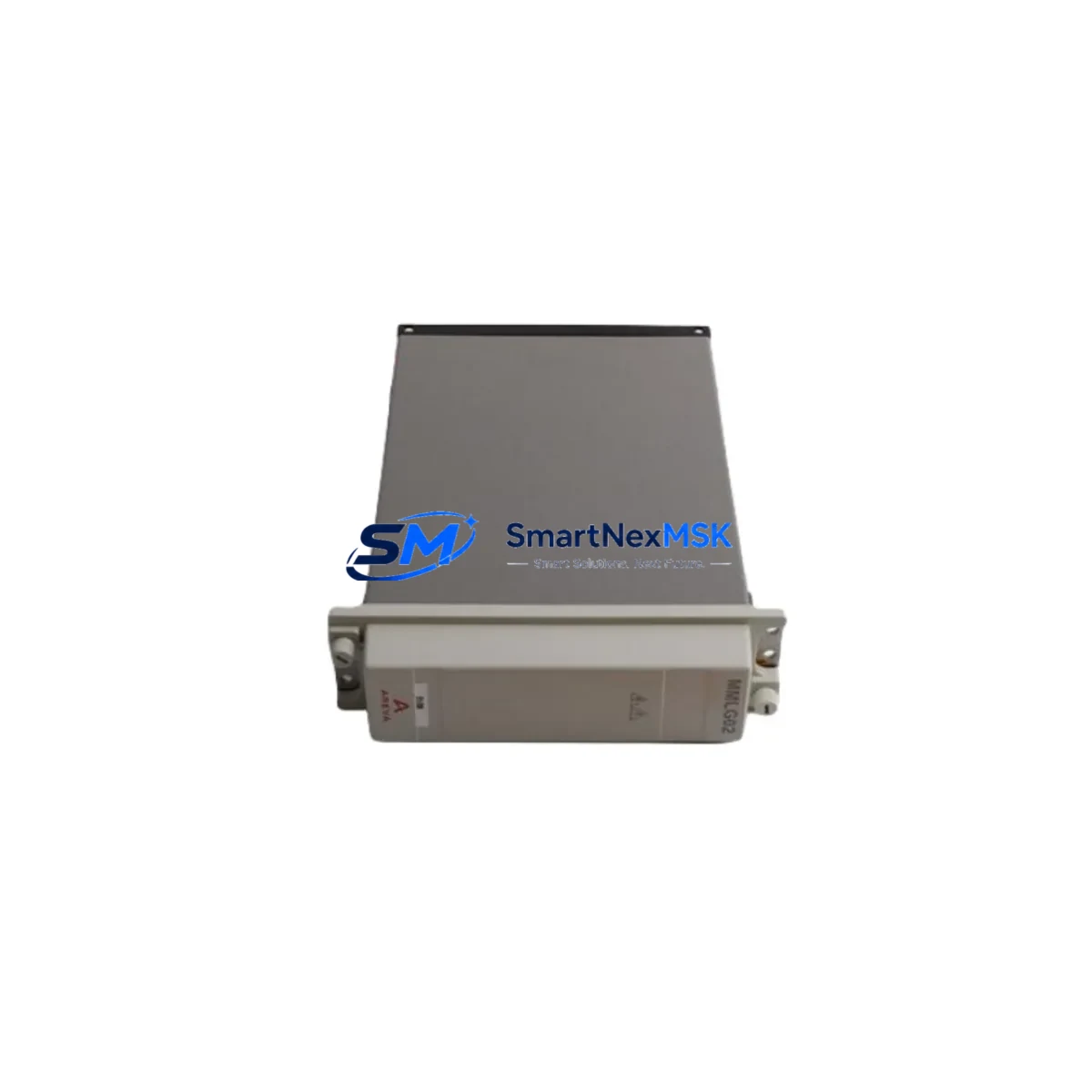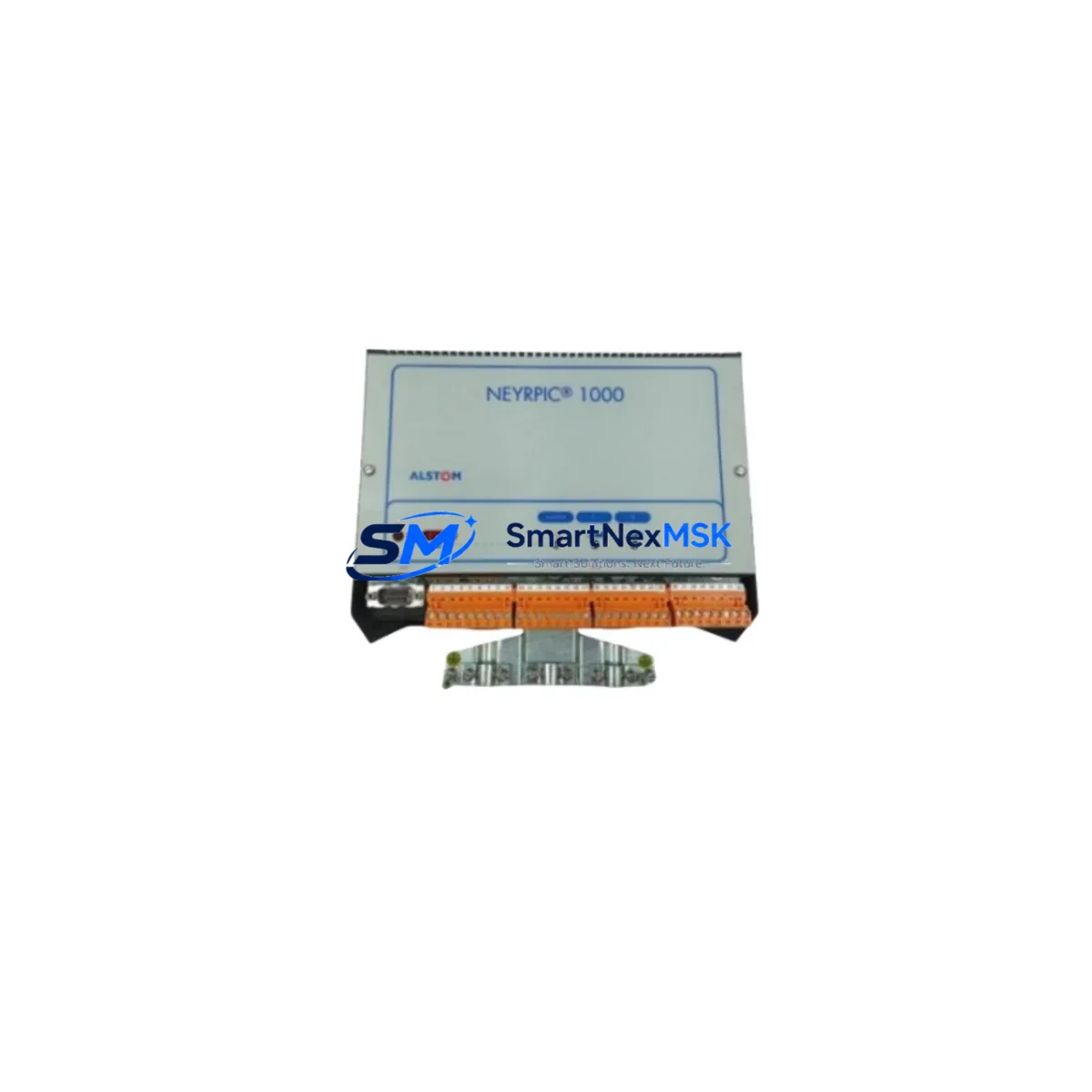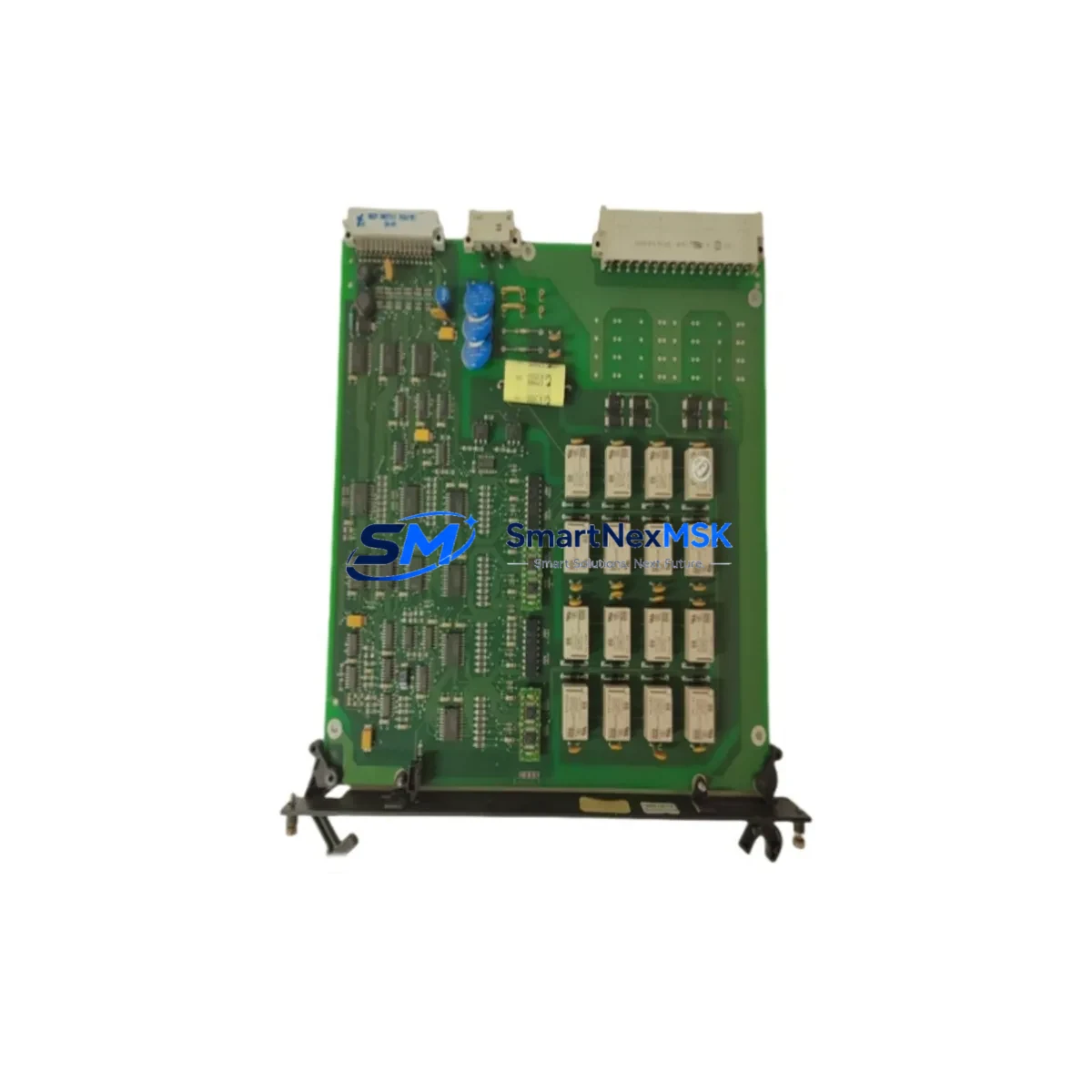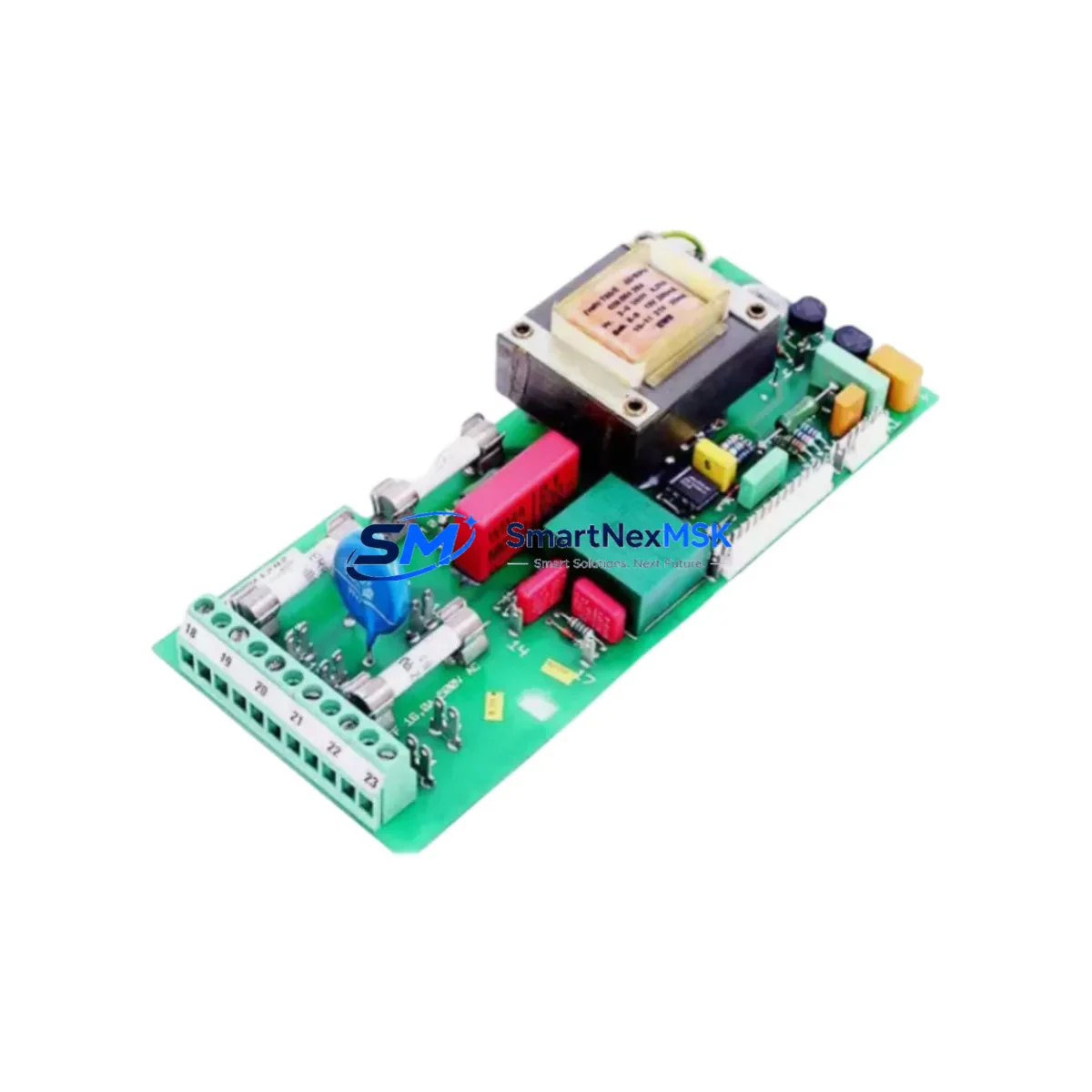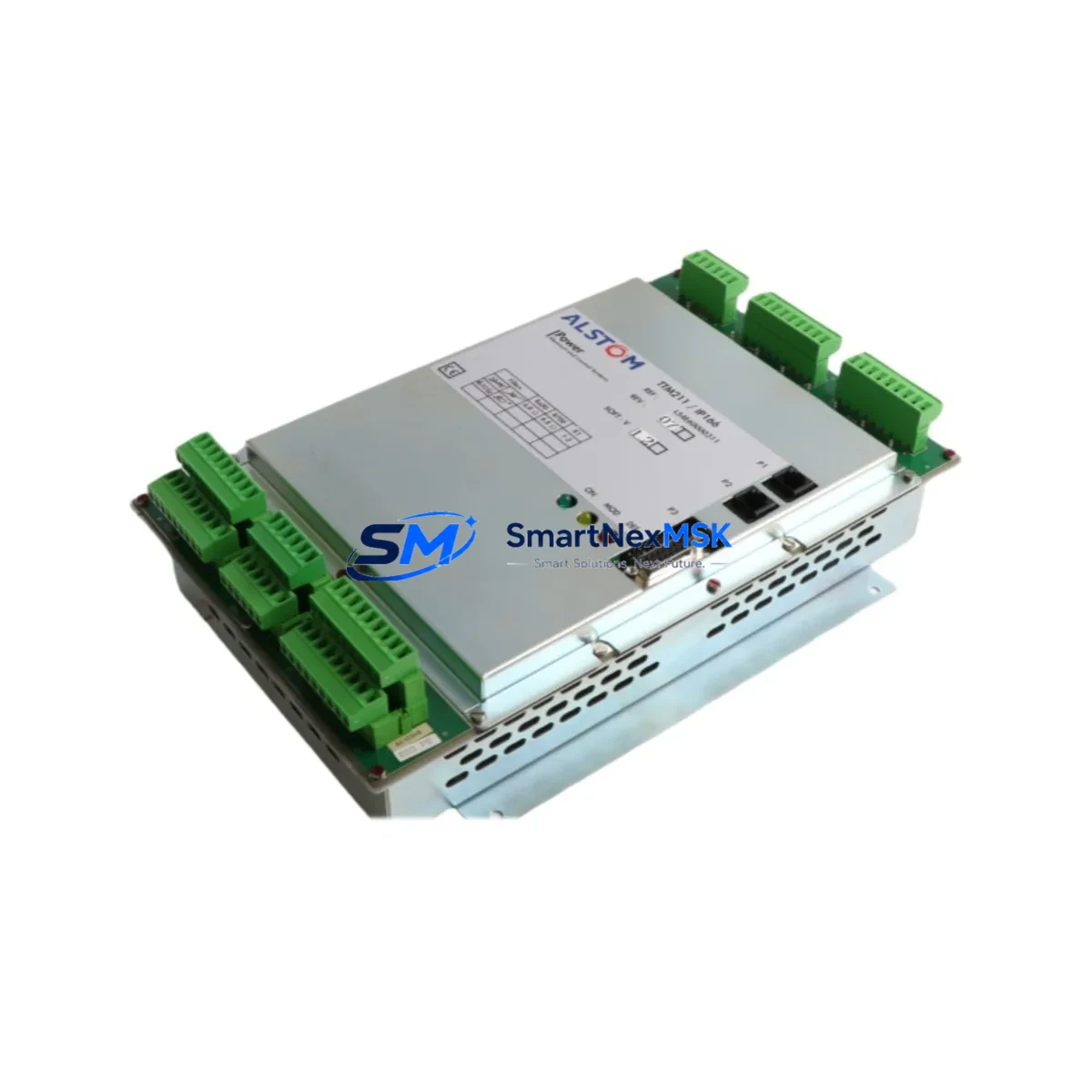
ALSTOM TTM211 IP166 L54E60000311 Retrofit-Ready Turbine Control for TTM Series: Compatible Modernization & Smooth Legacy System Upgrade
The ALSTOM TTM211 IP166 L54E60000311 is a turbine control module engineered for the ALSTOM TTM Series distributed control platform. As power generation facilities and industrial plants face increasing pressure to extend the operational life of aging control infrastructure, this module serves as a proven retrofit solution — enabling engineers to replace discontinued or end-of-life components without requiring a full DCS overhaul. Whether you are managing a gas turbine, steam turbine, or combined-cycle plant, the TTM211 IP166 L54E60000311 provides a reliable, specification-matched upgrade path that preserves existing wiring, backplane interfaces, and control logic.
Sourced directly from authorized distribution channels and subject to full functional testing prior to dispatch, each unit is backed by a 12-month warranty. Stock is maintained to support urgent replacement requirements, minimizing unplanned downtime during critical maintenance windows.
Upgrade Compatibility Table
| Parameter | Details |
|---|---|
| Module SKU | TTM211 IP166 L54E60000311 |
| Brand / Manufacturer | ALSTOM |
| Compatible Series | TTM Series Turbine Control Platform |
| Module Function | Turbine Control Module — signal processing, I/O management, and control loop execution |
| Backplane Interface | TTM Series standard backplane slot; verify rack generation before installation |
| Communication Protocol | Compatible with TTM Series internal communication bus; confirm firmware revision alignment |
| Power Supply Requirement | Verify rack PSU capacity before hot-swap; consult TTM Series power budget documentation |
| Installation Type | Direct slot replacement; no mechanical modification required for same-generation racks |
| Replacement Recommendation | Suitable as direct replacement for discontinued TTM211 variants; cross-reference L54E60000311 part number |
| Commissioning Note | Module address configuration and I/O mapping must be verified post-installation; HMI tag re-binding may be required |
| Warranty | 12 Months — covers manufacturing defects and functional failure under normal operating conditions |
| Pre-Shipment Testing | Full functional test performed on each unit prior to dispatch |
| Origin | Germany (DE) |
Retrofit Planning for Existing Automation Systems
Replacing the TTM211 IP166 L54E60000311 within an operational turbine control system requires careful pre-engineering to avoid configuration drift and unplanned shutdowns. The retrofit process typically begins with a full audit of the existing rack assembly. Engineers should document the current slot assignments across the TTM Series rack, noting the positions of adjacent I/O modules, communication modules, and power supply units before removing the failed or obsolete module.
In many TTM Series installations, the control rack houses a combination of analog input modules, digital output modules, and dedicated turbine speed and temperature signal conditioners alongside the TTM211. These companion modules — including terminal base assemblies and marshalling panels — must remain undisturbed during the swap to prevent signal interruption. Where the existing rack uses a dedicated TTM Series power supply module to distribute 24 VDC or 48 VDC to field devices, the power budget must be recalculated to confirm that the replacement TTM211 IP166 L54E60000311 does not exceed available capacity.
Communication continuity is a critical concern in turbine control retrofits. The TTM Series platform typically relies on a proprietary or Modbus-based internal communication bus to exchange data between the turbine control module and the plant DCS or SCADA layer. Before installation, engineers should confirm that the replacement module’s firmware version is compatible with the existing communication configuration. In plants where the TTM Series interfaces with a supervisory HMI — such as an ALSTOM-branded operator workstation or a third-party SCADA terminal — the HMI tag database and alarm setpoints linked to the TTM211 must be reviewed and, if necessary, re-mapped after the module is commissioned.
For facilities undertaking a broader control system modernization — for example, migrating from a legacy TTM Series rack to a newer ALSTOM or third-party DCS platform — the TTM211 IP166 L54E60000311 can serve as an interim solution, maintaining turbine control continuity while the new platform is engineered and staged. In this scenario, the module’s I/O wiring, including thermocouple inputs, RTD channels, and discrete trip signals, should be fully documented using as-built drawings before any migration work begins. Programming cables and configuration software compatible with the TTM Series should be retained on-site throughout the transition period to support rapid re-commissioning if required.
Field engineers should also account for module address configuration. In rack-based turbine control systems, each module is assigned a unique slot address that the controller uses to poll I/O data. After installing the replacement TTM211, the module address must be verified against the original configuration — either via DIP switch settings on the module itself or through the engineering workstation software. Failure to match the original address will result in communication faults and may trigger turbine protection trips.
Downtime Control During System Migration
Minimizing downtime during a turbine control module replacement is a primary concern for plant operations teams. The TTM211 IP166 L54E60000311 is designed to support a structured hot-standby or planned-outage replacement strategy, depending on the redundancy configuration of the host TTM Series rack.
Where the TTM Series installation includes a redundant controller pair, the replacement can be staged during normal operation by switching control authority to the standby module before removing the primary TTM211. This approach eliminates the need for a full turbine shutdown and allows the replacement module to be installed, addressed, and verified while the plant remains online. Once the new module has been confirmed as communicating correctly with the rack backplane and the DCS, control authority can be transferred back without interrupting the turbine’s operating sequence.
In non-redundant installations, the replacement must be coordinated with a planned maintenance window. Prior to the outage, engineers should prepare a step-by-step commissioning checklist covering: power isolation sequence, module extraction, replacement installation, address verification, I/O loop checks, communication link confirmation, HMI alarm acknowledgment, and return-to-service sign-off. The original control program — including PID tuning parameters, trip setpoints, and interlock logic — should be backed up to the engineering workstation before the outage begins. This ensures that if the replacement module requires a firmware update or configuration reload, the original logic can be restored without relying on memory or incomplete documentation.
Post-installation, a structured loop test covering all critical I/O channels associated with the TTM211 should be completed before the turbine is returned to service. This includes verification of speed sensor inputs, exhaust temperature signals, fuel control outputs, and any discrete trip or permissive signals routed through the module. Maintaining a detailed commissioning record for each replacement module — including the serial number, installation date, slot position, and test results — supports future maintenance planning and warranty claims.
Retrofit Support FAQ
Q1: Is the TTM211 IP166 L54E60000311 a direct drop-in replacement for other TTM211 variants?
The L54E60000311 part number identifies a specific hardware and firmware revision of the TTM211 module. In most cases, it is directly interchangeable with other TTM211 variants installed in the same TTM Series rack generation. However, engineers should cross-reference the original module’s part number and firmware label before ordering to confirm compatibility. Where the existing installation uses an earlier TTM211 revision, a firmware alignment check is recommended after installation.
Q2: What wiring changes are required when installing the replacement module?
For like-for-like replacements within the same rack generation, no wiring changes are typically required. The TTM211 IP166 L54E60000311 uses the same terminal base and backplane connector as the original module. Field wiring connected to the terminal base remains in place during the swap. Engineers should inspect terminal connections for corrosion or loose terminations as part of the replacement procedure and re-torque all terminals to specification after installation.
Q3: How is the module address configured after installation?
Module addressing on the TTM Series platform is typically set via hardware switches on the module face or through the TTM Series engineering software connected via a programming cable. The replacement TTM211 must be configured to match the slot address of the original module before the rack controller will recognize it. Refer to the TTM Series hardware configuration manual for the specific addressing procedure applicable to your rack generation.
Q4: What does the 12-month warranty cover, and how is a warranty claim initiated?
The 12-month warranty covers manufacturing defects and functional failures occurring under normal operating conditions. It does not cover damage resulting from incorrect installation, overvoltage events, or physical mishandling. To initiate a warranty claim, contact the sales team with the module serial number, purchase order reference, installation date, and a description of the observed fault. Units confirmed as defective under warranty will be replaced or repaired at no additional cost, with priority dispatch to minimize plant downtime.
© 2026 SMARTNEXMSK. All rights reserved.
Original Source: https://smartnexmsk.com
Contact: [email protected] | +86 18259474341