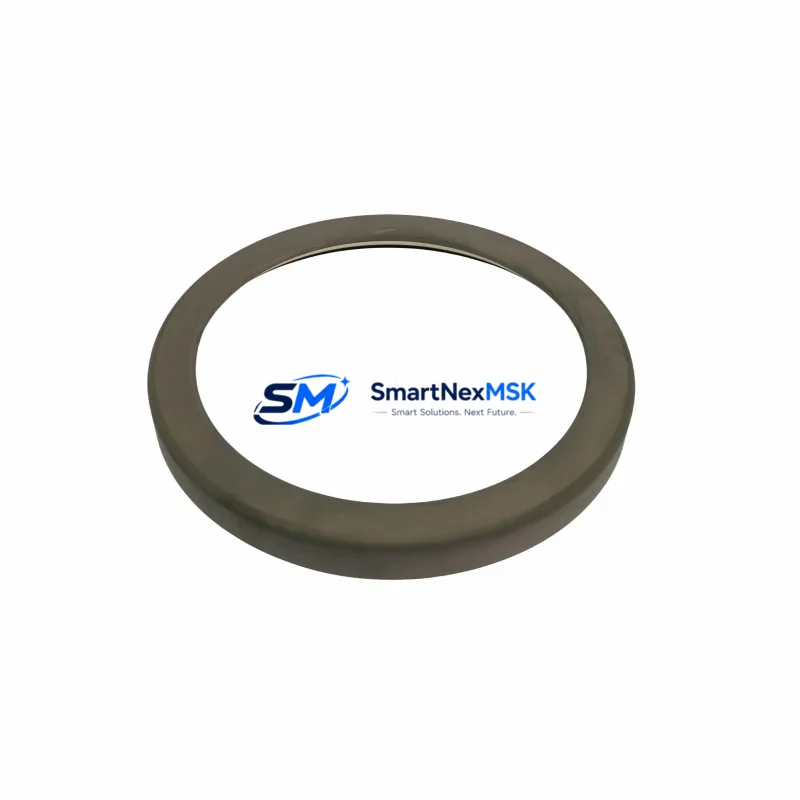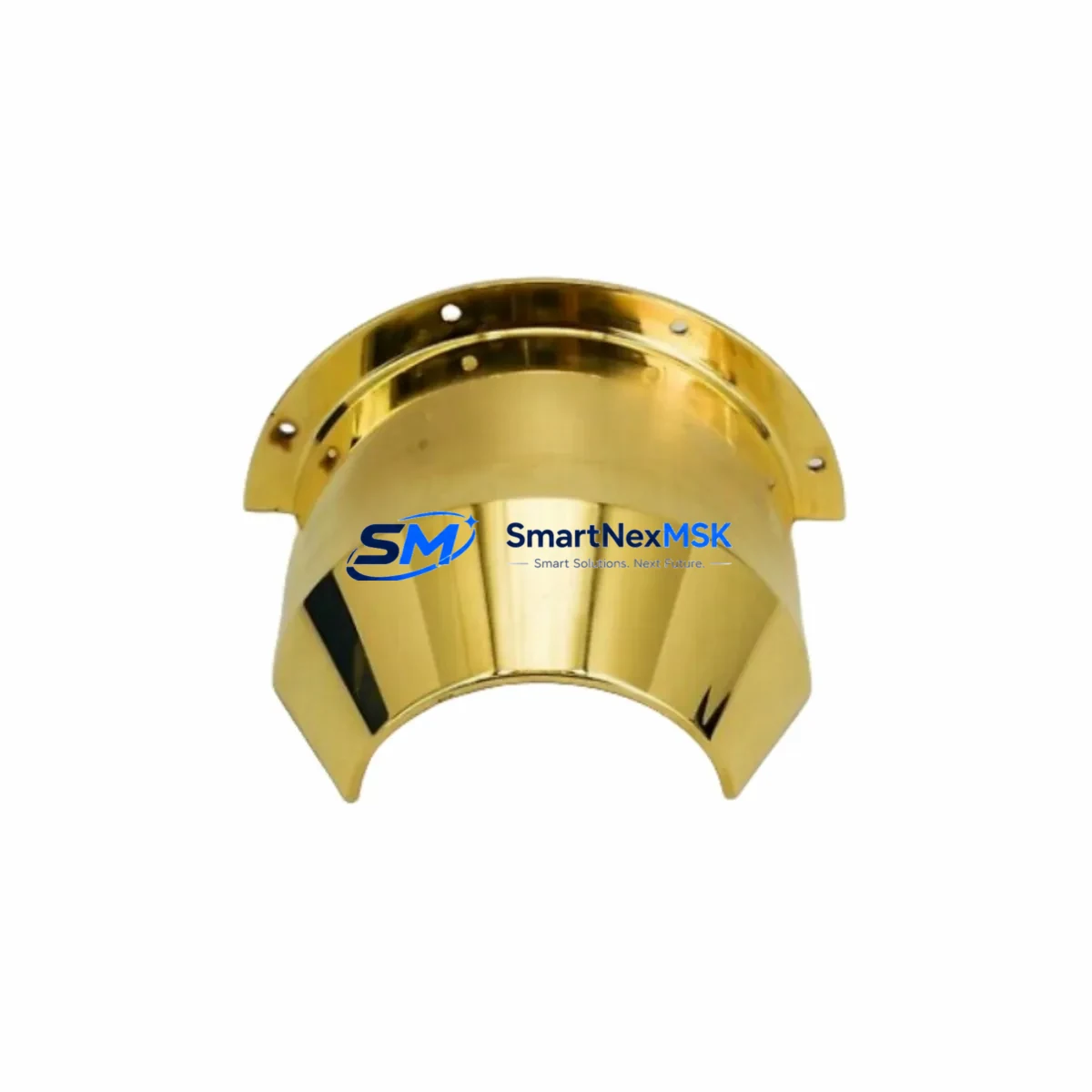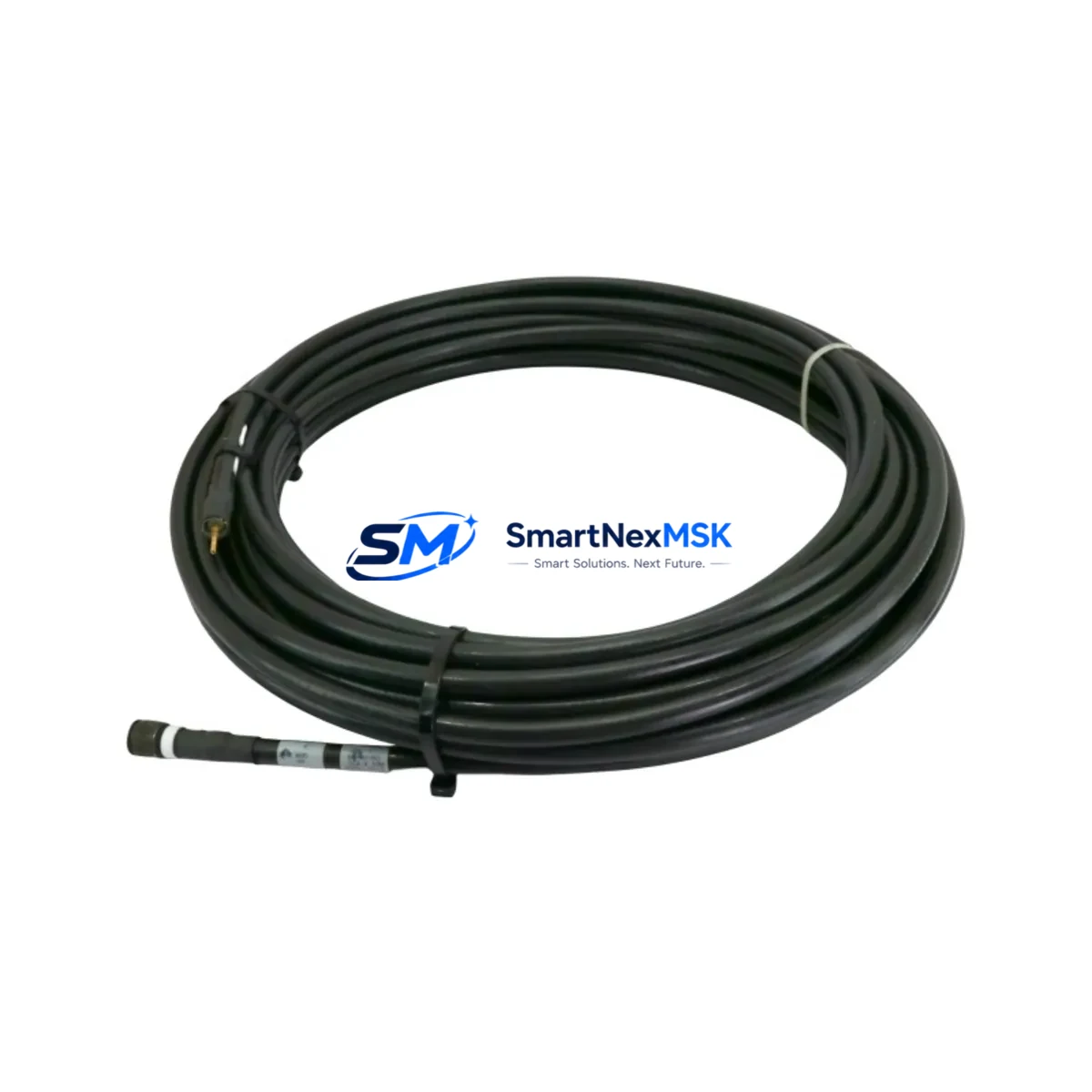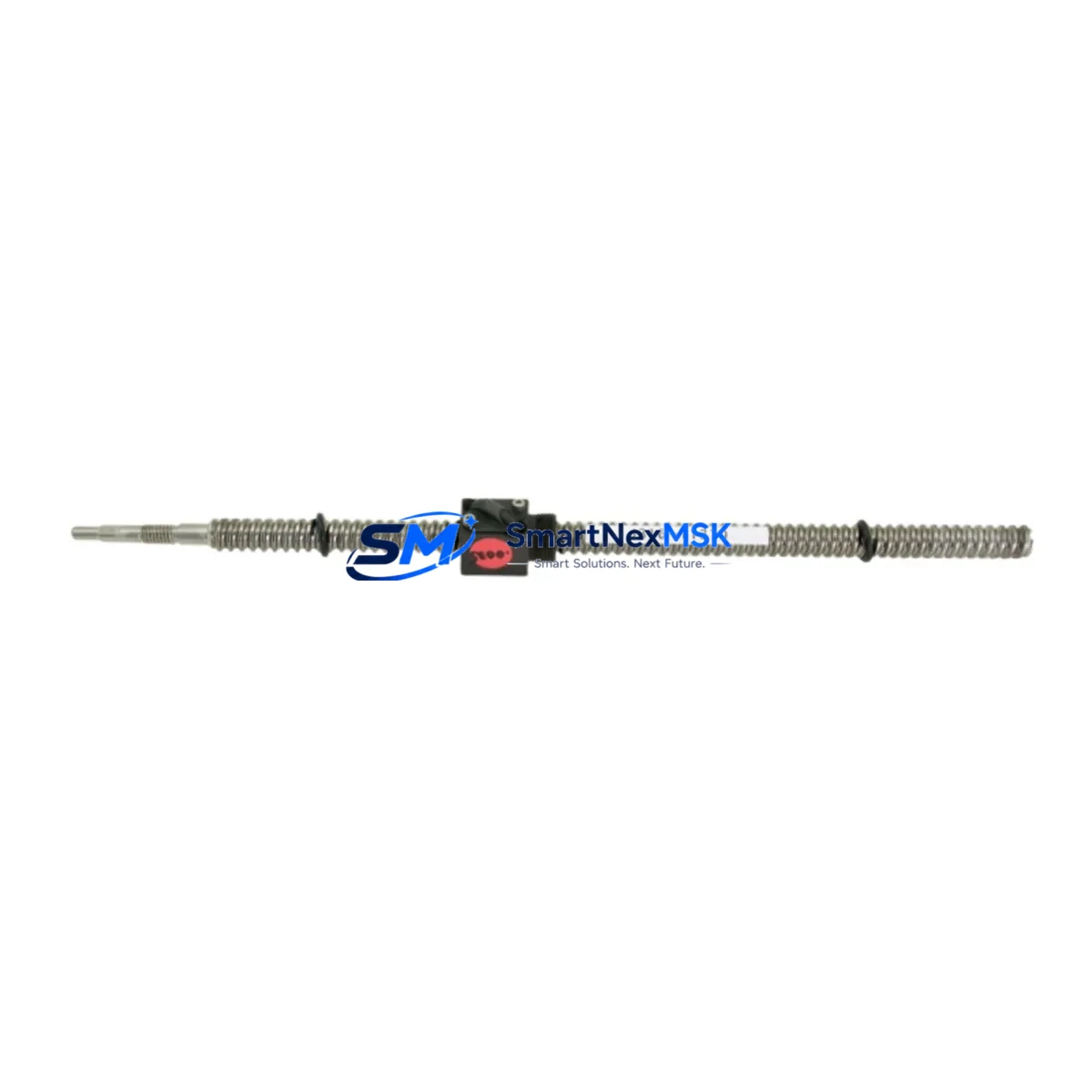
Applied Materials 0010-09583 Retrofit-Ready N2 Flow Switch for CPCI-200 Control Systems
The Applied Materials 0010-09583 is a precision N2 Flow Switch Assembly engineered for seamless compatibility with CPCI-200 and MFIO-200 series control platforms. Designed to support both direct replacement of end-of-life components and full-scale control system modernization, this unit is a proven solution for semiconductor fab engineers and automation integrators managing legacy equipment upgrades, planned retrofits, and emergency spare-part sourcing.
Whether you are replacing a failed flow switch in a running process tool, migrating from an obsolete CPCI-200 backplane to a current-generation control architecture, or expanding I/O capacity within an existing control cabinet, the 0010-09583 delivers verified electrical and mechanical compatibility with minimal re-engineering effort. It supports both IP-OCTAL OPTO and IP-OCTAL 485 communication interfaces, making it suitable for mixed-protocol environments where legacy RS-485 serial links coexist with optically isolated digital I/O channels.
Upgrade Compatibility Table
| Parameter | Details |
|---|---|
| Part Number | 0010-09583 / 4022.437.35053 |
| Compatible Platform | CPCI-200, MFIO-200 |
| Communication Interface | IP-OCTAL OPTO, IP-OCTAL 485 (RS-485) |
| Backplane Interface | CompactPCI (CPCI) standard slot — direct insertion, no adapter required |
| Installation Requirement | Verify slot address assignment and module addressing before power-on |
| Terminal Wiring | Match original terminal block pinout; confirm N2 supply line polarity |
| Replacement Recommendation | Direct drop-in for failed or end-of-life 0010-09583 units in CPCI-200 racks |
| Commissioning Focus | Flow threshold calibration, alarm setpoint verification, HMI tag mapping |
| Warranty | 12-Month Warranty — covers manufacturing defects and functional failure under normal operating conditions |
Retrofit Planning for Existing Automation Systems
Successful integration of the 0010-09583 into an existing control system begins well before the physical swap. Engineers should first audit the CPCI-200 backplane for available slot capacity and confirm that the chassis power supply — typically a CPCI-200 series DC power module — can sustain the additional load introduced by the replacement assembly. In aging control cabinets, power budget margins are frequently tighter than original design specifications suggest, particularly when multiple I/O modules such as MFIO-200 analog input cards and IP-OCTAL OPTO digital output modules are already installed.
Terminal wiring adaptation is a critical step. The original wiring harness connected to the legacy flow switch must be inspected for insulation degradation, terminal corrosion, and conductor gauge compatibility. Where the existing harness uses non-standard crimp terminals, replacement with DIN-rail-mounted terminal blocks rated for the N2 supply voltage is strongly recommended before re-terminating to the 0010-09583.
For systems using IP-OCTAL 485 serial communication, the RS-485 bus topology must be reviewed. Termination resistors at both ends of the daisy-chain must be confirmed, and the module address of the replacement 0010-09583 must be set to match the address previously assigned to the failed unit — otherwise the host controller, typically an Applied Materials CPCI-200 main controller card, will fail to poll the new module and generate a communication fault. Address configuration is performed via DIP switches or jumper settings on the module itself prior to installation.
Where the control system includes an HMI panel linked to the CPCI-200 platform, screen tag bindings referencing the original flow switch I/O address must be verified after replacement. In many legacy installations, HMI graphics were built against hard-coded I/O addresses rather than symbolic tag names, requiring a brief HMI configuration review to confirm that flow status, alarm indicators, and setpoint displays continue to function correctly after the module swap.
For broader system upgrades involving migration from CPCI-200 to a current-generation distributed control architecture, the 0010-09583 can serve as a bridging component during phased migration — maintaining N2 flow monitoring continuity on the legacy platform while new EtherCAT or PROFIBUS DP I/O modules are commissioned in parallel on the upgraded control rack. This approach minimizes process interruption and allows program logic to be validated on the new platform before the final cutover.
Downtime Control During System Migration
Minimizing unplanned downtime during a flow switch replacement or control system migration requires a structured pre-outage preparation protocol. Before taking the CPCI-200 system offline, engineers should export a full backup of the PLC or process controller program, including all I/O mapping tables, alarm configurations, and recipe parameters. For tools running Applied Materials process control software, a configuration snapshot should be saved to an offline engineering workstation.
The physical replacement of the 0010-09583 is a hot-swap-capable operation on most CPCI-200 chassis variants, provided the chassis supports live insertion and the slot is not the primary controller slot. However, it is best practice to confirm hot-swap support with the specific chassis revision documentation before attempting a live swap in a production environment. Where hot-swap is not supported, a controlled shutdown sequence — including safe N2 supply isolation, process tool interlock bypass, and coordinated notification to the process operations team — should be executed before module removal.
After physical installation, the commissioning sequence should follow this order: power-on self-test confirmation, communication link verification via the host controller diagnostic interface, flow threshold calibration against a known reference flow rate, alarm setpoint re-entry, and HMI display validation. Maintaining a commissioning checklist specific to the 0010-09583 and the CPCI-200 platform ensures that no verification step is skipped under time pressure, protecting both equipment integrity and process continuity.
All replacement units supplied by SMARTNEXMSK undergo pre-shipment functional testing to verify electrical continuity, communication interface integrity, and flow switch actuation response before dispatch. This reduces the risk of receiving a non-functional unit and shortens on-site commissioning time.
Retrofit Support FAQ
Q1: Is the 0010-09583 a direct replacement for the original Applied Materials part, or does it require wiring modifications?
The 0010-09583 is designed as a direct replacement for the original Applied Materials assembly of the same part number. In most CPCI-200 installations, no wiring modifications are required beyond confirming terminal polarity and re-seating the existing harness connector. Where the original harness shows wear or corrosion, re-termination is recommended as a precautionary measure.
Q2: How do I verify communication compatibility with my existing IP-OCTAL 485 network before installation?
Before installing the replacement module, use the host controller’s diagnostic utility to document the current RS-485 bus address map. Confirm that the replacement 0010-09583 is configured to the same module address as the unit being replaced. After installation, run a communication poll from the host controller and verify that the module responds correctly before restoring process control.
Q3: What does the 12-month warranty cover, and how is a warranty claim processed?
The 12-month warranty covers manufacturing defects and functional failure under normal operating conditions from the date of shipment. It does not cover damage resulting from incorrect installation, overvoltage, or physical mishandling. To initiate a warranty claim, contact SMARTNEXMSK with the order reference, a description of the failure symptom, and photographic documentation of the unit and installation environment. Replacement or repair will be arranged promptly.
Q4: Can this unit be used in a phased migration where the CPCI-200 platform is being replaced with a newer control system?
Yes. The 0010-09583 is well-suited for use as a bridging component during phased migrations. It maintains full N2 flow monitoring functionality on the existing CPCI-200 platform while the new control architecture is commissioned in parallel. This approach allows program logic validation and HMI reconfiguration to be completed on the new system without interrupting ongoing process operations on the legacy platform.
© 2026 SMARTNEXMSK. All rights reserved.
Original Source: https://smartnexmsk.com
Contact: [email protected] | +86 18259474341