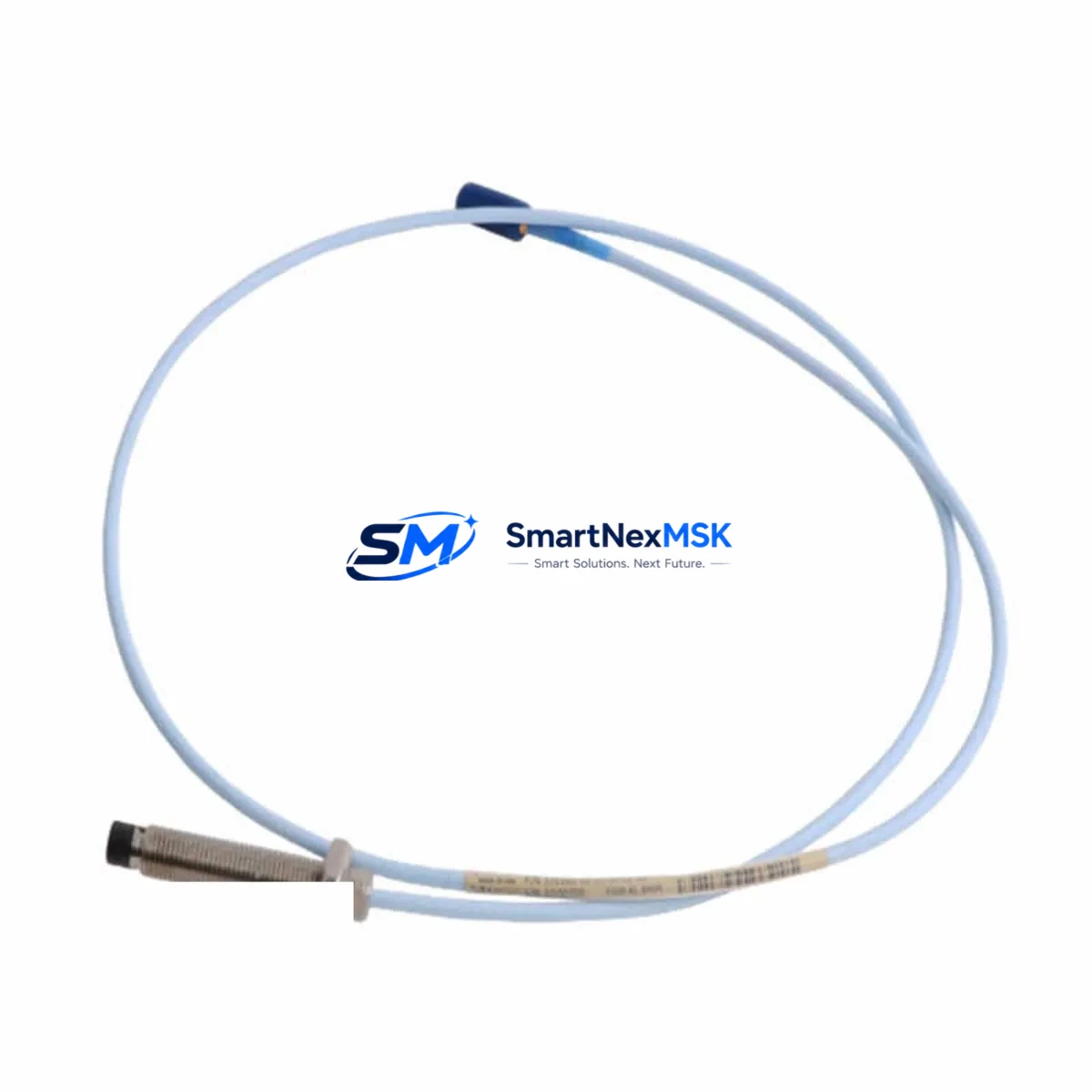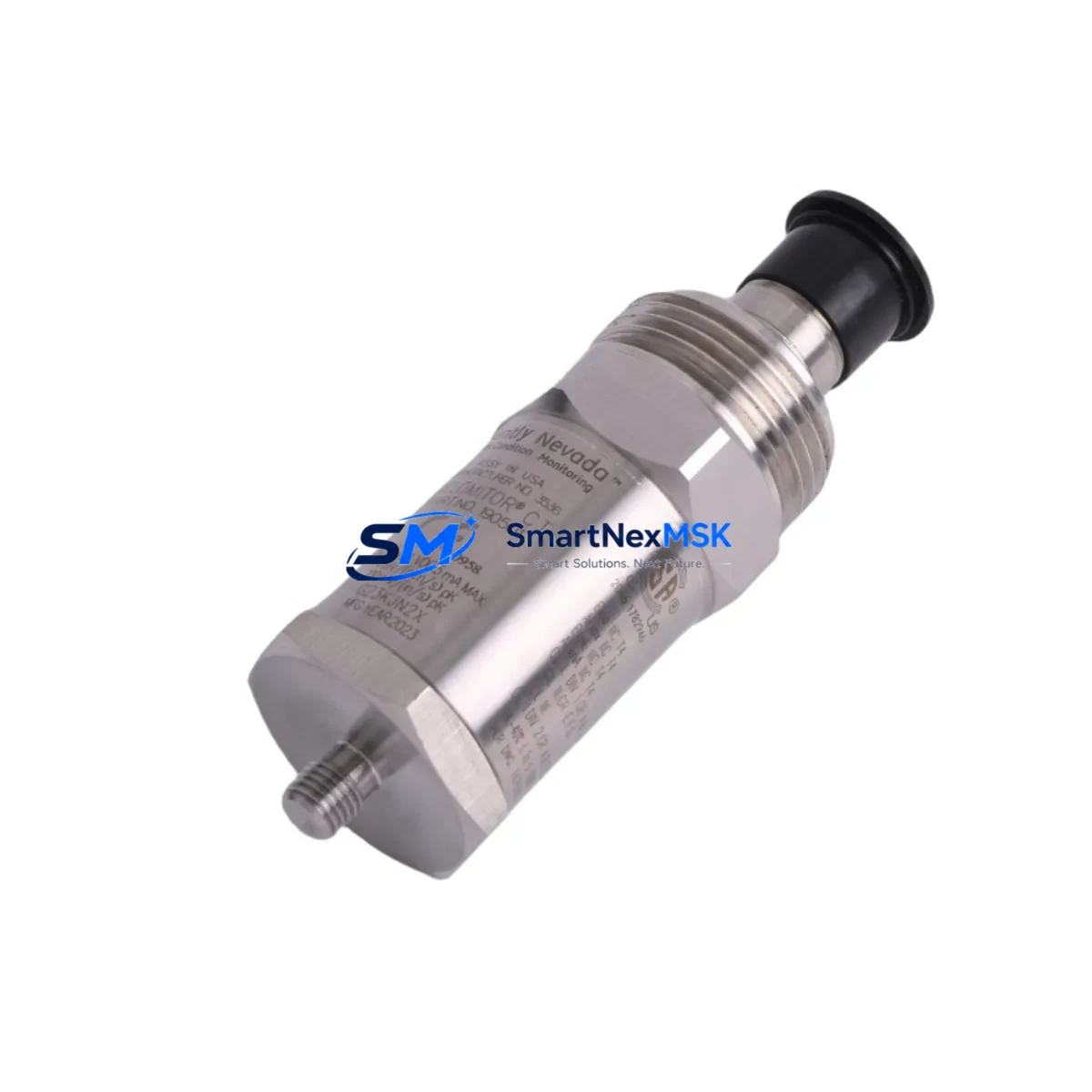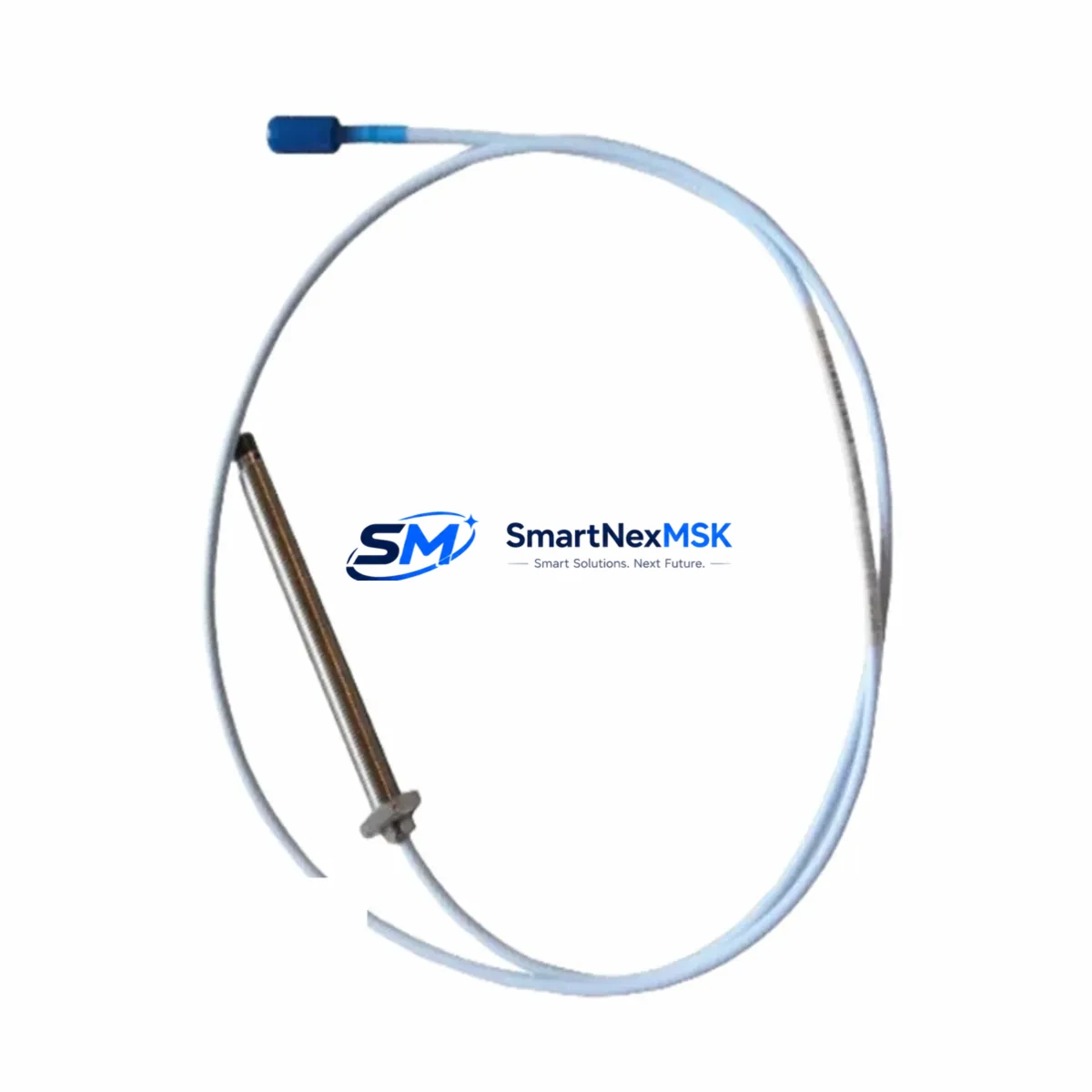
Bently Nevada 10030-05-30-05-02 Retrofit-Ready Proximity Probe for 3300 XL Control Systems
The Bently Nevada 10030-05-30-05-02 is a 5mm eddy-current proximity probe engineered for the 3300 XL Series vibration monitoring platform. As legacy machinery protection systems approach end-of-support cycles, plant engineers and reliability teams increasingly rely on verified replacement components to sustain continuous monitoring without triggering full-system overhauls. This probe is a direct retrofit candidate for aging 3300 Series installations, offering dimensional compatibility, signal chain continuity, and validated performance against the original Bently Nevada specification.
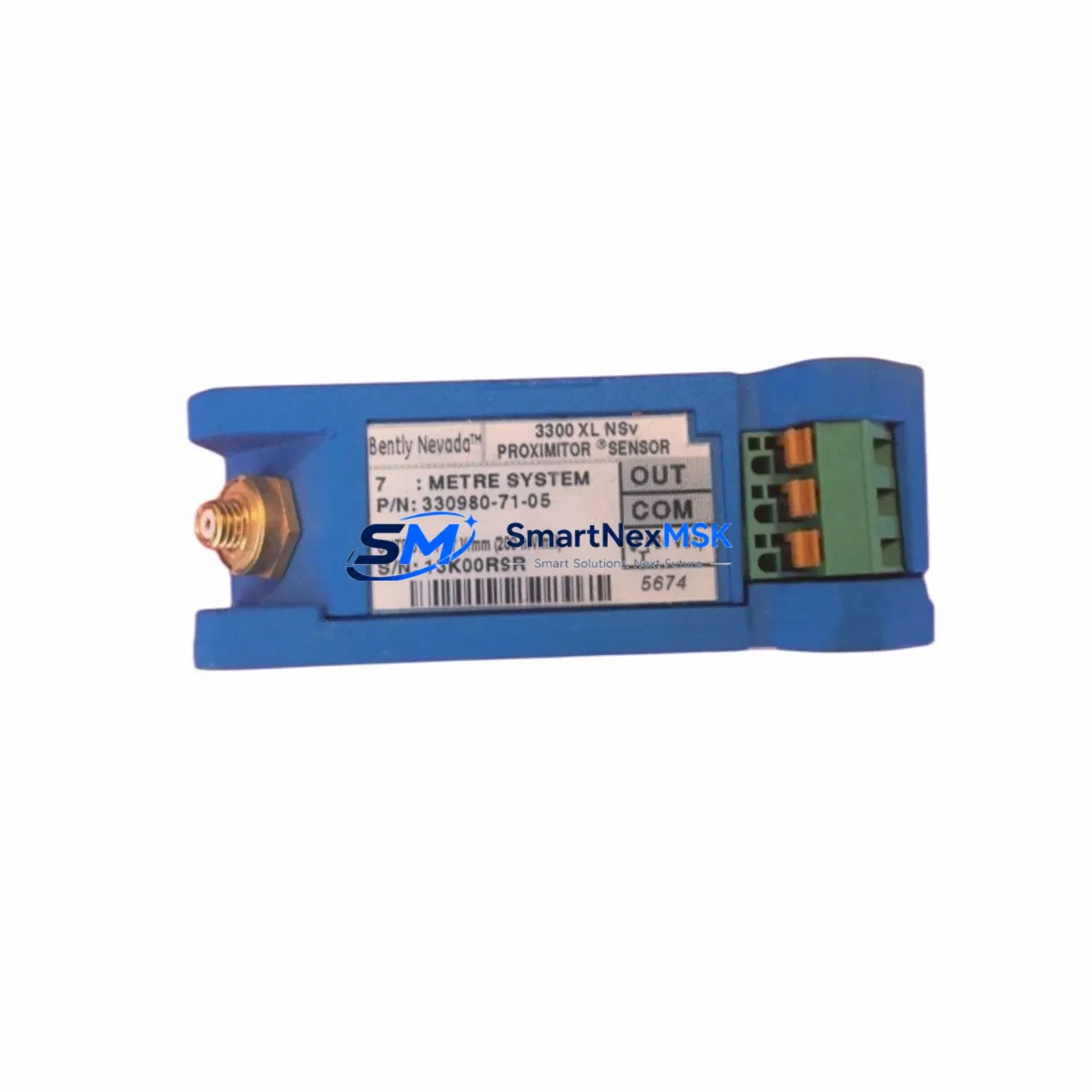
Whether you are replacing a failed probe on a critical compressor train, upgrading a turbine monitoring rack, or migrating from an older 3300 NSv system to the current 3300 XL architecture, the 10030-05-30-05-02 provides the dimensional and electrical characteristics required for a controlled, low-risk transition. The 5mm tip diameter, 30-inch armored cable, and standard TNC connector interface directly with the 3300 XL Proximitor® sensor — typically the 330180 or 330181 series — without requiring cable extension adapters or signal conditioning modifications.
Upgrade Compatibility Table
| Parameter | Detail |
|---|---|
| SKU / Part Number | 10030-05-30-05-02 |
| Brand / OEM | Bently Nevada (Baker Hughes) |
| Series Compatibility | 3300 XL, 3300 NSv (legacy), 3500 Series (with adapter) |
| Probe Tip Diameter | 5mm |
| Cable Length | 30 inches (armored) |
| Connector Type | TNC (standard Bently Nevada interface) |
| Proximitor Compatibility | 330180, 330181 (3300 XL Proximitor® Sensor) |
| Installation Interface | Direct mount — no adapter required for 3300 XL racks |
| Communication / Signal | Analog voltage output (–24 VDC excitation, standard) |
| Replacement Scope | Drop-in for 10030-05-30-05-01 and equivalent 5mm probes |
| Commissioning Requirement | Gap voltage verification at installation (typically –10 VDC nominal) |
| Warranty | 12-Month Warranty — covers manufacturing defects and signal performance |
Retrofit Planning for Existing Automation Systems
Retrofitting a proximity probe within an active machinery protection system requires careful coordination across multiple hardware layers. Before removing the existing probe, technicians should document the current gap voltage reading at the 3300 XL Proximitor® sensor — typically a 330180 or 330181 unit mounted in the I/O rack — and record the baseline vibration amplitude and DC gap values from the 3500/22M Transient Data Interface or equivalent monitoring module. This baseline serves as the acceptance criterion for post-installation verification.
The 10030-05-30-05-02 mounts into the same threaded boss as its predecessor. After seating the probe, technicians should adjust the probe tip-to-target gap to achieve the nominal –10 VDC output at the Proximitor® sensor. The 3300 XL rack — whether a 3300/16 or 3300/20 chassis — does not require reconfiguration for a same-model probe swap. However, if the replacement is part of a broader migration from a 3300 NSv rack to a 3300 XL rack, the I/O module addressing and channel assignments within the System 1 Evolution software must be updated to reflect the new hardware map.
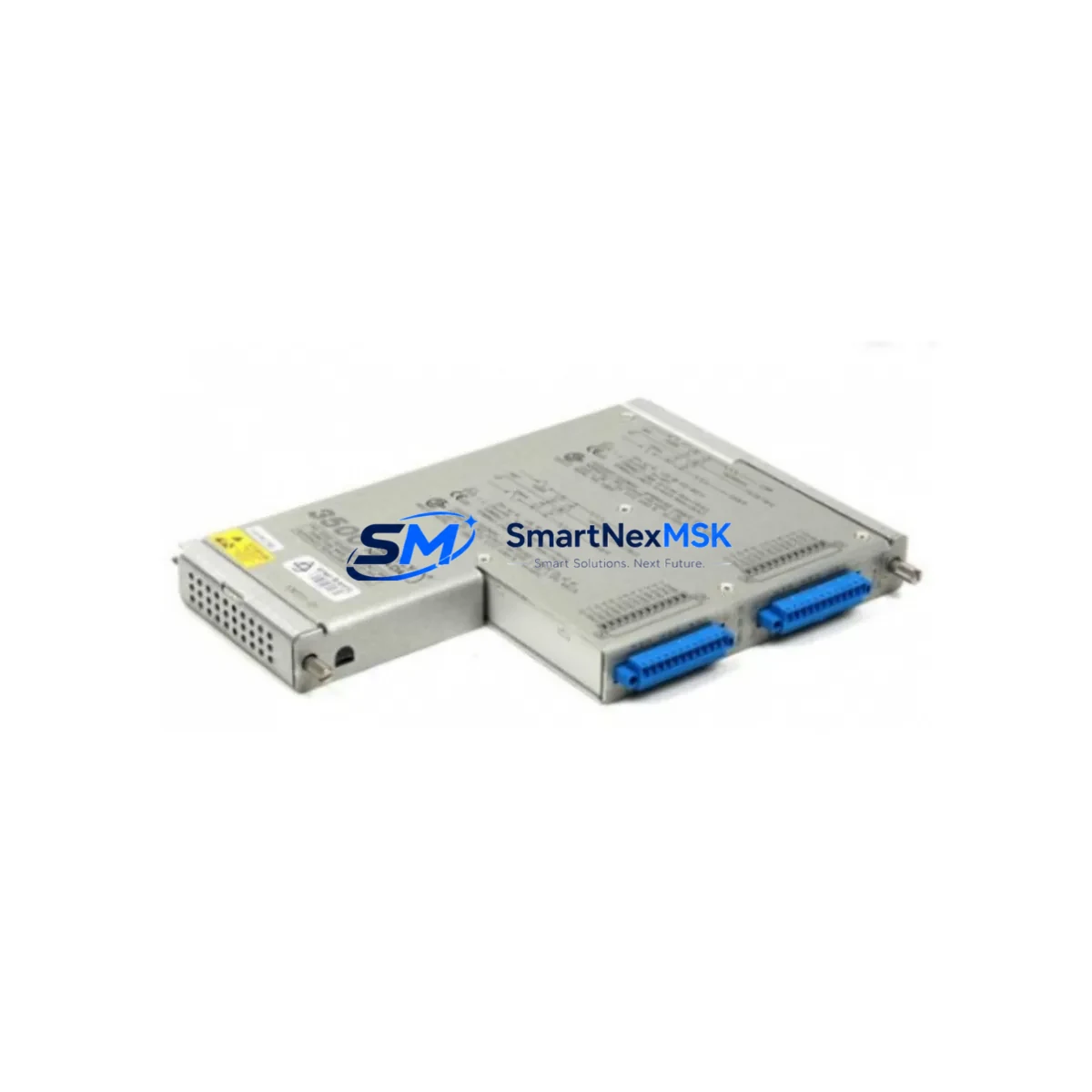
In control cabinet upgrades where the 3300 XL rack is being installed alongside a Bently Nevada 3500 Series rack for expanded channel capacity, engineers should verify that the 3500/42M Proximitor® I/O Module is configured for 5mm probe input sensitivity before connecting the 10030-05-30-05-02. The 3500 Series uses a different channel configuration utility within the Rack Configuration Software (RCS), and probe sensitivity settings must match the physical probe model to avoid false alarm conditions on the 3500/01 Rack Interface Module.
For installations involving a DCS integration — such as a Honeywell Experion PKS or Emerson DeltaV system receiving vibration data via Modbus TCP or OPC DA from the 3300 XL — no protocol reconfiguration is required for a probe-level swap. The Proximitor® sensor output remains analog, and the signal is conditioned within the 3300 XL monitor before reaching the communication gateway. However, if the retrofit includes replacing the 3300 XL monitor card itself, the DCS tag mapping and alarm setpoints should be reviewed in the HMI configuration to confirm that the new monitor’s output scaling matches the existing process variable ranges.
When the retrofit scope extends to the programming cable and laptop-based configuration — for example, when using a 330130 Interface Module or a USB-to-RS-232 adapter to access the 3300 XL configuration utility — technicians should ensure that the configuration file backup is completed before any hardware changes. This protects the existing alarm setpoints, danger limits, and channel enable/disable states stored in the monitor’s non-volatile memory.
Downtime Control During System Migration
Minimizing unplanned downtime during a proximity probe replacement begins with pre-staging. Before the maintenance window opens, verify that the 10030-05-30-05-02 has been bench-tested against a reference Proximitor® sensor to confirm the gap voltage curve falls within the Bently Nevada specification band. This pre-shipment functional test — included as part of our standard outgoing quality check — reduces the risk of discovering a defective component after the machine has been taken offline.
During the replacement window, the most time-sensitive step is gap setting. Using a digital voltmeter at the Proximitor® sensor output terminal, adjust the probe axial position until the DC gap voltage reads within the acceptable range for the target material and probe model. For carbon steel targets, the nominal gap for a 5mm probe is typically 50 mils (1.27 mm), corresponding to approximately –10 VDC. Once the gap is set and locked, restore power to the 3300 XL rack and confirm that the monitor channel transitions from the bypass state to the normal operating state without triggering a latched danger output.
If the 3300 XL system is integrated with a turbine control system — such as a Woodward 505 governor or a GE Mark VIe — the control system operator should be notified before the monitor channel is taken out of bypass, as the vibration trip signal may be wired into the turbine trip logic. Coordinating the bypass removal with the control room prevents nuisance trips and protects the original program logic from being interrupted by a transient signal during probe commissioning.
For multi-probe installations — such as X-Y proximity probe pairs on a journal bearing — both probes should be replaced simultaneously if one has failed, as matched probe pairs provide more consistent Keyphasor® reference signals and reduce the risk of phase angle errors in orbit plots viewed through System 1 Evolution or equivalent condition monitoring software.
Retrofit Support FAQ
Q1: Is the 10030-05-30-05-02 a direct replacement for the 10030-05-30-05-01?
Yes. The -02 revision is the current production variant and is dimensionally and electrically identical to the -01. No wiring changes, gap readjustment beyond standard commissioning, or monitor reconfiguration are required when substituting the -02 for the -01 in an existing 3300 XL installation.
Q2: Can this probe be used with the Bently Nevada 3500 Series rack?
Yes, with configuration. The 3500/42M Proximitor® I/O Module supports 5mm probes, but the input sensitivity must be set to match the 10030-05-30-05-02 specification using the Rack Configuration Software (RCS). Verify the channel configuration before energizing the rack to avoid false danger outputs.
Q3: What wiring checks are required before installation?
Confirm that the coaxial cable run from the probe to the Proximitor® sensor does not exceed the maximum extension cable length specified for the 3300 XL system (typically 15 meters total probe-plus-extension). Inspect the TNC connector for corrosion or mechanical damage. Verify that the –24 VDC excitation supply at the Proximitor® sensor is within specification before connecting the new probe.
Q4: What does the 12-month warranty cover?
The 12-month warranty covers manufacturing defects, connector integrity, cable armor continuity, and signal performance within the Bently Nevada specification band. Units that fail gap voltage linearity testing or exhibit open-circuit conditions within the warranty period are eligible for replacement. Warranty claims require the original order reference and a brief description of the failure mode observed during commissioning or operation.
© 2026 SMARTNEXMSK. All rights reserved.
Original Source: https://smartnexmsk.com
Contact: [email protected] | +86 18259474341