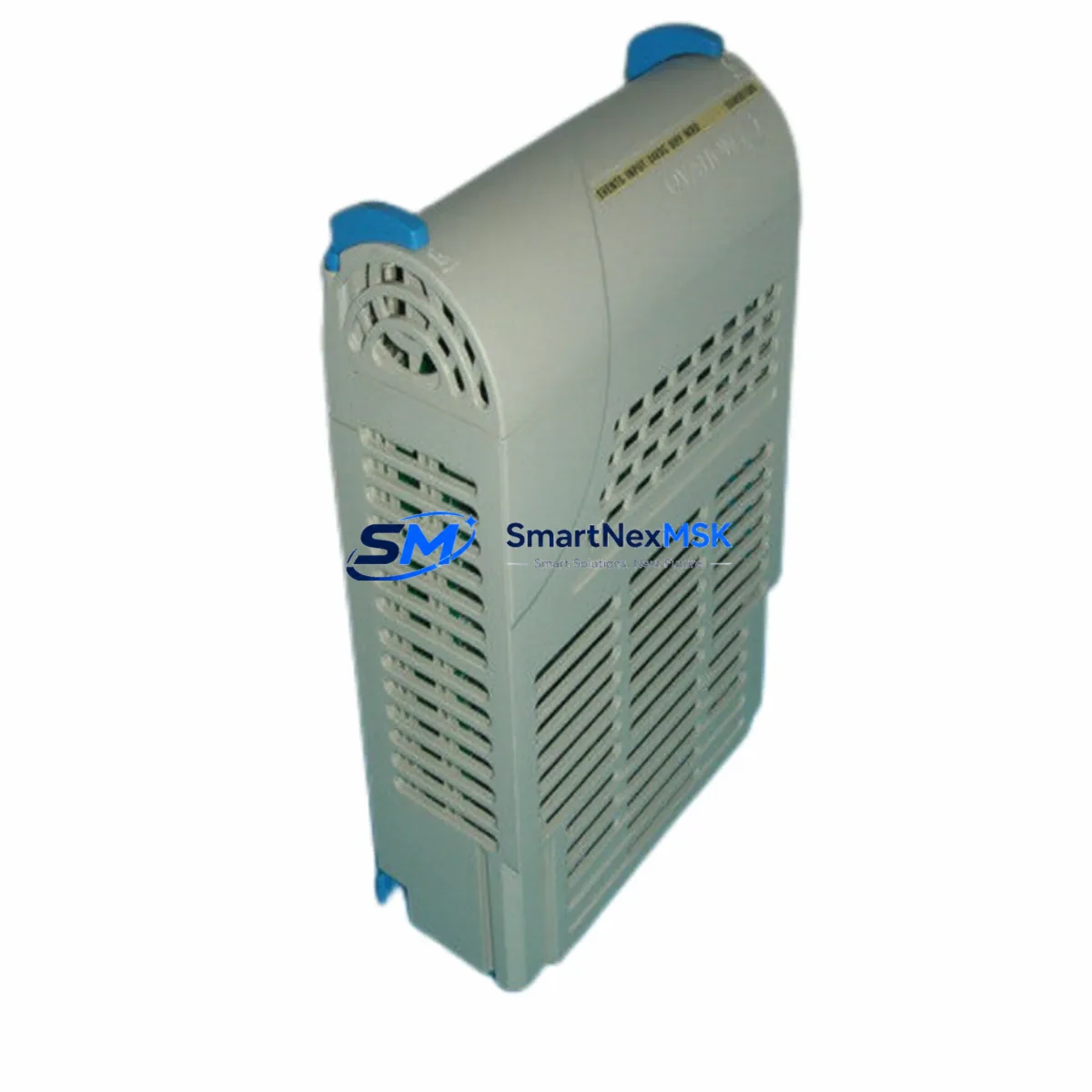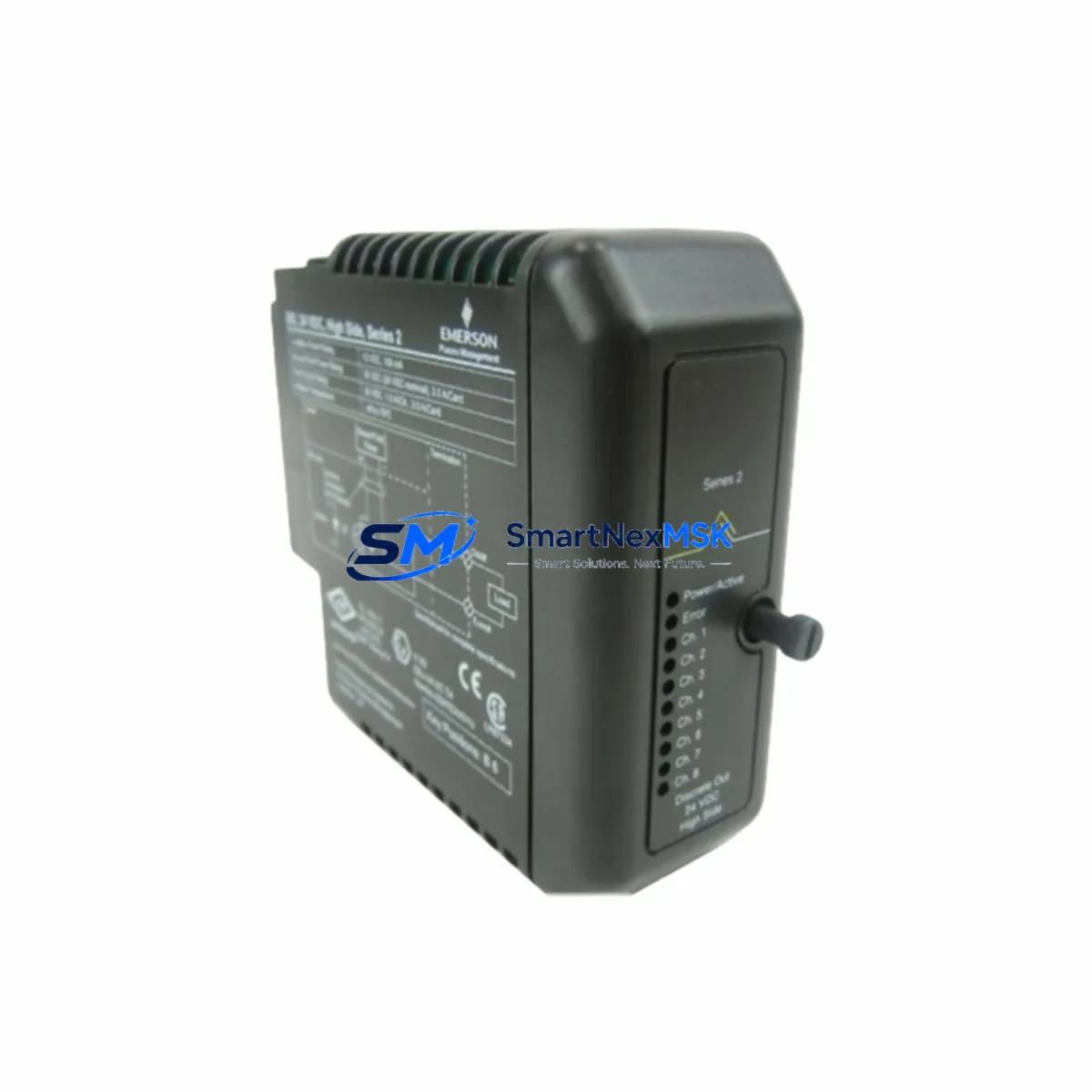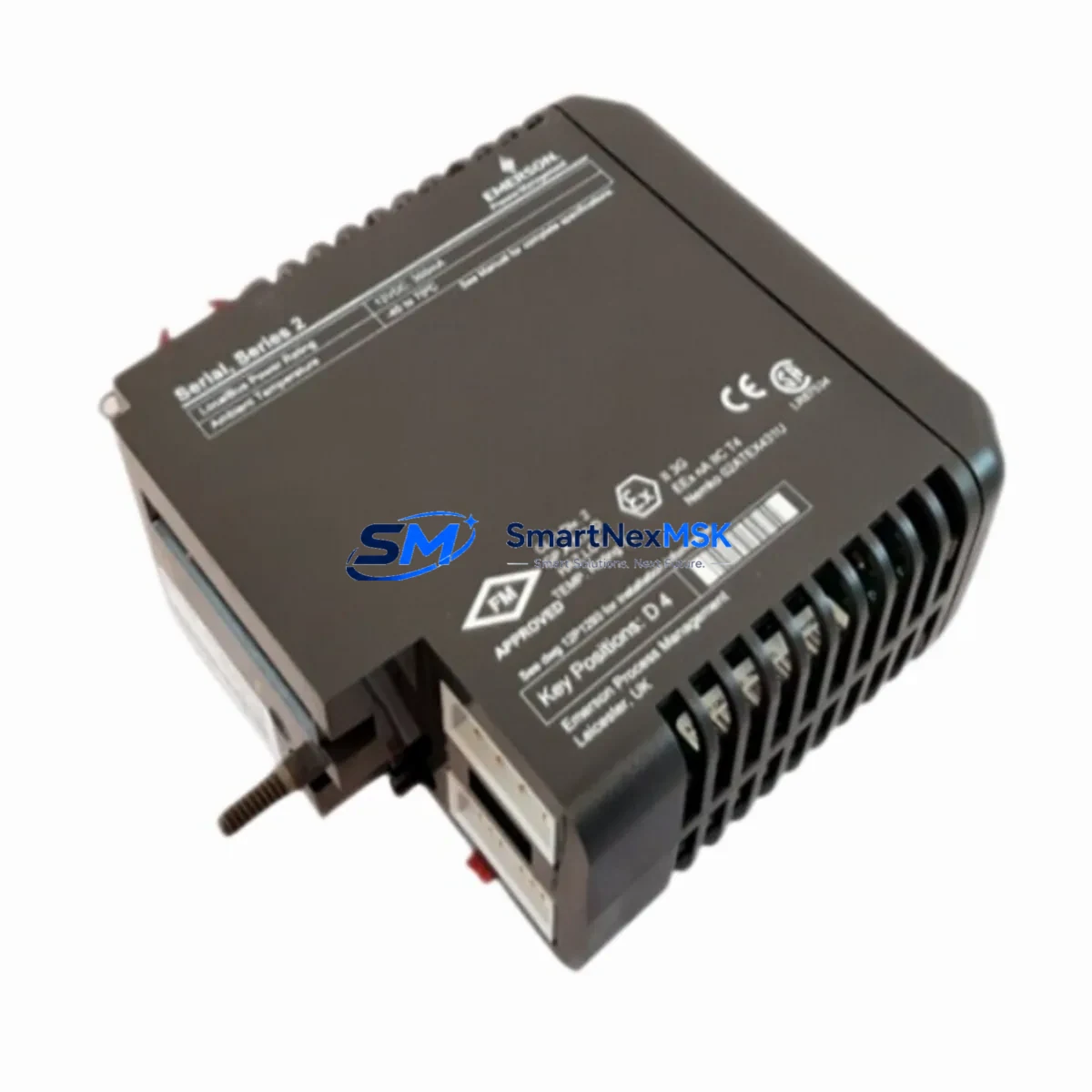
Emerson CE4006P2 KJ3241X1-BA1 Retrofit-Ready Serial Interface for DeltaV Control Systems
The Emerson CE4006P2 (KJ3241X1-BA1 / 12P2506X102) is a redundant serial interface card engineered for seamless integration into legacy and active DeltaV Distributed Control System (DCS) architectures. As industrial facilities face increasing pressure to extend the operational life of aging control infrastructure while maintaining process continuity, the CE4006P2 provides a validated, drop-in retrofit path that eliminates the need for full system replacement. Whether you are recovering from an unplanned card failure, executing a planned control cabinet upgrade, or migrating from an end-of-life communication platform, this module delivers the compatibility, reliability, and supply assurance that industrial buyers require.
Sourced from verified inventory channels and subject to pre-shipment functional testing, each CE4006P2 unit ships with a 12-month warranty covering manufacturing defects and operational failures under normal DCS operating conditions. Fast dispatch from stocked inventory minimizes exposure to extended downtime windows — a critical factor in continuous-process industries such as refining, chemical, power generation, and pulp and paper.
Upgrade Compatibility Table
| Parameter | CE4006P2 / KJ3241X1-BA1 | Notes |
|---|---|---|
| Form Factor | DeltaV S-Series I/O Card | Fits standard DeltaV S-Series carrier and backplane |
| Interface Type | Redundant Serial (RS-232/RS-485) | Supports HART, Modbus RTU, and proprietary serial protocols |
| Backplane Compatibility | DeltaV S-Series Backplane | Direct slot replacement; no backplane modification required |
| Power Requirement | Supplied via DeltaV carrier bus | Verify carrier power budget before installation |
| Terminal Wiring | Compatible with existing field wiring | Confirm terminal block pinout against original I/O drawing |
| Communication Protocol | HART / Modbus RTU / Serial | Protocol selection via DeltaV Explorer configuration |
| Module Address | Configured in DeltaV Explorer | Re-assign node address after physical swap |
| Firmware | DeltaV-compatible firmware pre-loaded | Verify firmware revision matches controller version |
| Replacement Recommendation | Direct drop-in for CE4006P2 variants | Cross-reference KJ3241X1-BA1 and 12P2506X102 part numbers |
| Commissioning Focus | Module address, channel mapping, loop test | Perform live loop check before returning to automatic mode |
| Warranty | 12 Months | Covers manufacturing defects under normal operating conditions |
Retrofit Planning for Existing Automation Systems
Successful retrofit of the CE4006P2 into an operating DeltaV system requires a structured pre-installation review. Begin by auditing the existing DeltaV S-Series carrier to confirm available slot positions and verify that the carrier’s power budget can accommodate the serial interface card alongside co-installed modules such as the KJ3221X1-BA1 analog input card or KJ3222X1-BA1 analog output card. In multi-card carriers, total bus current draw must remain within the carrier’s rated capacity.
Field wiring connected to the legacy serial interface should be documented before removal. The CE4006P2 uses a standard DeltaV terminal block arrangement; however, technicians should cross-reference the original loop drawings to confirm that RS-485 polarity, shield grounding, and termination resistor placement are preserved. In installations where the outgoing card was connected to a HART multiplexer or a third-party Modbus RTU gateway, the communication link parameters — baud rate, parity, stop bits, and device address — must be recorded and re-entered during commissioning.
For facilities running DeltaV v11 through v14 controller platforms, the CE4006P2 integrates without requiring controller firmware upgrades in most configurations. Sites operating on older MD or MD Plus controllers should validate module compatibility against the DeltaV hardware compatibility matrix prior to ordering. Where the retrofit involves migrating from a non-DeltaV serial platform — such as a legacy Honeywell TDC 3000 Data Hiway interface or a Yokogawa CENTUM CS serial link — a protocol translation layer or gateway device will be required to bridge the communication gap during the transition period.
Control cabinet layout should also be reviewed when the CE4006P2 is part of a broader upgrade that includes replacing the DeltaV power supply module (PS2), adding redundant controller pairs, or expanding I/O capacity with additional KJ3243X1-BA1 HART I/O cards. Rack space, cable management, and DIN rail capacity all affect the physical feasibility of the upgrade without a full cabinet redesign. In projects where HMI screens reference specific tag names or channel assignments tied to the outgoing serial card, the DeltaV Operate graphics should be reviewed and updated to reflect the new module’s channel mapping before the system is returned to service.
Programming compatibility is a key checkpoint. If the existing DeltaV control module references the serial card’s I/O channels by physical address, those references must be updated in DeltaV Control Studio after the card swap. Download the updated control module to the controller and perform a forced manual mode test on all affected loops before enabling automatic control. Where SIS (Safety Instrumented System) interlocks reference signals routed through the serial interface, coordinate with the process safety team to ensure bypass procedures are in place during the commissioning window.
Downtime Control During System Migration
Minimizing unplanned downtime is the primary operational constraint in any DCS card replacement project. For the CE4006P2 swap, the recommended approach is a hot-standby preparation strategy: configure the replacement card in DeltaV Explorer, assign the correct node address, and download the control module before physically removing the failed or end-of-life card. This reduces the live outage window to the time required for the physical swap and loop verification — typically 15 to 45 minutes for a single serial interface card in a well-prepared environment.
Where process conditions permit, place all loops served by the CE4006P2 in manual mode before initiating the card swap. Lock out the associated field devices and confirm with the control room operator that the process is stable and can tolerate manual operation for the duration of the replacement. If the installation includes a redundant serial interface pair, the switchover can be performed with the primary card in service, allowing the secondary to take over while the primary is replaced — eliminating process impact entirely.
After physical installation, power up the carrier and confirm that DeltaV Explorer recognizes the CE4006P2 at the correct node address. Perform a channel-by-channel loop check, verifying that each field device communicates correctly and that HART diagnostic data is visible in the DeltaV Asset Management System (AMS). Return loops to automatic mode sequentially, monitoring process variables for stability before proceeding to the next loop. Document the as-found and as-left conditions for each loop in the site’s maintenance management system to support future audit and compliance requirements.
For sites with strict change management requirements, pre-stage the CE4006P2 in the maintenance workshop, perform a bench-level power-on test, and obtain the necessary Management of Change (MOC) approvals before scheduling the field installation. This approach ensures that the replacement unit is confirmed functional before the process is interrupted, reducing the risk of a second outage caused by a defective replacement part.
Retrofit Support FAQ
Q1: Is the CE4006P2 a direct replacement for the KJ3241X1-BA1, and do I need to update my DeltaV database?
Yes. The CE4006P2 and KJ3241X1-BA1 are the same module identified by different part number conventions used across Emerson’s ordering and documentation systems. The 12P2506X102 is the revision-level identifier. A direct slot swap is supported; however, you must re-download the associated control module in DeltaV Control Studio after installation to ensure the controller recognizes the new card and re-establishes communication with all configured field devices.
Q2: What wiring changes are required when installing the CE4006P2 in place of a failed serial interface card?
In most cases, no wiring changes are required. The CE4006P2 uses the standard DeltaV terminal block pinout for RS-232 and RS-485 serial connections. Technicians should verify shield grounding continuity and confirm that termination resistors are correctly placed at the physical ends of the RS-485 bus. If the original card used a non-standard wiring adaptation, review the original loop drawing before re-terminating.
Q3: How do I verify communication compatibility before committing to the replacement?
Cross-reference the CE4006P2 firmware revision against the DeltaV controller firmware version using Emerson’s hardware compatibility matrix. For HART and Modbus RTU applications, confirm that the protocol parameters configured in DeltaV Explorer — baud rate, parity, device address — match the field device settings. A bench-level communication test using a laptop running DeltaV Diagnostics or a portable HART communicator is recommended before field installation.
Q4: What does the 12-month warranty cover, and what is the process for a warranty claim?
The 12-month warranty covers manufacturing defects and operational failures occurring under normal DCS operating conditions, including standard temperature, humidity, and vibration ranges specified for DeltaV S-Series hardware. It does not cover damage resulting from incorrect installation, overvoltage events, or physical mishandling. To initiate a warranty claim, contact our sales team with the order reference number, a description of the failure mode, and photographic documentation of the installed condition. Replacement or repair will be arranged within the warranty period at no additional cost.
© 2026 SMARTNEXMSK. All rights reserved.
Original Source: https://smartnexmsk.com
Contact: [email protected] | +86 18259474341