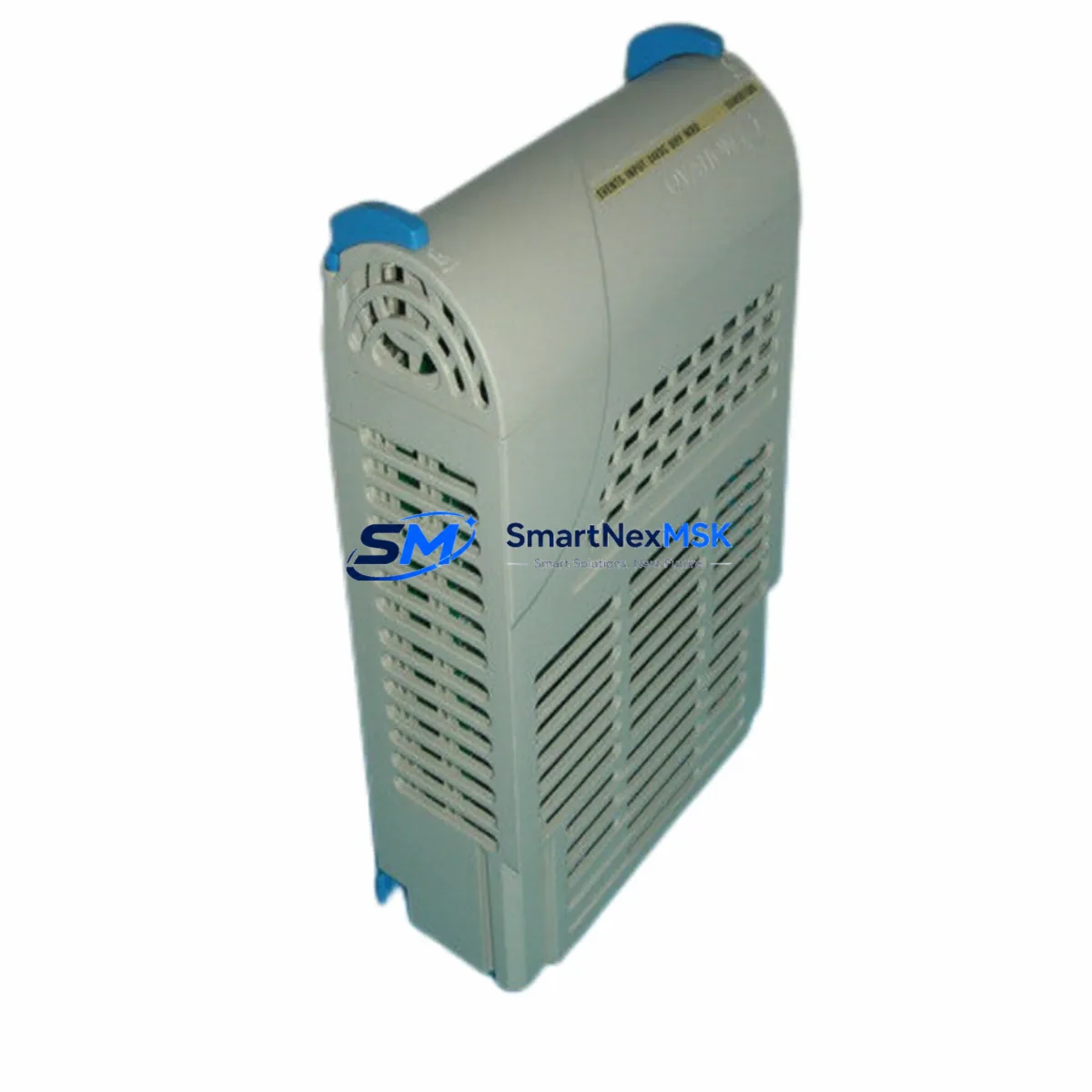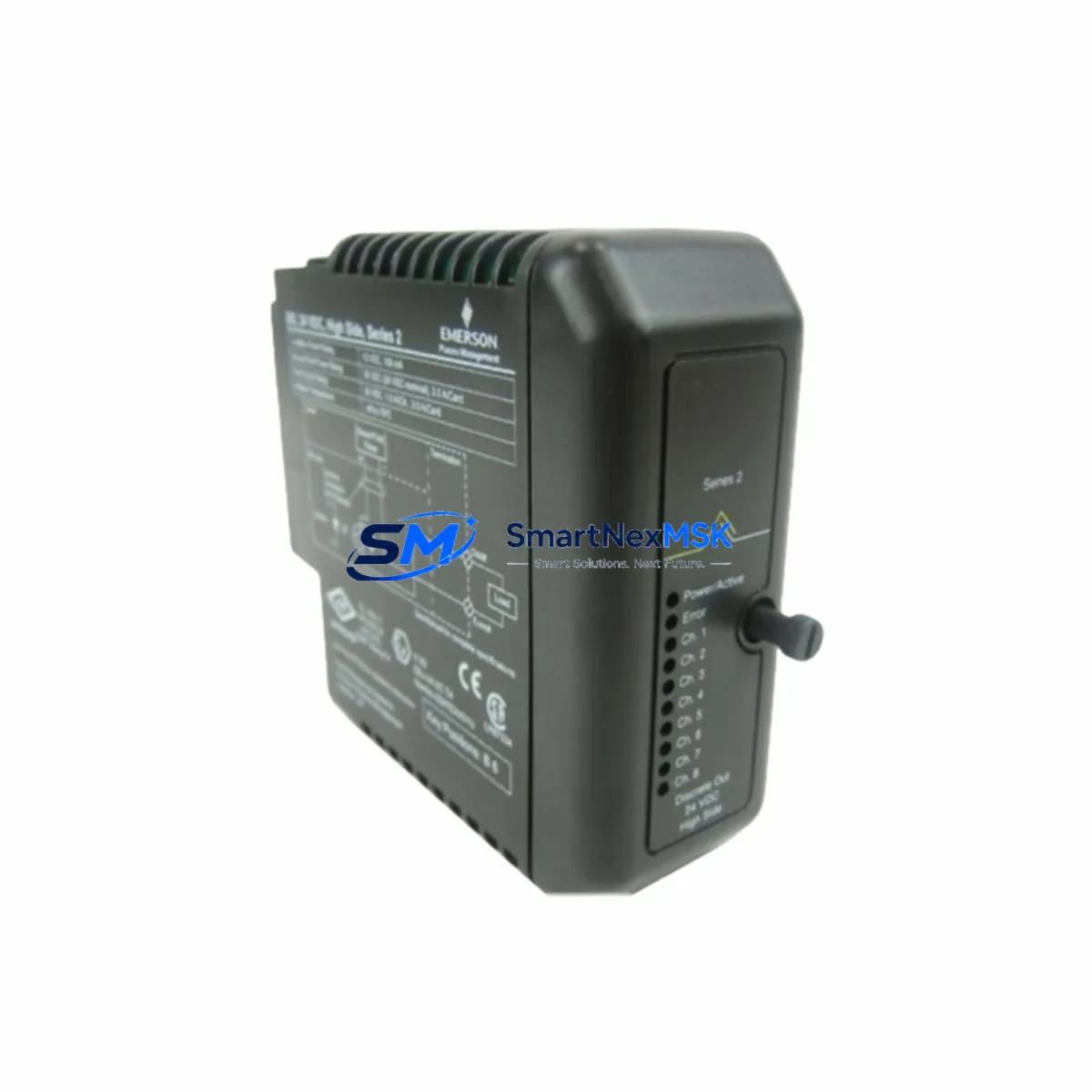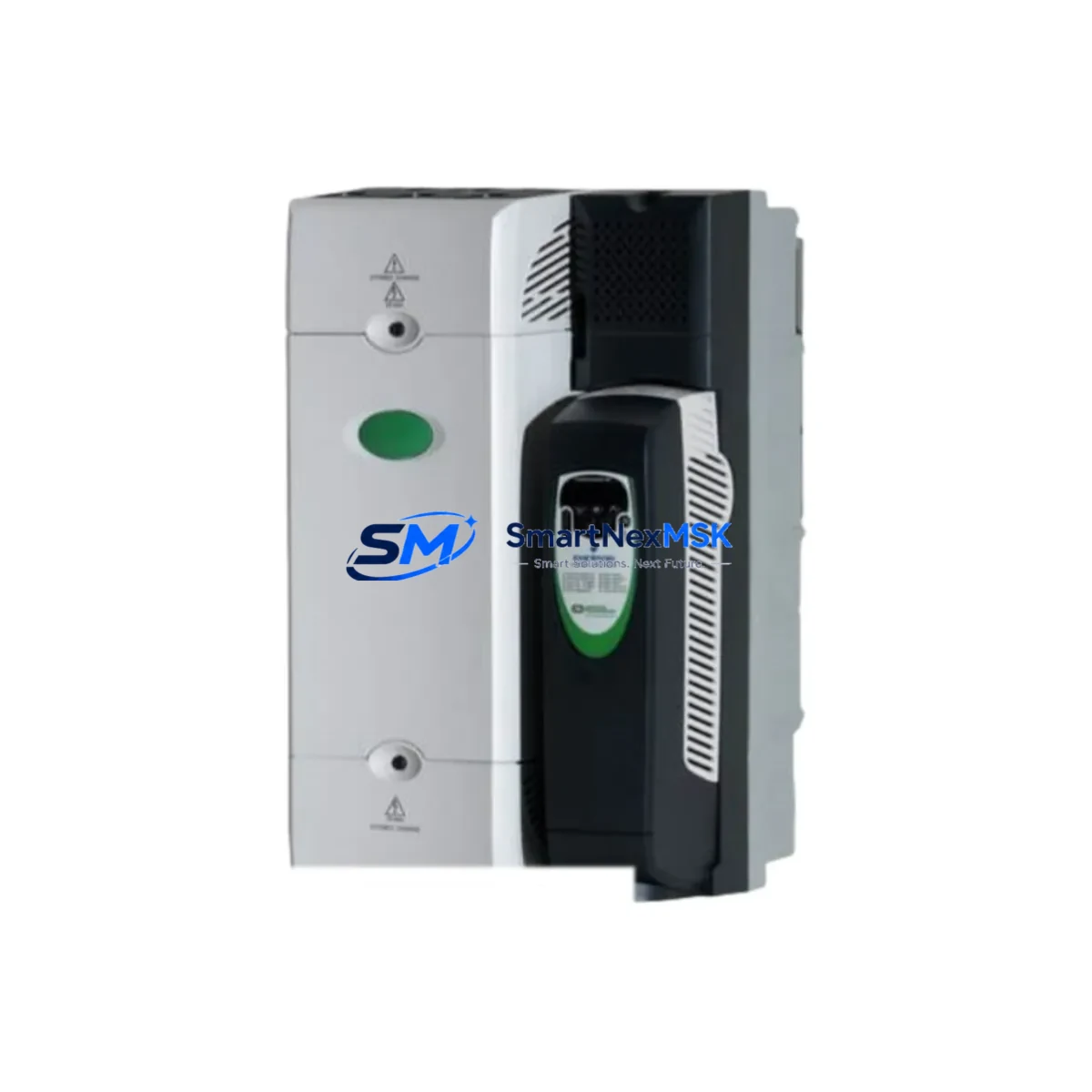
EMERSON SP6401 Retrofit-Ready Analog Input for DeltaV Control Systems
The EMERSON SP6401 Universal Analog Input Module is a proven retrofit solution for aging DeltaV distributed control system installations. Designed to serve as a direct compatibility replacement for discontinued or end-of-life analog input cards, the SP6401 enables control engineers and maintenance teams to modernize legacy automation infrastructure without requiring full system redesigns or extended production shutdowns. Whether you are upgrading a single I/O slot or executing a phased migration across an entire control cabinet, the SP6401 delivers the signal fidelity, protocol compatibility, and physical form factor required for seamless integration into existing DeltaV Series racks and backplanes.
The module supports universal analog input signal types including 4–20 mA, 0–10 V, thermocouple, and RTD inputs, and is fully compatible with HART (Highway Addressable Remote Transducer) protocol for field device diagnostics and asset management. This makes it an ideal drop-in candidate for sites currently running older DeltaV M-Series or S-Series I/O subsystems where the original analog input cards have reached end-of-support status. Engineers replacing legacy cards such as the MD Plus Controller or older 8-channel AI cards will find the SP6401’s terminal block pinout and backplane connector geometry consistent with standard DeltaV I/O carrier wiring conventions, significantly reducing re-termination labor during retrofit.
Upgrade Compatibility Table
| Parameter | Details |
|---|---|
| Compatible Series | Emerson DeltaV M-Series, S-Series, DeltaV S+ I/O |
| Signal Types | 4–20 mA, 0–10 V DC, Thermocouple (J/K/T/E/R/S/B), RTD (Pt100/Pt1000) |
| Communication Protocol | HART 5/6/7, Foundation Fieldbus (FF) compatible backplane |
| Backplane Interface | Standard DeltaV I/O carrier slot – no mechanical modification required |
| Installation Requirement | DeltaV I/O carrier (8-channel or 16-channel); standard 35 mm DIN rail or rack mount |
| Power Supply Compatibility | 24 V DC via backplane; verify carrier power budget before installation |
| Replacement Recommendation | Suitable replacement for discontinued DeltaV 8-channel AI cards; verify firmware revision compatibility with DeltaV system version |
| Commissioning Notes | Module address assignment via DeltaV Explorer; I/O tag re-mapping required if replacing a different channel-count card |
| Warranty | 12 Months – covers manufacturing defects; pre-shipment functional test included |
Retrofit Planning for Existing Automation Systems
Successful integration of the SP6401 into a live DeltaV environment begins with a thorough pre-retrofit audit. Before removing the legacy card, engineers should document all existing I/O tag assignments, channel-to-field-device mappings, and HART device descriptors stored in the DeltaV Asset Management System (AMS). This baseline ensures that the replacement module can be commissioned with minimal disruption to the running control strategy.
Power budget verification is a critical first step. The DeltaV I/O carrier distributes 24 V DC across all installed modules, and adding or replacing a module with different current draw specifications can affect the stability of adjacent cards such as the DeltaV DO302 Digital Output Module or the DeltaV AI835 HART Analog Input card sharing the same carrier. Confirm the carrier’s total power consumption remains within the rated capacity of the associated DeltaV Power Supply (PS2 or PS4 series) before proceeding.
Terminal block wiring on the SP6401 follows the standard DeltaV I/O carrier screw-terminal layout. Field wiring from transmitters, RTDs, and thermocouples can typically be re-used without re-pulling cables, provided the existing wire gauge and shielding meet the module’s input impedance specifications. For HART-enabled field devices, ensure that the HART modem or the DeltaV CHARM I/O Card (CIOC) upstream in the network is configured to pass HART tokens to the new module address.
Module address configuration is performed through DeltaV Explorer. After physical installation, the system controller — typically a DeltaV MD or MQ Controller — will auto-detect the new module if the I/O carrier slot is pre-defined in the control database. If the slot was previously occupied by a different module type, a database download is required to push the updated I/O configuration to the controller. During this window, the affected I/O channels will be in an indeterminate state; coordinate with the process team to place affected control loops in manual mode using the DeltaV Operate HMI before initiating the download.
For sites migrating from older PROVOX or RS3 legacy systems to DeltaV, the SP6401 can serve as the analog input layer in a phased migration architecture. In this scenario, the SP6401 modules are installed in a new DeltaV rack alongside a DeltaV Serial Interface Module (SIM) or a third-party protocol gateway to bridge legacy Modbus RTU or Data Highway Plus (DH+) communications from existing Allen-Bradley or Foxboro field devices. This approach allows the new DeltaV system to assume control of analog inputs progressively, loop by loop, without requiring a full cutover of the existing control cabinet wiring.
Additional components commonly required during a DeltaV analog input retrofit include the DeltaV I/O Carrier (8-channel), DeltaV Redundant Power Supply modules, DeltaV Ethernet I/O Network Switch, and DeltaV Workstation licensing for DeltaV Explorer and DeltaV Operate. For sites with intrinsically safe field wiring requirements, Zener barrier or galvanic isolator assemblies mounted in the marshalling cabinet may also need to be reviewed for compatibility with the SP6401’s input circuit design.
Downtime Control During System Migration
Minimizing unplanned downtime during an analog input module replacement is achievable with disciplined pre-staging and a structured hot-swap protocol. The SP6401 supports warm-swap installation on DeltaV I/O carriers that are configured for redundant or non-redundant operation, allowing the module to be inserted and removed without powering down the entire carrier — provided the carrier firmware and DeltaV system version support this feature. Verify this capability against your installed DeltaV version release notes before attempting a live swap.
Prior to the physical swap, export a full backup of the DeltaV control database using DeltaV Bulk Edit or the DeltaV Database Administrator tool. This backup preserves all control module logic, I/O tag parameters, alarm limits, and PID tuning constants associated with the affected analog input channels. If the replacement involves a channel count change — for example, moving from a 4-channel to an 8-channel AI card — the control database must be updated and a partial download executed to the affected controller before the new module is inserted.
During the cutover window, place all affected control loops in manual mode from the DeltaV Operate HMI. Notify the process operations team of the expected duration and agree on a fallback plan if the module fails to commission within the planned window. After insertion, use DeltaV Diagnostics to verify that the module is communicating on the I/O network, that all channel signal readings are within expected ranges, and that HART device descriptors have been re-established. Return loops to automatic mode only after all channel readings have been validated against field reference instruments.
For multi-module retrofit projects spanning several I/O carriers or control cabinets, a phased migration schedule — replacing one carrier at a time during planned maintenance windows — is strongly recommended. This approach limits the blast radius of any single commissioning issue and allows the operations team to validate each phase before proceeding to the next.
Retrofit Support FAQ
Q1: Is the SP6401 a direct drop-in replacement for all DeltaV analog input cards?
The SP6401 is compatible with standard DeltaV I/O carrier slots and supports the same backplane interface used across the DeltaV M-Series and S-Series I/O subsystems. However, direct drop-in compatibility depends on the channel count, signal type configuration, and DeltaV system firmware version of your specific installation. We recommend providing your existing card part number and DeltaV system version for a pre-sale compatibility confirmation before ordering.
Q2: What commissioning steps are required after installing the SP6401?
After physical installation, open DeltaV Explorer and verify that the module is detected in the correct I/O carrier slot. Perform a database download to the associated controller to push the updated I/O configuration. Use DeltaV Diagnostics to confirm all channel readings, HART device connections, and alarm limit assignments. Place affected loops back in automatic mode only after all channels have been validated. Full commissioning typically takes 30–90 minutes per carrier depending on channel count and HART device complexity.
Q3: Can the SP6401 be used with intrinsically safe field wiring?
The SP6401 itself is not an intrinsically safe (IS) certified module. For IS applications, Zener barriers or galvanic isolators must be installed in the marshalling cabinet between the field wiring and the SP6401 input terminals. Consult the applicable hazardous area classification and the barrier manufacturer’s entity parameters to verify compatibility with the SP6401’s input circuit specifications.
Q4: What warranty and pre-shipment testing does SMARTNEXMSK provide?
All SP6401 units supplied by SMARTNEXMSK are covered by a 12-month warranty against manufacturing defects from the date of shipment. Each unit undergoes a functional pre-shipment test that verifies power-up, backplane communication, and analog input channel response across the full signal range. Test records are available upon request. Units are shipped in anti-static packaging with full documentation.
© 2026 SMARTNEXMSK. All rights reserved.
Original Source: https://smartnexmsk.com
Contact: [email protected] | +86 18259474341