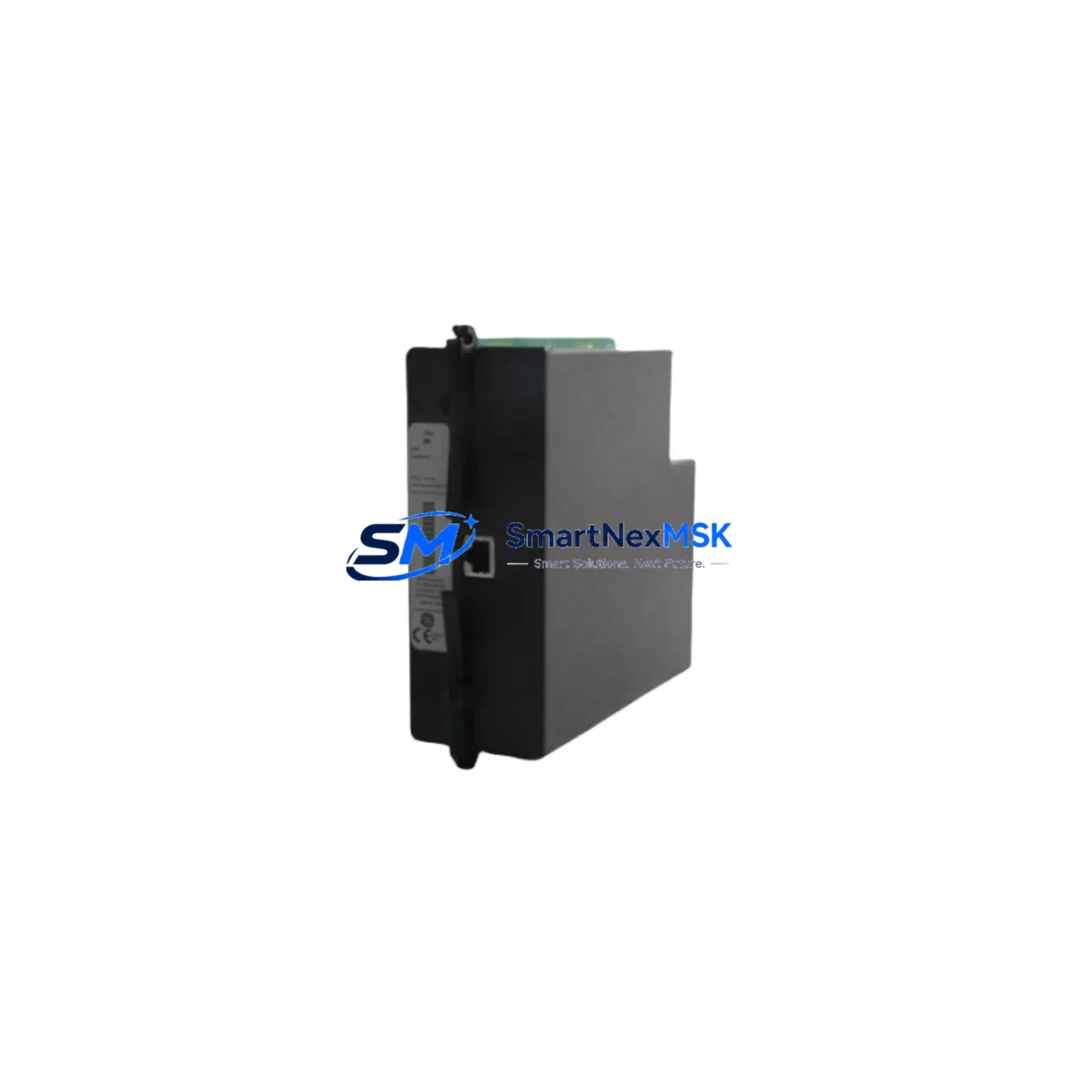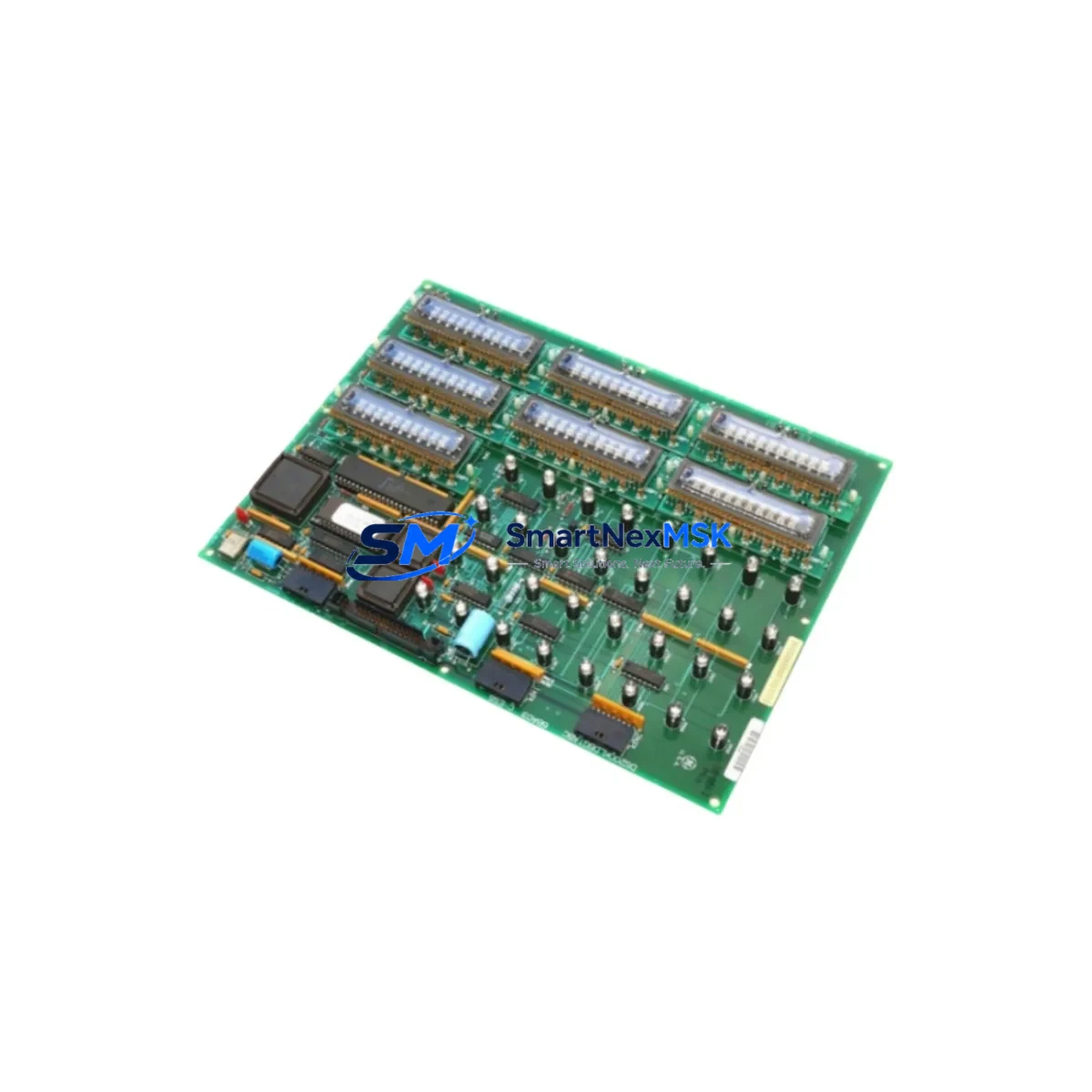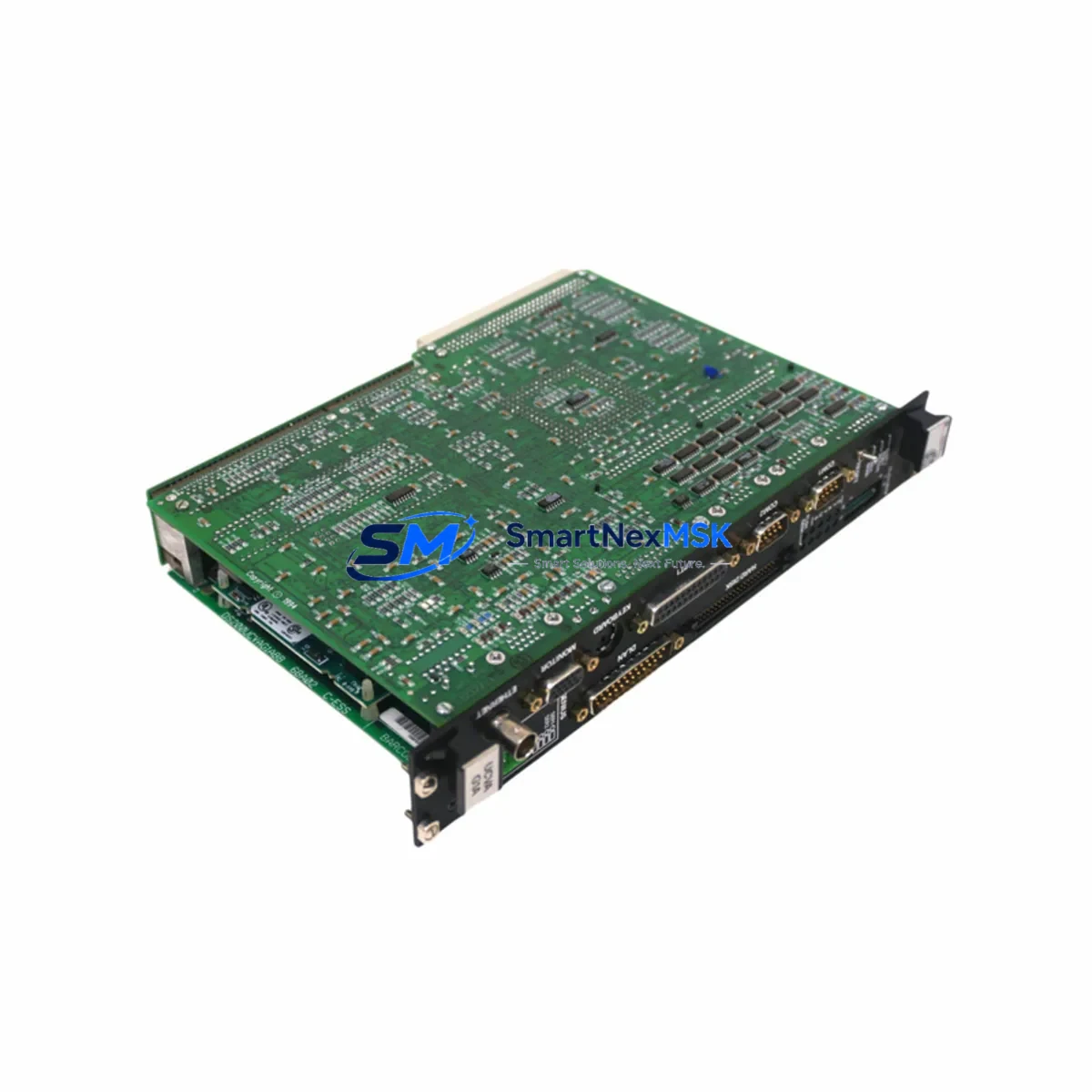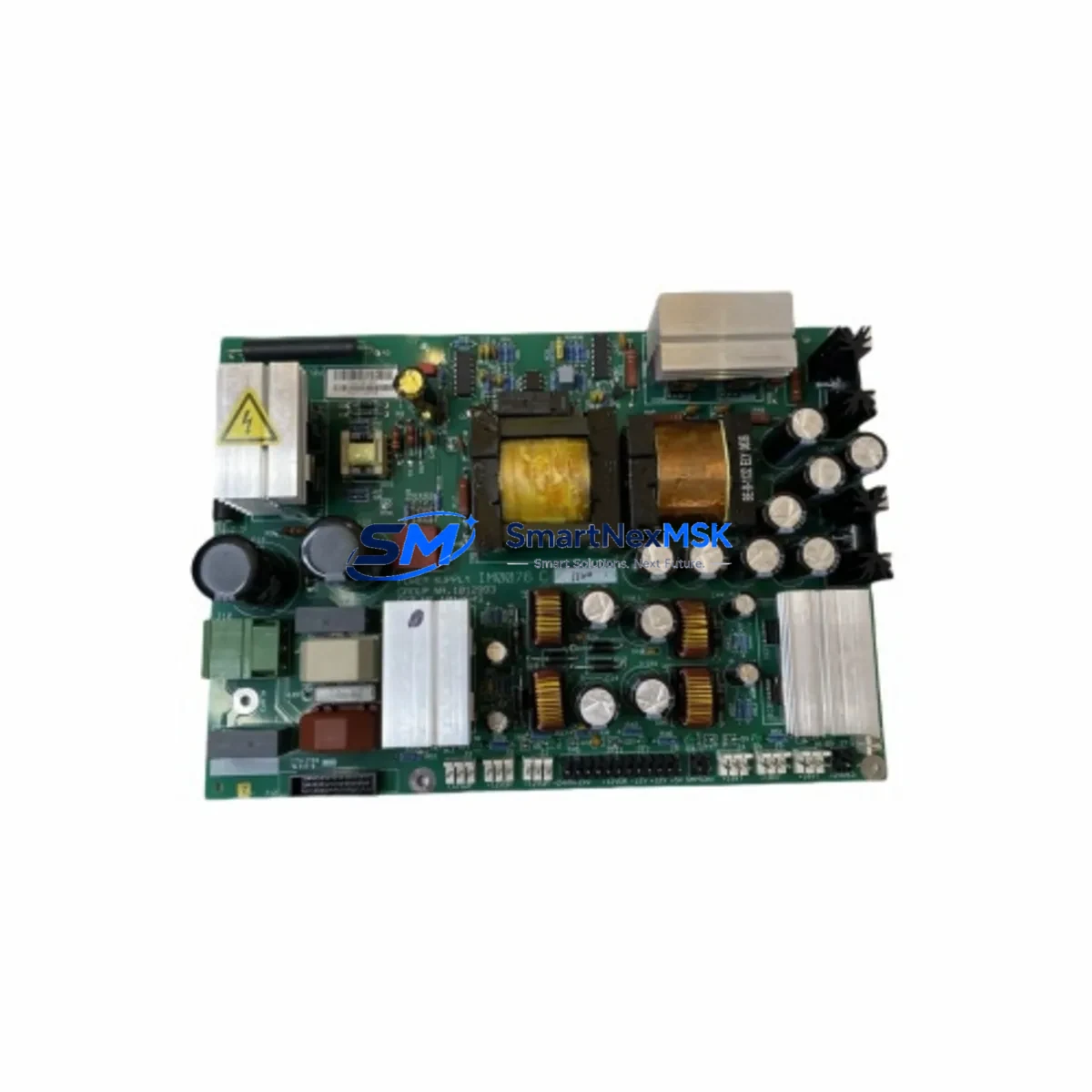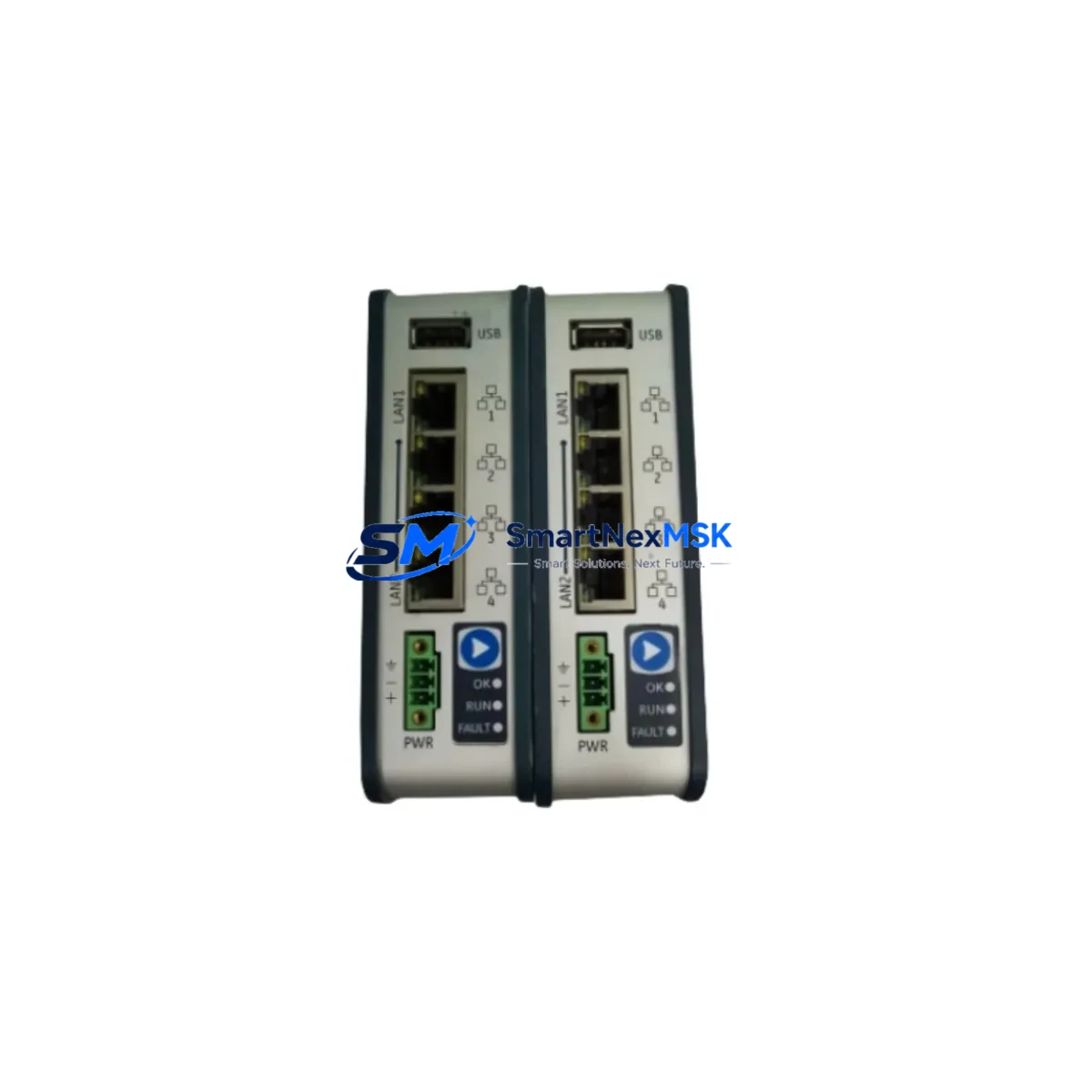
GE EPSCPE100-ABAA Retrofit-Ready CPU for PACSystems RX3i Control Systems
The GE EPSCPE100-ABAA is a high-performance CPU module engineered for the PACSystems RX3i platform, widely deployed across process automation, discrete manufacturing, and utility control applications. As legacy GE Series 90-30 and early RX3i installations approach end-of-life, the EPSCPE100-ABAA has become the preferred retrofit solution for engineers seeking a direct, validated upgrade path without full panel redesign. This module supports Ethernet SRTP and Modbus TCP communications natively, enabling seamless integration into existing SCADA and HMI architectures while preserving original ladder logic and function block programs.
For facilities running aging IC693CPU374 or IC693CPU375 processors on Series 90-30 racks, migration to the RX3i platform using the EPSCPE100-ABAA requires careful evaluation of backplane compatibility. The RX3i universal backplane — such as the IC695CHS012 or IC695CHS016 — accepts both legacy 90-30 I/O modules and native RX3i modules, which significantly reduces the scope of hardware replacement during a phased retrofit. Engineers can retain existing IC693MDL655 discrete input modules, IC693MDL741 output modules, and IC693ALG222 analog input cards in the mixed-mode rack while the new CPU handles all scan cycle execution and communications management.
Power supply selection is a critical checkpoint during any EPSCPE100-ABAA installation. The IC695PSA040 or IC695PSD040 power supply modules are recommended for RX3i racks, and their output capacity must be verified against the total module load — particularly when high-density I/O modules or communication co-processors such as the IC695ETM001 Ethernet module are present in the same rack. Insufficient power headroom is a leading cause of intermittent CPU faults during commissioning and must be resolved before final program download.
Upgrade Compatibility Table
| Parameter | Legacy (Series 90-30) | EPSCPE100-ABAA (RX3i) | Retrofit Notes |
|---|---|---|---|
| Backplane Interface | IC693CHS391 / IC693CHS397 | IC695CHS012 / IC695CHS016 | Universal backplane supports mixed I/O |
| Communication Protocol | SNP / SRTP (serial) | Ethernet SRTP / Modbus TCP | Update SCADA driver; retain logic unchanged |
| Power Supply | IC693PWR321 / IC693PWR330 | IC695PSA040 / IC695PSD040 | Verify total rack load before swap |
| Program Memory | Up to 240 KB | Up to 10 MB | No program truncation; full logic retained |
| I/O Compatibility | Series 90-30 I/O only | RX3i + legacy 90-30 I/O (mixed) | Retain existing I/O modules in mixed rack |
| HMI Connectivity | Serial RS-232 / RS-485 | Ethernet (RJ45) | Update HMI driver tag; screen logic unchanged |
| Programming Software | Proficy Machine Edition 5.x+ | Proficy Machine Edition 8.x+ | Import existing .mep project; re-target hardware |
| Module Address Config | DIP switch / rack slot | Software-configured via PME | Reassign I/O addresses in hardware config |
| Warranty | N/A (discontinued) | 12 Months | Covered from date of shipment |
Retrofit Planning for Existing Automation Systems
A successful EPSCPE100-ABAA retrofit begins with a complete audit of the existing control cabinet. Document every module slot position, terminal block wiring, and field device address before any hardware is removed. In a typical RX3i migration project, the IC695ETM001 Ethernet communications module is installed alongside the EPSCPE100-ABAA to handle SRTP sessions with upstream SCADA servers, while the IC695CMM002 serial communications module may be retained to bridge legacy RS-485 field devices during the transition period.
For applications involving motion or high-speed counting, the IC695HSC304 high-speed counter module should be evaluated as a direct replacement for older IC693APU305 units. Similarly, if the existing system uses IC693CMM321 or IC693CMM311 communications modules for DeviceNet or Genius Bus connectivity, a protocol migration plan must be developed — typically involving the IC695PBM300 PROFIBUS master module or a third-party gateway to bridge legacy field bus segments to the new Ethernet backbone.
Terminal block wiring on the existing I/O modules generally does not require modification when the same IC693MDL series cards are reused in the mixed-mode RX3i rack. However, all field wiring should be verified for continuity and insulation resistance before power-up. Shielded cable grounding practices must comply with GE PACSystems installation guidelines to prevent noise-induced faults on analog input channels, particularly on IC693ALG series cards handling 4–20 mA process signals.
Before the final cutover, a full program backup must be extracted from the existing CPU using Proficy Machine Edition and stored offline. The hardware configuration must then be rebuilt in PME targeting the EPSCPE100-ABAA, with all I/O module types, slot assignments, and reference addresses replicated exactly. A factory acceptance test (FAT) on a bench rack — using an IC695CHS012 backplane, the EPSCPE100-ABAA, and representative I/O modules — is strongly recommended before on-site installation to validate program execution and communications before the production line is taken offline.
Downtime Control During System Migration
Minimizing production downtime is the primary engineering constraint in any live-system PLC retrofit. For EPSCPE100-ABAA installations, the recommended approach is a parallel-run strategy: the new RX3i rack is fully assembled, programmed, and bench-tested before the scheduled maintenance window. During the cutover window — typically 4 to 8 hours for a single-rack system — the original Series 90-30 CPU is powered down, field wiring is transferred or verified, and the new rack is energized in a controlled sequence.
Program logic integrity is preserved by importing the original .mep project file into Proficy Machine Edition 8.x and re-targeting the hardware configuration to the EPSCPE100-ABAA. All variable references, PID loop parameters, and HMI tag mappings are retained in the import process. The HMI driver — whether a GE Cimplicity screen or a third-party panel running on an IC755CSS12CDB or similar operator interface — requires only a communication path update from serial SNP to Ethernet SRTP; screen graphics and alarm logic remain unchanged.
After power-up, a structured commissioning sequence should verify CPU status LEDs, I/O module health indicators, and communication link status before enabling field outputs. Force-testing critical output channels against known field device responses confirms wiring integrity. The entire commissioning log — including module firmware versions, IP address assignments, and I/O force test results — should be documented and retained as part of the as-built record for the upgraded control system.
Retrofit Support FAQ
Q1: Is the EPSCPE100-ABAA a direct drop-in replacement for the IC693CPU374 or IC693CPU375?
Not a direct slot-for-slot swap — the EPSCPE100-ABAA requires an RX3i-compatible backplane (IC695CHS012 or IC695CHS016). However, existing Series 90-30 I/O modules can be reused in the mixed-mode rack, making it the most cost-effective upgrade path for legacy 90-30 systems. Full program compatibility is maintained through Proficy Machine Edition project import.
Q2: What commissioning steps are required after installation?
After physical installation, verify rack power supply output, confirm module slot assignments in PME hardware configuration, download the program to the EPSCPE100-ABAA, and perform a structured I/O force test. Ethernet IP address configuration and SCADA driver update are required if migrating from serial SNP communications. All steps should be completed with field outputs disabled until logic verification is confirmed.
Q3: Will existing HMI screens and SCADA tags work after the upgrade?
Yes, with a communication driver update. The EPSCPE100-ABAA uses Ethernet SRTP, which is supported by GE Cimplicity, iFIX, and most third-party SCADA platforms. HMI tag names and addresses are preserved from the original program import. Only the communication path (IP address and protocol selection) requires reconfiguration in the SCADA or HMI project.
Q4: What does the 12-month warranty cover?
All EPSCPE100-ABAA units ship with a 12-month warranty covering manufacturing defects and functional failures under normal operating conditions. Each unit undergoes pre-shipment functional testing including power-on self-test, memory verification, and communications port validation. Warranty claims are processed from the date of shipment, and replacement units are dispatched from stock to minimize system downtime.
© 2026 SMARTNEXMSK. All rights reserved.
Original Source: https://smartnexmsk.com
Contact: [email protected] | +86 18259474341