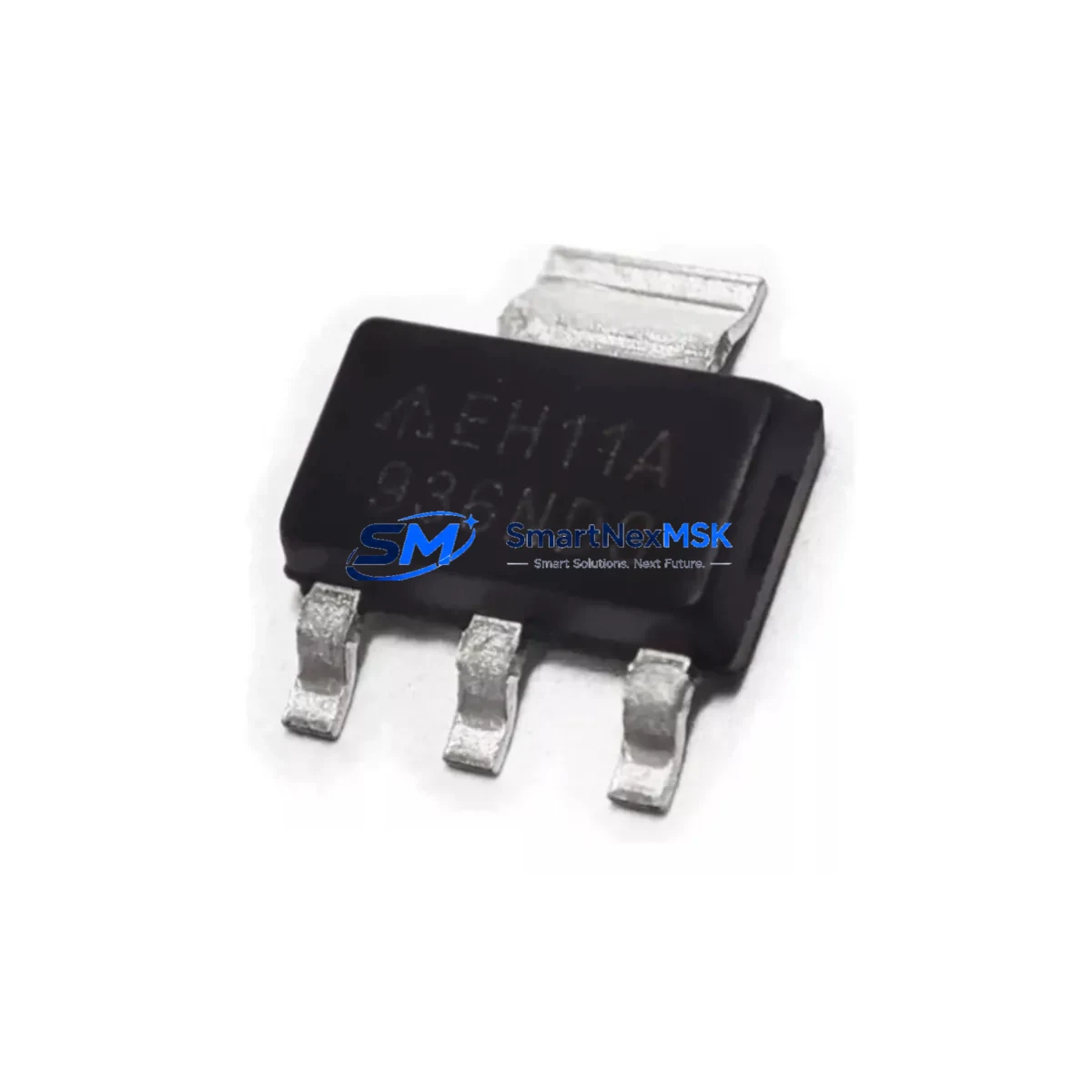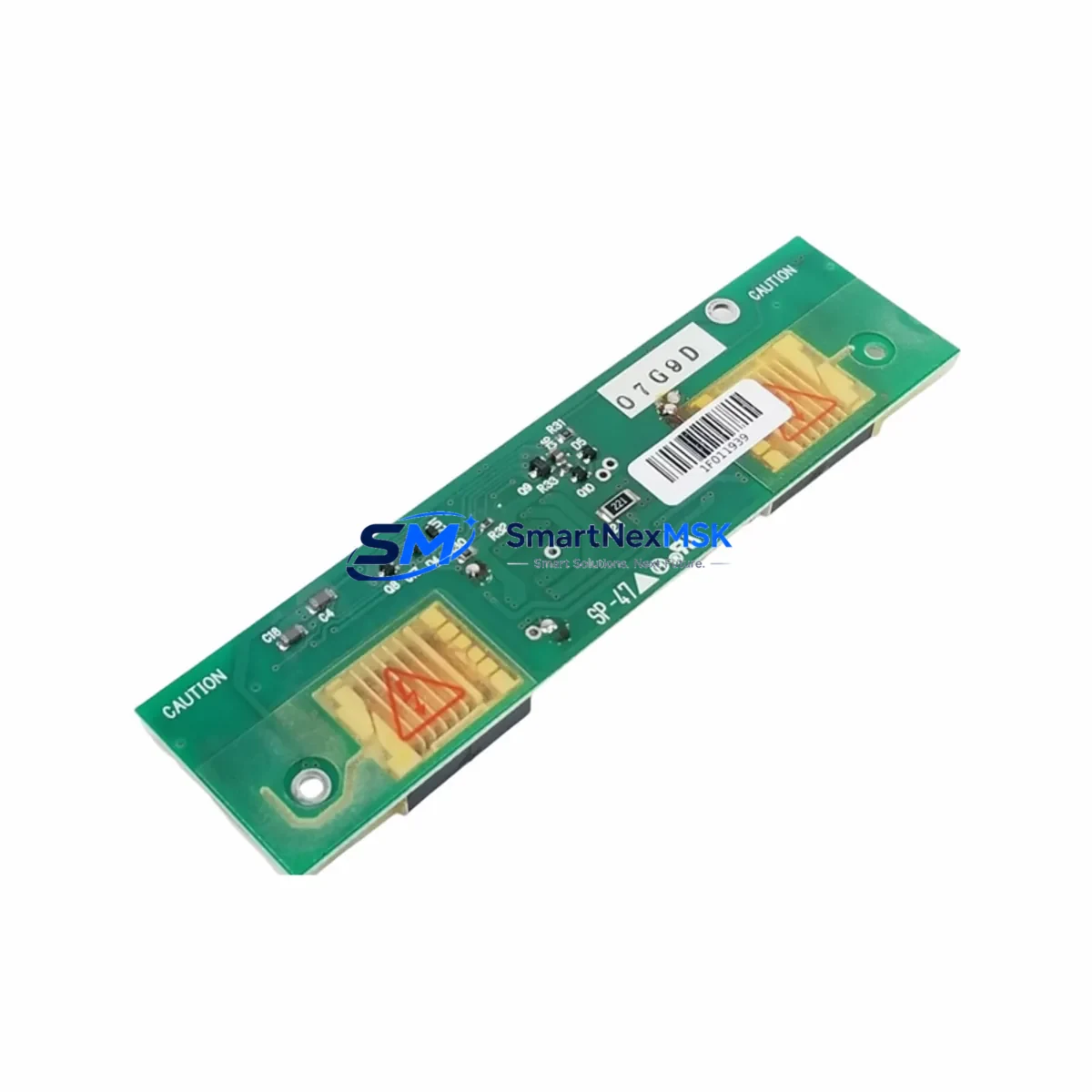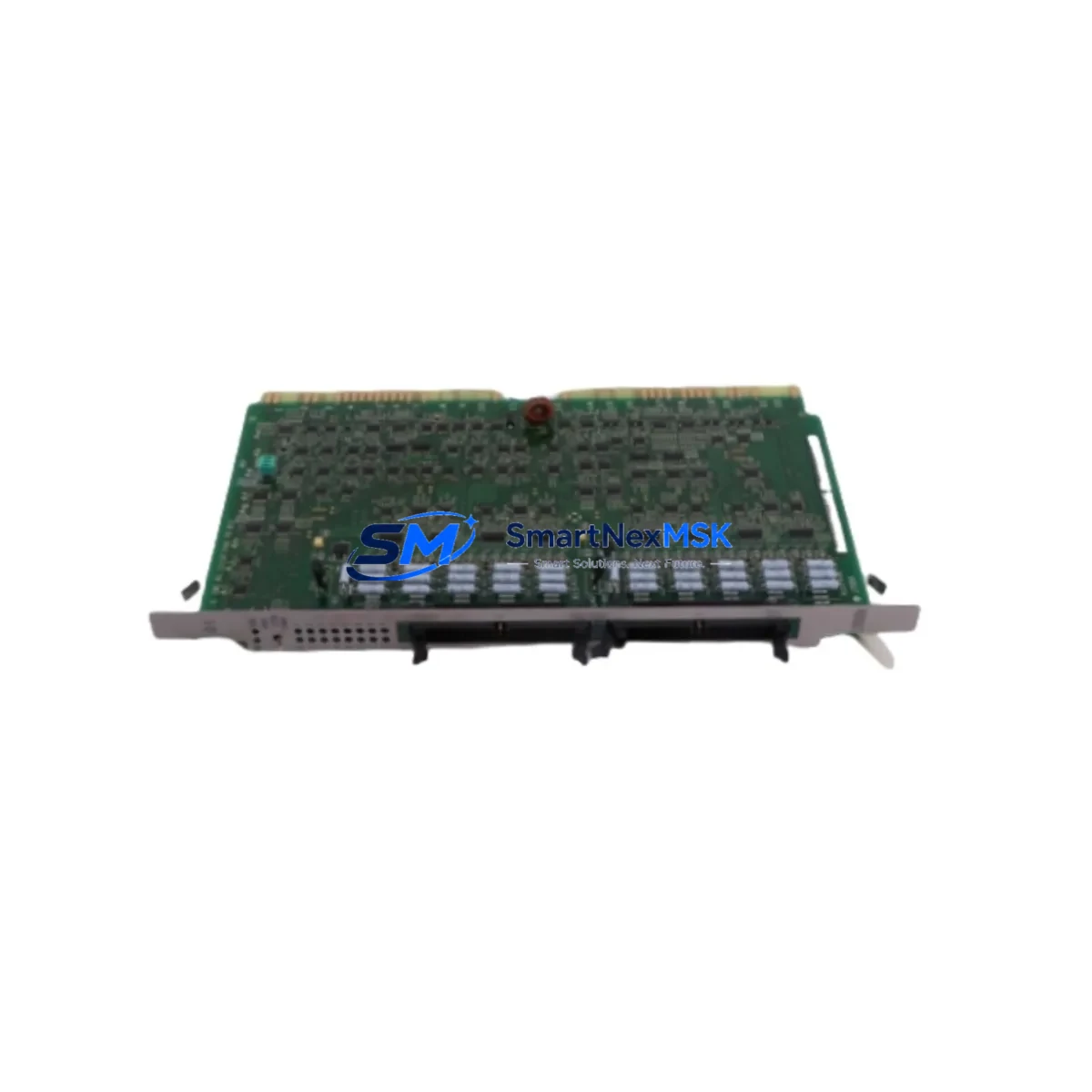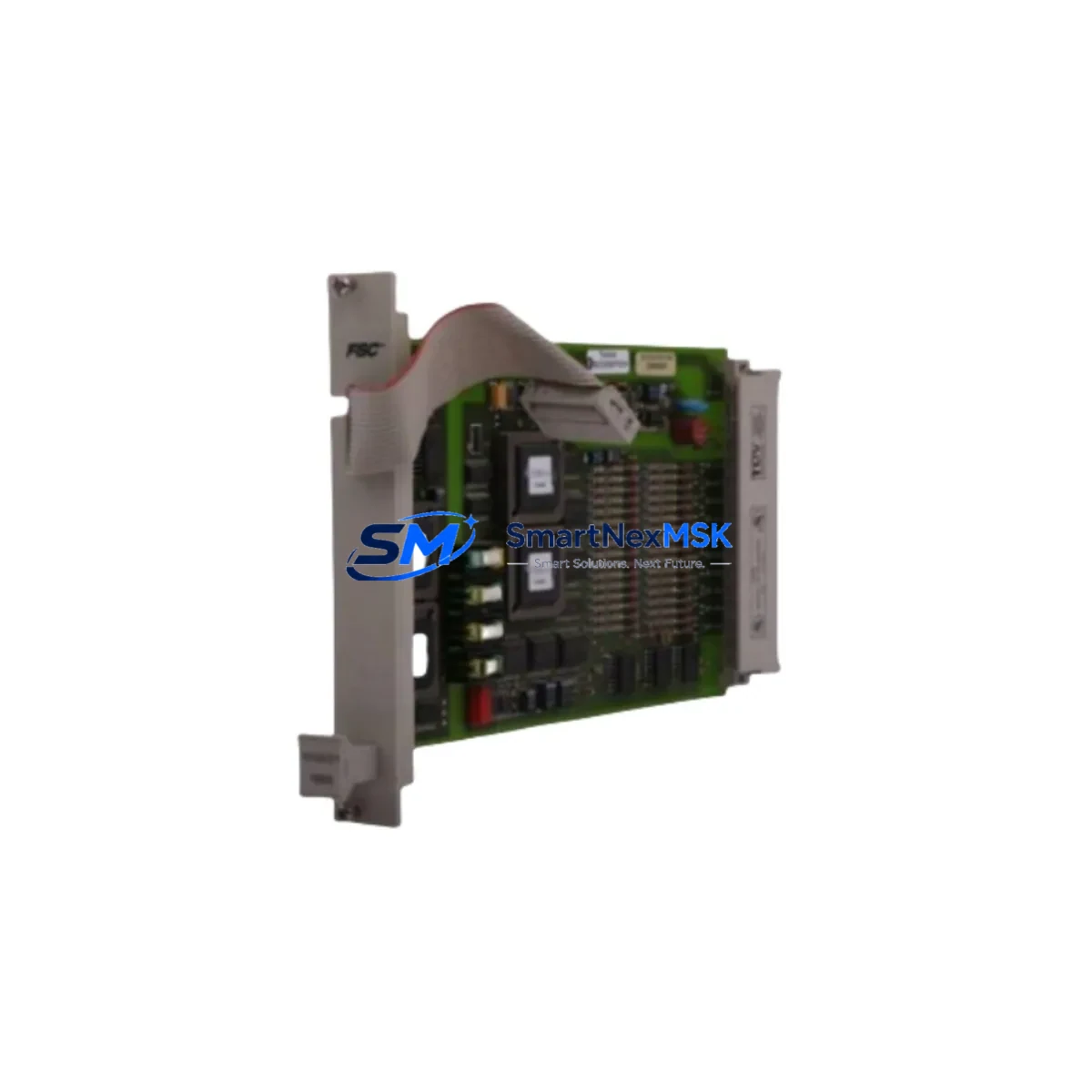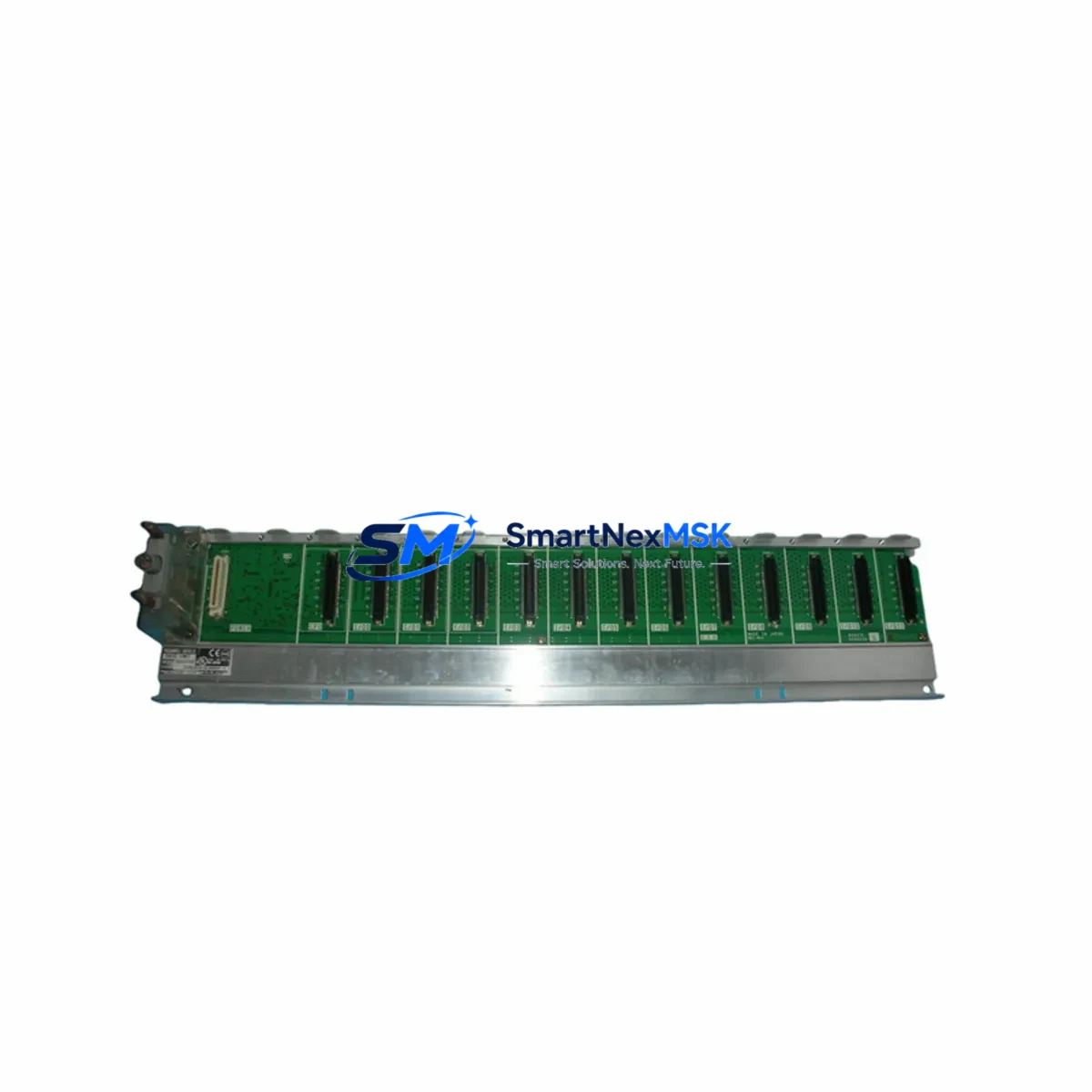
Hitachi H8Q312B Retrofit-Ready DCS CPU for H8Q Series Control Systems
The Hitachi H8Q312B is a DCS CPU board engineered for the H8Q Series distributed control platform — one of Hitachi’s long-running process automation architectures widely deployed in petrochemical, power generation, water treatment, and heavy manufacturing facilities. As the H8Q Series approaches end-of-life support cycles, plant engineers and maintenance teams are increasingly sourcing the H8Q312B as a direct replacement for failed or aging CPU boards, or as the foundation for a controlled migration to a modernized control architecture.
SMARTNEXMSK maintains verified stock of the H8Q312B with full functional testing, 12-month warranty coverage, and rapid international dispatch. Every unit is inspected against original Hitachi hardware specifications before shipment, ensuring compatibility with existing H8Q backplane configurations and field-installed I/O wiring.
Upgrade Compatibility Table
| Parameter | Details |
|---|---|
| SKU | H8Q312B |
| Brand | Hitachi |
| Series | H8Q Series DCS |
| Module Type | DCS CPU Board |
| Backplane Interface | H8Q Series proprietary backplane bus; verify slot position and rack address before installation |
| Communication Compatibility | Compatible with H8Q Series communication modules; verify protocol mapping (MODBUS, proprietary Hitachi bus) with existing HMI and SCADA configurations |
| Installation Requirement | Direct board-level replacement; confirm power supply rail voltage (typically 5 VDC / 24 VDC) and backplane connector alignment |
| Replacement Recommendation | Suitable as drop-in replacement for failed H8Q312B units; confirm firmware revision compatibility with existing application program |
| Commissioning Notes | Re-download application program after board swap; verify I/O module addresses and communication link status on HMI |
| Warranty | 12 months from date of shipment; covers manufacturing defects and functional failure under normal operating conditions |
| Origin | Japan |
| Condition | New / Surplus New (specify at inquiry) |
Retrofit Planning for Existing Automation Systems
Replacing the H8Q312B in an operating plant requires careful pre-outage planning across multiple system layers. Before scheduling the maintenance window, engineers should audit the existing H8Q Series rack configuration — including the H8Q power supply module, the H8Q backplane or rack chassis, and any installed H8Q analog input/output modules and digital I/O modules that communicate through the CPU board’s internal bus.
Communication architecture is a critical checkpoint. If the H8Q312B interfaces with an upstream SCADA or DCS supervisory layer via a dedicated H8Q communication interface module (such as an Ethernet or serial gateway card), the replacement CPU must be confirmed to support the same protocol stack. In facilities where the H8Q Series connects to third-party HMI panels or historian servers, the communication link parameters — baud rate, node address, and polling interval — must be documented before the board is removed and re-verified after the new H8Q312B is installed.
For plants running parallel control loops, the H8Q312B retrofit often coincides with a broader review of the H8Q Series I/O expansion modules. Engineers frequently discover that aging analog input cards or thermocouple input modules adjacent to the CPU board also require replacement or recalibration. SMARTNEXMSK can source complementary H8Q Series components to support a complete rack-level refresh rather than a single-board swap, reducing the risk of secondary failures shortly after the primary CPU replacement.
Wiring and terminal adaptation is another common challenge. The H8Q312B connects to field devices through the rack’s terminal block assemblies. Before the outage, technicians should photograph or document all terminal wiring, verify that cable labels are legible, and confirm that the field wiring gauge and insulation ratings are compatible with the replacement board’s terminal specifications. Where terminal blocks have corroded or where wiring has been modified from the original engineering drawings, this is the appropriate time to restore the installation to a documented baseline.
Programming compatibility must be confirmed with the site’s control system engineer. The application program stored on the original H8Q312B — including PID loop parameters, interlock logic, and alarm setpoints — should be backed up from the existing CPU before removal. After the new board is installed, the program is re-downloaded using the appropriate Hitachi programming software and cable, and a full I/O checkout is performed to verify that all field signals are correctly mapped and that the control logic executes as expected.
Downtime Control During System Migration
Minimizing unplanned downtime is the primary operational concern when replacing a DCS CPU board like the H8Q312B in a live production environment. The recommended approach is to treat the replacement as a planned maintenance event with a defined outage window, pre-staged replacement hardware, and a tested rollback procedure.
Before the outage begins, the existing H8Q312B’s application program should be exported and stored on a secure engineering workstation. All current process values, PID tuning parameters, and alarm configurations should be recorded. If the H8Q Series rack supports hot-standby or redundant CPU configurations, the switchover sequence should be tested in advance to confirm that the standby module can assume control cleanly.
During the replacement, field operators should place all control loops in manual mode at the HMI before the CPU board is removed. This prevents uncontrolled process excursions during the period when the CPU is offline. After the new H8Q312B is seated and powered, the application program is downloaded, I/O modules are initialized, and communication links to the HMI and any connected historian or SCADA system are re-established and verified.
Post-replacement commissioning should include a structured I/O loop check — verifying each analog and digital signal from field device to HMI display — before returning loops to automatic control. SMARTNEXMSK’s technical team can provide pre-shipment functional test reports for the H8Q312B to support site acceptance testing and reduce the time required for on-site verification.
Retrofit Support FAQ
Q1: Is the H8Q312B a direct drop-in replacement for the original Hitachi H8Q312B installed in my rack?
A: Yes, the H8Q312B is a board-level replacement for the original Hitachi H8Q Series CPU. Physical dimensions, backplane connector pinout, and bus protocol are consistent with the original specification. However, you should confirm the firmware revision on your existing board and advise SMARTNEXMSK at the time of order if a specific firmware version is required for compatibility with your application program.
Q2: What commissioning steps are required after installing the replacement H8Q312B?
A: After physical installation, you will need to re-download the application program using Hitachi’s programming software and the appropriate programming cable. Verify that all I/O module addresses are correctly recognized by the new CPU, confirm communication link status on the HMI, and perform a structured I/O loop check before returning process loops to automatic control. SMARTNEXMSK can provide a pre-shipment test report to support your site acceptance procedure.
Q3: Can the H8Q312B be used to upgrade an older H8Q Series rack that is currently running a legacy communication protocol?
A: The H8Q312B supports the standard H8Q Series communication architecture. If your existing system uses a legacy serial protocol or a proprietary Hitachi bus, the replacement CPU board will maintain compatibility with the installed communication interface modules. If you are planning a protocol migration — for example, from a serial link to Ethernet-based MODBUS TCP — additional communication gateway modules may be required, and SMARTNEXMSK can advise on compatible options.
Q4: What does the 12-month warranty cover, and what is the process for a warranty claim?
A: The 12-month warranty covers manufacturing defects and functional failure under normal operating conditions from the date of shipment. It does not cover damage resulting from incorrect installation, overvoltage, or physical mishandling. To initiate a warranty claim, contact SMARTNEXMSK at [email protected] with your order reference, a description of the failure, and any available diagnostic information. Replacement or repair will be arranged promptly to minimize your system downtime.
© 2026 SMARTNEXMSK. All rights reserved.
Original Source: https://smartnexmsk.com
Contact: [email protected] | +86 18259474341