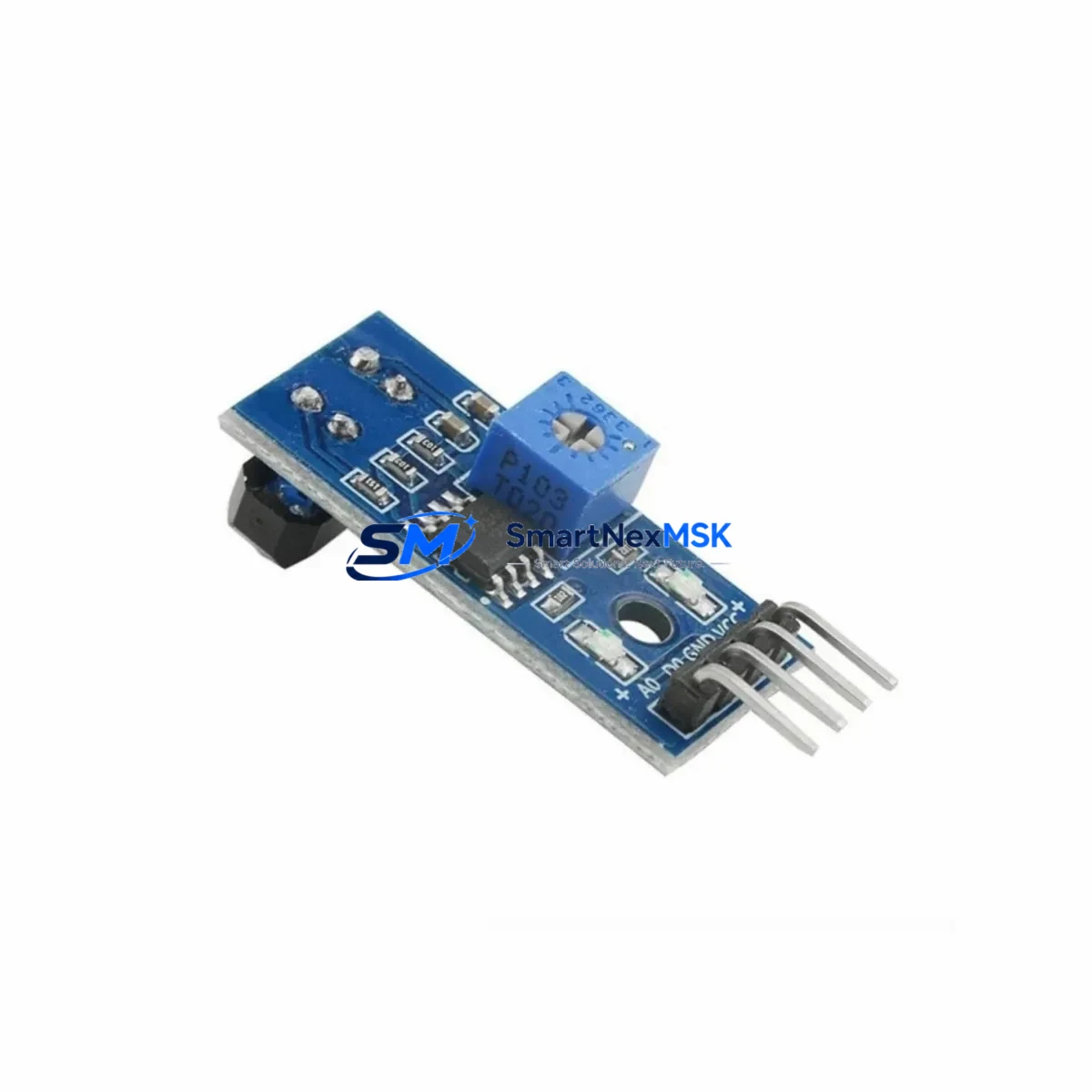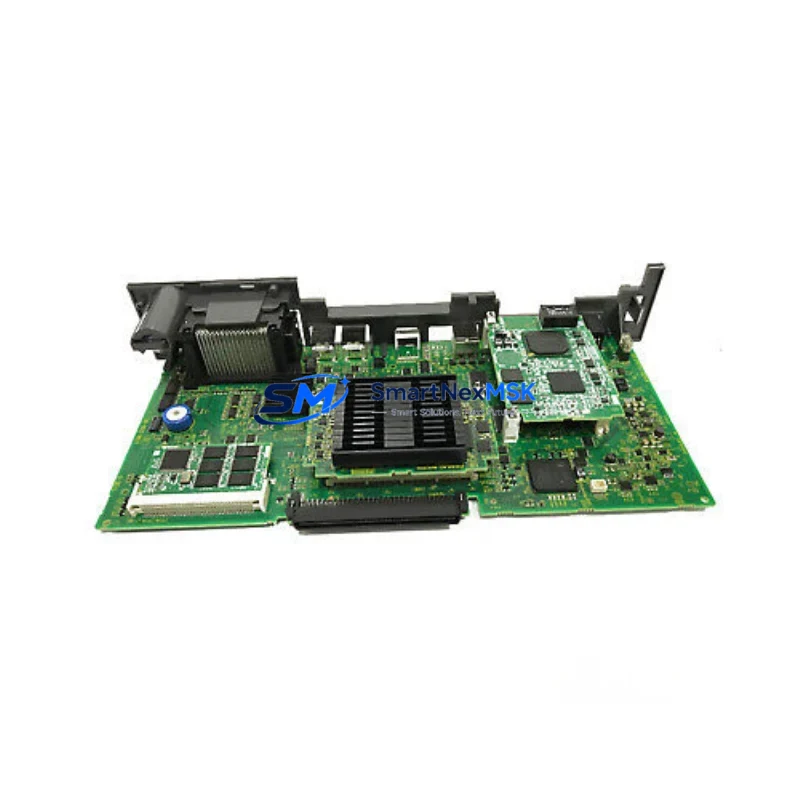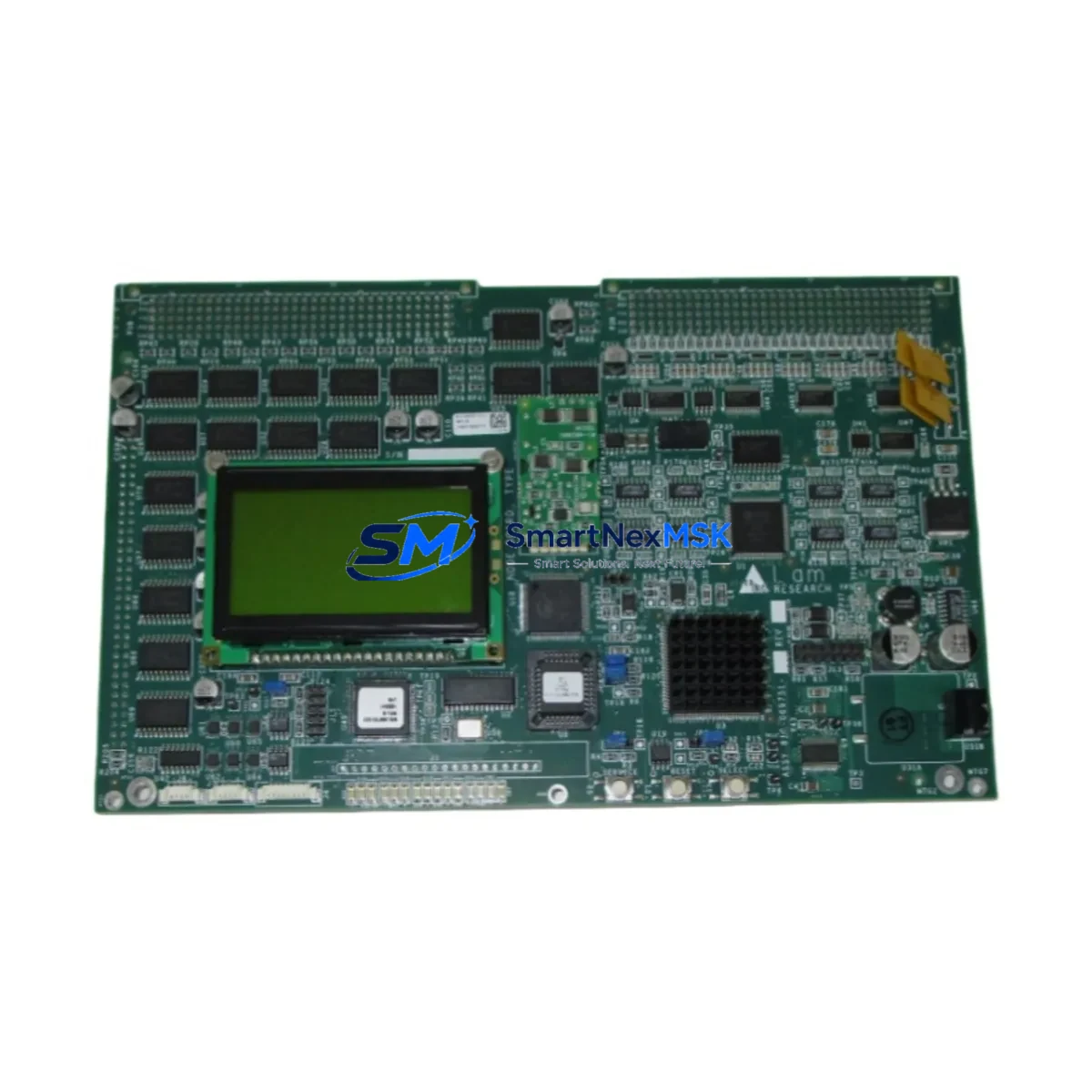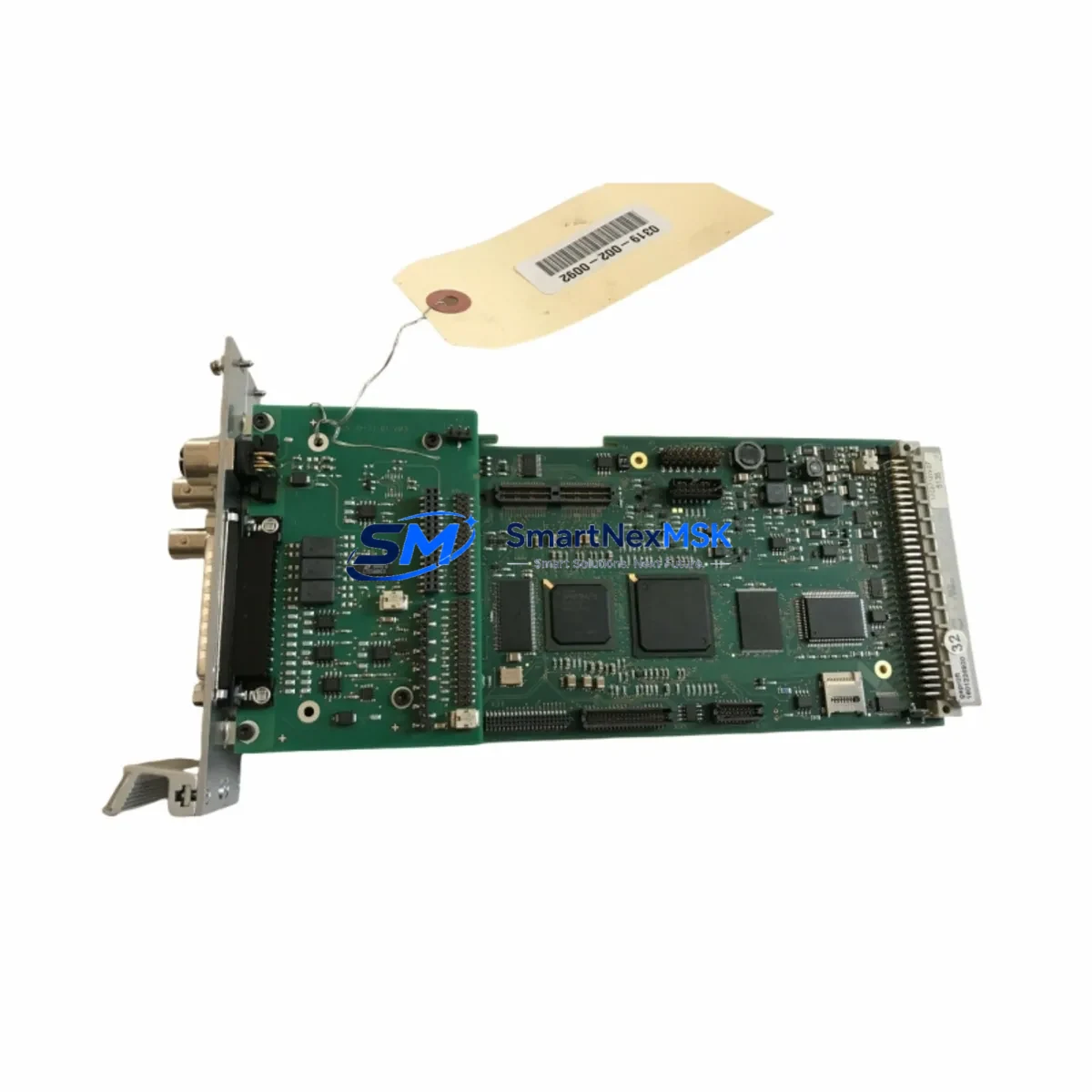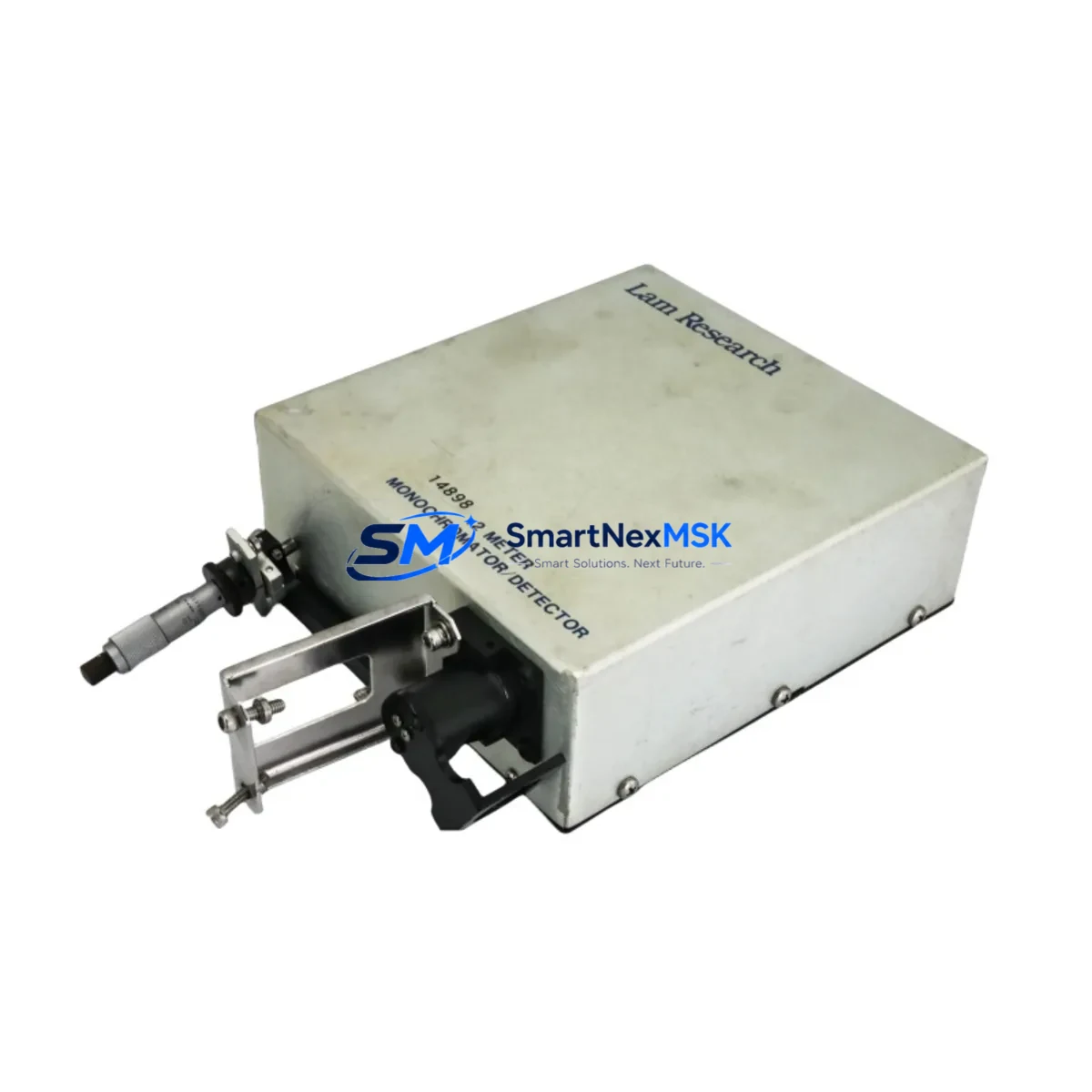
LAM RESEARCH EP200MMC 0270-90229 Maintenance-Ready OES Spare
Unplanned downtime in semiconductor etch and CVD processes is one of the most costly events in any fab environment. The LAM RESEARCH EP200MMC 0270-90229 (alternate P/N: 0195-07994) is an original optical endpoint detector (OES) module designed for the EP200MMC series endpoint control platform. Sourced as a genuine spare, this unit is tested, inspected, and ready for immediate installation to restore process control and resume production with minimal interruption.
Maintenance engineers and procurement teams managing LAM RESEARCH etch systems — including the Versys, Kiyo, and 2300 series — recognize the EP200MMC endpoint detector as a critical process-control component. Its failure or degradation directly impacts etch endpoint accuracy, leading to over-etch, yield loss, and unscheduled chamber downtime. Keeping a verified spare on the shelf is the single most effective strategy for protecting process uptime.
Spare Maintenance Table
| Parameter | Specification / Detail |
|---|---|
| Part Number (Primary) | 0270-90229 |
| Part Number (Alternate) | 0195-07994 |
| Brand / OEM | LAM RESEARCH |
| Series | EP200MMC Endpoint Control Platform |
| Product Type | Optical Endpoint Detector (OES Module) |
| Compatible Systems | LAM RESEARCH Versys, Kiyo, 2300 Series Etch & CVD Chambers |
| Origin | United States |
| Condition | Original Spare — Tested & Inspected |
| Installation | Direct OEM replacement; no firmware modification required |
| Application Environment | Semiconductor fab cleanroom; etch endpoint detection |
| Maintenance Interval | Inspect per PM schedule; replace on signal degradation or chamber alarm |
| Warranty | 12 Months from date of shipment |
| Lead Time | In-stock; ships within 1–3 business days |
| Weight | 2.6 kg |
Maintenance Planning for Continuous Operation
When replacing the EP200MMC 0270-90229 OES module, a disciplined maintenance engineer will not stop at the detector itself. The endpoint detection chain involves multiple interdependent components, and a failure in any one of them can mimic or mask an OES fault. During the same maintenance window, the following components should be inspected or replaced as part of a comprehensive PM:
- Fiber optic light guide assembly — Degraded or contaminated fiber bundles attenuate the optical signal and cause false endpoint triggers. Inspect for discoloration, cracking, or connector contamination.
- EP200MMC signal processing board — The analog front-end board that conditions the OES signal. If the detector swap does not resolve endpoint instability, the signal board (P/N series 0270-xxxxx) is the next suspect.
- Chamber viewport window — Polymer deposition on the viewport directly degrades OES signal quality. Clean or replace the viewport as part of every OES-related PM.
- RF match network and power supply module — Unstable RF delivery produces plasma non-uniformity that corrupts endpoint signals. Verify the RF match (e.g., LAM 0190-series match controller) is within calibration.
- I/O interface board for endpoint controller — The digital I/O card that communicates endpoint trigger signals to the chamber controller. Inspect for loose connectors and verify signal integrity.
- 24 VDC power supply module — The EP200MMC platform requires a stable low-voltage DC supply. A marginal power supply causes intermittent OES resets and false alarms. Cross-check with a calibrated meter.
- Ethernet/GPIB communication module — The EP200MMC communicates endpoint data to the host via Ethernet or GPIB. Verify the communication module firmware version is compatible with the host recipe system.
- Fuse block and circuit protection assembly — Inspect all fuses in the endpoint controller enclosure. A blown fuse on the OES supply rail is a common root cause of apparent detector failure.
- Terminal block and wiring harness — Loose or corroded terminal connections on the OES signal wiring introduce noise and offset errors. Re-torque all terminals and inspect for insulation damage.
- Chamber controller backplane / VME chassis — If the EP200MMC is rack-mounted, inspect the backplane connectors for oxidation and verify card seating. A poorly seated OES card produces intermittent faults indistinguishable from detector failure.
Procurement engineers should note that all of the above components are available as original spares through SMARTNEXMSK, enabling a single-source procurement strategy for the entire EP200MMC maintenance BOM.
Site Replacement Workflow
Replacing the LAM RESEARCH EP200MMC 0270-90229 in the field follows a structured sequence to minimize chamber downtime and ensure process qualification is completed before resuming production:
- Isolate the chamber — Place the chamber in maintenance mode via the host system. Confirm RF is off and chamber pressure is at atmosphere before opening any access panels.
- Document the existing configuration — Record the current OES calibration parameters, wavelength settings, and endpoint recipe thresholds from the host software before removing the old module. This data is required for post-replacement qualification.
- Remove the failed OES module — Disconnect the fiber optic connector, signal cable, and power connector in sequence. Handle the fiber optic termination with care to avoid contamination.
- Install the 0270-90229 replacement — Seat the new module, reconnect all cables in reverse order, and verify connector locking. Do not power on until all connections are confirmed.
- Restore calibration — Re-enter the documented OES calibration parameters. Run the OES self-test routine from the EP200MMC software interface and verify signal baseline is within specification.
- Run qualification wafers — Process qualification wafers using the standard endpoint recipe. Confirm endpoint detection timing is within ±2% of the pre-failure baseline before releasing the chamber to production.
- Update the maintenance log — Record the replacement date, new module serial number, and post-qualification results in the chamber maintenance log for traceability.
This workflow is compatible with LAM RESEARCH standard PM procedures and does not require factory service intervention for a like-for-like OES module replacement.
Spare Parts Support FAQ
Q1: Is the 0270-90229 a direct drop-in replacement for the 0195-07994?
Yes. The 0195-07994 is the alternate part number for the same EP200MMC OES module. Both numbers reference the same assembly and are fully interchangeable. When ordering, either part number can be used to confirm compatibility with your system configuration.
Q2: How is the unit tested before shipment?
Each EP200MMC 0270-90229 unit undergoes functional verification prior to shipment, including power-on self-test, optical signal output check, and connector integrity inspection. A test report is available upon request. The unit ships with protective packaging to prevent ESD and mechanical damage in transit.
Q3: What is the recommended inventory strategy for this part?
For fabs operating multiple LAM RESEARCH etch chambers on the EP200MMC platform, we recommend maintaining a minimum of one spare OES module per tool cluster. Given the lead time sensitivity of semiconductor production, a buffer stock of two units per site is advisable for high-utilization chambers. SMARTNEXMSK supports blanket order arrangements for volume procurement.
Q4: What does the 12-month warranty cover?
The 12-month warranty covers defects in materials and workmanship under normal operating conditions. It does not cover damage resulting from improper installation, ESD mishandling, or use outside the specified operating environment. Warranty claims are processed within 5 business days of receipt of the returned unit, with a replacement shipped upon confirmation of the defect.
© 2026 SMARTNEXMSK. All rights reserved.
Original Source: https://smartnexmsk.com
Contact: [email protected] | +86 18259474341