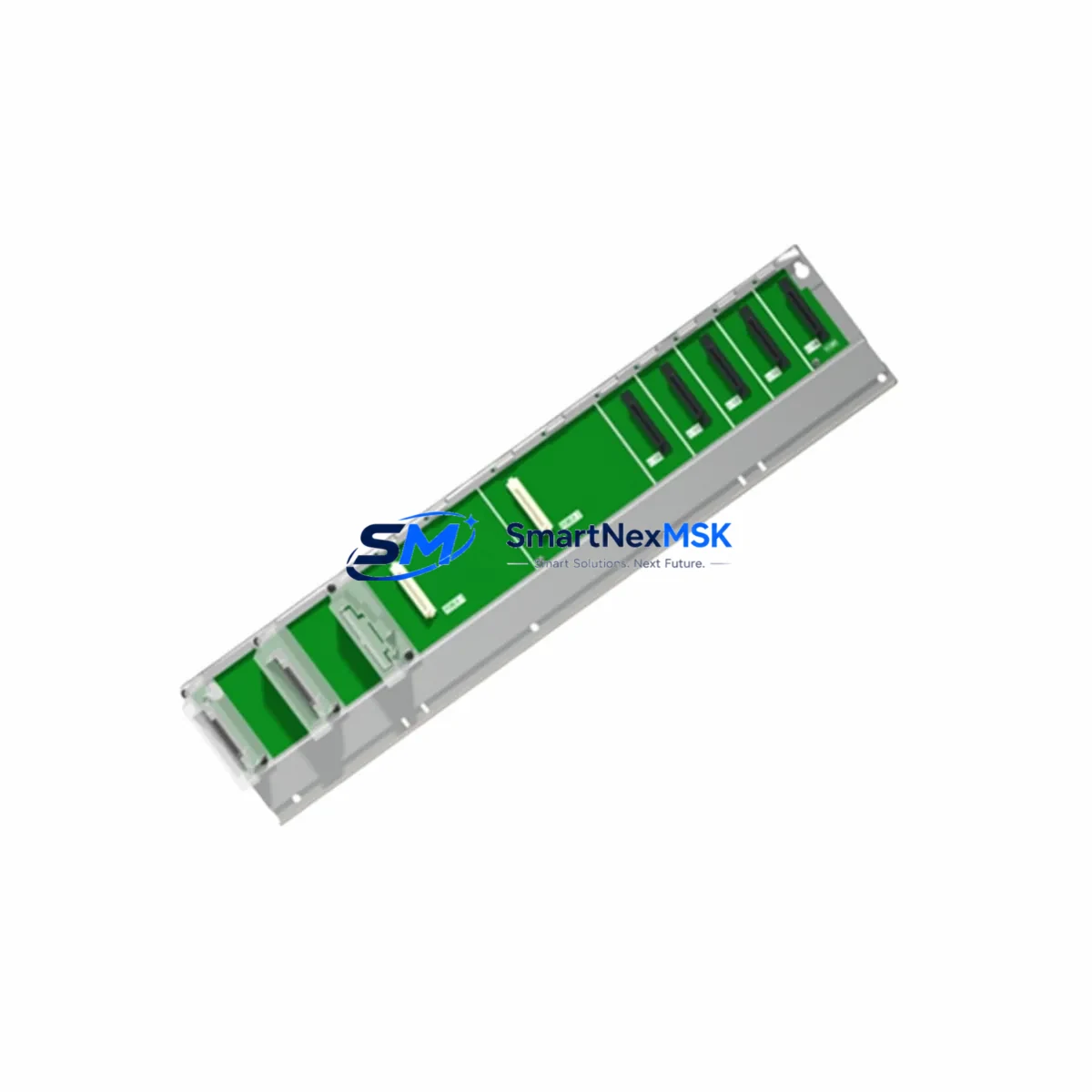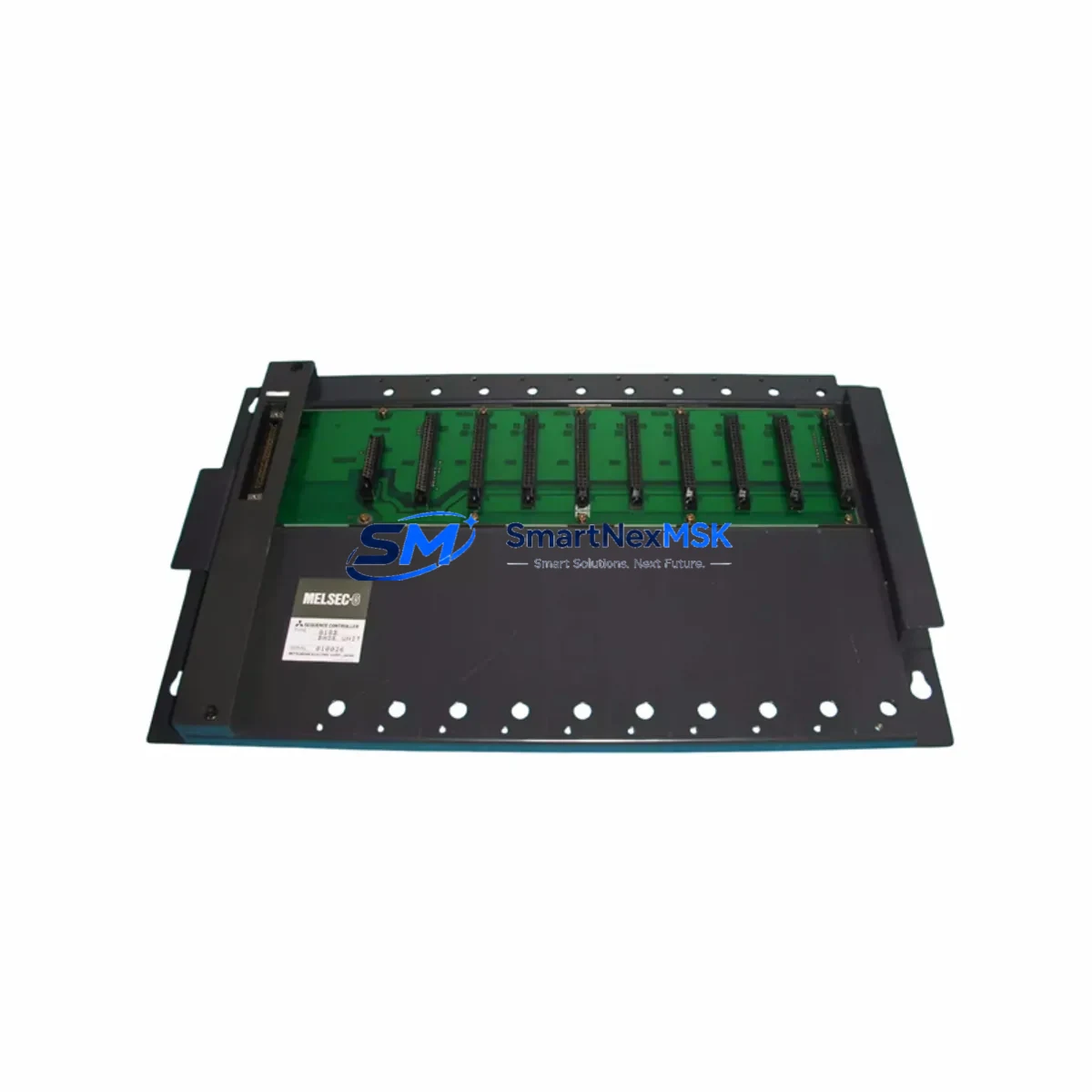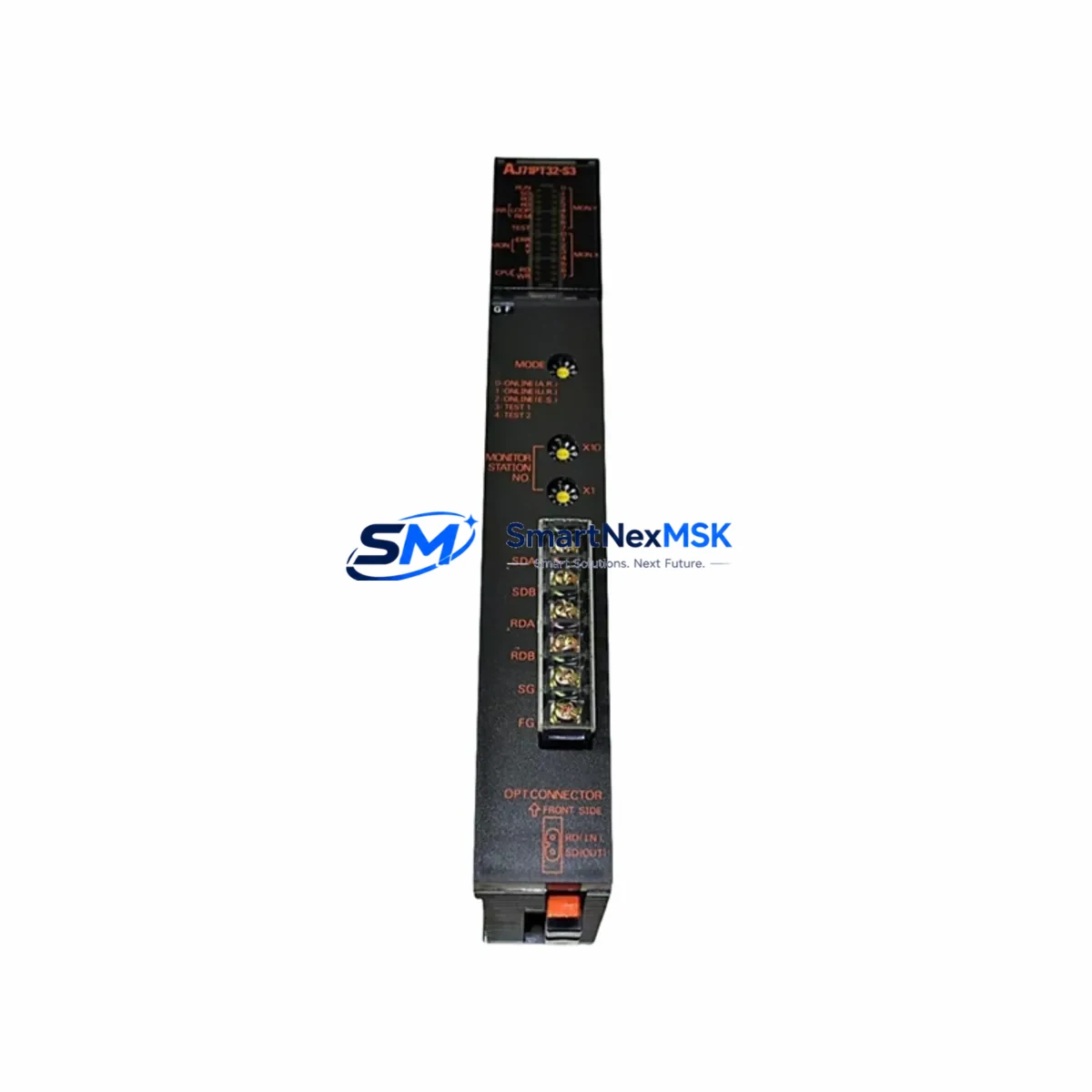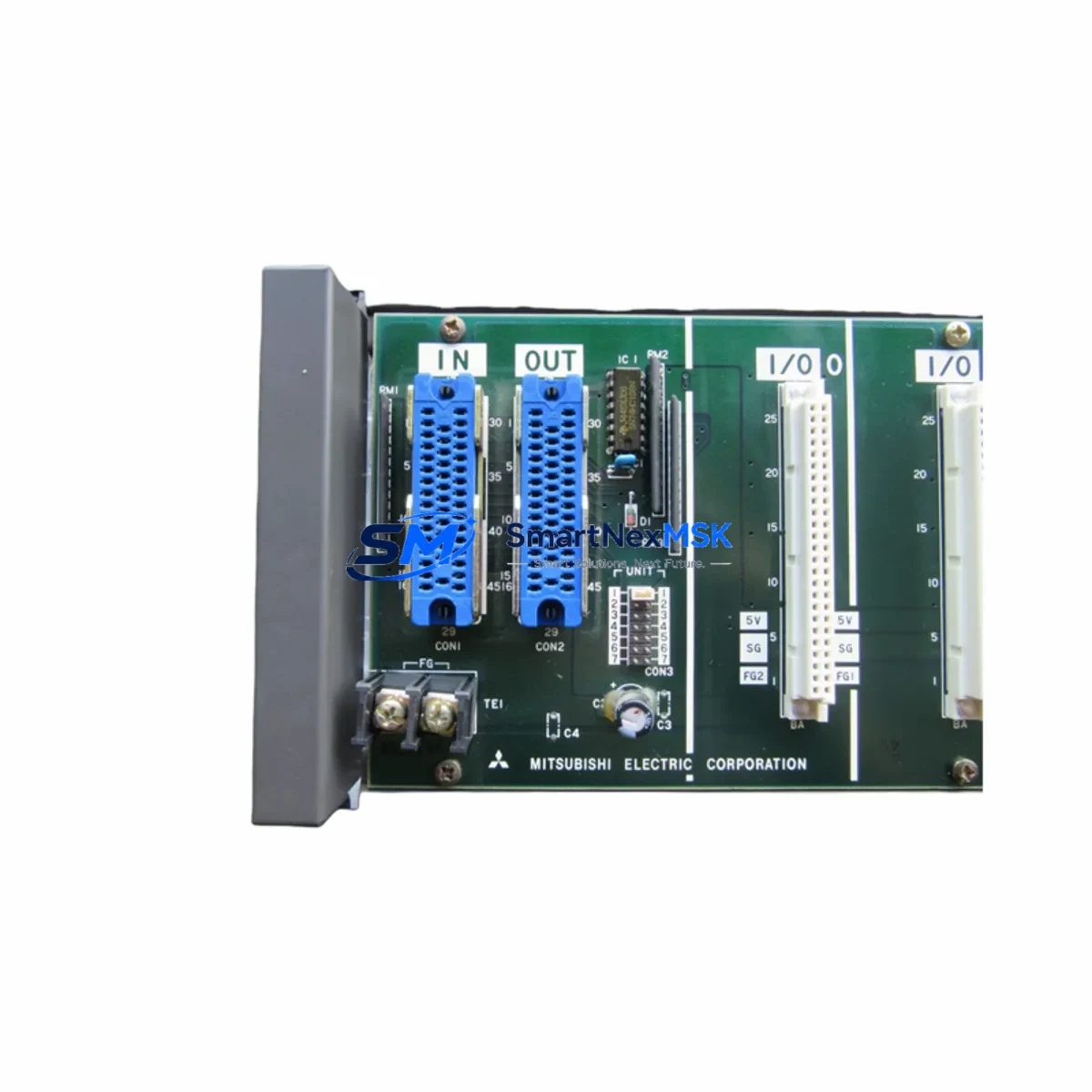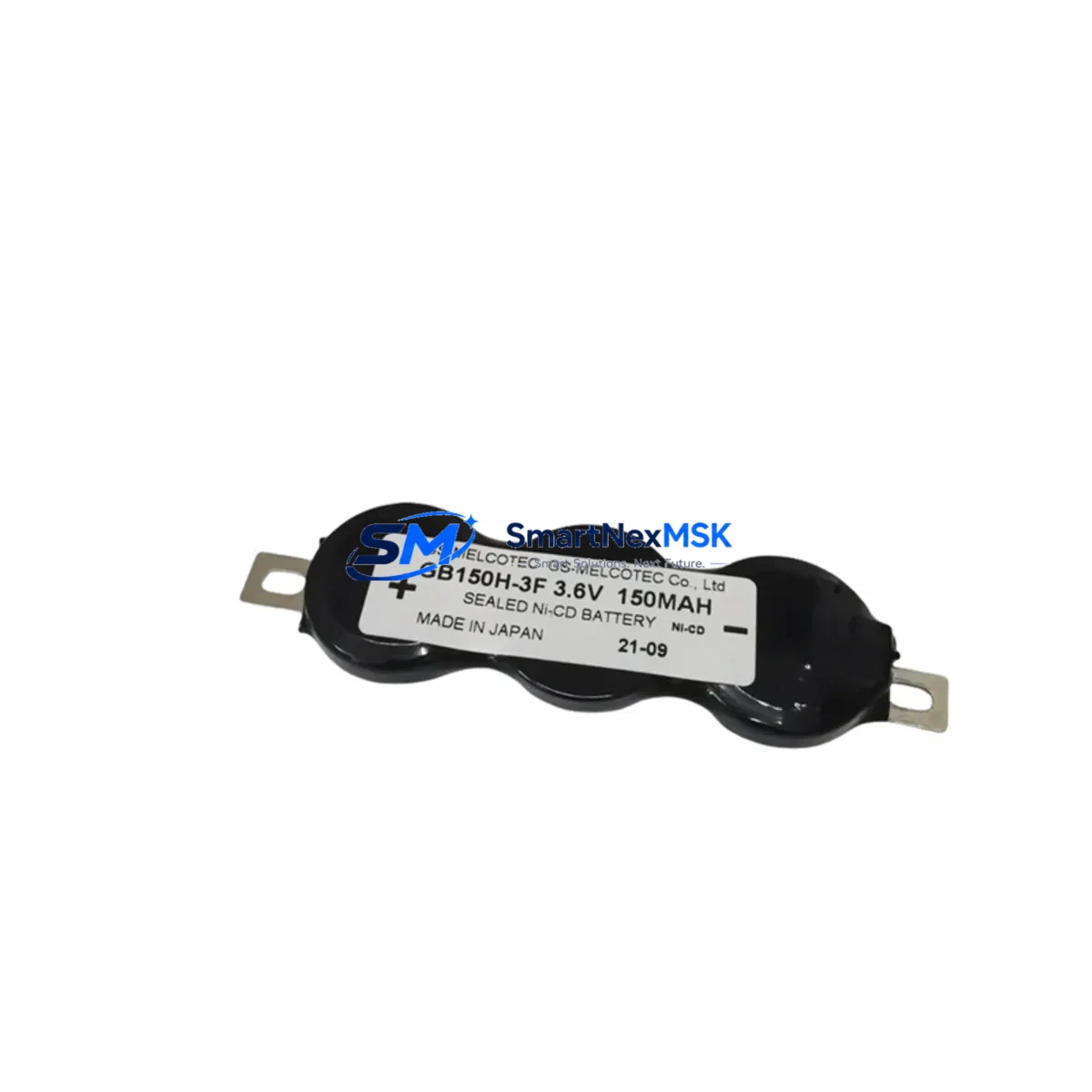
Mitsubishi GB250H-3F Retrofit-Ready UPS Battery for GB Series Control Systems
The Mitsubishi GB250H-3F is a proven industrial UPS battery module engineered for seamless compatibility with Mitsubishi Electric’s GB Series uninterruptible power supply platforms. As legacy automation infrastructure ages and original battery modules reach end-of-life, the GB250H-3F serves as the definitive retrofit-ready replacement — enabling engineers and maintenance teams to restore backup power capacity without redesigning the control cabinet or modifying existing wiring harnesses.
In modern industrial environments, control system continuity depends on reliable UPS backup. Whether you are maintaining a MELSEC Q Series PLC rack, a MELSEC iQ-R Series controller, or a legacy MELSEC A Series installation, the GB250H-3F integrates directly into the GB Series UPS chassis without requiring firmware changes or hardware adapters. Its standardized terminal layout and compact 230g form factor make it a preferred choice for panel builders and system integrators managing multi-cabinet automation lines.
When planning a retrofit or upgrade, engineers must verify several critical parameters before swapping the battery module. First, confirm the UPS chassis model and its rated power capacity — the GB Series UPS must be capable of supporting the connected load during a power interruption. Second, inspect the existing terminal block wiring and ensure polarity markings align with the GB250H-3F’s connection diagram. Third, verify that the battery compartment dimensions and mounting rail configuration match the replacement module’s physical footprint. Fourth, check the module address settings if the UPS is integrated into a networked monitoring system using CC-Link or MELSECNET/H communication protocols.
For facilities running Mitsubishi MELSEC Q Series or iQ-R Series PLCs alongside a GB Series UPS, the retrofit process typically involves coordinating with the PLC power supply module — such as the Q61P or R61P — to ensure that the UPS handoff sequence is correctly configured in the ladder logic program. If the original program uses battery alarm contacts or low-voltage detection flags, these must be re-verified after the GB250H-3F installation to confirm that alarm thresholds remain within specification. HMI screens built on GOT2000 Series terminals that display UPS status should also be reviewed to confirm that battery status tags continue to map correctly after the module swap.
In control cabinets where the GB Series UPS shares a DIN rail with other components — such as a Q Series base unit, an AJ65SBTB1-16D CC-Link remote I/O module, or a Q172DCPU motion controller — physical clearance and heat dissipation must be assessed before installation. The GB250H-3F operates within standard industrial temperature ranges and does not require additional cooling, but adequate ventilation within the enclosure is essential for long-term battery health and cycle life.
For sites undergoing a broader control system migration — for example, transitioning from a MELSEC A Series platform to a MELSEC iQ-R Series architecture — the GB250H-3F can serve as an interim power backup solution during the phased cutover. This approach allows the new PLC rack and I/O modules to be commissioned while the legacy system remains operational, minimizing unplanned downtime and protecting production continuity. Communication links using RS-232C or RS-422 programming cables can remain active throughout the migration, enabling parallel monitoring of both the old and new control platforms.
Upgrade Compatibility Table
| Parameter | Details |
|---|---|
| SKU / Part Number | GB250H-3F |
| Brand | Mitsubishi Electric |
| Compatible Series | GB Series UPS (Mitsubishi Electric) |
| Product Type | Industrial UPS Battery Module |
| Weight | 230 g |
| Country of Origin | Japan |
| Terminal / Interface | Standard GB Series battery compartment connector |
| Installation Requirement | Direct drop-in replacement; no hardware modification required |
| Communication Compatibility | Compatible with CC-Link and MELSECNET/H networked UPS monitoring |
| Replacement Recommendation | Replaces end-of-life or discontinued GB Series battery modules |
| Commissioning Notes | Verify battery alarm contacts and low-voltage thresholds in PLC program after installation |
| Warranty | 12 Months |
Retrofit Planning for Existing Automation Systems
A successful GB250H-3F retrofit begins with a thorough audit of the existing control cabinet. Maintenance engineers should document the current UPS chassis model, the connected load profile, and the battery module’s installation date before proceeding. In many legacy installations, the GB Series UPS is mounted adjacent to a Q Series base unit or an iQ-R Series main base, sharing the same power distribution rail. Before removing the old battery module, confirm that the UPS is in bypass mode or that the connected PLC and I/O systems — including any AJ65SBTB2N-8R CC-Link remote output modules or Q64AD analog input modules — are in a safe state.
Terminal wiring should be photographed and labeled before disconnection. The GB250H-3F uses the same terminal configuration as its predecessors in the GB Series lineup, but engineers should cross-reference the wiring diagram against the original installation records to avoid polarity errors. If the control cabinet also houses a GOT2000 Series HMI terminal, verify that the UPS status display screen does not require reconfiguration after the battery swap. In some installations, the HMI communicates with the UPS via a dedicated RS-232C or USB cable, and the communication parameters may need to be re-confirmed after the module replacement.
For facilities managing multiple control cabinets across a production line, a staged retrofit approach is recommended. Replace the GB250H-3F in one cabinet at a time, verify full functionality — including UPS alarm outputs, battery charge status, and communication link integrity — before proceeding to the next cabinet. This approach limits exposure to simultaneous power backup gaps and allows the maintenance team to refine the installation procedure based on lessons learned from the first retrofit.
Downtime Control During System Migration
Minimizing downtime during a GB250H-3F installation requires careful pre-planning and coordination between the electrical maintenance team and the production scheduling department. The battery module swap itself typically takes less than 30 minutes per cabinet, but the surrounding verification steps — including PLC program checks, HMI screen validation, and communication link testing — may extend the maintenance window to 1–2 hours per installation point.
To protect the original PLC program logic during the migration, engineers should perform a full program backup using GX Works3 or GX Works2 before beginning any hardware work. If the control system includes a Q172DCPU motion controller or a CR800 series robot controller sharing the same UPS circuit, their program data should also be backed up independently. Once the GB250H-3F is installed and the UPS is restored to normal operation, a simulated power interruption test — conducted during a scheduled maintenance window — is strongly recommended to confirm that the backup power handoff sequence operates correctly and that all connected devices recover cleanly after power restoration.
For sites where production cannot be interrupted, a hot-swap procedure may be feasible if the GB Series UPS chassis supports it. Consult the original UPS installation manual and confirm with the Mitsubishi Electric technical documentation before attempting a live battery replacement. In all cases, ensure that a qualified electrical engineer supervises the installation and that all work complies with local electrical safety regulations.
Retrofit Support FAQ
Q1: Is the GB250H-3F a direct replacement for the original GB Series battery module?
Yes. The GB250H-3F is designed as a drop-in replacement for compatible GB Series UPS chassis. No hardware modifications or firmware updates are required. Verify the chassis model number against the compatibility table before ordering to confirm fitment.
Q2: What commissioning steps are required after installing the GB250H-3F?
After installation, reconnect all terminal wiring according to the original wiring diagram, restore UPS power, and verify that the battery charge indicator reaches normal status within the expected charge cycle. Check the PLC program for any battery alarm flags or low-voltage detection contacts and confirm that alarm thresholds are within specification. If the UPS is monitored via CC-Link or MELSECNET/H, verify that the communication link is re-established and that the UPS status data is correctly displayed on the GOT2000 HMI screen.
Q3: Does the GB250H-3F come with a warranty, and what does it cover?
Yes. Every GB250H-3F supplied by SMARTNEXMSK includes a 12-month warranty covering manufacturing defects and premature capacity loss under normal operating conditions. Each unit undergoes pre-shipment functional testing to verify charge capacity and terminal integrity before dispatch.
Q4: Can the GB250H-3F be used in a system that is being migrated from MELSEC A Series to iQ-R Series?
Yes. The GB250H-3F can serve as the UPS backup solution during a phased migration from a legacy MELSEC A Series platform to a new iQ-R Series architecture. It provides continuous backup power to the control cabinet during the transition period, protecting both the legacy and new control hardware from unplanned power interruptions while the migration is completed and verified.
© 2026 SMARTNEXMSK. All rights reserved.
Original Source: https://smartnexmsk.com
Contact: [email protected] | +86 18259474341