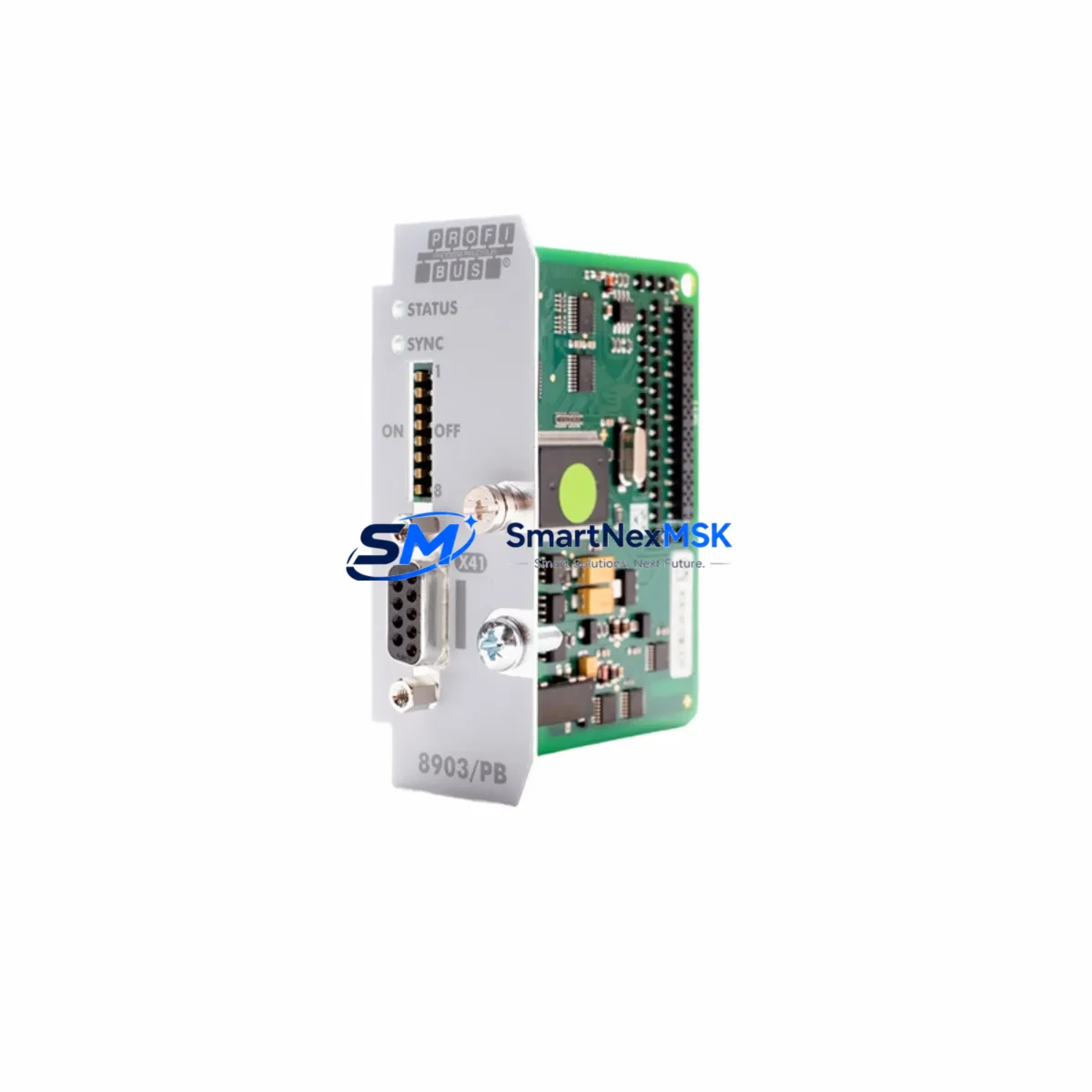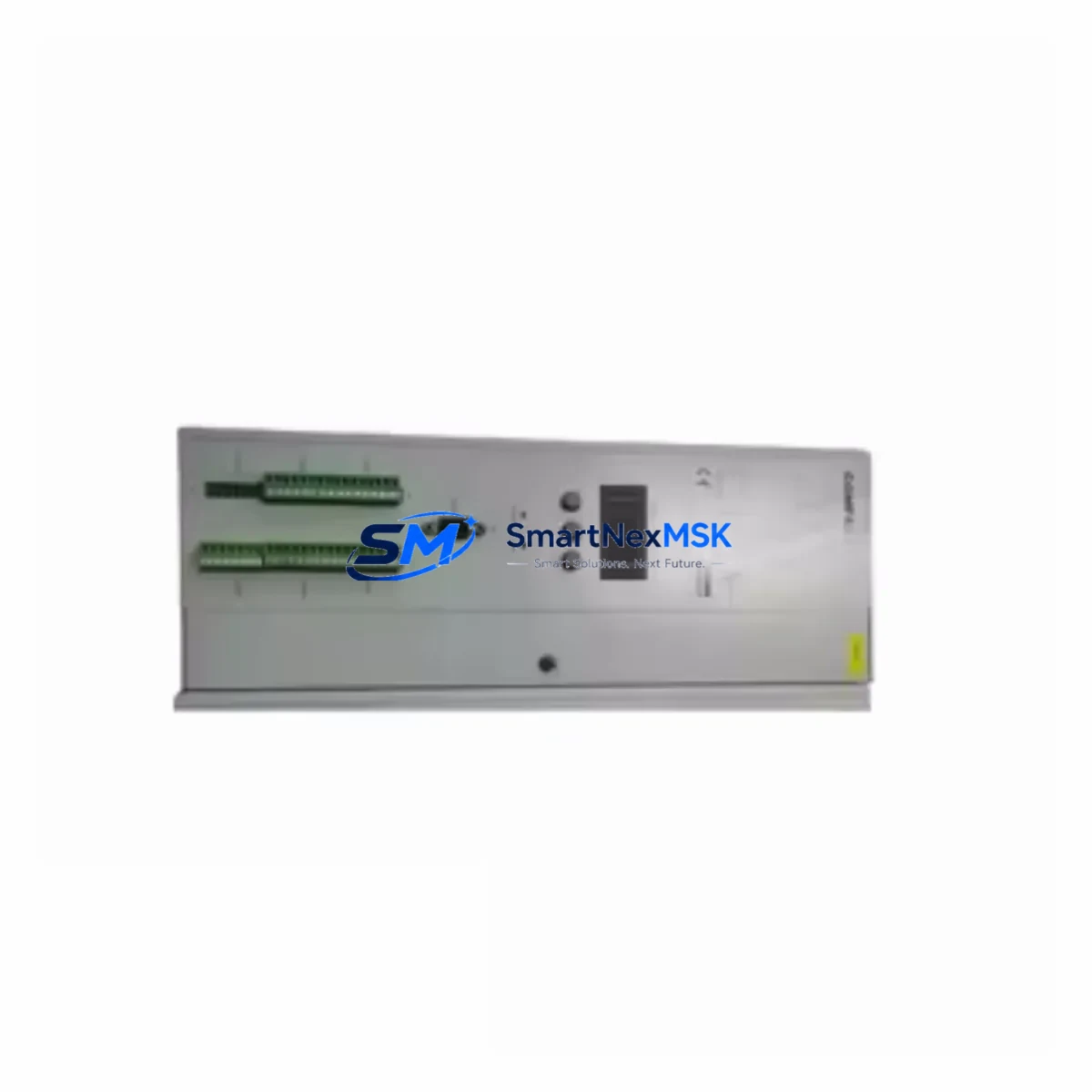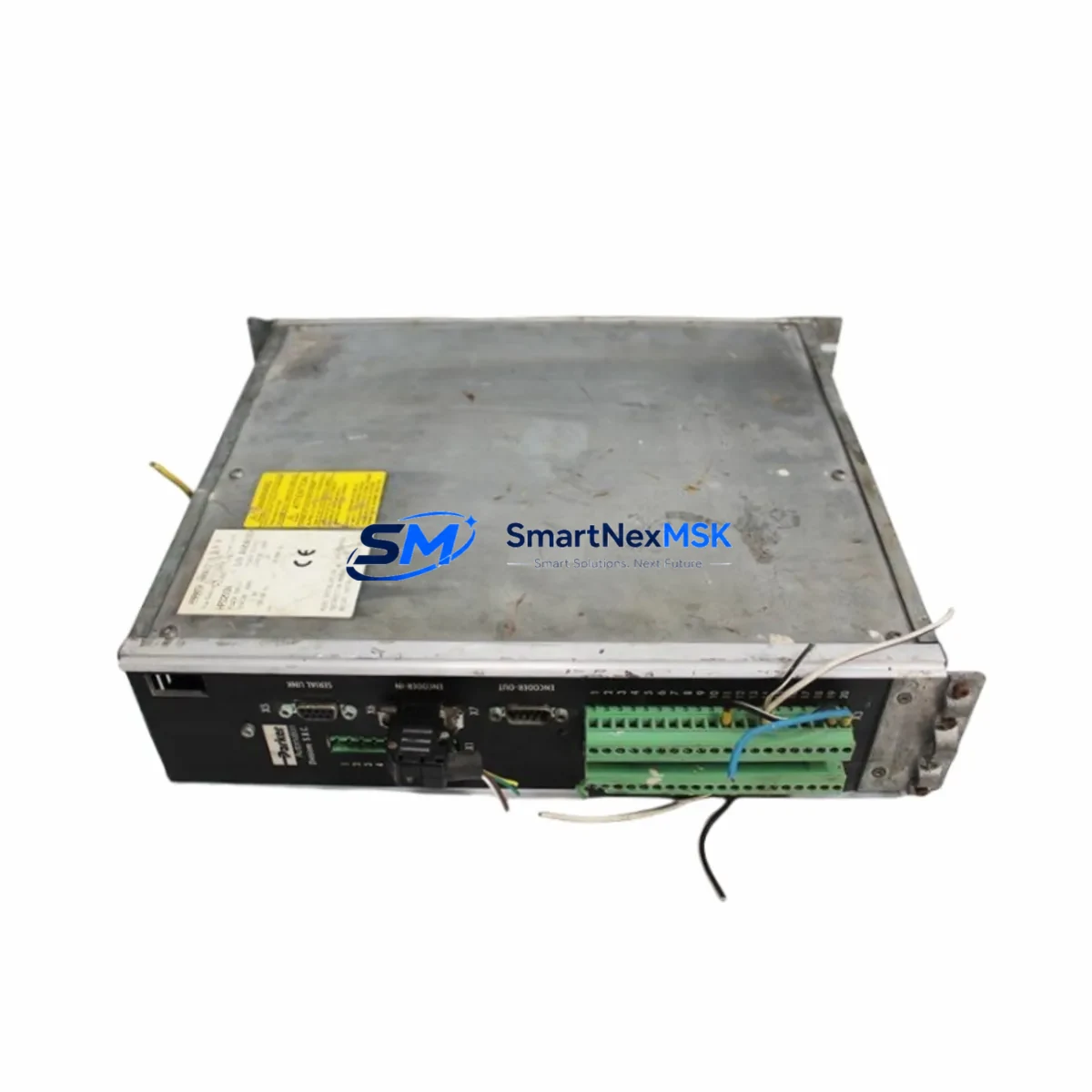
Parker HPD2S5N Retrofit-Ready Driver Input Module for HPD Series Control Systems
The Parker HPD2S5N is a retrofit-ready driver input module engineered for seamless integration into Parker HPD Series servo drive systems. As legacy automation infrastructure ages and original spare parts become increasingly difficult to source, the HPD2S5N serves as a critical component in keeping existing control architectures operational — without requiring a full system overhaul. Whether you are managing a planned upgrade, responding to an unexpected drive failure, or executing a phased modernization of your production line, the HPD2S5N provides the compatibility, reliability, and verified performance your engineering team demands.
Designed to match the original Parker HPD Series form factor, the HPD2S5N maintains full terminal wiring compatibility with legacy installations. Engineers performing a direct swap can retain existing cabinet wiring, reducing retrofit labor time and minimizing the risk of wiring errors during changeover. The module supports the same backplane interface as the original HPD Series rack, allowing it to be installed into existing enclosures without mechanical modification. Module addressing follows the standard HPD Series configuration protocol, meaning existing PLC programs — whether written in IEC 61131-3 structured text or ladder logic — do not require reprogramming for basic drop-in replacement scenarios.
For facilities running Parker Compax3 or Parker ACR Series motion controllers alongside HPD Series drives, the HPD2S5N integrates into the same control platform without introducing protocol conflicts. Communication links between the drive input module and upstream controllers — including RS-232, RS-485, and CANopen interfaces common in HPD Series architectures — remain fully supported. Where communication protocol migration is required, such as transitioning from legacy serial links to EtherCAT or PROFINET, the HPD2S5N can be deployed as an interim solution while the broader network infrastructure is upgraded in stages.
Upgrade Compatibility Table
| Parameter | HPD2S5N Specification | Retrofit Notes |
|---|---|---|
| Module Type | Driver Input Module | Direct replacement for HPD Series input stage |
| Series Compatibility | Parker HPD Series | Compatible with HPD rack and backplane |
| Terminal Wiring | Matches original HPD wiring layout | No rewiring required for drop-in swap |
| Backplane Interface | HPD Series standard backplane | Fits existing rack without modification |
| Module Addressing | HPD Series standard addressing | Existing PLC program address mapping retained |
| Communication | RS-232 / RS-485 / CANopen | Legacy links maintained; EtherCAT migration supported |
| HMI Compatibility | Parker HMI / third-party SCADA | Existing HMI screens remain valid |
| Installation | DIN rail / panel mount | Fits original cabinet footprint |
| Power Supply | Verify existing PSU capacity before swap | Confirm rail voltage and current headroom |
| Warranty | 12 Months | Covered from date of shipment |
Retrofit Planning for Existing Automation Systems
Successful integration of the HPD2S5N into an existing automation system begins with a thorough pre-retrofit audit. Before removing the failed or obsolete module, engineers should document the current terminal block assignments, verify the power supply rail voltage and available current capacity, and confirm that the existing Parker HPD Series rack has sufficient slot availability. In multi-axis installations where the HPD Series rack hosts both the HPD2S5N driver input module and adjacent power modules such as the Parker HPD-PS power supply unit, it is essential to confirm that the combined load of all installed modules remains within the rack’s rated capacity.
For systems that also incorporate Parker SSD or Parker 690+ series variable frequency drives on the same control bus, engineers should verify that the communication arbitration settings are not disrupted by the module swap. In installations where a Parker ACR9000 multi-axis controller manages coordinated motion sequences, the HPD2S5N replacement should be performed during a scheduled maintenance window to allow for motion program re-validation after the swap.
I/O expansion considerations are equally important. If the existing system uses Parker I/O expansion modules connected to the same backplane, the HPD2S5N must be assigned a module address that does not conflict with adjacent I/O nodes. Address conflicts are a common source of post-retrofit communication faults and should be resolved during the planning phase rather than during live commissioning. Where the control cabinet also houses a Parker HMI terminal or a third-party SCADA interface, screen tag mappings should be reviewed to confirm that drive status signals — including fault codes, speed references, and torque feedback — are correctly mapped to the replacement module’s output registers.
Programming cable compatibility is another checkpoint that is frequently overlooked. If the original HPD Series configuration was performed using a Parker DSE Lite or Parker Motion Planner programming environment, engineers should confirm that the same software version is available for post-retrofit parameter verification. In cases where the original configuration files are no longer accessible, SMARTNEXMSK’s technical support team can assist with parameter reconstruction based on the drive’s nameplate data and application specifications.
Downtime Control During System Migration
Minimizing unplanned downtime is the primary operational concern during any HPD Series module replacement. The HPD2S5N is supplied pre-tested and functionally verified prior to shipment, which eliminates the need for extended bench testing upon arrival and allows engineering teams to proceed directly to installation and commissioning. Before initiating the physical swap, the existing PLC program should be backed up to an offline storage device, and all active motion sequences should be brought to a controlled stop using the drive’s built-in deceleration ramp rather than an emergency stop, which can leave the system in an undefined state.
During the module changeover, the control cabinet should be de-energized at the main disconnect, and all stored energy in the DC bus capacitors of adjacent Parker HPD Series drives should be allowed to discharge fully before any terminal connections are disturbed. Once the HPD2S5N is installed and terminal connections are verified against the original wiring documentation, the system can be re-energized in stages — first confirming control power, then verifying communication link establishment between the module and the upstream controller, and finally re-enabling drive outputs under no-load conditions before returning to full production speed.
For facilities where continuous production is critical, a parallel commissioning approach can be used: the replacement HPD2S5N is configured and verified on a test bench using a spare Parker HPD Series rack before the live system is taken offline. This approach reduces the live changeover window to the time required for physical installation and final wiring verification, typically less than two hours for a single-axis replacement.
Retrofit Support FAQ
Q: Is the HPD2S5N a direct drop-in replacement for the original Parker HPD Series driver input module?
A: Yes. The HPD2S5N is designed to match the original HPD Series module form factor, terminal wiring layout, and backplane interface. In most standard installations, no mechanical modification or rewiring is required. Engineers should verify power supply capacity and module address settings before completing the swap.
Q: What commissioning steps are required after installing the HPD2S5N?
A: After physical installation, verify communication link establishment between the HPD2S5N and the upstream controller, confirm module address settings match the original configuration, re-validate PLC program I/O mapping, and perform a no-load drive test before returning to full production. If the system includes a Parker HMI or SCADA interface, verify that drive status tags are correctly updating.
Q: Can the HPD2S5N be used in systems that are migrating from legacy serial communication to Ethernet-based protocols?
A: The HPD2S5N supports the legacy RS-232, RS-485, and CANopen communication interfaces standard to the HPD Series platform. For systems undergoing protocol migration to EtherCAT, PROFINET, or EtherNet/IP, the HPD2S5N can serve as an interim solution while the broader network infrastructure is upgraded. A communication gateway module may be required to bridge legacy and modern protocol layers during the transition period.
Q: What warranty coverage is provided, and has the unit been tested before shipment?
A: Every HPD2S5N unit supplied by SMARTNEXMSK is functionally tested prior to shipment and covered by a 12-month warranty from the date of delivery. Warranty coverage includes manufacturing defects and functional failures under normal operating conditions. Units are shipped with test records available upon request. For technical support during installation or commissioning, contact our engineering team directly.
© 2026 SMARTNEXMSK. All rights reserved.
Original Source: https://smartnexmsk.com
Contact: [email protected] | +86 18259474341