
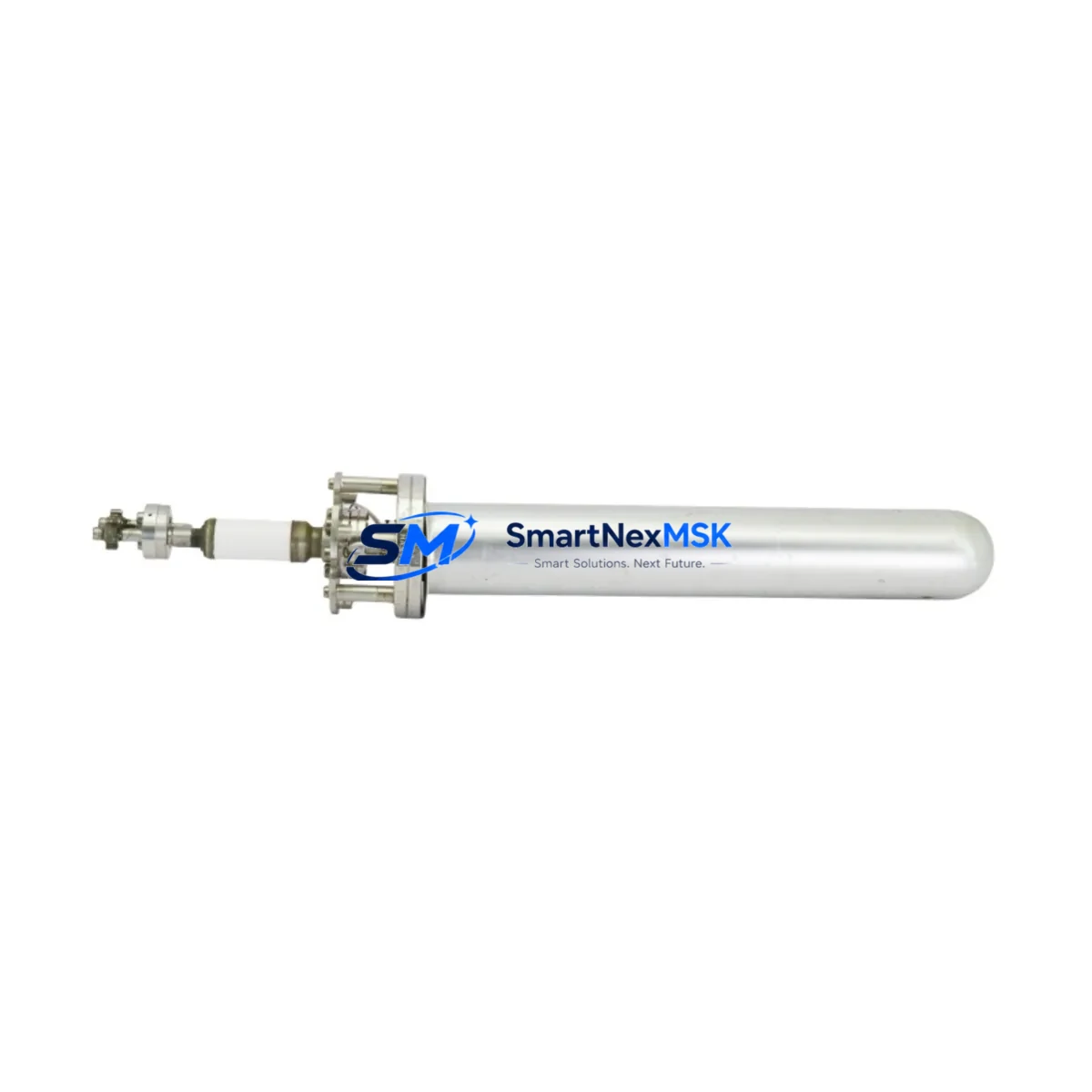
Telemecanique XR2E2-054 PSL HE 50 Spare XR2E2: Precision Spare Parts Replacement for Industrial Downtime Control
The Telemecanique XR2E2-054 PSL HE 50 is an original vacuum probe sensor from the XR2E2 series, engineered for demanding industrial automation environments where measurement accuracy and system uptime are non-negotiable. As a maintenance-ready spare, this unit supports rapid field replacement in pneumatic control circuits, vacuum monitoring systems, and process automation panels — minimizing unplanned downtime and restoring production continuity with confidence.
Sourced as an original Telemecanique component under the Schneider Electric product family, the XR2E2-054 PSL HE 50 is pre-tested prior to shipment and backed by a 12-month warranty. Whether you are managing a planned overhaul, responding to an emergency fault, or building a strategic spare parts inventory for aging XR2E2-series installations, this unit delivers verified compatibility and long-term supply assurance.
Spare Maintenance Table
| Parameter | Specification |
|---|---|
| Part Number / SKU | XR2E2-054 PSL HE 50 |
| Brand | Telemecanique (Schneider Electric) |
| Series | XR2E2 |
| Product Type | Vacuum Probe Sensor |
| Function | Vacuum level detection and monitoring in pneumatic/process circuits |
| Compatibility | XR2E2 series vacuum sensor assemblies; Telemecanique pneumatic control panels |
| Origin | Germany (DE) |
| Application Environment | Industrial automation, process control, machine tool panels, packaging lines |
| Installation | Direct replacement for existing XR2E2-054 PSL HE 50 installations; no modification required |
| Maintenance Recommendation | Inspect probe tip, sealing, and vacuum port integrity at each planned maintenance interval |
| Pre-Shipment Testing | Yes — functional and electrical verification before dispatch |
| Warranty | 12 Months |
| Supply Lead Time | In-stock; fast dispatch available |
Maintenance Planning for Continuous Operation
When replacing the XR2E2-054 PSL HE 50 in the field, a thorough inspection of the surrounding control circuit is essential to prevent repeat failures and ensure system integrity. Maintenance engineers should treat this replacement as an opportunity to audit the full vacuum sensing loop and associated electrical infrastructure.
Begin by verifying the 24 VDC or 110/220 VAC power supply module feeding the sensor circuit — voltage fluctuations or ripple can degrade sensor response and shorten service life. Check the terminal blocks and wiring harness connected to the XR2E2 probe for signs of oxidation, loose crimps, or insulation breakdown, particularly in high-vibration or high-humidity environments.
Inspect the input module of the associated PLC or DCS controller — commonly a Telemecanique Modicon TSX or Schneider Electric Quantum/Premium series I/O card — to confirm the discrete input channel receiving the vacuum signal is functioning correctly. A faulty I/O channel can mask a healthy sensor or generate false fault codes. If the installation includes a signal isolator or signal conditioner between the sensor and the controller input, verify its output range and calibration before commissioning the new probe.
For panels using intermediate relay modules (such as Telemecanique RXM or RSB series relays) to amplify or route the vacuum sensor signal, inspect coil resistance and contact condition. Worn relay contacts are a common source of intermittent vacuum fault alarms that are incorrectly attributed to the sensor itself.
If the system includes a Magelis HMI or similar operator panel displaying vacuum status, confirm that the tag mapping and alarm threshold configuration remain valid after sensor replacement. Recalibrate alarm setpoints if the new sensor exhibits slightly different response characteristics at the operating vacuum range.
For installations with Profibus DP, CANopen, or Modbus RTU communication modules in the same control cabinet, verify that the communication bus is not affected by the maintenance intervention — particularly if the sensor is wired through a distributed I/O node. Check fuse holders and miniature circuit breakers protecting the sensor supply circuit; replace any fuses showing signs of thermal stress or discoloration.
Finally, review the backplane or DIN rail mounting integrity of the control cabinet. Loose backplane connections or corroded DIN rail contacts can introduce ground loops that affect sensor accuracy. A complete cabinet inspection during planned downtime significantly reduces the risk of secondary failures after the XR2E2-054 PSL HE 50 is restored to service.
Site Replacement Workflow
Step 1 — Isolation: De-energize the control panel and isolate the vacuum circuit. Lock out / tag out (LOTO) per site safety procedures. Confirm zero-energy state with a calibrated voltage tester.
Step 2 — Documentation: Photograph existing wiring connections and record terminal assignments before disconnecting the old XR2E2-054 PSL HE 50. Cross-reference with the original panel schematic to confirm wire routing.
Step 3 — Removal: Disconnect signal and supply wiring from the sensor terminals. Unscrew the probe from the vacuum port, taking care not to damage the port thread or sealing surface. Inspect the port for debris or corrosion.
Step 4 — Installation: Thread the replacement XR2E2-054 PSL HE 50 into the vacuum port using the correct torque specification. Reconnect wiring per the documented terminal assignments. Verify polarity and shielding continuity.
Step 5 — Commissioning: Re-energize the circuit and confirm the sensor output at the PLC/DCS input channel. Apply a known vacuum reference to verify the sensor response against the expected setpoint. Clear any latched fault codes at the HMI or controller.
Step 6 — Documentation & Handover: Record the replacement date, new unit serial number, and commissioning test results in the maintenance log. Update the spare parts inventory to reflect stock consumption and trigger a reorder if buffer stock falls below the minimum threshold.
This workflow supports a direct, like-for-like replacement of legacy XR2E2-series sensors without requiring system reconfiguration, preserving full compatibility with existing Telemecanique and Schneider Electric control architectures.
Spare Parts Support FAQ
Q1: Is the XR2E2-054 PSL HE 50 a direct replacement for older XR2E2 series vacuum sensors?
Yes. The XR2E2-054 PSL HE 50 is a direct, form-fit-function replacement for existing XR2E2 series installations. No wiring modification or parameter reconfiguration is required in standard applications. Confirm the vacuum port thread specification and supply voltage match your existing installation before fitting.
Q2: What pre-shipment testing is performed on this unit?
Each XR2E2-054 PSL HE 50 unit undergoes functional verification and electrical continuity testing prior to dispatch. Test records are available upon request. The unit is shipped in protective packaging to prevent transit damage to the probe tip and connector.
Q3: How should this spare be stored in a maintenance inventory?
Store in a dry, temperature-controlled environment away from direct sunlight and electromagnetic interference sources. Keep in original packaging until installation. Recommended storage temperature: 0°C to +40°C. Inspect the unit annually if held in long-term stock and rotate inventory on a first-in, first-out basis.
Q4: What does the 12-month warranty cover?
The 12-month warranty covers manufacturing defects and functional failures under normal operating conditions. It does not cover damage resulting from incorrect installation, overvoltage, mechanical impact, or use outside the specified operating parameters. Warranty claims are supported with proof of purchase and a fault description. Contact our technical team for RMA processing.
© 2026 SMARTNEXMSK. All rights reserved.
Original Source: https://smartnexmsk.com
Contact: [email protected] | +86 18259474341