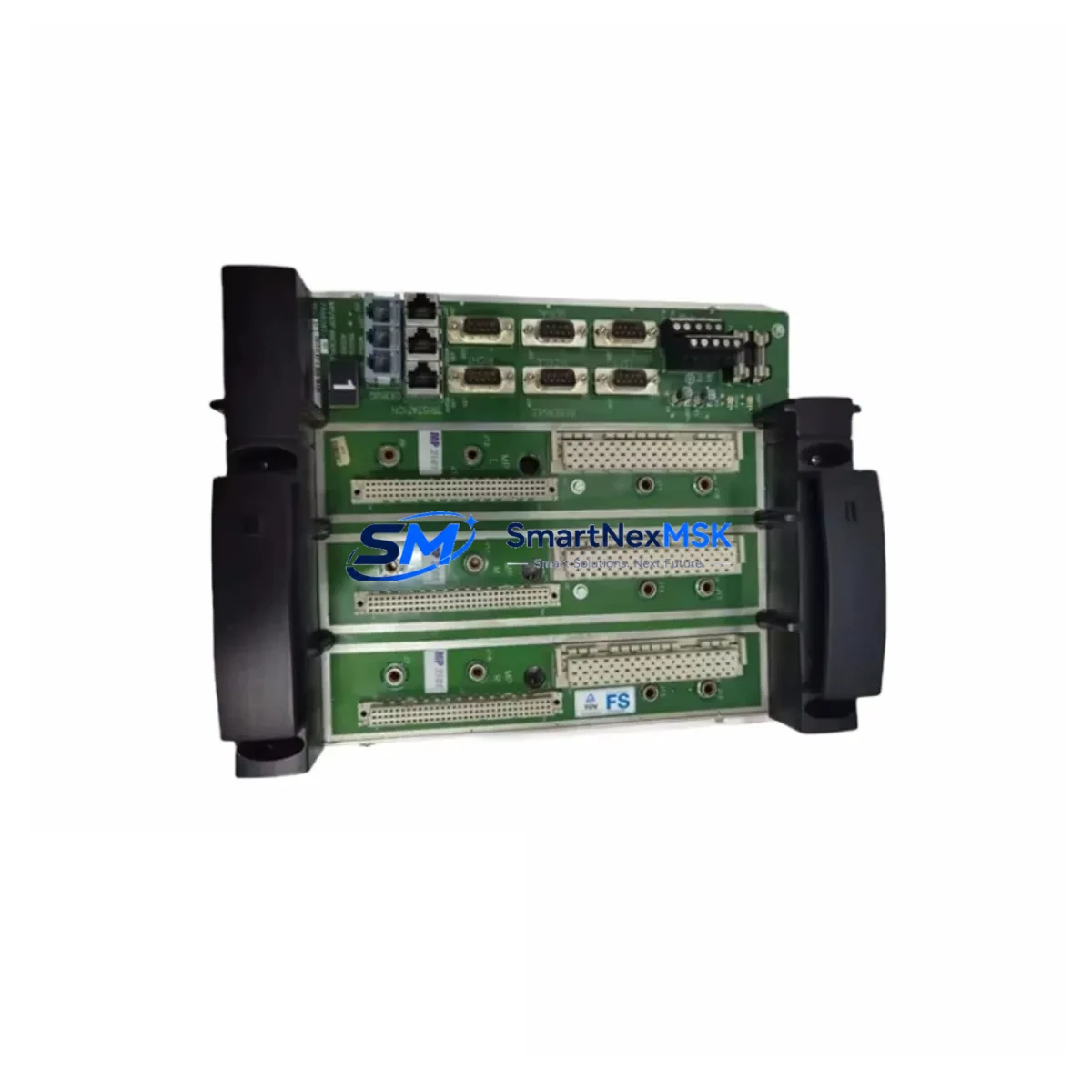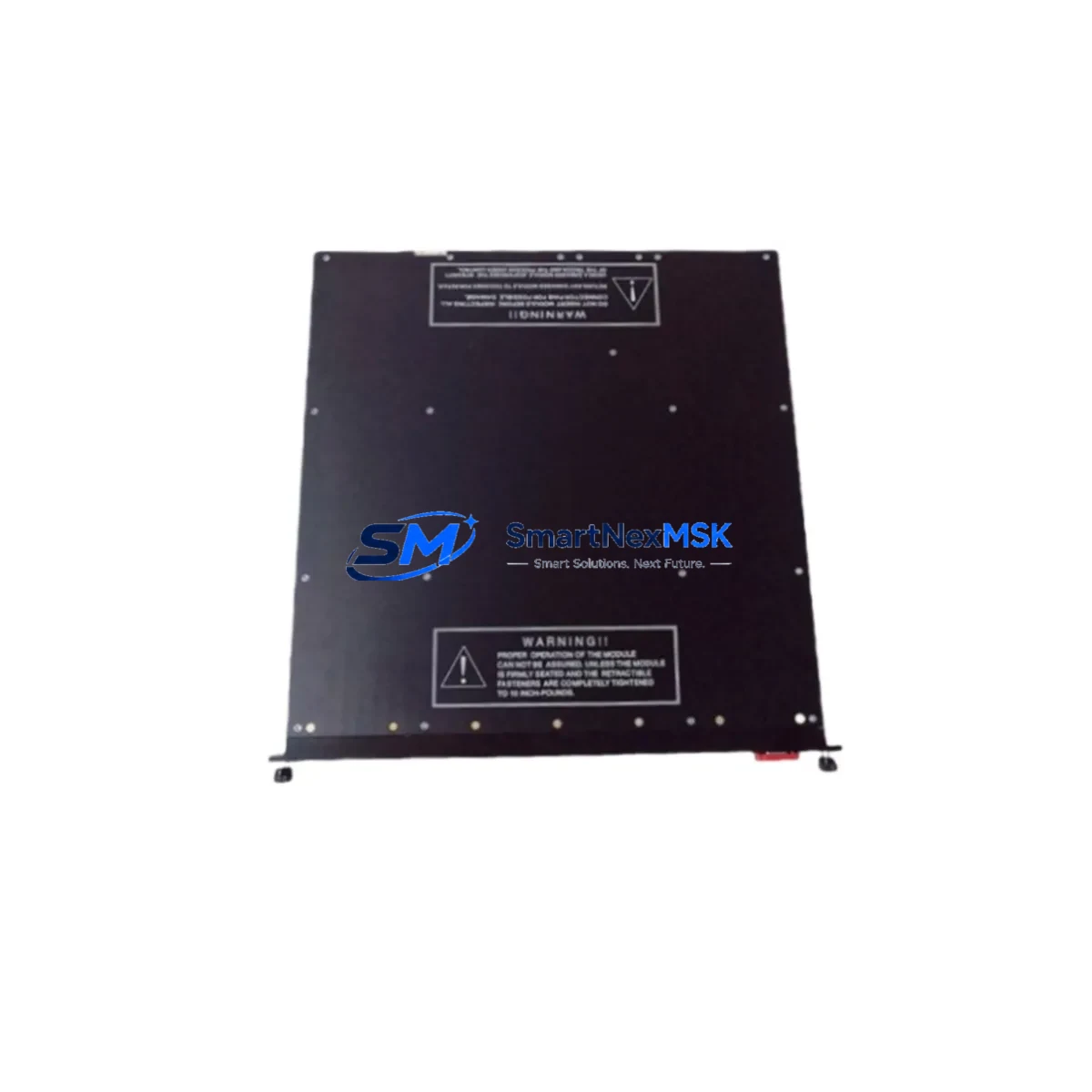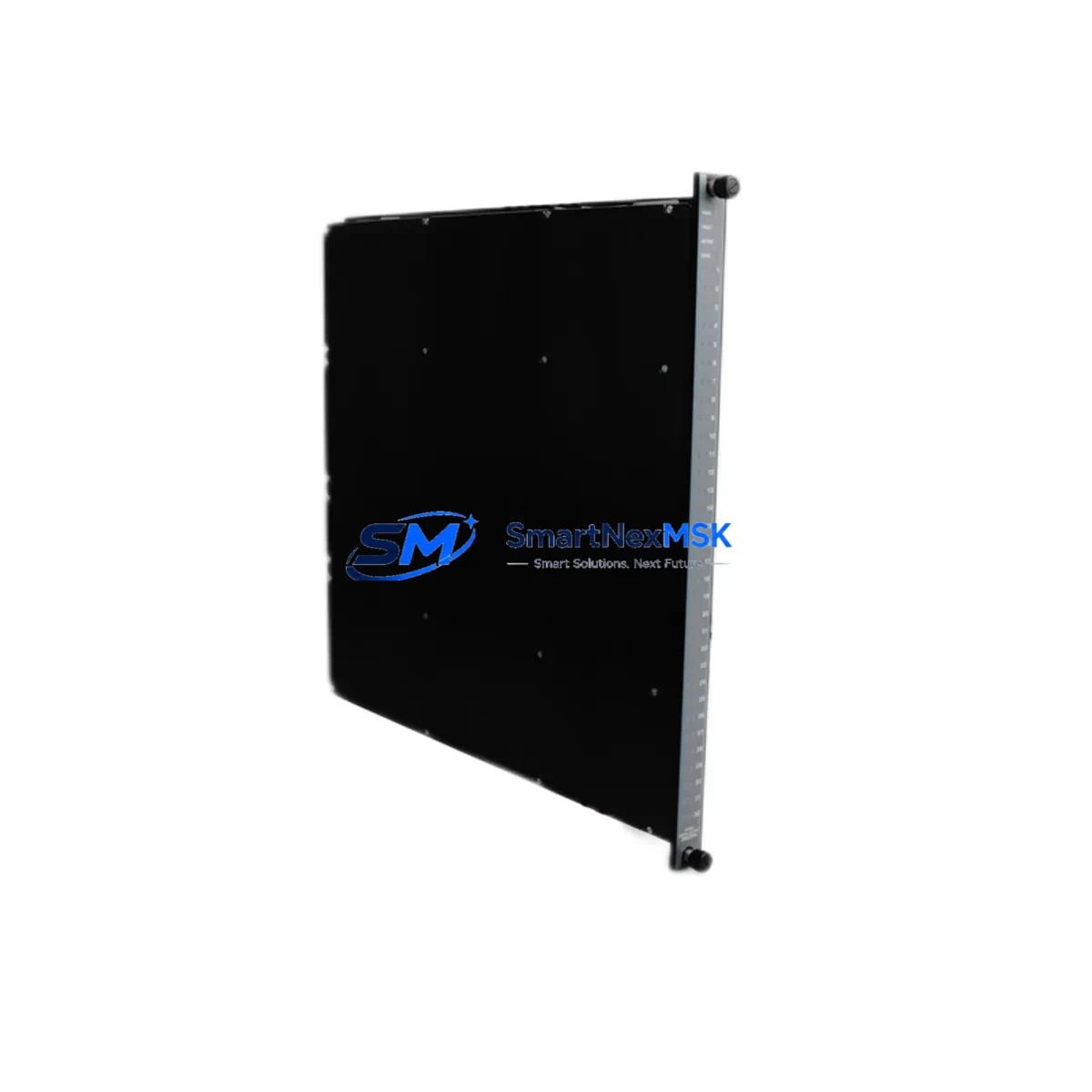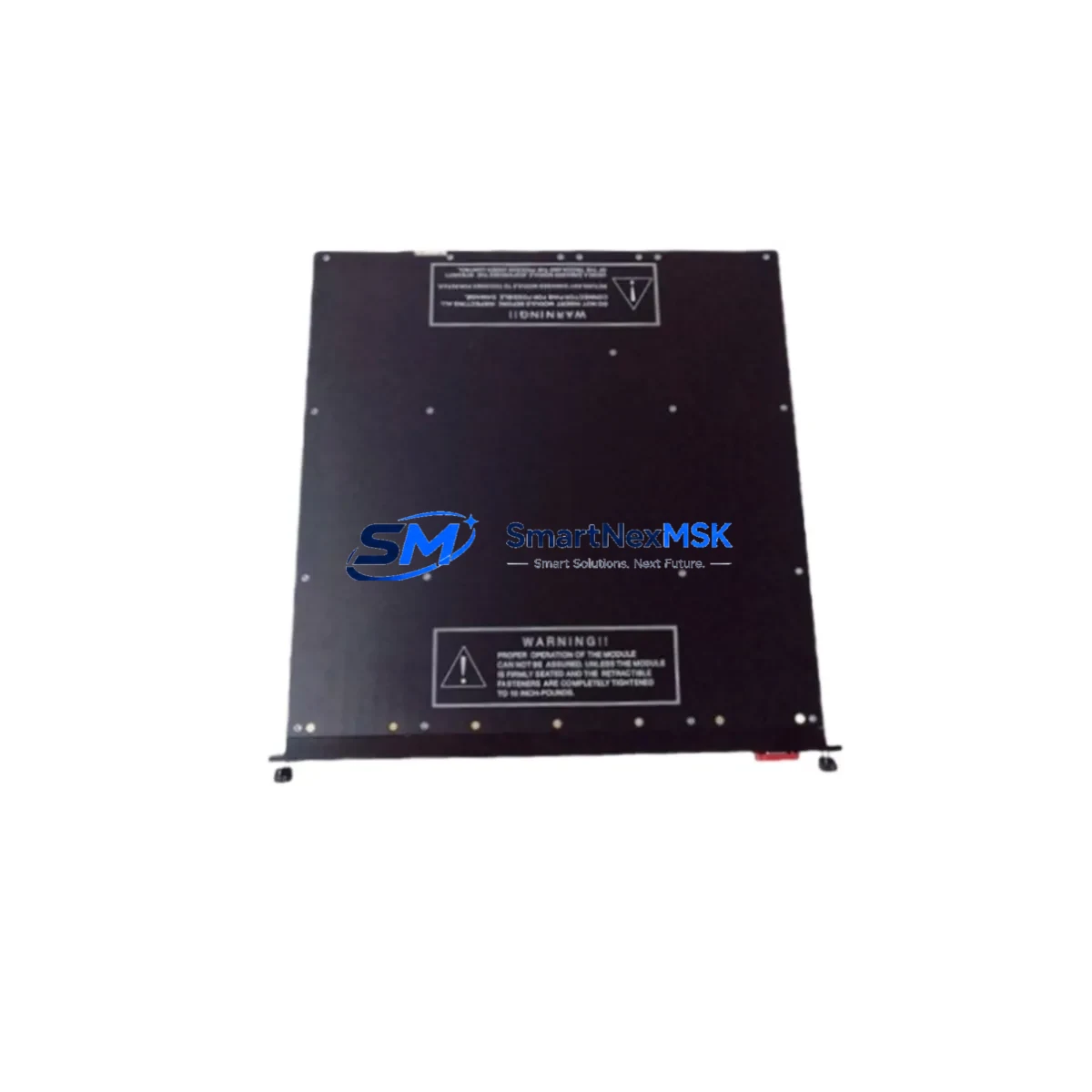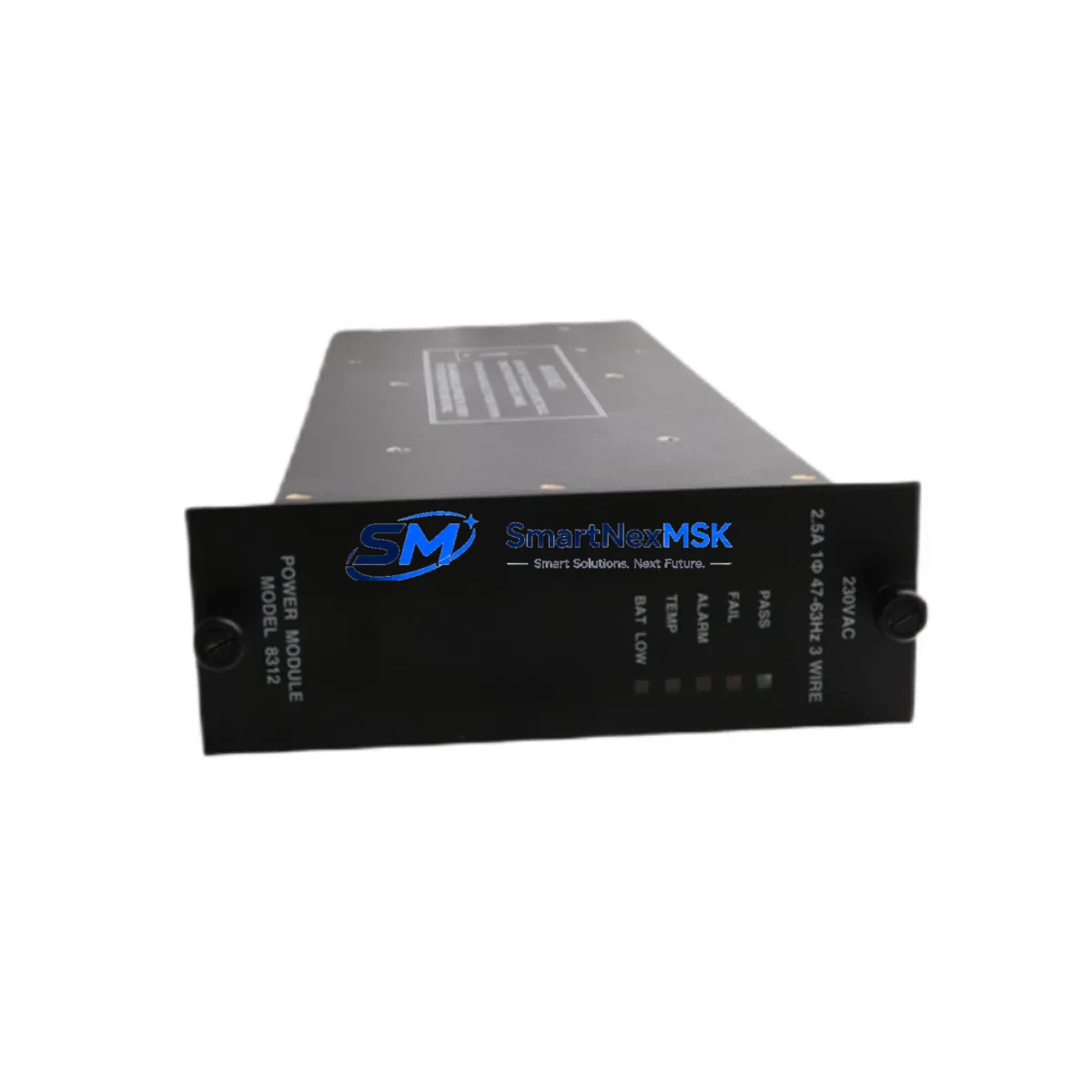
TRICONEX 8312 Retrofit-Ready Power Supply for Tricon TMR Control Systems
The TRICONEX 8312 is a proven retrofit-ready power supply module engineered for seamless integration into Tricon TMR (Triple Modular Redundant) safety control systems. As legacy Tricon platforms approach end-of-life and original spare parts become increasingly scarce, the 8312 serves as a critical drop-in replacement that enables plant operators to extend system service life without full DCS migration. Whether you are managing a scheduled turnaround, responding to an unplanned failure, or executing a phased modernization program, the TRICONEX 8312 delivers the electrical performance and form-factor compatibility required to restore and sustain control system integrity.
Sourced from verified supply channels and subject to pre-shipment functional testing, each unit is backed by a 12-month warranty covering manufacturing defects and operational failures under normal service conditions. Our inventory is maintained to support urgent dispatch requirements, with same-day processing available for in-stock orders.
Upgrade Compatibility Table
| Parameter | Details |
|---|---|
| Compatible Platform | Tricon TMR Safety System (v9.x / v10.x / v11.x) |
| Module Type | Power Supply Module |
| Chassis / Backplane Fit | Standard Tricon main chassis; compatible with 7-slot and 15-slot backplanes |
| Installation Requirement | Hot-swap capable; no chassis power-down required in redundant configurations |
| Communication Compatibility | Transparent to Tribus backplane communication; no protocol reconfiguration required |
| Replacement Recommendation | Direct replacement for legacy 8310 / 8311 series power supply modules |
| Commissioning Notes | Verify LED status indicators post-insertion; confirm redundancy voting via TriStation 1131 |
| Warranty | 12 Months — covers manufacturing defects and operational failures under normal use |
Retrofit Planning for Existing Automation Systems
Successful integration of the TRICONEX 8312 into an existing control architecture requires a structured pre-installation review. Engineers should begin by auditing the current power budget across the chassis. In a fully loaded Tricon main chassis — populated with modules such as the TRICONEX 3703E digital input module, TRICONEX 3805E analog input module, and TRICONEX 3625 digital output module — the aggregate draw must remain within the 8312’s rated output capacity. Exceeding this threshold risks nuisance trips or degraded TMR voting performance.
Terminal wiring compatibility is the next critical checkpoint. The 8312 uses the same AC input terminal block arrangement as its predecessors, but field engineers should verify wire gauge, torque specifications, and grounding continuity before energizing. Where the existing installation uses a TRICONEX 8110 or 8120 main chassis, confirm that the backplane connector pins are free of oxidation or mechanical damage that could impair the module’s power rail connections.
For sites running the TRICONEX 4351B communication module or the TRICONEX 4119A Modbus/TCP interface, no changes to the communication stack are required — the 8312 is electrically transparent to the Tribus backplane and does not affect network addressing or protocol behavior. Similarly, installations using the TRICONEX 3008 main processor module will not require any TriStation 1131 program modifications following a power supply swap.
Where the retrofit scope extends beyond a single module replacement — for example, when upgrading an entire control cabinet from a Tricon v9 to a Tricon v11 architecture — the 8312 is typically deployed alongside updated I/O modules and a refreshed TRICONEX 3006 or 3007 main processor. In these scenarios, engineers should prepare a full I/O mapping document, verify HMI tag assignments in the SCADA layer, and confirm that any third-party programming cable (such as the TriStation USB or RS-232 cable) is compatible with the updated firmware baseline before commencing loop checks.
Panel builders and system integrators executing control cabinet upgrades should also account for the physical clearance requirements around the 8312 for adequate convective cooling, particularly in high-ambient-temperature environments such as offshore platforms or tropical process facilities.
Downtime Control During System Migration
Minimizing unplanned downtime is the primary operational concern when replacing power supply modules in a live TMR safety system. The TRICONEX 8312 supports hot-swap replacement in fully redundant dual-power-supply configurations, allowing the failed or degraded unit to be extracted and the replacement inserted without interrupting the control loop or triggering a safety shutdown. This capability is contingent on the second power supply module being fully operational and carrying the chassis load prior to the swap.
Before initiating the replacement, operators should capture a full diagnostic snapshot from TriStation 1131, documenting the current fault log, module health status, and any active alarms. This baseline record is essential for post-swap verification and for demonstrating to the site safety authority that the TMR voting logic was not compromised during the maintenance window.
Original program logic — including all function block configurations, cause-and-effect matrices, and interlock setpoints — is stored in the main processor module and is unaffected by a power supply replacement. There is no requirement to reload or re-download the application program following the 8312 installation. HMI screens connected via OPC or Modbus will continue to display live process data throughout the swap, provided the communication modules remain powered and the network links are intact.
For sites where redundant power supply slots are not available, a planned brief outage window should be scheduled during a low-risk production period. In this case, a coordinated bypass procedure — reviewed and approved by the site process safety team — should be in place before the module is removed. Post-installation, a structured loop check and TMR voter verification sequence should be completed before returning the system to automatic control.
Retrofit Support FAQ
Q1: Is the TRICONEX 8312 a direct replacement for the 8310 and 8311 power supply modules?
Yes. The 8312 is mechanically and electrically compatible with the 8310 and 8311 in standard Tricon TMR chassis configurations. No backplane modifications or wiring changes are required for a like-for-like swap. Confirm firmware revision compatibility via the module label before installation.
Q2: What commissioning steps are required after installing the 8312?
After insertion, observe the module’s front-panel LED indicators to confirm normal power status. Connect to the system via TriStation 1131 and verify that the module is recognized by the main processor, that no new faults are logged, and that the TMR voting status returns to the expected three-leg healthy state. No program download is required.
Q3: How is wiring compatibility verified before installation?
Review the existing terminal block wiring against the 8312 installation drawing. Confirm input voltage range (AC or DC as applicable), wire gauge, and grounding conductor continuity. Check terminal torque values against the manufacturer specification. If the existing wiring uses ferrules, inspect for crimping integrity before re-termination.
Q4: What does the 12-month warranty cover, and what is the process for a warranty claim?
The 12-month warranty covers manufacturing defects and operational failures arising under normal operating conditions within the rated environmental and electrical specifications. It does not cover damage resulting from incorrect installation, overvoltage events, or physical mishandling. To initiate a warranty claim, contact our technical support team with the module serial number, purchase order reference, and a description of the observed fault. Replacement or repair will be coordinated within the agreed service lead time.
© 2026 SMARTNEXMSK. All rights reserved.
Original Source: https://smartnexmsk.com
Contact: [email protected] | +86 18259474341