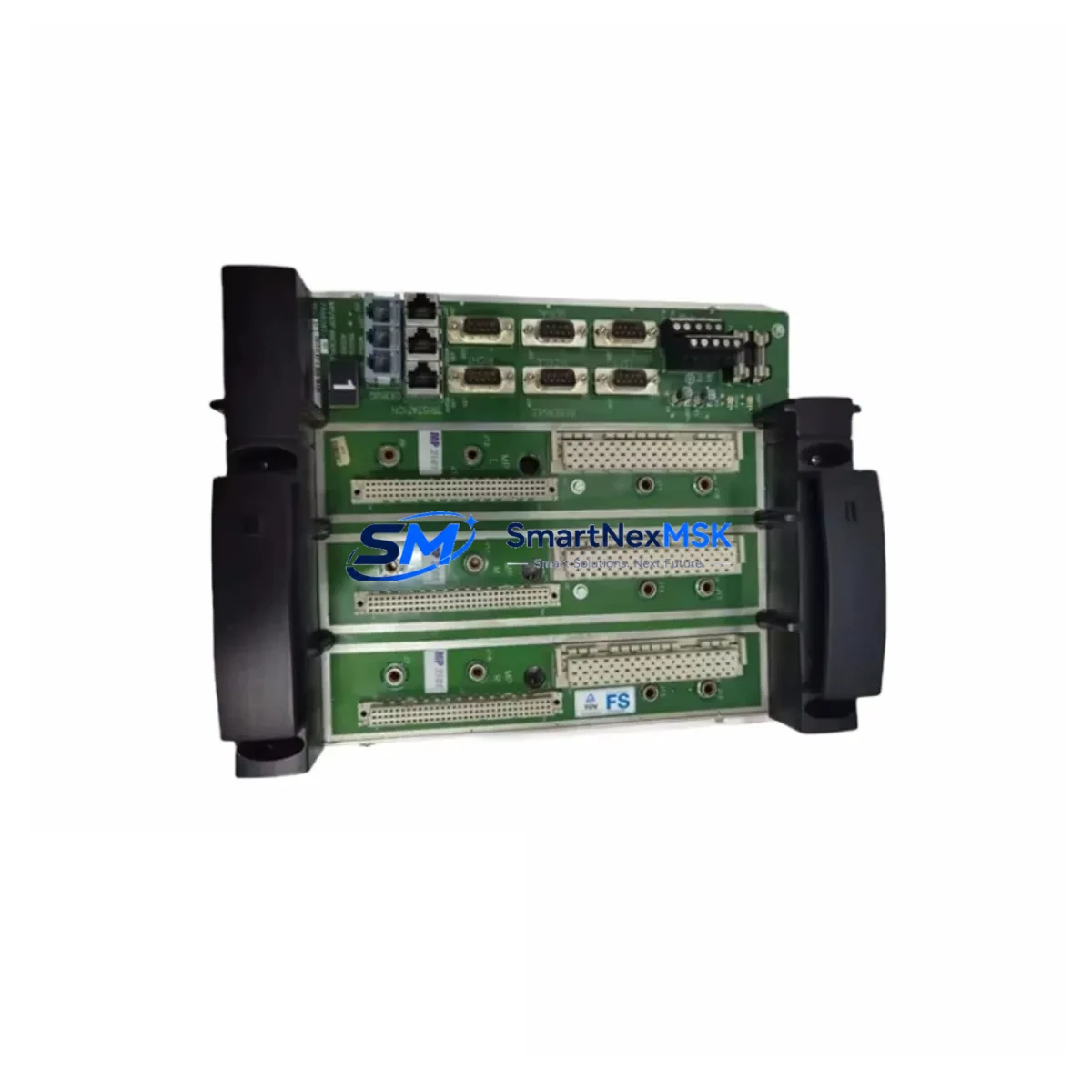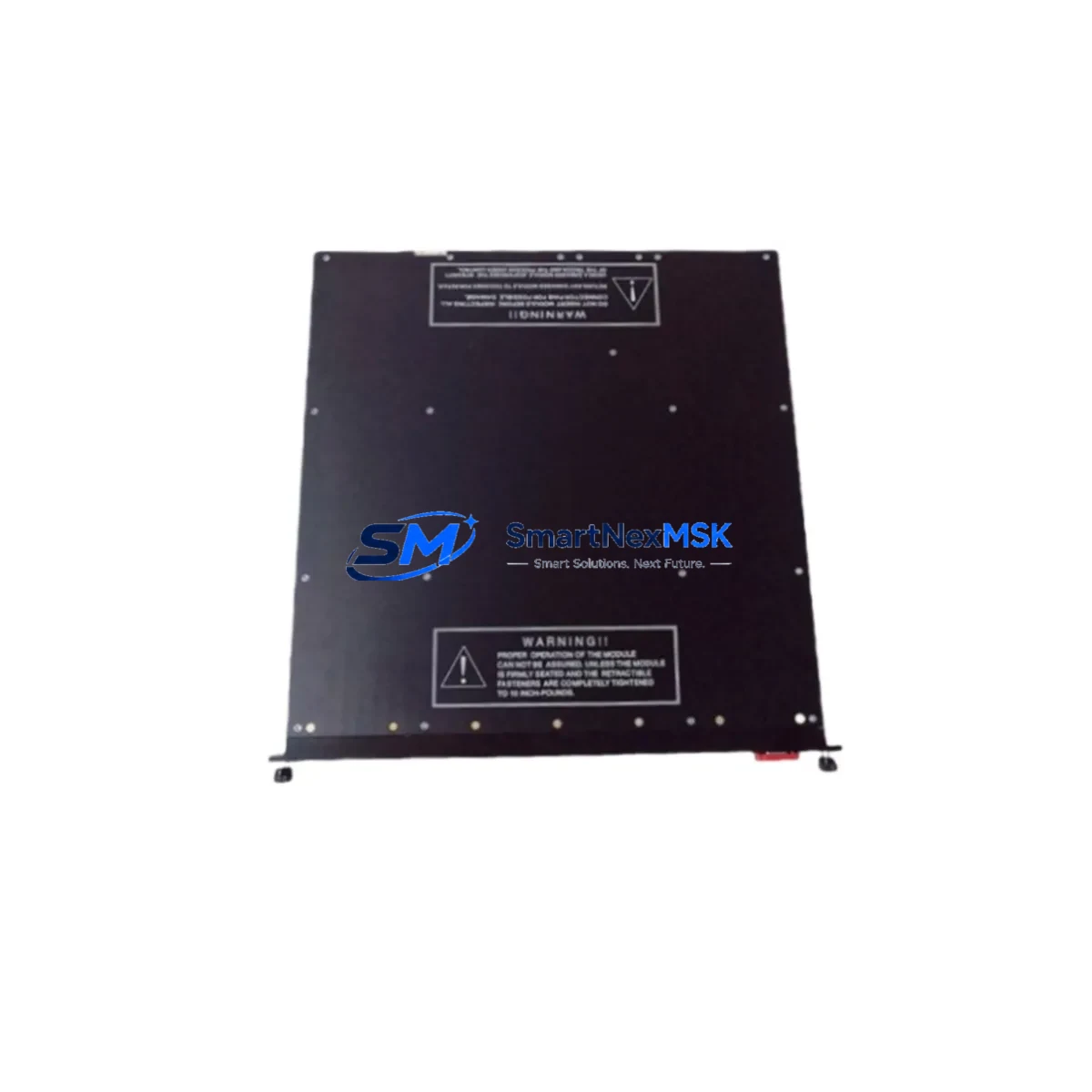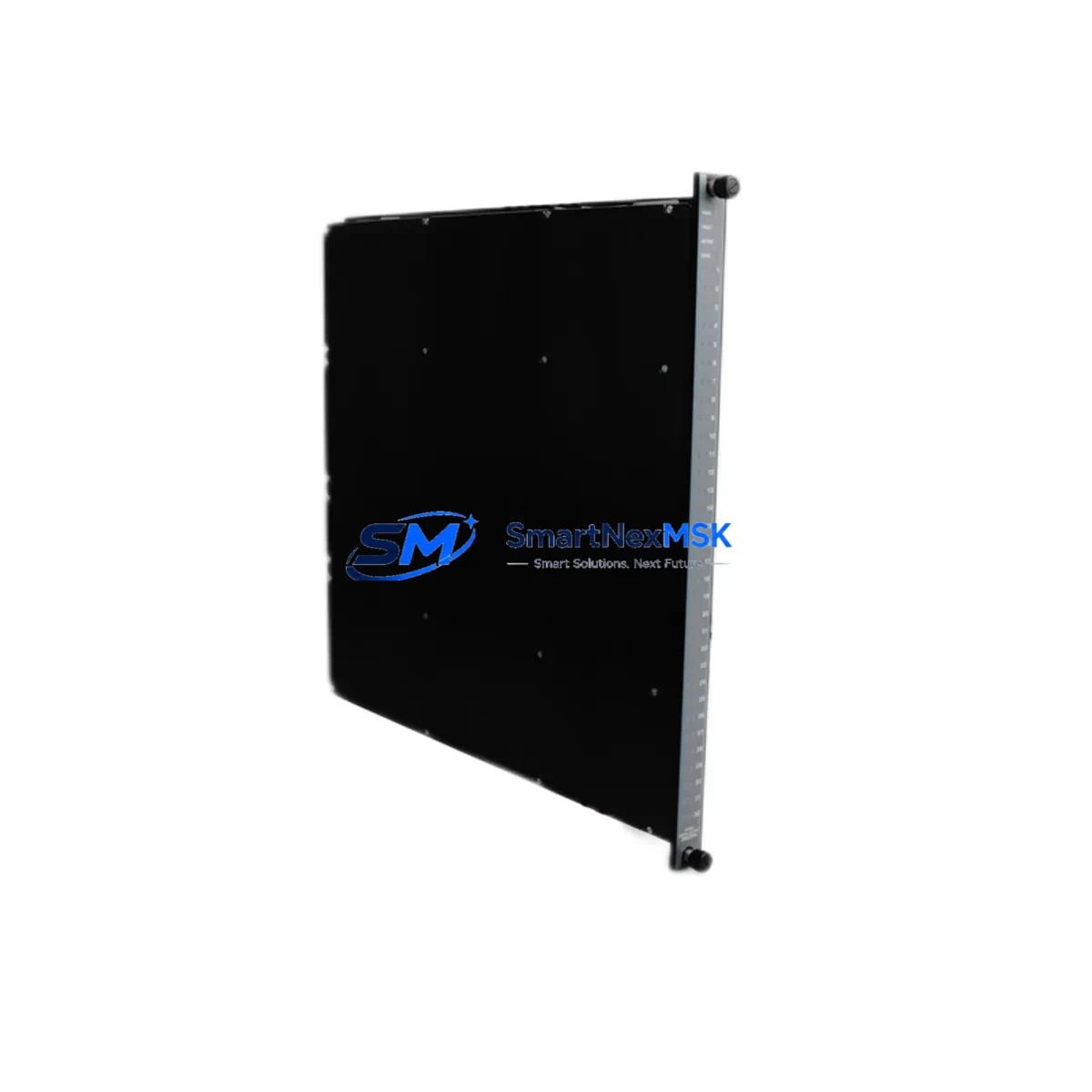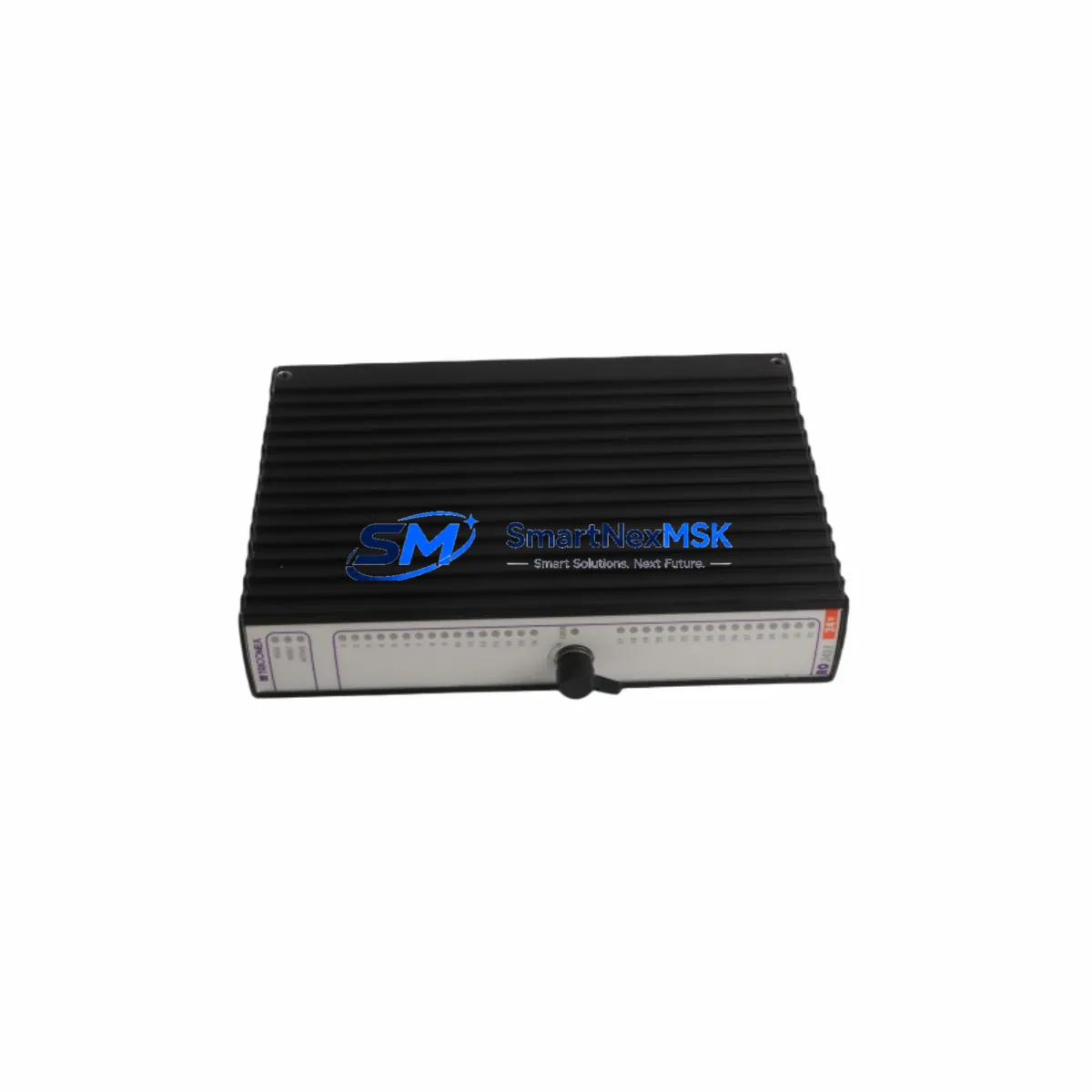
Triconex 3451 Retrofit-Ready Safety Digital I/O Module for Tricon TMR Control Systems
The Triconex 3451 is a Safety Digital I/O Module engineered for seamless integration into Tricon Triple Modular Redundant (TMR) control systems operating under SIL 3 safety integrity requirements. As legacy Tricon platforms approach end-of-life and original spare parts become increasingly scarce, the 3451 serves as a critical retrofit and replacement component for facilities managing aging safety instrumented systems (SIS) in oil & gas, petrochemical, power generation, and chemical processing environments.
Whether you are executing a planned turnaround, responding to an unplanned module failure, or undertaking a phased control system modernization, the Triconex 3451 provides a verified drop-in replacement path that preserves your existing Tricon chassis architecture, backplane wiring, and TriStation 1131 application logic without requiring a full system migration.
Upgrade Compatibility Table
| Parameter | Details |
|---|---|
| Compatible Platform | Triconex Tricon TMR (Triple Modular Redundant) |
| Safety Integrity Level | SIL 3 (IEC 61511 / IEC 61508) |
| Module Type | Safety Digital I/O Module |
| Backplane Interface | Tricon standard backplane slot — direct replacement, no adapter required |
| Installation Requirement | Fits standard Tricon main chassis; verify slot addressing in TriStation 1131 |
| Communication Compatibility | Compatible with Tricon communication modules including TCM (Triconex Communication Module) and peer-to-peer Tricon links |
| Replacement Recommendation | Direct replacement for failed or end-of-life 3451 modules; verify I/O channel mapping before hot-swap |
| Commissioning Focus | Confirm module address, I/O channel assignment, and diagnostic bypass status in TriStation 1131 before energizing |
| Warranty | 12-Month Warranty — covers manufacturing defects and functional failures under normal operating conditions |
| Pre-Shipment Testing | Full functional test performed prior to dispatch; test report available on request |
Retrofit Planning for Existing Automation Systems
Successful integration of the Triconex 3451 into an existing Tricon TMR system begins well before the module arrives on site. A structured retrofit plan should address power budget verification across the Tricon main chassis — the 3451 draws regulated DC power from the chassis Power Supply Module (PSM), and any retrofit involving multiple simultaneous I/O replacements must confirm that the installed PSM has sufficient headroom to support the updated load profile. Where two PSMs are installed in a redundant configuration, verify that either unit alone can sustain the full chassis load during a PSM switchover event.
Terminal wiring is a frequent source of commissioning delays. Field wiring connected to the 3451’s I/O terminals should be documented against the original loop drawings before removal. Where terminal blocks have been modified or relabeled over years of plant operation, a point-to-point continuity check against the as-built drawings is strongly recommended. If the existing field termination assembly (FTA) or marshalling panel uses a dedicated Triconex FTA board, confirm that the FTA model is compatible with the 3451’s channel configuration and signal type (discrete input or output). In facilities where the FTA has been replaced with a third-party terminal block assembly, verify that the wiring pinout matches the 3451’s connector layout before energizing field circuits.
Backplane slot assignment is critical in Tricon TMR architecture. The 3451 must be installed in the correct chassis slot as defined in the TriStation 1131 project configuration. Slot mismatches will cause the Tricon Main Processor Module (MPM) to flag a configuration fault and may prevent the system from entering the RUN state. Before physical installation, export the current TriStation 1131 project and verify the slot-to-module mapping in the hardware configuration tree. If the retrofit scope includes adding a Tricon Expansion Chassis connected via the High-Speed Data Link (HSDL) module, update the chassis topology in the TriStation 1131 hardware configuration before downloading the revised project.
For facilities running Modbus RTU or Modbus TCP communication between the Tricon system and a distributed control system (DCS) or SCADA platform, confirm that the Triconex Communication Module (TCM) configuration does not require re-mapping after the I/O module replacement. In most cases, the TCM register map is tied to the application logic rather than the physical module slot, but this should be validated against the existing communication driver configuration on the DCS side — particularly if the DCS is a third-party platform interfacing via an OPC server or serial gateway. For plants using the Triconex Enhanced Intelligent Communication Module (EICM) for peer-to-peer Tricon links, verify that the EICM firmware version is compatible with the 3451 revision level installed.
HMI screen updates are often overlooked during I/O module retrofits. If the plant HMI displays individual channel status or diagnostic alarms sourced from the 3451’s I/O points, verify that the HMI tag database correctly references the updated logic addresses after any TriStation 1131 project changes. This is especially relevant when the retrofit involves a slot reassignment or a channel remapping to accommodate wiring changes. For systems where the HMI communicates with the Tricon via a dedicated TriStation programming cable or a serial communication link, confirm that the communication path remains intact after the module replacement and that the HMI polling cycle does not generate spurious alarms during the commissioning window.
For larger retrofit scopes involving multiple Tricon chassis or the addition of expansion I/O, the 3451 replacement should be sequenced to minimize the number of chassis simultaneously in a degraded state. Coordinate with the safety system vendor’s field service team if the plant’s Safety Management System (SMS) requires a formal Management of Change (MOC) approval before any SIS hardware modification. Ensure that a TriStation 1131-compatible programming laptop with the correct software version and a valid project backup is available on site throughout the retrofit window.
Downtime Control During System Migration
The Tricon TMR architecture is specifically designed to support online module replacement under defined conditions, which is a key advantage when planning a 3451 retrofit during live plant operation. Before initiating a hot-swap, confirm with the TriStation 1131 diagnostic panel that all three legs (Leg A, Leg B, Leg C) of the affected I/O module are in a healthy voting state. Replacing a module while one leg is already in a faulted or bypassed condition reduces the system to a simplex configuration during the swap window and may not be acceptable under the plant’s SIS operating procedures.
To minimize exposure time, prepare the replacement 3451 module, all required tools, and the updated TriStation 1131 project file (if applicable) before opening the chassis. The Tricon Main Processor Module continuously monitors module insertion and will initiate an automatic diagnostic cycle upon detecting the new 3451. This cycle typically completes within seconds, after which the module enters the voting loop and the system returns to full TMR redundancy.
Preserve the original application logic by maintaining a version-controlled backup of the TriStation 1131 project prior to any hardware change. If the retrofit requires a project download to update the hardware configuration, schedule the download during a planned maintenance window and coordinate with the control room operator to ensure that all critical process interlocks are in a safe state or have been manually bypassed through the approved SIS bypass management procedure. After the download and module commissioning, perform a full I/O channel verification — energize each field device and confirm that the 3451’s channel status indicators and the TriStation 1131 diagnostic display agree with the expected field signal states before releasing the system back to automatic control.
Retrofit Support FAQ
Q1: Is the Triconex 3451 a direct drop-in replacement for the original module?
Yes. The 3451 is designed to fit the standard Tricon TMR backplane slot without mechanical modification. Verify the slot address in TriStation 1131 and confirm field wiring polarity before installation. No firmware update is required in most retrofit scenarios, but always cross-reference the module revision level against the TriStation 1131 project’s hardware library version.
Q2: What pre-shipment testing is performed on the 3451?
Each Triconex 3451 unit undergoes a full functional test prior to dispatch, including I/O channel continuity verification, power-on self-test (POST) validation, and backplane interface check. A test report is available upon request. All units are covered by a 12-month warranty against manufacturing defects and functional failures under normal operating conditions.
Q3: Can the 3451 be installed while the Tricon system is online?
Online replacement is supported by the Tricon TMR architecture under the condition that all three legs of the module are healthy prior to the swap. Consult your plant’s SIS operating procedures and the Triconex hardware manual for the specific hot-swap sequence. If any leg is faulted or bypassed, schedule the replacement during a planned shutdown to maintain SIL 3 integrity throughout the procedure.
Q4: What should I verify regarding wiring and communication compatibility before installation?
Confirm field wiring termination against original loop drawings, verify FTA board compatibility, and check that the Triconex Communication Module (TCM) register map does not require re-mapping. For systems interfacing with a DCS or SCADA via Modbus or OPC, validate the communication driver configuration on the host system side. After installation, perform a full I/O channel verification and confirm HMI tag alignment before returning the system to automatic control.
© 2026 SMARTNEXMSK. All rights reserved.
Original Source: https://smartnexmsk.com
Contact: [email protected] | +86 18259474341