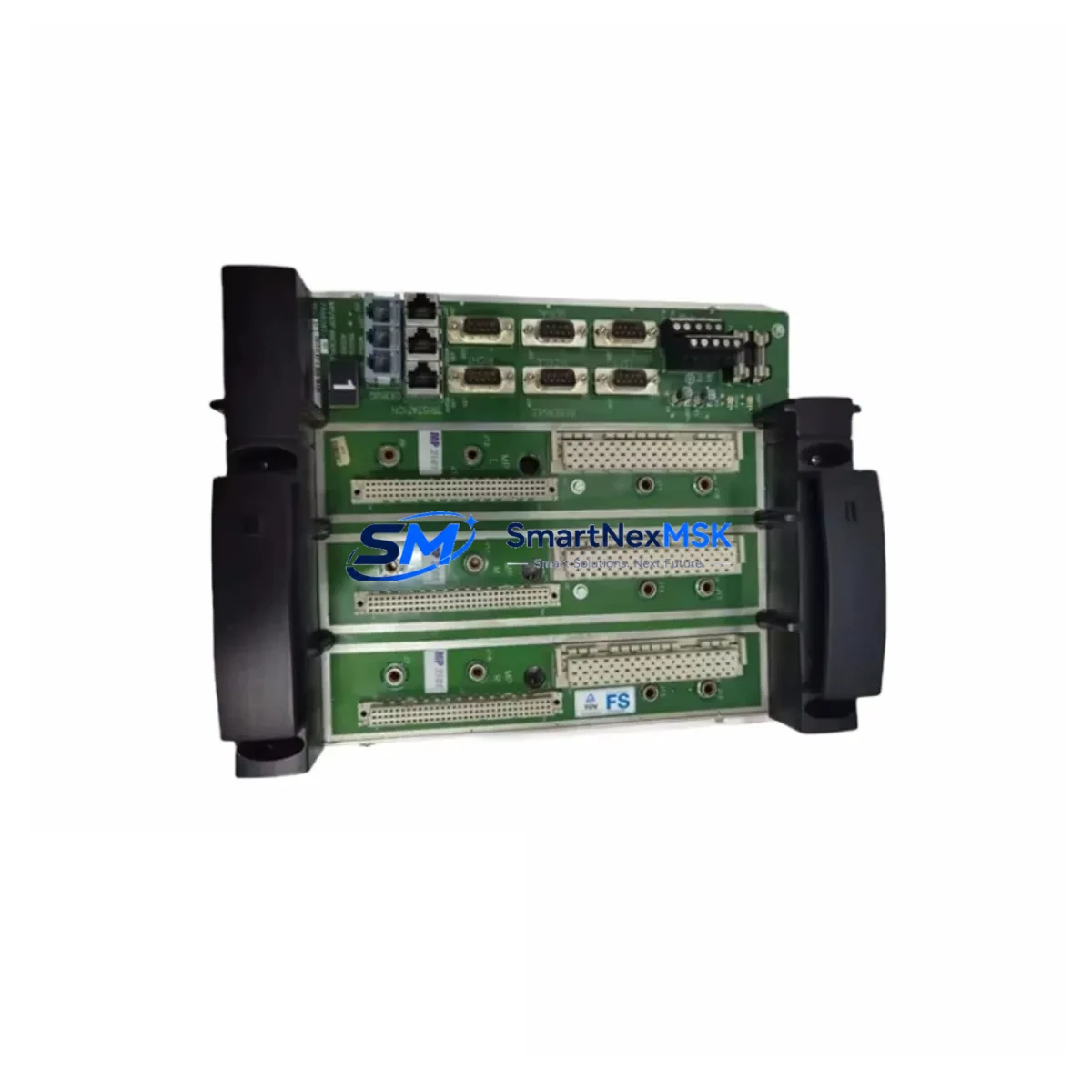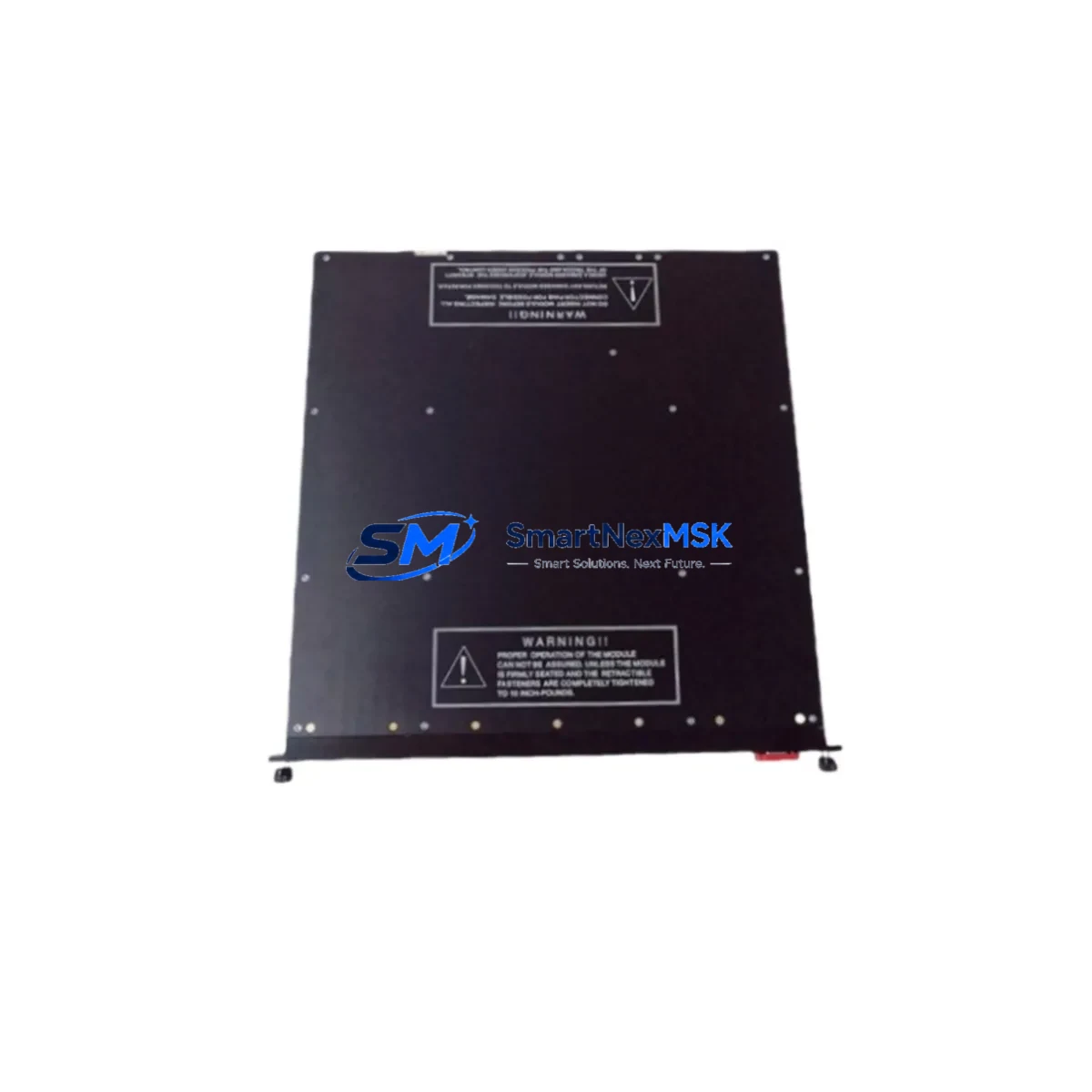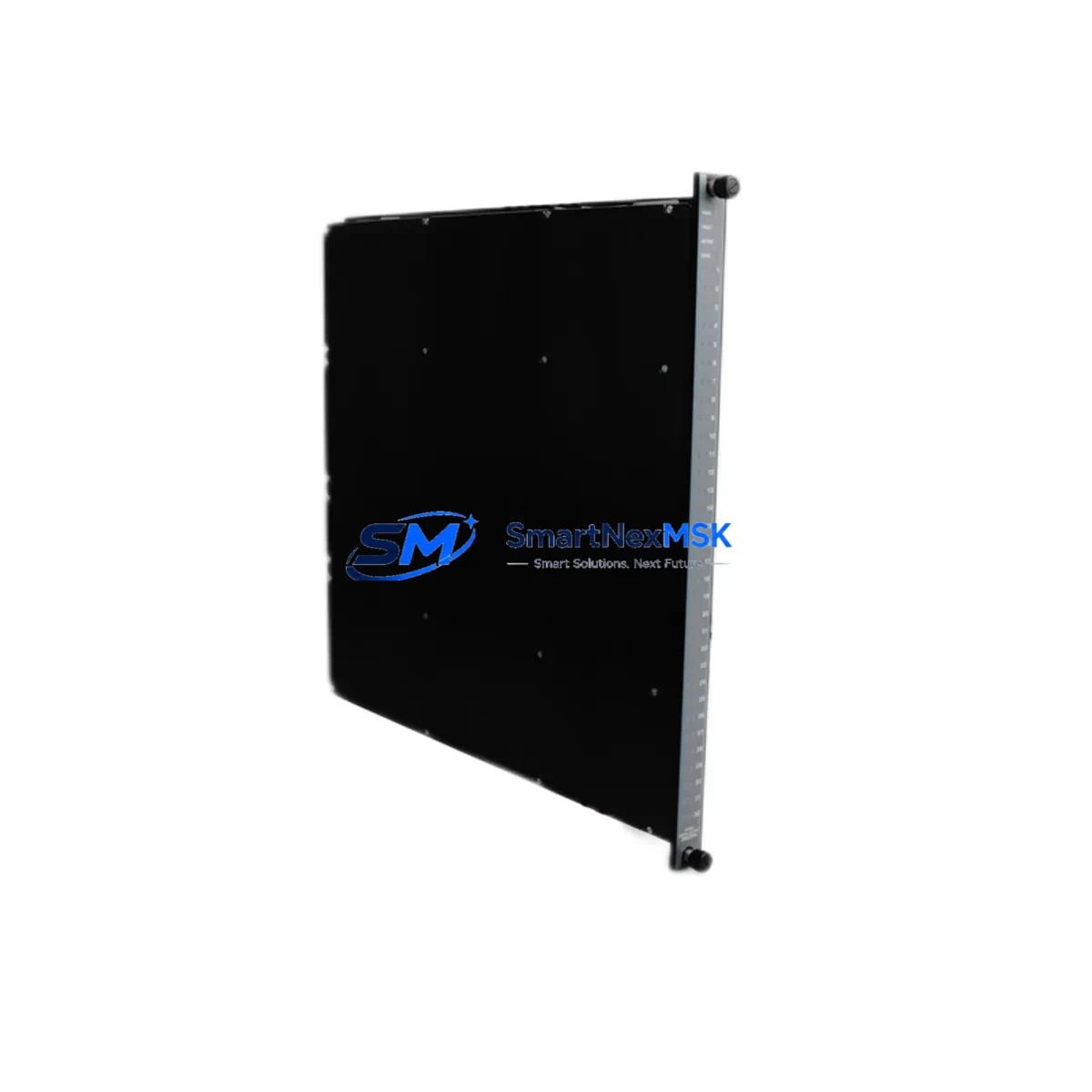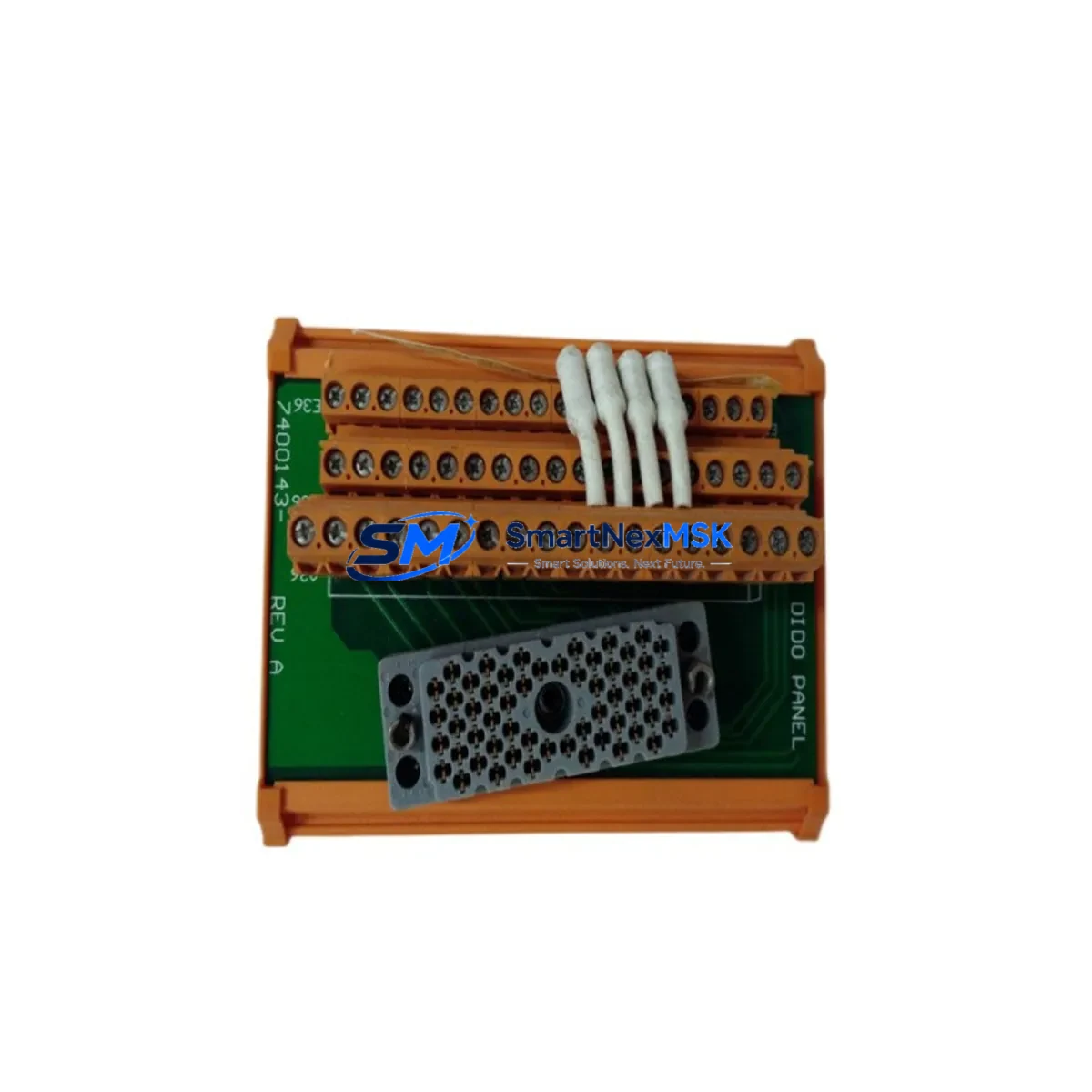
TRICONEX 9853-610 Retrofit-Ready Termination Panel for Tricon TMR Safety Systems
The TRICONEX 9853-610 is a field-proven Termination Panel engineered for seamless integration into Tricon Triple Modular Redundant (TMR) Safety Systems. As legacy Tricon installations age and OEM support windows close, the 9853-610 has become a critical component in plant-wide safety system modernization projects — enabling engineers to extend the operational life of existing control architectures without forcing a full platform migration. Whether you are replacing a failed unit, building a cold-standby spare inventory, or executing a phased safety system upgrade, the 9853-610 delivers the wiring compatibility, backplane interface alignment, and I/O channel density that Tricon-based safety loops demand.
Sourced from verified industrial supply channels and subject to full functional testing prior to shipment, every unit is backed by a 12-month warranty and is available for fast global dispatch from our Hong Kong distribution hub.
Upgrade Compatibility Table
| Parameter | Details |
|---|---|
| Compatible Platform | Tricon TMR Safety System (Triconex) |
| Module Type | Termination Panel |
| Backplane Interface | Compatible with Tricon main chassis backplane slots |
| Wiring Compatibility | Drop-in field wiring retention; no re-termination required in most installations |
| Communication Compatibility | Compatible with TriStation 1131 programming environment and Tricon communication modules |
| Installation Requirement | Standard DIN-rail or panel-mount; verify chassis slot assignment before installation |
| Replacement Recommendation | Direct replacement for failed or end-of-life 9853-610 units in Tricon TMR racks |
| Commissioning Focus | Verify module address, I/O channel mapping, and loop integrity after swap |
| Warranty | 12 months from date of shipment |
Retrofit Planning for Existing Automation Systems
Retrofitting a Tricon TMR safety system requires careful coordination across multiple hardware layers. The 9853-610 Termination Panel interfaces directly with the Tricon main chassis, and its replacement must be planned in conjunction with the broader rack architecture. Engineers should audit the current chassis configuration — including the Tricon 3008 Main Chassis or Tricon 3006 Expander Chassis — to confirm available slot positions and backplane bus compatibility before ordering.
Power budget verification is a mandatory pre-retrofit step. The Tricon Power Supply modules (such as the 8312 or 8310 series) must be confirmed to have sufficient headroom to support the termination panel’s load, particularly in installations where additional I/O modules like the Tricon 3703E Analog Input Module or the Tricon 3805E Digital Output Module have been added during previous expansion cycles. Overloading the power rail is a common cause of intermittent faults in aging Tricon cabinets.
Field wiring connected to the 9853-610 should be documented and photographed before removal. In most Tricon installations, the termination panel uses a plug-in field wiring connector system, which allows the wiring harness to be transferred to the replacement unit without individual wire re-termination — significantly reducing the risk of miswiring and shortening the maintenance window. However, engineers should verify terminal block torque specifications and inspect for any corrosion or insulation degradation on conductors that may have been concealed by the original panel.
Module addressing in the TriStation 1131 programming environment must be reviewed prior to hot-swap or cold-swap procedures. The replacement 9853-610 must occupy the same physical slot as the original to preserve the I/O address map used in the safety application program. Any deviation will require a program modification, re-validation, and potentially a full functional safety assessment under IEC 61511 or IEC 61508 compliance frameworks. Communication links to the Tricon Communication Module (TCM) or the Tricon Enhanced Intelligent Communication Module (EICM) should also be verified to ensure that the safety network — whether running on TriBus, Modbus, or OPC DA — remains uninterrupted during the swap.
For installations that include a Tricon HMI interface via a dedicated operator workstation running TriStation or a third-party SCADA system, engineers should confirm that HMI faceplates and alarm tags referencing I/O points on the 9853-610 remain correctly mapped after the replacement. A post-swap loop check covering all associated analog and digital channels is strongly recommended before returning the safety system to automatic mode.
Downtime Control During System Migration
Minimizing unplanned downtime is the primary operational concern when replacing a Termination Panel in a live Tricon TMR safety system. Because the Tricon architecture is inherently triple-redundant, a single-leg maintenance window can often be executed while the remaining two legs maintain safety coverage — but this must be confirmed with the site’s Functional Safety Engineer and the applicable Safety Instrumented System (SIS) bypass management procedure.
Before initiating the swap, the original application program should be backed up from the TriStation 1131 project database and stored on a secure offline medium. This preserves the full logic configuration, I/O assignments, cause-and-effect matrix, and diagnostic settings, ensuring that the system can be restored to its exact pre-maintenance state if any unexpected issue arises during commissioning of the replacement 9853-610.
A pre-staged replacement unit — tested and confirmed functional before the maintenance window opens — is the most effective way to compress active downtime. Our pre-shipment functional test protocol covers power-on self-test, backplane communication verification, and channel-level continuity checks, so the unit arrives ready for installation. Combined with a well-documented field wiring transfer procedure and a structured loop-check sequence, most 9853-610 replacements in Tricon TMR systems can be completed within a single planned maintenance shift, keeping process continuity intact and safety coverage restored on schedule.
Retrofit Support FAQ
Q1: Is the TRICONEX 9853-610 a direct drop-in replacement for the original unit?
Yes. The 9853-610 is designed as a direct replacement for the original Triconex termination panel of the same part number. It uses the same backplane connector, the same field wiring interface, and the same physical form factor. No chassis modification or software reconfiguration is required, provided the replacement unit is installed in the same slot position as the original.
Q2: What commissioning steps are required after installing the replacement 9853-610?
After physical installation, engineers should perform a full I/O loop check on all channels associated with the panel, verify module status in the TriStation 1131 diagnostic display, confirm that all safety function outputs are responding correctly, and clear any latched diagnostic alarms before returning the system to automatic operation. Communication link integrity to the TCM or EICM should also be confirmed.
Q3: How is field wiring handled during the panel swap?
The 9853-610 uses a plug-in field wiring connector that can be disconnected from the old panel and reconnected to the replacement unit as a single assembly, preserving all wire terminations. Engineers should inspect the connector for pin corrosion or mechanical damage before transfer and verify terminal torque after reconnection.
Q4: What warranty and testing does the unit come with?
Every TRICONEX 9853-610 supplied by SMARTNEXMSK is covered by a 12-month warranty from the date of shipment. Each unit undergoes pre-shipment functional testing including power-on self-test and backplane communication verification. A test report is available upon request. Units are packaged in anti-static protective materials and shipped with full traceability documentation.
© 2026 SMARTNEXMSK. All rights reserved.
Original Source: https://smartnexmsk.com
Contact: [email protected] | +86 18259474341