
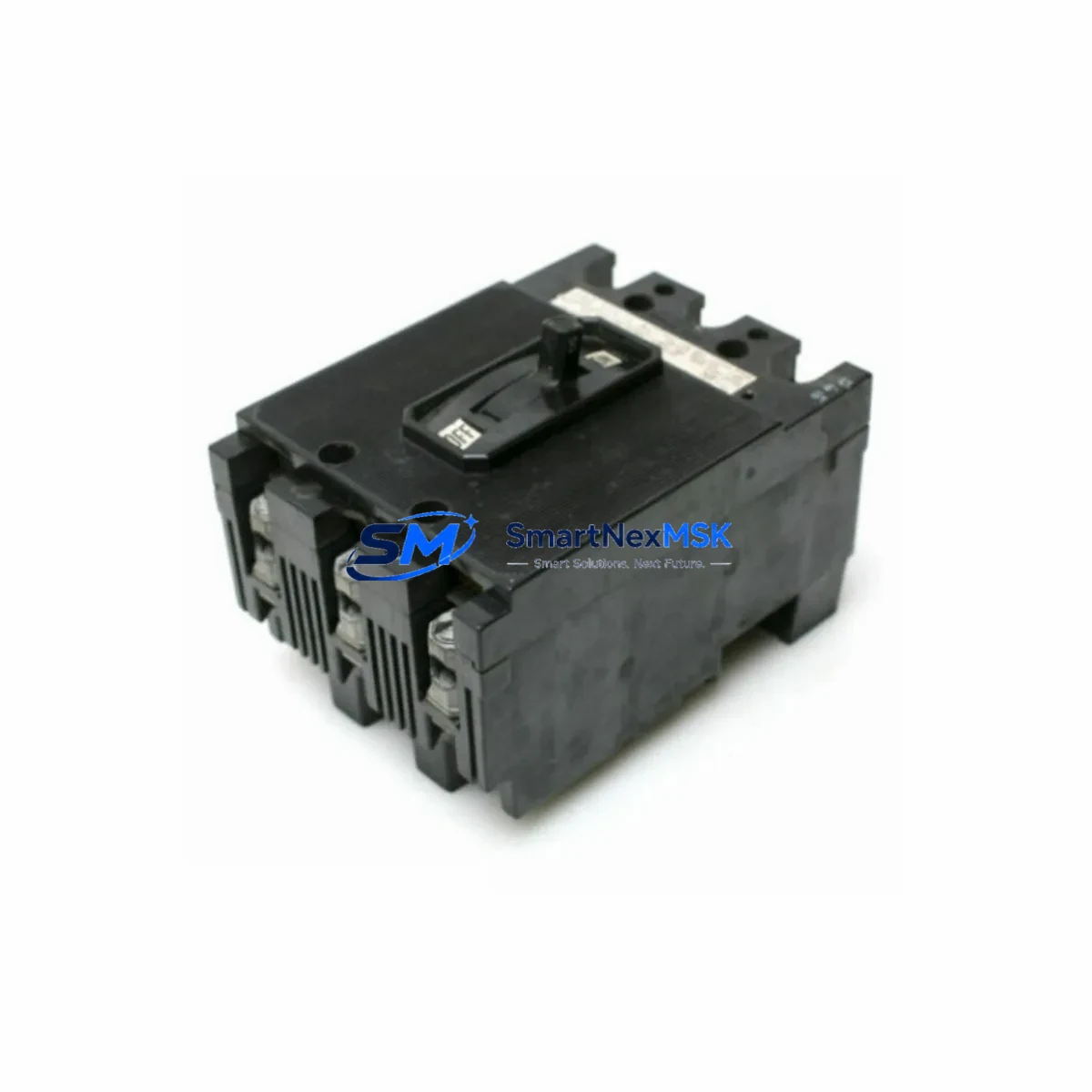
VANGUARD CPCI-350Q-P-38 Retrofit-Ready Power Supply for PSMU-350 Control Systems
The VANGUARD CPCI-350Q-P-38 PSMU-350-3 is a retrofit-ready CompactPCI 350W AC power supply module engineered for smooth, low-risk integration into aging industrial control platforms. Whether you are replacing a failed PSMU-350-3 unit in a live production environment, upgrading a legacy CompactPCI chassis to extend its operational life, or migrating a control cabinet from an end-of-life power architecture to a currently supported supply, this module is designed to minimize engineering effort and downtime at every stage of the retrofit process.
Industrial automation systems built around CompactPCI backplanes — including those running VANGUARD PSMU-350 Series power infrastructure — often remain in service well beyond their original design life. When the original PSMU-350-3 reaches end-of-life or becomes unavailable through standard distribution channels, procurement teams and maintenance engineers face a critical decision: source a verified replacement or risk extended downtime. The CPCI-350Q-P-38 addresses this directly, offering a pin-compatible, electrically equivalent solution that has been tested against the PSMU-350 Series backplane interface specification.
Before beginning any retrofit, engineers should confirm the following parameters against the existing installation: AC input voltage range (85–264 VAC, 47–63 Hz), output rail capacities (+3.3 V, +5 V, +12 V, −12 V, and +5 VSB), total chassis power budget across all installed modules, and the physical slot assignment within the CompactPCI rack. The CPCI-350Q-P-38 occupies a standard 6U CompactPCI slot and connects via the J1/J2 backplane connector, consistent with the PSMU-350-3 form factor. No mechanical modification to the chassis or backplane is required for a direct swap.
Upgrade Compatibility Table
| Parameter | PSMU-350-3 (Original) | CPCI-350Q-P-38 (Replacement) | Notes |
|---|---|---|---|
| Form Factor | 6U CompactPCI | 6U CompactPCI | Direct mechanical fit; no chassis modification |
| Backplane Connector | J1/J2 (PICMG 2.0) | J1/J2 (PICMG 2.0) | Pin-compatible; verify backplane revision |
| AC Input Range | 85–264 VAC, 47–63 Hz | 85–264 VAC, 47–63 Hz | Universal input; no transformer required |
| Output Power | 350 W | 350 W | Confirm total chassis load before swap |
| Communication Interface | IPMI / SMBus | IPMI / SMBus | Compatible with existing system management firmware |
| Hot-Swap Support | Yes (PICMG 2.1) | Yes (PICMG 2.1) | Enables live replacement without full system shutdown |
| Installation Requirement | Standard slot insertion | Standard slot insertion | No firmware update required for basic replacement |
| Commissioning Focus | Rail voltage verification | Rail voltage verification + load test | Measure all output rails under full chassis load |
| Warranty | Original OEM (expired) | 12-Month Warranty | Covers DOA, early failure, and functional defects |
Retrofit Planning for Existing Automation Systems
A successful retrofit of the CPCI-350Q-P-38 into an existing PSMU-350 Series installation requires a structured pre-swap assessment. Begin by auditing the full module inventory within the target chassis. In a typical PSMU-350 Series control cabinet, the power supply works in conjunction with a VANGUARD CPCI-CPU-350 single-board computer, one or more CPCI-DIO-32 digital I/O modules, and a CPCI-COM-4S serial communications module handling RS-232/RS-485 links to field devices. Each of these modules draws from the shared backplane power rails, so the aggregate load must be calculated before the replacement supply is installed.
For systems that include analog signal conditioning, the CPCI-AIO-16 analog I/O module is a common companion card. Its ±12 V rail consumption must be factored into the power budget, particularly in high-channel-count configurations. Similarly, if the chassis hosts a CPCI-ETH-1G Gigabit Ethernet communications module for SCADA or DCS integration, confirm that the +5 V and +3.3 V rail headroom remains within specification after the swap.
Wiring and terminal adaptation is another critical checkpoint. The CPCI-350Q-P-38 uses the same AC input terminal block layout as the PSMU-350-3, but field engineers should verify the torque specification on the input terminals (typically 0.5–0.6 N·m) and inspect the AC feed cable for insulation condition before reconnection. If the control cabinet includes a VANGUARD CPCI-BKPL-9S 9-slot backplane, confirm that the backplane’s power connector pins show no signs of arcing or oxidation — a common issue in systems that have operated for more than five years without preventive maintenance.
For installations where the original system communicated over a PROFIBUS DP or Modbus RTU network, the CPCI-350Q-P-38 replacement does not affect the communication stack. The network master — whether a Siemens S7-300 CPU, a Schneider Electric Modicon M340, or a Rockwell Automation ControlLogix controller — will continue to poll field devices without reconfiguration, provided the replacement is completed within the watchdog timeout window of the network master. If the system uses a CPCI-PB-DP PROFIBUS interface card, verify that the card’s power-on initialization sequence completes correctly after the new supply is seated.
HMI screens connected to the control system via OPC-DA or OPC-UA should be monitored during the first power-on cycle after the swap. In systems where the HMI polls the controller at high frequency, a brief communication interruption during module initialization may trigger alarm states. Pre-configure the HMI to suppress nuisance alarms for a defined window (typically 30–60 seconds) during planned maintenance events to avoid operator confusion.
Downtime Control During System Migration
Minimizing production downtime during a PSMU-350-3 replacement is achievable with disciplined pre-planning. The CPCI-350Q-P-38 supports hot-swap insertion per PICMG 2.1, which means that in a redundant power supply configuration — where a second PSMU-350 Series unit is already installed and active — the failed module can be extracted and the replacement inserted without powering down the chassis or interrupting the control program running on the CPCI-CPU-350.
For single-supply chassis configurations, a controlled shutdown is required. Before initiating the shutdown, export the current PLC program from the controller to a laptop using the appropriate programming cable — for VANGUARD platforms, this is typically a CPCI-PROG-USB programming interface cable connected to the front-panel debug port. Save the program image, including all retentive data blocks and I/O mapping tables, to a secure backup location. This step protects against data loss in the event that the controller’s battery-backed RAM has degraded.
Once the replacement supply is installed and the chassis is powered on, perform a structured commissioning sequence: verify all output rail voltages at the backplane test points before enabling the controller, confirm that all I/O modules enumerate correctly on the backplane, and execute a loop check on critical I/O channels before returning the system to automatic mode. For systems with safety-rated I/O — such as those using a CPCI-SIO-8 safety I/O module — follow the applicable functional safety validation procedure before resuming production. Document the replacement event, including the date, technician name, module serial numbers, and post-swap test results, to maintain the system’s maintenance history and support future audits.
In most field scenarios, a single-supply swap using the CPCI-350Q-P-38 can be completed within a two-hour maintenance window, including pre-swap backup, physical replacement, commissioning, and documentation. Customers who require on-site technical support or remote commissioning assistance are encouraged to contact our engineering team prior to scheduling the maintenance window.
Retrofit Support FAQ
Q1: Is the CPCI-350Q-P-38 a direct drop-in replacement for the PSMU-350-3, or are there wiring modifications required?
The CPCI-350Q-P-38 is designed as a direct mechanical and electrical replacement for the PSMU-350-3. The J1/J2 backplane connector pinout is identical, and the AC input terminal block layout matches the original. No wiring modifications are required for a standard swap. However, we recommend inspecting the AC input cable and backplane connector pins for wear or oxidation before reinstalling power.
Q2: Will the replacement module require a firmware update or re-addressing after installation?
For basic power supply replacement, no firmware update or module address reconfiguration is required. The CPCI-350Q-P-38 is recognized by the chassis management controller via the standard IPMI/SMBus interface without additional setup. If your system uses a chassis management card that logs module serial numbers for asset tracking, you may need to update the asset record in your management software after the swap.
Q3: How is the module tested before shipment, and what does the 12-month warranty cover?
Every CPCI-350Q-P-38 unit undergoes a full functional test prior to shipment, including output rail voltage verification under load, ripple and noise measurement, and hot-swap insertion/extraction cycling. The 12-month warranty covers dead-on-arrival (DOA) units, early-life failures, and functional defects attributable to the module itself. It does not cover damage resulting from incorrect installation, overvoltage events, or physical mishandling. Warranty claims are processed with a target turnaround of 5–7 business days.
Q4: What is the lead time, and do you maintain stock for urgent replacement orders?
We maintain in-stock inventory of the CPCI-350Q-P-38 PSMU-350-3 to support urgent replacement requirements. Standard orders ship within 1–3 business days. For critical production environments where extended downtime is not acceptable, please contact our sales team to confirm current stock levels and arrange expedited shipping. We serve customers globally and can coordinate export documentation for international shipments.
© 2026 SMARTNEXMSK. All rights reserved.
Original Source: https://smartnexmsk.com
Contact: [email protected] | +86 18259474341