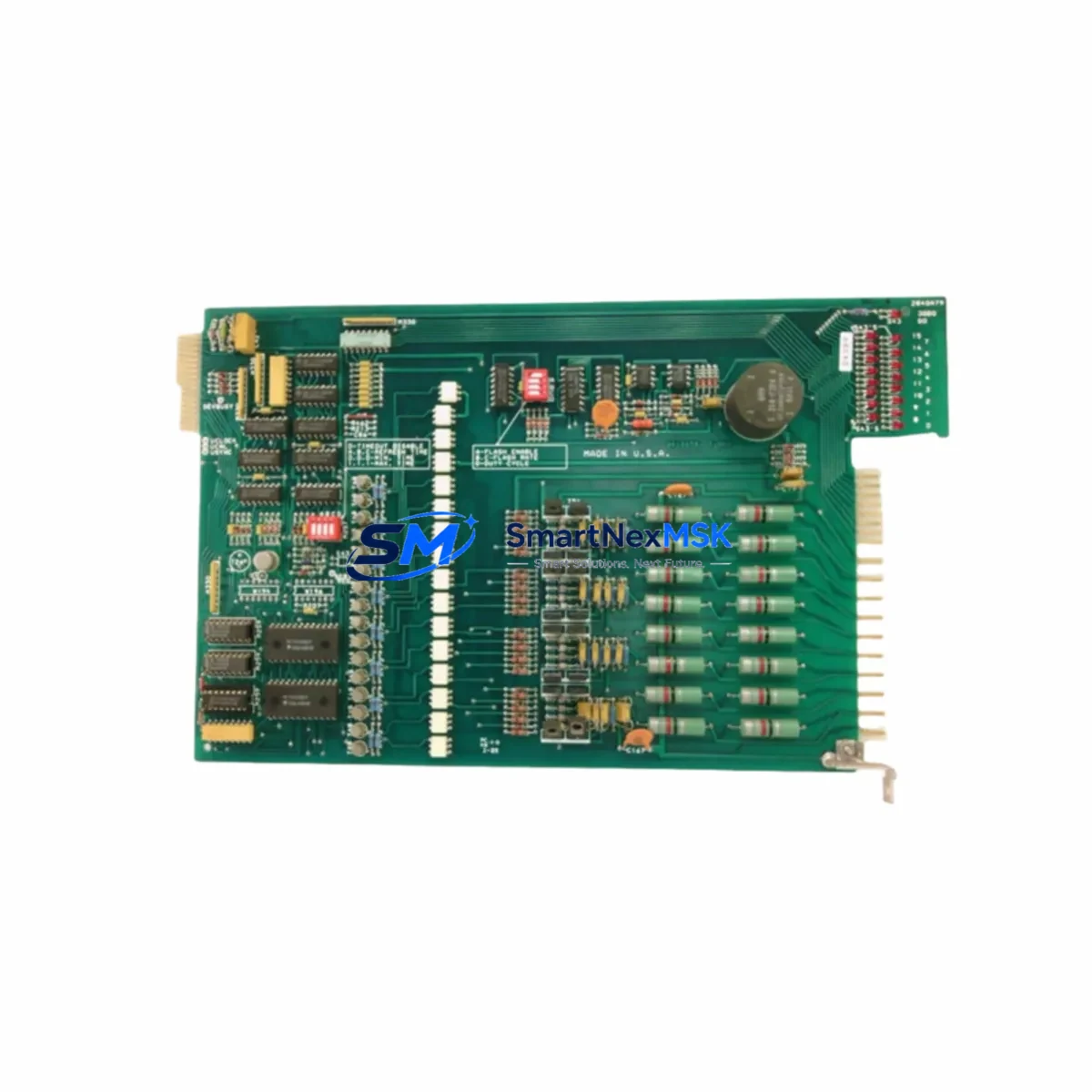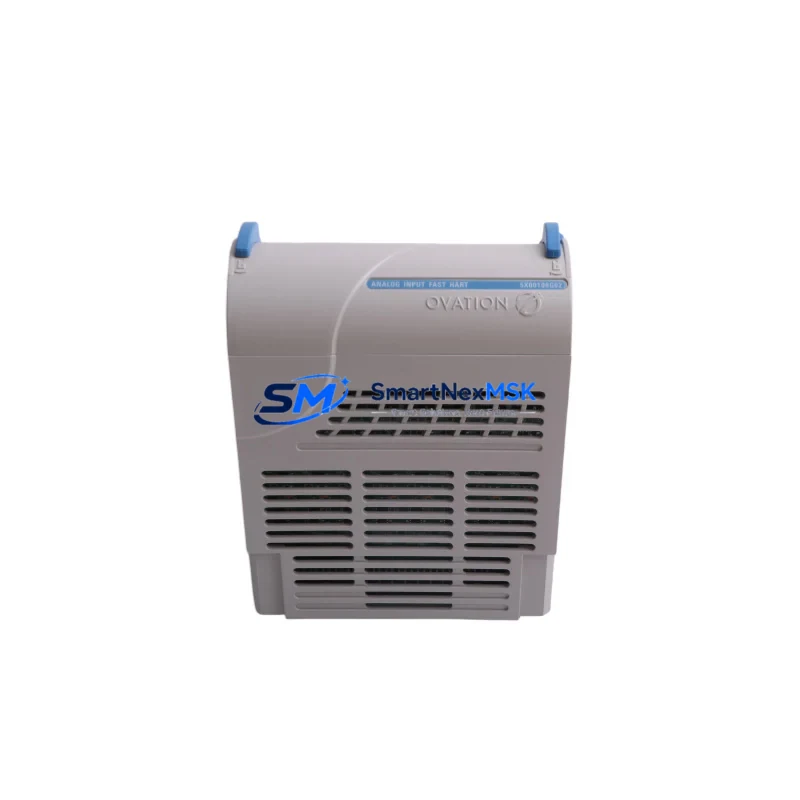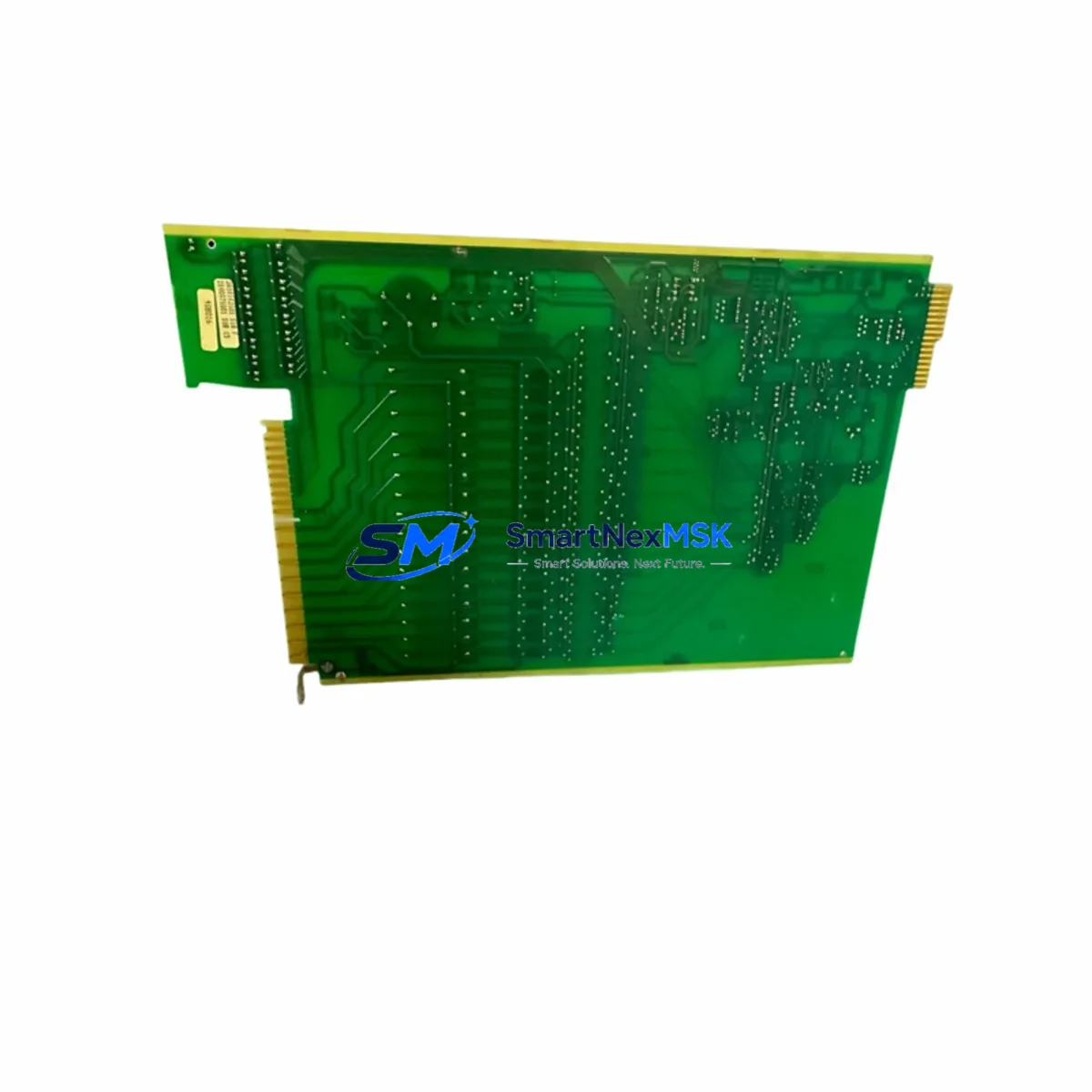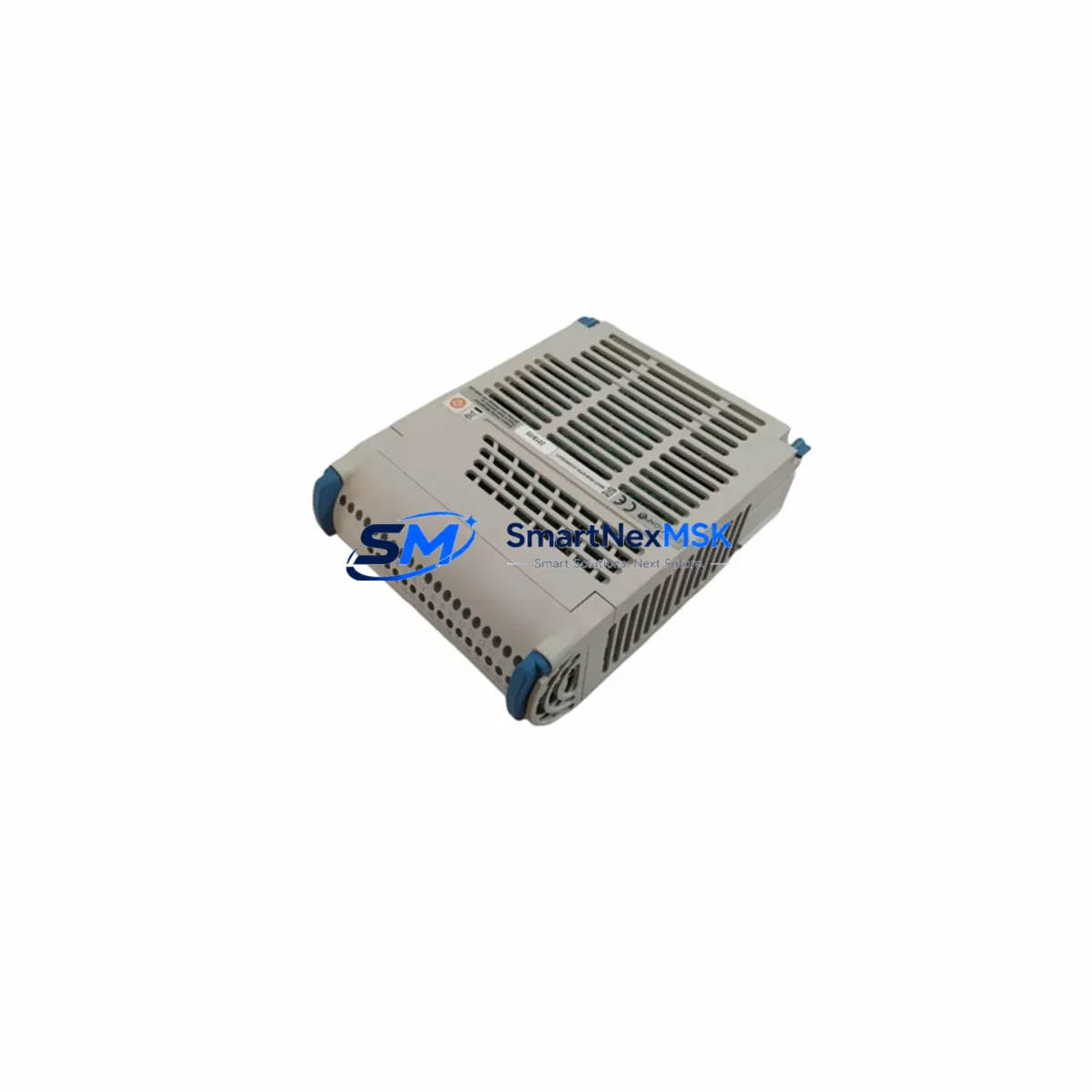
Westinghouse 5X00376G01 Retrofit-Ready Controller for Ovation DCS: Compatible Modernization & Smooth Legacy System Upgrade
The Westinghouse 5X00376G01 is a proven DCS controller module engineered for the Ovation Distributed Control System platform. As aging Ovation installations reach end-of-life and original spare parts become increasingly scarce, the 5X00376G01 has become a critical component in retrofit projects, legacy system upgrades, and emergency replacement scenarios across power generation, petrochemical, and process manufacturing facilities worldwide.
Whether you are replacing a failed controller in an active production environment, modernizing a control cabinet that has been running on discontinued hardware, or migrating from an older Ovation architecture to a current-generation platform, the 5X00376G01 provides the electrical and functional compatibility required to minimize engineering rework and reduce total downtime.
Upgrade Compatibility Table
| Parameter | Details |
|---|---|
| Compatible Platform | Westinghouse Ovation DCS (all generations) |
| Module Type | DCS Controller Module |
| Installation Interface | Standard Ovation backplane slot — no mechanical modification required |
| Communication Compatibility | Ovation proprietary network; compatible with Ovation OCR400 and OCR1100 controller families |
| Replacement Recommendation | Direct drop-in for failed or end-of-life 5X00376G01 units; verify firmware revision before commissioning |
| Commissioning Notes | Confirm module address assignment, I/O channel mapping, and HMI tag binding prior to live switchover |
| Warranty | 12-Month Warranty — all units tested and verified before shipment |
Retrofit Planning for Existing Automation Systems
Successful integration of the 5X00376G01 into an existing Ovation installation requires systematic pre-commissioning verification across several interdependent subsystems. Engineers should begin by auditing the power supply capacity of the control cabinet — the Ovation PS0024 or equivalent 24 VDC power supply must be confirmed to provide adequate current headroom for the replacement module alongside co-installed I/O modules and communication cards.
Terminal wiring should be documented and cross-referenced against the original loop drawings before any physical swap. The Ovation backplane — typically an Ovation I/O Nest or controller chassis — must be inspected for pin integrity and slot assignment conflicts. If the installation includes Ovation Remote I/O nodes connected via the Ovation network, the node address table should be exported and preserved before the controller is removed.
For sites running mixed analog and digital I/O, the Ovation AI2111 analog input module and DO3401 digital output module configurations should be verified against the replacement controller’s I/O channel definitions. Any discrepancy in channel count or signal type will require program logic adjustment in the Ovation Developer Studio environment before the new controller can assume control.
Communication link integrity is equally critical. Sites using Modbus RTU or Modbus TCP bridging through an Ovation communication module — such as the Ovation CM2201 — should validate that the communication module firmware is compatible with the 5X00376G01 controller revision. OPC DA or OPC UA data paths feeding historian or SCADA systems should be tested in simulation mode before live cutover.
HMI screen bindings in the Ovation Operator Station must be reviewed to confirm that all tag references remain valid after the controller swap. In cases where the original controller held embedded tag definitions, those definitions must be re-imported or re-created in the replacement unit’s configuration database. Programming cables — including the standard Ovation RS-232 or USB programming interface — should be on hand during commissioning to allow direct firmware verification and parameter upload.
For facilities managing a broader system refresh, the 5X00376G01 is frequently deployed alongside the Ovation OCR400 controller, Ovation I/O expansion racks, and updated Ovation Operator Workstations as part of a phased modernization program. This approach allows production to continue on unaffected process loops while individual controller nodes are upgraded sequentially.
Downtime Control During System Migration
Minimizing unplanned downtime is the primary operational concern when replacing a DCS controller in a live process environment. The recommended approach is to pre-configure the 5X00376G01 offline — loading the verified control program, confirming module addressing, and completing functional testing on a bench setup — before scheduling the physical swap during a planned maintenance window.
Where hot-standby redundancy is available in the Ovation architecture, the standby controller should be confirmed as fully synchronized before the primary 5X00376G01 is removed. This ensures bumpless transfer and continuous process control throughout the replacement procedure. For non-redundant installations, a detailed switchover checklist should be prepared, covering power isolation sequence, module extraction, replacement insertion, power restoration, program download confirmation, and I/O verification scan.
Original control logic — including PID tuning parameters, interlock conditions, and sequence program steps — must be backed up to a secure engineering workstation before any hardware change. Post-installation, a structured loop check covering all critical analog inputs, digital outputs, and alarm setpoints should be completed before returning the process to automatic control. Field calibration records should be updated to reflect the replacement date and module serial number for traceability and future audit compliance.
Retrofit Support FAQ
Q: Is the 5X00376G01 a direct replacement for the original Westinghouse Ovation controller module?
A: Yes. The 5X00376G01 is designed as a form-fit-function replacement for the original Ovation controller module of the same part number. Physical dimensions, backplane connector pinout, and electrical interface are identical, allowing direct installation without chassis modification. Firmware version compatibility should be confirmed against your site’s Ovation software revision before commissioning.
Q: What wiring or terminal changes are required during replacement?
A: No terminal rewiring is required for a like-for-like 5X00376G01 replacement. The module connects to the Ovation backplane via the standard edge connector — field wiring terminates at the I/O module level and is not affected by the controller swap. If the replacement is part of a broader I/O expansion or cabinet reconfiguration, terminal block assignments should be reviewed against updated loop drawings.
Q: How is the replacement unit tested before shipment?
A: Every 5X00376G01 unit is functionally tested prior to shipment. Testing covers power-on self-diagnostics, backplane communication verification, and I/O channel continuity checks. Units are shipped with a test report and are covered by a 12-month warranty from the date of delivery. In-stock units are available for same-week dispatch to minimize production impact.
Q: Can this module be used in a system that has already been partially upgraded to a newer Ovation generation?
A: The 5X00376G01 is compatible with mixed-generation Ovation architectures where legacy and current-generation hardware coexist on the same backplane or network segment. Communication protocol compatibility between the 5X00376G01 and newer Ovation OCR1100 or OCR400 controllers should be validated in the Ovation Developer Studio configuration before deployment in a mixed environment.
© 2026 SMARTNEXMSK. All rights reserved.
Original Source: https://smartnexmsk.com
Contact: [email protected] | +86 18259474341