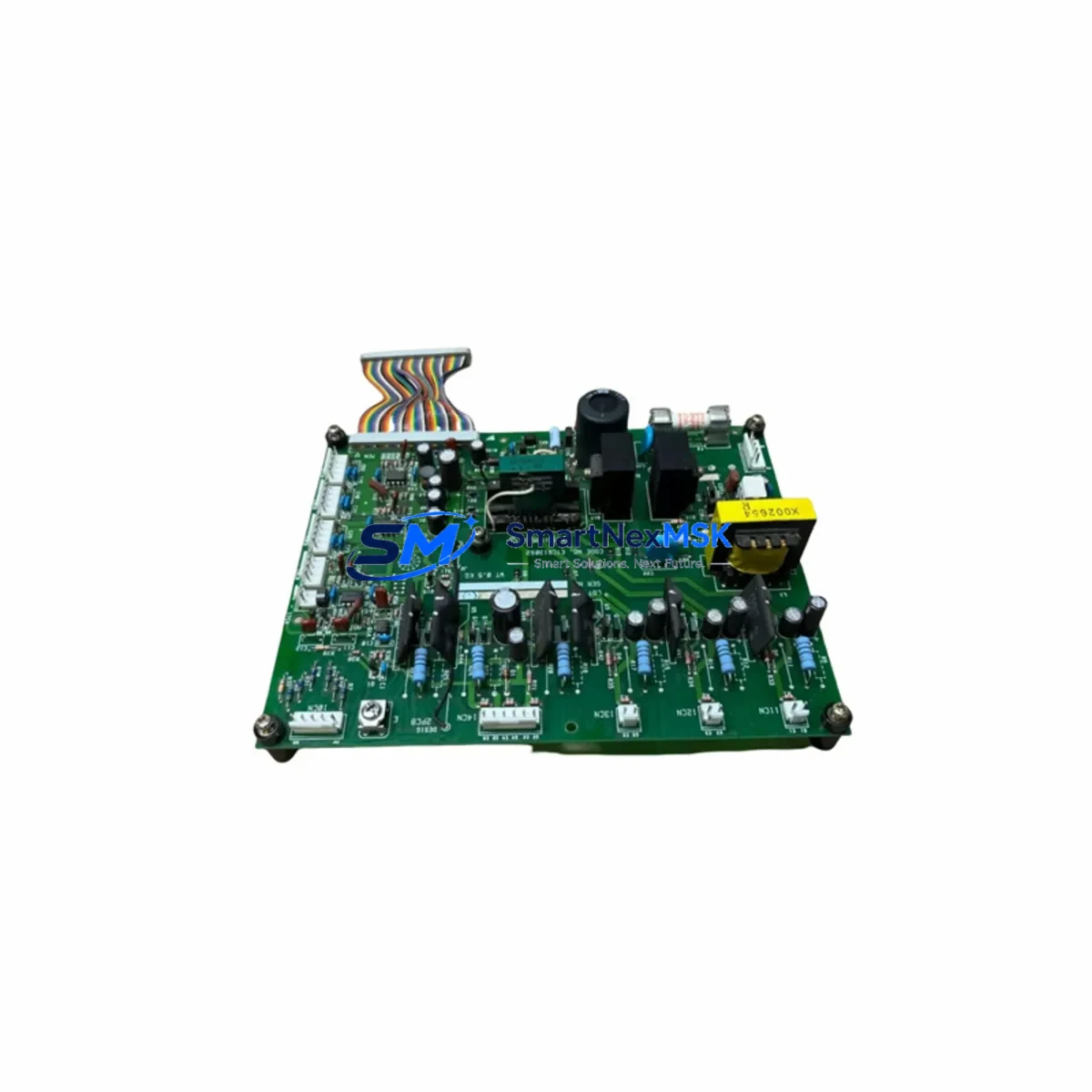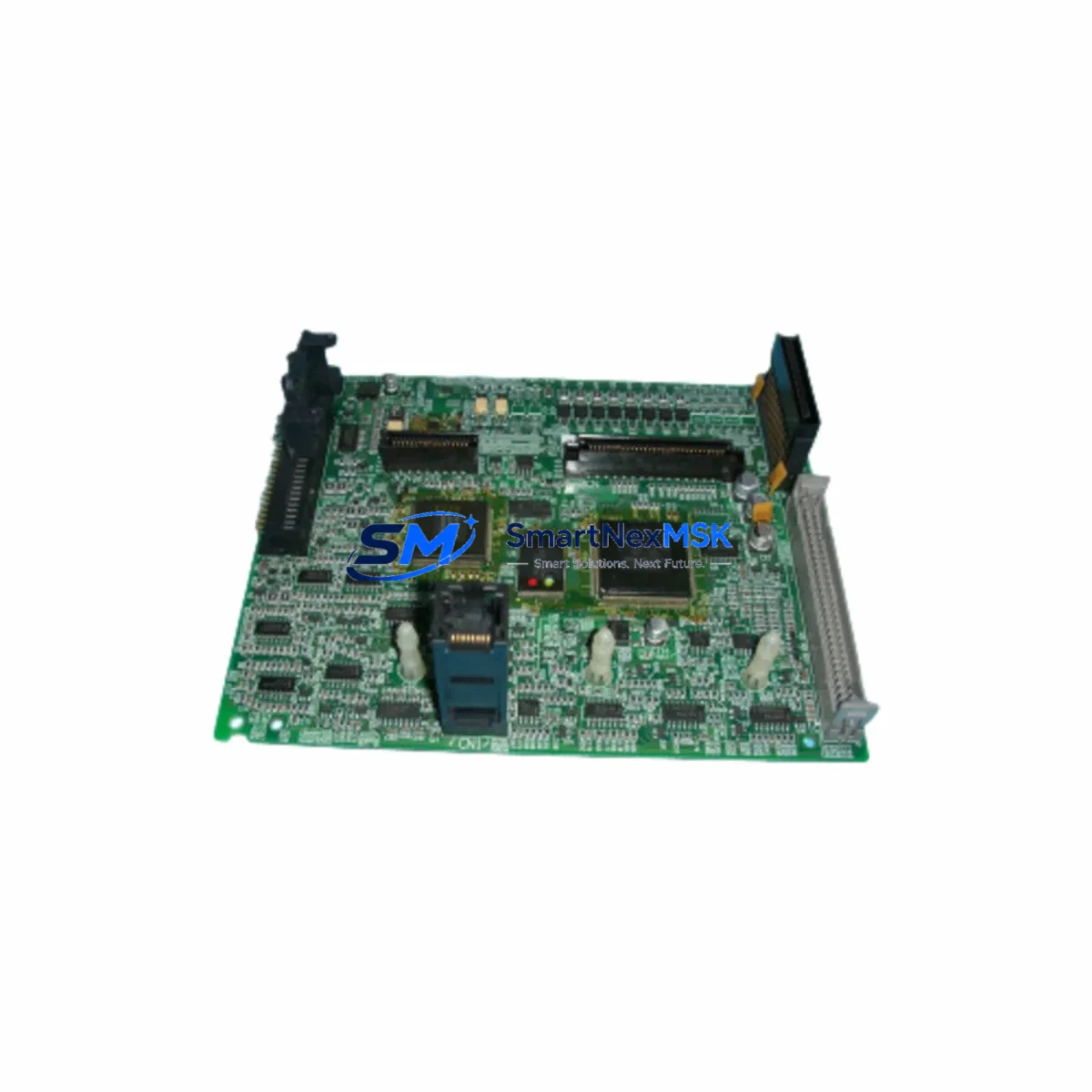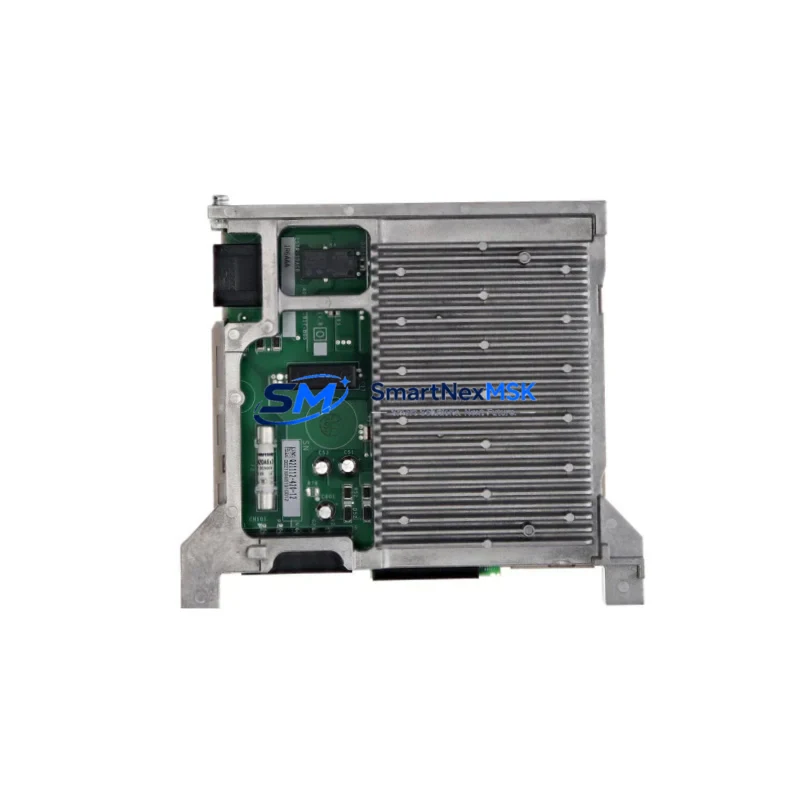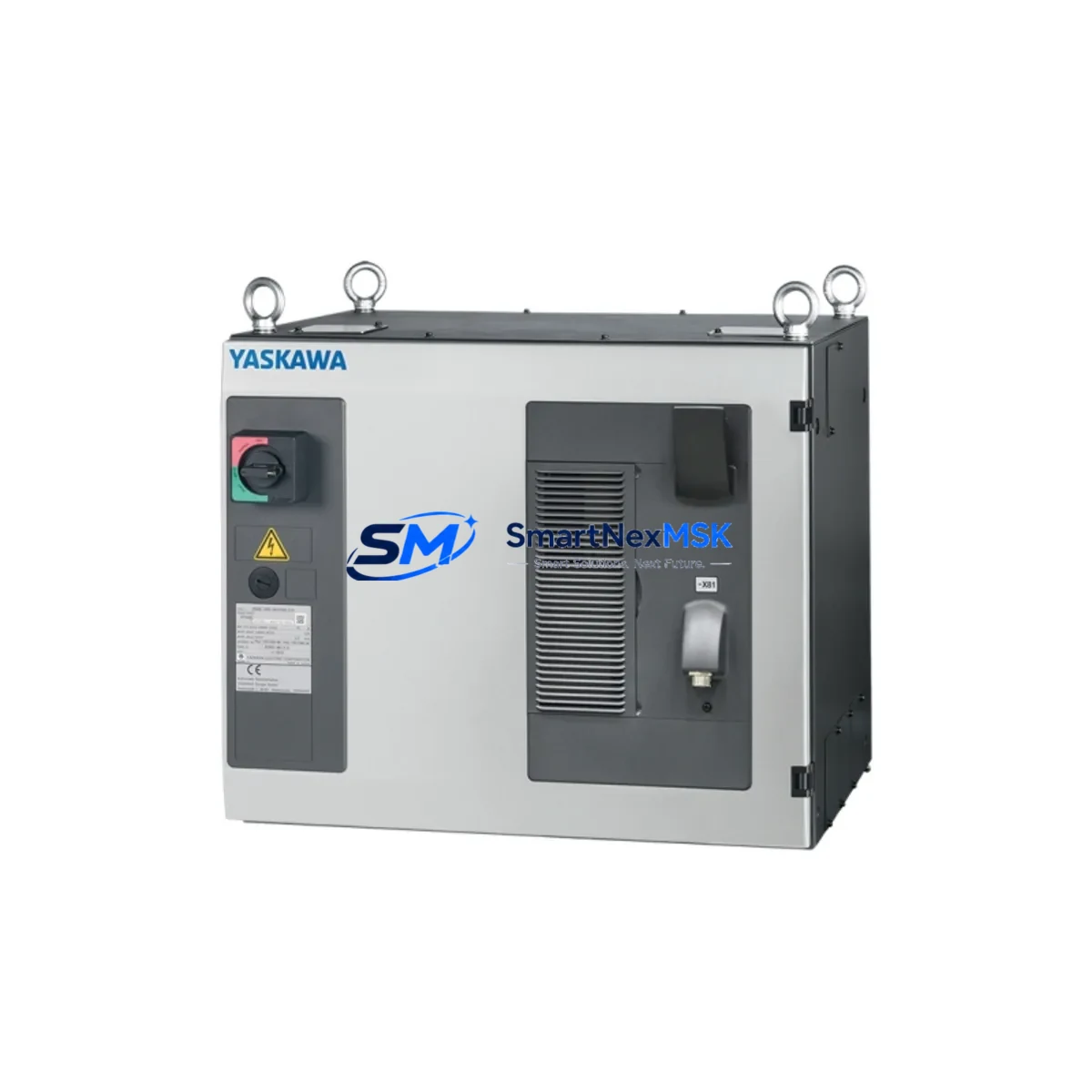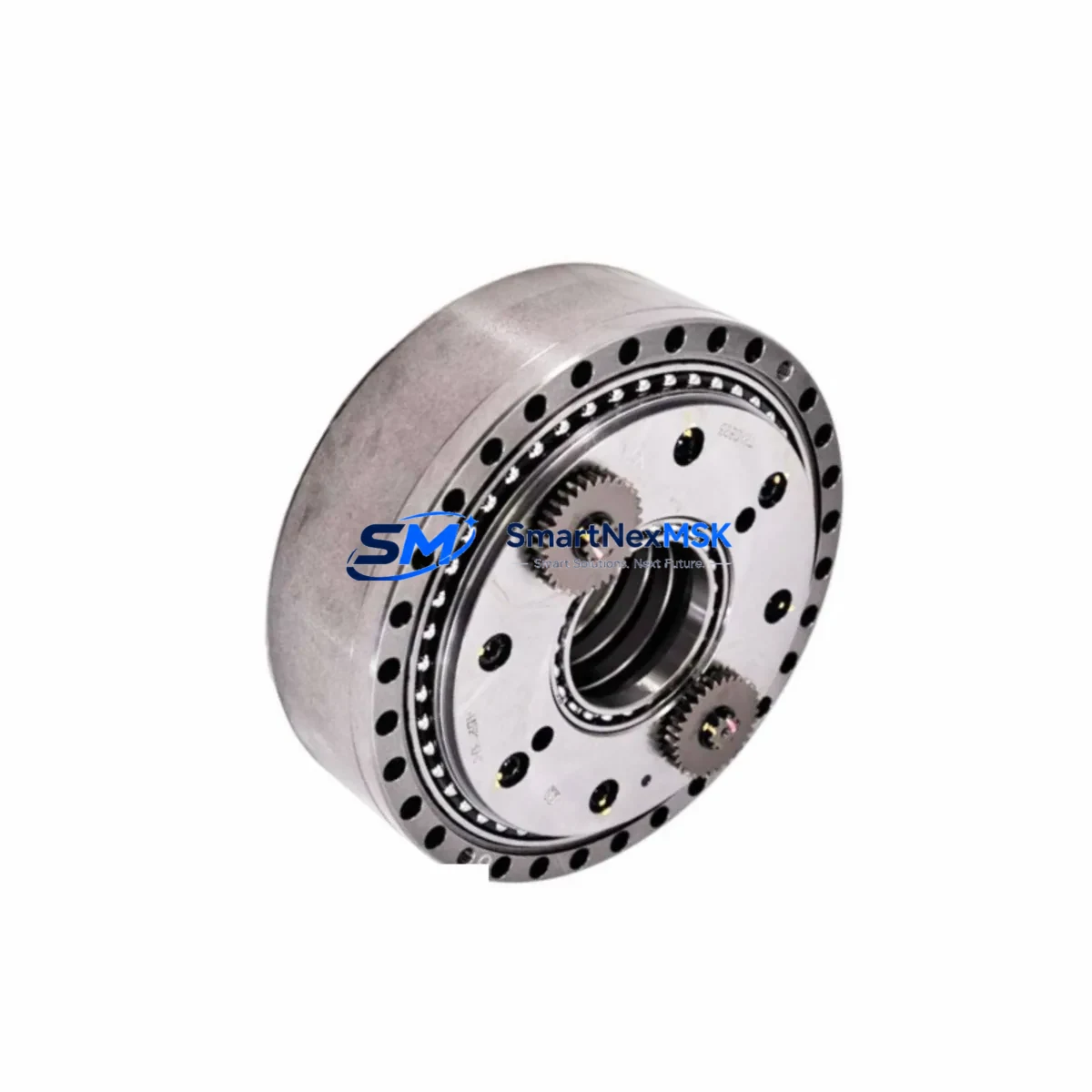
Yaskawa HW9381633-A Retrofit-Ready L-Axis Speed Reducer for HP20 Control Systems
The Yaskawa HW9381633-A is a precision L-axis speed reducer engineered for the Motoman HP20 and HP20D industrial robot series. As legacy HP20 units approach end-of-service milestones, procurement teams and maintenance engineers increasingly rely on verified replacement components to extend operational life, avoid costly full-robot replacements, and maintain production continuity. This unit serves as a direct retrofit solution for the L-axis joint, replacing both the original HW9381633-A and the interchangeable HW0387753-C reducer variant used across HP20 platform configurations.
Whether you are executing a planned overhaul of a welding cell, restoring a material-handling line after unexpected joint failure, or upgrading an aging Motoman system to extend its service window by several years, the HW9381633-A provides the dimensional accuracy, gear ratio fidelity, and torque capacity required for reliable axis performance. All units are inspected and function-tested prior to shipment, with a 12-month warranty covering manufacturing defects and performance conformance.
Upgrade Compatibility Table
| Parameter | Detail |
|---|---|
| Compatible Robot Models | Motoman HP20, HP20D |
| Axis Position | L-Axis (Axis 2 / Lower Arm) |
| Replaces OEM Part | HW9381633-A, HW0387753-C |
| Mounting Interface | Direct bolt-on; matches OEM flange pattern |
| Gear Ratio | Matches original HP20 L-axis specification |
| Lubrication | Pre-filled; compatible with Yaskawa-specified grease |
| Controller Compatibility | NX100, DX100 (HP20 platform controllers) |
| Communication Protocol | No protocol change required; mechanical replacement only |
| Installation Requirement | Torque calibration and zero-point mastering required post-installation |
| Debugging Checkpoint | Axis mastering via NX100/DX100 pendant; verify encoder offset |
| Warranty | 12 Months — covers manufacturing defects and performance conformance |
Retrofit Planning for Existing Automation Systems
Replacing the L-axis speed reducer on a Motoman HP20 is a structured process that demands careful preparation across mechanical, electrical, and software domains. Before disassembly, engineers should document the current axis mastering data stored in the NX100 or DX100 controller, as zero-point calibration will need to be re-established after the new reducer is seated. The DX100 controller’s pendant provides a dedicated mastering menu that guides technicians through the encoder offset reset procedure — this step is non-negotiable and must not be skipped.
On the mechanical side, the L-axis reducer interfaces directly with the lower arm casting and the S-axis base structure. Technicians should inspect the mating surfaces for wear or fretting corrosion before installing the HW9381633-A. Fastener torque values must follow Yaskawa’s published specifications for the HP20 series; under-torquing the reducer flange bolts is a common cause of premature backlash development in retrofit applications.
For facilities running multiple HP20 or HP20D units in a coordinated cell — for example, a twin-robot arc welding station — it is advisable to maintain a spare HW9381633-A or HW0387753-C in local inventory. Coordinated cells using the NX100 controller’s multi-robot synchronization feature are particularly sensitive to axis performance asymmetry between units; a degraded L-axis reducer on one robot can cause path deviation errors that affect the entire cell’s weld quality.
Beyond the reducer itself, a thorough retrofit plan should account for adjacent components that may show wear in aging HP20 systems. The S-axis speed reducer (HW9381632-A) and U-axis reducer (HW9381634-A) share the same service interval logic and are frequently replaced in the same maintenance window to avoid repeat downtime. The robot’s servo amplifier modules housed in the NX100 or DX100 cabinet — including the SRDA-COA02A01B or SRDA-SDA21A01B drive cards — should be inspected for capacitor aging and thermal stress, particularly in high-duty-cycle welding applications.
Facilities migrating from NX100 to DX200 or YRC1000 controllers as part of a broader modernization program should note that the HP20 mechanical platform remains compatible with updated controller generations, provided that axis parameter files are correctly migrated. The JZNC-YRK01-1E or equivalent robot parameter unit stores axis-specific tuning data; this file must be backed up before any controller swap and restored after the new controller is commissioned. Harness adapters may be required when connecting HP20 arm wiring to a YRC1000 cabinet, and the teach pendant cable — typically a JZRCR-YPP21-1 or compatible type — must be verified for connector compatibility.
For facilities using Yaskawa’s MotoSim EG-VRC offline programming environment, robot programs can be validated against the retrofitted axis configuration before live commissioning, reducing the risk of path errors during the first production run after maintenance. This is especially valuable in automotive body-in-white lines where HP20D robots perform high-precision spot welding and any axis deviation directly impacts weld nugget placement.
Downtime Control During System Migration
Minimizing unplanned downtime during an L-axis reducer replacement on the Motoman HP20 begins with pre-staging all required components and tools before the maintenance window opens. The HW9381633-A should be on-site and inspected before the robot is taken offline. A pre-written mastering procedure — printed or loaded on a tablet — ensures that technicians do not need to reference manuals during the time-critical re-commissioning phase.
The original robot program files stored in the NX100 or DX100 controller should be backed up to a CF card or USB memory device before any mechanical work begins. This protects against accidental data loss during power cycling and provides a restore point if the mastering procedure yields unexpected axis behavior. In multi-robot cells, the cell controller or PLC — often a Yaskawa MP2300 or MP3300 machine controller coordinating robot motion with conveyor and fixture logic — should be placed in a safe hold state before the target robot is isolated, preventing upstream equipment from advancing workpieces into an unmanned station.
After the HW9381633-A is installed and torqued to specification, the axis mastering sequence should be performed with the robot in its calibration fixture or at the designated mastering position marked on the arm. Once mastering is confirmed and the encoder offset is within tolerance, a slow-speed dry run of the production program — typically at 10–25% speed — should be executed to verify path accuracy before returning the robot to full production speed. This staged recommissioning approach consistently delivers the shortest total downtime while protecting both the equipment and the surrounding tooling from collision risk.
For facilities with strict OEE targets, maintaining a pre-tested spare HW9381633-A in the maintenance store — alongside a spare NX100 or DX100 power supply unit and a set of servo drive cards — provides the fastest possible recovery path in the event of an unplanned L-axis failure. SMARTNEXMSK maintains ready stock of the HW9381633-A and can support expedited shipment requirements for production-critical situations.
Retrofit Support FAQ
Q: Is the HW9381633-A a direct drop-in replacement for the HW0387753-C on the HP20?
A: Yes. The HW9381633-A and HW0387753-C are interchangeable L-axis reducer variants used across the HP20 and HP20D platform. Both share the same mounting flange pattern, gear ratio, and output shaft interface. No mechanical modification is required for substitution. Zero-point mastering must be performed after installation regardless of which part number is installed.
Q: What commissioning steps are required after installing the HW9381633-A?
A: After mechanical installation and fastener torquing, the L-axis zero-point must be re-established using the mastering function on the NX100 or DX100 teach pendant. The encoder offset should be verified against the robot’s calibration record. A slow-speed program dry run is recommended before returning to production speed. No software parameter changes are required for a like-for-like reducer replacement.
Q: Can the HW9381633-A be used in HP20D robots operating under DX100 control?
A: Yes. The HW9381633-A is compatible with both the NX100 and DX100 controller platforms used with the HP20 and HP20D robot bodies. The reducer is a mechanical component and does not interact directly with the controller’s communication protocol or software configuration. Axis parameter files do not require modification for a standard reducer replacement.
Q: What warranty coverage applies to the HW9381633-A supplied by SMARTNEXMSK?
A: All HW9381633-A units supplied by SMARTNEXMSK carry a 12-month warranty covering manufacturing defects and performance conformance under normal operating conditions. Each unit undergoes pre-shipment inspection and functional verification. Warranty claims are supported with direct technical assistance. Contact [email protected] for warranty registration and support procedures.
© 2026 SMARTNEXMSK. All rights reserved.
Original Source: https://smartnexmsk.com
Contact: [email protected] | +86 18259474341