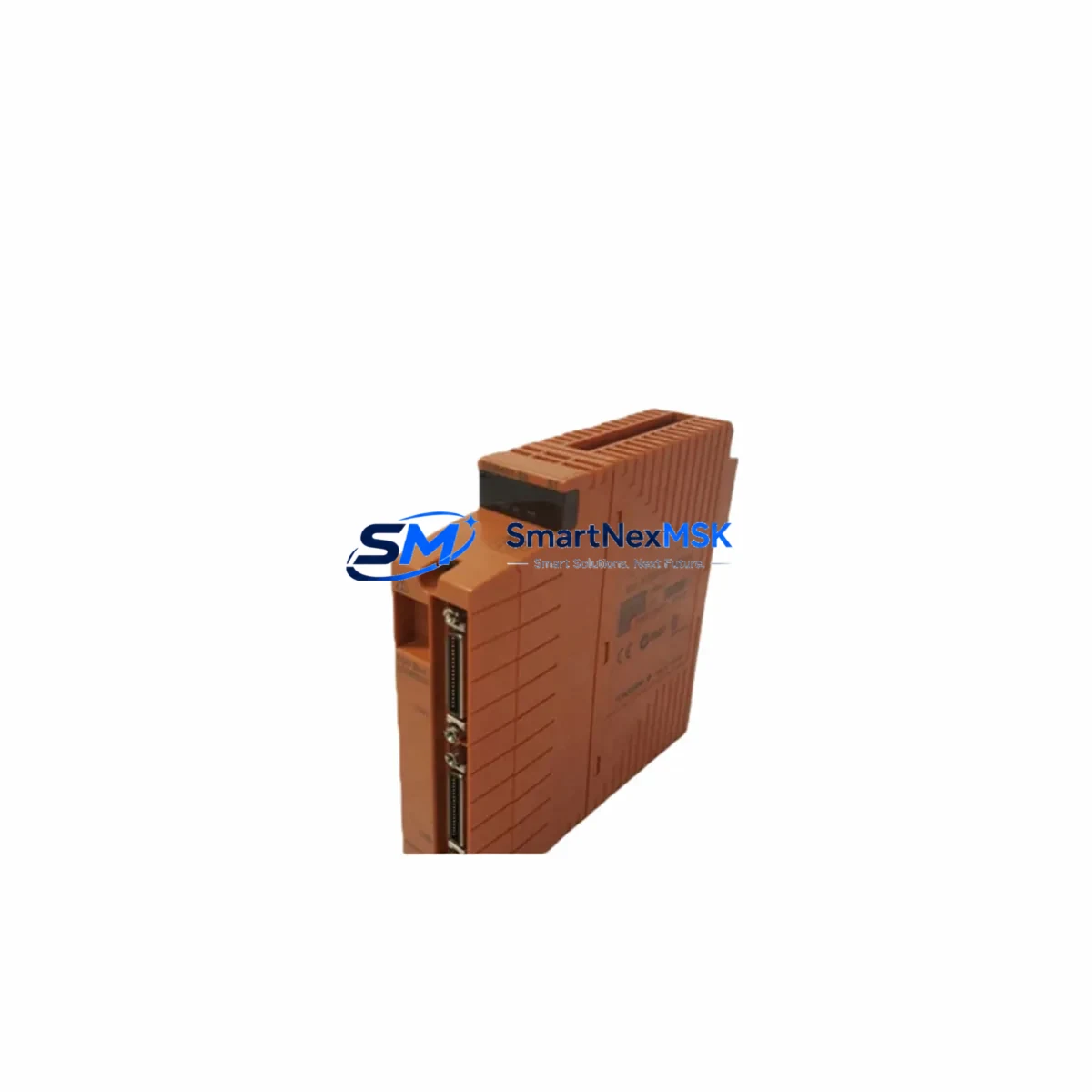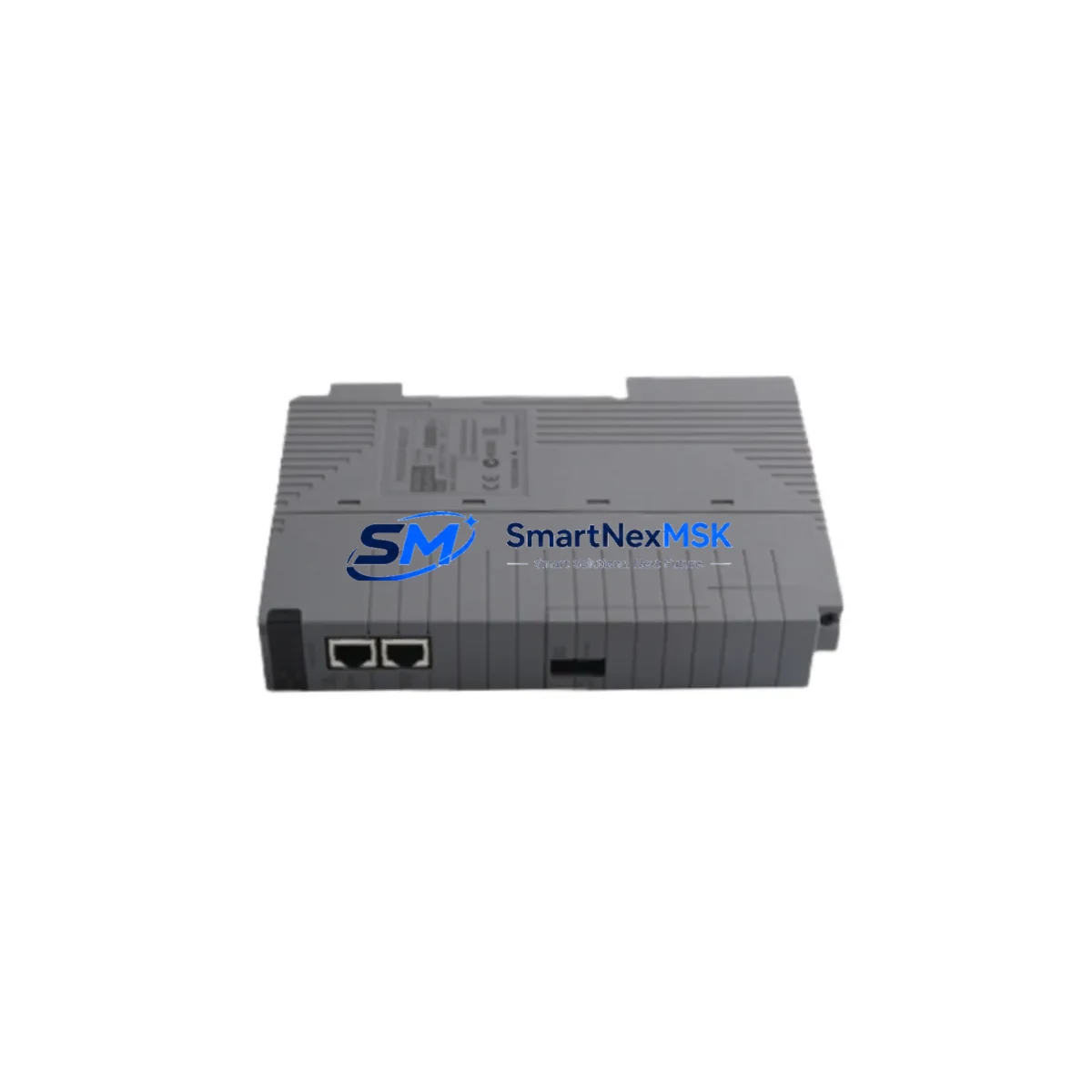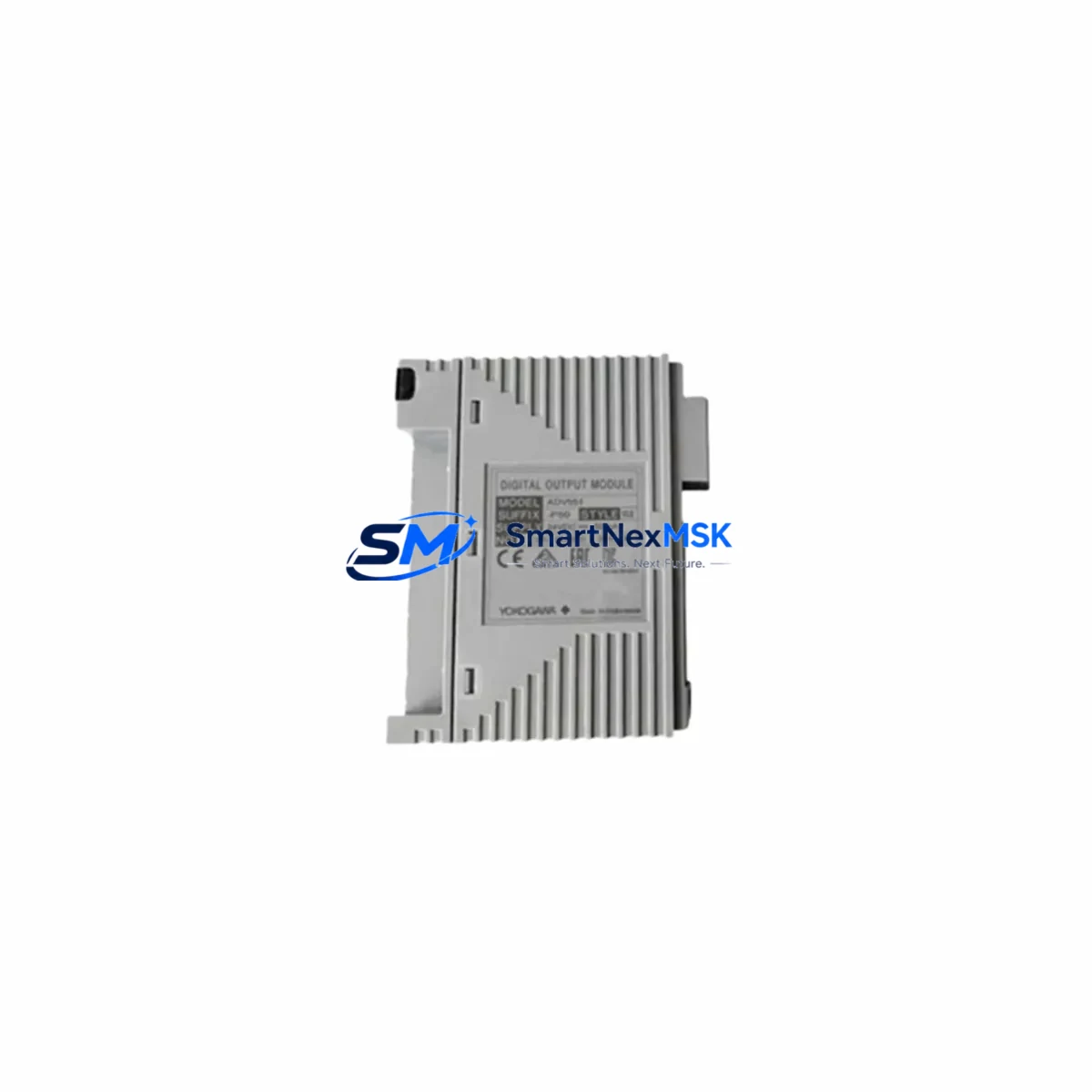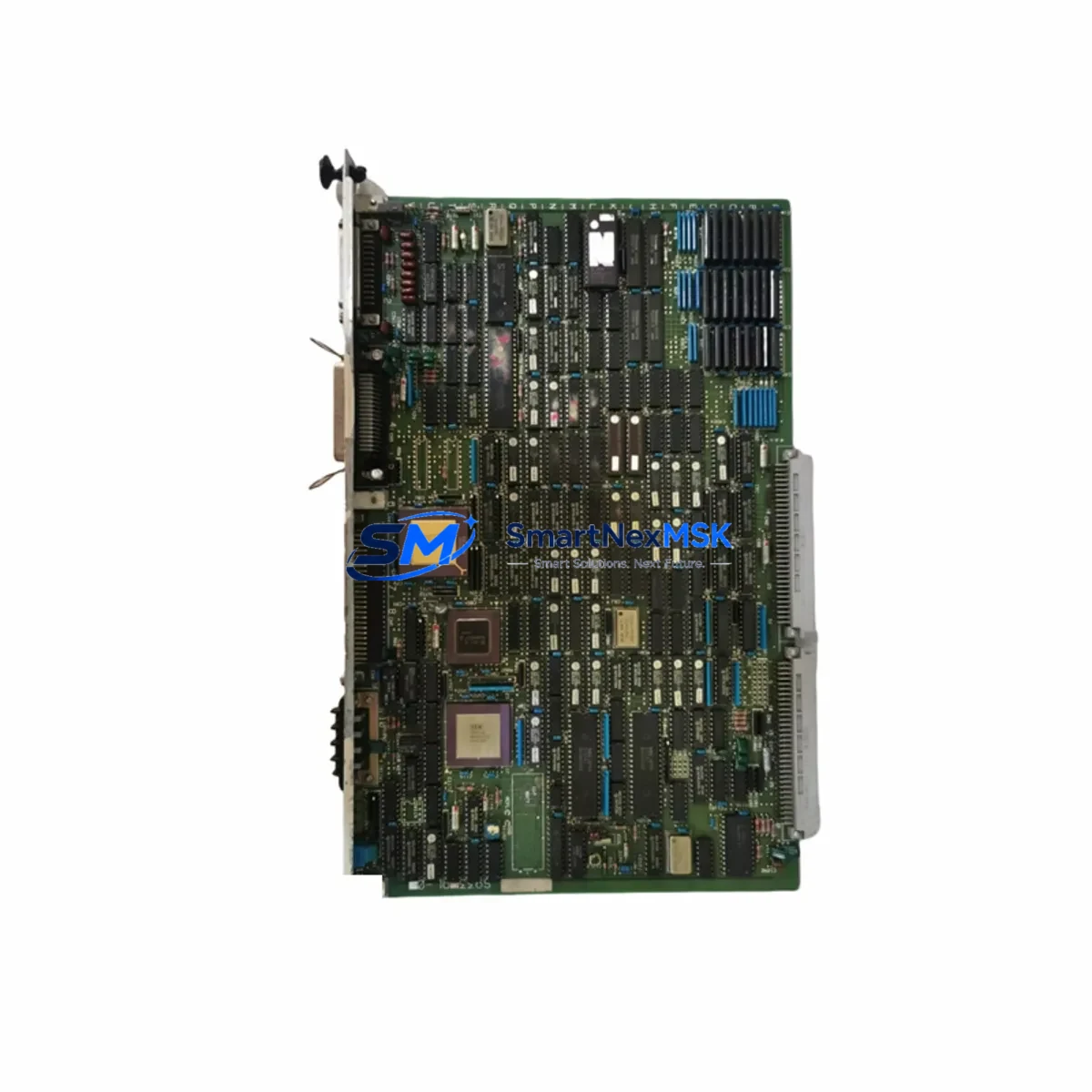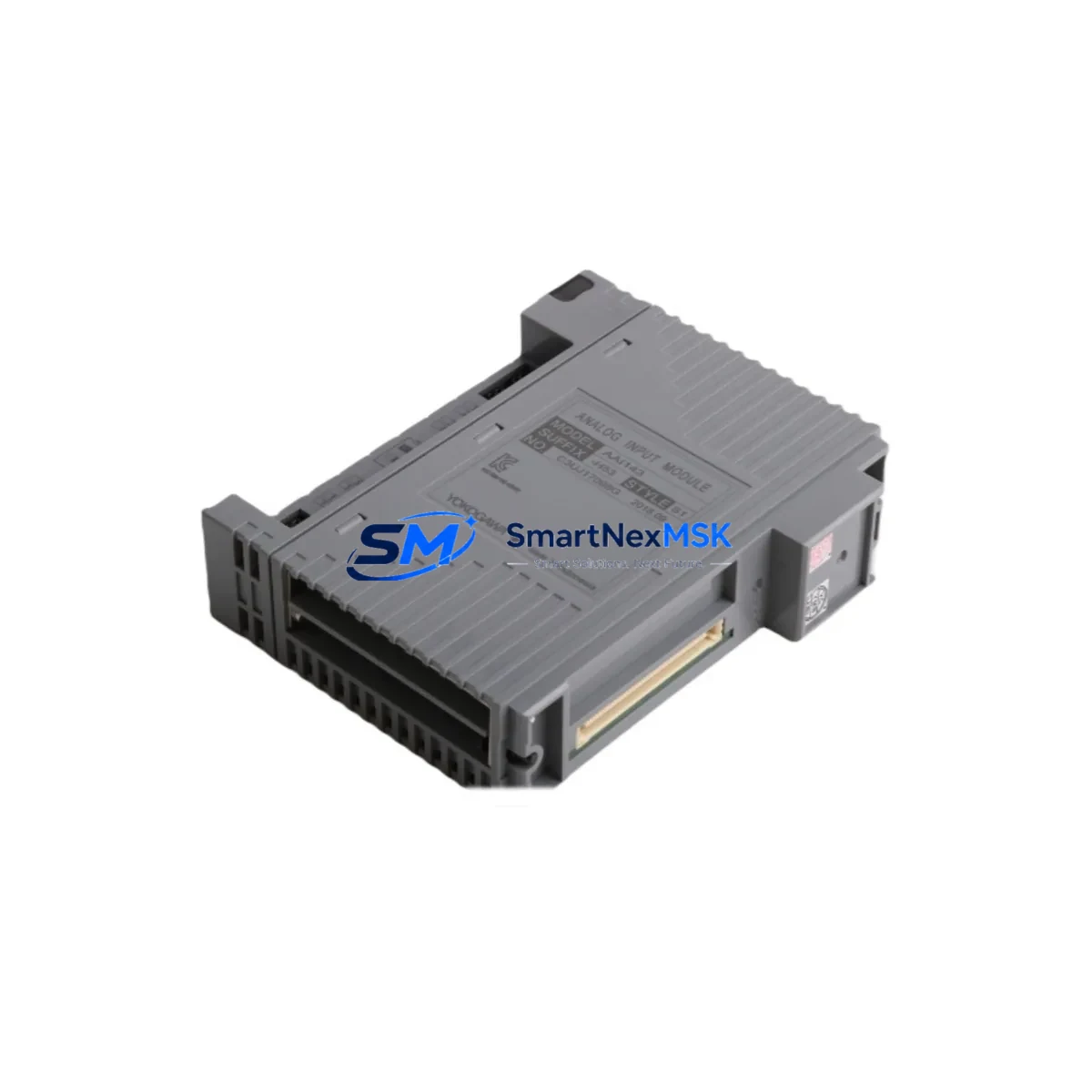
Yokogawa AAI143-H53 S1 Retrofit-Ready Analog Input Module for CENTUM VP Control Systems
The Yokogawa AAI143-H53 S1 is a high-density analog input module designed for seamless integration into CENTUM VP distributed control systems. As legacy DCS installations age and original spare parts become increasingly difficult to source, the AAI143-H53 S1 serves as a proven retrofit solution for engineers managing aging control infrastructure across refining, petrochemical, power generation, and continuous process industries. Whether you are replacing a failed module in an emergency shutdown scenario or executing a planned control cabinet upgrade, this module delivers the electrical and functional compatibility required to restore system integrity with minimal disruption to ongoing operations.
The AAI143-H53 S1 supports 16-channel analog input with HART communication pass-through, making it directly compatible with field instruments already wired to the existing marshalling cabinet. Engineers replacing older AAI141 or AAI135 series modules will find that terminal block wiring assignments, module addressing conventions, and I/O builder configurations in CENTUM VP’s Engineering Environment (ENG) remain largely consistent, significantly reducing the engineering effort required during the cutover window. Before installation, technicians should verify the field terminal adapter (FTA) model — typically an ANT1D or ANT1E — to confirm mechanical and electrical compatibility with the replacement module.
Power budget verification is a critical pre-installation step. The AAI143-H53 S1 draws power from the node unit’s internal bus, and the total load across all installed I/O modules must remain within the rated capacity of the power supply module — commonly an ESB401 or ESB461 — installed in the same field control station (FCS) node. In high-density installations where multiple analog input, analog output, and digital I/O modules share a single node, a power audit should be completed before adding or replacing modules to avoid nuisance trips or supply degradation.
Upgrade Compatibility Table
| Parameter | Detail |
|---|---|
| Module Model | AAI143-H53 S1 |
| Series Compatibility | CENTUM VP, CENTUM VP R6 |
| Common Replacement Targets | AAI141-H03, AAI135-S50, AAI143-H03 |
| Channel Count | 16-channel analog input |
| Signal Range | 4–20 mA DC (HART-compatible) |
| Communication Protocol | HART Rev. 5/6/7 pass-through |
| Backplane Interface | CENTUM VP node unit bus (ESB-series) |
| Field Terminal Adapter | ANT1D / ANT1E (verify before installation) |
| Power Supply Compatibility | ESB401, ESB461 (verify node power budget) |
| Installation Type | Hot-swap capable (node-dependent) |
| Module Address Configuration | Via CENTUM VP Engineering Environment (ENG) |
| Program Compatibility | Existing FCS function blocks retained; I/O builder re-download required |
| HMI Impact | Faceplates and trend displays remain intact; alarm setpoints should be verified |
| Commissioning Requirement | Loop check, HART device scan, and I/O builder download |
| Warranty | 12 months from date of shipment |
| Origin | Japan |
Retrofit Planning for Existing Automation Systems
Successful integration of the AAI143-H53 S1 into an existing CENTUM VP installation requires a structured approach that accounts for both hardware and software dependencies. The replacement process typically begins with an audit of the target node unit, confirming the installed ESB-series node unit model, the current power supply loading, and the physical slot position of the module being replaced. Technicians should document the existing wiring at the field terminal adapter before disconnection, as terminal numbering on ANT1D and ANT1E adapters follows a fixed channel-to-terminal mapping that must be preserved during reinstallation.
On the software side, the CENTUM VP Engineering Environment requires an I/O builder update to register the new module in the FCS configuration. If the replacement module is the same model as the original — as is the case when sourcing an AAI143-H53 S1 to replace a failed unit of the same type — the I/O builder download is straightforward and does not require modification of existing function block logic. However, if the replacement involves a model change (for example, substituting an AAI141-H03 with an AAI143-H53 S1 to gain additional channel density or HART capability), engineers must review the I/O assignment table and update any affected function blocks in the FCS application before downloading.
HART-enabled field instruments connected to the AAI143-H53 S1 — such as pressure transmitters, flow meters, and temperature sensors from various manufacturers — can be scanned and configured using the CENTUM VP HART DTM library or a standalone HART communicator. This is particularly relevant in retrofit projects where legacy instruments are being retained while the control system hardware is upgraded. The module’s HART pass-through capability ensures that existing instrument diagnostics and secondary variable monitoring remain accessible through the DCS operator station without additional field wiring changes.
For projects involving broader control cabinet upgrades — such as migrating from an older CENTUM CS 3000 platform to CENTUM VP — the AAI143-H53 S1 is frequently deployed alongside replacement communication modules (such as the ESB105 or ESB401 node units), updated power supply modules, and new FCS controllers. In these migration scenarios, the marshalling cabinet wiring is typically retained and re-terminated to new field terminal adapters, preserving the existing cable infrastructure and reducing field labor costs. The AAI143-H53 S1’s compatibility with standard ANT-series field terminal adapters makes it a practical choice for these multi-phase upgrade projects.
Downtime Control During System Migration
Minimizing unplanned downtime is the primary operational concern during any DCS module replacement or system migration. For the AAI143-H53 S1, the recommended approach is to pre-stage the replacement module, verify its configuration offline using the CENTUM VP Engineering Environment, and prepare the I/O builder download package before the scheduled maintenance window begins. This preparation ensures that the physical swap, wiring verification, and software download can be completed within a single shift, typically two to four hours depending on the number of channels being transferred.
Where the node unit supports hot-swap operation, the AAI143-H53 S1 can be inserted and removed without powering down the entire FCS node, allowing adjacent I/O modules to remain in service during the replacement. Engineers should confirm hot-swap eligibility for the specific node unit model before proceeding, as this capability varies across ESB-series hardware generations. In installations where hot-swap is not available, a coordinated shutdown of the affected FCS node is required, and the control strategy should be reviewed to identify any critical loops that require manual override or transfer to a redundant controller during the outage window.
Original FCS function block logic, PID tuning parameters, and interlock configurations are stored in the CENTUM VP system database and are not affected by the physical module replacement. Following the I/O builder download, a systematic loop check — verifying signal continuity from field instrument to DCS faceplate — is the final step before returning the node to automatic control. HART device communication should also be confirmed at this stage to ensure that instrument diagnostics are active and that any HART secondary variables mapped to the FCS are reading correctly. Alarm setpoints and engineering unit scaling should be verified against the original loop documentation before sign-off.
Retrofit Support FAQ
Q: Is the AAI143-H53 S1 a direct drop-in replacement for the AAI141-H03?
A: The AAI143-H53 S1 is functionally compatible with the AAI141-H03 in most CENTUM VP installations, but it is not a pin-for-pin hardware substitute. The channel count and HART capability differ between models, so an I/O builder update and function block review are required. Terminal wiring at the ANT-series field terminal adapter should be verified against the new module’s channel mapping before energizing.
Q: What commissioning steps are required after installing the AAI143-H53 S1?
A: After physical installation, the required steps are: (1) update and download the I/O builder configuration in CENTUM VP Engineering Environment; (2) perform a loop check on all 16 channels to verify signal integrity from field to DCS; (3) scan HART devices and confirm secondary variable mapping; (4) verify alarm setpoints and engineering unit scaling against original loop documentation; and (5) return the node to automatic control and monitor for any anomalies during the first hour of operation.
Q: Does the AAI143-H53 S1 come with a warranty, and what does it cover?
A: Yes. Every AAI143-H53 S1 unit shipped by SMARTNEXMSK carries a 12-month warranty from the date of shipment. The warranty covers manufacturing defects and functional failures under normal operating conditions. Each unit undergoes pre-shipment functional testing to verify analog input accuracy, HART communication, and backplane interface integrity before dispatch.
Q: Can the AAI143-H53 S1 be used in a CENTUM CS 3000 to CENTUM VP migration project?
A: The AAI143-H53 S1 is a CENTUM VP native module and is not compatible with CENTUM CS 3000 node hardware. However, in migration projects where the CS 3000 field wiring and marshalling infrastructure are being retained, the AAI143-H53 S1 can be installed in the new CENTUM VP node units alongside the migrated field terminal adapters, preserving existing cable runs and reducing field rewiring costs. Compatibility of the specific ANT-series FTA with the new node unit should be confirmed during the engineering phase.
© 2026 SMARTNEXMSK. All rights reserved.
Original Source: https://smartnexmsk.com
Contact: [email protected] | +86 18259474341