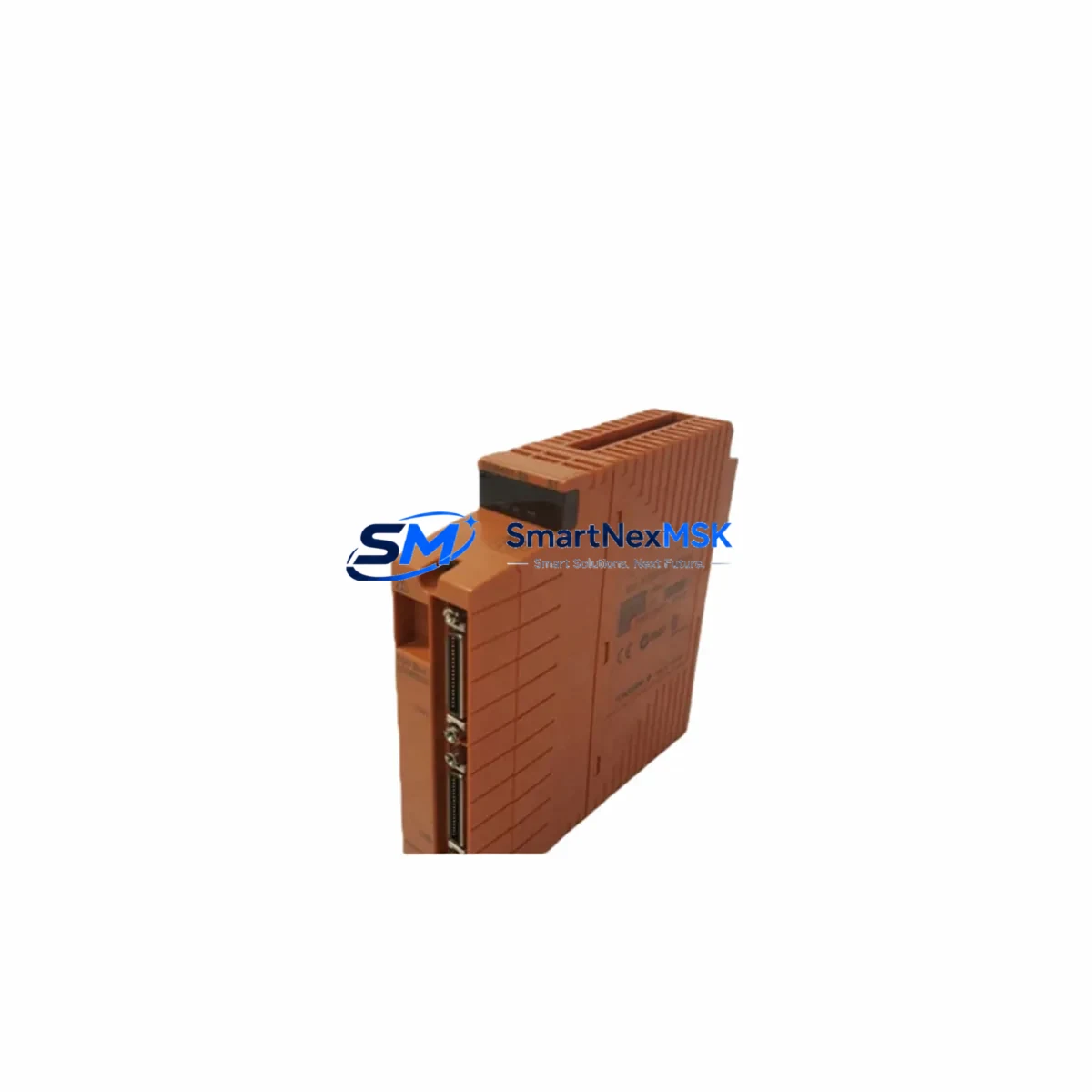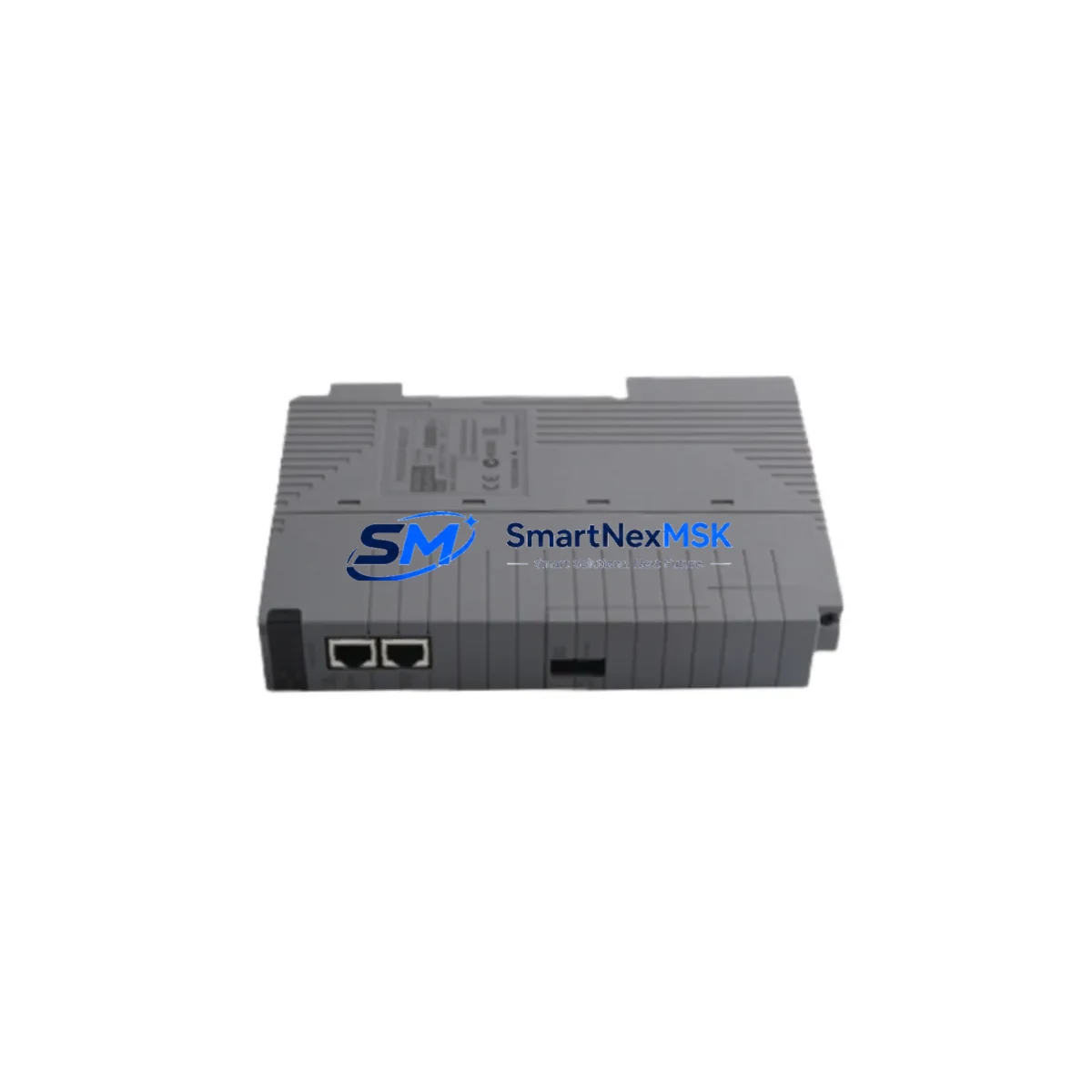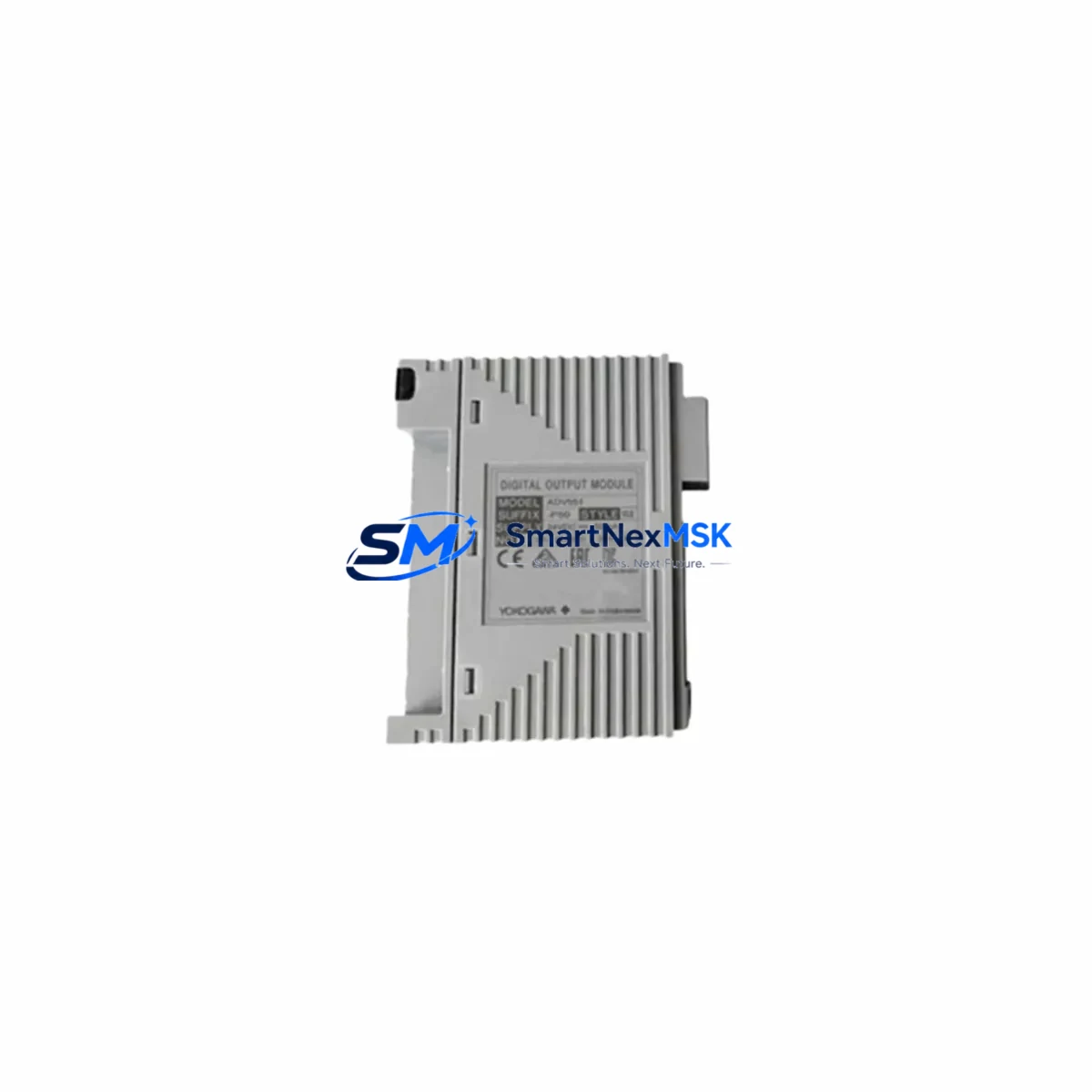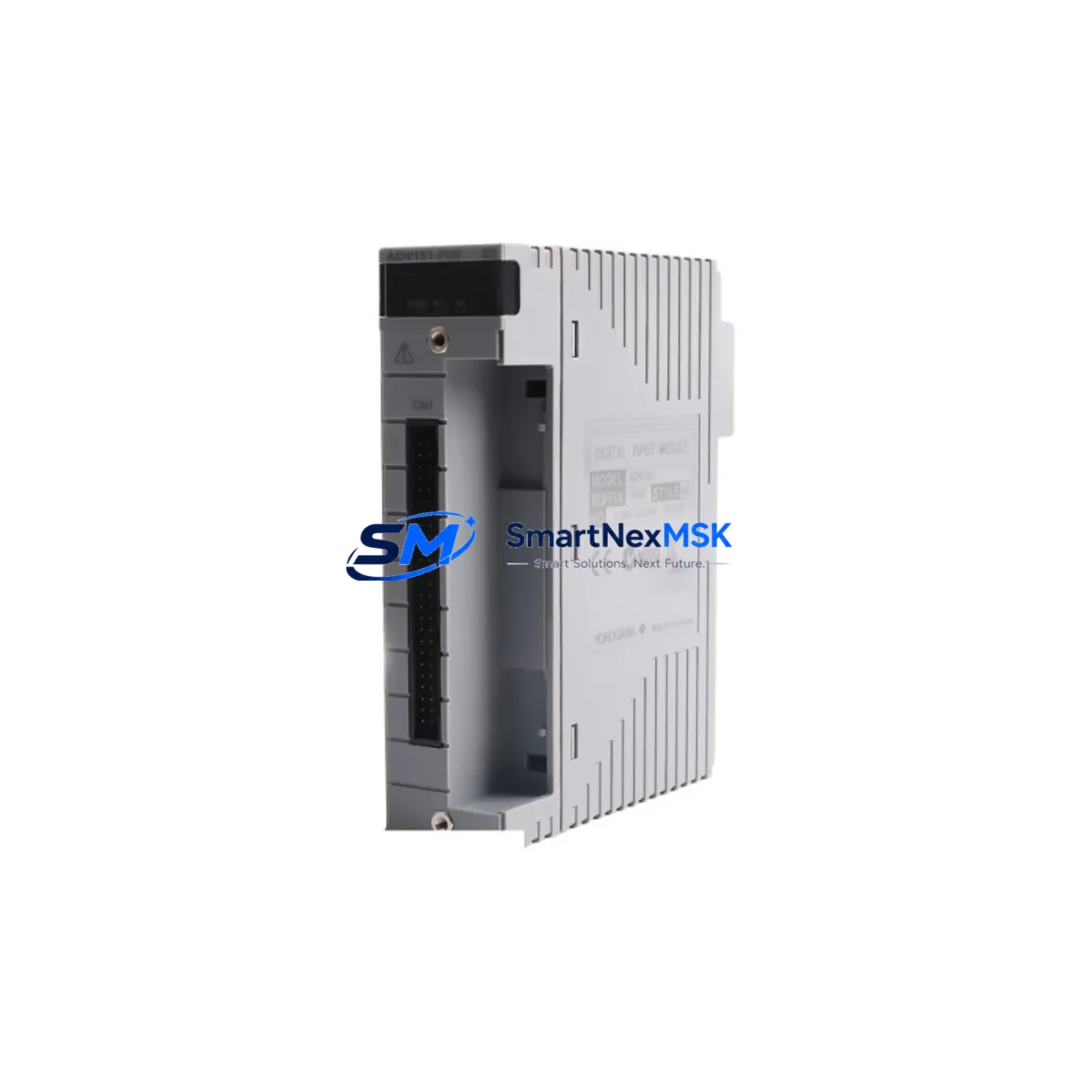
Yokogawa ADV151-E50 Retrofit-Ready DI Module for CENTUM VP Control Systems
The Yokogawa ADV151-E50 is a 32-channel digital input module engineered for seamless integration into CENTUM VP and legacy CENTUM CS 3000 distributed control system architectures. As original ADV151-series hardware reaches end-of-life and spare parts become increasingly scarce, the ADV151-E50 serves as the primary retrofit-ready replacement for aging DI field termination assemblies across process industries including oil & gas, petrochemical, power generation, and pharmaceutical manufacturing.
When planning a retrofit around the ADV151-E50, engineers must first audit the existing field wiring termination scheme. The module supports dry-contact and wet-contact 24 VDC digital inputs across 32 channels, and its terminal block layout is designed to be wiring-compatible with earlier ADV151 variants. Before swapping the module, verify that the ADV151-P50 field terminal adapter or equivalent FTA is present and correctly matched — mismatched FTAs are the most common source of commissioning delays during DI module replacements. The ADV151-E50 mounts directly onto the ESB-Bus node unit backplane, so confirm that the node unit — typically an ANB10D or ANB11D node unit — has an available slot and that the bus address assignment does not conflict with existing I/O modules in the same cabinet.
Power budget verification is a mandatory pre-installation step. The CENTUM VP I/O node draws power from the AVR10D power supply module or its redundant pair. Adding or replacing a DI module changes the aggregate current draw on the 24 VDC bus; confirm that the installed power supply capacity supports the updated load, particularly in high-density cabinets where multiple ADV551 analog input modules, ADV161 digital output modules, and communication interface cards share the same power rail.
For sites migrating from CENTUM CS 3000 to CENTUM VP, the ADV151-E50 is fully compatible with the VP engineering environment. However, the I/O module address and tag database must be re-imported or rebuilt in CENTUM VP Builder. Existing function block logic referencing the old DI tags will require validation — particularly interlock and sequence logic that reads discrete field signals from limit switches, pressure switches, or motor run-back contacts. Confirm that all associated SFC (Sequential Function Chart) steps and IEC 61131-3 ladder rungs referencing the replaced module’s channel addresses are re-mapped before going live.
HMI screen updates are often overlooked during DI module retrofits. If the plant uses CENTUM VP HIS (Human Interface Station) operator graphics, verify that all faceplate elements and alarm tiles linked to the replaced module’s I/O tags are refreshed and tested in simulation mode before the cutover window. Alarm priority assignments and suppression lists tied to the old module tags should be reviewed to prevent nuisance alarms during the first hours of post-retrofit operation.
Communication link integrity must be confirmed after module replacement. In CENTUM VP architectures, the V-net/IP or Vnet optical bus carries all I/O data between field control stations (FCS) and the HIS. After installing the ADV151-E50, perform a full node communication health check from the CENTUM VP System View to confirm that the replacement module is recognized, its status is normal, and all 32 DI channels are reporting correctly. If the site uses a ProSafe-RS Safety Instrumented System in parallel, verify that any safety-rated DI signals previously routed through the legacy module are correctly re-terminated and validated per the site’s functional safety management plan.
Downtime control is critical in continuous-process environments. A well-prepared retrofit kit for an ADV151-E50 replacement should include the module itself, the matched FTA, a pre-tested spare terminal block, and a printed copy of the channel wiring schedule. With proper preparation, the physical swap can be completed within a single maintenance window of two to four hours, including functional testing of all 32 channels against the field device list.
All ADV151-E50 units supplied by SMARTNEXMSK are sourced from verified industrial channels, undergo pre-shipment functional testing, and are covered by a 12-month warranty against manufacturing defects. Stock is maintained for fast dispatch to support urgent plant maintenance and unplanned outage recovery scenarios globally.
Upgrade Compatibility Table
| Parameter | ADV151-E50 (Replacement) | Legacy ADV151 Variants |
|---|---|---|
| Channel Count | 32-Channel DI | 32-Channel DI |
| Input Voltage | 24 VDC (dry/wet contact) | 24 VDC |
| Backplane Interface | ESB-Bus (CENTUM VP) | ESB-Bus / FIO Bus |
| FTA Compatibility | ADV151-P50 / ADV151-P58 | Model-specific FTA required |
| Communication | V-net/IP, Vnet optical | Vnet optical |
| Engineering Tool | CENTUM VP Builder | CS 3000 Builder / VP Builder |
| Installation | Hot-swap capable (node-dependent) | Cold-swap recommended |
| Replacement Recommendation | Direct drop-in for ADV151 series | Verify FTA and slot address |
| Commissioning Focus | Tag re-map, FTA match, power budget | Full I/O validation required |
| Warranty | 12 Months (SMARTNEXMSK) | OEM warranty expired |
Retrofit Planning for Existing Automation Systems
A successful ADV151-E50 retrofit begins with a complete bill-of-materials audit of the target control cabinet. Beyond the DI module itself, the retrofit scope typically involves the matched ADV151-P50 field terminal adapter, the ANB10D node unit hosting the I/O bus, and the AVR10D redundant power supply pair. In multi-node cabinets, adjacent modules such as ADV551-P50 analog input modules and ADV161-P58 digital output modules must be confirmed as undisturbed during the swap. If the site is also upgrading its communication infrastructure, the ACF11 Vnet/IP communication module and associated fiber patch panels should be inspected for compatibility with the updated node configuration. For sites that include a STARDOM FCN autonomous controller as a remote I/O node, verify that the DI data from the ADV151-E50 is correctly aggregated at the FCS level before being forwarded to the STARDOM network. Programming cable access via an CENTUM VP engineering workstation with the correct Builder license is required to complete the tag database update and download the revised FCS configuration.
Downtime Control During System Migration
Minimizing process interruption during a DI module replacement requires a structured cutover plan. Begin by exporting the current FCS configuration and creating a full backup of the CENTUM VP project database before any hardware is touched. If the node unit supports hot-swap operation, the ADV151-E50 can be inserted while the node remains powered, reducing the cutover window to the time required for the system to recognize the new module and complete its self-diagnostic cycle — typically under 60 seconds. For cold-swap scenarios, coordinate with the operations team to place all associated control loops in manual mode and confirm that interlock bypass procedures are in place before de-energizing the node. After reinsertion and power restoration, use CENTUM VP System View to confirm module status, then perform a channel-by-channel functional test against the field device list before returning loops to automatic control. Retain the original module as a tested spare for at least one additional maintenance cycle to protect against infant-mortality failures in the replacement unit.
Retrofit Support FAQ
Q1: Is the ADV151-E50 a direct drop-in replacement for all ADV151 series DI modules?
The ADV151-E50 is compatible with CENTUM VP ESB-Bus node units and uses the same 32-channel DI architecture as earlier ADV151 variants. However, the field terminal adapter (FTA) must be verified — the ADV151-P50 or ADV151-P58 FTA is required depending on the wiring scheme. Confirm the FTA model before ordering to avoid on-site delays.
Q2: What pre-shipment testing is performed on ADV151-E50 units?
Each unit supplied by SMARTNEXMSK undergoes functional power-on testing and channel continuity verification prior to dispatch. A test report is available upon request. All units are covered by a 12-month warranty against manufacturing and functional defects from the date of shipment.
Q3: Can the ADV151-E50 be used in a CENTUM CS 3000 system?
The ADV151-E50 is optimized for CENTUM VP. Use in a CS 3000 environment requires verification of backplane bus compatibility and engineering tool support. Contact our technical team with your CS 3000 node unit model number for a compatibility assessment before ordering.
Q4: How do I confirm wiring compatibility before installation?
Compare the terminal block layout of the ADV151-E50 against your existing field wiring schedule and the installed FTA model. SMARTNEXMSK can provide the module datasheet and terminal assignment diagram upon request. For complex multi-cabinet retrofits, our team can assist with a pre-installation wiring review to reduce the risk of commissioning errors.
© 2026 SMARTNEXMSK. All rights reserved.
Original Source: https://smartnexmsk.com
Contact: [email protected] | +86 18259474341