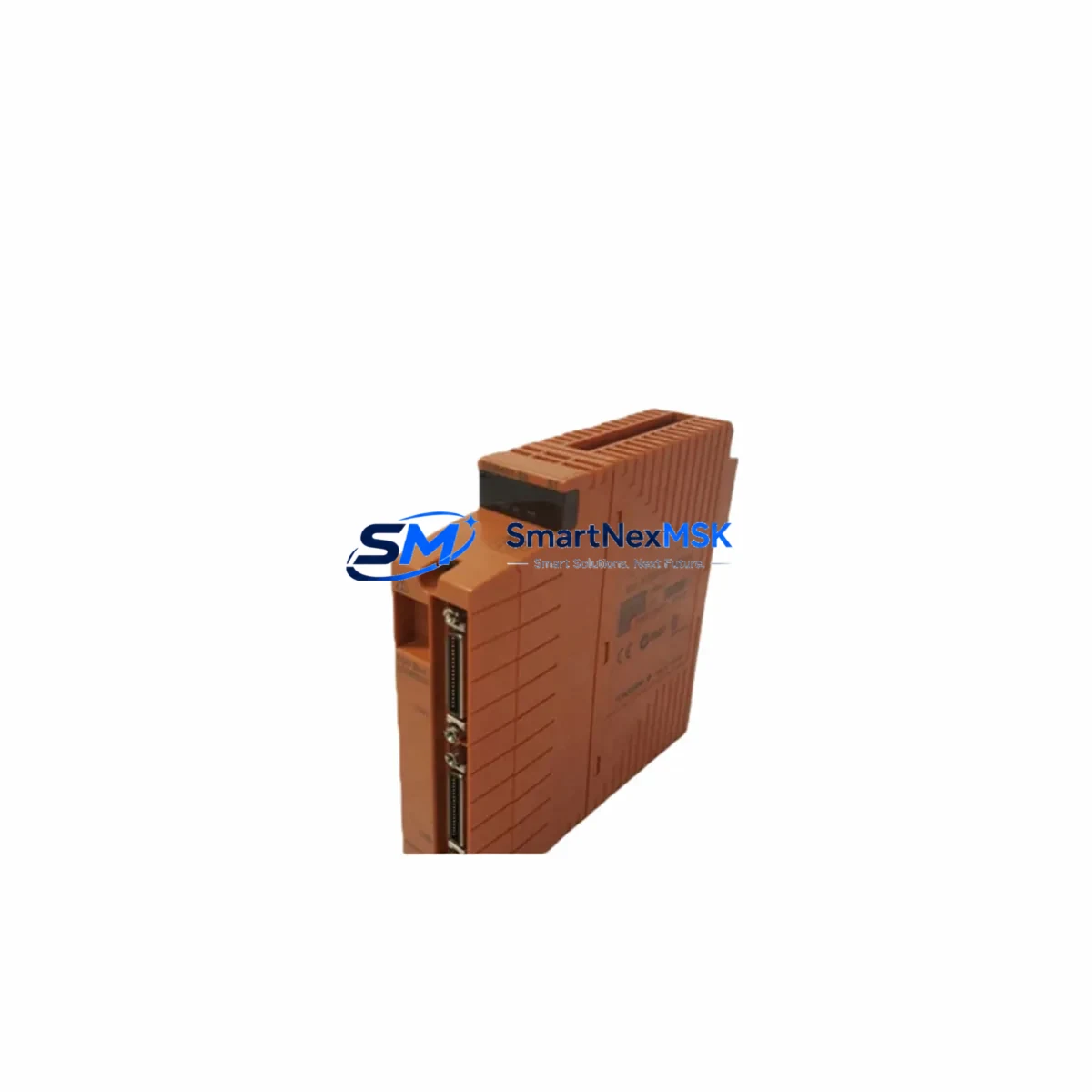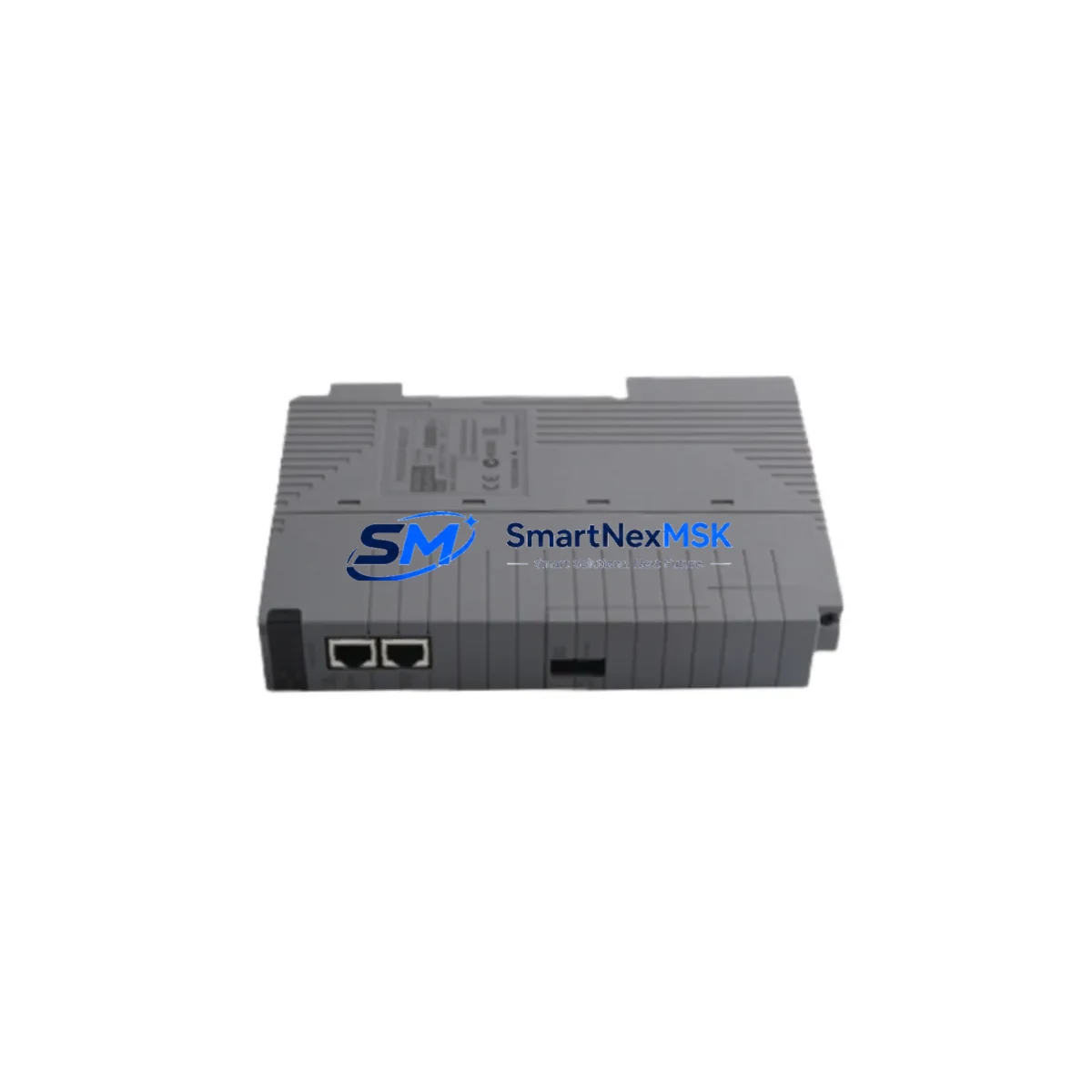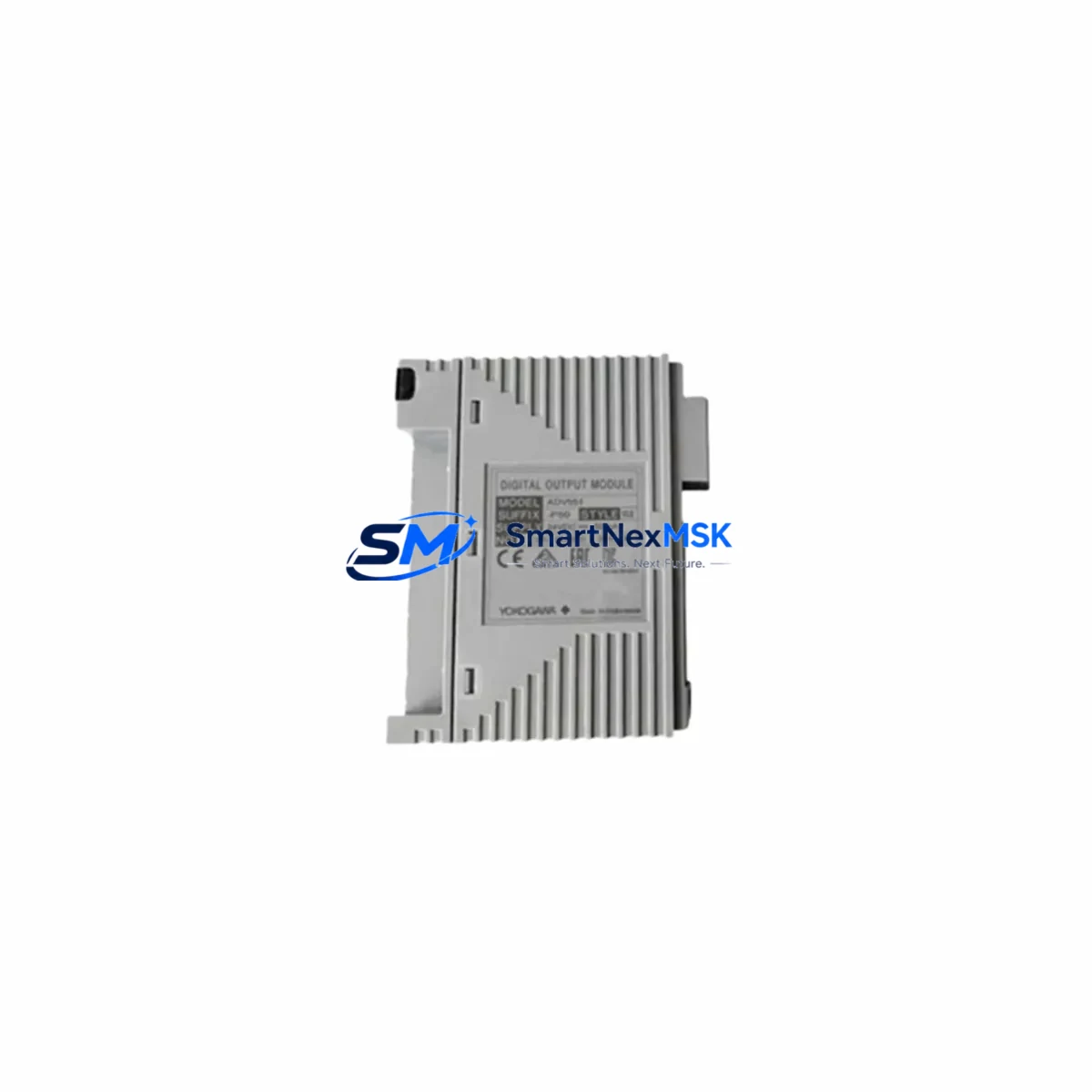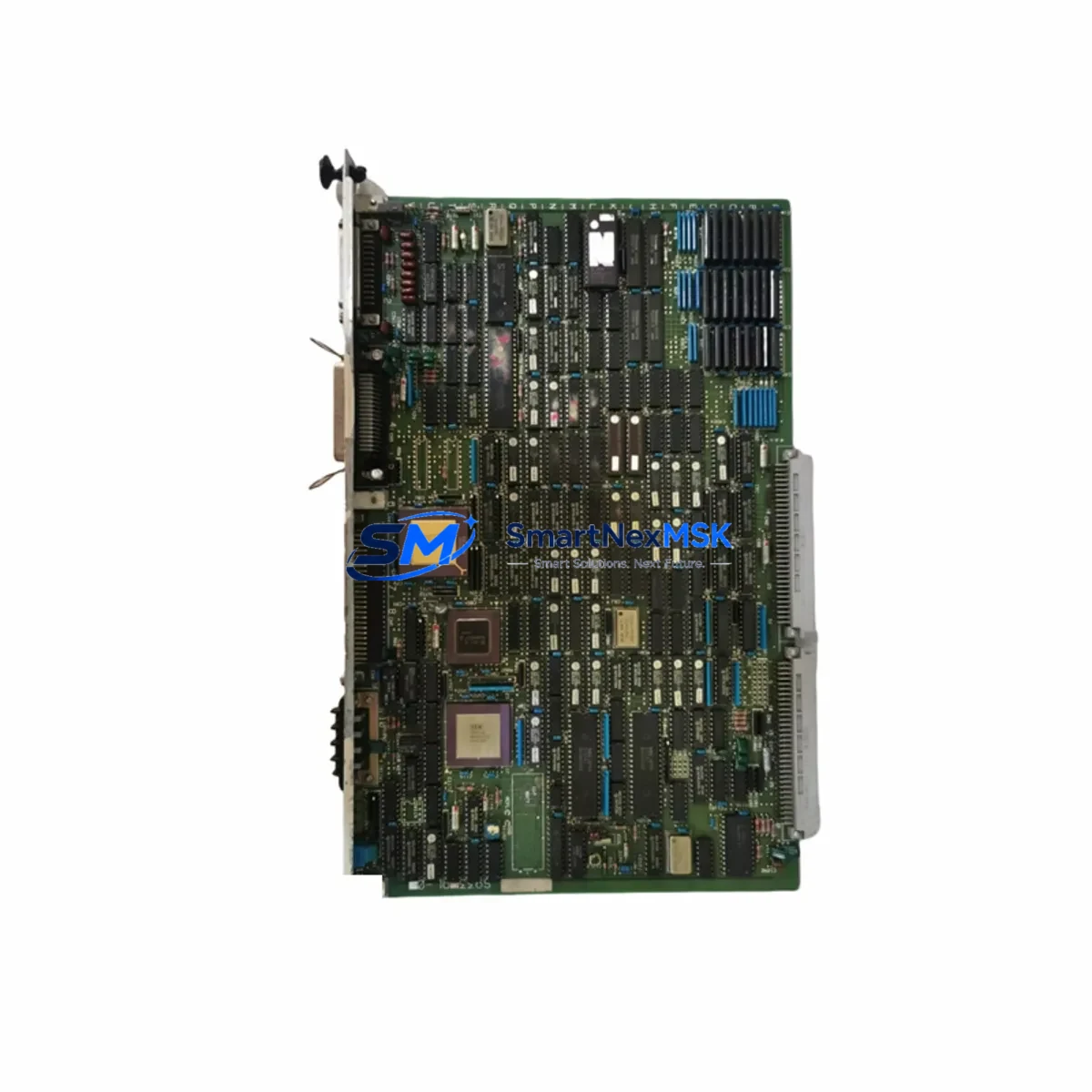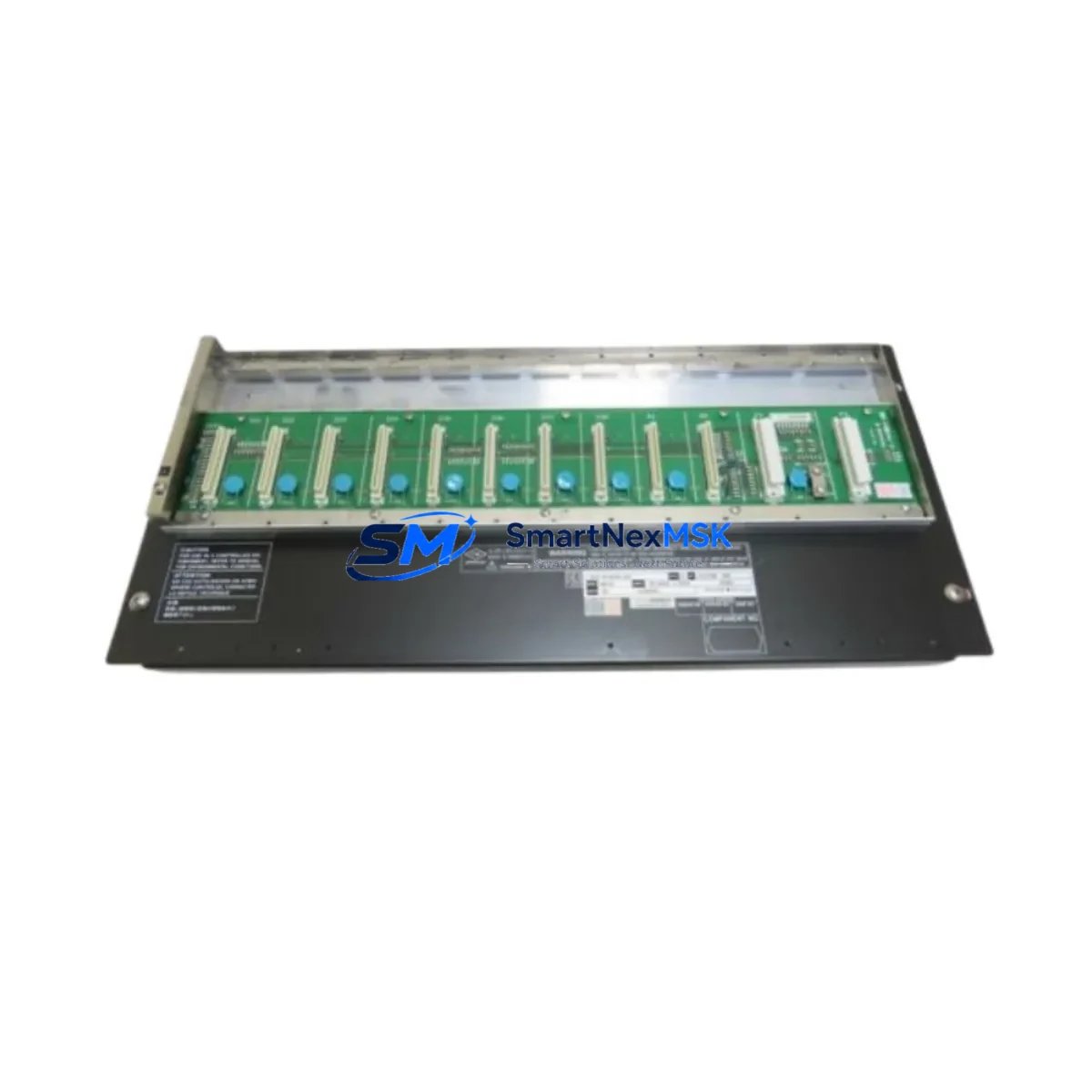
YOKOGAWA ANB10D-S1 Retrofit-Ready Node Interface for CENTUM VP Control Systems
The YOKOGAWA ANB10D-S1 is a Vnet/IP-based Node Interface Unit designed for seamless integration within the CENTUM VP and CENTUM CS 3000 distributed control system platforms. As legacy automation infrastructure ages and original spare parts become increasingly scarce, the ANB10D-S1 has emerged as a critical component in retrofit projects, control cabinet upgrades, and system modernization programs across the oil & gas, petrochemical, power generation, and process manufacturing industries.
Whether you are replacing a failed unit in an active production line, upgrading a CS 3000 node to CENTUM VP architecture, or migrating communication protocols from legacy FIO bus structures to Vnet/IP, the ANB10D-S1 provides the interface reliability and backward compatibility that industrial engineers demand. Each unit supplied by SMARTNEXMSK is fully tested prior to shipment and covered by a 12-month warranty, ensuring confidence in every retrofit deployment.
Upgrade Compatibility Table
| Parameter | ANB10D-S1 Specification | Retrofit Notes |
|---|---|---|
| Communication Protocol | Vnet/IP (100 Mbps Ethernet) | Verify existing FIO or ESB bus topology before migration; protocol bridge may be required for CS 3000 legacy nodes |
| Compatible Platforms | CENTUM VP, CENTUM CS 3000 | Confirm firmware revision of the AFV10D or AFV30D field control unit before installation |
| Backplane Interface | Standard YOKOGAWA node bus connector | Check rack slot assignment and node address configuration in CENTUM VP Engineering Environment (ENG) |
| Power Supply Requirement | 24 VDC (supplied via node bus) | Verify PW481 or PW482 power supply module capacity; confirm total node bus load does not exceed rated output |
| Installation Format | DIN-rail / rack-mount (YOKOGAWA standard) | Compatible with EB401 and EB501 expansion bases; confirm physical slot availability |
| Module Address Setting | Rotary switch / ENG software assignment | Node address must be unique within the Vnet/IP domain; reconfigure via CENTUM VP ENG before hot-swap |
| HMI Compatibility | CENTUM VP HIS (Human Interface Station) | Verify HIS screen tag assignments; update graphic displays if node address changes |
| Program Compatibility | IEC 61131-3 function block logic retained | Download and verify control drawings (CDs) after replacement; perform loop checks on critical I/O |
| Warranty | 12-Month Warranty — all units tested and certified before dispatch | |
Retrofit Planning for Existing Automation Systems
Successful integration of the ANB10D-S1 into an existing control architecture requires a structured pre-engineering review. Before initiating any physical replacement, engineers should audit the current node bus topology and confirm the number of active I/O modules connected downstream. In a typical CENTUM VP field control station, the ANB10D-S1 interfaces with analog input modules such as the AAI141-S00 and AAI543-H00, as well as digital output modules including the ADO141-P50. These I/O modules must remain powered and logically isolated during the node interface swap to prevent spurious output signals.
Power integrity is a foundational concern in any retrofit. The PW481 and PW482 power supply modules feeding the node bus must be verified for adequate capacity before adding or replacing interface units. An undersized power supply is a common root cause of intermittent communication faults following retrofit work. Similarly, the EB401 or EB501 expansion base must have a confirmed available slot, and the physical backplane connector should be inspected for corrosion or mechanical damage before insertion.
Communication link integrity is equally critical. The ANB10D-S1 connects to the Vnet/IP network via standard RJ-45 Ethernet, and the upstream BCV060 Vnet/IP bus converter or managed Ethernet switch must be configured to recognize the new node MAC address. In environments where the legacy ESB10D or ESB20D enhanced signal bus modules are still in service, a phased migration plan should be developed to avoid simultaneous disruption of multiple control loops.
For sites operating CENTUM CS 3000 systems that are being partially upgraded to CENTUM VP, the ANB10D-S1 serves as a bridging component, enabling coexistence of both architectures during the transition period. Engineers should also account for the CENTUM VP Engineering Environment (ENG) software version compatibility, as older ENG releases may require a patch before recognizing the ANB10D-S1 node parameters. Programming cables such as the KS1-USB or standard USB-to-RS232 adapters are typically required for initial node commissioning and address verification.
HMI integration is the final checkpoint before returning the system to automatic control. The CENTUM VP HIS (Human Interface Station) must be updated to reflect any changes in node addressing or I/O tag assignments. Operators should verify that all alarm setpoints, trend displays, and interlock logic remain intact after the replacement. A full loop check — including analog signal injection and digital output verification — is strongly recommended before releasing the system to production.
Downtime Control During System Migration
Minimizing unplanned downtime is the primary operational objective in any control system retrofit. When replacing the ANB10D-S1 in a live production environment, the recommended approach is to pre-configure the replacement unit offline using the CENTUM VP Engineering Environment before the scheduled maintenance window. This includes setting the correct node address, verifying firmware compatibility, and performing a bench-level communication test against a known-good Vnet/IP segment.
During the physical swap, all downstream I/O modules — including analog input, analog output, and digital I/O cards — should be placed in manual or hold mode through the HIS operator station to prevent process upsets. The original control drawings (CDs) and function block diagrams should be backed up to a secure engineering workstation before any hardware is removed. This ensures that if an unexpected compatibility issue arises, the original program logic can be restored without delay.
Post-installation, the node should be brought online incrementally: first verifying Vnet/IP communication link status, then confirming I/O module recognition, and finally performing a controlled transfer from manual to automatic mode on each control loop. Experienced retrofit teams typically complete an ANB10D-S1 replacement within a two-to-four hour maintenance window, including loop checks and HMI verification, when pre-engineering has been completed thoroughly.
SMARTNEXMSK provides pre-shipment functional testing documentation for every ANB10D-S1 unit, reducing on-site commissioning risk and supporting compressed maintenance schedules. Units are dispatched with configuration notes and, upon request, application engineering support for complex migration scenarios.
Retrofit Support FAQ
Q1: Is the ANB10D-S1 a direct drop-in replacement for the ANB10D or ANB10D-S?
The ANB10D-S1 is functionally compatible with earlier ANB10D variants in most CENTUM VP and CS 3000 applications. However, engineers should verify the firmware revision of the host field control unit (e.g., AFV10D or AFV30D) and confirm that the CENTUM VP ENG software version supports the S1 hardware revision. Minor node address reconfiguration may be required. SMARTNEXMSK can provide pre-sales technical consultation to confirm compatibility for your specific system revision.
Q2: What commissioning steps are required after installing the ANB10D-S1?
After physical installation, connect the Vnet/IP Ethernet cable and power on the node bus. Use the CENTUM VP Engineering Environment to download the node configuration and verify that all downstream I/O modules are recognized. Perform a full loop check on all analog and digital channels. Update HMI tag assignments if the node address has changed, and confirm that all interlock and alarm functions are operating correctly before returning to automatic control.
Q3: Can the ANB10D-S1 be used in a mixed CS 3000 / CENTUM VP architecture?
Yes. The ANB10D-S1 supports coexistence scenarios where CENTUM CS 3000 and CENTUM VP nodes operate on the same Vnet/IP network segment. This is a common configuration during phased migration projects where full system replacement is not feasible in a single outage. Confirm with your YOKOGAWA system integrator that the domain controller and Vnet/IP switch configuration supports mixed-generation node addressing.
Q4: What does the 12-month warranty cover, and what pre-shipment testing is performed?
Every ANB10D-S1 supplied by SMARTNEXMSK undergoes functional testing including Vnet/IP communication verification, power-on self-test, and I/O bus integrity checks before dispatch. The 12-month warranty covers manufacturing defects and functional failures under normal operating conditions. Units are shipped with test records upon request. For warranty claims or technical support, contact [email protected] or call +86 18259474341.
© 2026 SMARTNEXMSK. All rights reserved.
Original Source: https://smartnexmsk.com
Contact: [email protected] | +86 18259474341