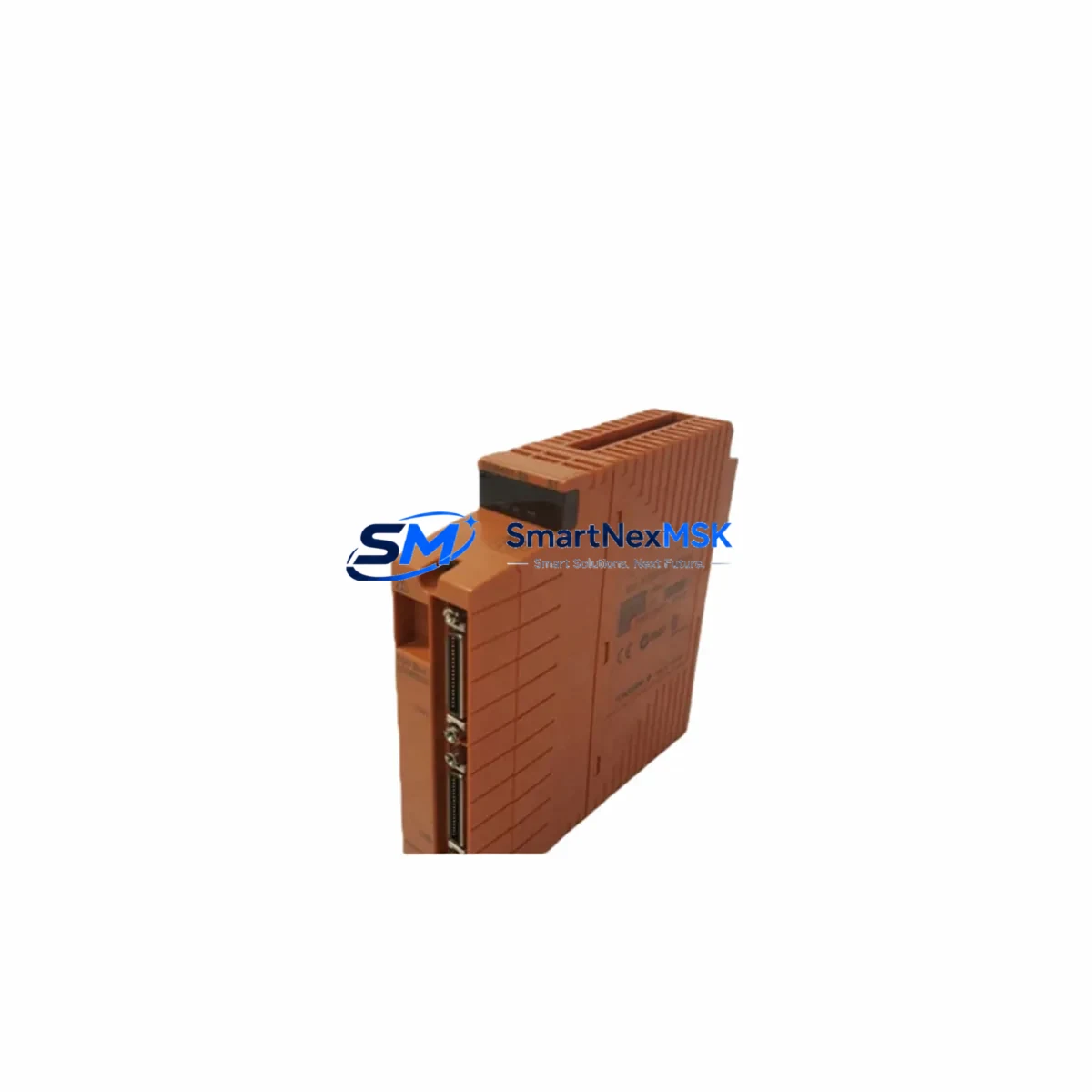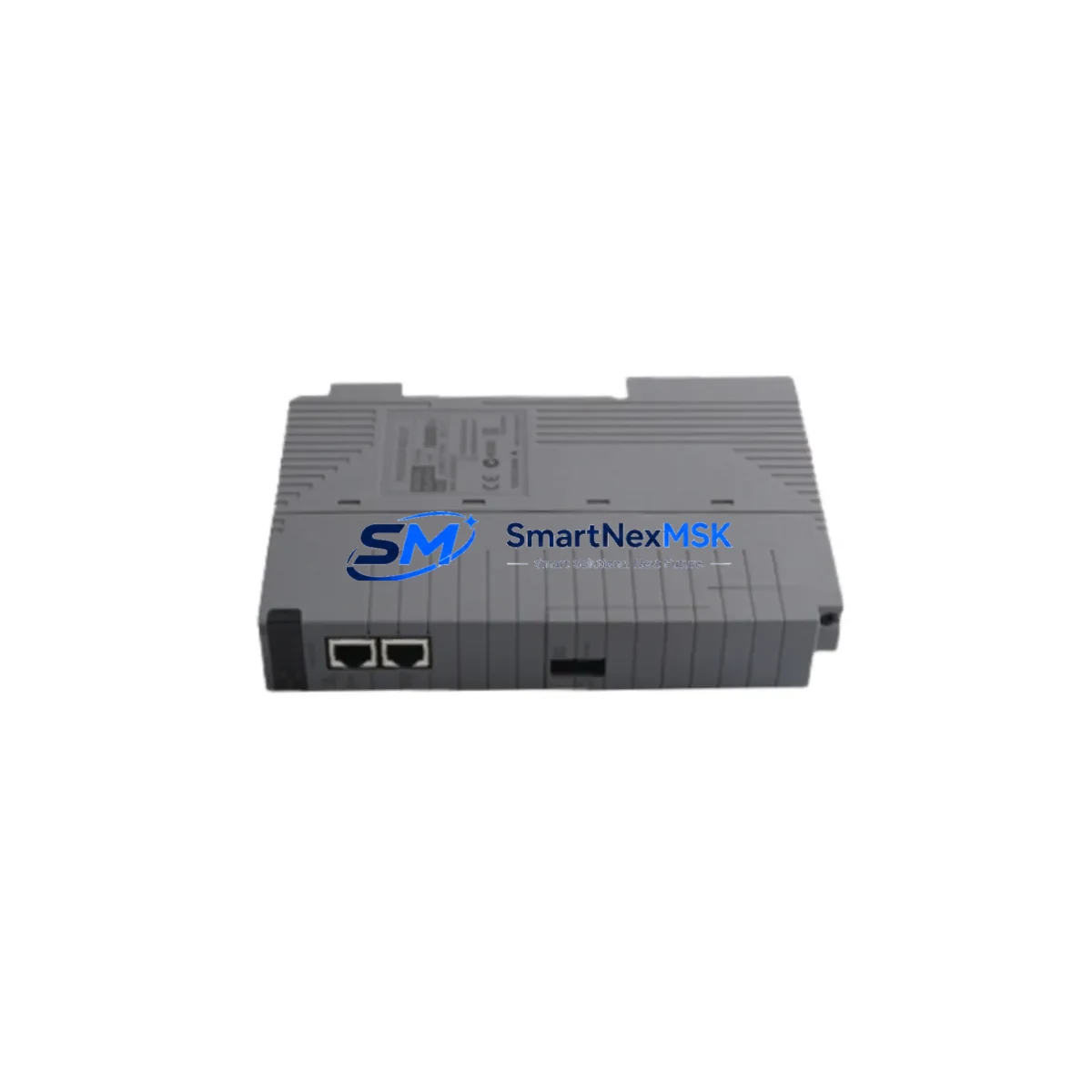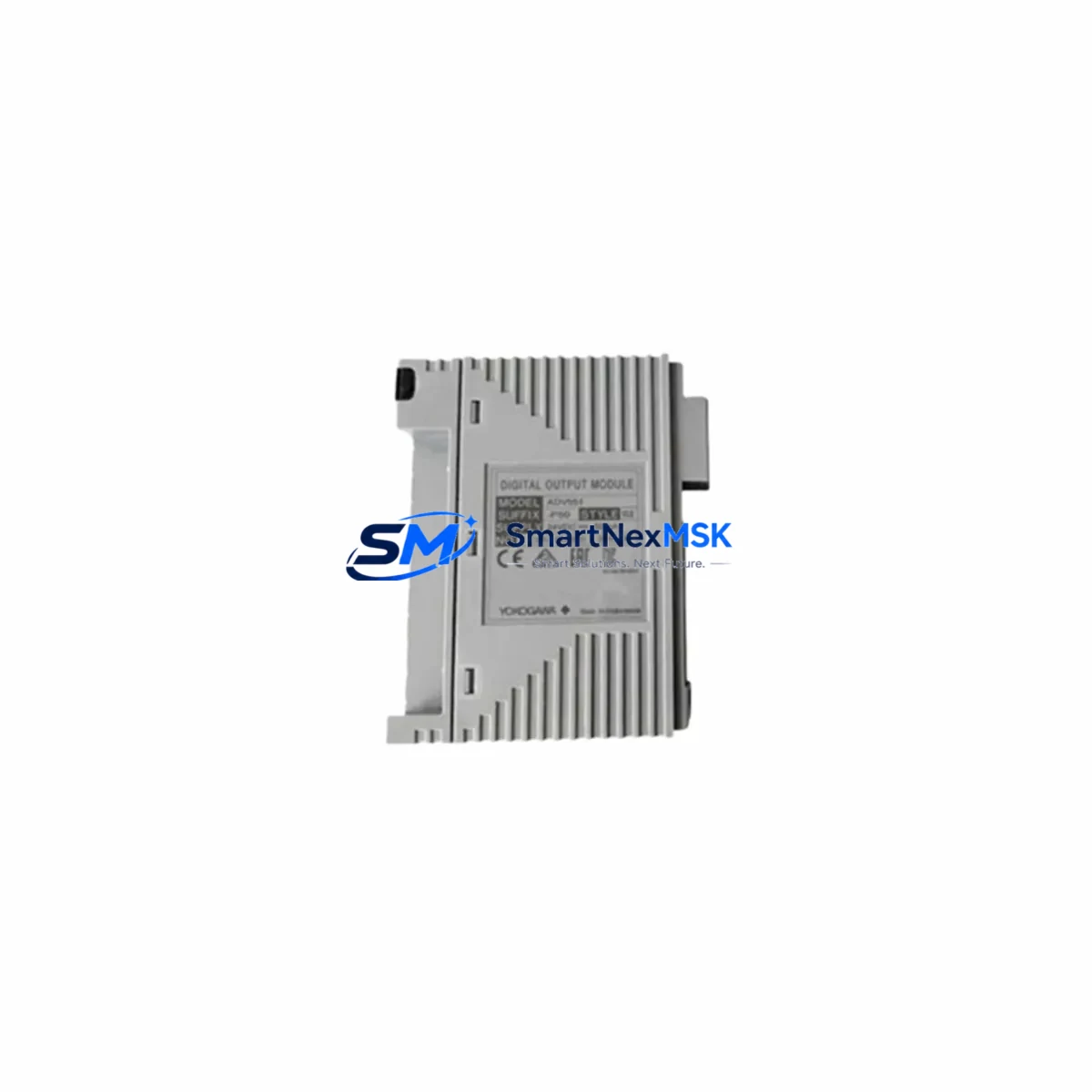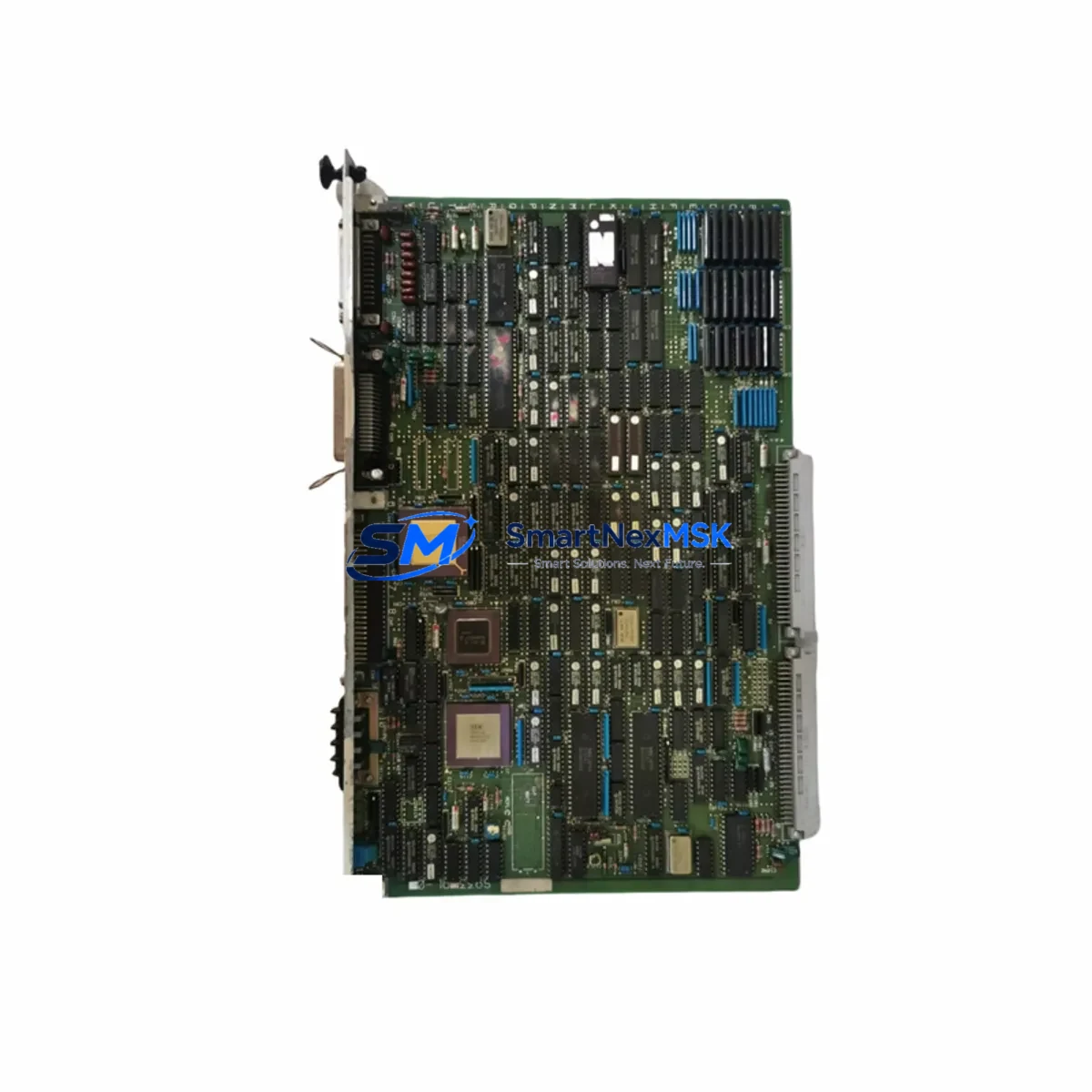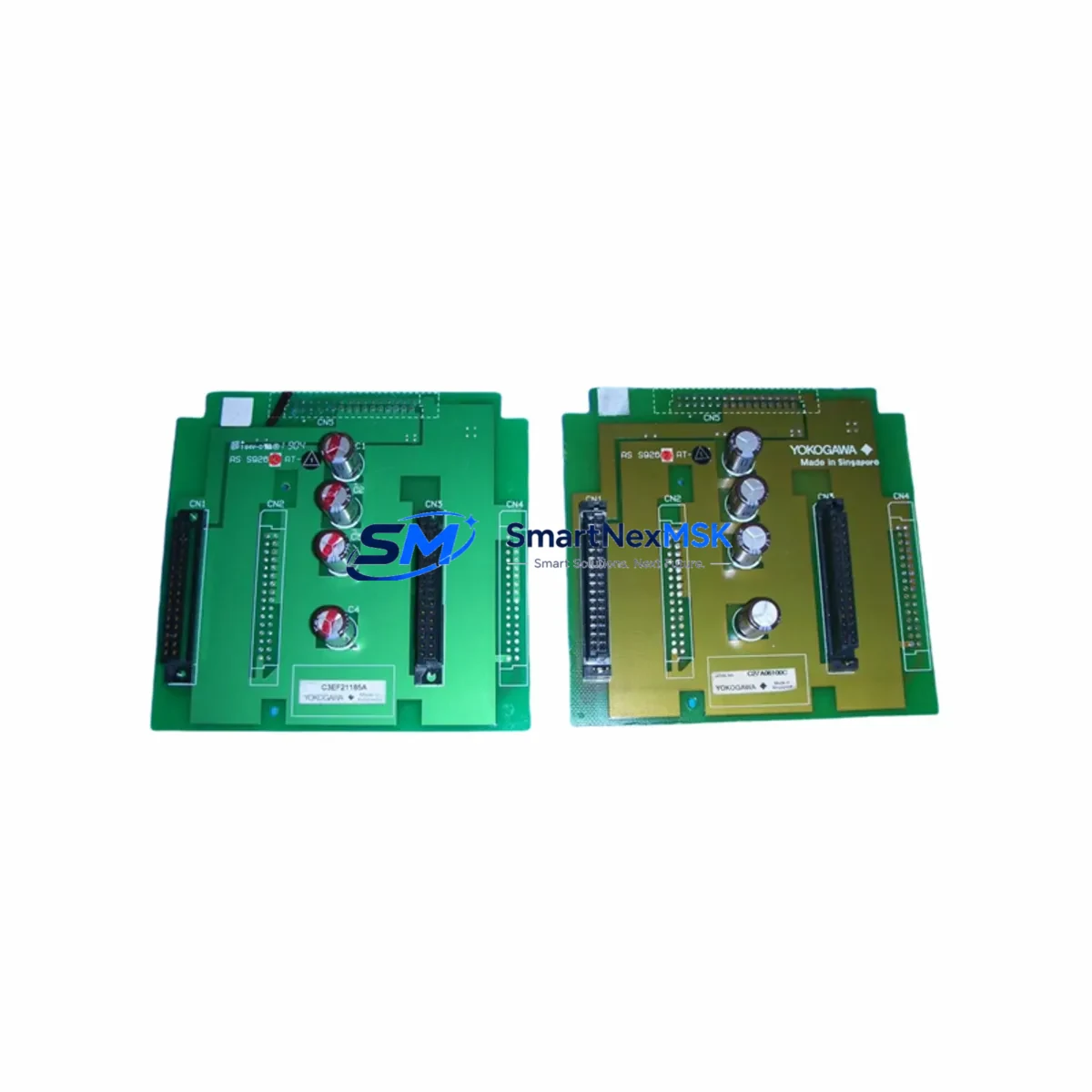
YOKOGAWA ASS9262AT-1 Retrofit-Ready DCS Communication Board for CENTUM CS3000 Control Systems
The YOKOGAWA ASS9262AT-1 is a DCS communication board engineered for seamless integration into CENTUM CS3000 distributed control system architectures. As legacy CENTUM CS3000 installations approach end-of-support milestones, plant engineers and automation managers increasingly rely on verified replacement modules like the ASS9262AT-1 to sustain production continuity without committing to full-platform migrations. This board serves as a direct retrofit solution for aging communication infrastructure, enabling facilities to extend the operational life of their existing control cabinets while maintaining full compatibility with established I/O configurations, HMI screens, and field device networks.
Whether you are replacing a failed unit on an active production line, building a critical spare inventory for a remote facility, or executing a phased control system upgrade, the ASS9262AT-1 delivers the reliability and compatibility that industrial environments demand. Each unit is sourced from verified supply channels, undergoes pre-shipment functional testing, and is backed by a 12-month warranty covering manufacturing defects and operational failures under normal service conditions.
Upgrade Compatibility Table
| Parameter | Details |
|---|---|
| Compatible Platform | YOKOGAWA CENTUM CS3000 |
| Module Type | DCS Communication Board |
| SKU / Part Number | ASS9262AT-1 |
| Backplane Interface | CS3000 standard node bus backplane |
| Installation Requirement | Direct slot replacement; no mechanical modification required |
| Communication Compatibility | Compatible with Vnet/IP and legacy Ethernet node communication |
| I/O Compatibility | Maintains existing I/O address mapping when installed in original slot |
| HMI Compatibility | No HMI screen reconfiguration required for direct replacement |
| Replacement Recommendation | Verify firmware revision before installation; update if required |
| Commissioning Focus | Node address confirmation, communication link test, I/O scan verification |
| Warranty | 12 Months — covers manufacturing defects and operational failure |
Retrofit Planning for Existing Automation Systems
Successful integration of the ASS9262AT-1 into an existing CENTUM CS3000 system begins well before the module arrives on site. Engineers should audit the current control cabinet layout, confirming the node bus backplane slot assignment and verifying that the existing power supply module — typically a YOKOGAWA PW481 or equivalent CS3000 power unit — can support the communication board’s rated draw without exceeding the cabinet’s total power budget. Undersized power capacity is one of the most common causes of intermittent communication faults following a board replacement.
Terminal wiring connected to the associated field control station (FCS) should be documented and photographed before any module is removed. The ASS9262AT-1 communicates upstream through the node bus rather than direct field wiring, but downstream I/O modules — including analog input cards, digital output cards, and pulse input modules installed in the same FCS chassis — depend on stable communication from this board to maintain their scan cycles. Disruption to the communication path can cause I/O modules to enter a safe-state hold, which may affect field devices connected to those channels.
For facilities running Vnet/IP as their primary plant network, the replacement board must be assigned the correct node address before being brought online. This is typically configured through YOKOGAWA’s Engineering Environment (ENG) software. If the original node address is unknown or the configuration database is incomplete, the commissioning engineer will need to perform a node scan and reconcile the discovered topology against the existing HMI tag database. HMI screens built on CENTUM CS3000’s HIS (Human Interface Station) reference tag paths that are tied to specific FCS node addresses, so an address mismatch will cause display anomalies even if the underlying I/O is functioning correctly.
In multi-node CS3000 installations, the ASS9262AT-1 replacement should be coordinated with a review of the associated communication cables connecting the FCS to the node bus junction. Degraded coaxial or fiber segments can mask underlying communication issues that only become apparent after a board swap. It is advisable to test cable continuity and signal integrity before concluding that the communication board itself is the root cause of a fault. Related components that are commonly inspected or replaced during this process include the YOKOGAWA ACM12 communication module, the ESB bus interface unit, and the RIO (Remote I/O) bus coupler if remote I/O expansion is part of the existing architecture.
For sites migrating from CENTUM CS3000 toward CENTUM VP — YOKOGAWA’s current-generation DCS platform — the ASS9262AT-1 can serve as a bridge component, maintaining CS3000 node communication while the migration is executed in phases. This approach allows engineering teams to migrate individual FCS nodes to CENTUM VP hardware, such as the AFV10D field control unit, while keeping the remaining CS3000 nodes operational through verified communication boards. The YOKOGAWA CENTUM VP also supports Vnet/IP, which simplifies the network topology during the transition period.
Downtime Control During System Migration
Minimizing unplanned downtime during a communication board replacement requires a structured pre-outage preparation protocol. Before taking the affected FCS node offline, the control engineer should export a full backup of the FCS application program from the Engineering Environment, including all function block definitions, loop tuning parameters, interlock logic, and alarm setpoints. This backup serves as both a recovery baseline and a verification reference after the new ASS9262AT-1 is installed and the node is brought back online.
Where process conditions permit, the affected control loops should be switched to manual mode at the HIS operator station before the node is powered down. This prevents automatic control actions from being issued to field devices during the replacement window and reduces the risk of process upsets caused by stale output values held in the I/O modules. For critical loops where manual mode is not operationally acceptable, a temporary bypass or hardwired override may be required — this should be coordinated with the process safety team in advance.
Once the ASS9262AT-1 is installed and the FCS node is powered up, the commissioning sequence should follow YOKOGAWA’s standard node initialization procedure: confirm power-on self-test completion, verify node address recognition on the Vnet/IP network, perform a communication link test from the Engineering Environment, and execute a full I/O scan to confirm that all downstream modules — including any YOKOGAWA AAI141 analog input modules or ADV151 digital output modules in the chassis — are responding correctly. Only after all I/O channels have been verified should the control loops be returned to automatic mode.
For facilities with strict change management requirements, the entire replacement procedure — from pre-outage backup through post-commissioning verification — should be documented in a maintenance work order and reviewed against the site’s management of change (MOC) process. Retaining the replaced ASS9262AT-1 as a quarantined spare until the new board has completed a full operational cycle is also recommended, as it provides a rapid fallback option if latent issues emerge during the initial run period.
Retrofit Support FAQ
Q: Is the ASS9262AT-1 a direct drop-in replacement for the original CENTUM CS3000 communication board?
A: Yes, the ASS9262AT-1 is designed for direct slot replacement within the CS3000 node bus backplane. No mechanical modification is required. However, engineers should verify the firmware revision of the replacement board against the site’s current CS3000 software version and apply any required firmware updates before bringing the node online.
Q: Will I need to reconfigure my HMI screens or reprogram the FCS after installing the ASS9262AT-1?
A: In a direct replacement scenario where the node address and slot position are preserved, no HMI reconfiguration or FCS reprogramming is required. The existing tag database and function block application will remain intact. Reprogramming is only necessary if the node address changes or if the replacement is part of a broader platform migration.
Q: What commissioning steps are required after installing the replacement board?
A: The standard commissioning sequence includes: power-on self-test verification, node address confirmation on the Vnet/IP network, communication link test via the Engineering Environment, full I/O scan of all downstream modules, and loop-by-loop verification before returning control to automatic mode. All steps should be documented per the site’s MOC procedure.
Q: What does the 12-month warranty cover, and what is the return process?
A: The 12-month warranty covers manufacturing defects and operational failures under normal service conditions. If a warranty claim is required, contact our sales team with the order reference and a description of the fault. We will arrange inspection and, where applicable, replacement or repair. Units damaged by incorrect installation, overvoltage, or unauthorized modification are not covered under the standard warranty terms.
© 2026 SMARTNEXMSK. All rights reserved.
Original Source: https://smartnexmsk.com
Contact: [email protected] | +86 18259474341