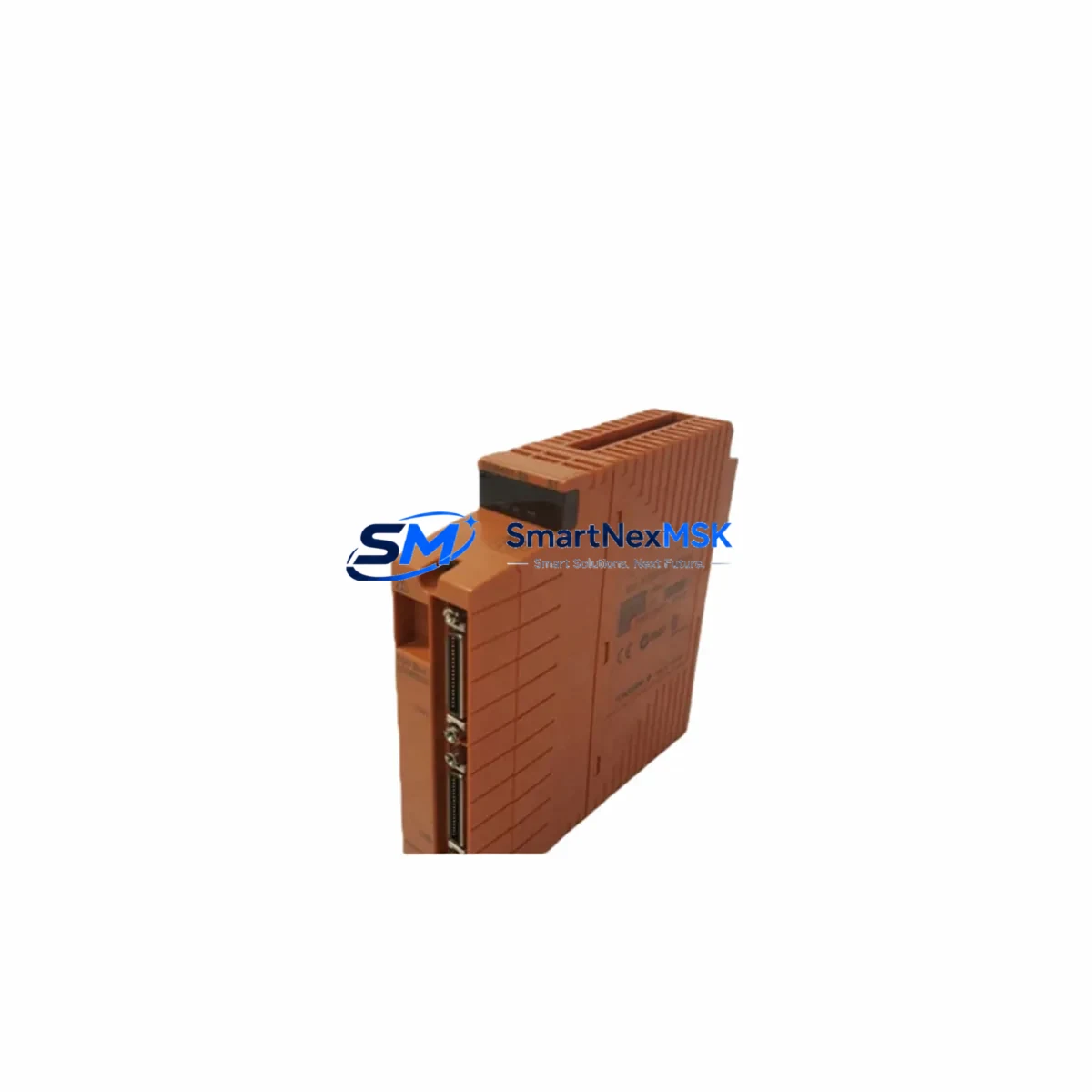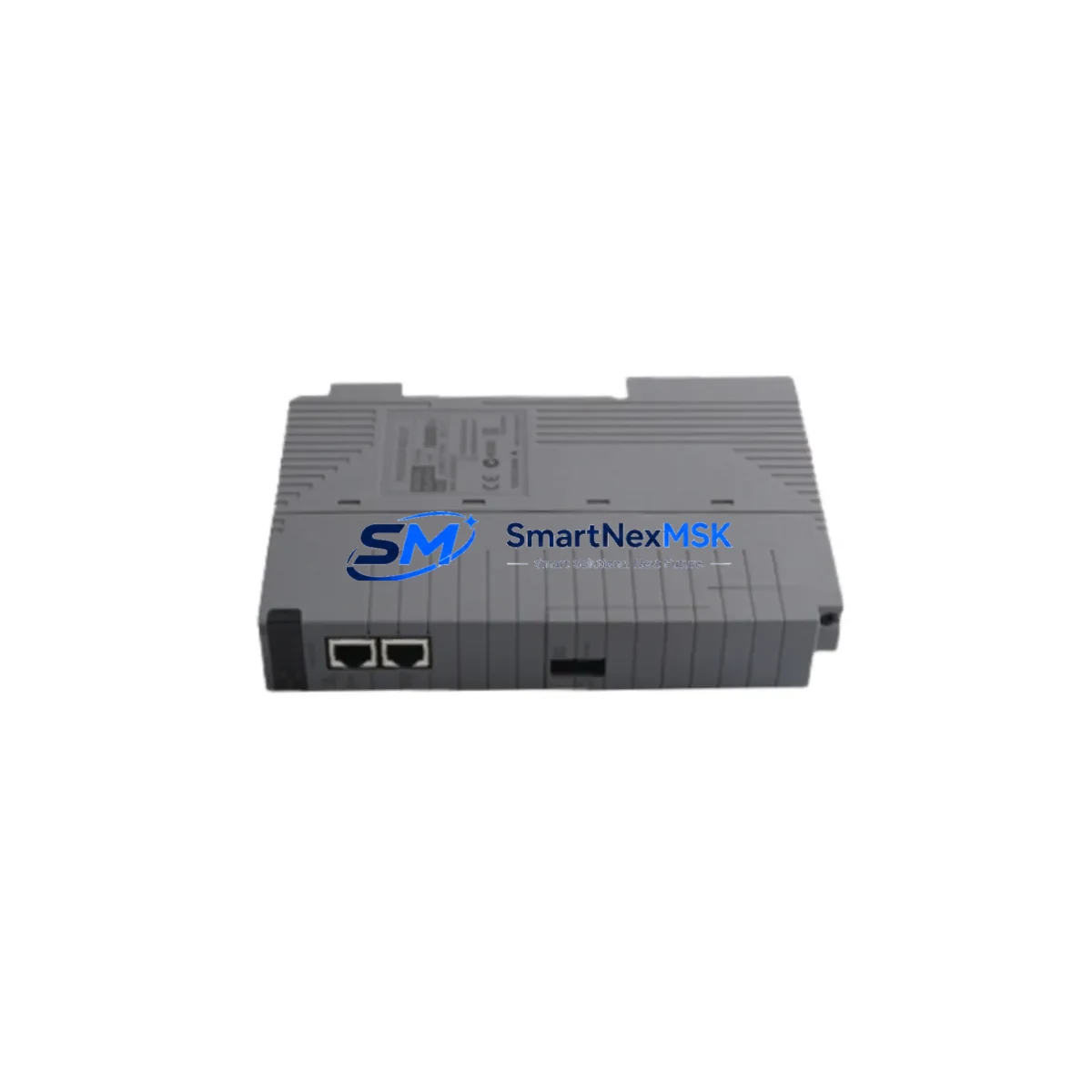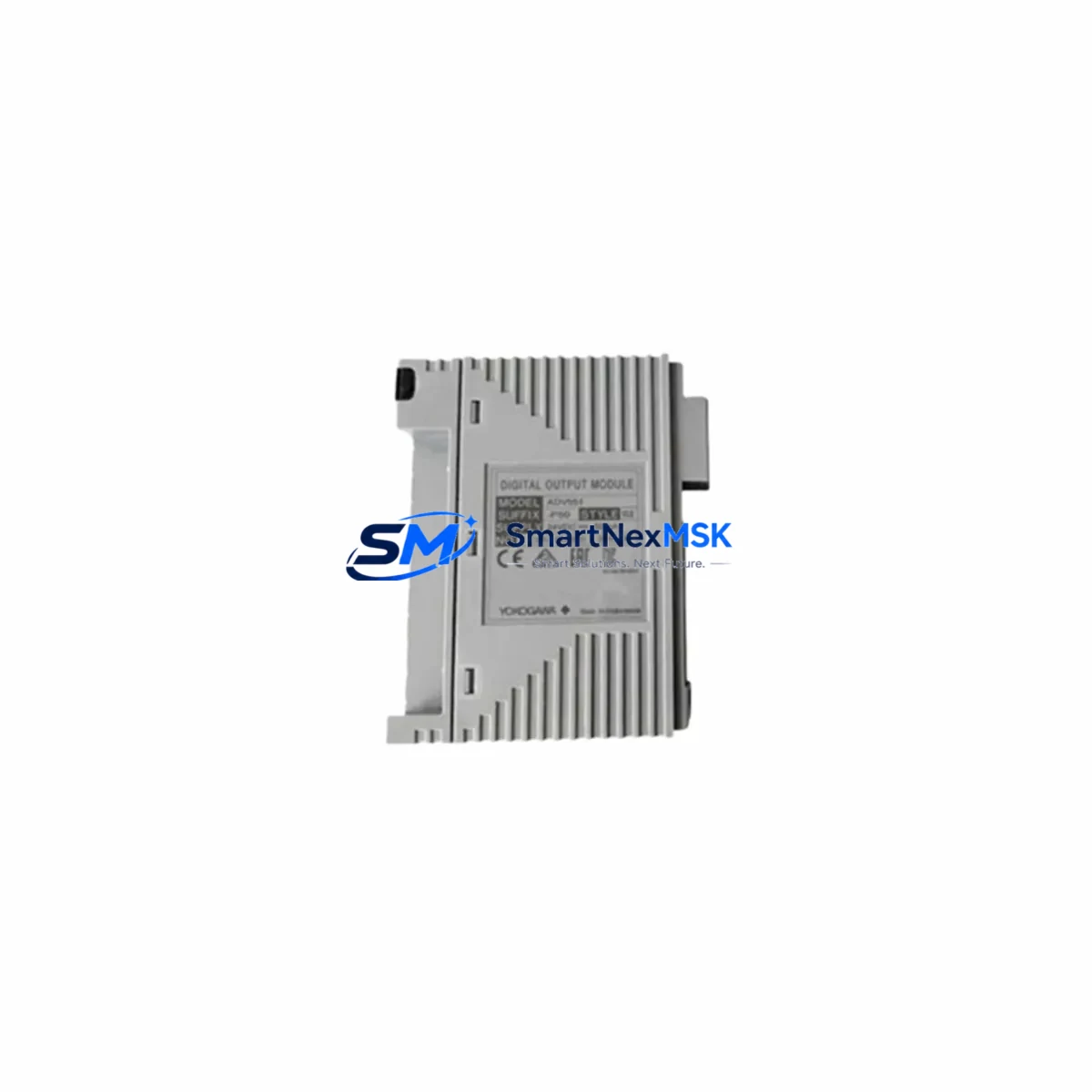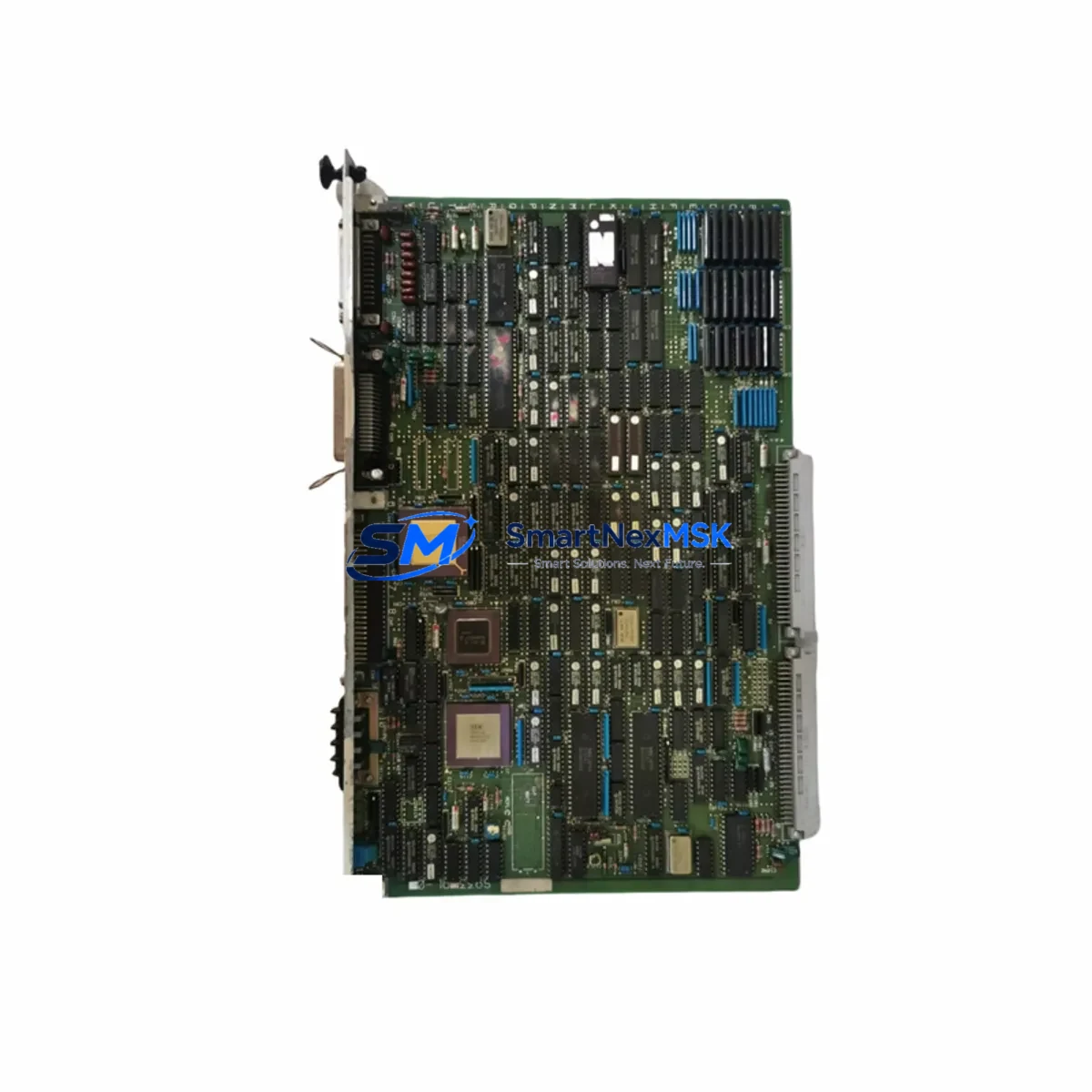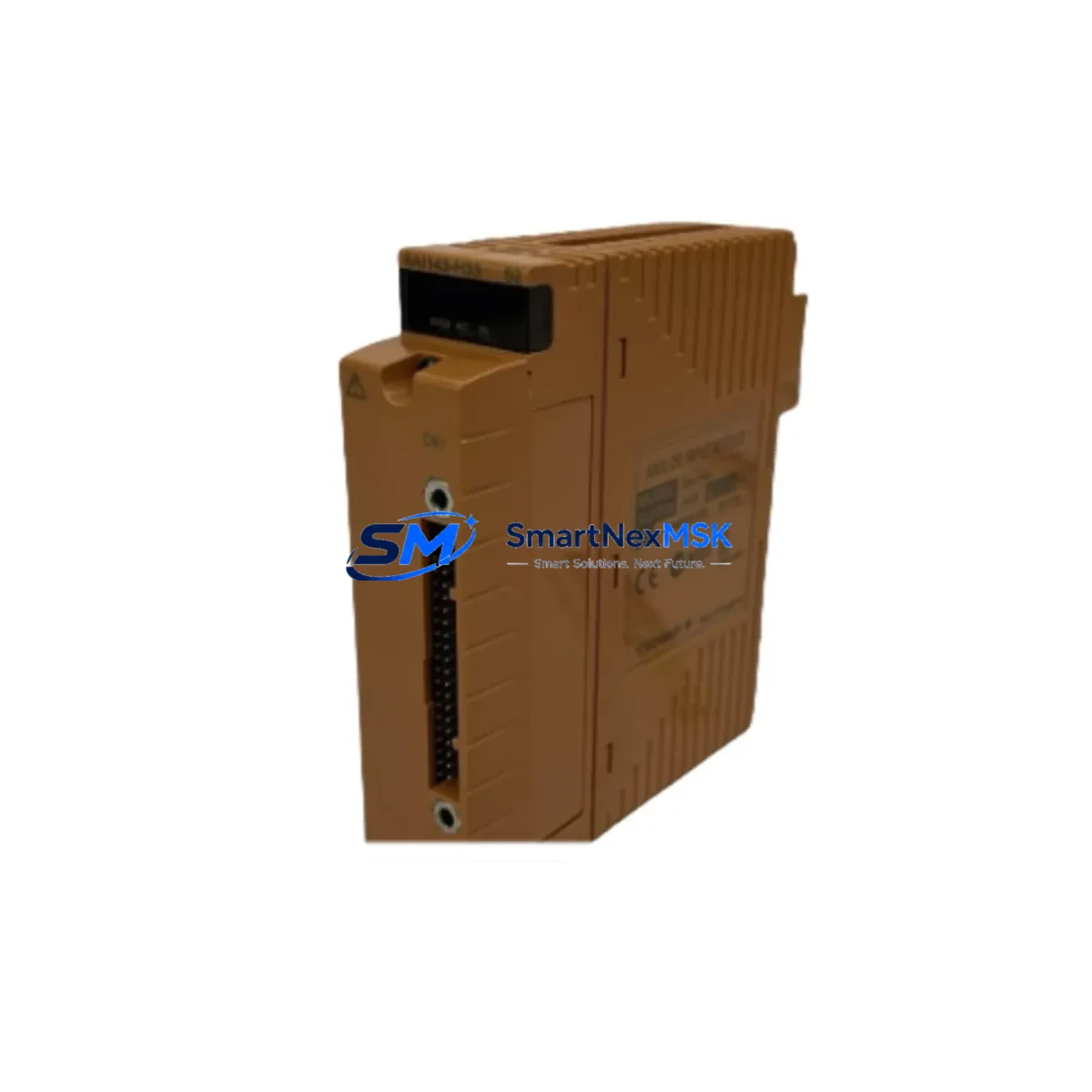
Yokogawa SAI143-H33 S2 Retrofit-Ready Analog Input Module for CENTUM VP Control Systems
The Yokogawa SAI143-H33 S2 is a high-density analog input module engineered for the CENTUM VP distributed control system platform. As legacy CENTUM CS 3000 and early CENTUM VP installations reach end-of-service milestones, the SAI143-H33 S2 has become a critical retrofit component for facilities undertaking control system modernization, panel upgrades, and I/O expansion projects. This module supports 16-channel 4–20 mA analog input acquisition with HART pass-through capability, making it a direct functional replacement for discontinued predecessors in the SAI series and a compatible upgrade path for sites migrating from older Yokogawa field control station architectures.
Whether your facility is replacing a failed module on an active production line, expanding I/O capacity in an existing FCS cabinet, or executing a phased migration from a legacy CENTUM CS 3000 system, the SAI143-H33 S2 delivers the signal integrity, backplane compatibility, and firmware alignment required for seamless integration without full system replacement.
Upgrade Compatibility Table
| Parameter | Details |
|---|---|
| Compatible Platform | Yokogawa CENTUM VP (all revisions), CENTUM CS 3000 (with adapter verification) |
| Module Type | 16-Channel Analog Input, 4–20 mA, HART-compatible |
| Backplane Interface | Standard CENTUM VP FCS node bus; direct slot insertion |
| Installation Requirement | Compatible with AFV10S, AFV20S, and AFV30S field control stations; verify node address assignment before insertion |
| Communication Compatibility | Vnet/IP backbone; HART 5/6/7 pass-through on all 16 channels |
| Replacement Recommendation | Direct replacement for SAI143-H33 S1; functional substitute for SAI133 with wiring adapter review |
| Commissioning Focus | Node address DIP switch, channel range configuration in HIS engineering station, HART device registration |
| Warranty | 12-Month Warranty — covers manufacturing defects and functional failure under normal operating conditions |
Retrofit Planning for Existing Automation Systems
Successful integration of the SAI143-H33 S2 into an existing CENTUM VP architecture begins well before the module arrives on site. Engineers should start by auditing the target FCS cabinet to confirm available slot positions within the node unit, verify that the AFV10S or AFV20S field control station firmware revision supports the SAI143-H33 S2 module descriptor, and review the existing I/O assignment map in the HIS (Human Interface Station) engineering environment.
Terminal wiring is a critical checkpoint. The SAI143-H33 S2 uses a standard 16-channel terminal board — typically the ATB series — and field wiring from the marshalling cabinet must be confirmed against the existing loop drawings before disconnection. In many retrofit scenarios, the original terminal board remains in place and only the module card is swapped, which significantly reduces rewiring time and the risk of loop identification errors.
For sites running HART-enabled field instruments such as Yokogawa EJX series pressure transmitters or YTA series temperature transmitters, the HART pass-through function of the SAI143-H33 S2 must be enabled and verified through the CENTUM VP HART DTM library. This is particularly important when the replacement is part of a broader asset management integration using Yokogawa’s PRM (Plant Resource Manager) platform.
In multi-node FCS configurations, the node address of the replacement module must be set identically to the failed unit using the onboard DIP switch array before insertion. Failure to match the node address will result in a communication fault on the Vnet/IP segment and may trigger interlock conditions in the safety instrumented system if the FCS is integrated with a Yokogawa ProSafe-RS safety controller. Always confirm the node address map from the CENTUM VP system builder database before proceeding.
Power budget verification is essential when adding the SAI143-H33 S2 to an existing node. The AFV10S power supply module — typically an APS10S or APS11S — must have sufficient margin to support the additional module load. In older installations where the power supply has been operating near capacity, a parallel APS module or a replacement with a higher-rated unit may be required before the new I/O card is inserted.
For projects involving communication protocol migration — for example, transitioning field devices from 4–20 mA conventional wiring to HART digital communication — the SAI143-H33 S2 supports this transition natively. Engineers can configure individual channels for HART primary variable polling without hardware modification, enabling a phased migration strategy that avoids simultaneous cutover of all field loops. This approach is particularly effective in continuous process environments such as refining, chemical, and power generation facilities where loop-by-loop commissioning is the preferred methodology.
Related components commonly encountered in the same retrofit scope include the SAO143 analog output module for paired control loops, the SDV144 digital input module for discrete signal expansion, the SCP451 sequence control processor for logic-intensive FCS nodes, the AFV30S field control station for high-density I/O configurations, and the AIP588 I/O bus interface module used in remote I/O expansion scenarios. Projects involving HMI screen updates will also require coordination with the HIS workstation running CENTUM VP R6 or later, where faceplates and trend displays must be verified against the new module’s channel assignments.
Downtime Control During System Migration
Minimizing unplanned downtime during a module replacement or system migration is the primary operational concern for any facility running continuous processes. For the SAI143-H33 S2, the recommended approach is a pre-staged hot-swap procedure where the replacement module is pre-configured offline — node address set, firmware version confirmed, and channel parameters loaded via the CENTUM VP offline builder — before the maintenance window begins.
During the cutover window, the sequence should follow a defined isolation protocol: place the affected FCS node in manual control mode from the HIS operator station, confirm that all associated control loops are in manual or cascade-hold state, and verify that any interlock logic referencing the affected I/O channels is temporarily inhibited in coordination with the safety team. The physical swap of the SAI143-H33 S2 card typically takes under five minutes when the terminal board remains in place.
After insertion, the FCS will perform an automatic module recognition sequence on the Vnet/IP segment. Engineers should monitor the system alarm summary on the HIS for any node communication faults and confirm that all 16 analog input channels return to normal scan status before returning loops to automatic control. HART device re-registration, if required, can be performed in parallel with loop verification using the PRM asset management console, further compressing the total commissioning time.
For facilities with redundant FCS configurations, the SAI143-H33 S2 supports hot-standby operation when installed in a redundant node pair, allowing the replacement to be performed on the standby node first, with automatic switchover validation before the primary node is touched — effectively reducing process impact to near zero.
Retrofit Support FAQ
Q: Is the SAI143-H33 S2 a direct drop-in replacement for the SAI143-H33 S1?
A: Yes. The SAI143-H33 S2 is the current production revision of the SAI143-H33 series and is backward compatible with S1 installations. The terminal board, backplane connector, and node address configuration are identical. No wiring changes are required when replacing an S1 unit with an S2.
Q: Can the SAI143-H33 S2 be used in a CENTUM CS 3000 system?
A: Compatibility with CENTUM CS 3000 depends on the FCS hardware revision and firmware version. In most cases, a module descriptor update in the CS 3000 system builder is required. We recommend providing your CS 3000 system revision details at the time of order so our technical team can confirm compatibility before shipment.
Q: What does the 12-month warranty cover?
A: The 12-month warranty covers manufacturing defects and functional failure under normal operating conditions from the date of shipment. Each unit undergoes pre-shipment functional testing including channel scan verification and communication interface check. Warranty claims are processed within 5 business days of fault confirmation.
Q: How is the module tested before shipment?
A: Every SAI143-H33 S2 unit is tested on a live CENTUM VP test bench prior to dispatch. Testing includes full 16-channel analog input scan, HART communication pass-through verification, backplane communication handshake, and power consumption measurement. A test report is available upon request for quality-critical procurement processes.
© 2026 SMARTNEXMSK. All rights reserved.
Original Source: https://smartnexmsk.com
Contact: [email protected] | +86 18259474341