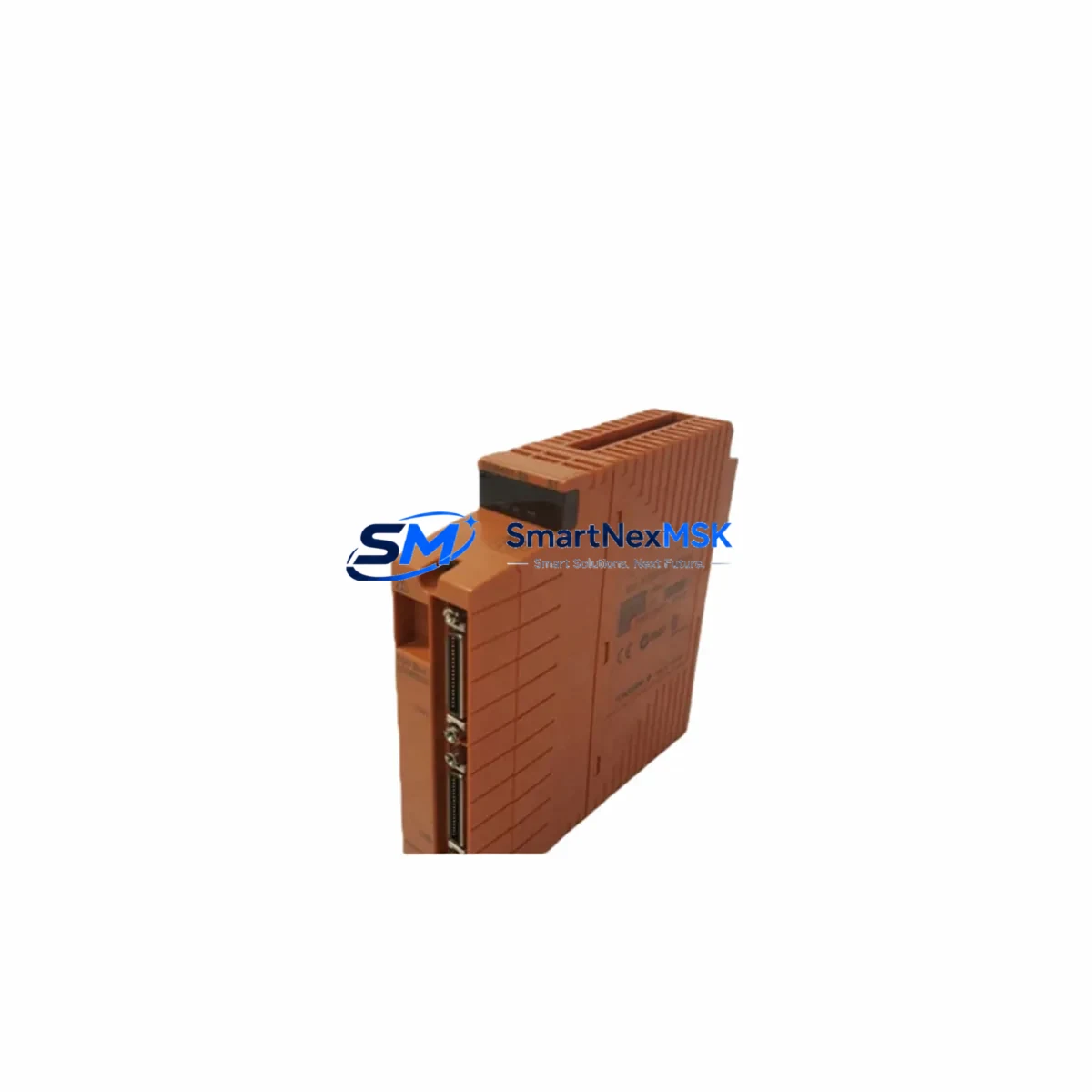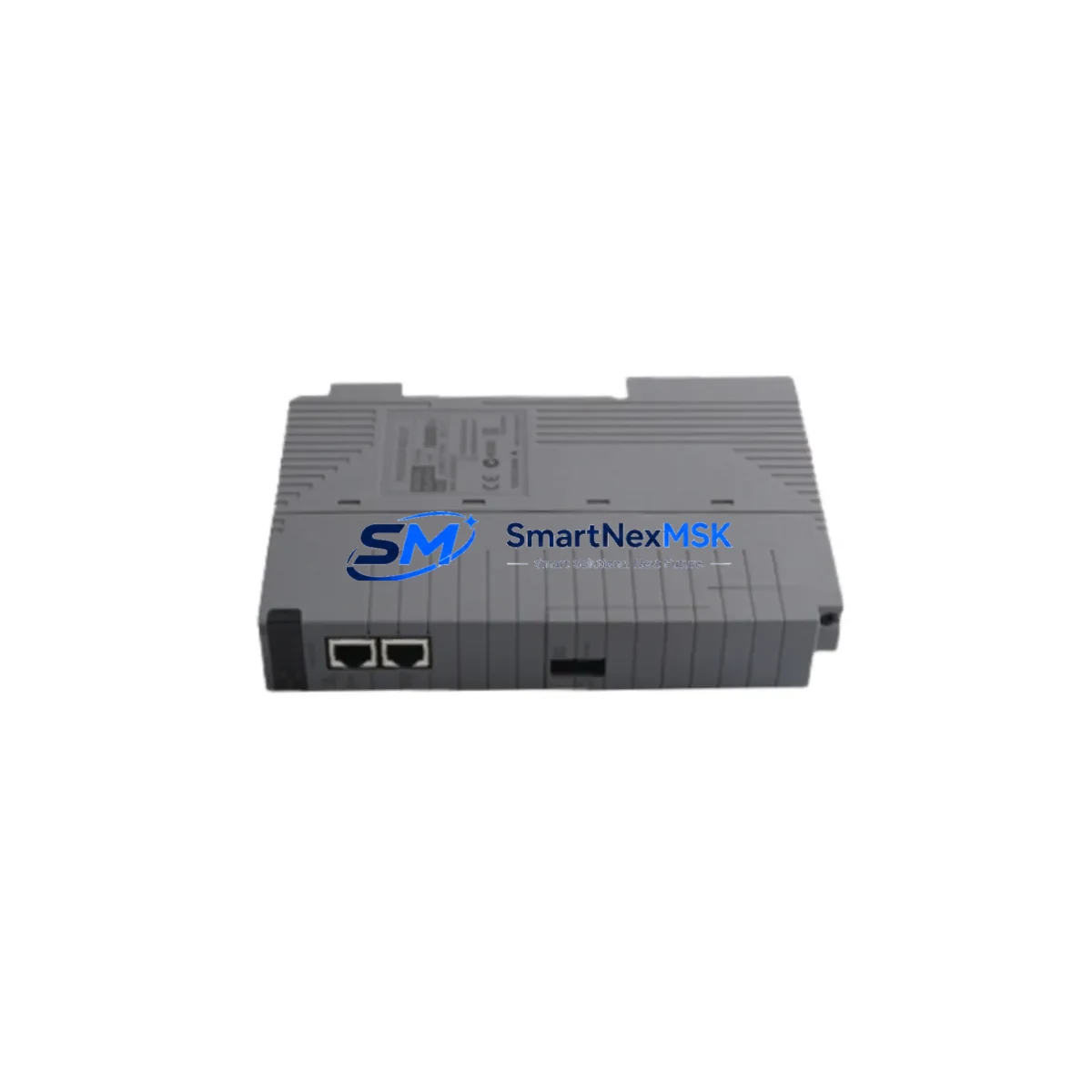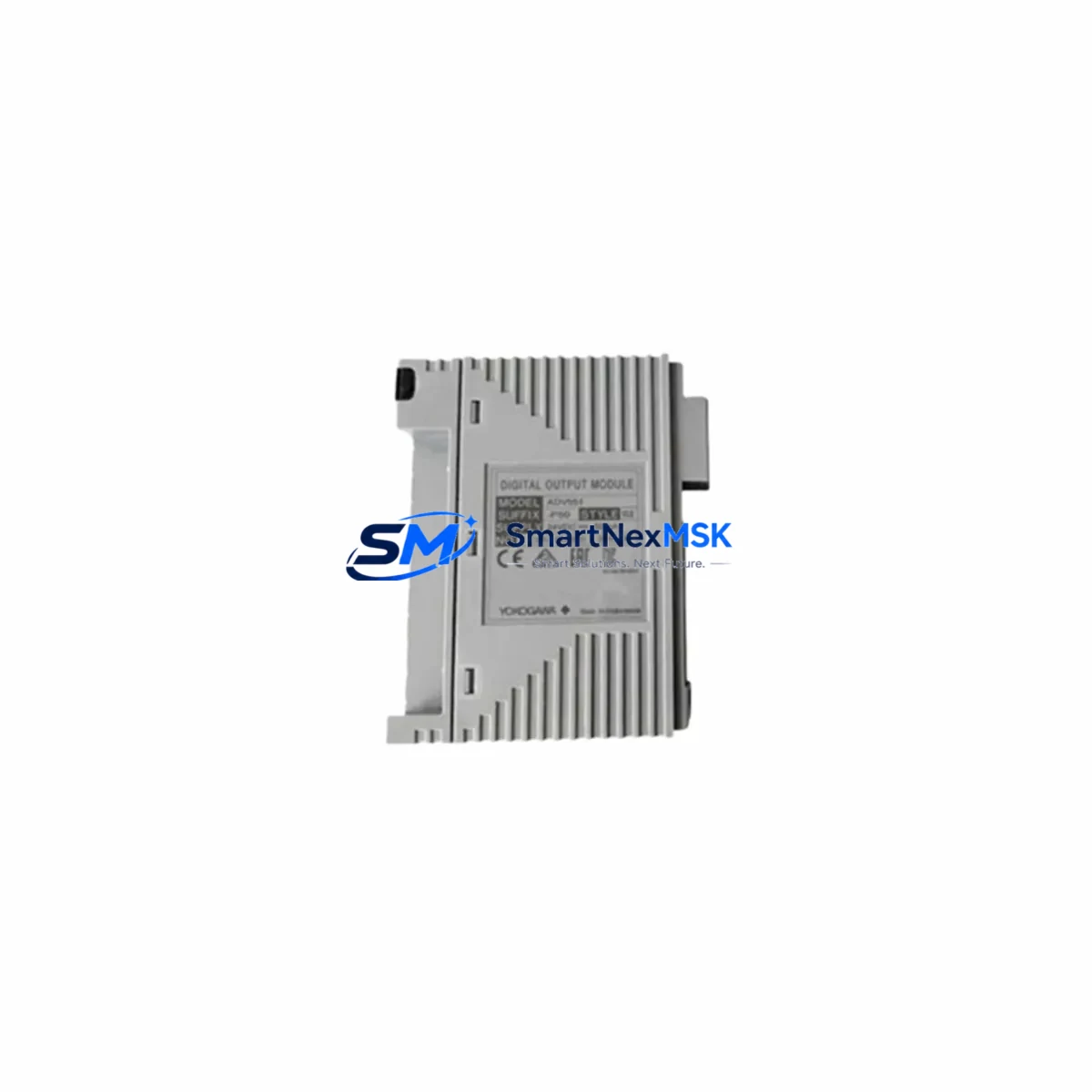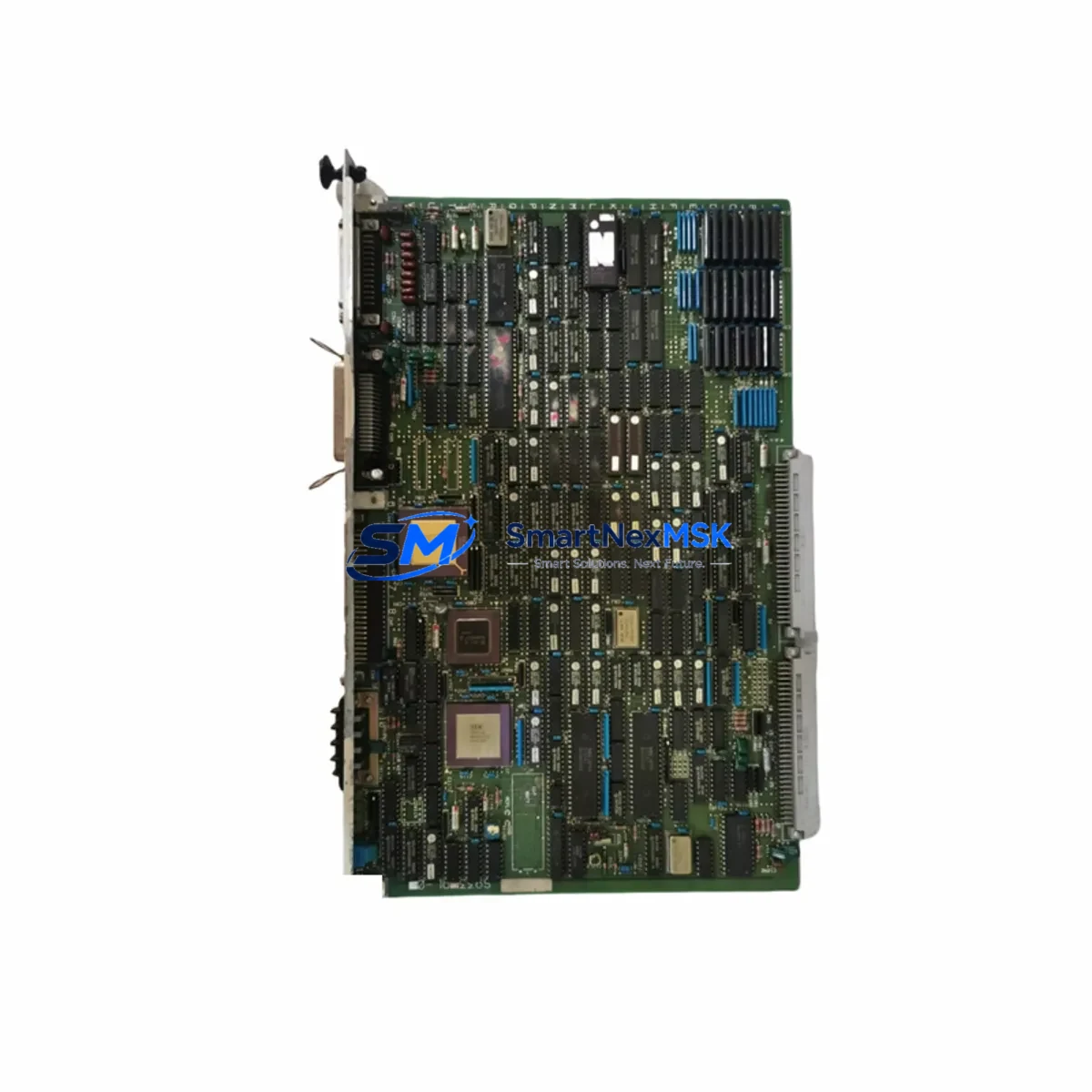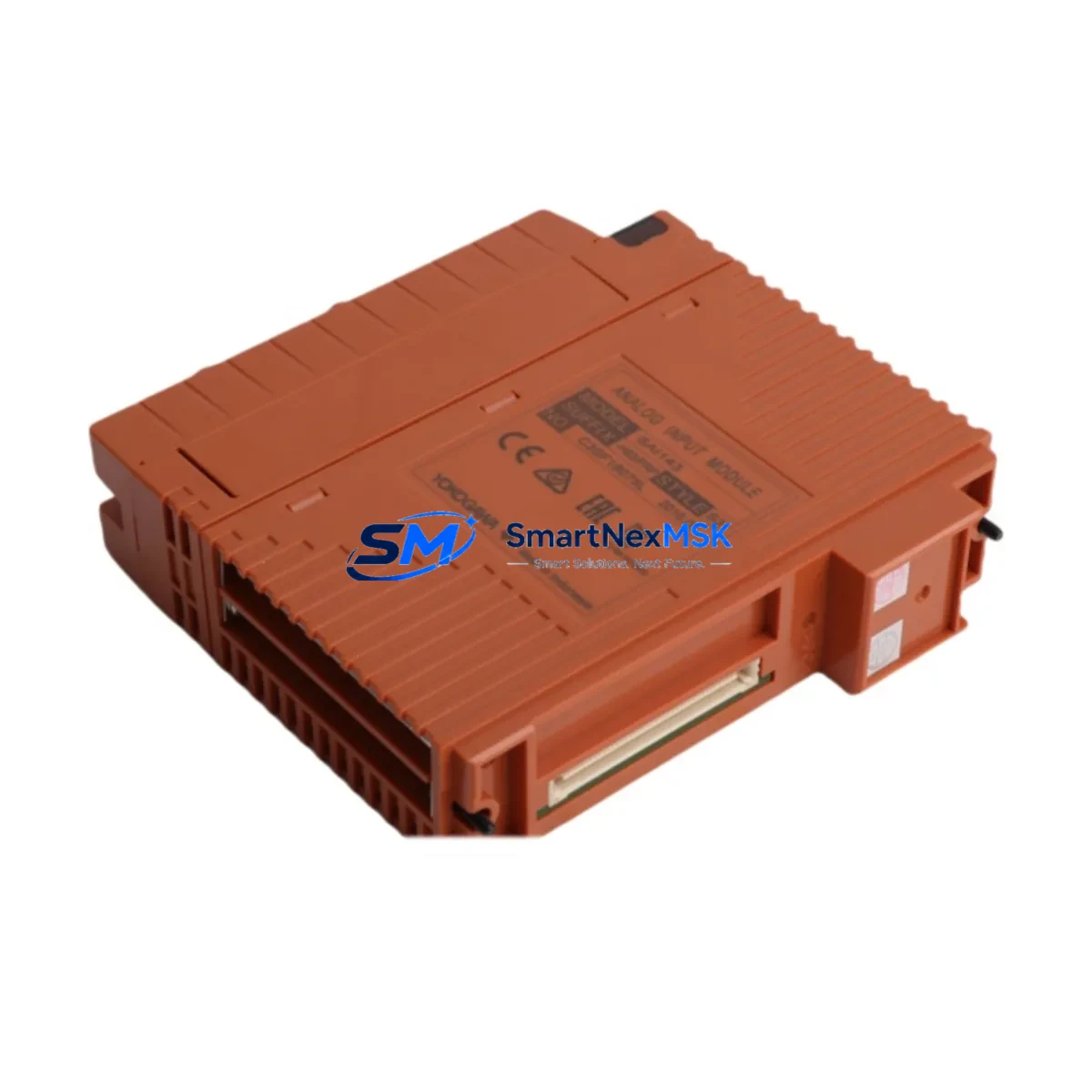
Yokogawa SAI143-H63/PRP S3 Maintenance-Ready Spare for CENTUM VP Automation
The Yokogawa SAI143-H63/PRP S3 is an original analog input module designed for the CENTUM VP distributed control system platform. For maintenance engineers managing continuous-process facilities — refineries, chemical plants, power generation units, and pulp & paper mills — this module represents a critical node in the field signal acquisition chain. When an SAI143-H63/PRP S3 fails or degrades, the affected control loop loses its ability to read process variables accurately, creating immediate risk of unplanned shutdown, process deviation, or safety interlock activation.
Sourced directly from authorized supply channels, each unit we ship is an original Yokogawa component — not a clone, not a refurbished substitute. The PRP (Parallel Redundancy Protocol) network interface ensures that this module integrates seamlessly into redundant CENTUM VP field control station (FCS) architectures, maintaining communication continuity even during partial network faults. Before dispatch, every SAI143-H63/PRP S3 undergoes functional verification to confirm channel integrity, communication handshake, and power rail stability. A 12-month warranty covers all units from the date of shipment.
Procurement engineers sourcing this module for planned turnaround maintenance or emergency replacement can rely on our long-term supply commitment. We maintain buffer stock of high-demand CENTUM VP spare parts to support both scheduled outage kits and urgent same-week dispatch requirements.
Spare Maintenance Table
| Parameter | Specification |
|---|---|
| Part Number / SKU | SAI143-H63/PRP S3 |
| Brand | Yokogawa Electric Corporation |
| Series / Platform | CENTUM VP (Field Control Station) |
| Module Type | Analog Input Module |
| Network Interface | PRP (Parallel Redundancy Protocol) — Dual-port redundant |
| Input Channels | 16-channel analog input (4–20 mA / 1–5 V, HART-capable per variant) |
| Signal Range | 4–20 mA DC (standard); configurable per channel |
| Power Supply | Supplied via CENTUM VP node backplane (24 VDC bus) |
| Mounting | Direct backplane insertion — CENTUM VP FCS node unit |
| Operating Temperature | 0°C to +55°C (standard industrial environment) |
| Origin | Japan |
| Compatibility | CENTUM VP R4.x / R5.x / R6.x FCS node configurations |
| Condition | Original, new or tested-serviceable; functionally verified pre-shipment |
| Warranty | 12 months from shipment date |
| Typical Lead Time | In-stock: 3–7 business days; sourced: 2–4 weeks |
Maintenance Planning for Continuous Operation
When a maintenance engineer schedules replacement of the SAI143-H63/PRP S3, the scope of inspection should extend beyond the module itself. A disciplined control cabinet walkthrough at the same time reduces the risk of secondary failures and maximizes the value of each planned outage window.
Start with the node power supply unit (Yokogawa PW481 or equivalent CENTUM VP node PSU) — verify output voltage stability and check for capacitor aging indicators. A degraded PSU is a common root cause of intermittent analog input errors that are misdiagnosed as module faults. Next, inspect the field terminal assembly (FTA) associated with the SAI143 node slot; corroded or loose screw terminals on the FTA introduce signal noise that persists even after module replacement.
Review the CENTUM VP node backplane for physical damage, oxidized connector pins, and proper seating of adjacent modules. If the FCS node houses a SAI143-H03 or SAI143-H53 variant alongside the H63, inspect those simultaneously — shared backplane faults affect all slots. For nodes running HART-enabled loops, confirm that the HART multiplexer or HART modem interface connected to the FTA is functioning correctly, as HART communication errors can mask analog signal quality issues.
On the network side, verify the ESB (Enhanced Signal Bus) or Vnet/IP switch ports connected to the PRP dual-port interface. PRP redundancy is only effective when both network paths are healthy; a failed switch port silently degrades redundancy without triggering an immediate alarm. Check fiber patch cables or copper Ethernet cables at both ends of the PRP link for bend radius violations and connector contamination.
For I/O loop integrity, use a loop calibrator to inject a known 4–20 mA signal at the FTA terminals and verify that the CENTUM VP HIS (Human Interface Station) displays the correct engineering-unit value. This end-to-end test confirms that the replacement SAI143-H63/PRP S3, the FTA wiring, and the DCS configuration are all aligned before returning the loop to automatic control. If the facility uses signal isolators or signal conditioners between field transmitters and the FTA, inspect those for drift or output clipping — they are frequently overlooked during module-focused maintenance events.
Finally, update the spare parts inventory record in your CMMS to reflect the consumed SAI143-H63/PRP S3 and trigger a replenishment order. Maintaining at least one cold-standby unit per FCS node cluster is the recommended practice for CENTUM VP installations with high process criticality.
Site Replacement Workflow
Step 1 — Pre-replacement verification: Confirm the exact suffix variant (H63/PRP S3) against the node slot label and the CENTUM VP hardware configuration file (HCF). Substituting an H03 or H53 variant without reconfiguration will cause a hardware mismatch alarm and prevent the module from going online.
Step 2 — Loop isolation: Place all affected control loops in manual mode at the HIS before removing the module. For safety-instrumented loops, coordinate with the SIS engineer to confirm bypass authorization per the facility’s management of change (MOC) procedure.
Step 3 — Hot-swap or cold-swap: CENTUM VP FCS nodes support online module replacement (hot-swap) in redundant configurations. Verify that the redundant FCS pair is healthy before initiating hot-swap. For simplex nodes, a controlled shutdown of the node is required — plan this within the outage window.
Step 4 — Module insertion and download: Insert the SAI143-H63/PRP S3 into the correct backplane slot. The CENTUM VP FCS will automatically detect the new module and apply the stored I/O configuration. Confirm module status in the FCS engineering tool (CENTUM VP Builder) — all 16 channels should report healthy status within 30 seconds of insertion.
Step 5 — Loop verification and return to auto: Perform the end-to-end loop check described above, confirm process variable readings match field transmitter outputs, then return loops to automatic control in sequence. Document the replacement in the CMMS with the new module serial number and warranty start date.
Spare Parts Support FAQ
Q1: Is the SAI143-H63/PRP S3 compatible with all CENTUM VP revisions?
The SAI143-H63/PRP S3 is designed for CENTUM VP FCS node architectures. Compatibility is confirmed for R4.x, R5.x, and R6.x releases. For CENTUM CS 3000 installations, the equivalent module series differs — contact us with your FCS hardware revision and we will confirm compatibility before shipment.
Q2: What pre-shipment testing is performed on each unit?
Each SAI143-H63/PRP S3 is powered up and subjected to functional verification covering power rail stability, PRP dual-port communication handshake, and analog input channel continuity across all 16 channels. Units that do not pass all checks are not shipped. A test report is available upon request for critical-infrastructure procurement.
Q3: How should we manage SAI143-H63/PRP S3 inventory for a multi-FCS plant?
The recommended practice is to hold one cold-standby unit per every four to six FCS nodes that use this module type, adjusted upward for nodes controlling safety-critical or high-availability loops. For plants with 10+ CENTUM VP FCS nodes, a consignment or blanket-order arrangement can reduce per-unit cost while ensuring immediate availability during unplanned outages.
Q4: What does the 12-month warranty cover?
The warranty covers manufacturing defects and functional failures under normal operating conditions (within specified temperature, humidity, and power supply ranges). It does not cover damage caused by incorrect installation, overvoltage events, or physical impact. Warranty claims are processed with return shipment coordination — we issue a replacement unit upon receipt and inspection of the returned module.
© 2026 SMARTNEXMSK. All rights reserved.
Original Source: https://smartnexmsk.com
Contact: [email protected] | +86 18259474341