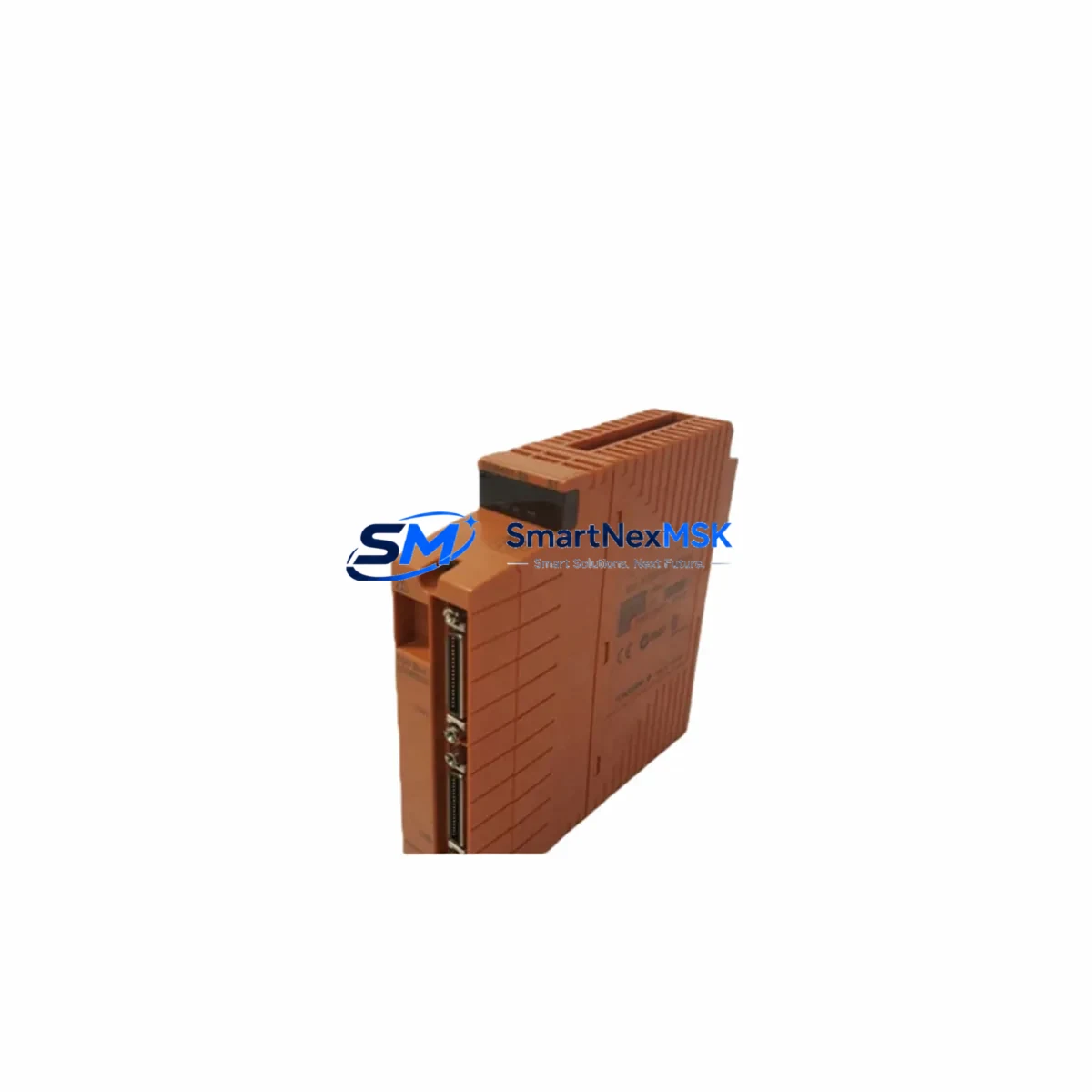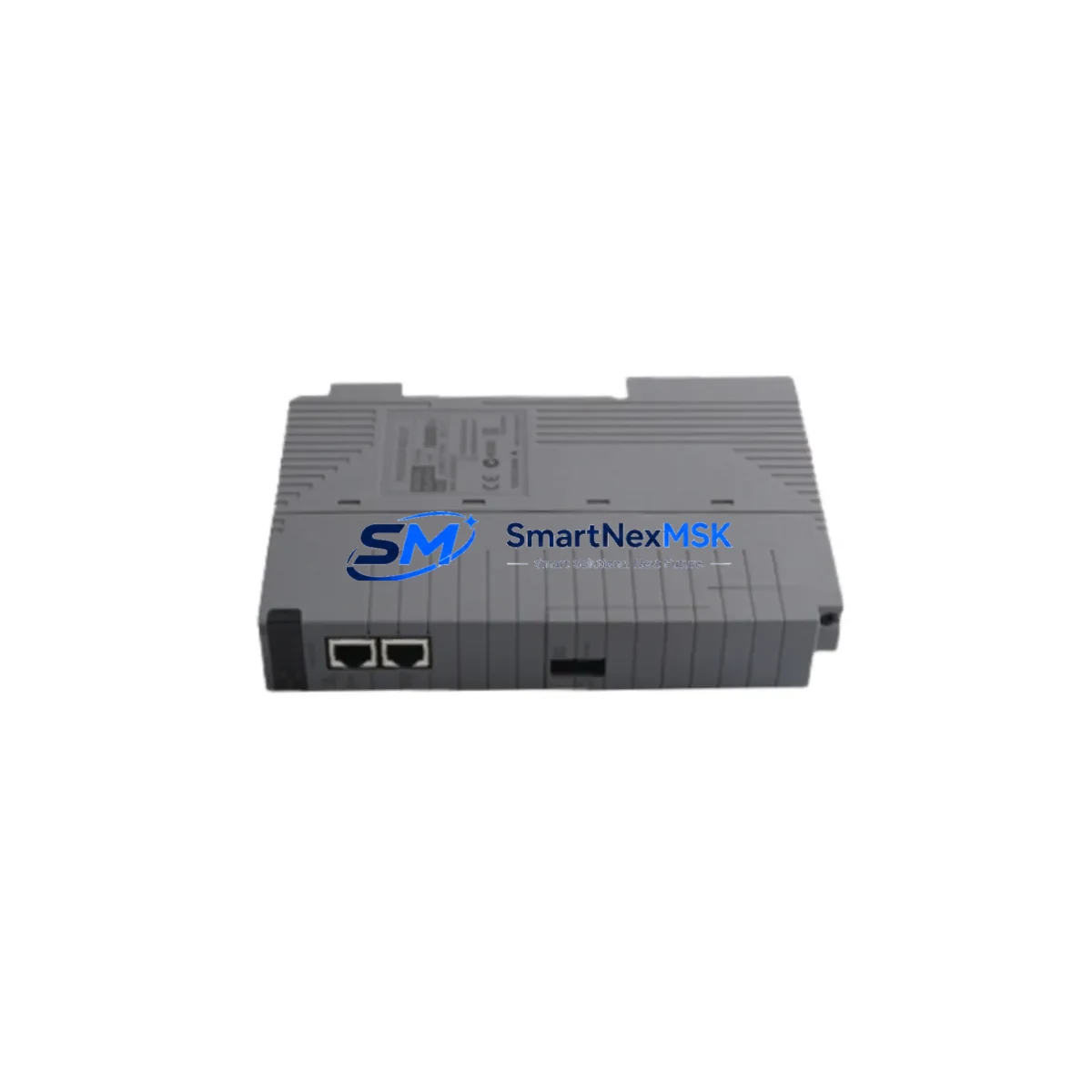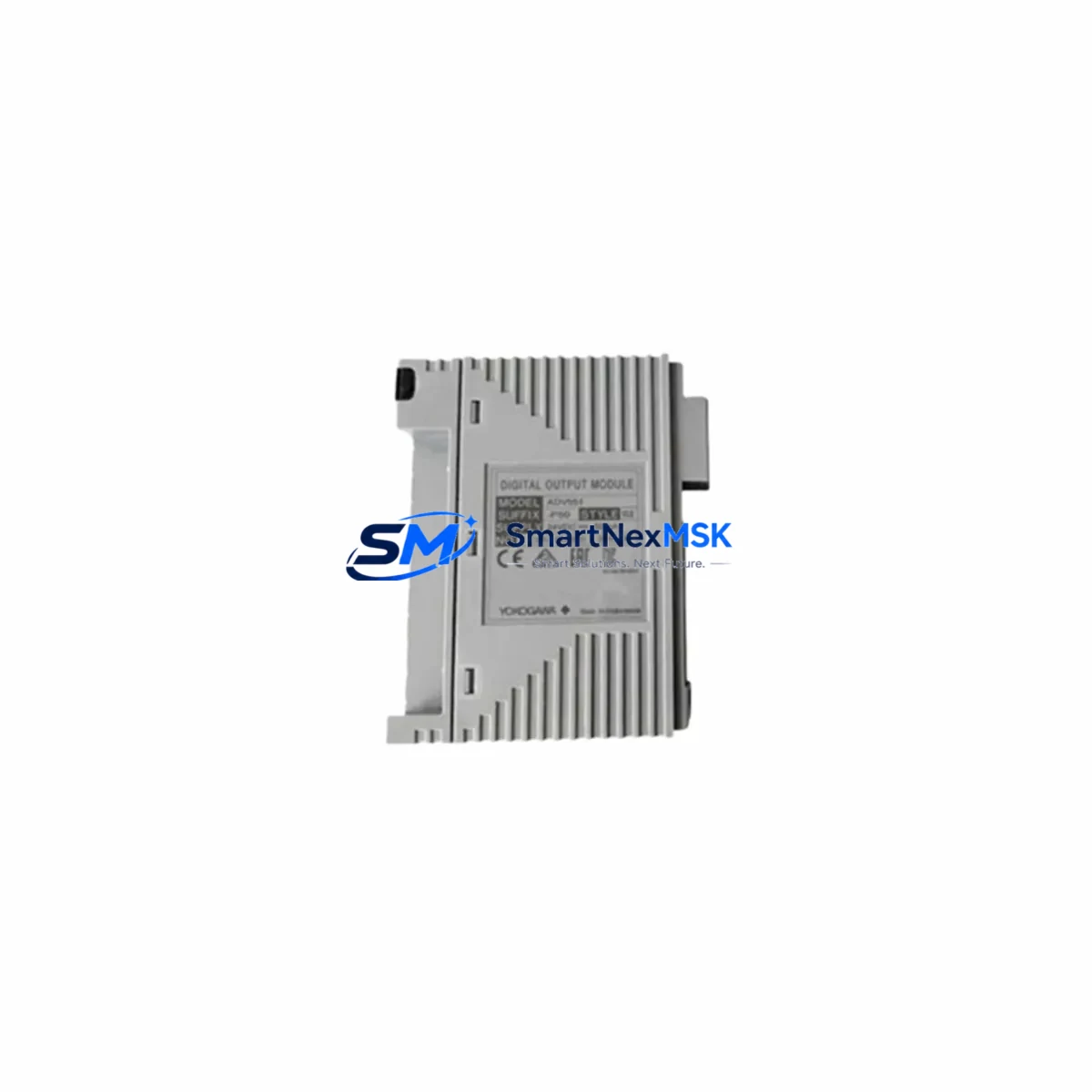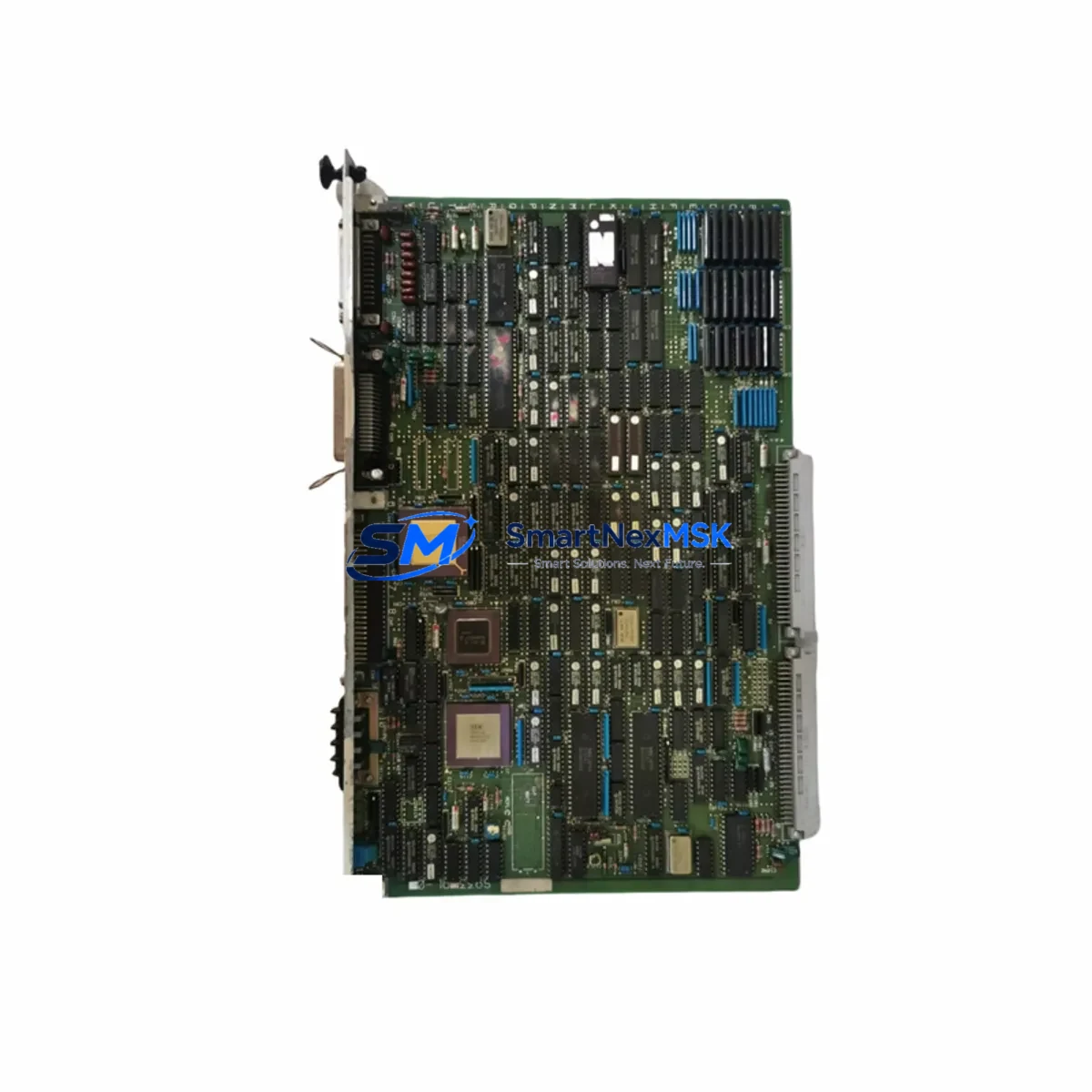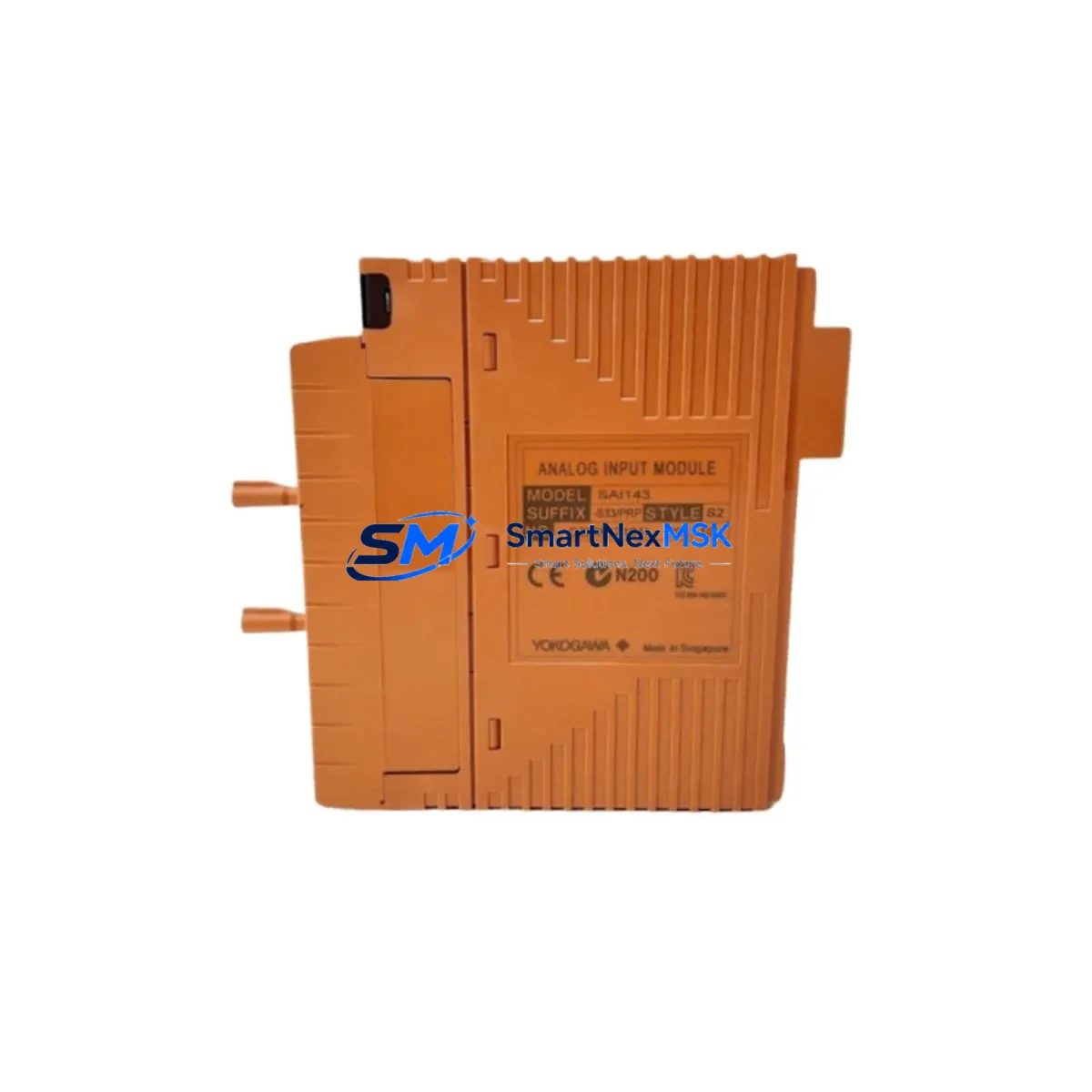
Yokogawa SAI143-H63 S4 Retrofit-Ready Analog Input Module: Seamless Compatibility for Legacy System Upgrades
The Yokogawa SAI143-H63 S4 is a 16-channel isolated analog input module engineered for the CENTUM VP and CS 3000 distributed control system platforms. As aging DCS installations approach end-of-support milestones, this module serves as a verified drop-in replacement and retrofit solution for facilities seeking to extend operational life, restore redundancy, or migrate from discontinued hardware without full system overhaul. With original-spec terminal wiring, backplane interface compatibility, and factory-tested signal conditioning, the SAI143-H63 S4 eliminates the guesswork from analog input channel restoration in critical process environments.
Each unit ships with a 12-month warranty and undergoes pre-shipment functional testing to confirm channel isolation integrity, input range accuracy, and backplane communication handshake with the CENTUM VP field control station (FCS). Inventory is maintained in-stock for immediate dispatch, minimizing procurement lead time during unplanned shutdowns or scheduled turnaround windows.
Upgrade Compatibility Table
| Parameter | SAI143-H63 S4 Specification | Retrofit Notes |
|---|---|---|
| Compatible Platforms | CENTUM VP, CS 3000 | Verify FCS firmware revision before installation |
| Input Channels | 16-channel isolated analog input | Channel-for-channel replacement; no I/O mapping changes required |
| Signal Range | 4–20 mA / 1–5 V (configurable) | Confirm range setting in HIS engineering tool before swap |
| Backplane Interface | CENTUM VP node bus | Compatible with RIO node, ESB bus, and EB401 expansion base |
| Terminal Wiring | Screw-terminal, 2-wire/4-wire field device | Existing field wiring reusable; no re-termination required |
| Communication Protocol | Yokogawa proprietary node bus (V-net/IP compatible) | No protocol migration required for same-platform replacement |
| Installation Format | Slide-in module, standard CENTUM VP I/O nest | Hot-swap capable with FCS redundancy active |
| Replacement Candidates | SAI143-H03, SAI143-H53 (earlier suffix revisions) | Confirm suffix compatibility with Yokogawa revision matrix |
| Warranty | 12 months from shipment date | Covers manufacturing defects and functional failure under normal use |
| Pre-Shipment Test | Full functional test on CENTUM VP test bench | Test report available on request |
Retrofit Planning for Existing Automation Systems
Successful integration of the SAI143-H63 S4 into a live or recently decommissioned CENTUM VP or CS 3000 system requires a structured pre-installation review. Engineers should begin by auditing the existing I/O nest configuration, confirming that the target slot is assigned to an analog input node and that the EB401 expansion base or equivalent I/O carrier is mechanically sound. Power supply capacity is a critical checkpoint: the PW481 or PW482 power supply module feeding the I/O nest must have sufficient headroom to support the SAI143-H63 S4’s current draw alongside co-installed modules such as the SAI533 (32-channel analog input) or SDV144 (16-channel digital input/output) in adjacent slots.
Terminal block wiring should be documented before removal of the legacy module. The SAI143-H63 S4 uses the same TB145 terminal block footprint as earlier SAI-series modules, allowing field wiring to be transferred directly without re-labeling or re-routing. For installations where the original terminal block has aged or shows corrosion, replacement with a new TB145 is recommended prior to module insertion.
Module address assignment is handled automatically by the CENTUM VP FCS upon slot recognition, but engineers should verify the node address and I/O module number in the HIS (Human Interface Station) engineering workspace before bringing the channel online. If the plant is running an older CS 3000 configuration migrated to CENTUM VP, cross-check the function block assignments in Control Drawing (CD) files to ensure analog input tags are mapped to the correct physical channel numbers on the replacement module.
For facilities also upgrading communication infrastructure, the SAI143-H63 S4 operates natively on the Yokogawa V-net/IP backbone. If the project scope includes migration from legacy Vnet coaxial to Ethernet-based V-net/IP, the ACG10S gateway module and associated ESB bus coupler should be staged alongside the analog input module replacement to avoid a second maintenance window. HMI faceplates referencing the replaced channels typically require no modification when the tag database is preserved, but a full HMI screen validation pass is recommended after module commissioning to confirm alarm limits, engineering units, and trend historian links remain intact.
For sites managing a broader I/O refresh, companion modules commonly replaced in the same maintenance window include the SAO143 analog output module, SCP451 communication processor, and SCS1 safety controller interface — all of which share the same backplane architecture and can be staged for simultaneous swap to consolidate downtime.
Downtime Control During System Migration
Minimizing process interruption during analog input module replacement on a live CENTUM VP system depends on three factors: redundancy configuration, pre-staging, and program logic preservation. Where the FCS is configured in dual-redundant mode, the SAI143-H63 S4 can be replaced on the standby node while the primary node maintains loop control, reducing effective process downtime to the switchover interval — typically under 100 milliseconds for bumpless transfer.
Before any physical swap, engineers should export the current FCS configuration using Yokogawa’s Engineering Environment (CENTUM VP ENG) and archive the project database. This preserves all function block parameters, PID tuning values, interlock logic, and I/O tag assignments. If the replacement is performed on a CS 3000 system without redundancy, a controlled process hold or bypass of affected loops is recommended, with field operators maintaining manual control at the local panel during the swap window.
Post-installation, channel-by-channel signal verification should be performed by injecting a known 4–20 mA reference signal at the terminal block and confirming the corresponding process variable reading in the HIS operator station. Loop calibration records should be updated to reflect the module serial number change. With proper pre-staging, a single SAI143-H63 S4 replacement can typically be completed within a 30–45 minute maintenance window, including wiring transfer, module insertion, FCS recognition, and signal verification.
Retrofit Support FAQ
Q1: Is the SAI143-H63 S4 a direct replacement for earlier SAI143 suffix variants?
The SAI143-H63 S4 is backward-compatible with earlier suffix revisions including SAI143-H03 and SAI143-H53 in most CENTUM VP and CS 3000 installations. Suffix differences primarily reflect hardware revision levels and minor component updates. We recommend confirming compatibility against your FCS firmware version and Yokogawa’s module revision matrix before installation. Our technical team can assist with revision cross-referencing prior to shipment.
Q2: Can the module be installed without shutting down the FCS?
In dual-redundant FCS configurations, the SAI143-H63 S4 supports hot-swap replacement on the standby node. For simplex FCS installations, a controlled loop bypass or process hold is required during the swap. Always follow your site’s management of change (MOC) procedure and confirm with the control room operator before removing any live I/O module.
Q3: What wiring changes are required when replacing the legacy module?
No re-wiring is required when replacing a same-series SAI143 module. The TB145 terminal block footprint is preserved across suffix revisions, and existing field wiring can be transferred directly. If the terminal block itself is being replaced, document all channel-to-terminal assignments before removal and verify continuity after re-termination.
Q4: What does the 12-month warranty cover, and is a test report available?
The 12-month warranty covers manufacturing defects and functional failure under normal operating conditions from the date of shipment. Each SAI143-H63 S4 unit undergoes pre-shipment functional testing on a CENTUM VP test bench, verifying channel isolation, signal accuracy, and backplane communication. A test report is available upon request and can be provided with the shipment documentation for incoming inspection records.
© 2026 SMARTNEXMSK. All rights reserved.
Original Source: https://smartnexmsk.com
Contact: [email protected] | +86 18259474341