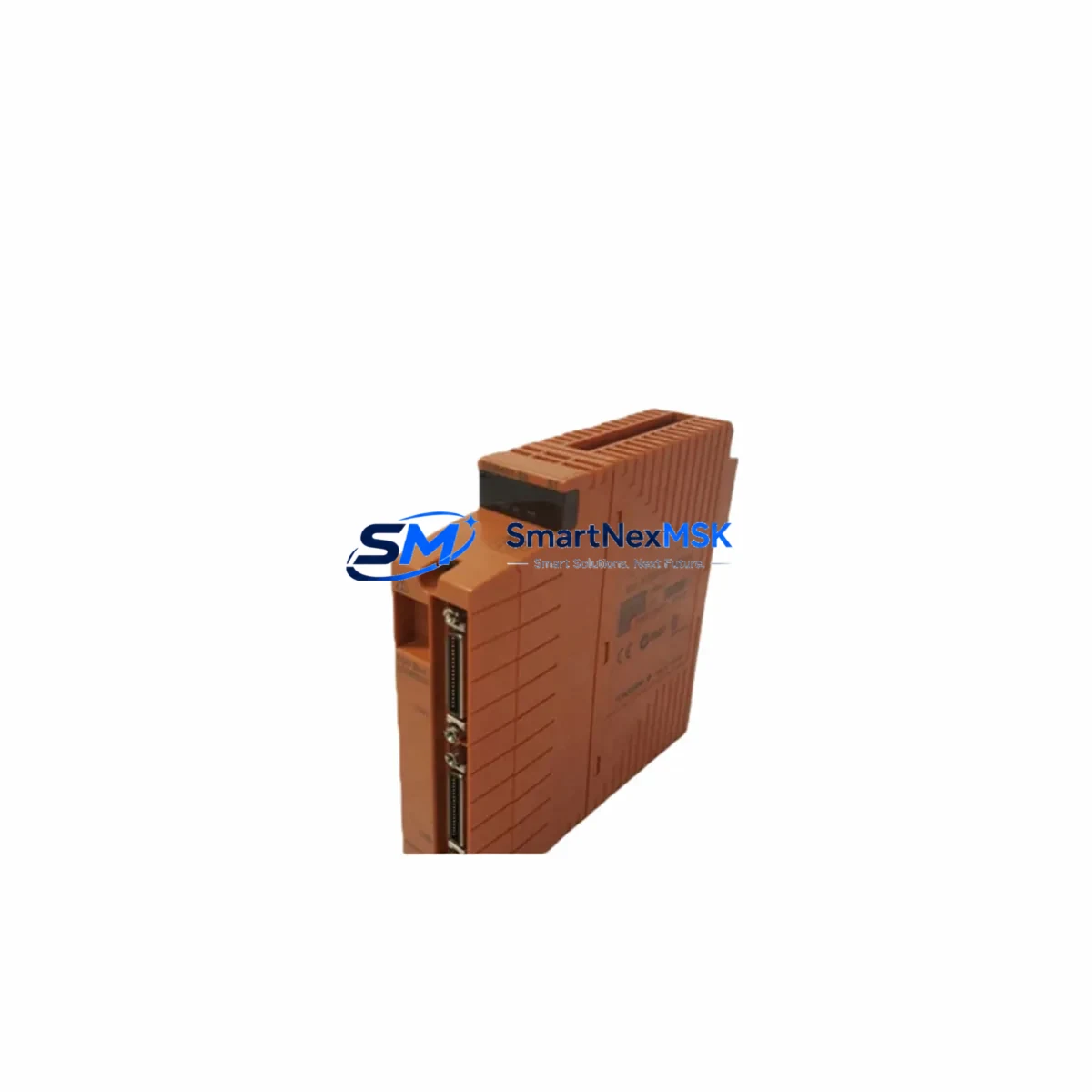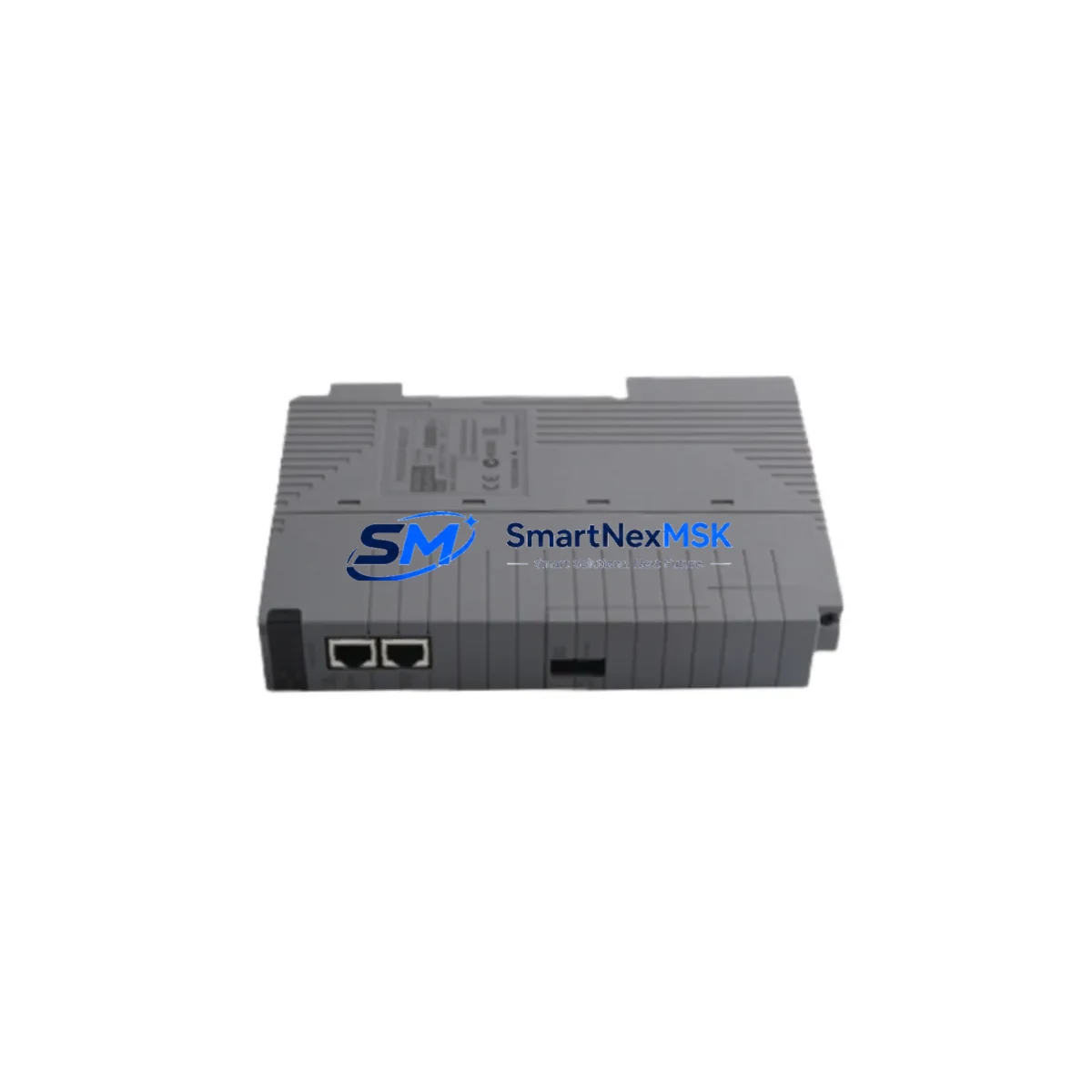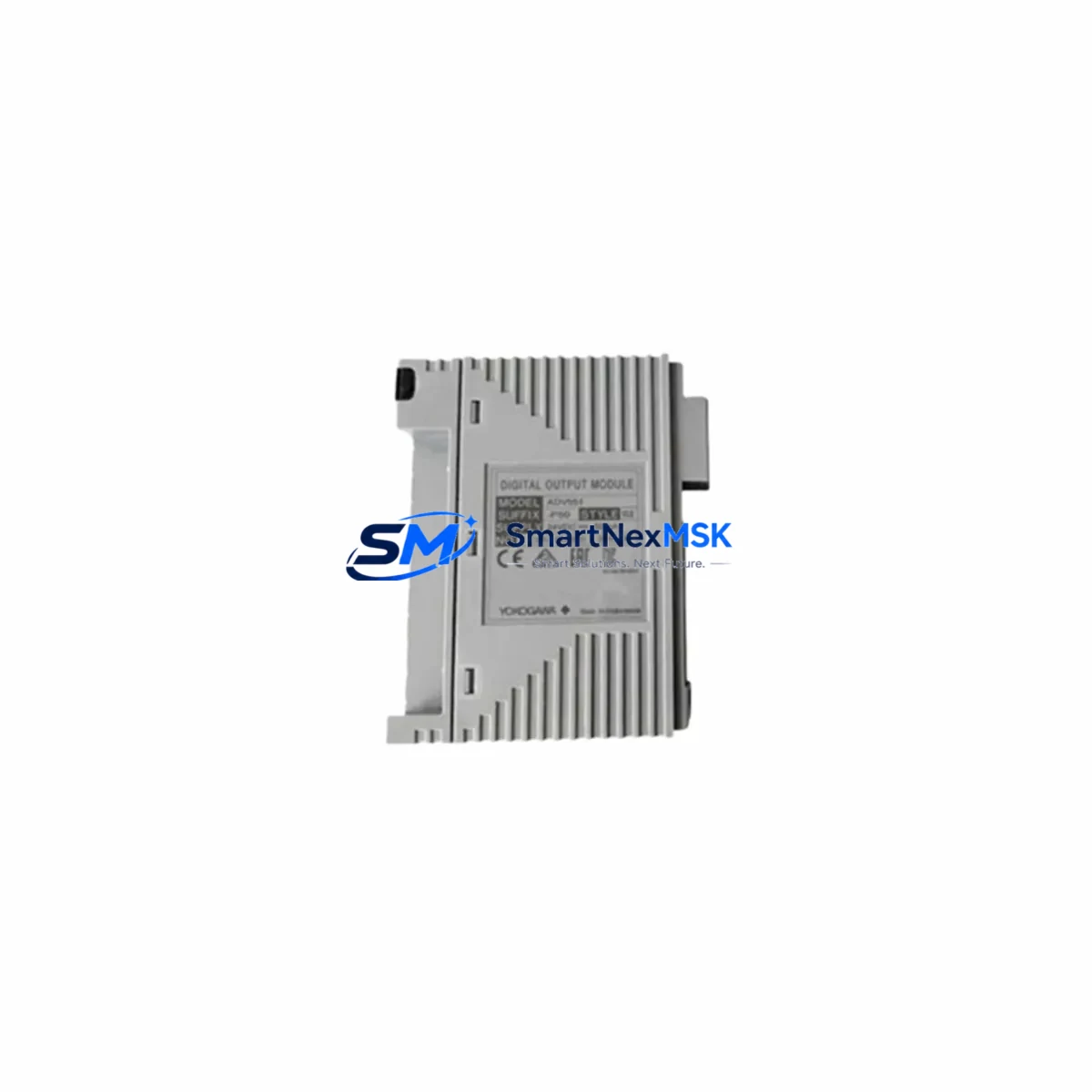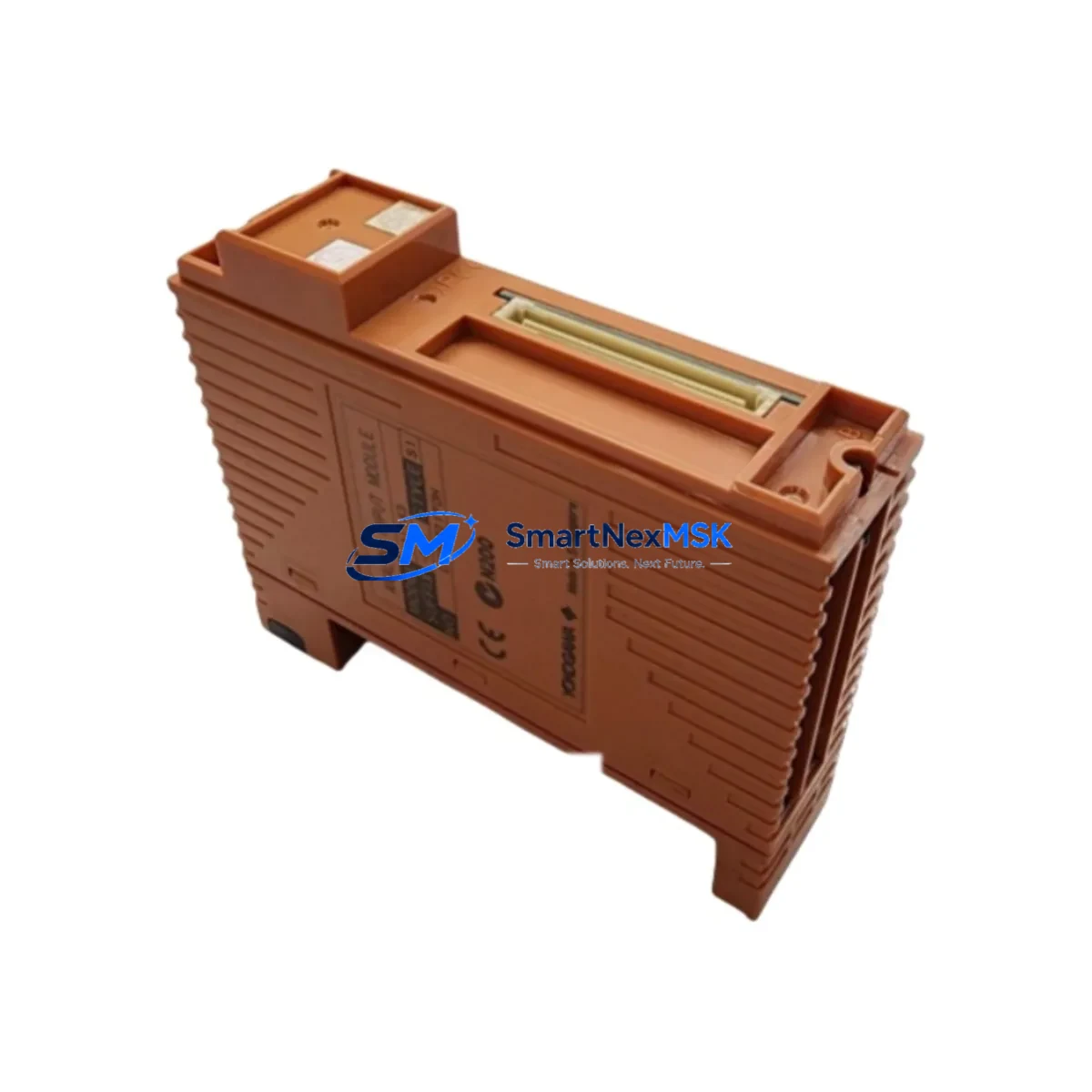
Yokogawa SAI143-S33/PRP-S2 Retrofit-Ready Analog Input for CENTUM VP Control Systems
The Yokogawa SAI143-S33/PRP-S2 is a 16-channel HART-compatible analog input module engineered for seamless integration into Yokogawa CENTUM VP Distributed Control Systems. Designed with legacy-system compatibility at its core, this module serves as a direct retrofit solution for aging or discontinued analog input cards across CENTUM CS 3000, CENTUM VP R4, and CENTUM VP R5/R6 platforms. Whether your facility is executing a planned control system upgrade, recovering from an unplanned module failure, or migrating from an end-of-life DCS architecture, the SAI143-S33/PRP-S2 delivers the signal integrity, redundancy, and protocol compatibility required for mission-critical process environments.
Each unit ships fully tested against Yokogawa factory specifications, with function verification across all 16 input channels, HART pass-through validation, and PRP (Parallel Redundancy Protocol) link integrity checks. Our 12-month warranty covers all hardware defects and functional failures under normal operating conditions, giving procurement and maintenance teams the confidence to plan long-cycle replacements without sourcing risk.
Upgrade Compatibility Table
| Parameter | SAI143-S33/PRP-S2 Specification | Retrofit Notes |
|---|---|---|
| Input Channels | 16 channels, 4–20 mA / 1–5 V DC | Direct channel-for-channel replacement with SAI143-S00 and SAI143-S11 variants |
| HART Communication | HART 5/6/7 pass-through per channel | Compatible with existing HART multiplexers; no gateway reconfiguration required |
| Redundancy Protocol | PRP (IEC 62439-3) dual-port Ethernet | Requires PRP-capable ESB (Ethernet Switch Box); verify ESB firmware ≥ R2.04 |
| Backplane Interface | CENTUM VP Node Unit (NU) slot-compatible | Fits standard FCS (Field Control Station) node unit; no mechanical adapter needed |
| Power Consumption | ≤ 4.5 W per module | Verify node unit power budget before installing multiple modules in same rack |
| Terminal Wiring | Screw-type terminal block, 0.5–1.5 mm² wire | Existing field wiring reusable; confirm terminal block model (TB145 or TB146) matches |
| Module Address | Configured via CENTUM VP Engineering Environment (ENG) | Re-import existing IOM tag database; address reassignment not required if slot position unchanged |
| Program Compatibility | Full compatibility with FCS function blocks (PID, AIN, CALCU) | No function block modification required; verify SFC/sequence logic referencing channel status flags |
| HMI Integration | Compatible with CENTUM VP HIS (Human Interface Station) | Existing HMI faceplates and trend displays remain valid; no screen rebuild required |
| Replacement Scope | Drop-in for SAI143-S00, SAI143-S11, SAI143-S22 | Confirm suffix compatibility with Yokogawa BOM; S33 suffix indicates enhanced diagnostics |
| Warranty | 12 Months | Covers all hardware defects and functional failures under normal operating conditions |
Retrofit Planning for Existing Automation Systems
Successful integration of the SAI143-S33/PRP-S2 into an operating plant begins well before the module arrives on site. A structured retrofit plan must account for the full scope of the control architecture — from the field junction box to the operator workstation.
Start by auditing the existing CENTUM VP Field Control Station (FCS) node unit configuration. Identify the slot position of the module being replaced and confirm that the node unit’s total power budget accommodates the SAI143-S33/PRP-S2’s 4.5 W draw alongside co-installed modules such as the SAO141-S analog output module or SDV141-S digital input module. In high-density racks where multiple I/O modules share a single node unit, power margin verification is a mandatory pre-installation step.
Terminal wiring compatibility is the next critical checkpoint. The SAI143-S33/PRP-S2 uses a screw-type terminal block — either the TB145 or TB146 model depending on the installation generation. Existing field cables from transmitters, flow meters, and pressure sensors can typically be reused without re-termination, provided wire gauge falls within the 0.5–1.5 mm² specification. Document each channel’s tag number, engineering unit, and range before disconnecting the old module to accelerate recommissioning.
For systems running HART-enabled field instruments — including Yokogawa EJA-series differential pressure transmitters or third-party Rosemount 3051 pressure transmitters — the SAI143-S33/PRP-S2’s per-channel HART pass-through eliminates the need for a dedicated HART multiplexer upgrade. Existing HART communication paths to the CENTUM VP Plant Resource Manager (PRM) remain intact, preserving device health monitoring and calibration workflows without additional configuration.
On the network side, the PRP dual-port Ethernet interface requires connection to a PRP-capable ESB (Ethernet Switch Box). Verify that the installed ESB firmware version is R2.04 or later. If the existing network infrastructure uses an older Vnet/IP topology without PRP support, a phased network upgrade — replacing legacy ESBs with PRP-capable units — should be scoped as part of the broader migration plan. The ACG10S Vnet/IP communication gateway may serve as an interim bridge during the transition period.
Program compatibility review should be conducted in the CENTUM VP Engineering Environment (ENG) before the maintenance window opens. Export the current IOM (I/O Module) tag database and verify that all AIN (Analog Input) function blocks referencing the target module’s channel addresses are mapped correctly. If the slot position of the replacement module is unchanged, no address reassignment is required. However, if the retrofit involves relocating the module to a different slot — for example, to consolidate I/O in a partially populated node unit — all referencing function blocks and SFC (Sequential Function Chart) steps must be updated accordingly.
HMI screen validation is often overlooked in retrofit projects. The CENTUM VP HIS (Human Interface Station) faceplates, trend groups, and alarm summary displays that reference the replaced module’s tags will continue to function without modification, provided tag names are preserved. If the retrofit is accompanied by a tag renaming exercise or a migration from an older CENTUM CS 3000 platform, a full HMI screen audit is recommended to prevent orphaned display elements.
Downtime Control During System Migration
Minimizing process interruption during a DCS module replacement requires a disciplined sequence of pre-shutdown, hot-swap (where supported), and post-restoration steps. The SAI143-S33/PRP-S2’s PRP redundancy architecture supports hitless failover in dual-module configurations, meaning that in a redundant FCS setup, the standby module can assume control while the primary is replaced — reducing planned downtime to near zero for continuous process loops.
For non-redundant installations, the recommended approach is to schedule the replacement during a planned maintenance window aligned with a process hold or low-throughput period. Before initiating the swap, place all affected PID controllers in Manual (MAN) mode from the HIS operator station and confirm that downstream actuators — control valves, variable-speed drives, and interlock-linked outputs — are in a safe, stable state. Use the CENTUM VP Test Function to freeze output values and prevent runaway conditions during the module absence interval.
Once the SAI143-S33/PRP-S2 is seated and powered, the FCS will automatically detect the new module and begin self-diagnostics. Monitor the FCS Status Display on the HIS for module recognition confirmation — typically within 30 seconds of power-on. Perform a channel-by-channel live signal check against the field instrument readings recorded before shutdown. For HART-enabled channels, initiate a PRM device scan to confirm communication re-establishment with all connected transmitters.
Before returning controllers to Cascade (CAS) or Auto (AUT) mode, verify that process variable (PV) readings are stable and within expected range. Cross-reference against the historian trend data captured immediately before the maintenance window to confirm signal continuity. Document the as-found and as-left module status, channel readings, and any deviations in the plant maintenance management system (CMMS) to support future audit and reliability analysis.
All units supplied by SMARTNEXMSK undergo pre-shipment functional testing — including channel accuracy verification, HART communication validation, and PRP link integrity checks — to ensure that field commissioning time is minimized and first-time installation success rates are maximized. Each module is shipped with a test report and is covered by a 12-month warranty from the date of delivery.
Retrofit Support FAQ
Q1: Is the SAI143-S33/PRP-S2 a direct drop-in replacement for the SAI143-S00 and SAI143-S11?
Yes. The SAI143-S33/PRP-S2 is mechanically and electrically compatible with earlier SAI143 suffix variants (S00, S11, S22) in the same CENTUM VP node unit slot. The S33 suffix adds enhanced channel diagnostics and PRP redundancy support. Confirm with your Yokogawa BOM that the terminal block model (TB145 or TB146) matches the installed wiring harness before proceeding.
Q2: What commissioning steps are required after installing the module?
After seating the module, monitor the FCS Status Display on the HIS for module recognition (typically within 30 seconds). Perform a channel-by-channel live signal verification against pre-shutdown field readings. For HART channels, run a PRM device scan to confirm transmitter communication. Return PID controllers from Manual to Auto/Cascade mode only after all PV readings are confirmed stable and within range.
Q3: Can the existing field wiring be reused without re-termination?
In most cases, yes. The SAI143-S33/PRP-S2 uses a screw-type terminal block accepting 0.5–1.5 mm² wire, which is consistent with standard CENTUM VP field wiring practice. Confirm the terminal block model (TB145 vs. TB146) matches the installed harness. If wire gauge or insulation condition is outside specification, re-termination with new cable is recommended before energizing the module.
Q4: What does the 12-month warranty cover, and what is the return process?
The 12-month warranty covers all hardware defects and functional failures under normal operating conditions from the date of delivery. It does not cover damage resulting from incorrect installation, overvoltage, or physical mishandling. To initiate a warranty claim, contact SMARTNEXMSK at [email protected] with your order number, module serial number, and a description of the observed fault. Replacement units are dispatched within 3 business days of fault confirmation.
© 2026 SMARTNEXMSK. All rights reserved.
Original Source: https://smartnexmsk.com
Contact: [email protected] | +86 18259474341