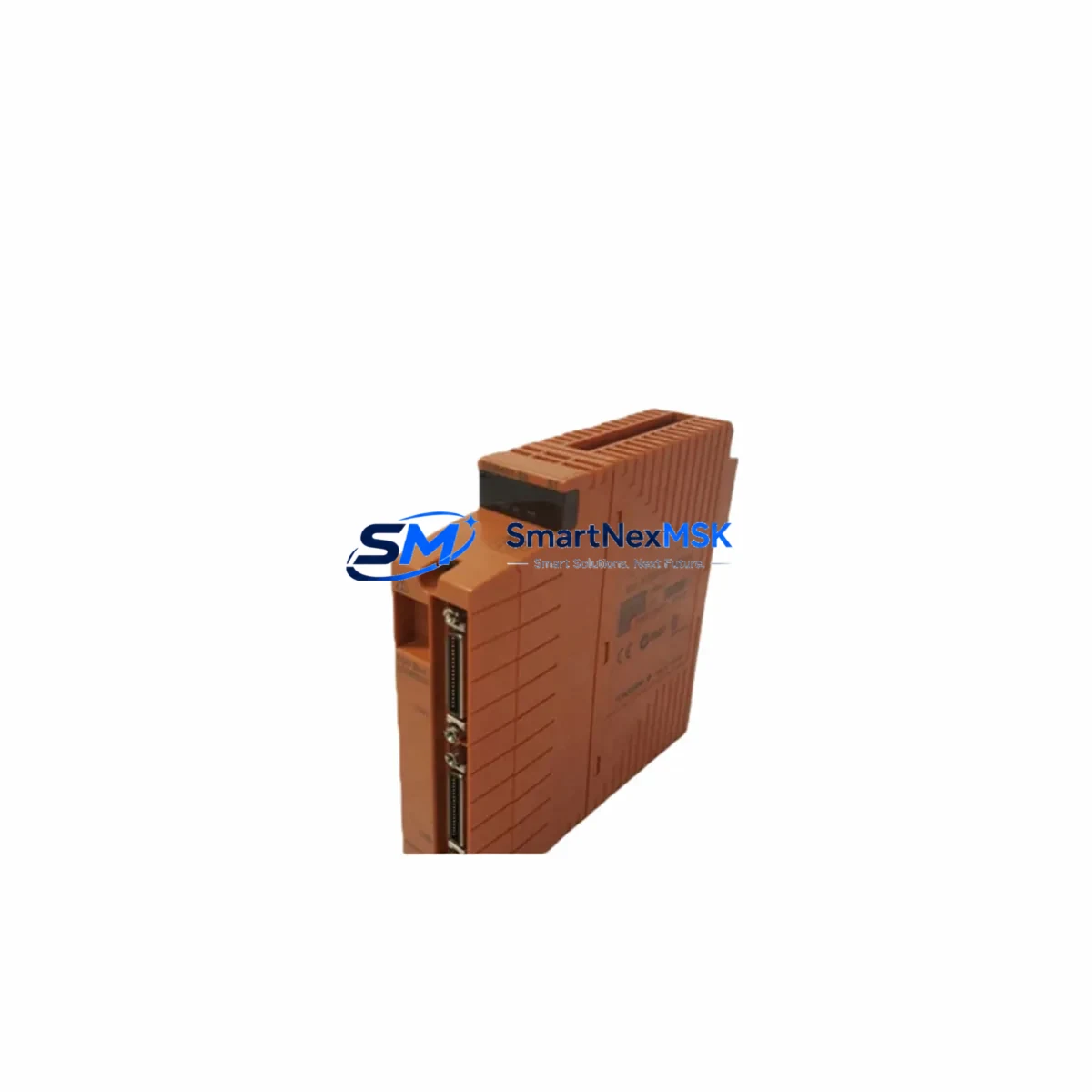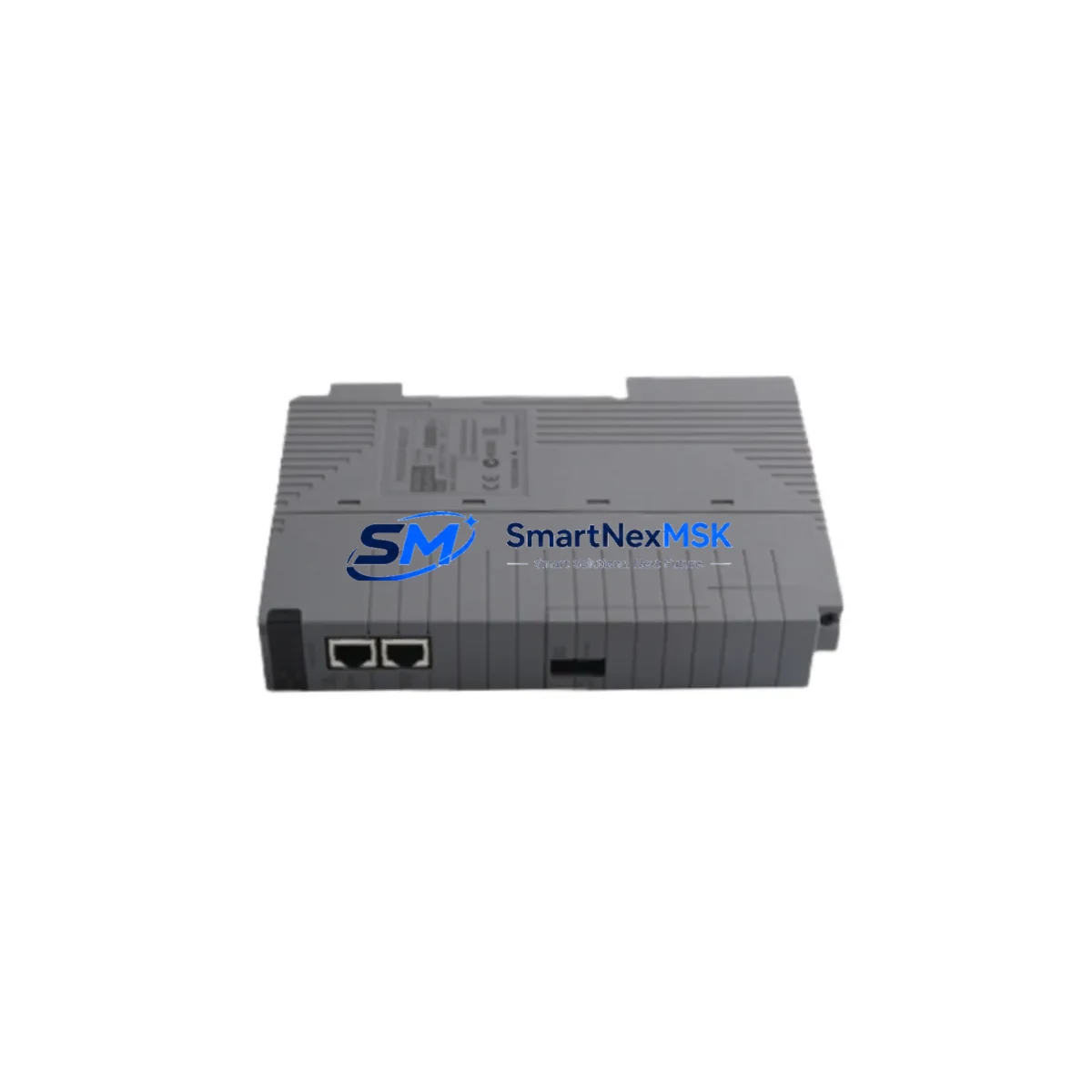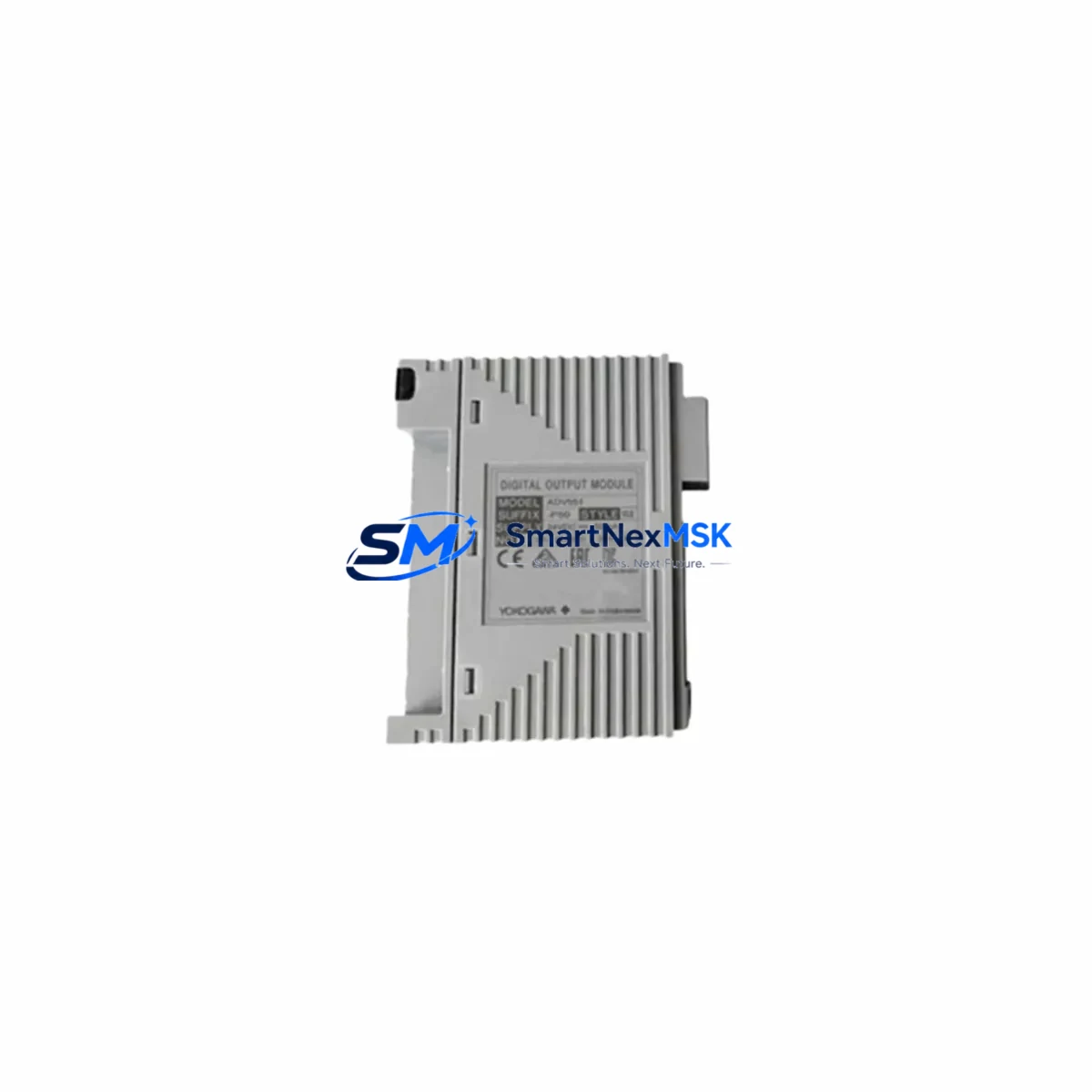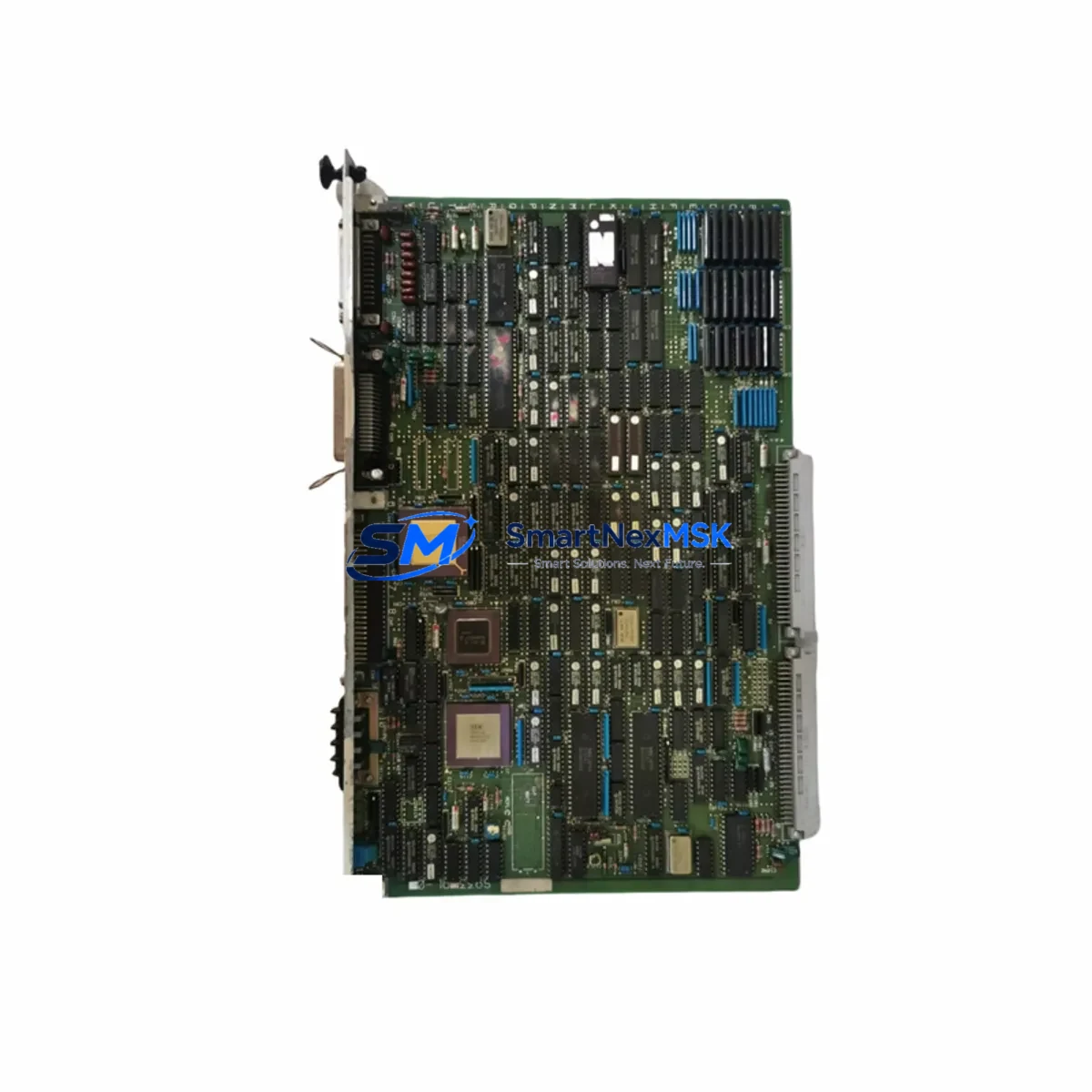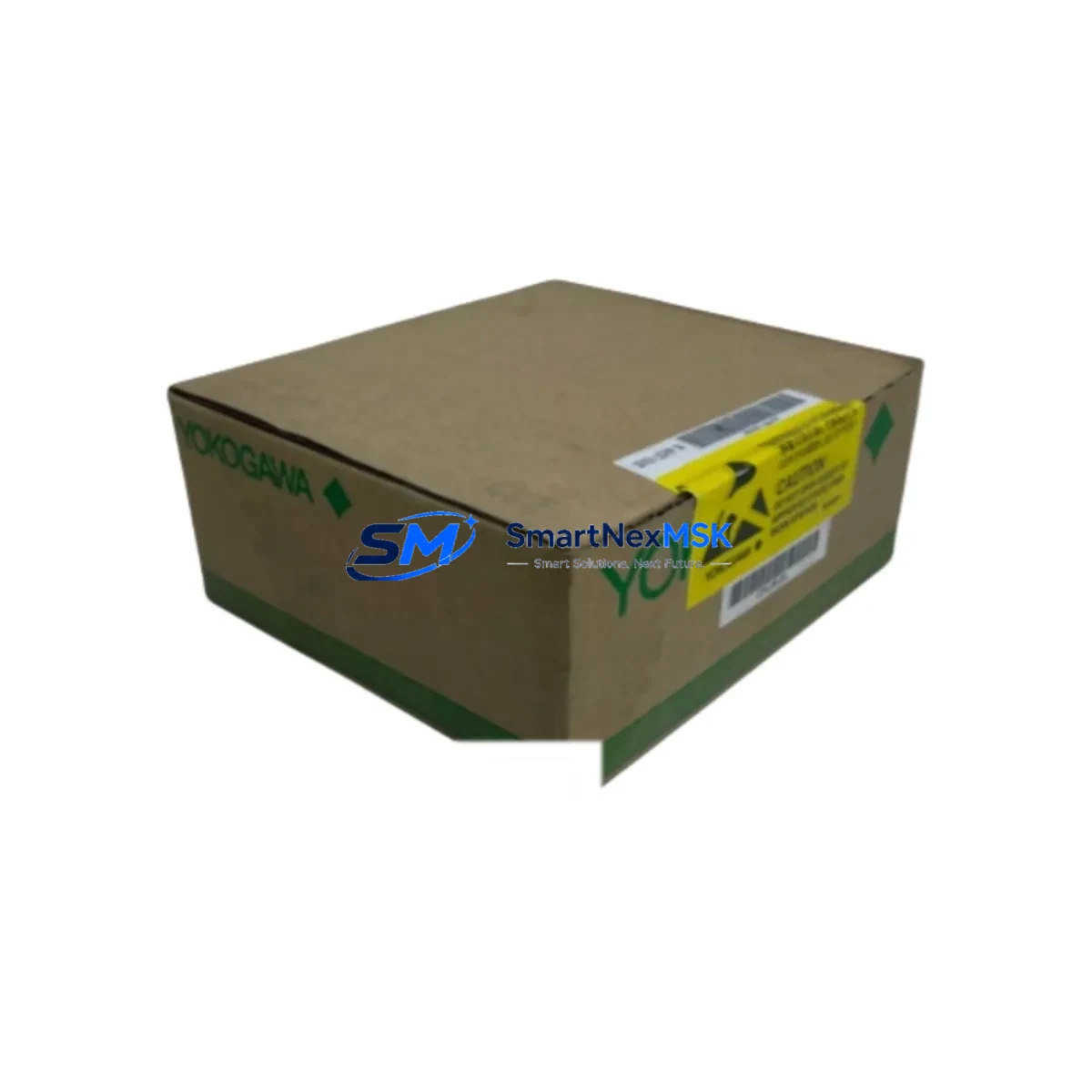
Yokogawa SDV531-L33-S4 Maintenance-Ready Spare for CENTUM VP Automation
The Yokogawa SDV531-L33-S4 is an original digital input (DI) module designed for the CENTUM VP distributed control system platform. For maintenance engineers and procurement teams managing continuous process operations — refinery, chemical, power generation, or pulp and paper — this module represents a critical spare that directly impacts system uptime and fault recovery speed. Sourced as an original Yokogawa component, each unit undergoes pre-shipment functional testing and is backed by a 12-month warranty, ensuring confidence in every replacement cycle.
Unplanned downtime caused by a failed DI module can cascade across an entire control loop. The SDV531-L33-S4 supports fast field replacement with minimal reconfiguration, allowing maintenance teams to restore normal operation within a single shift window. Stocking this module as part of a planned spare parts inventory is a proven strategy for reducing mean time to repair (MTTR) and avoiding costly emergency procurement delays.
Spare Maintenance Table
| Parameter | Specification |
|---|---|
| Model / SKU | SDV531-L33-S4 |
| Brand | Yokogawa Electric Corporation |
| Series / Platform | CENTUM VP (also compatible with CENTUM CS 3000 field node configurations) |
| Module Type | Digital Input (DI) Module |
| Input Channels | 32-channel digital input |
| Input Signal Type | Dry contact / voltage-free contact input |
| Rated Input Voltage | 24 VDC (field side) |
| Isolation | Optical isolation between field and system bus |
| Mounting | Node unit backplane slot (CENTUM VP field control station) |
| Operating Temperature | 0°C to 55°C |
| Humidity | 10% to 90% RH (non-condensing) |
| Origin | Japan |
| Condition | Original, new or refurbished-to-spec; pre-shipment tested |
| Warranty | 12 Months |
| Shipping | Worldwide; EMS / DHL / FedEx with tracking |
| Compliance | CE, RoHS (as per Yokogawa original specification) |
Maintenance Planning for Continuous Operation
When replacing the SDV531-L33-S4 in a CENTUM VP field control station (FCS), a thorough maintenance inspection should extend beyond the module itself. Experienced maintenance engineers treat a DI module failure as a trigger for a broader cabinet audit. The following components and assemblies are commonly reviewed in the same maintenance window:
The power supply module (such as the Yokogawa PW481 or PW482 series) feeding the node unit should be checked for output voltage stability and ripple, as degraded power quality is a leading cause of premature I/O module failure. The node unit backplane and its connector pins should be inspected for oxidation or mechanical wear before the replacement module is seated.
Adjacent digital output (DO) modules — for example the SDV541 series — sharing the same field terminal assembly (FTA) should be verified for correct signal states, since a shorted field device can stress neighboring modules. The field terminal assembly (FTA) itself, including terminal blocks and field wiring connections, should be torque-checked and inspected for insulation degradation.
If the failed DI module was monitoring motor run/stop feedback or valve position signals, the associated relay output modules and interposing relay panels in the same control loop should be tested for contact resistance and coil integrity. For systems using FOUNDATION Fieldbus or HART communication, the communication interface modules (such as the ALF111 or AFC30 series) in the same FCS should be checked for firmware version alignment after any module swap.
The ESB bus coupler connecting the node unit to the FCS should be confirmed as fault-free, and the optical fiber cables or Vnet/IP network cables linking the FCS to the HIS (Human Interface Station) should be inspected for physical damage. Finally, the CENTUM VP HIS engineering station should be used to run a post-replacement I/O check and confirm all 32 channels of the SDV531-L33-S4 are reading correctly before returning the loop to automatic control.
Maintaining a minimum stock of one SDV531-L33-S4 per FCS cabinet — alongside critical spares such as the AAI141 analog input module, AAT141 analog output module, and relevant FTA terminal assemblies — is a widely adopted strategy in high-availability process plants to eliminate single-point-of-failure risk in the spare parts inventory.
Site Replacement Workflow
Step 1 — Preparation: Confirm the replacement SDV531-L33-S4 matches the suffix codes (L33-S4) of the installed module. The suffix defines the input specification and safety rating; mismatched suffixes will cause configuration errors in the CENTUM VP builder. Download the current FCS configuration backup from the HIS before proceeding.
Step 2 — Safe Isolation: Place the affected control loops in manual mode at the HIS. Notify the control room operator. If the DI module monitors safety-critical signals (e.g., emergency shutdown inputs), coordinate with the safety system engineer before isolation.
Step 3 — Module Removal: Power down the node unit if hot-swap is not supported for this slot configuration. Remove the FTA field wiring connector first, then extract the SDV531-L33-S4 from the backplane slot using the module ejector lever. Avoid touching the backplane connector pins.
Step 4 — Installation: Insert the replacement SDV531-L33-S4 firmly until the backplane connector is fully engaged. Reconnect the FTA wiring connector. Restore node unit power.
Step 5 — Verification: From the CENTUM VP HIS, navigate to the FCS I/O status screen and confirm all 32 DI channels are recognized and reading expected field states. Run a channel-by-channel loop check with the field technician to verify signal integrity before returning loops to automatic.
Step 6 — Documentation: Record the replacement in the plant maintenance management system (CMMS), including the removed module’s serial number, failure mode, and the replacement unit’s serial number and warranty start date.
Spare Parts Support FAQ
Q1: Is the SDV531-L33-S4 compatible with both CENTUM VP and CENTUM CS 3000?
The SDV531 series was introduced with CENTUM VP. Compatibility with CENTUM CS 3000 depends on the specific node unit generation and FCS hardware revision. We recommend confirming the FCS model and software version with your Yokogawa system documentation or contacting our technical team before ordering for a CS 3000 installation.
Q2: What does the 12-month warranty cover?
The 12-month warranty covers manufacturing defects and functional failures under normal operating conditions as specified by Yokogawa. Each unit is functionally tested prior to shipment. The warranty period begins from the date of delivery. Warranty claims are supported by our technical team with replacement or repair at no additional cost.
Q3: How do you verify the module before shipment?
Each SDV531-L33-S4 undergoes a pre-shipment inspection that includes visual inspection for physical damage, connector pin integrity check, and where test equipment is available, a functional power-on test. Units are packed in anti-static packaging with desiccant to prevent moisture damage during transit.
Q4: What is the recommended spare parts stocking strategy for CENTUM VP systems?
Industry best practice for high-availability CENTUM VP installations is to maintain at least one spare of each I/O module type installed in the FCS, with higher quantities for modules covering critical process loops. For the SDV531-L33-S4, plants with multiple FCS cabinets typically stock one unit per two to three cabinets. We offer long-term supply agreements and volume pricing to support planned spare parts programs.
© 2026 SMARTNEXMSK. All rights reserved.
Original Source: https://smartnexmsk.com
Contact: [email protected] | +86 18259474341