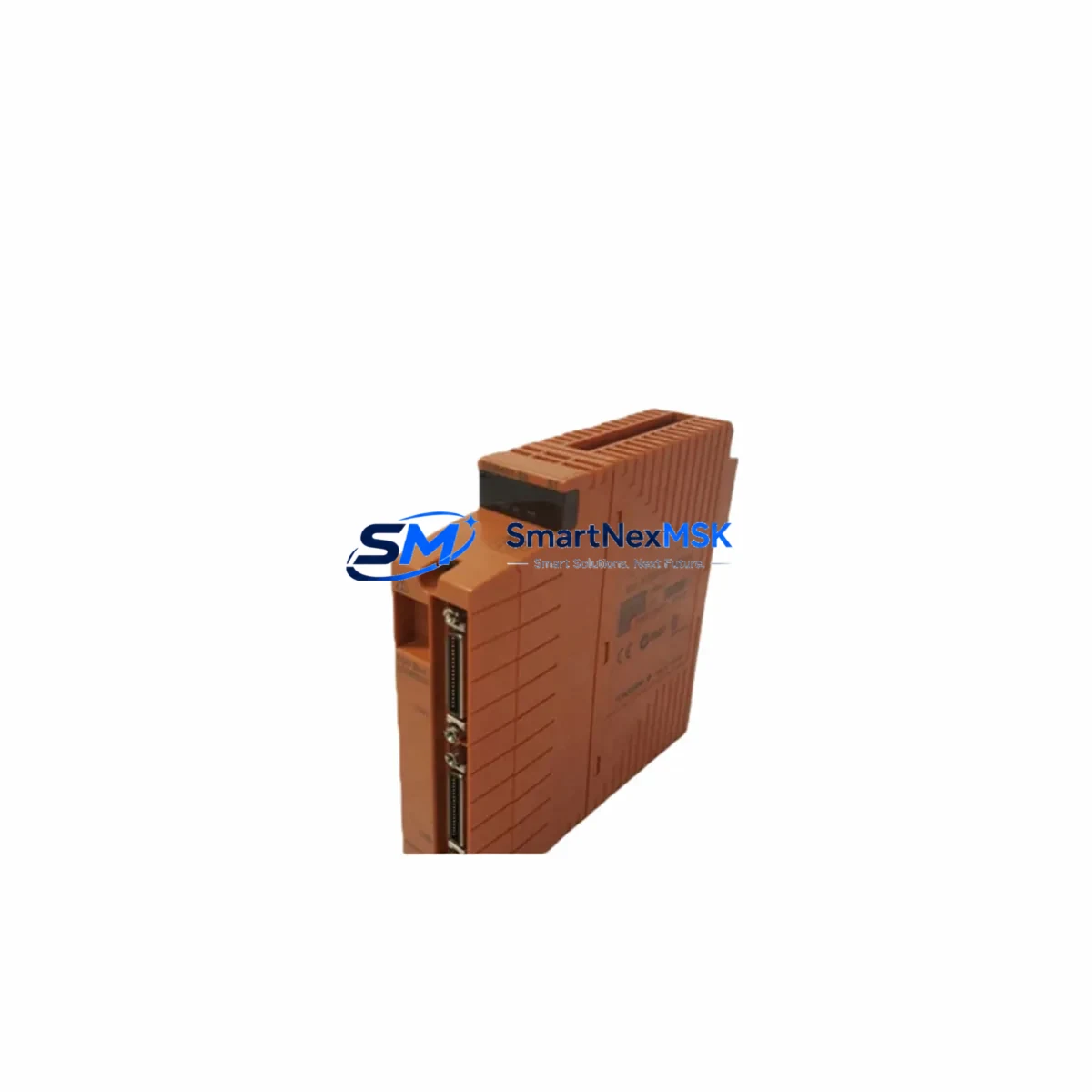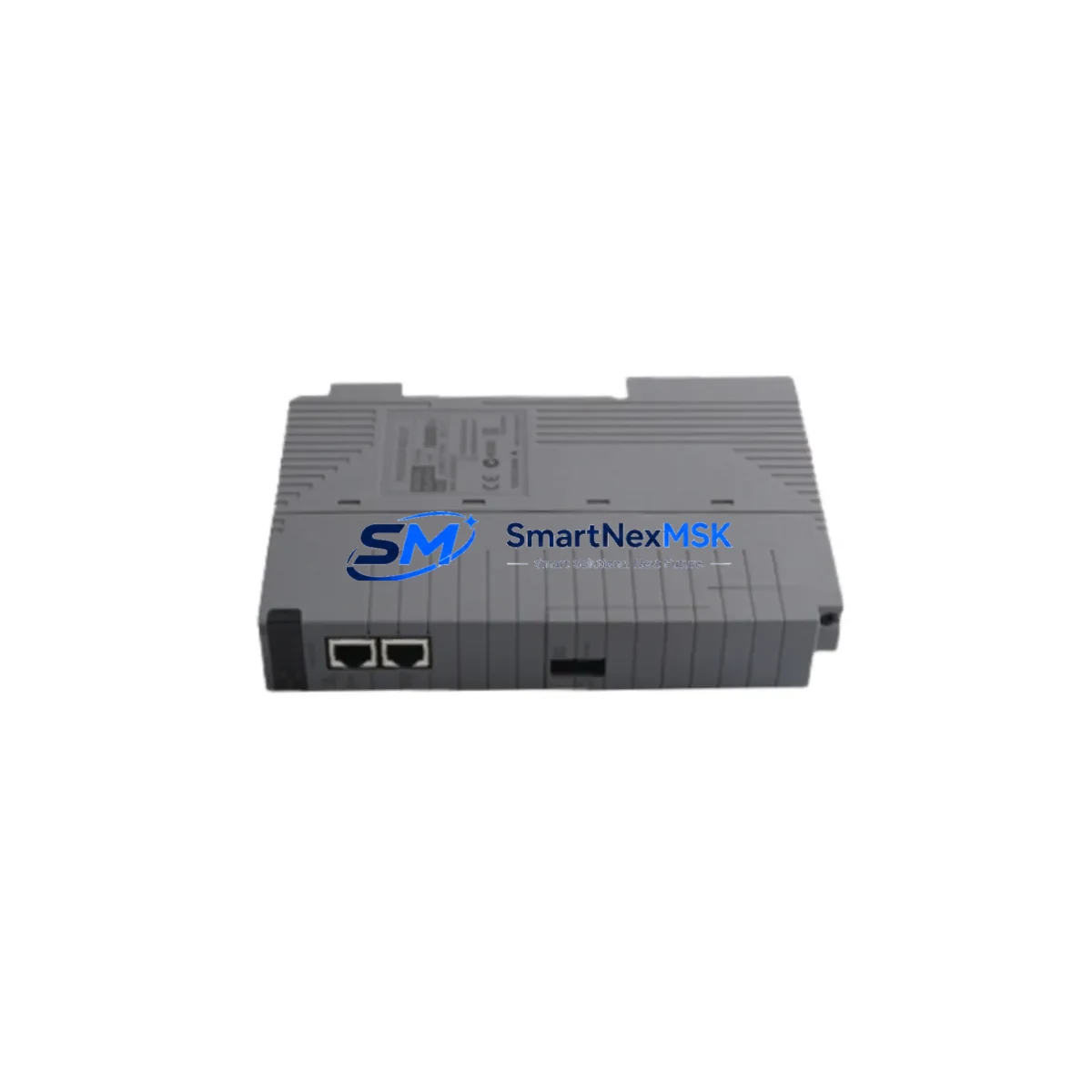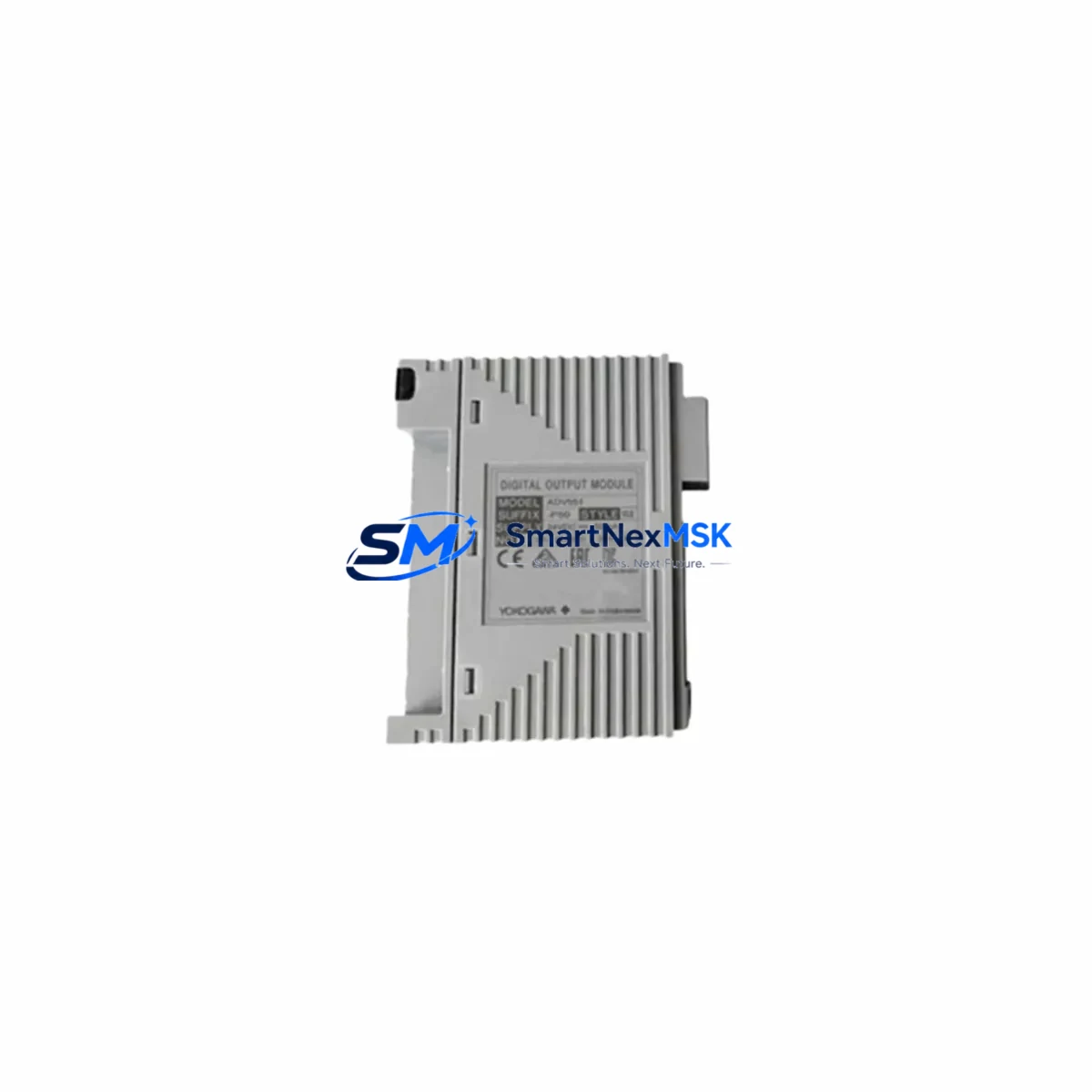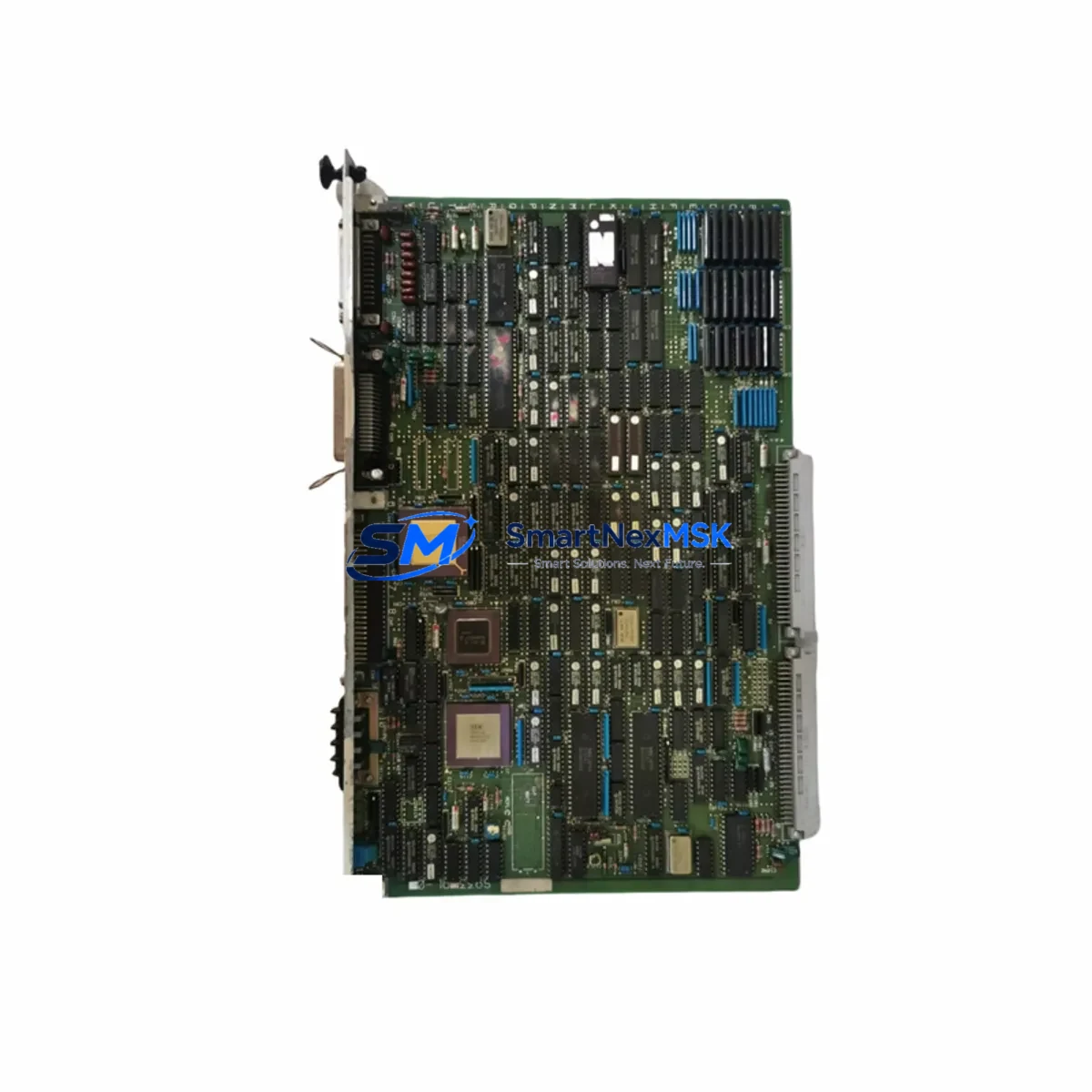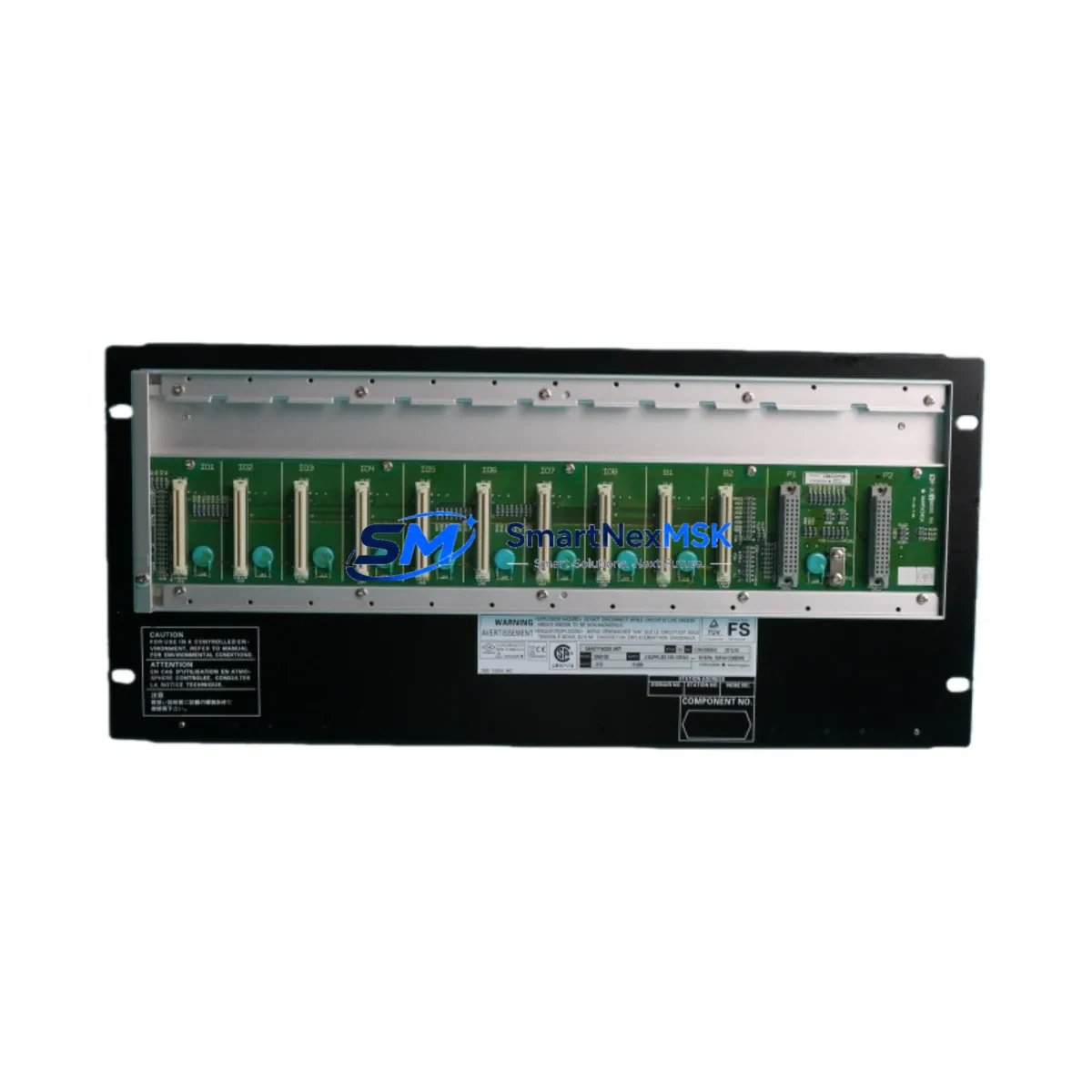
Yokogawa SNB10D-413/CU2N/ATD0C Retrofit-Ready Safety Node for ProSafe-RS Control Systems
The Yokogawa SNB10D-413/CU2N/ATD0C is a Safety Node Unit designed for seamless integration into ProSafe-RS Safety Instrumented Systems (SIS). As aging DCS and SIS installations approach end-of-life, this module serves as a verified drop-in replacement and upgrade solution for facilities managing legacy safety architectures. Whether you are replacing a failed node, expanding an existing safety loop, or migrating from an older ProSafe-RS revision, the SNB10D-413/CU2N/ATD0C delivers the compatibility, reliability, and IEC 61511 compliance that industrial safety engineers demand.
This Safety Node Unit supports the ProSafe-RS platform’s distributed safety architecture, interfacing directly with the Safety Control Unit (SCU) via the Vnet/IP communication backbone. Its ATD0C terminal configuration is engineered for direct wiring compatibility with existing field termination assemblies, minimizing rewiring effort during retrofit projects. Engineers replacing earlier SNB-series nodes will find that the terminal block layout, module addressing scheme, and I/O channel mapping remain consistent, allowing program logic developed in ProSafe-RS Engineering Environment (PREE) to be reused with minimal modification.
Upgrade Compatibility Table
| Parameter | SNB10D-413/CU2N/ATD0C | Notes |
|---|---|---|
| Platform | Yokogawa ProSafe-RS | Compatible with R3.xx and later revisions |
| Communication | Vnet/IP (Ethernet-based) | Replaces older Vnet/Token Ring nodes without protocol converter |
| Terminal Type | ATD0C (screw terminal) | Direct fit with existing FTA wiring harnesses |
| Mounting | ProSafe-RS Node Unit Rack (NUR) | Slot-compatible; no rack modification required |
| I/O Channels | 16 DI / 8 DO (configurable) | Channel mapping preserved from legacy SNB nodes |
| Safety Standard | IEC 61511 / IEC 61508 SIL 2 | TÜV certified; suitable for SIL 2 safety loops |
| Power Supply | 24 VDC via backplane | Verify NUR power budget before installation |
| Commissioning Tool | PREE (ProSafe-RS Engineering Environment) | Node address must be set prior to online insertion |
| Warranty | 12 Months | Covered from date of shipment; includes DOA replacement |
Retrofit Planning for Existing Automation Systems
Successful integration of the SNB10D-413/CU2N/ATD0C into a live ProSafe-RS system requires careful pre-engineering. Begin by auditing the Node Unit Rack (NUR) to confirm available slot positions and verify that the existing Node Power Supply Unit (NPSU) can support the additional load. Each safety node draws power from the backplane; exceeding the NPSU capacity will trigger a system fault and may cause a spurious trip across connected safety loops.
Field wiring connected to the ATD0C terminal assembly must be verified against the original I/O list. Technicians should confirm signal types — dry contact, NAMUR, or voltage — and validate that the existing Field Termination Assembly (FTA) is wired to the correct channel polarity. In systems where the SNB10D-413/CU2N/ATD0C replaces a node from an earlier ProSafe-RS generation, the FTA connector pinout is typically preserved, but a point-to-point continuity check is recommended before energizing the module.
Module addressing is configured through PREE before the node is inserted into the rack. The node address must match the address defined in the safety application database; a mismatch will prevent the SCU from recognizing the node and will generate a communication fault on the Vnet/IP segment. If the system includes a redundant SCU pair — such as the SSC60S or SSC57S controllers — both controllers must acknowledge the new node before the safety application can transition to RUN mode.
For facilities also upgrading their operator interface, the SNB10D-413/CU2N/ATD0C integrates transparently with Yokogawa CENTUM VP HMI screens via the ProSafe-RS to CENTUM VP integration gateway. Existing HMI faceplates referencing the replaced node’s I/O tags will continue to function without modification, provided the tag database in CENTUM VP is synchronized after the node replacement. In mixed-platform environments where a third-party DCS such as a Honeywell Experion or ABB 800xA system interfaces with the ProSafe-RS via OPC or Modbus gateway, the communication link should be validated end-to-end after the node is brought online.
Spare parts planning should also account for associated components in the same control cabinet. Facilities performing a node replacement often simultaneously address aging Analog Input Modules, Digital Output Modules, and communication interface cards within the same NUR. Stocking a replacement Node Power Supply Unit alongside the SNB10D-413/CU2N/ATD0C is a common practice for sites with extended lead times on critical spares. Programming cables compatible with PREE — such as the KS1-USB or equivalent — should be on hand for on-site address configuration and diagnostic download.
Downtime Control During System Migration
Minimizing process downtime during a safety node replacement requires a structured hot-swap or planned-outage strategy. For ProSafe-RS systems operating in online maintenance mode, the SNB10D-413/CU2N/ATD0C can be inserted into a pre-configured slot while the SCU maintains control over the remaining nodes. The SCU will detect the new node, validate its address and configuration, and bring it online without interrupting the safety application — provided the node address and I/O configuration match the existing database exactly.
Before initiating any node swap, download and archive the current safety application from the SCU using PREE. This backup preserves the certified program logic, I/O mapping, cause-and-effect matrix, and SIL verification records. If the replacement node requires a firmware update to match the SCU revision, perform this update on the bench prior to installation to avoid extended downtime at the rack.
For systems that cannot support online maintenance, schedule the replacement during a planned shutdown window. Coordinate with the process control team to place affected safety loops in bypass mode using the ProSafe-RS bypass management function, and ensure that independent layers of protection — such as pressure relief valves or high-integrity pressure protection systems — remain active during the bypass period. After the SNB10D-413/CU2N/ATD0C is installed and the safety application is validated in PREE, perform a functional test of each I/O channel before releasing the bypass and returning the loop to automatic mode.
Retrofit Support FAQ
Q: Is the SNB10D-413/CU2N/ATD0C a direct replacement for earlier SNB-series nodes?
A: Yes. The SNB10D-413/CU2N/ATD0C is designed as a form-fit-function replacement for compatible SNB-series predecessors within the ProSafe-RS platform. Terminal wiring, rack slot dimensions, and Vnet/IP addressing are preserved. Verify the firmware revision compatibility with your SCU version in PREE before installation.
Q: What commissioning steps are required after installation?
A: Set the node address using PREE before inserting the module. After insertion, confirm the SCU recognizes the node in the system status display. Perform a channel-by-channel I/O functional test, validate safety loop integrity, and update the as-built documentation. A full proof test per IEC 61511 is recommended if the node has been out of service for an extended period.
Q: Can the ATD0C terminal assembly be reused from the old node?
A: The ATD0C terminal assembly is a separate field wiring component and is not part of the SNB10D-413/CU2N/ATD0C module itself. In most retrofit scenarios, the existing ATD0C assembly and FTA wiring remain in place; only the node module is replaced. Inspect the terminal block for corrosion or loose connections before reconnecting.
Q: What does the 12-month warranty cover?
A: All SNB10D-413/CU2N/ATD0C units are covered by a 12-month warranty from the date of shipment. Coverage includes manufacturing defects and DOA (dead-on-arrival) replacement. Each unit undergoes pre-shipment functional testing. Warranty claims are processed through [email protected] with proof of purchase and fault description.
© 2026 SMARTNEXMSK. All rights reserved.
Original Source: https://smartnexmsk.com
Contact: [email protected] | +86 18259474341