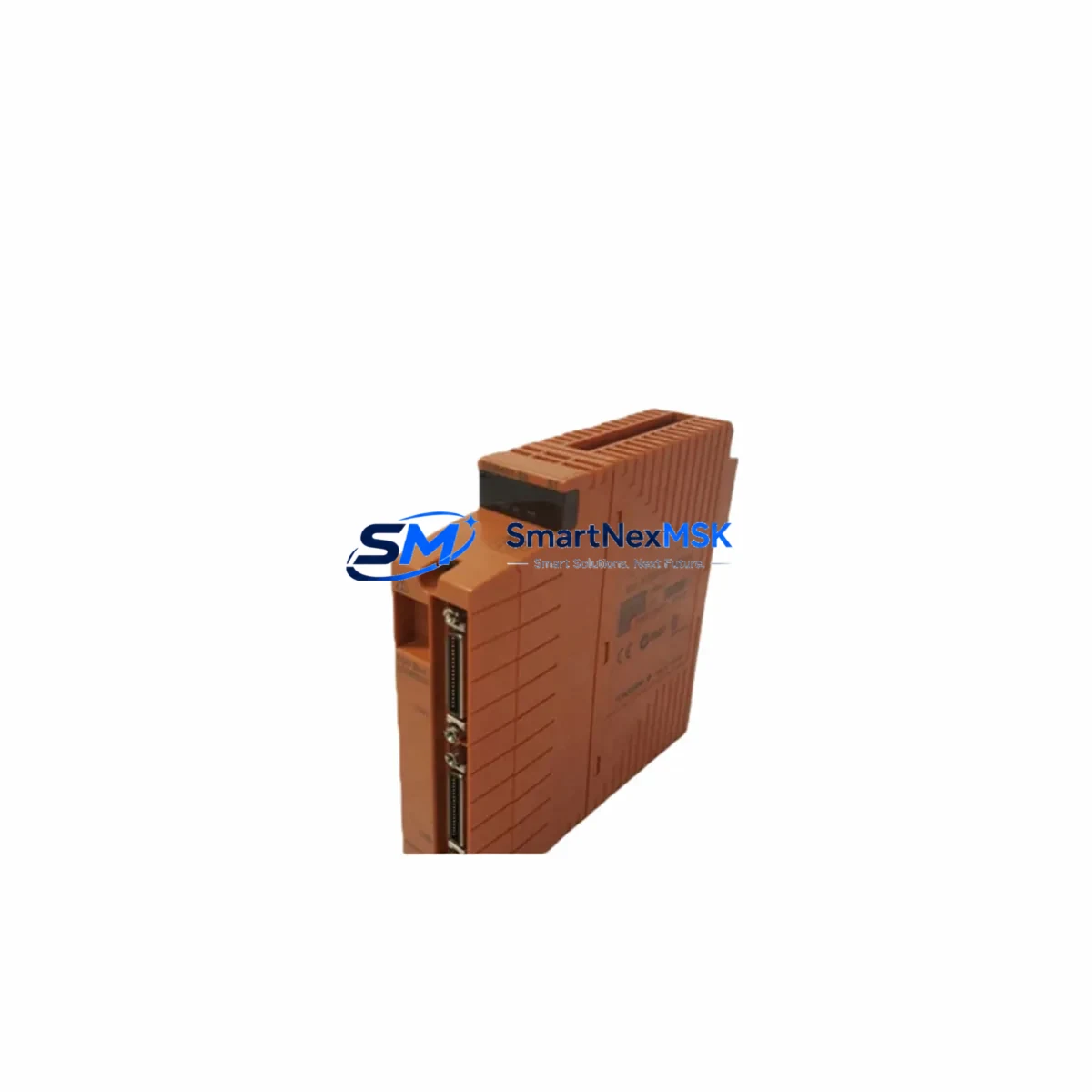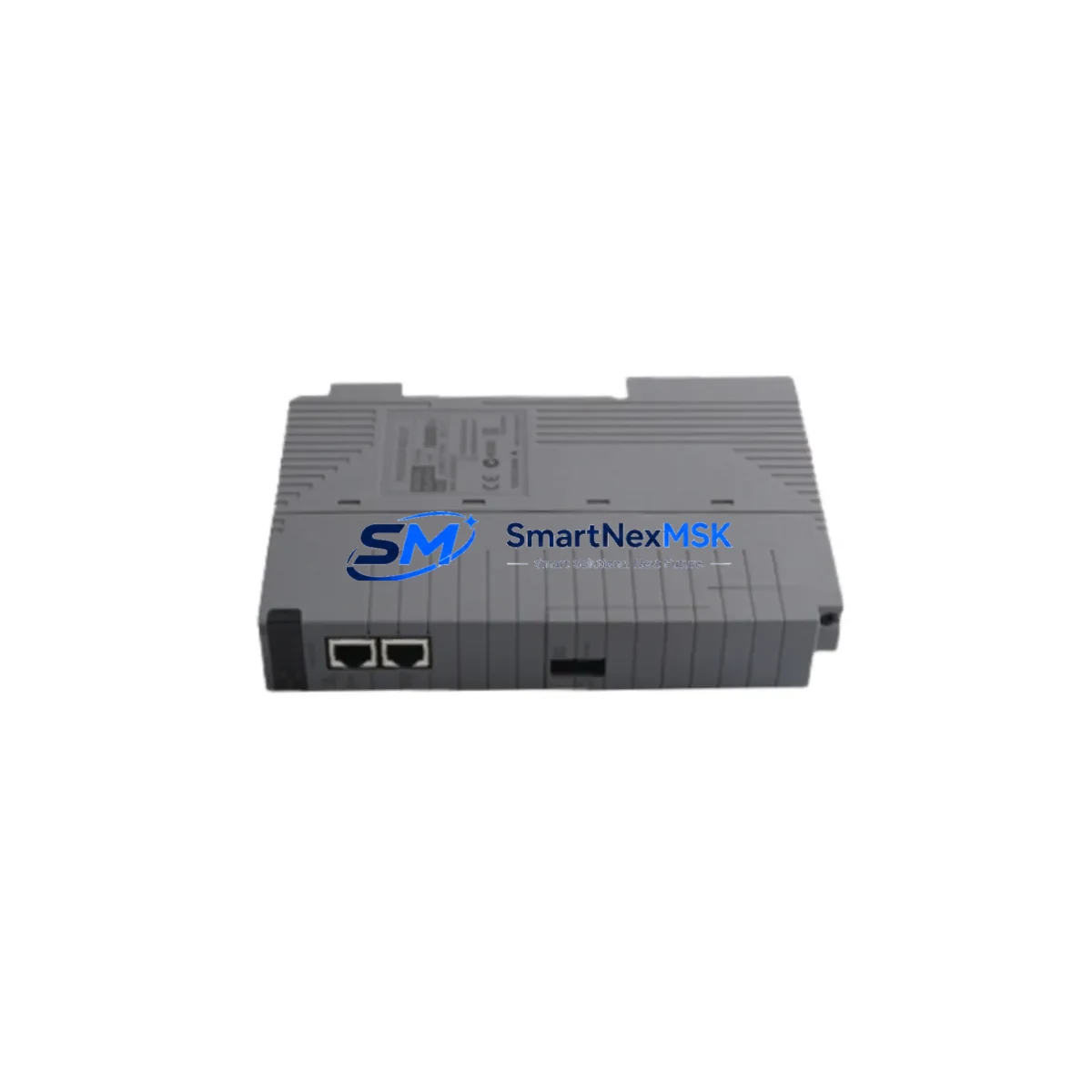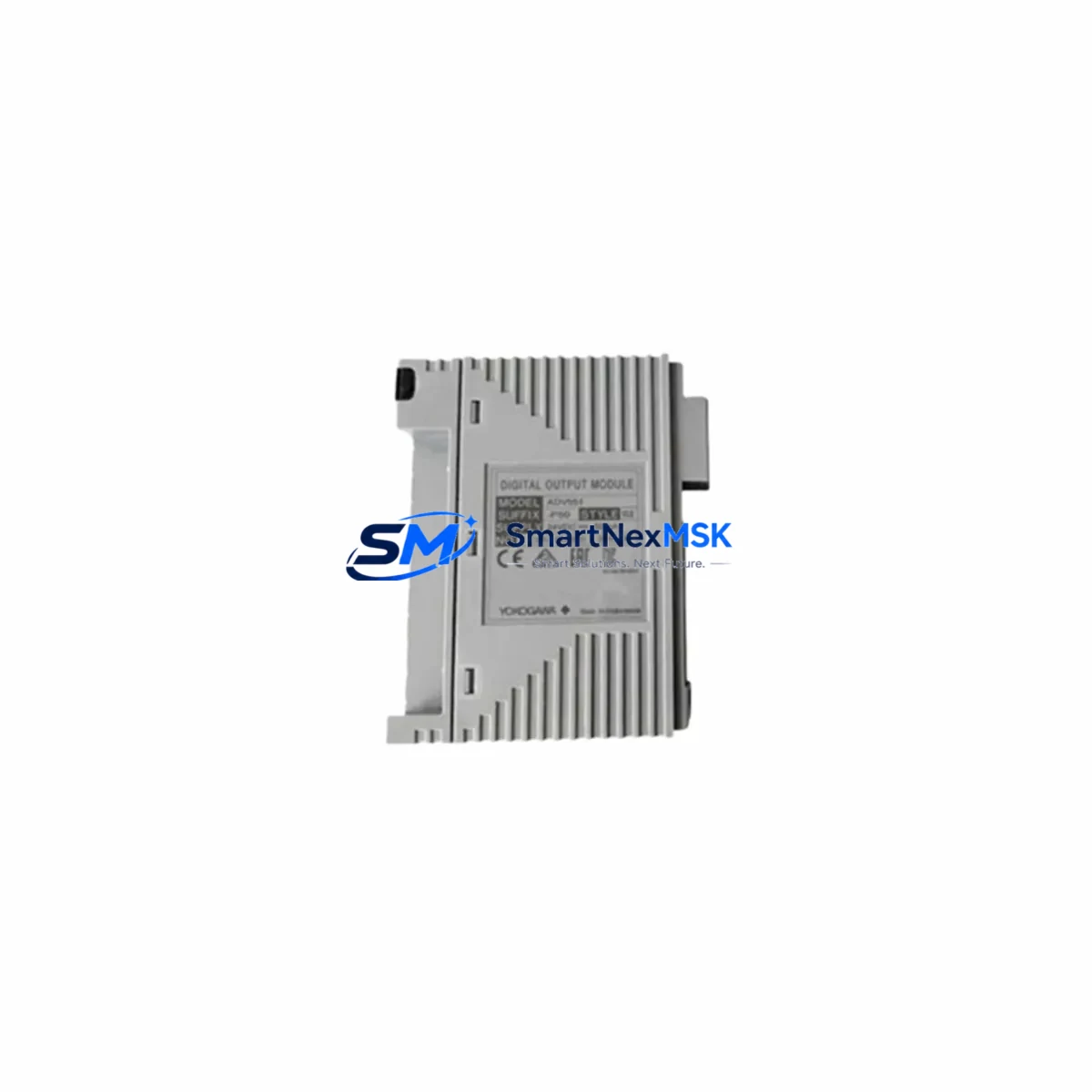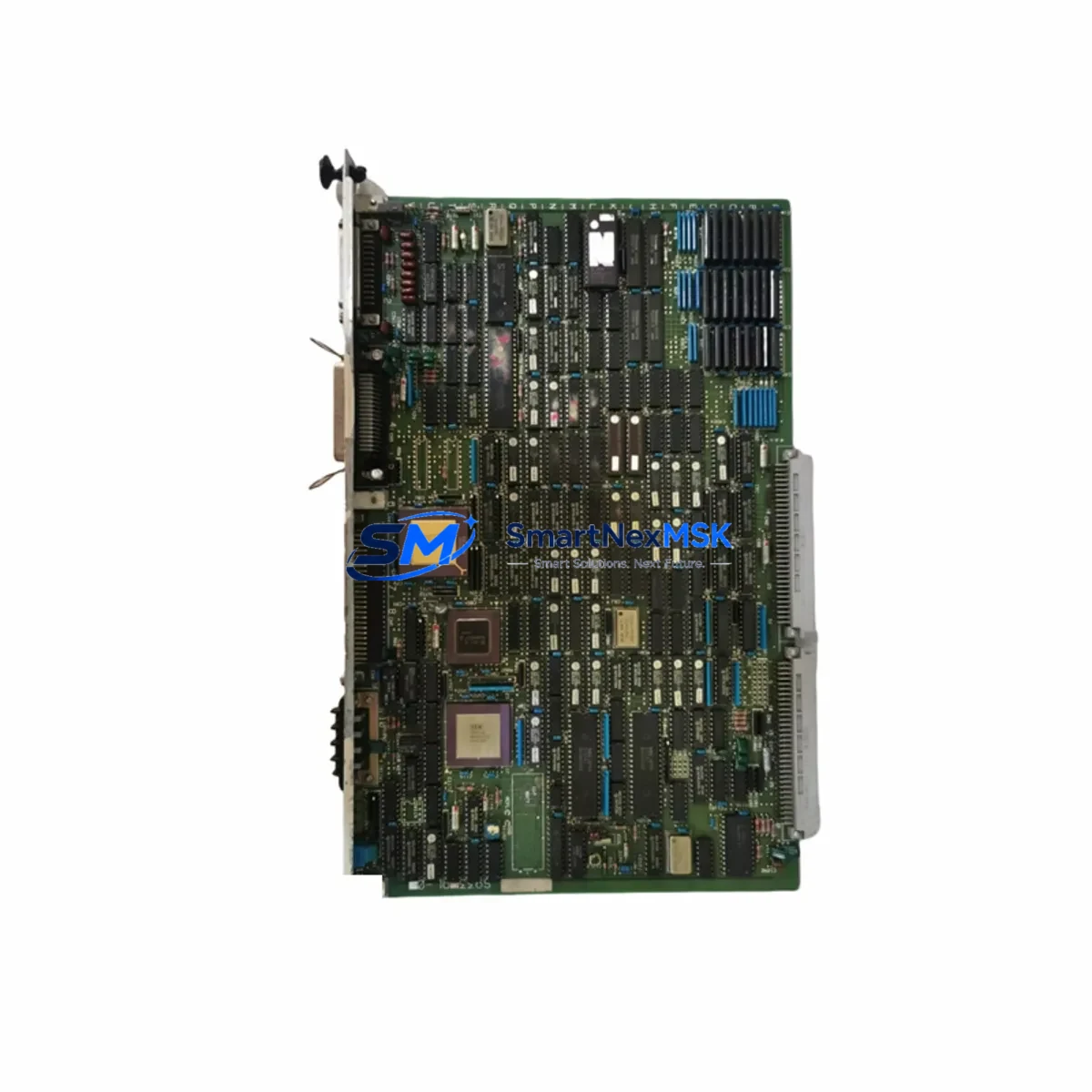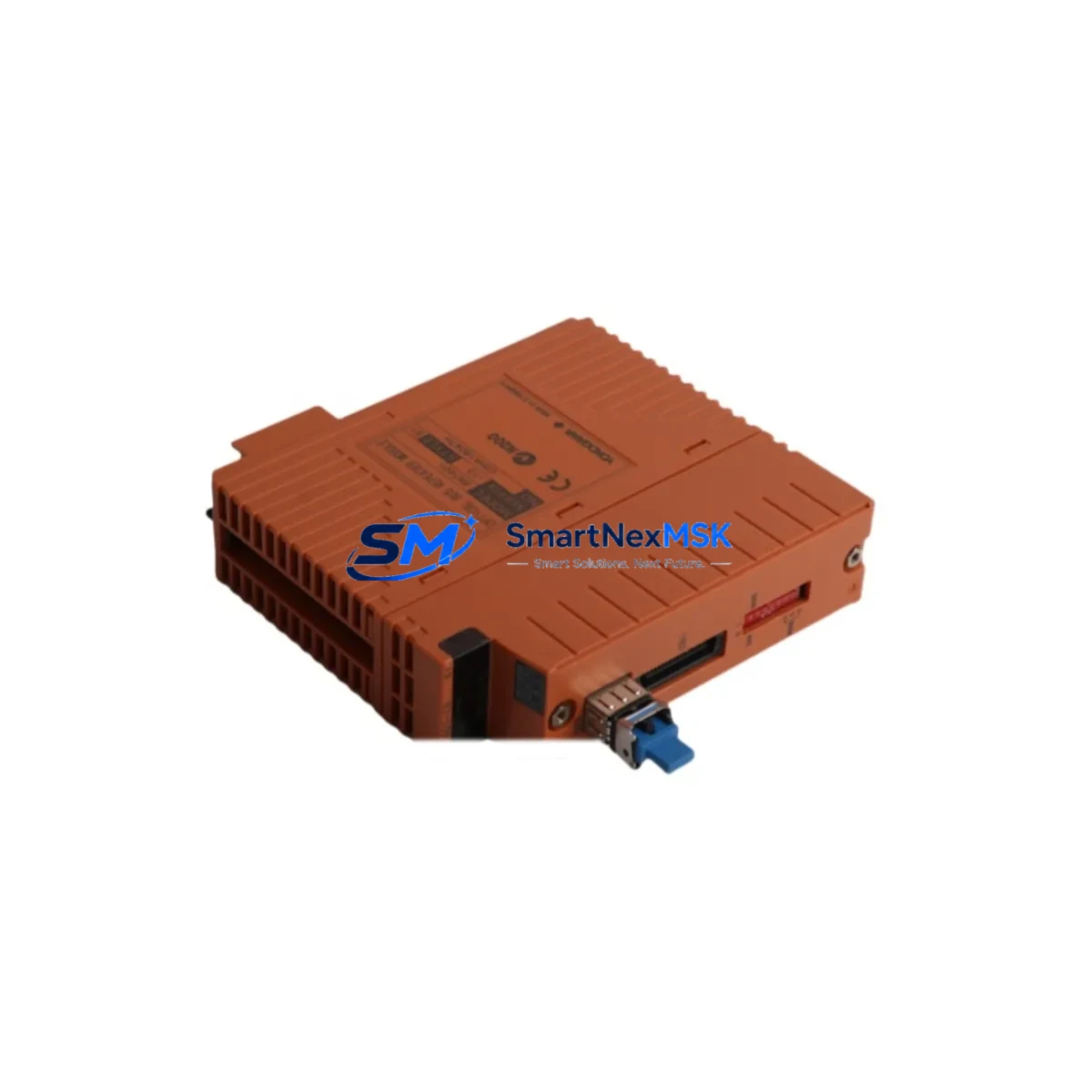
Yokogawa SNT401-13S1 Retrofit-Ready Network Interface for CENTUM VP Control Systems
The Yokogawa SNT401-13S1 is a Vnet/IP-based network interface module engineered for seamless integration into CENTUM VP distributed control systems. As legacy CENTUM CS 3000 and CENTUM VP R4 installations reach end-of-support milestones, the SNT401-13S1 has become a critical component in brownfield retrofit projects, enabling engineers to modernize communication infrastructure without replacing the entire control architecture. Whether you are upgrading a refinery DCS backbone, restoring a discontinued spare, or migrating from an older Vnet protocol stack, the SNT401-13S1 delivers the compatibility and reliability that industrial automation teams demand.
Upgrade Compatibility Table
| Parameter | SNT401-13S1 Specification | Retrofit Notes |
|---|---|---|
| Compatible Platform | Yokogawa CENTUM VP (all revisions) | Backward compatible with CENTUM CS 3000 R3.09 and above |
| Communication Protocol | Vnet/IP (100 Mbps Ethernet-based) | Replaces legacy Vnet coaxial bus; requires Vnet/IP-capable FCS |
| Backplane Interface | Standard CENTUM VP node bus connector | Direct slot-for-slot replacement in EB401, EB501 node units |
| Power Consumption | ≤ 8 W (24 VDC from node power supply) | Verify PW481 or PW482 power module capacity before installation |
| Module Address | Configurable via System View / HIS engineering station | Re-address required if replacing a failed unit at a different slot |
| Installation Form Factor | Single-slot, standard CENTUM VP card cage | No mechanical modification required; fits EB401/EB501 directly |
| HMI / HIS Compatibility | Full CENTUM VP HIS R5.04 and above | Existing HMI faceplates and trend displays remain unchanged |
| Commissioning Tool | Yokogawa System View (SV) engineering software | No re-download of FCS application required for like-for-like swap |
| Warranty | 12-Month Warranty — covers manufacturing defects; includes pre-shipment functional test report | |
Retrofit Planning for Existing Automation Systems
A successful SNT401-13S1 retrofit begins well before the module arrives on-site. Engineers should start by auditing the existing node unit configuration — specifically confirming whether the installed EB401 or EB501 node unit has an available slot and that the PW481 or PW482 power supply module has sufficient headroom to support the replacement card. In multi-node architectures, the Vnet/IP switch infrastructure (typically a managed industrial Ethernet switch connected to the ESB10D or ESB20D Vnet/IP bus interface) must be verified for port availability and VLAN configuration before the new SNT401-13S1 is inserted.
Terminal wiring on the SNT401-13S1 follows the standard CENTUM VP node bus pinout, which means existing cable harnesses connected to the failed or obsolete unit can be reused without modification. However, engineers should inspect the RJ-45 Vnet/IP patch cables and confirm they meet Cat5e or Cat6 specifications — degraded cabling is a common root cause of intermittent communication faults that are often misdiagnosed as module failure.
For sites running mixed I/O configurations, the SNT401-13S1 coexists with AAI141-S, AAI841-S analog I/O modules and ADV151-P, ADV551-P digital I/O modules within the same node unit. The module address assigned to the SNT401-13S1 in System View must not conflict with any existing FCS node address in the domain. If the replacement is a like-for-like swap at the same physical slot, the address is inherited automatically and no FCS application re-download is required — a significant advantage for minimizing planned downtime.
Sites that are simultaneously upgrading their HIS engineering stations from CENTUM VP R4 to R6 should note that the SNT401-13S1 is fully supported under the R6 System View environment. Existing HMI faceplates, trend groups, and alarm setpoints built in the CENTUM VP HIS do not require modification following a network interface module swap. The FCS application logic — including PID loops, sequence tables, and interlock conditions — remains intact on the FCS processor (typically an FCN-RTU or CP451 controller) and is unaffected by the network interface replacement.
For projects involving communication protocol migration from legacy serial-based instruments to FOUNDATION Fieldbus or HART, the SNT401-13S1 serves as the Vnet/IP backbone that connects the updated field device network back to the CENTUM VP domain controller. In these scenarios, the ALF111 FOUNDATION Fieldbus interface module or the AIP587 HART multiplexer are commonly installed in adjacent slots within the same node unit, and their traffic is aggregated through the SNT401-13S1 to the HIS and historian servers.
Downtime Control During System Migration
Minimizing unplanned downtime is the primary concern for any brownfield DCS retrofit. The SNT401-13S1 supports hot-standby redundancy configurations when paired with a second unit in a redundant node setup, allowing engineers to swap the primary module while the standby maintains process control continuity. For non-redundant installations, the recommended approach is to pre-configure the replacement SNT401-13S1 offline using a bench-top CENTUM VP test environment before the planned maintenance window begins.
During the physical swap, the FCS application continues to execute on the CP451 or FCN controller as long as the node bus remains powered. The SNT401-13S1 can be removed and reinserted with the node unit energized — the FCS detects the module reinsertion and automatically re-establishes the Vnet/IP communication link within 30 seconds under normal network conditions. Engineers should monitor the System View alarm console during this period to confirm that the module status transitions from “Not Installed” to “Normal” without generating persistent fault alarms.
Post-installation verification should include a full I/O scan from the HIS to confirm that all field signals routed through the node unit are reading correctly, followed by a communication loop test on the Vnet/IP segment using the built-in diagnostic tools in System View. If the site uses a Yokogawa Exaquantum or PI historian, data continuity should be confirmed by checking that tag values resume updating within the expected scan cycle after the module is restored to service.
Retrofit Support FAQ
Q1: Is the SNT401-13S1 a direct drop-in replacement for the SNT401-13S0?
Yes. The SNT401-13S1 is the current production revision of the SNT401-13S0 and is fully backward compatible. No changes to the FCS application, module address, or wiring are required for a like-for-like substitution. The hardware revision suffix (-13S1 vs. -13S0) reflects a component-level update by Yokogawa and does not affect functional behavior or system integration.
Q2: What pre-shipment testing is performed on the SNT401-13S1?
Each unit undergoes a functional power-on test and Vnet/IP communication verification before dispatch. A test report is included with every shipment. The module is covered by a 12-month warranty against manufacturing defects from the date of delivery. Units are shipped in anti-static packaging with protective slot covers installed.
Q3: Can the SNT401-13S1 be used in a CENTUM CS 3000 system?
The SNT401-13S1 is designed for CENTUM VP. Compatibility with CENTUM CS 3000 depends on the specific revision of the CS 3000 system and whether Vnet/IP has been enabled via a system upgrade. We recommend confirming the FCS firmware version and node unit hardware revision with your Yokogawa system documentation before ordering. Our technical team can assist with compatibility verification prior to purchase.
Q4: What is the lead time and how is the module shipped?
In-stock units ship within 1–3 business days from our Xiamen warehouse. International shipments are dispatched via DHL Express or FedEx International Priority with full tracking. Export documentation, including commercial invoice and packing list, is provided for customs clearance. For urgent requirements, same-day dispatch is available for orders confirmed before 14:00 CST.
© 2026 SMARTNEXMSK. All rights reserved.
Original Source: https://smartnexmsk.com
Contact: [email protected] | +86 18259474341