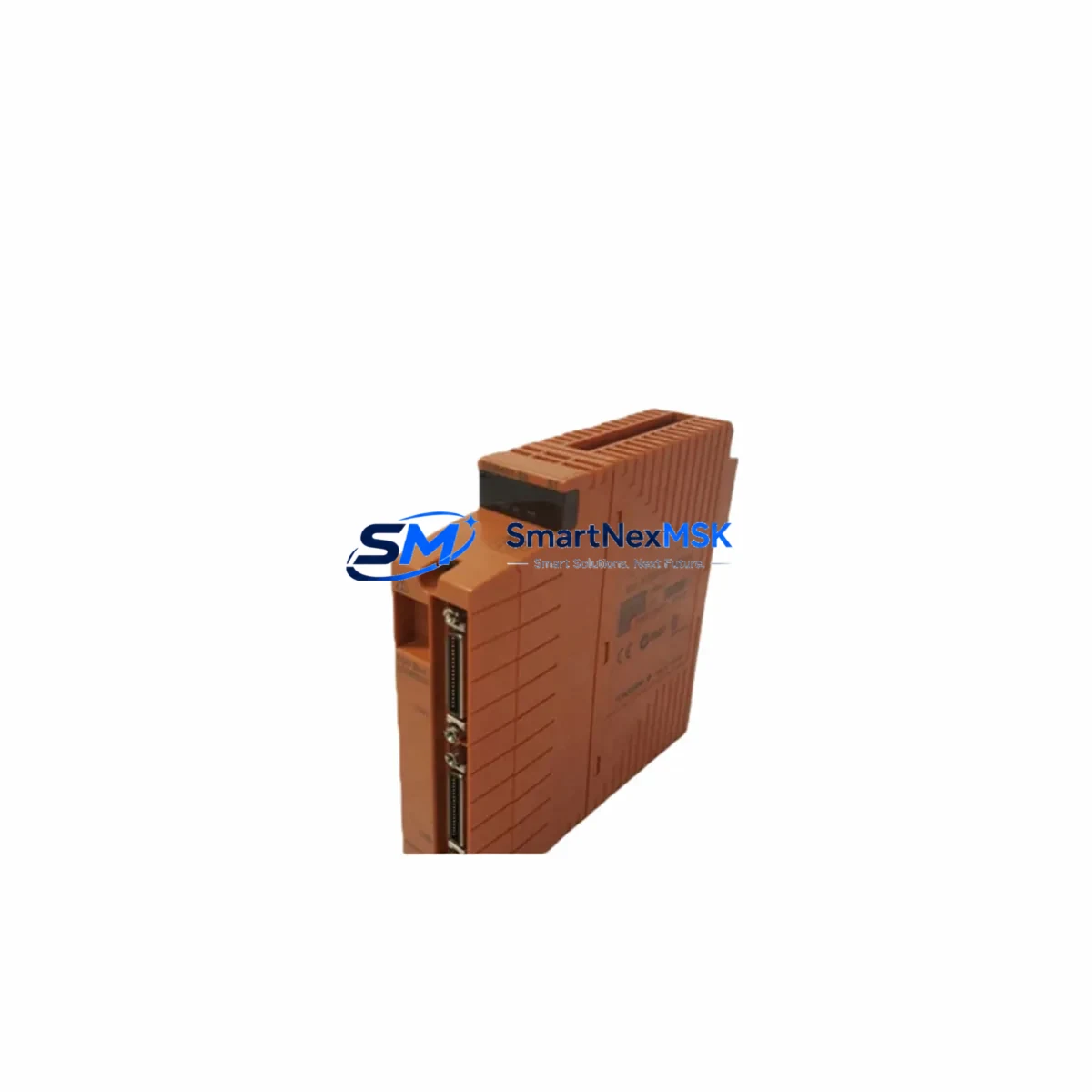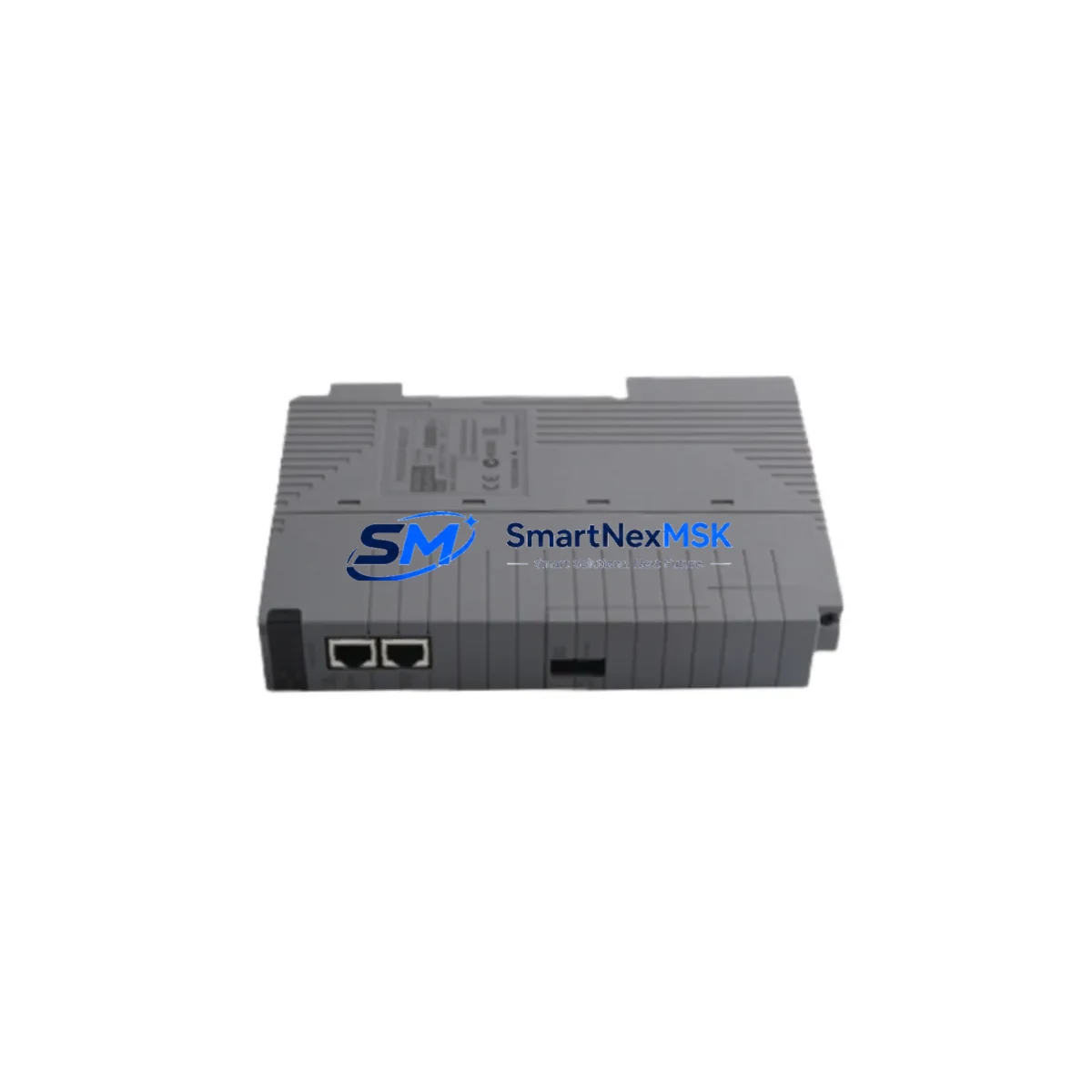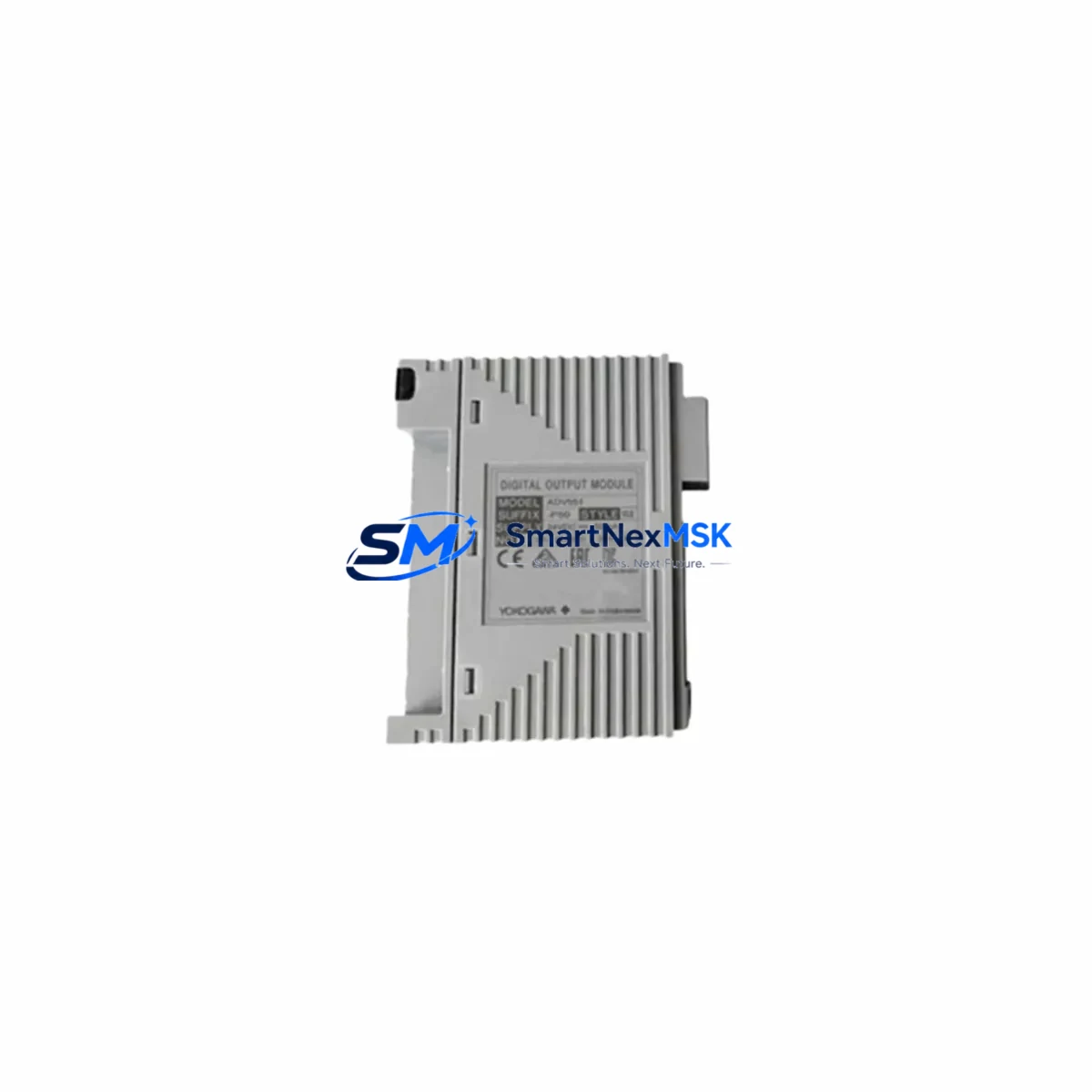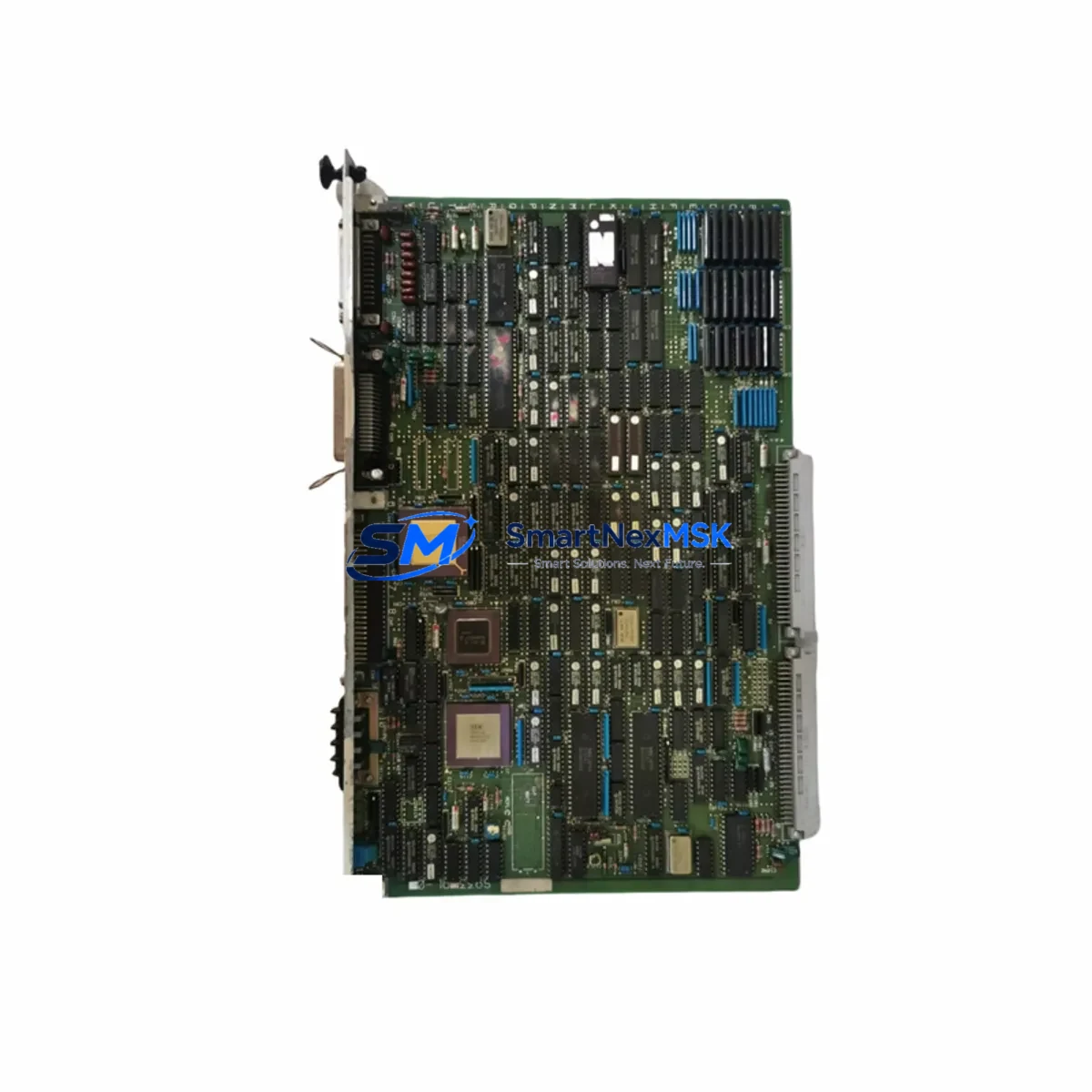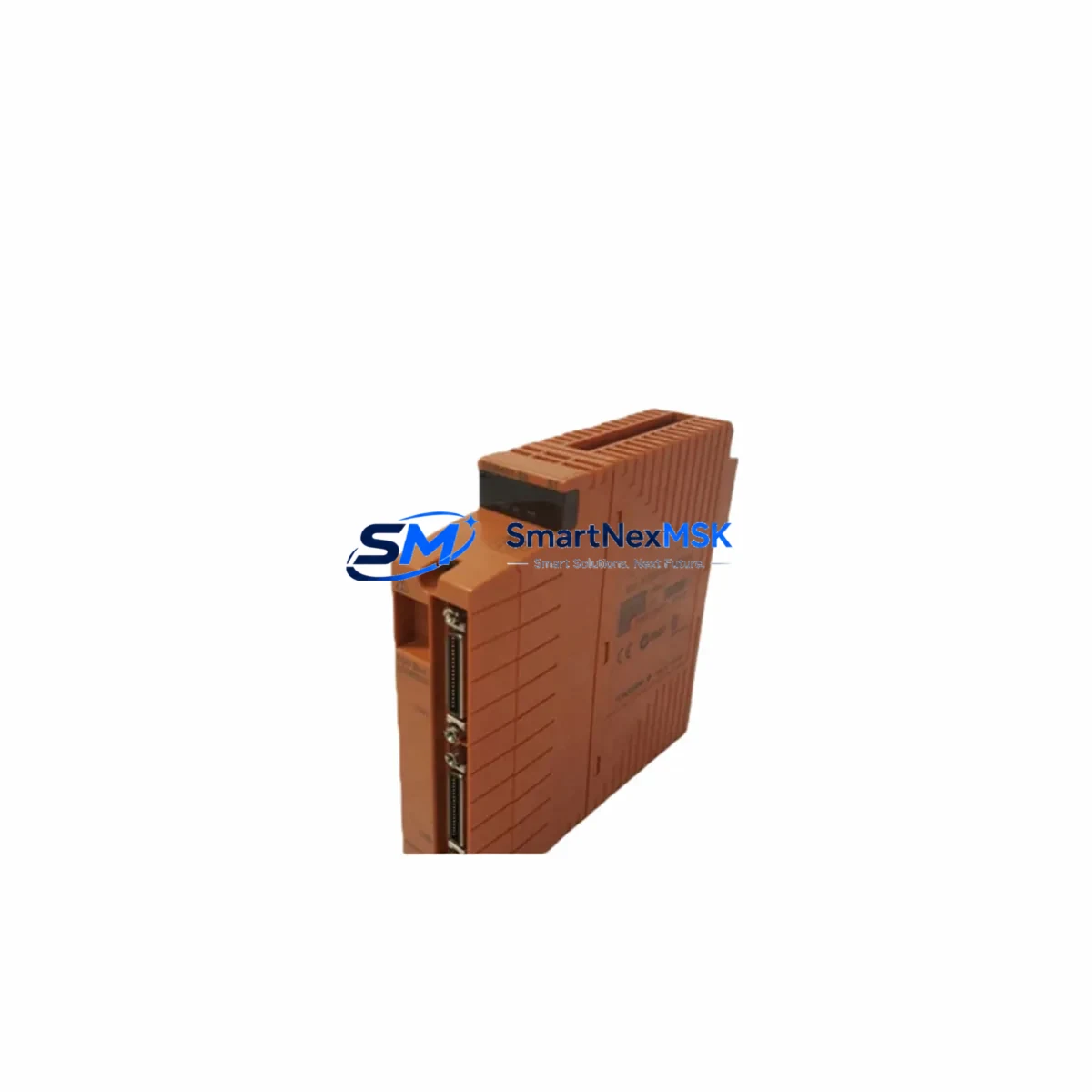
YOKOGAWA SNT401-E3 Maintenance-Ready Spare for STARDOM Automation
The YOKOGAWA SNT401-E3 is an original bus repeater slave module engineered for STARDOM FCN and FCJ distributed control systems. In industrial automation environments where continuous uptime is non-negotiable, maintaining a verified spare of the SNT401-E3 is a fundamental element of any responsible maintenance strategy. Whether you are managing a petrochemical plant, a water treatment facility, a power generation site, or a discrete manufacturing line, the SNT401-E3 serves as a critical communication bridge within the STARDOM control architecture — and its failure can cascade into full system downtime if no replacement is immediately available.
This listing provides a factory-original SNT401-E3 module, sourced through verified industrial supply channels, pre-tested before shipment, and backed by a 12-month warranty. Each unit undergoes functional verification to confirm bus communication integrity, module recognition, and signal relay performance prior to dispatch. Fast global shipping is available to minimize the window between fault detection and system restoration.
Spare Maintenance Table
| Parameter | Specification / Detail |
|---|---|
| SKU / Part Number | SNT401-E3 |
| Brand | YOKOGAWA |
| Series | STARDOM FCN / FCJ |
| Module Type | Bus Repeater Slave Module |
| Origin | Japan |
| Compatibility | STARDOM FCN, FCJ distributed control systems |
| Communication Role | Extends and repeats field bus signals between master and slave nodes |
| Installation | DIN rail / backplane slot mount per STARDOM system chassis |
| Operating Environment | Industrial control cabinet; standard IEC 61131-2 conditions |
| Condition | Original, new or tested-good surplus |
| Pre-shipment Test | Functional bus communication and module ID verification |
| Warranty | 12 months from date of shipment |
| Shipping | Fast global dispatch; ESD-safe packaging |
| Maintenance Recommendation | Replace proactively at first sign of bus error flags or communication retries |
Maintenance Planning for Continuous Operation
When a maintenance or procurement engineer identifies the SNT401-E3 as a replacement requirement, the scope of inspection should extend beyond the module itself. The STARDOM FCN/FCJ architecture integrates multiple interdependent components, and a bus repeater fault is frequently symptomatic of broader electrical stress in the control cabinet.
During a planned or emergency replacement of the SNT401-E3, engineers should simultaneously inspect the STARDOM FCN CPU module (such as the FCN-RTU or FCN-500 series processor) for any logged communication fault codes. The power supply module feeding the STARDOM chassis — typically a 24 VDC regulated rail — should be load-tested, as voltage sag or ripple is a common root cause of bus repeater degradation. Verify that the backplane connector and chassis slot contacts are clean and free of oxidation before seating the replacement SNT401-E3.
On the field side, inspect the I/O modules connected downstream of the bus repeater — analog input modules, digital output modules, and any thermocouple or RTD input cards — for error flags that may have accumulated during the fault period. If the system uses FOUNDATION Fieldbus or PROFIBUS DP segments, check the segment terminators and cable shield continuity, as bus repeater faults can sometimes originate from impedance mismatches rather than the module itself.
For sites running legacy STARDOM configurations, the communication module handling Ethernet or serial uplink to the SCADA or DCS host should also be verified — particularly if the SNT401-E3 fault coincided with any HMI communication loss. Signal isolators on 4–20 mA loops connected to the affected I/O tier should be checked for drift. Terminal blocks and wiring ferrules in the affected cabinet zone are worth inspecting for loose connections that may have contributed to signal instability. Finally, review the fuse and circuit protection for the 24 VDC bus supply rail — a blown fuse upstream of the repeater is a frequently overlooked cause of apparent module failure.
Stocking the SNT401-E3 alongside complementary spares — including a backup CPU module, at least one I/O module per type in use, and a spare power supply — is the recommended approach for sites where STARDOM systems are mission-critical and where lead times for factory-new components may exceed acceptable downtime windows.
Site Replacement Workflow
Step 1 — Fault Confirmation: Confirm the SNT401-E3 as the fault source via the STARDOM engineering workstation. Check bus error logs and module status LEDs. Document the fault code before proceeding.
Step 2 — Safe Isolation: Follow site lockout/tagout (LOTO) procedures. De-energize the affected bus segment. Do not remove the module under live bus conditions.
Step 3 — Module Removal: Release the module locking mechanism and extract the SNT401-E3 from its backplane slot. Inspect the slot connector for damage or contamination.
Step 4 — Replacement Installation: Insert the new SNT401-E3 into the correct slot. Confirm firm seating. Re-energize the bus segment and observe the module status LED sequence for normal initialization.
Step 5 — System Verification: From the engineering workstation, confirm that the replacement module is recognized, bus communication is restored, and all downstream I/O points are reporting correctly. Clear any latched fault alarms.
Step 6 — Documentation: Record the replacement in the site maintenance log. Note the date, fault history, and new module serial number. Update the spare parts inventory to trigger reorder of a replacement SNT401-E3 for the next event.
This workflow is designed to minimize mean time to repair (MTTR) and restore STARDOM system operation with the least possible disruption to the controlled process. Sites that pre-stage a verified SNT401-E3 spare in the control room or maintenance store consistently achieve faster recovery than those relying on emergency procurement.
Spare Parts Support FAQ
Q1: Is this SNT401-E3 compatible with both FCN and FCJ variants of the STARDOM system?
Yes. The SNT401-E3 bus repeater slave module is designed for use within the STARDOM FCN and FCJ platform family. Before installation, confirm the chassis slot assignment and bus configuration in your STARDOM engineering tool to ensure the module is mapped correctly within your system topology.
Q2: What testing is performed before shipment?
Each SNT401-E3 unit is functionally tested prior to dispatch. Testing covers bus communication handshake, module identification response, and basic signal relay verification. Units that do not pass functional checks are not shipped. A test record is available upon request for quality-critical procurement processes.
Q3: What does the 12-month warranty cover?
The 12-month warranty covers manufacturing defects and functional failures under normal operating conditions. It does not cover damage resulting from incorrect installation, overvoltage events, physical impact, or use outside the module’s rated environmental specifications. Warranty claims are processed with return material authorization (RMA) and include replacement or full refund at our discretion.
Q4: Can this module replace an older or discontinued SNT401 variant?
The SNT401-E3 is the current production designation for this bus repeater function within the STARDOM platform. If you are replacing an earlier SNT401 suffix variant, we recommend confirming firmware compatibility with your STARDOM system version before installation. Our technical team can assist with compatibility verification based on your system’s engineering revision and software version.
© 2026 SMARTNEXMSK. All rights reserved.
Original Source: https://smartnexmsk.com
Contact: [email protected] | +86 18259474341