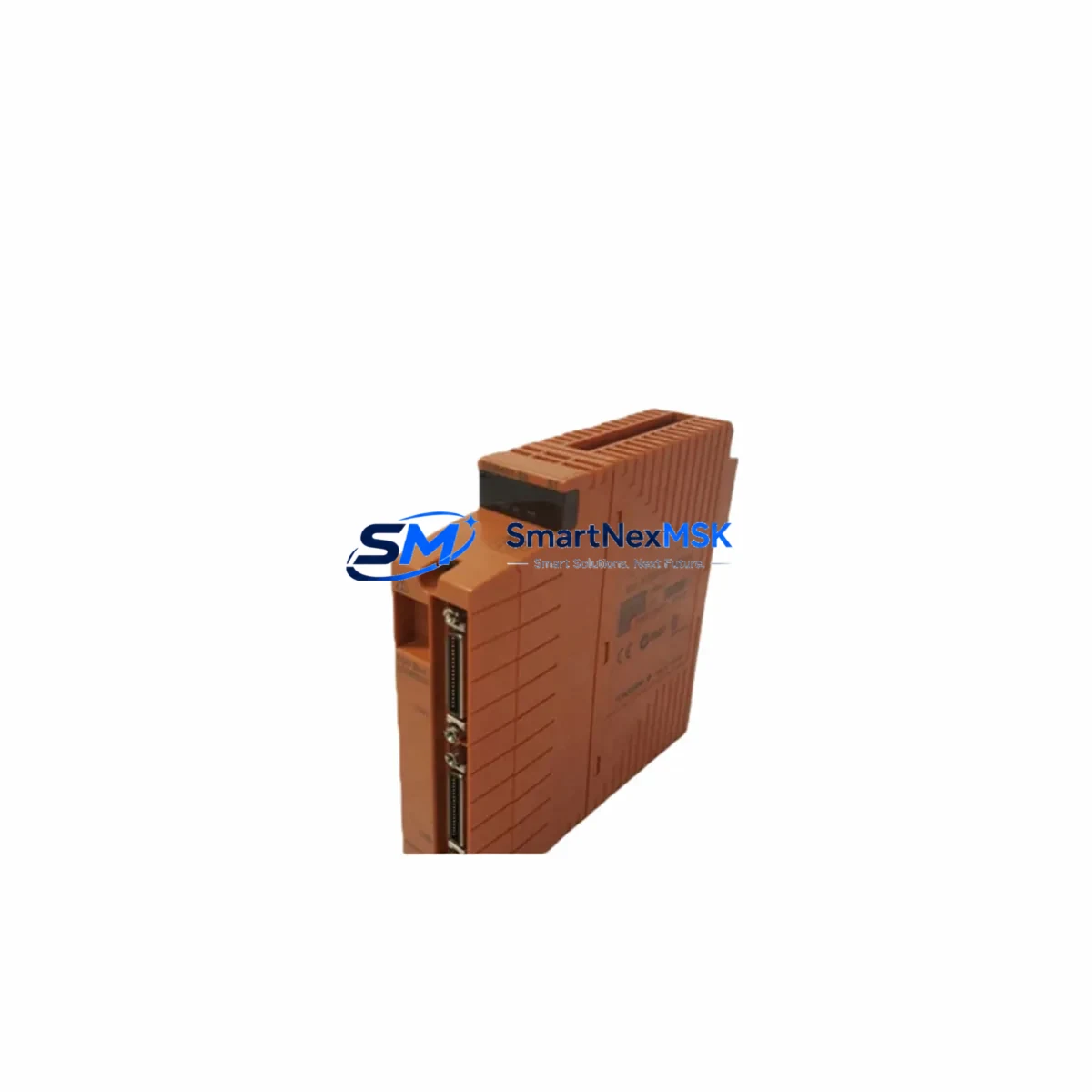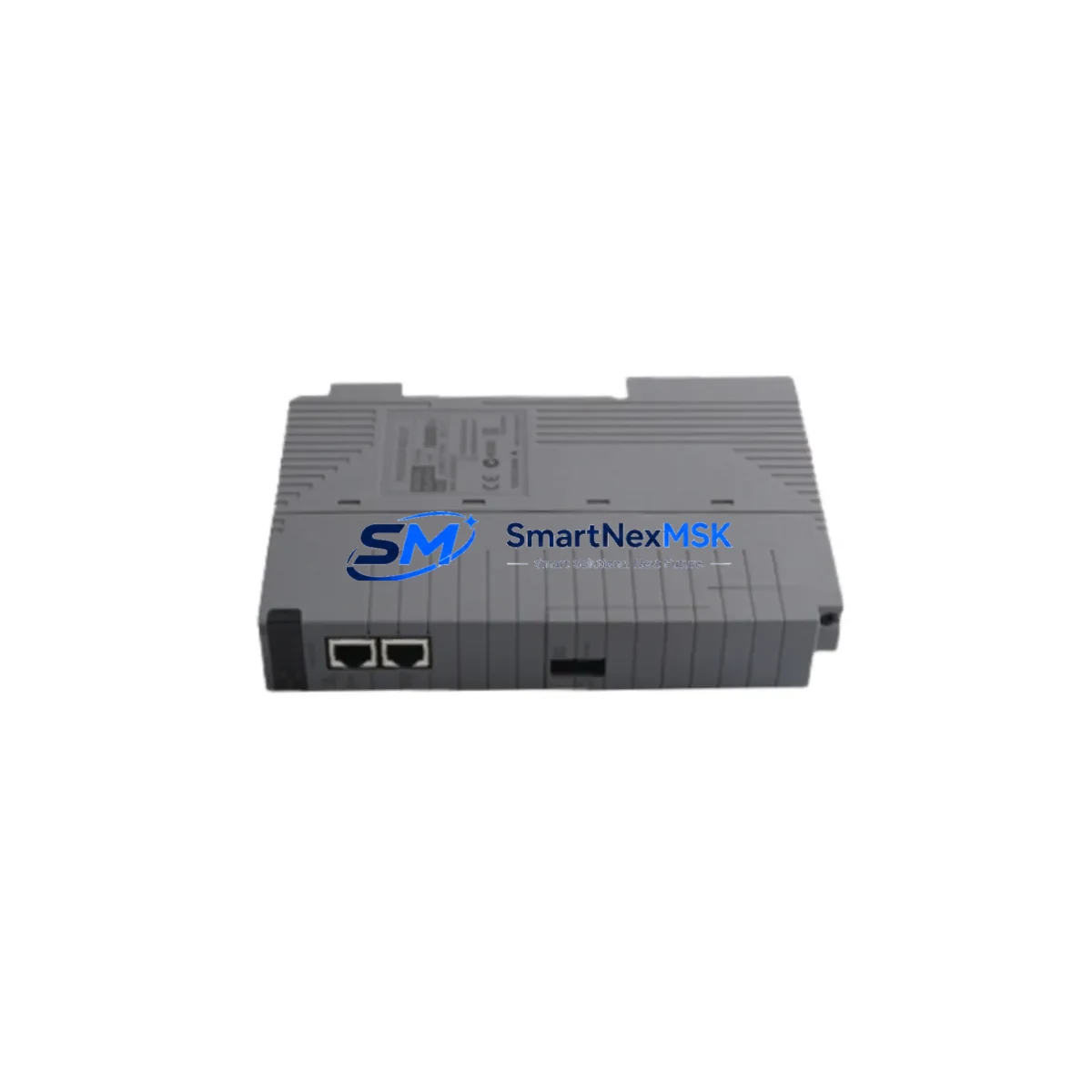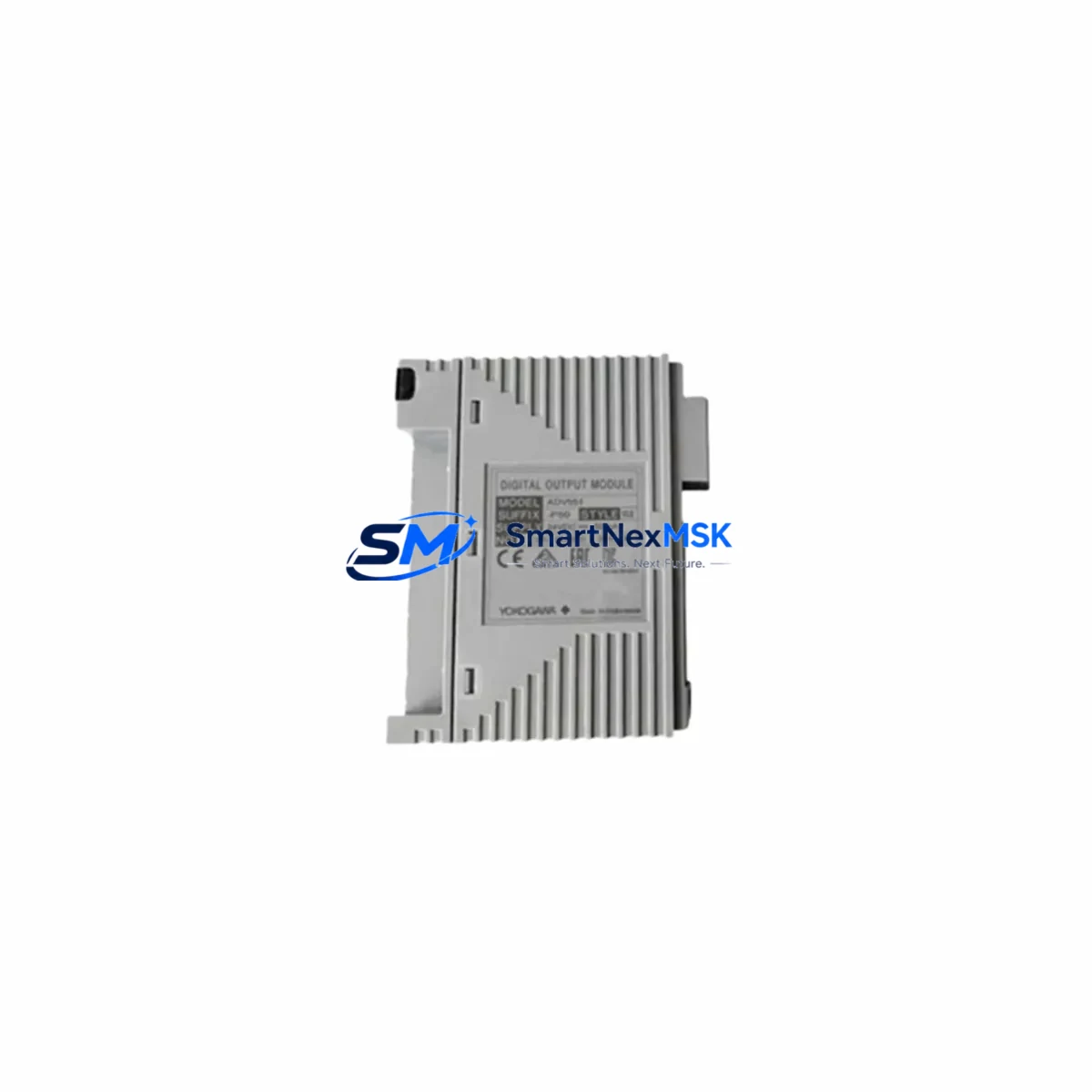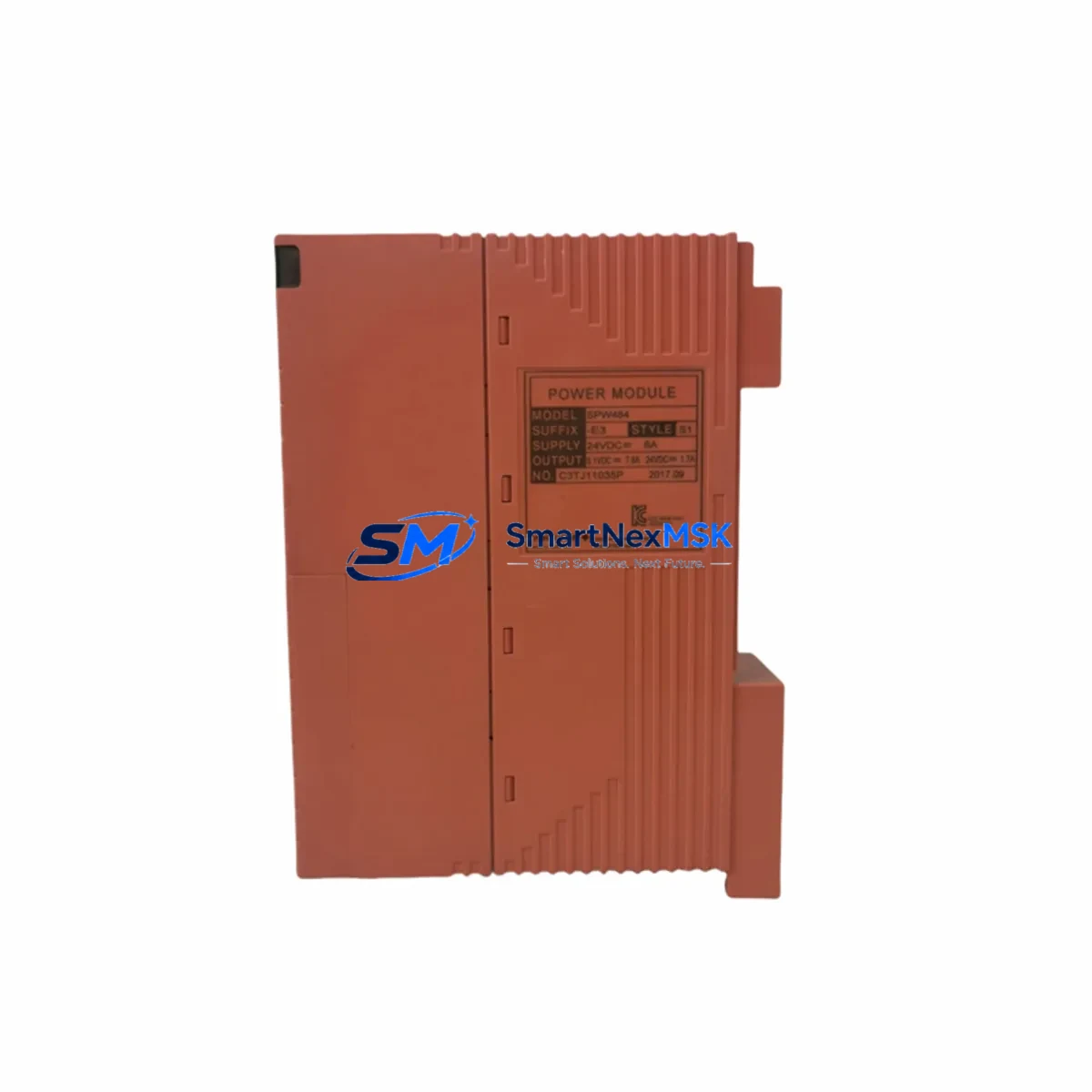
YOKOGAWA SPW484-50 Retrofit-Ready Power Supply for Centum VP Control Systems
The YOKOGAWA SPW484-50 is a 48V DC redundant power supply module engineered for seamless integration into Centum VP and CS 3000 distributed control system architectures. As legacy Centum CS 3000 installations approach end-of-life and plant operators accelerate migration to Centum VP, the SPW484-50 serves as a critical retrofit component — enabling power infrastructure continuity without requiring full cabinet redesign or backplane replacement. Whether you are replacing a failed unit in an operating refinery, upgrading a chemical plant’s DCS cabinet, or consolidating spare parts inventory ahead of a scheduled turnaround, the SPW484-50 delivers the electrical compatibility and mechanical form factor required for a low-risk, minimum-downtime swap.
Sourced directly from authorized distribution channels and subject to pre-shipment functional testing, each SPW484-50 unit shipped by SMARTNEXMSK is verified against YOKOGAWA’s original output voltage, ripple, and load regulation specifications. Units are available from bonded inventory in Xiamen and can be dispatched within 24–48 hours of order confirmation, supporting urgent maintenance windows and unplanned outages.
Upgrade Compatibility Table
| Parameter | SPW484-50 Specification | Retrofit Notes |
|---|---|---|
| Compatible Platforms | Centum VP, Centum CS 3000 | Verify cabinet generation before ordering |
| Output Voltage | 48V DC | Confirm bus voltage matches existing PSU rail |
| Redundancy Support | Yes — dual PSU hot-swap | Pair with second SPW484-50 for N+1 redundancy |
| Backplane Interface | Standard Centum VP power bus connector | No adapter required for VP/CS 3000 racks |
| Terminal Wiring | Screw-terminal AC input block | Reuse existing cable harness; verify torque spec |
| Communication Impact | None — passive power module | No Vnet/IP or ESB reconfiguration required |
| Replacement Target | SPW481, SPW482, SPW483 series | Confirm output rating before cross-substitution |
| Commissioning Requirement | Visual inspection + output voltage check | No software license or node address assignment |
| Warranty | 12 Months | Covers manufacturing defects; DOA replacement within 7 days |
Retrofit Planning for Existing Automation Systems
A successful SPW484-50 retrofit begins well before the module arrives on site. Engineers responsible for Centum VP or CS 3000 power infrastructure should audit the existing cabinet layout, confirming the number of occupied power slots in the PW401 or PW402 power supply unit chassis. In redundant configurations, the SPW484-50 operates alongside a second power module — typically another SPW484-50 or a compatible SPW483 — sharing the DC bus load. Before removal of the failed unit, document the AC input wiring terminations on the terminal block, noting conductor gauge, lug type, and torque values specified in YOKOGAWA’s installation manual.
For plants running Centum CS 3000 R3 or earlier, the migration path to Centum VP often involves replacing not only the power supply but also the FCS (Field Control Station) processor cards, I/O modules, and communication bus components. In these projects, the SPW484-50 is typically installed alongside upgraded ACM11 or ACM12 communication modules, new ADM (Analog Input) and ADV (Analog Output) I/O cards, and refreshed ESB bus cables connecting field control stations to the engineering workstation. The HMI layer — often running YOKOGAWA’s CENTUM VP HIS (Human Interface Station) software — may require screen migration from legacy CS 3000 graphic pages, but the power supply replacement itself has no direct impact on HMI configuration.
In I/O expansion projects where additional RIO (Remote I/O) nodes are being added to an existing Centum VP system, the power budget of the existing PSU must be recalculated. Each new I/O nest — whether housing ADM, ADV, AAM, or DI/DO modules — draws additional current from the 48V bus. If the existing SPW484-50 is operating near its rated capacity, a second redundant unit should be added before commissioning the expanded I/O. Similarly, when integrating a new Vnet/IP communication node or an ALF111 field bus module into the control network, verify that the power supply can sustain the additional load without triggering the over-current protection circuit.
For control cabinet upgrades involving the replacement of legacy YOKOGAWA STARDOM FCN/FCJ controllers or third-party PLCs with a Centum VP FCS, the SPW484-50 is often specified as the standard power module for the new FCS rack. In these cross-platform migrations, the programming team must export existing function block diagrams or ladder logic from the legacy controller, re-engineer the control strategy in YOKOGAWA’s Engineering Environment (ENG), and validate the new program against the original process interlocks before energizing the new cabinet. The SPW484-50 installation itself is mechanical and electrical — it does not interact with the control program — but its correct operation is a prerequisite for any powered commissioning step.
Downtime Control During System Migration
Minimizing unplanned downtime during a DCS power supply replacement requires a structured hot-swap or planned-outage procedure. In redundant SPW484-50 configurations, the failed module can be removed and replaced while the second unit continues to supply the 48V bus — provided the healthy unit is confirmed to be operating within its rated load capacity before the swap begins. Use a clamp meter to verify bus current draw and confirm the remaining PSU can sustain the full cabinet load before disconnecting the failed module.
For single-PSU cabinets or situations where both units require replacement, coordinate the outage window with the process control team to ensure all field devices are in a safe state, all PID loops are placed in manual mode, and all interlock bypasses are documented and approved. Before powering down the FCS, save a backup of the current control database from the CENTUM VP Engineering Environment to a secure network location. This protects the function block configuration, tag database, alarm settings, and HMI graphic assignments against any data loss during the power interruption.
After installing the SPW484-50 and restoring AC input power, verify DC output voltage at the bus terminals before reconnecting the backplane. Confirm that all I/O modules — including ADM, ADV, and communication cards such as the ACM11 — return to normal status in the CENTUM VP system status display. Check that Vnet/IP communication links are re-established and that all field device tags are reading correctly before releasing loops to automatic control. Document the replacement in the plant’s maintenance management system, recording the module serial number, installation date, and post-commissioning test results to support the 12-month warranty claim process if required.
Retrofit Support FAQ
Q1: Is the SPW484-50 a direct drop-in replacement for the SPW481 and SPW482?
The SPW484-50 shares the same mechanical form factor and backplane connector as the SPW481 and SPW482 series, but output voltage and current ratings differ between variants. Always confirm the rated output of the unit being replaced against the SPW484-50 datasheet before substitution. In most Centum VP R4 and later cabinets, the SPW484-50 is the current standard specification and is the recommended replacement for earlier SPW48x variants.
Q2: What commissioning steps are required after installing the SPW484-50?
No software configuration, node address assignment, or license activation is required for the SPW484-50 — it is a passive power module. Post-installation commissioning consists of: (1) visual inspection of terminal wiring and module seating, (2) measurement of DC output voltage at the bus terminals, (3) confirmation of green status LED on the module front panel, and (4) verification that all downstream I/O modules and communication cards have returned to normal status in the CENTUM VP system display.
Q3: Can the SPW484-50 be used in a Centum CS 3000 cabinet without modification?
Yes, provided the CS 3000 cabinet uses the standard PW401 or PW402 power supply chassis. The SPW484-50 is mechanically and electrically compatible with these chassis. However, if the CS 3000 installation is being migrated to Centum VP as part of a broader upgrade, confirm with YOKOGAWA’s engineering team that the full FCS and I/O migration plan accounts for any firmware or bus protocol differences between the two platforms.
Q4: What does the 12-month warranty cover, and how is a claim initiated?
The 12-month warranty covers manufacturing defects and functional failures under normal operating conditions. Dead-on-arrival (DOA) units are eligible for express replacement within 7 business days of delivery confirmation. To initiate a warranty claim, contact SMARTNEXMSK with the order reference number, module serial number, a description of the failure symptom, and any available site measurement data (output voltage readings, fault LED status). Units that show evidence of incorrect installation, overvoltage, or physical damage are not covered under the standard warranty terms.
© 2026 SMARTNEXMSK. All rights reserved.
Original Source: https://smartnexmsk.com
Contact: [email protected] | +86 18259474341