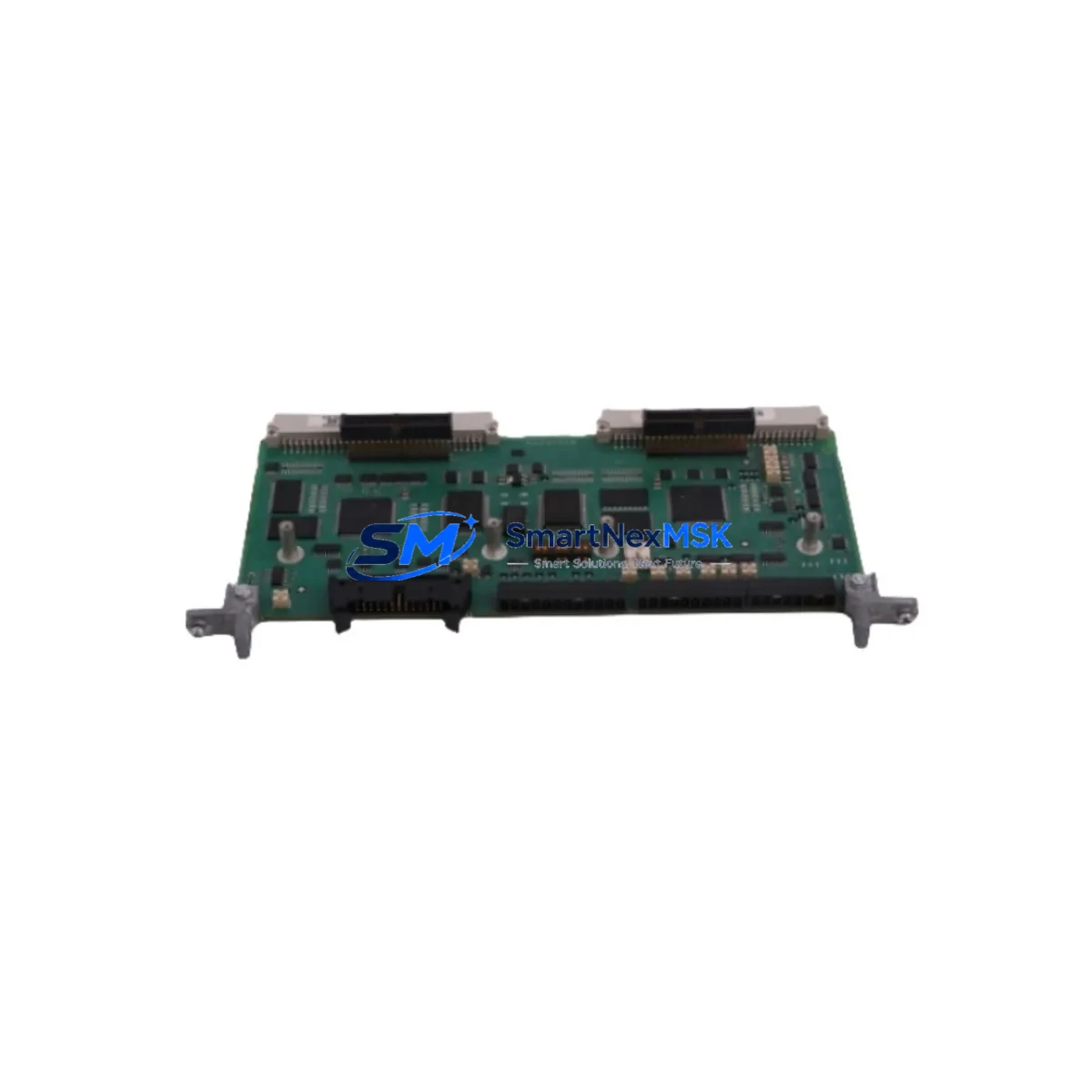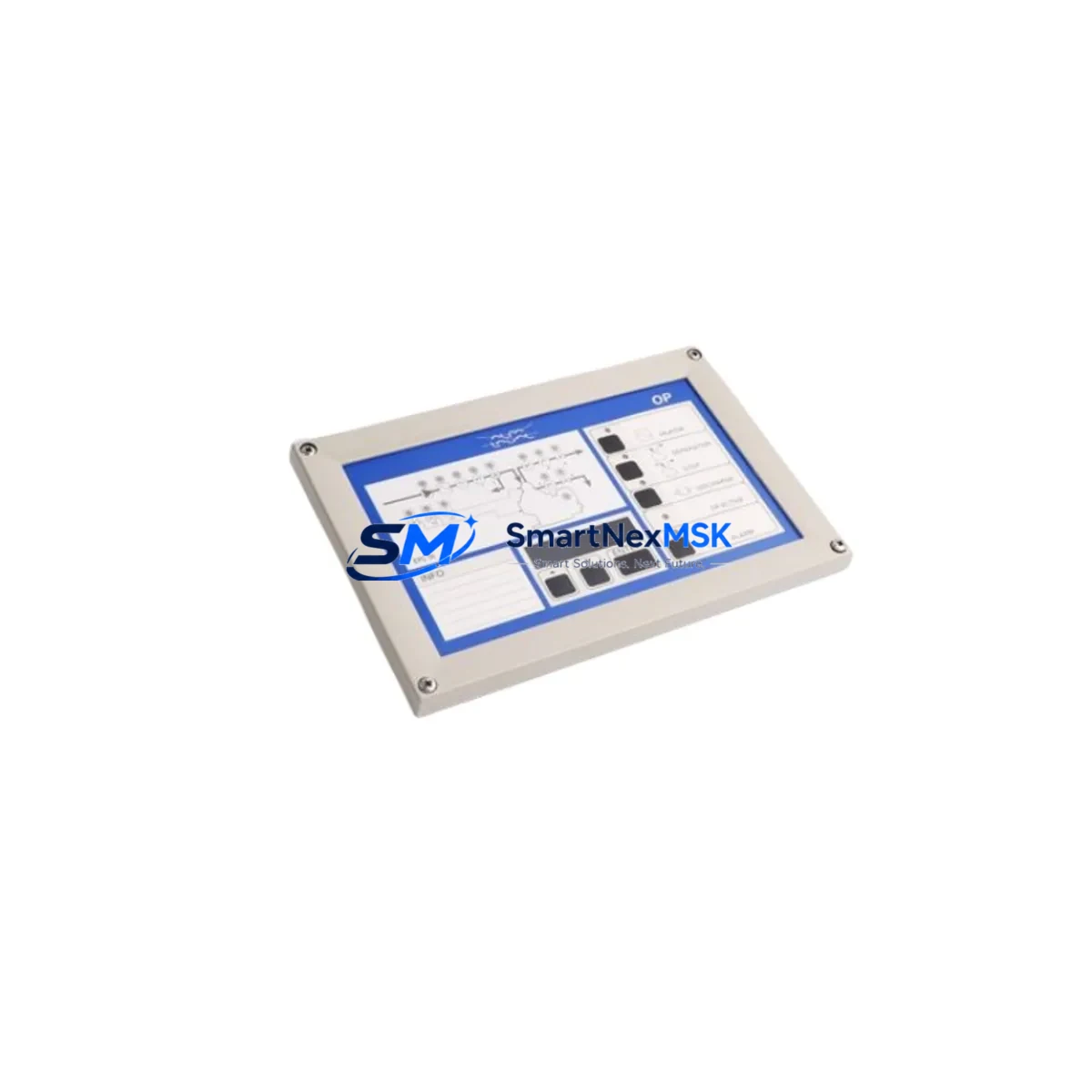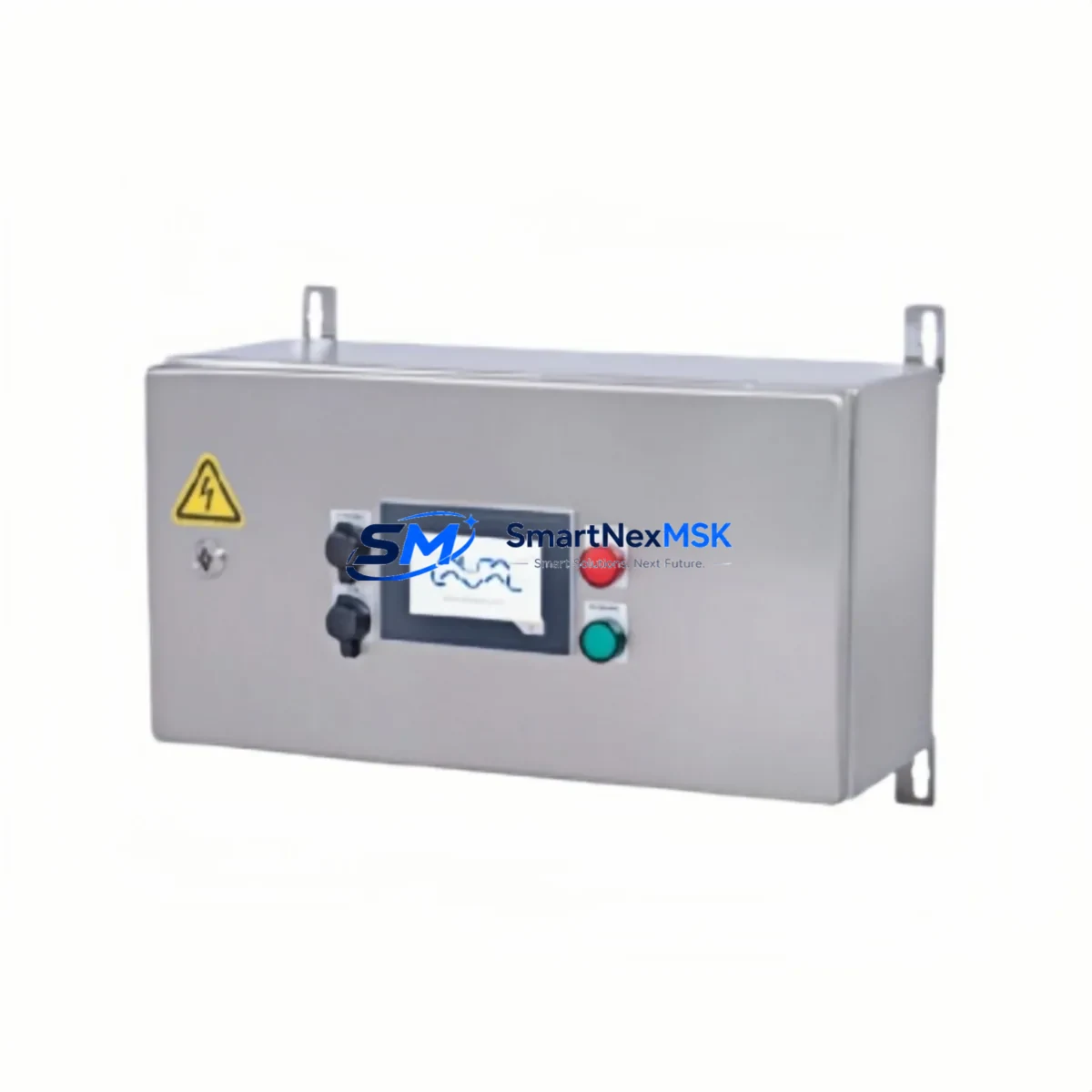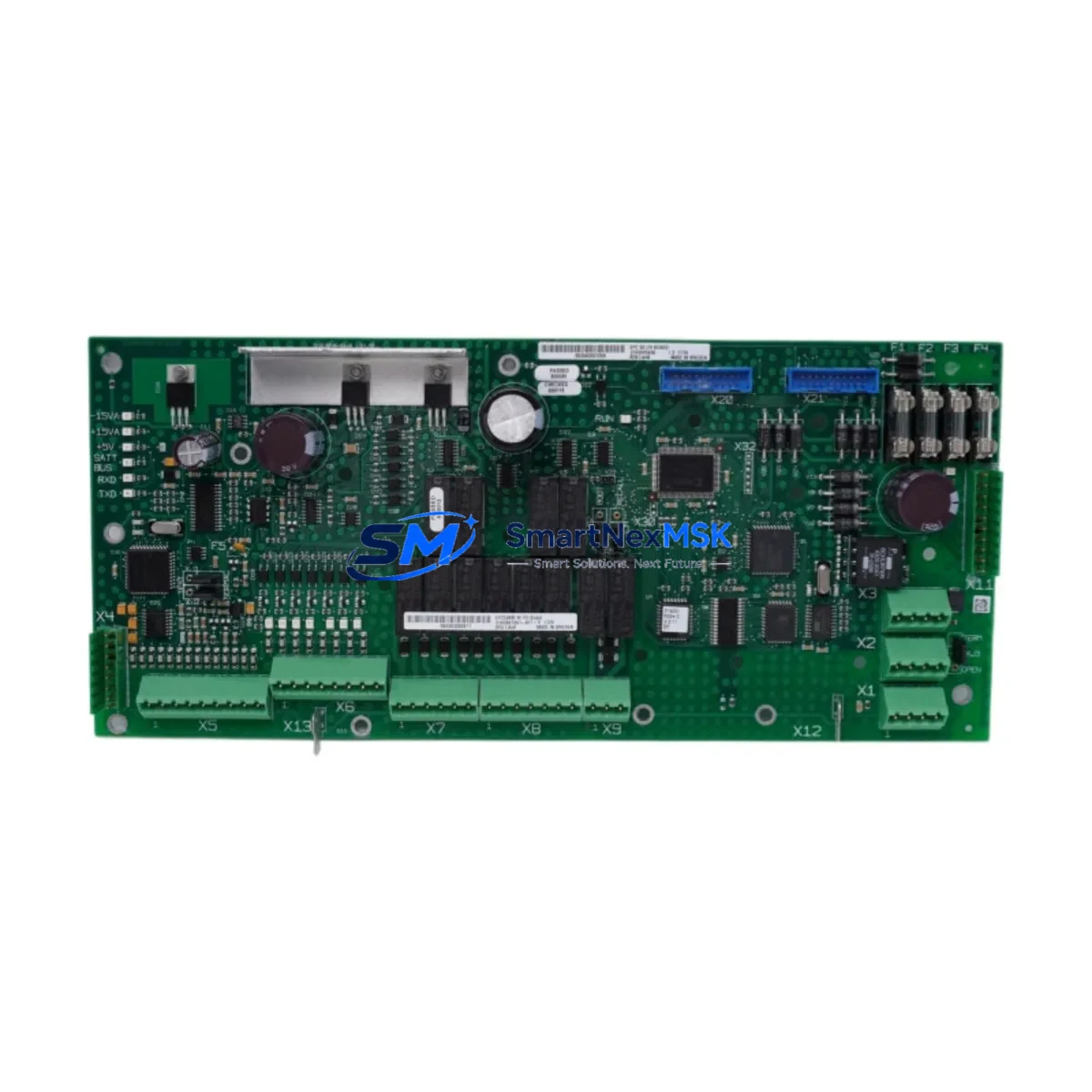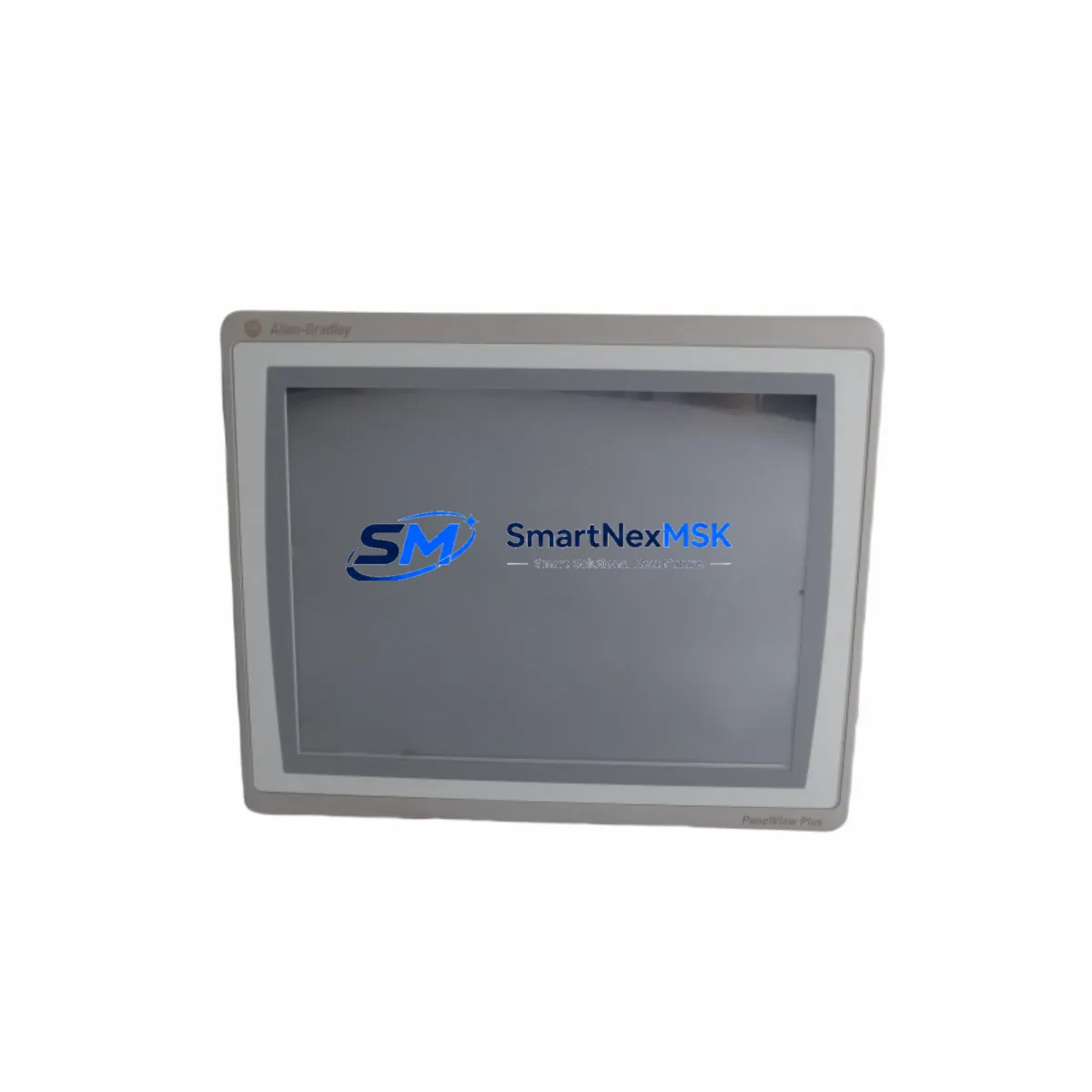
Alfa Laval 3183045463 EPC50 Retrofit-Ready Operator Panel for Legacy Control System Upgrades
The Alfa Laval 3183045463 EPC50 Operator Panel is a retrofit-ready replacement unit designed to restore full HMI functionality in aging Alfa Laval process control installations. As the EPC50 platform reaches end-of-life across many industrial facilities — including district heating networks, dairy processing lines, pharmaceutical utilities, and marine HVAC systems — sourcing a verified, drop-in compatible operator panel becomes a critical priority for maintenance engineers and plant managers. This unit is supplied tested, configured for EPC50 compatibility, and backed by a 12-month warranty covering both parts and workmanship.
The EPC50 operator panel (part number 3183045463) serves as the primary human-machine interface for Alfa Laval compact heat exchanger controllers. It provides local setpoint adjustment, alarm acknowledgment, process visualization, and parameter access for the underlying EPC50 control board. When the original panel fails — due to display degradation, keypad wear, communication faults, or power surge damage — replacing it with a verified 3183045463 unit is the fastest path to restoring system visibility without reprogramming the base controller or modifying field wiring.
Upgrade Compatibility Table
| Parameter | Details |
|---|---|
| Compatible Controller | Alfa Laval EPC50 Control Board |
| Part Number | 3183045463 |
| Panel Series | EPC50 Operator Panel |
| Interface / Communication | Proprietary EPC50 ribbon/connector bus; no external fieldbus required |
| Mounting / Installation | Direct panel-mount replacement; matches original cutout and connector footprint |
| Replacement Scope | Drop-in for failed or degraded OEM 3183045463 panels; no firmware re-flash required in most cases |
| Retrofit Recommendation | Verify EPC50 board firmware revision before installation; confirm display contrast and keypad response post-swap |
| Commissioning Notes | Restore setpoints from existing parameter backup; validate alarm thresholds and communication link to EPC50 board |
| Warranty | 12 Months — covers manufacturing defects and functional failure under normal operating conditions |
| Origin | Sweden (SE) |
Retrofit Planning for Existing Automation Systems
A successful EPC50 operator panel replacement begins well before the new unit arrives on site. Maintenance teams should first retrieve the current parameter set from the EPC50 control board using the existing panel or a direct serial connection, ensuring that all setpoints — including supply temperature targets, differential pressure limits, flow compensation curves, and alarm delay timers — are documented before the old panel is removed. This parameter backup is essential: the EPC50 board retains its program logic independently of the operator panel, but setpoint values may reset to factory defaults if the panel communication link is interrupted during a cold restart.
In installations where the EPC50 controller is integrated into a larger building management or process control architecture, the panel replacement should be coordinated with the supervisory system. Many sites run the EPC50 alongside Alfa Laval ALC (Alfa Laval Controller) units, Siemens LOGO! relay modules, or third-party BACnet/Modbus gateways that aggregate data from multiple heat exchanger skids. Confirming that the new 3183045463 panel restores the local display correctly — and that the upstream communication link remains unaffected — is a key commissioning checkpoint.
For facilities managing multiple Alfa Laval compact heat exchanger units, the retrofit scope often extends beyond the operator panel itself. Engineers frequently find that aging EPC50 installations also require attention to the EPC50 control board (the main PCB behind the panel), the 24 VDC power supply module feeding the controller enclosure, and the terminal block assemblies connecting field sensors and actuators. In some cases, the PT100 or PT1000 temperature sensor inputs show drift after years of service, and replacing the sensors in parallel with the panel swap eliminates a second service visit. Similarly, the motorized valve actuator connected to the EPC50 analog output should be verified for correct stroke and response time after the panel is restored to service.
Where the original EPC50 installation used a remote monitoring interface — such as an M-Bus pulse counter module, a GSM/GPRS data logger, or a Modbus RTU-to-Ethernet converter — the communication link should be tested end-to-end after the panel replacement. The 3183045463 panel does not alter the EPC50 board’s communication parameters, but a power cycle during installation can cause some gateway devices to lose their polling configuration, requiring a brief recommissioning of the remote monitoring chain. Keeping a wiring diagram and gateway configuration backup on file significantly reduces this risk.
Facilities that have already migrated portions of their control infrastructure to newer Alfa Laval Midi or Maxi plate heat exchanger controllers — or to third-party PLC-based skid controllers using Siemens S7-1200 or Allen-Bradley Micro820 platforms — may use the EPC50 panel replacement as an opportunity to evaluate a phased migration plan. However, for sites where the EPC50 platform is stable and the heat exchanger skid is performing within specification, a direct 3183045463 panel replacement remains the lowest-risk, lowest-cost path to restoring full local control visibility.
Downtime Control During System Migration
Minimizing unplanned downtime during an EPC50 operator panel swap requires a structured pre-outage checklist. Before isolating the heat exchanger skid, confirm that the process can be held at a stable operating point — or that a bypass line is available — so that the thermal load can be maintained during the panel exchange. In district heating applications, this typically means coordinating with the network operator to reduce supply flow during the maintenance window. In process industries, it may require switching to a redundant heat exchanger or temporarily increasing capacity on an adjacent unit.
The physical panel swap itself is straightforward: disconnect the ribbon cable or connector harness from the EPC50 board, remove the four mounting screws securing the 3183045463 panel to the enclosure door, and install the replacement unit in reverse order. Total mechanical swap time is typically under 15 minutes for a technician familiar with the EPC50 enclosure layout. The critical time investment is in the pre-swap parameter documentation and the post-swap commissioning verification — confirming that the display initializes correctly, that all setpoints are present and accurate, that the alarm history is accessible, and that the EPC50 board resumes normal control without fault codes.
For sites with strict uptime requirements, it is advisable to keep a spare 3183045463 panel in local inventory. Given that the EPC50 platform is discontinued and OEM supply channels are closed, sourcing lead times from the open market can range from days to weeks depending on regional stock availability. Holding one spare panel per site — or per cluster of EPC50-controlled skids — provides insurance against an unplanned failure causing an extended process outage. All units supplied by SMARTNEXMSK are pre-tested prior to shipment and include a 12-month warranty, reducing the risk associated with aftermarket spare procurement.
Retrofit Support FAQ
Q1: Is the 3183045463 a direct drop-in replacement for my existing EPC50 operator panel?
In the vast majority of EPC50 installations, yes. The 3183045463 panel connects to the EPC50 control board via the original connector harness and mounts in the same enclosure cutout as the OEM unit. No wiring modifications are required. We recommend confirming your EPC50 board revision number before ordering to ensure full compatibility, particularly in early-production EPC50 units manufactured before 2005.
Q2: Will my existing setpoints and program logic be preserved after the panel swap?
The EPC50 control board stores its operating parameters independently of the operator panel. In most cases, setpoints are retained in the board’s non-volatile memory and will be displayed correctly on the new panel after power-up. However, we strongly recommend performing a full parameter readout and backup before removing the old panel, as a precaution against any board-level memory issue that may only become apparent during the restart sequence.
Q3: How do I verify that the replacement panel is functioning correctly after installation?
After installing the 3183045463 panel and restoring power, confirm that the display initializes without error codes, that the current process values (supply temperature, return temperature, differential pressure) are displayed correctly, and that the keypad responds to setpoint adjustment commands. Check that any active alarms are visible and can be acknowledged. If the EPC50 board communicates with a remote monitoring system, verify that the data link resumes normal polling within the expected timeout period.
Q4: What does the 12-month warranty cover, and what is the return process if the unit is faulty?
All 3183045463 panels supplied by SMARTNEXMSK are covered by a 12-month warranty from the date of shipment. The warranty covers manufacturing defects and functional failure under normal operating conditions, including display failure, keypad malfunction, and communication faults attributable to the panel hardware. Units that fail within the warranty period should be returned with a fault description; we will arrange a replacement or repair at no additional cost. Contact our technical team at [email protected] or +86 18259474341 to initiate a warranty claim.
© 2026 SMARTNEXMSK. All rights reserved.
Original Source: https://smartnexmsk.com
Contact: [email protected] | +86 18259474341