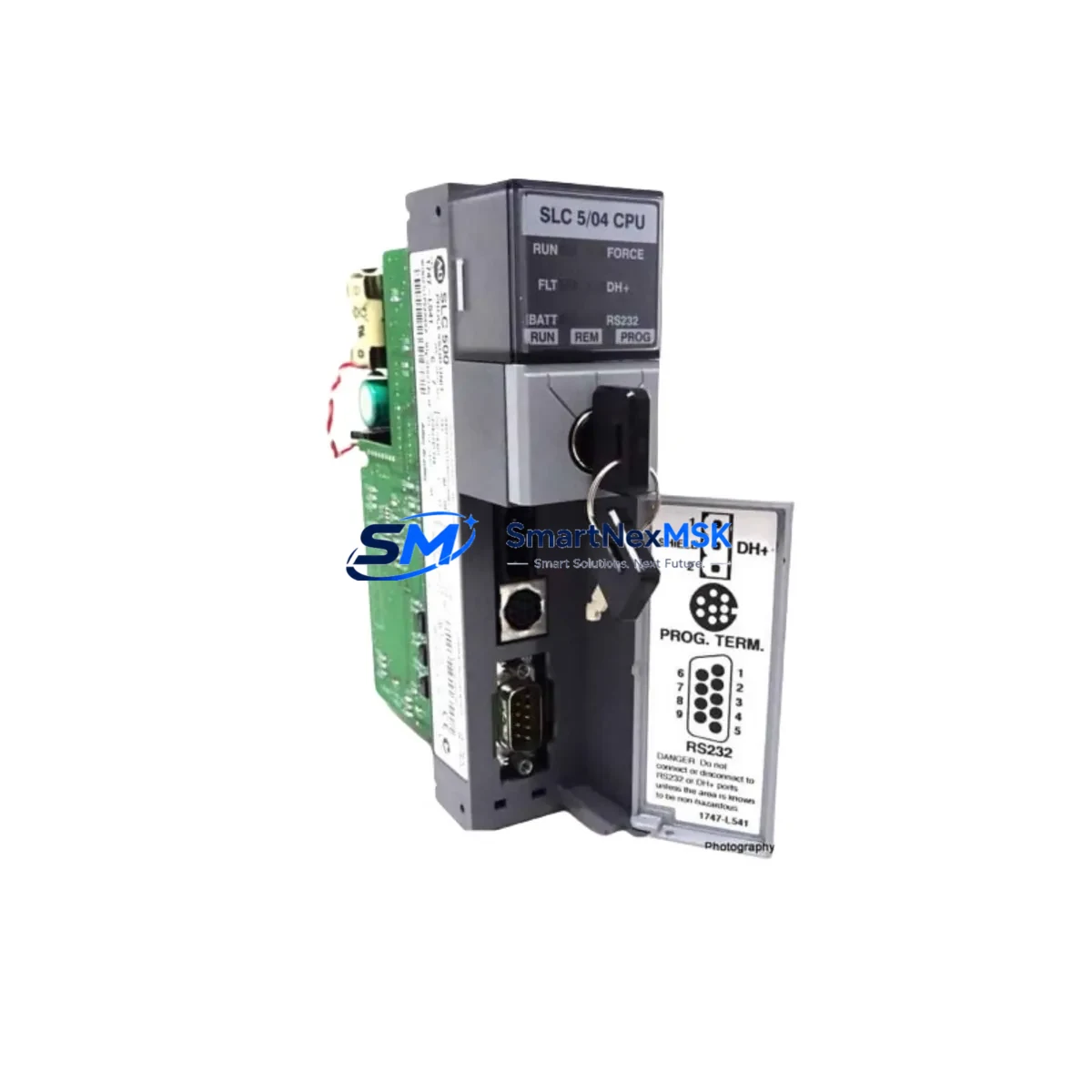
Allen-Bradley 1747-L541 Spare for SLC 5/04 Automation: Spare Replacement & Industrial Downtime Risk Control
The Allen-Bradley 1747-L541 is a 16K-memory SLC 5/04 processor module widely deployed in discrete manufacturing, material handling, and process control systems across North America and Asia-Pacific. As a maintenance-ready original spare, the 1747-L541 is engineered to deliver direct drop-in replacement capability for aging SLC 500 control architectures — minimizing unplanned downtime and preserving the integrity of validated production programs. Whether you are managing a scheduled turnaround, responding to an emergency processor fault, or building a strategic spare parts inventory for a legacy SLC 5/04 system, this unit ships tested and verified with a 12-month warranty.
For maintenance engineers and procurement teams responsible for SLC 500 infrastructure, sourcing a pre-tested 1747-L541 from a reliable supplier eliminates the lead-time risk associated with OEM channels and ensures your control cabinet can be restored to full operation within hours — not weeks.
Spare Maintenance Table
| Parameter | Specification / Detail |
|---|---|
| Part Number / SKU | 1747-L541 |
| Series / Platform | SLC 500 — SLC 5/04 Processor |
| Brand | Allen-Bradley (Rockwell Automation) |
| Memory | 16K Words User Program Memory |
| Communication Ports | DH+ (Data Highway Plus), RS-232C (Channel 0) |
| Scan Time | ~1 ms/K (typical) |
| Power Supply Compatibility | 1746-P1, 1746-P2, 1746-P3, 1746-P4 (SLC 500 chassis power supplies) |
| Chassis Compatibility | 1746-A4, 1746-A7, 1746-A10, 1746-A13 (4–13 slot SLC 500 chassis) |
| Operating Temperature | 0°C to 60°C (32°F to 140°F) |
| Relative Humidity | 5% to 95% non-condensing |
| Origin | USA (Original Allen-Bradley manufacture) |
| Condition | Original / Refurbished — Fully Tested |
| Compatibility | Direct replacement for 1747-L541 in all SLC 5/04 applications |
| Firmware | Compatible with RSLogix 500 / APS programming software |
| Warranty | 12 Months — Covers functional defects under normal industrial use |
| Shipping | Anti-static packaging; ESD-safe handling; global express available |
| Inspection | Pre-shipment functional test; burn-in verified |
Maintenance Planning for Continuous Operation
When a 1747-L541 processor fault occurs, the failure rarely exists in isolation. A thorough site inspection and root-cause analysis should accompany any processor replacement to prevent repeat failures and ensure the restored system operates reliably. Maintenance engineers should treat the processor swap as the starting point of a broader control cabinet audit.
Power Supply Integrity: The SLC 500 chassis power supply — typically a 1746-P2 or 1746-P4 — should be load-tested before the new processor is commissioned. An under-voltage or ripple condition on the backplane bus is a common root cause of processor lockups and memory corruption. If the power supply is more than five years old or shows signs of capacitor aging, proactive replacement is strongly recommended.
Chassis and Backplane: Inspect the 1746-A7 or 1746-A10 chassis backplane for corrosion, bent connector pins, or thermal stress marks. A compromised backplane can cause intermittent I/O faults even after a successful processor replacement.
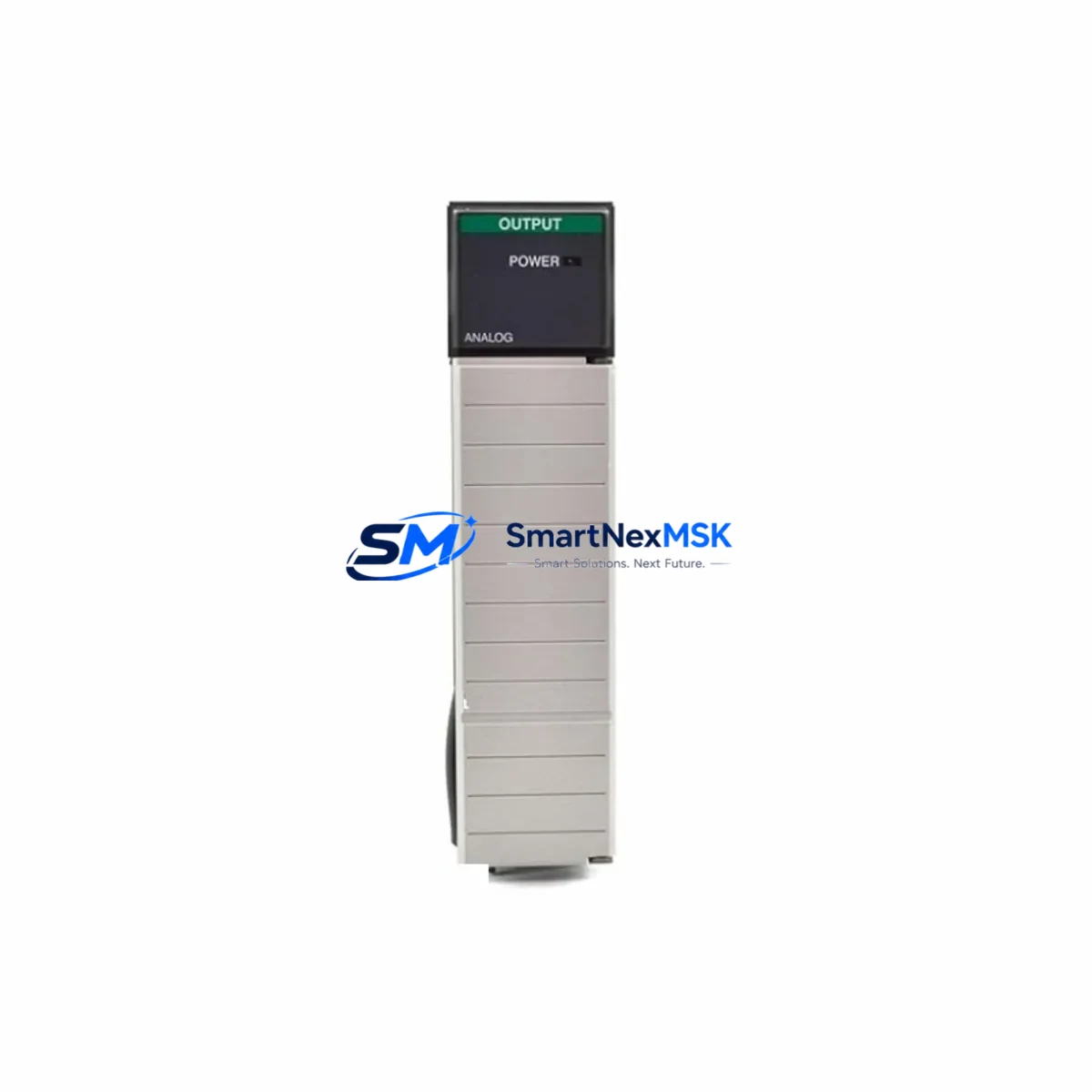
I/O Modules: Audit all installed I/O modules — including 1746-IB16 digital input, 1746-OB16 digital output, and 1746-NI4 analog input modules — for blown fuses, failed output transistors, or degraded analog signal accuracy. I/O module failures are frequently masked by processor faults and will resurface after the processor is replaced if not addressed.
Communication and Network Modules: If the system uses DH+ networking, verify the 1747-SDN DeviceNet scanner or 1747-KE serial communication module for correct node addressing and cable termination. A DH+ network with improper termination resistors can cause the new processor to experience repeated communication timeouts.
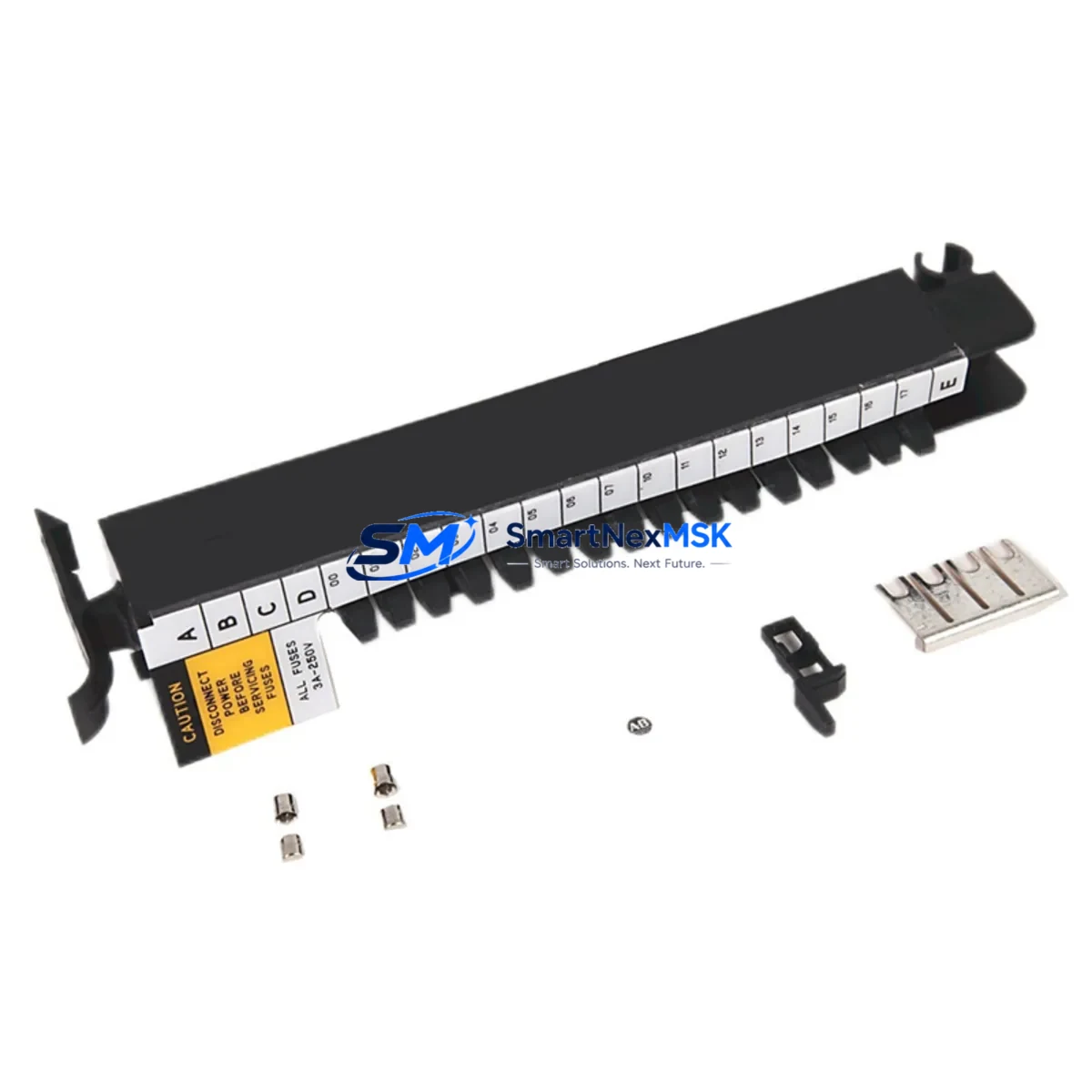
Relay Output and Protection Circuits: Check all relay output modules and associated 1746-OW16 relay output cards for contact wear. Inspect upstream fusing — including DIN-rail mounted fuse holders and 1492-FB series fuse blocks — for blown elements that may have contributed to the original fault condition.
Terminal Blocks and Field Wiring: Loose or corroded terminal connections on 1492-W series terminal blocks are a leading cause of intermittent I/O faults in aging SLC 500 panels. Torque-check all field wiring terminations and replace any discolored or heat-damaged terminals.
Signal Isolation: Where analog signals are present, verify that signal isolators — such as loop-powered 4–20 mA isolators — are functioning correctly. A failed isolator can inject noise into the analog input channels of the processor, causing erratic PID control or false alarm conditions.
HMI Connectivity: If the SLC 5/04 system is connected to a PanelView 550 or PanelView 600 HMI via DH+ or RS-232, verify that the HMI communication parameters (node address, baud rate) match the replacement processor configuration. A mismatch will prevent the HMI from establishing communication after the processor swap.
Stocking a secondary 1747-L541 as a cold spare — alongside a spare 1746-P2 power supply and a set of critical I/O modules — is the most cost-effective strategy for facilities that cannot tolerate extended SLC 500 downtime. A documented spare parts list, stored alongside the panel drawings and RSLogix 500 program backup, enables any qualified technician to restore the system without specialist support.
Site Replacement Workflow
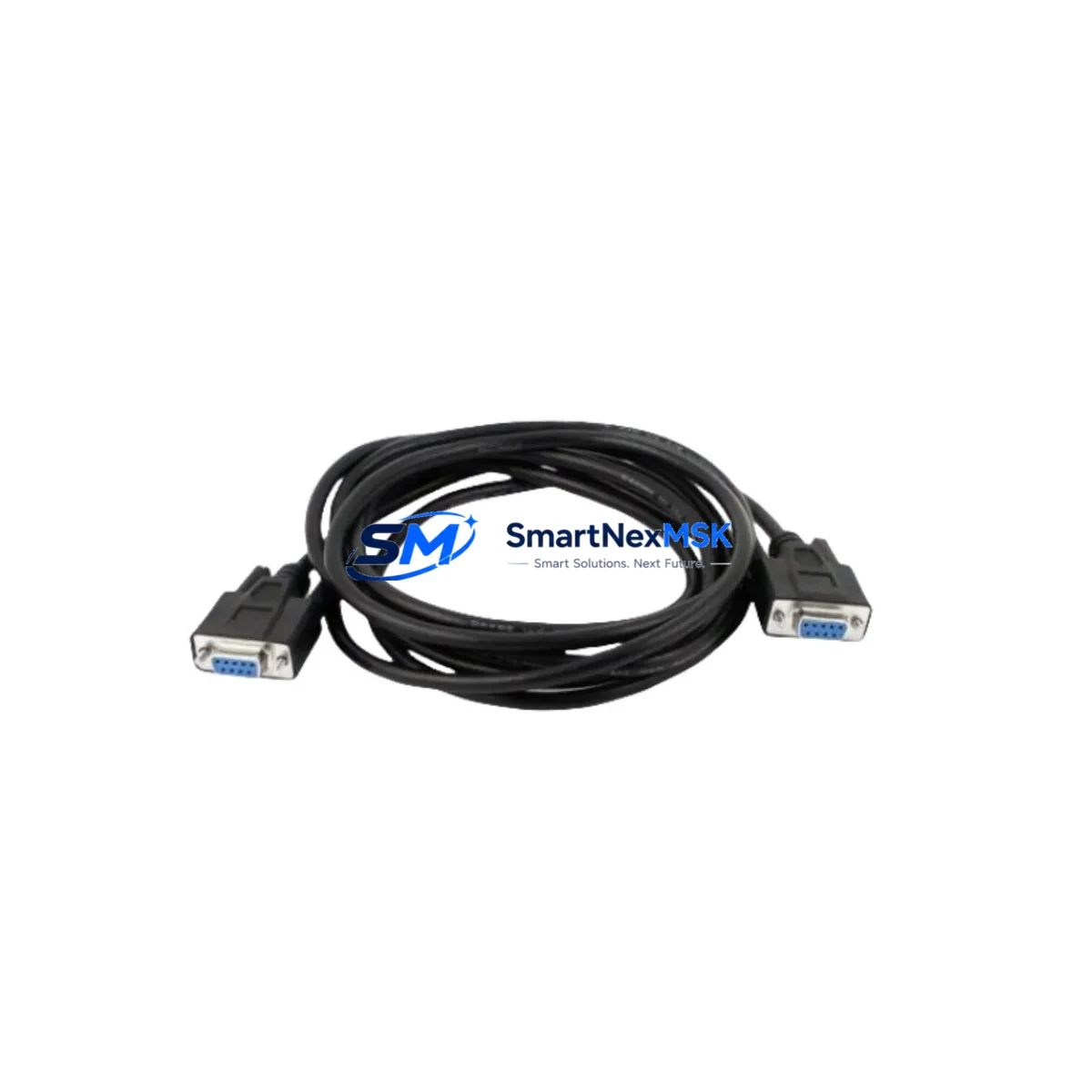
Step 1 — Program Backup: Before removing the existing 1747-L541, connect a laptop running RSLogix 500 or APS via the RS-232C port (Channel 0) and upload the current program to a verified backup file. Confirm the backup matches the last known-good revision in your document control system.
Step 2 — Power Down and Lockout: De-energize the SLC 500 chassis using the appropriate LOTO (Lockout/Tagout) procedure. Verify zero energy state at the chassis power supply input terminals before proceeding.
Step 3 — Module Removal: Release the 1747-L541 retaining latch and slide the module out of Slot 0. Note the DIP switch settings for node address and baud rate before removal — photograph if necessary.
Step 4 — Replacement Module Preparation: Configure the replacement 1747-L541 DIP switches to match the original node address and communication settings. Verify the firmware revision is compatible with your RSLogix 500 project file.
Step 5 — Installation and Program Download: Seat the replacement module firmly into Slot 0, restore power, and download the verified program backup. Confirm the processor transitions to RUN mode without fault indicators.
Step 6 — I/O Verification: Force-test critical I/O points to confirm field device connectivity. Verify analog signal scaling and PID setpoints before releasing the system to production.
Step 7 — Documentation Update: Record the replacement in the panel maintenance log, update the spare parts inventory, and schedule the next planned inspection interval.
This workflow is designed to minimize mean time to repair (MTTR) and ensure the restored SLC 5/04 system meets the same functional specification as the original installation — without requiring a full system re-commissioning.
Spare Parts Support FAQ
Q1: Is the 1747-L541 still available as a new original part, and what is the recommended stocking strategy for end-of-life SLC 500 systems?
The 1747-L541 has been discontinued by Rockwell Automation as part of the broader SLC 500 end-of-life program. However, original and fully refurbished units remain available through specialist industrial spare parts suppliers. For facilities operating multiple SLC 5/04 systems, we recommend stocking a minimum of one cold-spare processor per production line, with a secondary spare held at the central maintenance store. This two-tier stocking strategy ensures immediate availability for emergency replacements while maintaining a buffer against supply chain disruptions.
Q2: How is compatibility verified before shipment, and what does the 12-month warranty cover?
Every 1747-L541 unit undergoes a pre-shipment functional test that includes power-on self-test (POST) verification, memory read/write cycle testing, and communication port validation on both DH+ and RS-232C channels. The 12-month warranty covers all functional defects arising under normal industrial operating conditions, including processor faults, communication failures, and memory errors. Physical damage resulting from incorrect installation, overvoltage events, or environmental contamination is excluded. Warranty claims are processed with priority turnaround to minimize customer downtime.
Q3: Can the 1747-L541 directly replace earlier SLC 5/04 processor variants, and are there any firmware compatibility considerations?
The 1747-L541 is the standard 16K-memory SLC 5/04 processor and is directly interchangeable with other 1747-L541 units regardless of minor firmware revision differences in most applications. RSLogix 500 and APS programming software will automatically detect the processor firmware version during program download and prompt for any required adjustments. If your application uses advanced instructions or specific firmware-dependent features, verify the replacement unit’s firmware revision against your project documentation before installation. Our technical team can advise on firmware compatibility for specific application requirements upon request.
Q4: What is the typical lead time, and do you offer expedited shipping for emergency downtime situations?
In-stock units are typically dispatched within 24 hours of order confirmation. For emergency downtime situations, expedited international express shipping is available to most industrial regions, with estimated transit times of 3–7 business days depending on destination. All units are shipped in anti-static, ESD-safe packaging with full documentation including test reports and warranty certificates. Contact our sales team directly for emergency order prioritization and real-time stock confirmation.
© 2026 SMARTNEXMSK. All rights reserved.
Original Source: https://smartnexmsk.com
Contact: [email protected] | +86 18259474341