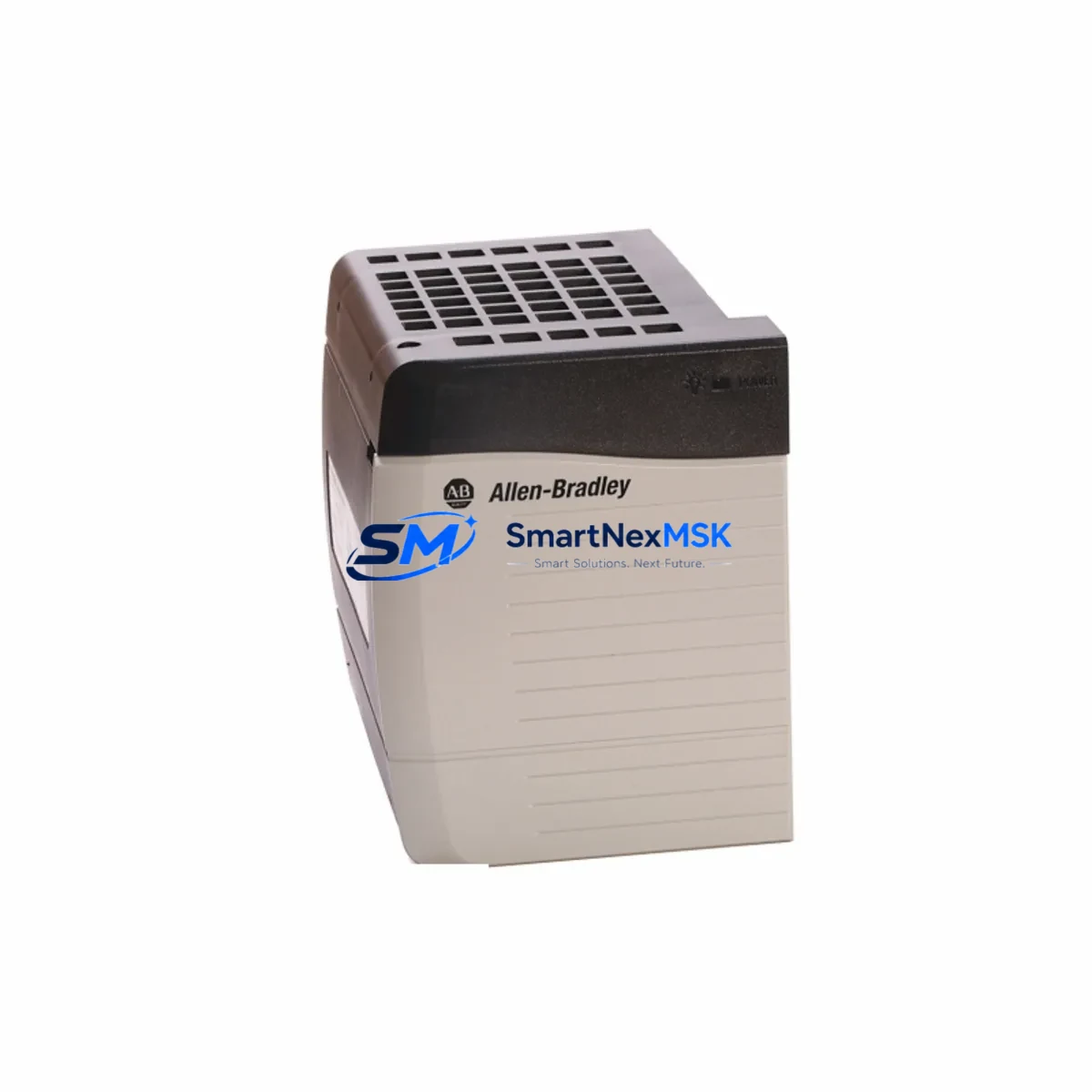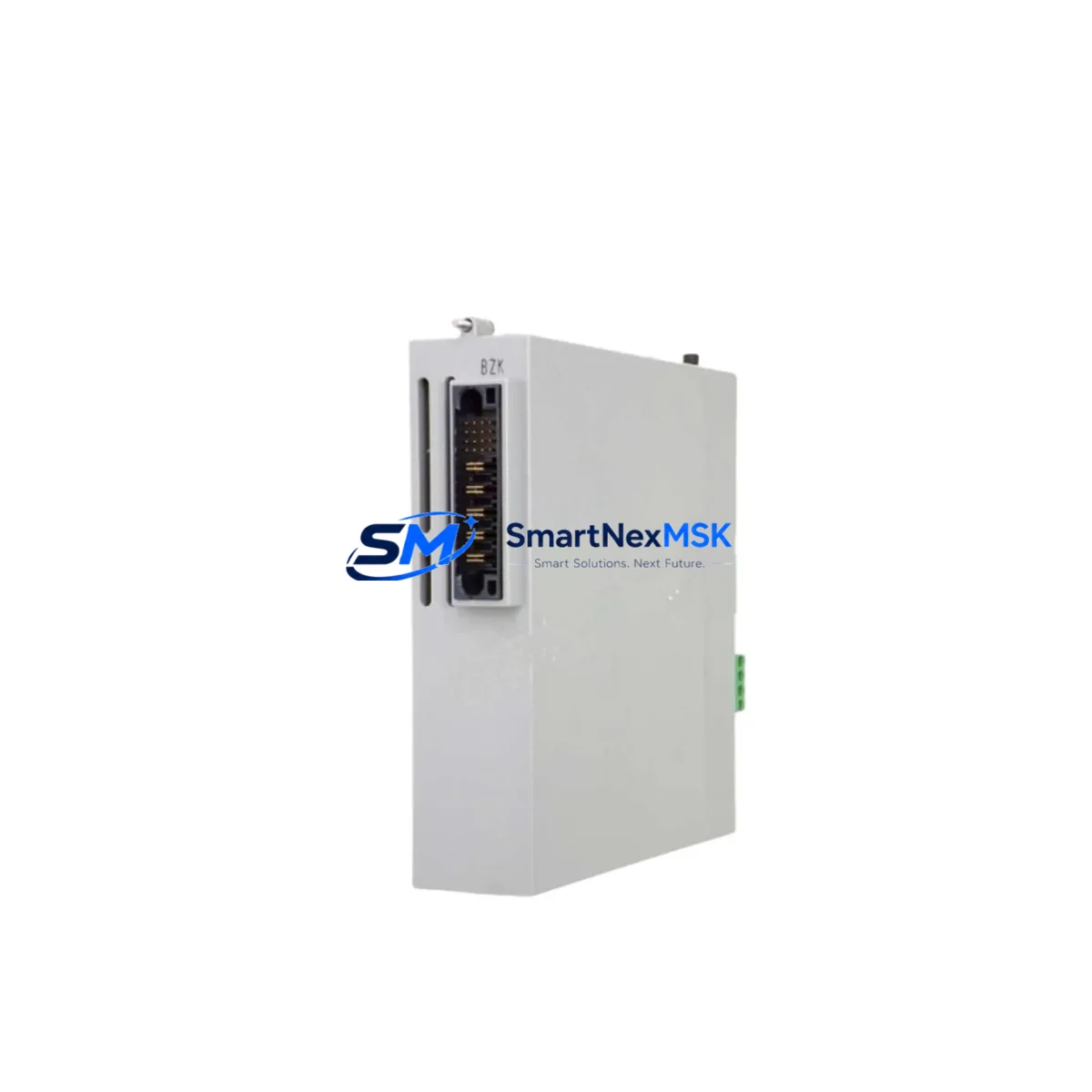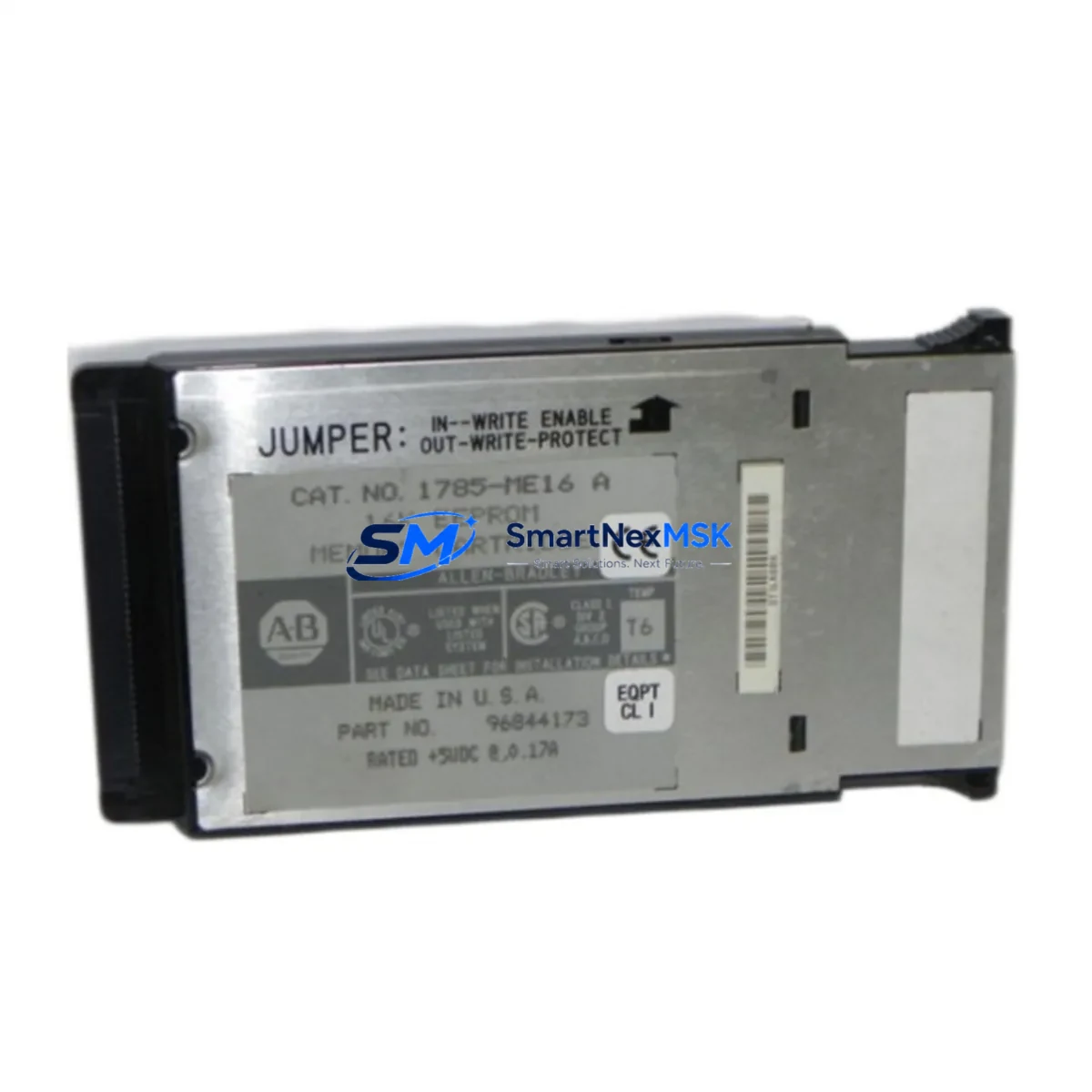
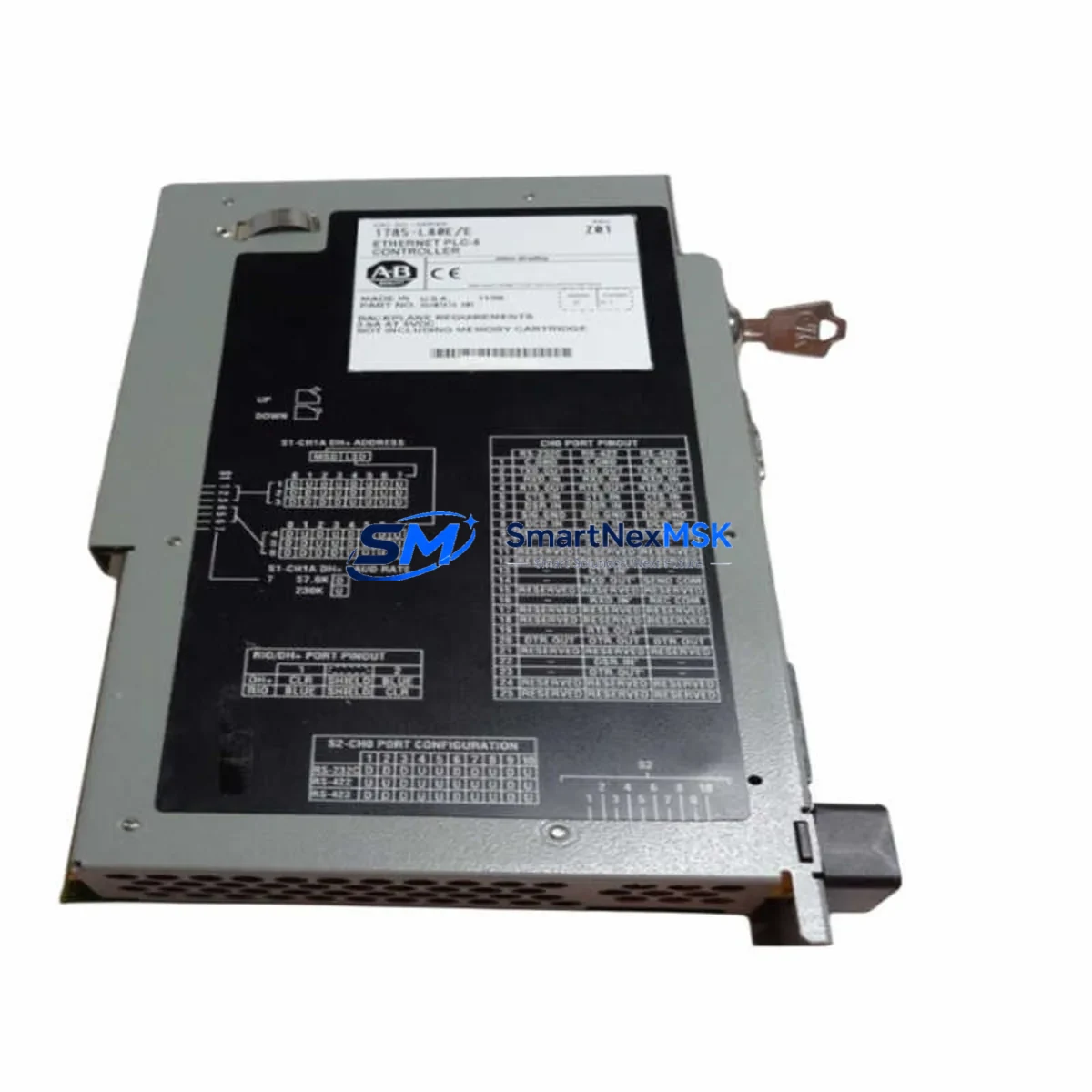
Allen-Bradley 1785-L80E Retrofit-Ready PLC for PLC-5 Enhanced Control Systems
The Allen-Bradley 1785-L80E is a high-performance PLC-5 Enhanced series processor engineered for demanding industrial control environments. With 80K words of user memory, native Ethernet/IP communication, and full compatibility with RSLogix 5 programming software, this module serves as the definitive retrofit-ready replacement for aging PLC-5 platforms across manufacturing, oil & gas, water treatment, and process automation facilities. Whether you are managing a planned system upgrade or responding to an unplanned failure of a discontinued controller, the 1785-L80E delivers the reliability, compatibility, and supply-chain availability your operation demands.
As legacy PLC-5 systems approach end-of-life and spare parts become increasingly scarce, the 1785-L80E remains one of the most sought-after processors for brownfield retrofit projects. Its architecture supports direct backplane installation into existing 1771 I/O chassis, preserving your existing wiring infrastructure and dramatically reducing retrofit labor costs. Engineers migrating from earlier PLC-5 variants such as the 1785-L40E or 1785-L60E will find the 1785-L80E’s expanded memory capacity and enhanced communication stack a straightforward upgrade path with minimal program restructuring.
Upgrade Compatibility Table
| Parameter | 1785-L80E Specification | Retrofit Notes |
|---|---|---|
| User Memory | 80K Words | Upgrade from 1785-L40E (40K) or 1785-L60E (60K); verify program fits within new memory map |
| Backplane Interface | 1771 I/O Chassis (A–J slots) | Direct drop-in; no chassis replacement required for standard 1771 racks |
| Communication Ports | Ethernet/IP (10/100 Mbps), DH+, RS-232 | Verify existing 1785-KE or 1784-PKTX communication adapters; DH+ topology preserved |
| Programming Software | RSLogix 5 (v8.0+) | Existing .RSS project files are directly compatible; no re-compilation required |
| I/O Compatibility | All 1771 analog and digital I/O modules | Existing 1771-OBD, 1771-IB, 1771-OFE2 and similar modules remain fully operational |
| Power Supply | 1771-P4S / 1771-P7 chassis power supply | Verify power budget; 1785-L80E draws ~3.5A at 5VDC — confirm chassis PSU capacity before installation |
| HMI Compatibility | PanelView 550/900/1000/1400 via DH+ | Existing PanelView screens and tag databases remain valid; no HMI re-programming required |
| Installation Position | Slot 0 (processor slot) | Module address must be confirmed in RSLogix 5 I/O configuration after swap |
| Warranty | 12 Months | Covers manufacturing defects; includes pre-shipment functional test report |
Retrofit Planning for Existing Automation Systems
A successful 1785-L80E retrofit begins well before the module arrives on-site. The first step is a thorough audit of the existing control cabinet, documenting the current 1771 chassis configuration, slot assignments, and the condition of associated components. In most installations, the 1785-L80E shares the cabinet with a 1771-P4S or 1771-P7 power supply module, and verifying that the power supply can sustain the processor’s 5VDC current draw — alongside all installed I/O modules — is a non-negotiable pre-installation check.
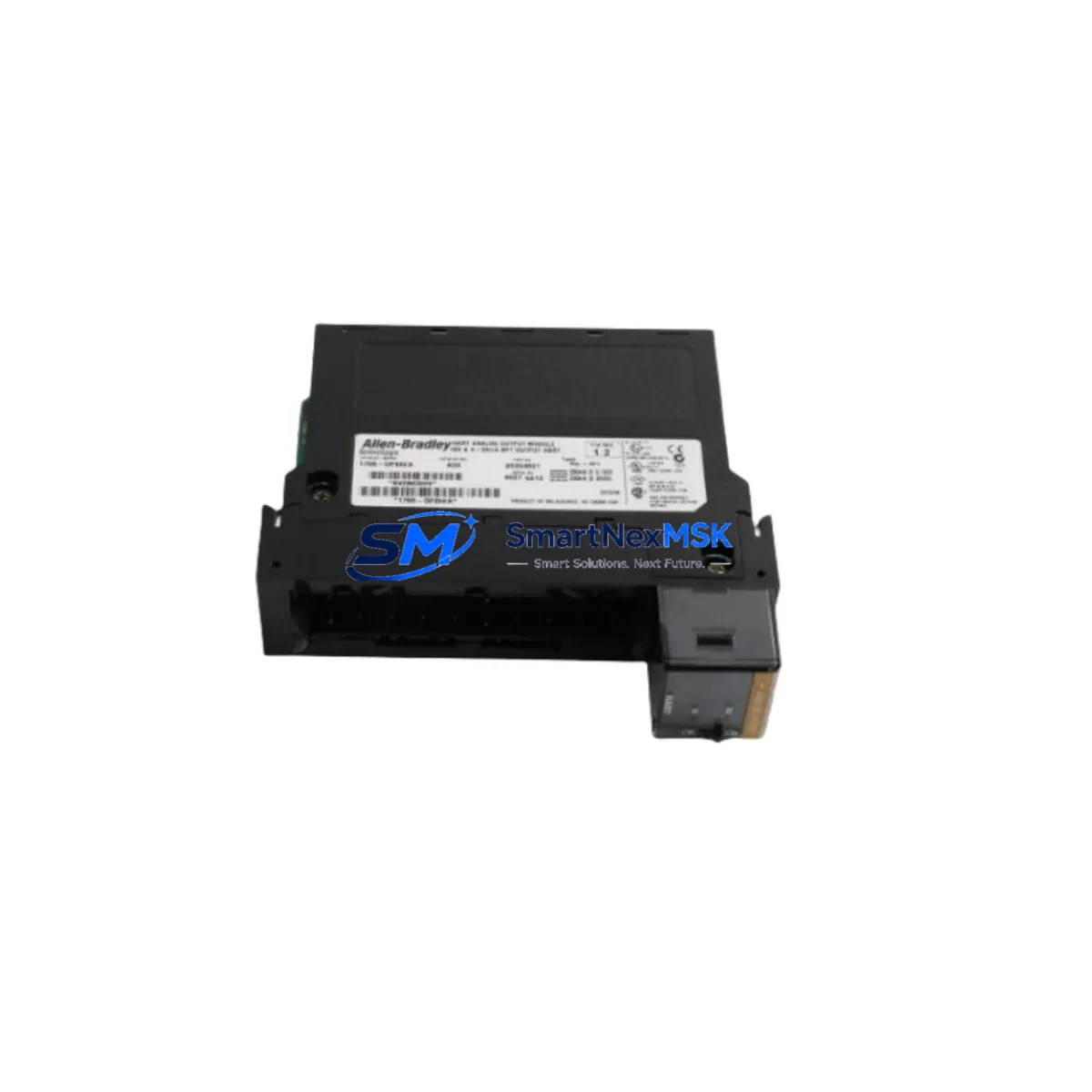
Terminal wiring to 1771 I/O modules such as the 1771-OBD 16-point DC output module, 1771-IB 16-point DC input module, and 1771-OFE2 analog output module does not require modification during a processor swap. This is one of the primary advantages of the PLC-5 platform’s modular architecture: the field wiring remains intact, and only the processor module is exchanged. Engineers should, however, photograph and document all terminal block connections and module DIP switch settings before beginning the swap.
Communication infrastructure deserves careful attention. Many legacy PLC-5 systems rely on a Data Highway Plus (DH+) network connecting multiple processors, remote I/O adapters, and operator interface panels. The 1785-L80E maintains full DH+ compatibility, so existing 1785-KE Ethernet interface modules and 1784-PKTX programming cables continue to function without modification. If the retrofit scope includes migrating from DH+ to Ethernet/IP — a common modernization objective — the 1785-L80E’s onboard Ethernet port provides a direct upgrade path without requiring an intermediate communication bridge module.
For facilities operating PanelView 550 or PanelView 900 HMI terminals connected via DH+, the existing screen configurations and tag databases remain fully valid after the processor swap. No HMI re-programming is required, which significantly reduces commissioning time. If the project scope includes upgrading the HMI to a PanelView Plus 7 or FactoryTalk View ME terminal, the 1785-L80E’s Ethernet/IP port supports this transition while the DH+ network remains operational for other connected devices.
I/O expansion during a retrofit is straightforward with the 1785-L80E. Additional 1771 analog input modules, digital output modules, or specialty modules such as the 1771-QA servo interface can be added to available chassis slots without affecting the existing program structure, provided the I/O configuration in RSLogix 5 is updated to reflect the new module addresses. For systems requiring remote I/O, the 1785-L80E supports 1771 Remote I/O (RIO) adapters, allowing distributed I/O racks to remain in service throughout the upgrade.
Downtime Control During System Migration
Minimizing unplanned downtime is the central concern of any PLC-5 retrofit project. The 1785-L80E’s direct compatibility with existing 1771 chassis and RSLogix 5 program files means that a well-prepared swap can be completed within a single planned maintenance window — typically two to four hours for a straightforward processor replacement.
Before the maintenance window begins, the existing program should be uploaded from the current processor and saved as a verified backup .RSS file. This backup serves as the recovery baseline if any unexpected compatibility issue arises during commissioning. The 1785-L80E should be pre-configured offline in RSLogix 5 with the correct processor type, I/O configuration, and communication settings before it is installed in the chassis. This offline preparation eliminates the need for on-site programming and reduces the time the system is offline.
During the physical swap, the 1771 chassis power supply should be de-energized before removing the existing processor. After installing the 1785-L80E in slot 0, the power supply is re-energized and the processor is placed in Program mode before downloading the verified program file. A systematic I/O force test — verifying each input and output point against the field device — confirms that all wiring and module addresses are correct before the processor is switched to Run mode.
For critical processes where even a brief interruption is unacceptable, a parallel commissioning approach is recommended: the 1785-L80E is installed in a temporary test chassis, the program is loaded and verified against a simulated I/O environment, and the final chassis swap is performed only after full functional validation. This approach, combined with pre-shipment testing of the 1785-L80E module and a 12-month warranty covering manufacturing defects, provides the confidence required for mission-critical retrofit projects.
Retrofit Support FAQ
Q: Is the 1785-L80E a direct drop-in replacement for the 1785-L60E or 1785-L40E?
A: Yes. The 1785-L80E installs in the same slot 0 position within any standard 1771 I/O chassis and is fully compatible with existing RSLogix 5 program files. The primary difference is expanded user memory (80K words vs. 60K or 40K), which provides additional capacity for program growth. No wiring changes or chassis modifications are required.
Q: What pre-shipment testing is performed on the 1785-L80E before delivery?
A: Each 1785-L80E unit undergoes a functional power-on test, communication port verification (Ethernet/IP and DH+), and memory integrity check before shipment. A test report is available upon request. The module is covered by a 12-month warranty against manufacturing defects from the date of shipment.
Q: Can the 1785-L80E communicate with both DH+ devices and Ethernet/IP devices simultaneously?
A: Yes. The 1785-L80E supports concurrent DH+ and Ethernet/IP communication, allowing it to maintain existing DH+ connections to PanelView HMIs, remote I/O adapters, and other PLC-5 processors while simultaneously communicating with Ethernet-based SCADA systems, historians, or FactoryTalk software. This dual-network capability is a key advantage during phased migration projects.
Q: What wiring or terminal block changes are required when replacing an older PLC-5 processor with the 1785-L80E?
A: No field wiring changes are required. All terminal connections to 1771 I/O modules remain intact. The only physical change is the processor module itself in slot 0. After installation, the module address and I/O configuration should be verified in RSLogix 5, and a full I/O force test should be completed before returning the system to production.
© 2026 SMARTNEXMSK. All rights reserved.
Original Source: https://smartnexmsk.com
Contact: [email protected] | +86 18259474341