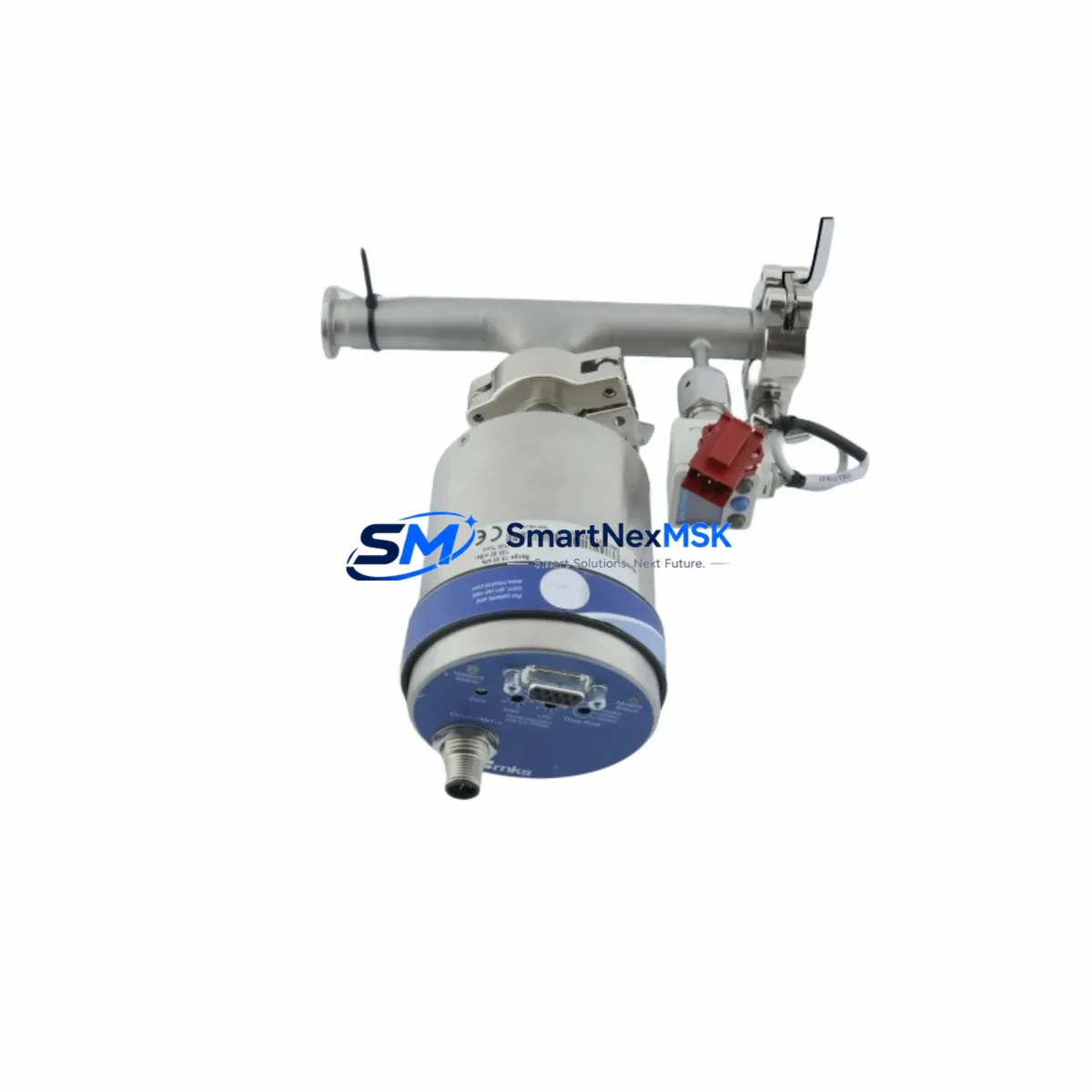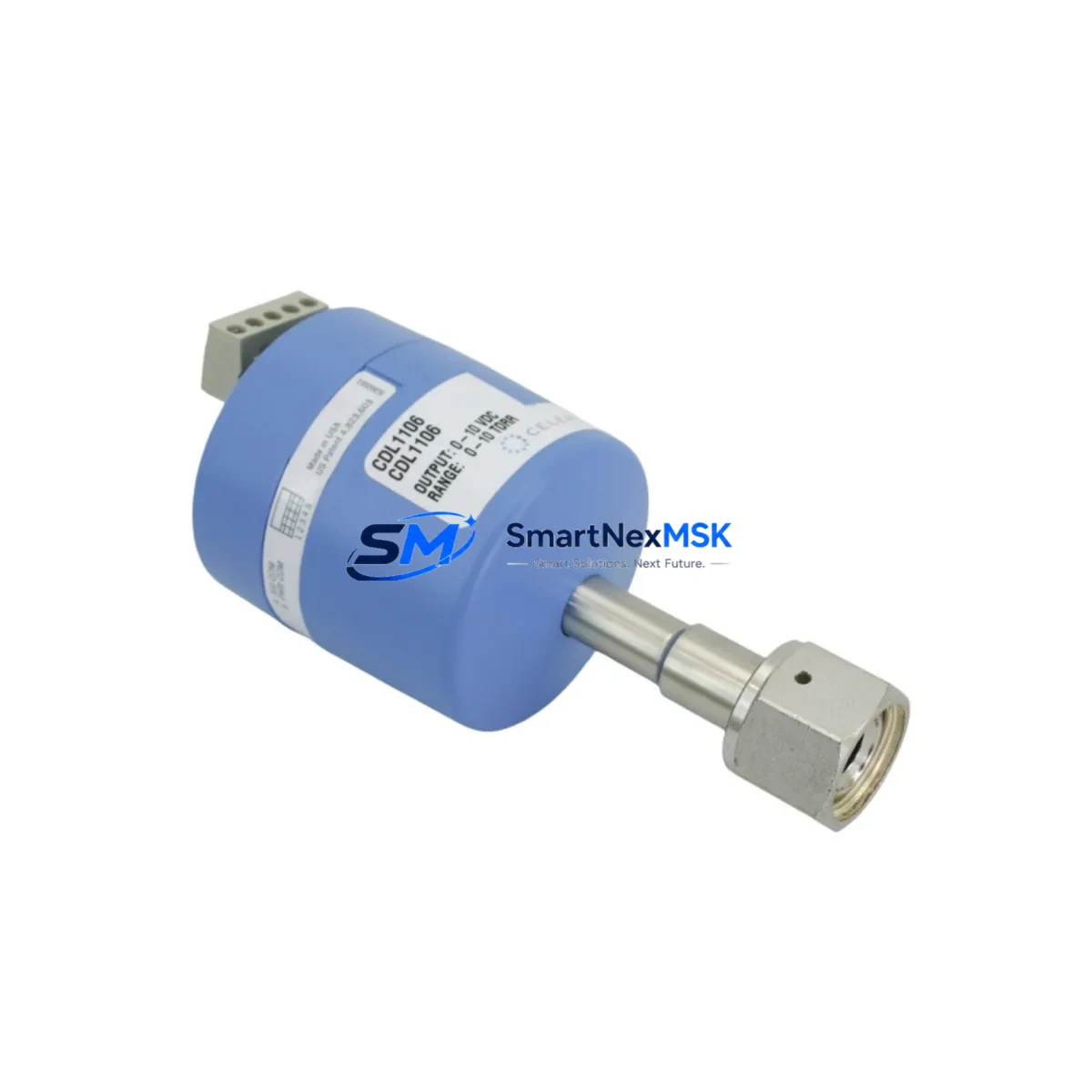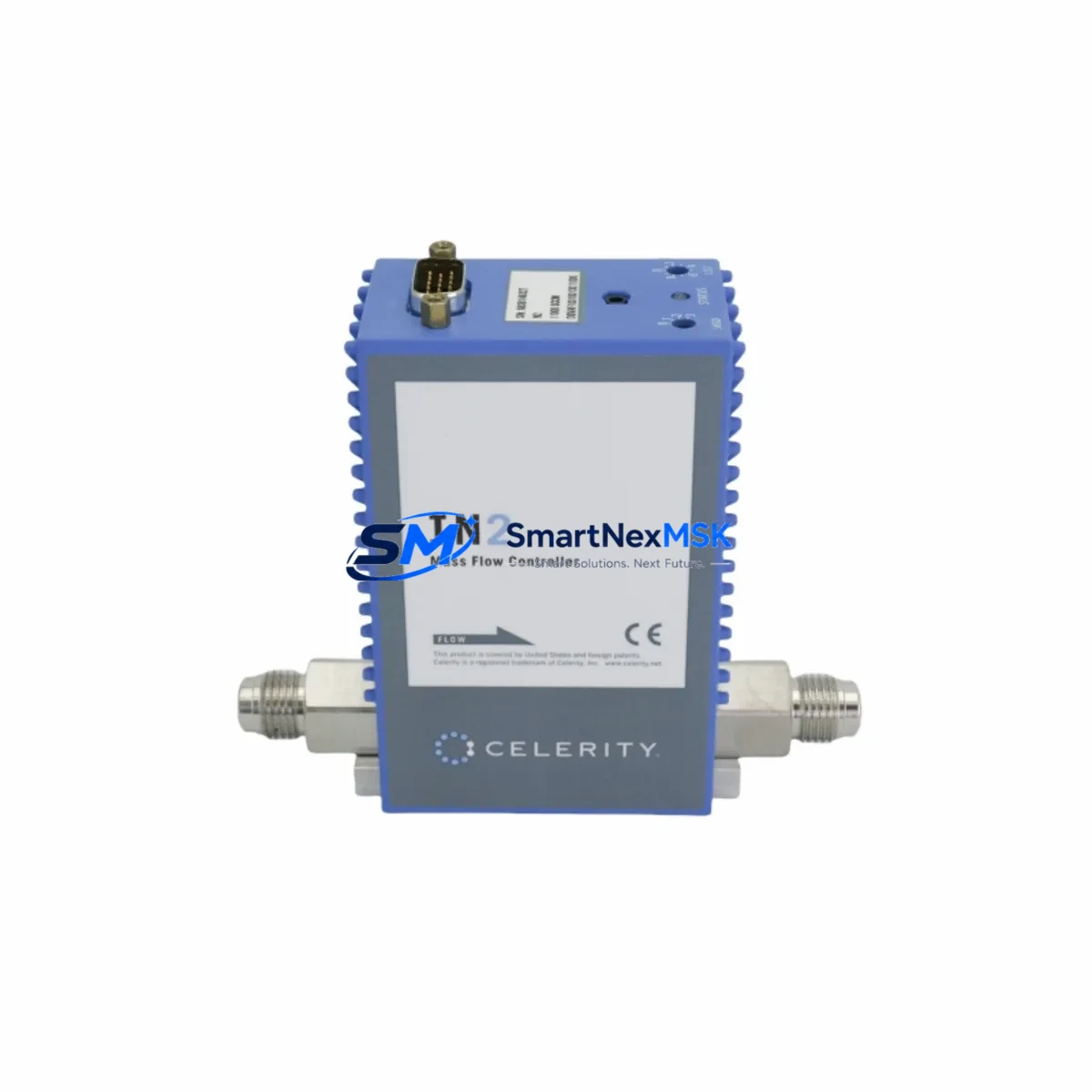
CELERITY DSVAF100 32/900 ATN CEIA 45-A DSV Series Spare: Spare Replacement & Industrial Downtime Risk Control
The CELERITY DSVAF100 32/900 ATN CEIA 45-A is a precision mass flow controller (MFC) from CELERITY’s DSV series, engineered for demanding semiconductor fabrication, chemical vapor deposition (CVD), and industrial gas-flow automation environments. Sourced as an original-specification spare, this unit is maintenance-ready and tested prior to shipment — ensuring your process line returns to full operation with minimal downtime.
For maintenance engineers managing aging DSV-series installations, unplanned MFC failure is one of the highest-risk single-point failures in a gas delivery system. Holding a verified spare of the DSVAF100 32/900 ATN CEIA 45-A in your critical-spares inventory is the most effective strategy for rapid fault isolation and same-shift recovery. This unit is compatible with standard DSV-series mounting configurations and retains the original flow range, valve actuation, and signal interface specifications.
Spare Maintenance Table
| Parameter | Specification |
|---|---|
| SKU / Part Number | DSVAF100 32/900 ATN CEIA 45-A |
| Brand | CELERITY |
| Series | DSV / DSVAF |
| Product Type | Mass Flow Controller (MFC) |
| Gas Compatibility | N₂ (Nitrogen); compatible with inert process gases per DSV series spec |
| Flow Range | 32/900 sccm (per SKU designation) |
| Valve Type | ATN (Normally Closed solenoid valve) |
| Signal Interface | CEIA 45-A analog interface (0–5 VDC setpoint / feedback) |
| Mounting / Fitting | DSV-series surface-mount compatible; standard VCR/face-seal fittings |
| Origin | Japan |
| Application Environment | Semiconductor fab, CVD, ALD, industrial gas automation |
| Condition | Original spare; tested before shipment |
| Compatibility | Direct replacement for DSV/DSVAF series installations |
| Maintenance Recommendation | Replace at first sign of flow drift, valve leak, or signal instability |
| Warranty | 12 Months |
Maintenance Planning for Continuous Operation
When a DSVAF100 32/900 ATN CEIA 45-A is flagged during routine inspection or fault isolation, experienced maintenance engineers know that MFC replacement rarely occurs in isolation. A systematic cabinet inspection should accompany every MFC swap to prevent repeat failures and ensure the restored process line meets original performance specifications.
Begin with the gas panel power supply — verify output voltage stability under load, as a degraded 24 VDC supply is a common root cause of MFC signal drift and premature valve wear. Inspect the CELERITY DSV-series manifold block and associated VCR face-seal fittings for micro-leaks; even a minor upstream leak will corrupt flow readings and mask the true MFC condition. Check the analog signal isolation module on the CEIA 45-A interface line — signal noise or ground loops on the 0–5 VDC setpoint circuit are a frequent cause of apparent MFC malfunction that survives unit replacement if not addressed.
Review the I/O card in the host PLC or process controller that drives the MFC setpoint. A faulty analog output channel will cause the replacement unit to exhibit the same symptoms as the failed one. If the system uses a CELERITY UFC or IFC series flow controller elsewhere in the same gas box, cross-check calibration records — shared calibration drift across a gas panel often indicates a systemic supply or grounding issue rather than individual unit failure.
Inspect inline filters and purifiers upstream of the MFC. Particulate contamination is the leading cause of valve seat damage in ATN-type normally-closed valves. Replace the filter element as a matter of course during any MFC swap. Also verify the condition of the shut-off valve immediately upstream — a leaking isolation valve will prevent proper zero-flow verification after installation.
For systems with MFC communication via DeviceNet or RS-485 fieldbus, confirm that the replacement unit’s address and baud-rate settings match the original before energizing. Finally, review the terminal strip and cable harness connecting the MFC to the control cabinet — connector corrosion and pin fretting are common in high-humidity fab environments and should be cleaned and re-torqued during every planned maintenance window.
Site Replacement Workflow
Step 1 — Isolation & Lockout: Close the upstream isolation valve and downstream process valve. Confirm zero flow on the host controller display. Apply LOTO per site procedure before disconnecting any fittings or electrical connectors.
Step 2 — Electrical Disconnection: Disconnect the CEIA 45-A signal cable and 24 VDC power connector. Label connectors if not already marked. Photograph the original wiring orientation for reference.
Step 3 — Mechanical Removal: Loosen VCR fittings or surface-mount clamps per DSV-series service documentation. Remove the failed DSVAF100 unit. Cap all open fittings immediately to prevent contamination ingress.
Step 4 — Inspection & Cleaning: Inspect the manifold port and mating surfaces. Clean with IPA wipe if required. Install new VCR gaskets — never reuse gaskets on a safety-critical gas line.
Step 5 — Installation of Replacement Unit: Mount the DSVAF100 32/900 ATN CEIA 45-A spare. Torque fittings to DSV-series specification. Reconnect the CEIA 45-A signal cable and power connector. Verify pin alignment before energizing.
Step 6 — Leak Check & Functional Verification: Pressurize the gas line and perform a helium leak check or bubble test per site standard. Confirm zero-flow reading at 0 VDC setpoint. Step the setpoint to 50% and 100% full scale; verify flow reading tracks within ±1% of setpoint.
Step 7 — Return to Service: Log the replacement in the CMMS with part number, serial number, and date. Update the critical-spares inventory record. Schedule the next planned inspection interval per OEM recommendation.
Spare Parts Support FAQ
Q1: Is the DSVAF100 32/900 ATN CEIA 45-A a direct drop-in replacement for my existing DSV-series MFC?
Yes. This unit is sourced to original CELERITY DSV/DSVAF series specifications and is compatible with standard DSV-series surface-mount manifolds and CEIA 45-A analog interface wiring. Confirm your existing flow range (32/900 sccm) and valve type (ATN) match your process requirement before installation. If your system uses a different flow range variant, contact us for the correct SKU.
Q2: What pre-shipment testing is performed on this spare?
Every unit undergoes electrical continuity verification, valve actuation test, and signal interface check prior to dispatch. Units are shipped in anti-static, sealed packaging with desiccant to preserve internal cleanliness. A 12-month warranty covers defects in materials and workmanship from the date of shipment.
Q3: How should I manage MFC spare inventory for a multi-tool fab environment?
For facilities operating three or more tools with DSV-series gas panels, we recommend maintaining a minimum of one verified spare per flow-range variant in your critical-spares cabinet. MFC lead times from OEM channels can exceed 16 weeks during supply constraints; holding pre-tested spares eliminates this risk entirely and supports same-shift fault recovery.
Q4: Can you support long-term supply for legacy DSV-series components?
Yes. SMARTNEXMSK maintains ongoing sourcing for CELERITY DSV and DSVAF series components, including discontinued and end-of-life part numbers. Contact our team to discuss blanket-order arrangements, consignment stock programs, or multi-SKU spare kits tailored to your installed base.
© 2026 SMARTNEXMSK. All rights reserved.
Original Source: https://smartnexmsk.com
Contact: [email protected] | +86 18259474341