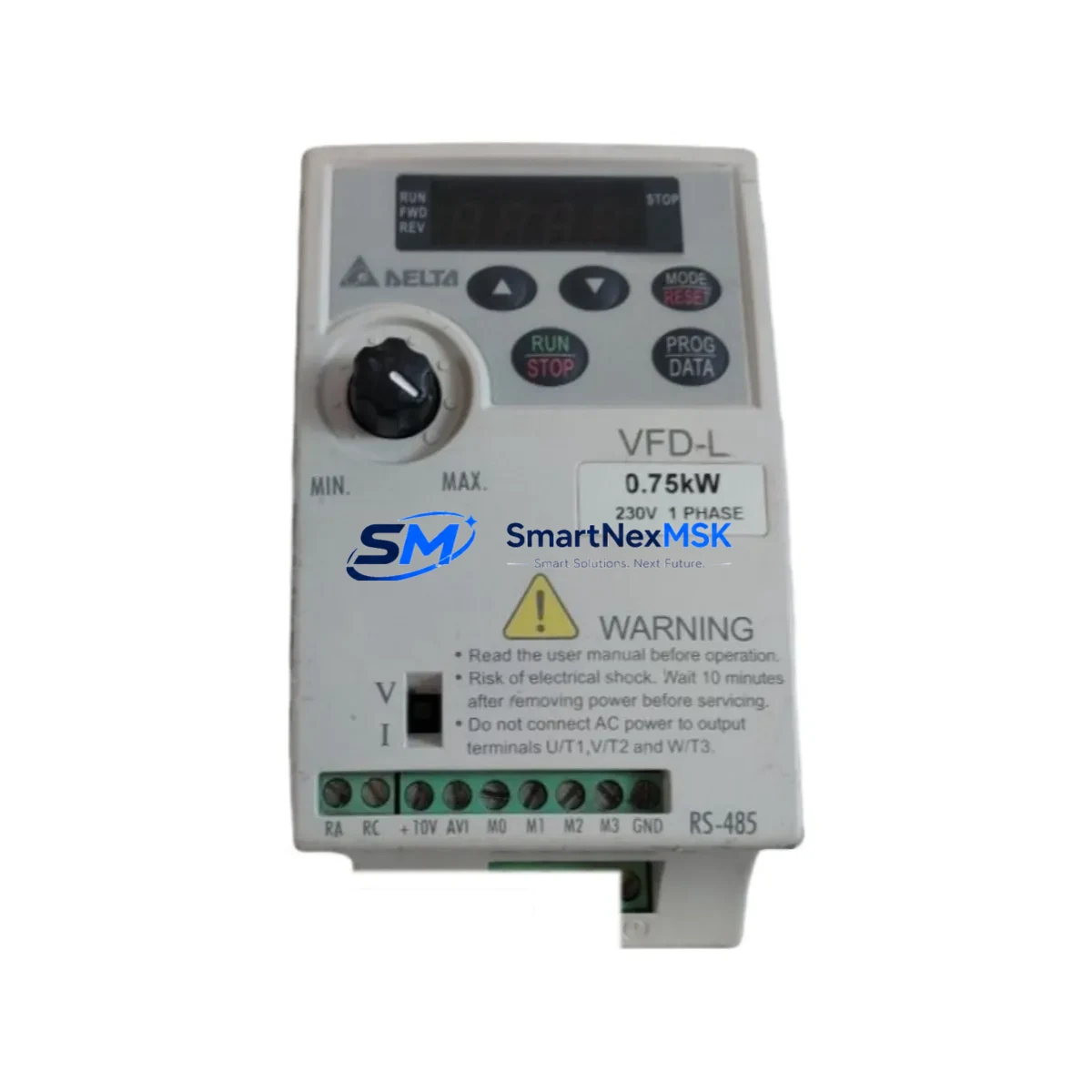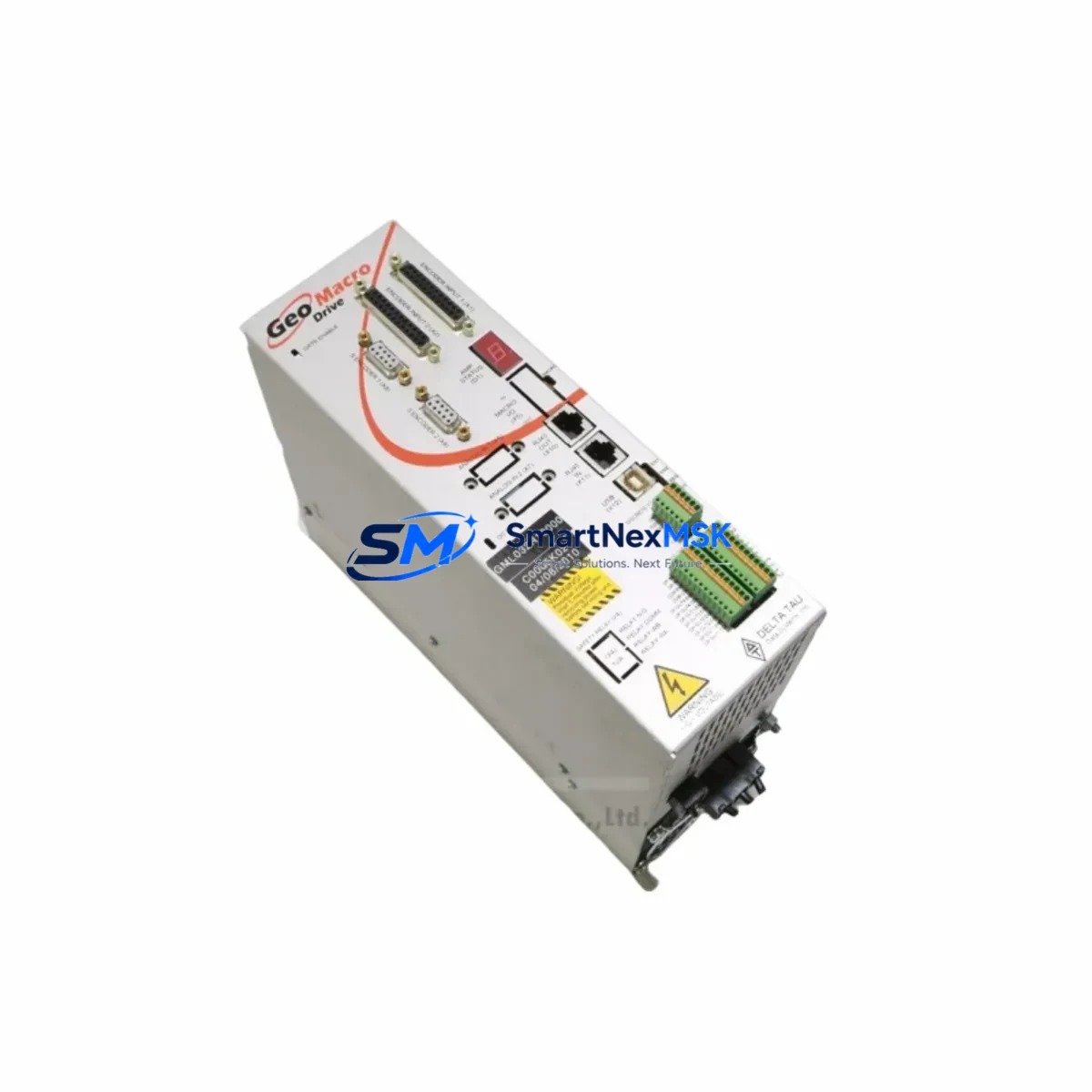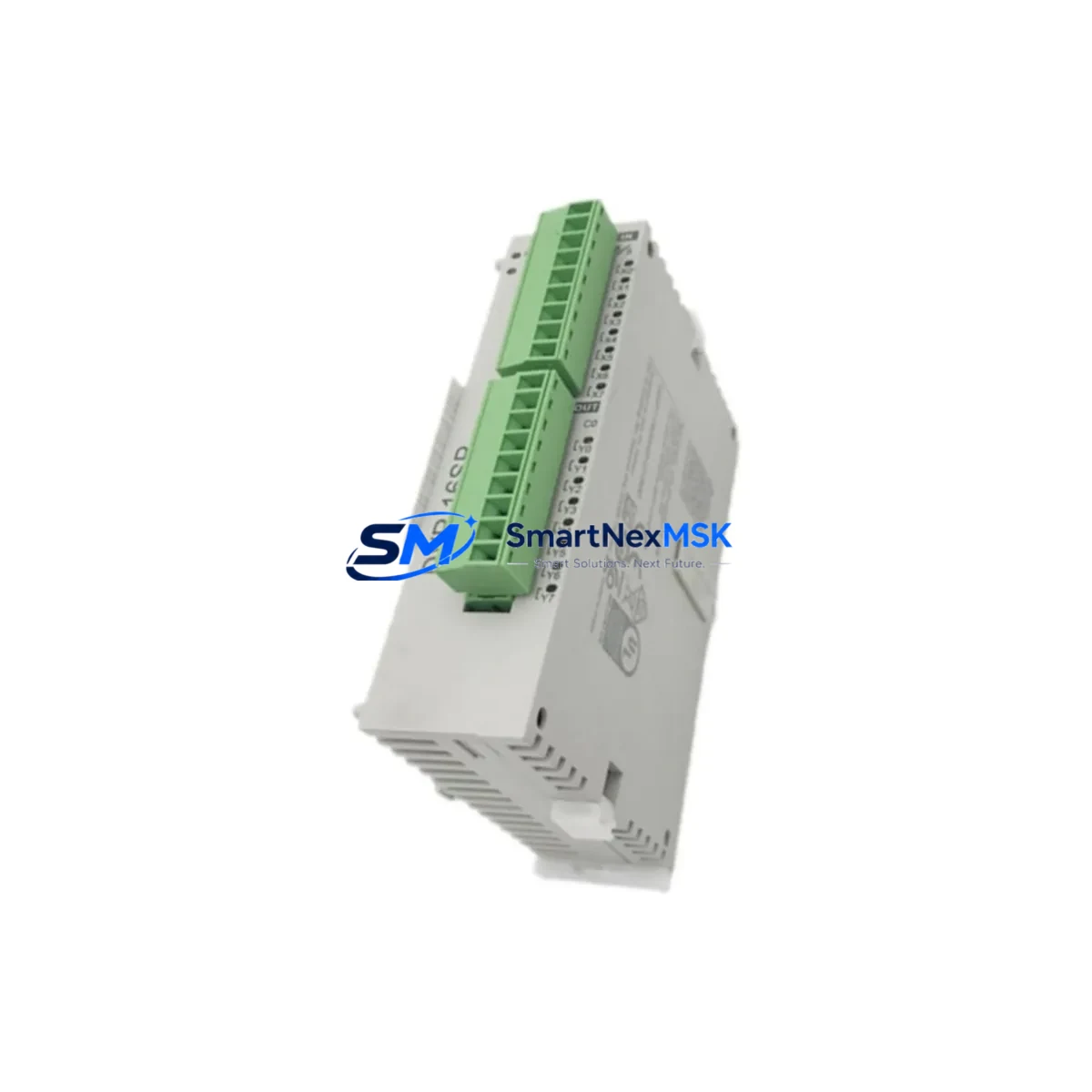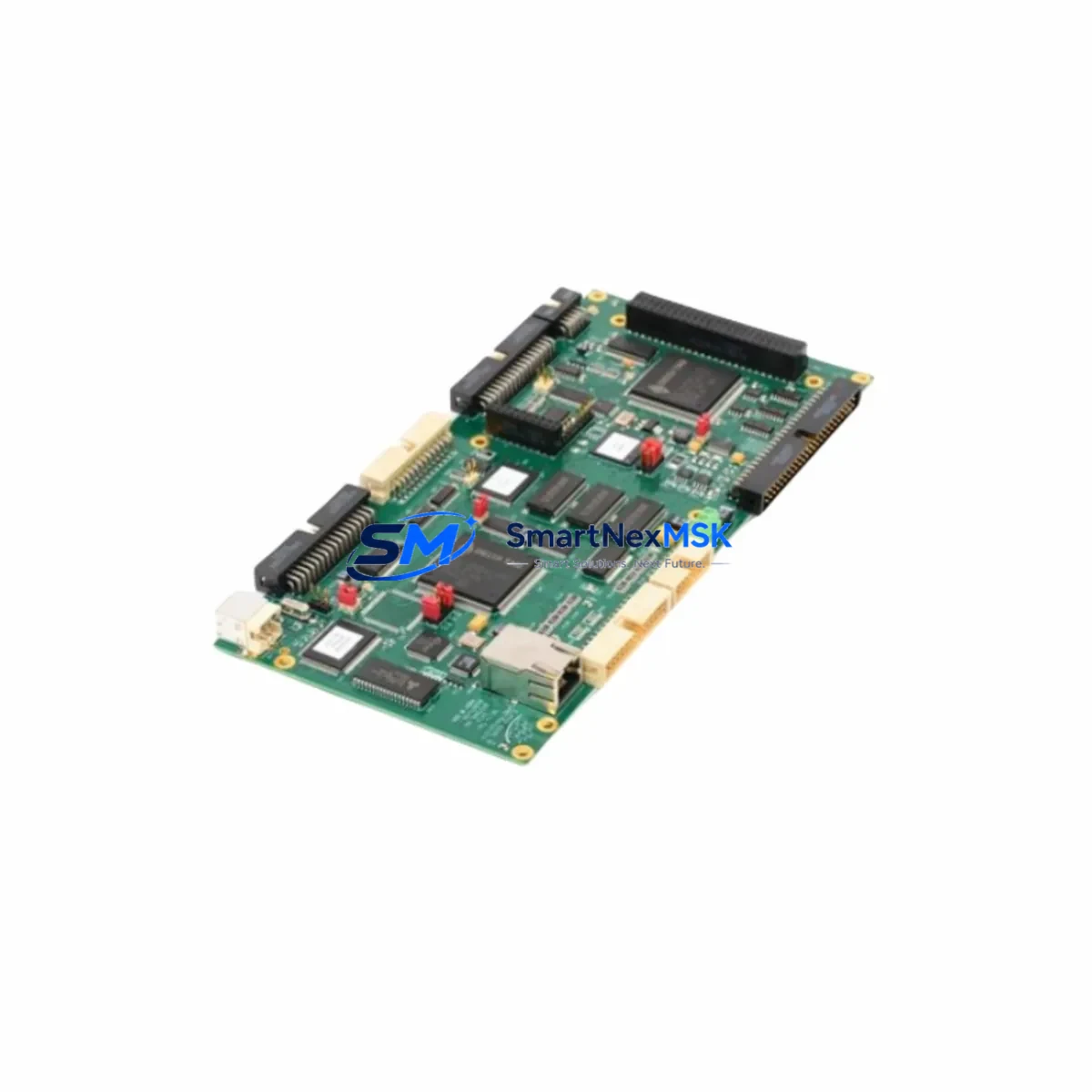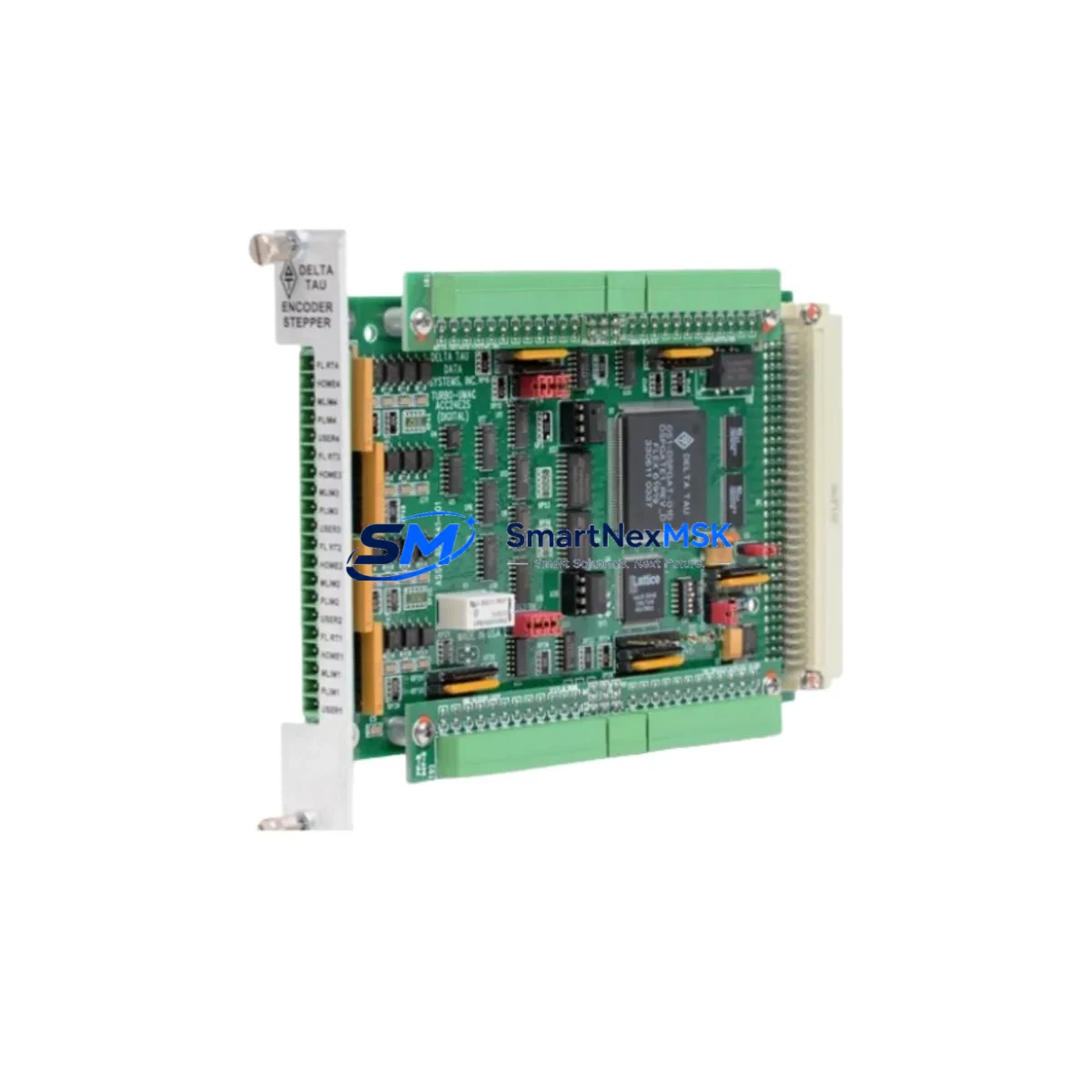
Delta ACC-24E2S Retrofit-Ready 2-Axis Motion Control for ACC Series Control Systems
The Delta ACC-24E2S is a 2-axis motion control expansion module engineered for seamless integration into Delta ACC Series automation platforms. Designed with retrofit and legacy system modernization in mind, this module delivers a verified drop-in replacement path for aging or discontinued motion control hardware across a wide range of industrial control cabinets, CNC retrofit projects, and multi-axis positioning systems. Whether you are upgrading a legacy Delta DVP series PLC-based motion platform or migrating from an older ACC-24E2 single-axis configuration, the ACC-24E2S provides the compatibility, signal integrity, and communication reliability that industrial engineers demand during live production upgrades.
Sourced directly from authorized supply channels and subject to full pre-shipment functional testing, each ACC-24E2S unit ships with a 12-month warranty covering manufacturing defects and operational failures under rated conditions. Inventory is maintained in-stock for immediate dispatch, minimizing procurement lead times for urgent retrofit and emergency replacement scenarios.
Upgrade Compatibility Table
| Parameter | ACC-24E2S (This Unit) | Legacy / Replaced Model | Retrofit Notes |
|---|---|---|---|
| Controlled Axes | 2-axis simultaneous | ACC-24E2 (1-axis or 2-axis) | Verify axis address mapping in WPLSoft / DIADesigner |
| Backplane Interface | Delta ACC Series rack slot | ACC Series standard backplane | Direct slot insertion; confirm rack generation (ACC-01 / ACC-02) |
| Communication Protocol | RS-485 / Modbus RTU; optional CANopen | RS-485 / Modbus RTU | CANopen node address must be reconfigured if migrating from RS-485 topology |
| Terminal Wiring | Standard screw terminal block | Compatible pinout with ACC-24E2 | Verify encoder signal wiring (A/B/Z differential); check 24 VDC pulse output polarity |
| Power Consumption | Supplied via backplane (5 VDC / 24 VDC) | Same backplane power rail | Audit total rack power budget before adding expansion modules (e.g., ACC-24E2S + I/O modules) |
| Module Address | Configurable via DIP switch or software | Hardware DIP switch | Match address to original module slot assignment to avoid program re-mapping |
| Program Compatibility | Compatible with WPLSoft, ISPSoft, DIADesigner | WPLSoft legacy projects | Import existing motion subroutines; validate DDRVI / DPLSY instruction sets |
| HMI Screen Mapping | Retains original D/M register addresses | DOP-B / DOP-W HMI panels | No HMI screen rebuild required if register map is preserved |
| Installation Requirement | DIN rail / rack mount | Same form factor | No panel cutout modification required |
| Warranty | 12-Month Warranty — covers manufacturing defects and operational failure under rated load conditions | ||
Retrofit Planning for Existing Automation Systems
A successful ACC-24E2S retrofit begins well before the module arrives on-site. Engineers should start by auditing the existing control cabinet layout, documenting the current rack configuration, and identifying all modules installed in the Delta ACC Series backplane. In a typical multi-axis retrofit scenario, the rack may house a Delta DVP-ES3 or DVP-EH3 series main CPU alongside the ACC-24E2S, supplemented by digital I/O expansion modules such as the DVP16SP11R or DVP32SM11N for discrete signal handling. Power distribution within the cabinet is typically managed by a Delta DPS series DIN-rail power supply, and engineers must verify that the 5 VDC backplane current budget accommodates the ACC-24E2S alongside any co-installed communication modules.
For systems that include fieldbus communication, the retrofit plan must account for the existing network topology. If the legacy system used an RS-485 Modbus RTU network connecting the ACC module to a SCADA or DCS host, the ACC-24E2S maintains full backward compatibility with this protocol. However, if the upgrade path involves migrating to CANopen or EtherCAT, additional gateway modules or a Delta ASD-A2 series servo drive with the appropriate communication card may be required. In multi-drive applications, servo drives such as the Delta ASDA-A2 or ASDA-B3 are commonly paired with the ACC-24E2S for closed-loop position control, and their parameter settings (P1-01 through P3-xx) must be reviewed to ensure compatibility with the new motion command source.
Terminal wiring adaptation is one of the most time-sensitive steps in any retrofit. The ACC-24E2S uses a standard screw terminal block layout compatible with the ACC-24E2 pinout, but engineers should verify the encoder feedback wiring (differential A/B/Z signals), the pulse output direction (CW/CCW or PULSE/DIR), and the 24 VDC I/O interface connections before powering up. Where the original system used a Delta DOP-B series HMI panel for operator interface, the existing screen project can typically be retained without modification, provided that the D-register and M-register address assignments in the motion program remain unchanged. If the system includes a Delta IFD9506 USB-to-RS-485 programming cable or a DVP-F232 communication module for remote diagnostics, these accessories remain fully compatible with the ACC-24E2S retrofit configuration.
Before final commissioning, a bench-level functional test of the ACC-24E2S is strongly recommended. This includes verifying pulse output frequency response, encoder feedback signal integrity, and emergency stop (E-stop) interlock behavior. All pre-shipment units from our inventory undergo functional verification testing prior to dispatch, providing an additional layer of confidence for time-critical retrofit projects.
Downtime Control During System Migration
Minimizing production downtime during a motion control module replacement requires a structured migration sequence. The recommended approach is to prepare the replacement ACC-24E2S off-line, pre-configure the module address and communication parameters to match the original unit, and stage the wiring harness using the existing terminal documentation before the scheduled maintenance window begins.
Where possible, the original PLC program should be backed up to a PC using WPLSoft or DIADesigner before any hardware is disturbed. The motion subroutines — including homing sequences, speed profiles, and position tables — should be exported and verified against the new module’s instruction set. In most ACC Series retrofit scenarios, the DDRVI (relative position drive) and DPLSY (pulse output) instructions execute identically on the ACC-24E2S, allowing the original program logic to be restored without modification after the module swap.
For systems where continuous process control is critical, a parallel commissioning strategy can be employed: the replacement module is configured and tested on a spare rack or test bench while the original system remains in production. Once the replacement unit is validated, the switchover can be completed during a planned micro-shutdown, typically achievable within 30 to 90 minutes for a single-axis or dual-axis motion control node. This approach protects original program logic, preserves HMI screen integrity, and maintains fieldbus communication continuity throughout the migration process.
Post-installation, a structured field commissioning checklist should cover: power-on sequence verification, encoder signal confirmation, axis homing test, speed ramp validation, and E-stop response testing. Our technical support team is available to assist with commissioning guidance for customers who require remote support during the retrofit process.
Retrofit Support FAQ
Q1: Is the ACC-24E2S a direct drop-in replacement for the ACC-24E2?
In most installations, yes. The ACC-24E2S shares the same backplane slot interface, terminal wiring pinout, and communication protocol as the ACC-24E2. The primary difference is the addition of a second controlled axis on the ACC-24E2S. If your original program only uses one axis, the second axis channel remains inactive and does not affect system operation. Confirm module address DIP switch settings match the original configuration before powering up.
Q2: Do I need to rewrite my PLC motion program after installing the ACC-24E2S?
In the majority of retrofit cases, no program rewrite is required. The ACC-24E2S is compatible with WPLSoft and DIADesigner motion instruction sets used in Delta DVP and ACC Series platforms. Restore your backed-up program, verify the axis address assignments, and perform a dry-run test before resuming production. If your original program uses legacy motion instructions not supported in newer firmware, our team can advise on equivalent instruction substitutions.
Q3: What wiring checks are required before powering up the replacement module?
Prior to power-on, verify the following: (1) encoder feedback wiring — confirm differential A/B/Z signal connections and shield grounding; (2) pulse output mode — confirm CW/CCW or PULSE/DIR configuration matches servo drive parameter settings; (3) 24 VDC I/O connections — verify limit switch, home switch, and E-stop interlock wiring; (4) backplane power budget — confirm total rack current draw does not exceed the Delta DPS power supply rating. A wiring continuity check with a multimeter before power-on is strongly recommended.
Q4: What does the 12-month warranty cover, and how is it processed?
The 12-month warranty covers manufacturing defects and operational failures occurring under rated operating conditions (voltage, temperature, load). It does not cover damage resulting from incorrect wiring, overvoltage, physical impact, or unauthorized modification. In the event of a warranty claim, contact our sales team with the order reference and a description of the fault. Replacement units are dispatched after fault verification, and return shipping of the defective unit is required for warranty processing. All units undergo pre-shipment functional testing prior to dispatch to minimize the likelihood of DOA (dead-on-arrival) incidents.
© 2026 SMARTNEXMSK. All rights reserved.
Original Source: https://smartnexmsk.com
Contact: [email protected] | +86 18259474341