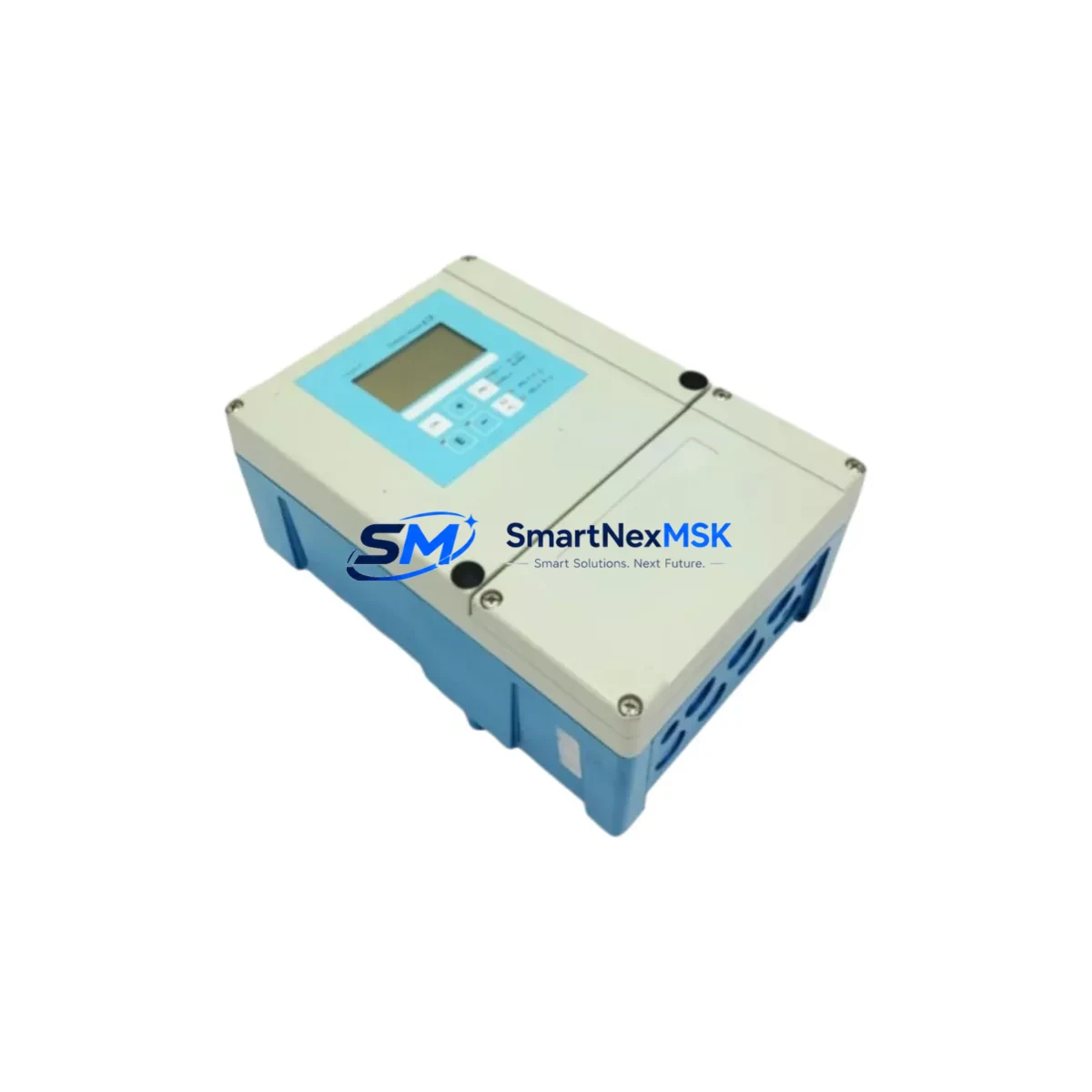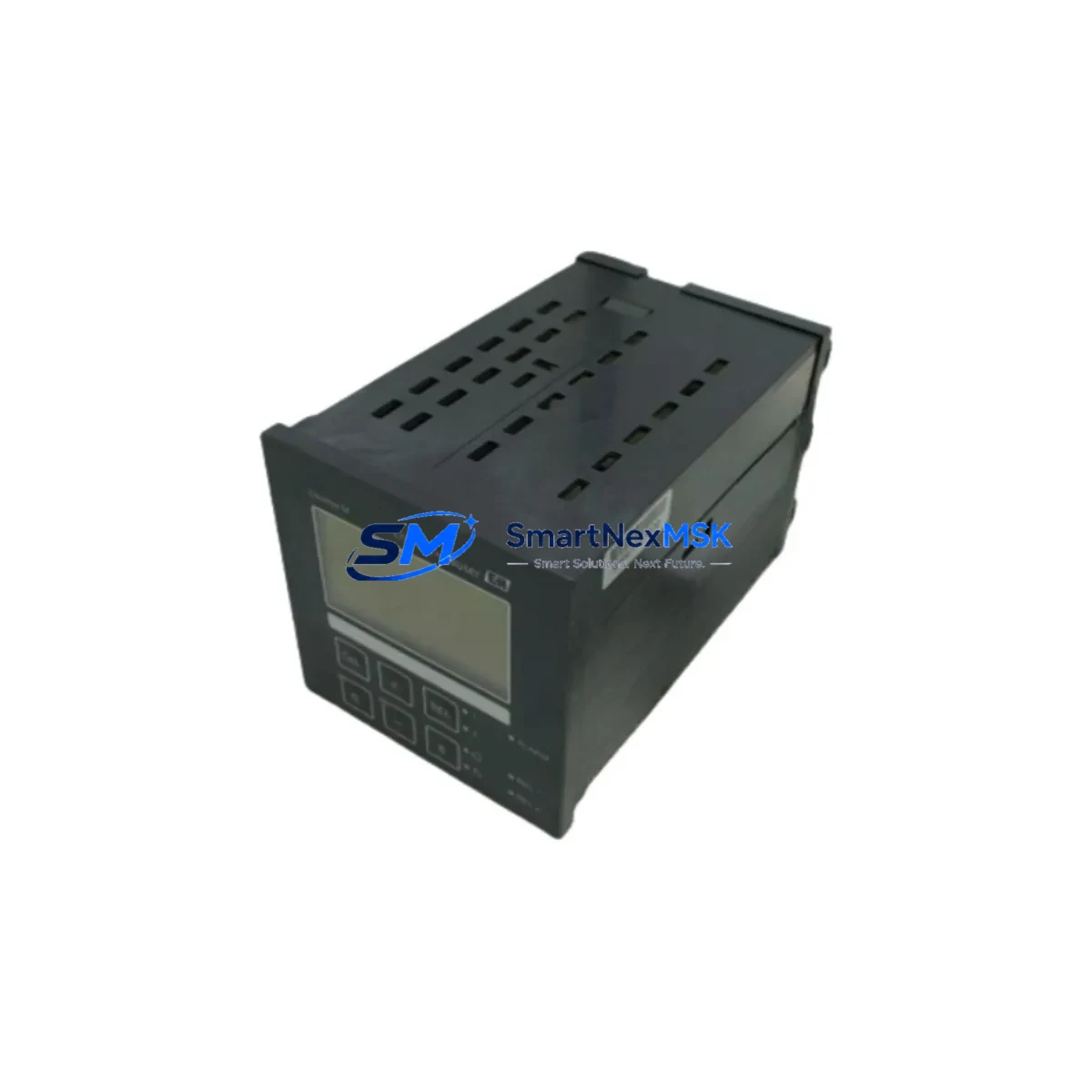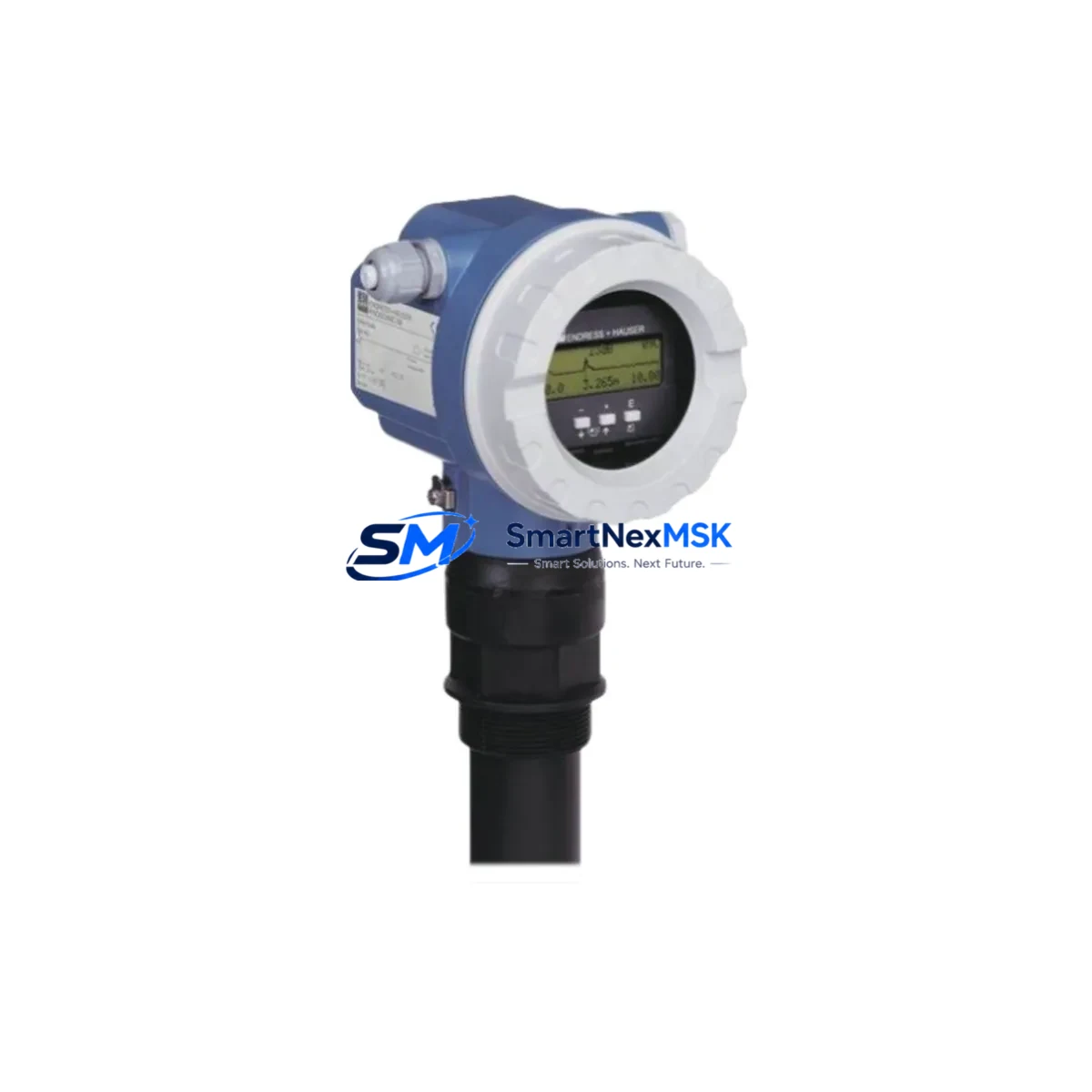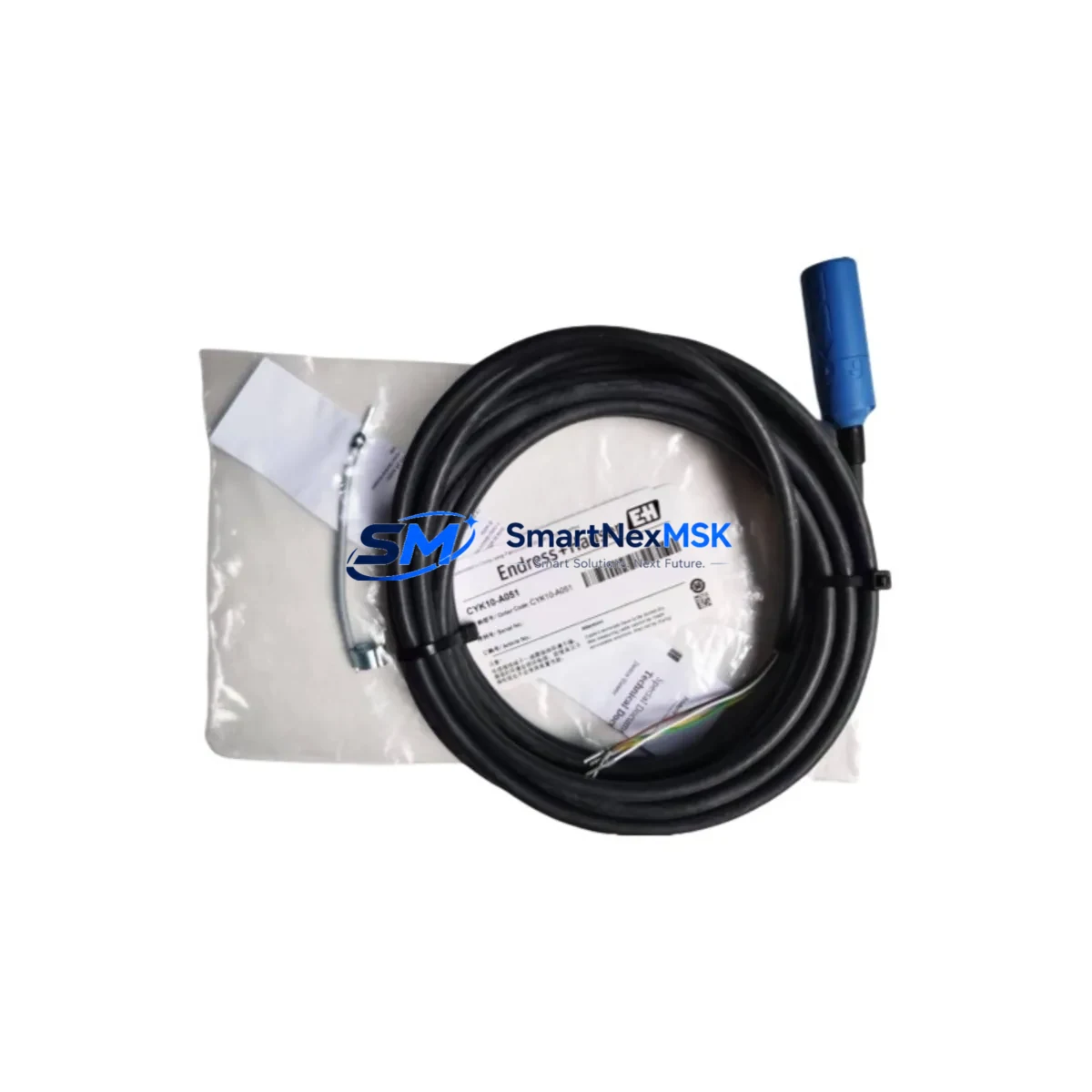
E+H CYK10-A201 Retrofit-Ready Conductivity Transmitter: Seamless Upgrade for Memosens Control Systems
The Endress+Hauser CYK10-A201 is a Memosens-protocol field transmitter engineered for direct retrofit into existing conductivity measurement loops. Whether you are replacing an end-of-life CYK10 unit, upgrading a legacy Liquiline or Mycom S installation, or migrating an aging water treatment or chemical dosing line to a modern digital sensor architecture, the CYK10-A201 delivers a verified drop-in upgrade path with minimal rewiring and zero program recompilation on the host PLC or DCS.
Designed for industrial environments where uptime is non-negotiable, this transmitter supports the full Memosens digital sensor protocol, enabling plug-and-play compatibility with Endress+Hauser CLS50D, CLS54D, and CLS16D conductivity sensors already installed in the field. The 4–20 mA HART output ensures backward compatibility with existing Siemens S7-300, S7-400, and S7-1500 analog input modules, as well as ABB AC500 and Rockwell ControlLogix AI cards, without requiring signal conditioning hardware.
Upgrade Compatibility Table
| Parameter | Legacy CYK10 (Analog) | CYK10-A201 (Memosens) |
|---|---|---|
| Sensor Interface | Analog 2-wire | Memosens digital (inductive) |
| Output Signal | 4–20 mA | 4–20 mA + HART 7 |
| Power Supply | 10–30 V DC | 10–30 V DC (unchanged) |
| Mounting | Field housing / DIN rail | Field housing / DIN rail (same footprint) |
| Terminal Wiring | 3-wire analog | 2-wire Memosens + 4–20 mA loop |
| Communication | Analog only | HART 7 / Modbus RTU (optional) |
| Replacement Recommendation | Direct swap; verify terminal mapping | Confirm sensor cable type before install |
| Commissioning Focus | Zero/span calibration | Sensor recognition + HART address config |
| Warranty | — | 12 Months from shipment date |
Retrofit Planning for Existing Automation Systems
A successful CYK10-A201 retrofit begins with a thorough audit of the existing measurement loop. Before removing the legacy transmitter, document the current terminal assignments on the field junction box and verify that the installed conductivity sensor carries a Memosens-compatible cable — the distinctive inductive coupling connector distinguishes it from conventional analog probes. If the existing sensor is a non-Memosens type such as the older CLS15 or CLS19, plan to replace it with a CLS50D or CLS54D at the same time to realize the full benefit of the digital upgrade.
On the control cabinet side, confirm that the analog input card — whether a Siemens SM 331, a Yokogawa AAI143, or an ABB AI810 — is configured for 4–20 mA HART-enabled channels. If the existing I/O card does not support HART pass-through, the CYK10-A201 will still operate in standard 4–20 mA mode; HART diagnostics will simply be unavailable until the I/O infrastructure is upgraded. For sites running a Profibus PA or Foundation Fieldbus segment, note that the CYK10-A201 uses HART 7 over the 4–20 mA loop and is not a native fieldbus device — a HART-to-Profibus gateway such as the Endress+Hauser RN221N may be required to integrate diagnostic data into the DCS historian.
Power budget verification is straightforward: the CYK10-A201 draws less than 25 mA at 24 V DC, well within the capacity of standard Endress+Hauser RN221N loop power supplies and Phoenix Contact MINI MCR-SL-UI-I signal conditioners already common in process panels. For sites integrating into a Siemens PCS 7 or Emerson DeltaV DCS, import the EDDL device description provided by Endress+Hauser into the asset management library before commissioning. This step enables full HART variable mapping — primary variable (conductivity), secondary variable (temperature), and device status — to be surfaced in the operator HMI without manual tag configuration. Existing HMI faceplates built for the legacy CYK10 will require a tag reassignment to the new HART variables; no graphical redesign is typically necessary. If the unit is being installed in a Liquiline CM442 or CM444 multi-parameter controller chassis, confirm the available measurement channel slots and the firmware version of the base unit before ordering.
Downtime Control During System Migration
Minimizing process interruption during a CYK10-A201 swap requires pre-staging the replacement unit with the correct HART address, output range, and temperature compensation coefficients before the maintenance window opens. Use the Endress+Hauser Fieldcare or DeviceCare configuration tool connected via a Commubox FXA195 HART modem to clone the parameter set from the outgoing transmitter to the new unit while the process is still running. This offline pre-configuration step typically reduces in-field commissioning time to under 20 minutes.
During the cutover, place the PLC analog input channel in manual/hold mode to freeze the last good process value in the control loop. This prevents spurious alarms or control actions while the transmitter is disconnected. After installing the CYK10-A201 and reconnecting the Memosens sensor cable, restore the channel to automatic mode and verify the live conductivity reading against a portable reference meter before releasing the loop to automatic control. Document the as-found and as-left calibration values in the site maintenance record to satisfy ISO 9001 and IEC 61511 audit requirements.
For critical continuous processes — such as pharmaceutical purified water loops or semiconductor ultrapure water systems — consider installing the CYK10-A201 in a parallel bypass arrangement using an existing sample valve or tee fitting, allowing the new transmitter to be validated against the live process signal before the legacy unit is decommissioned. This hot-swap approach eliminates process downtime entirely and is strongly recommended for GMP-regulated environments.
Retrofit Support FAQ
Q1: Is the CYK10-A201 a direct replacement for the original CYK10 without any wiring changes?
A: In most cases, yes — the power supply terminals (10–30 V DC) and 4–20 mA output loop wiring are identical. The key change is the sensor connection: if your existing sensor uses a conventional analog cable, you will need to replace the sensor cable or the sensor itself with a Memosens-compatible version. Terminal block positions in the field housing are unchanged, so no new cable glands or conduit work is required.
Q2: What commissioning steps are required after installation?
A: After mounting and wiring, connect a HART communicator or laptop running DeviceCare via a Commubox FXA195 to set the HART polling address, configure the measurement range (typically 0.01–500 mS/cm depending on application), select the temperature compensation mode (linear, NaCl, or user-defined), and verify the 4 mA and 20 mA output trim points. Total commissioning time is typically 15–30 minutes for a pre-configured unit.
Q3: Will the CYK10-A201 work with my existing Siemens S7 PLC program without modification?
A: Yes. The 4–20 mA output is fully backward compatible with any analog input module. Your existing PLC scaling blocks, PID loops, and alarm limits require no changes. If you choose to use the HART secondary variables (temperature, sensor diagnostics), you will need to add HART read function blocks — available in the Siemens STEP 7 or TIA Portal HART library — but this is optional and does not affect basic conductivity measurement.
Q4: What does the 12-month warranty cover, and how is the unit tested before shipment?
A: Every CYK10-A201 unit is function-tested prior to shipment: power-up verification, 4–20 mA output calibration check at 4 mA and 20 mA endpoints, HART communication handshake, and housing integrity inspection. The 12-month warranty covers manufacturing defects and component failures under normal operating conditions. It does not cover damage from incorrect wiring, overvoltage, or installation in environments outside the rated IP67 ingress protection class. Warranty claims are processed with a return merchandise authorization; replacement units are typically dispatched within 5 business days.
© 2026 SMARTNEXMSK. All rights reserved.
Original Source: https://smartnexmsk.com
Contact: [email protected] | +86 18259474341