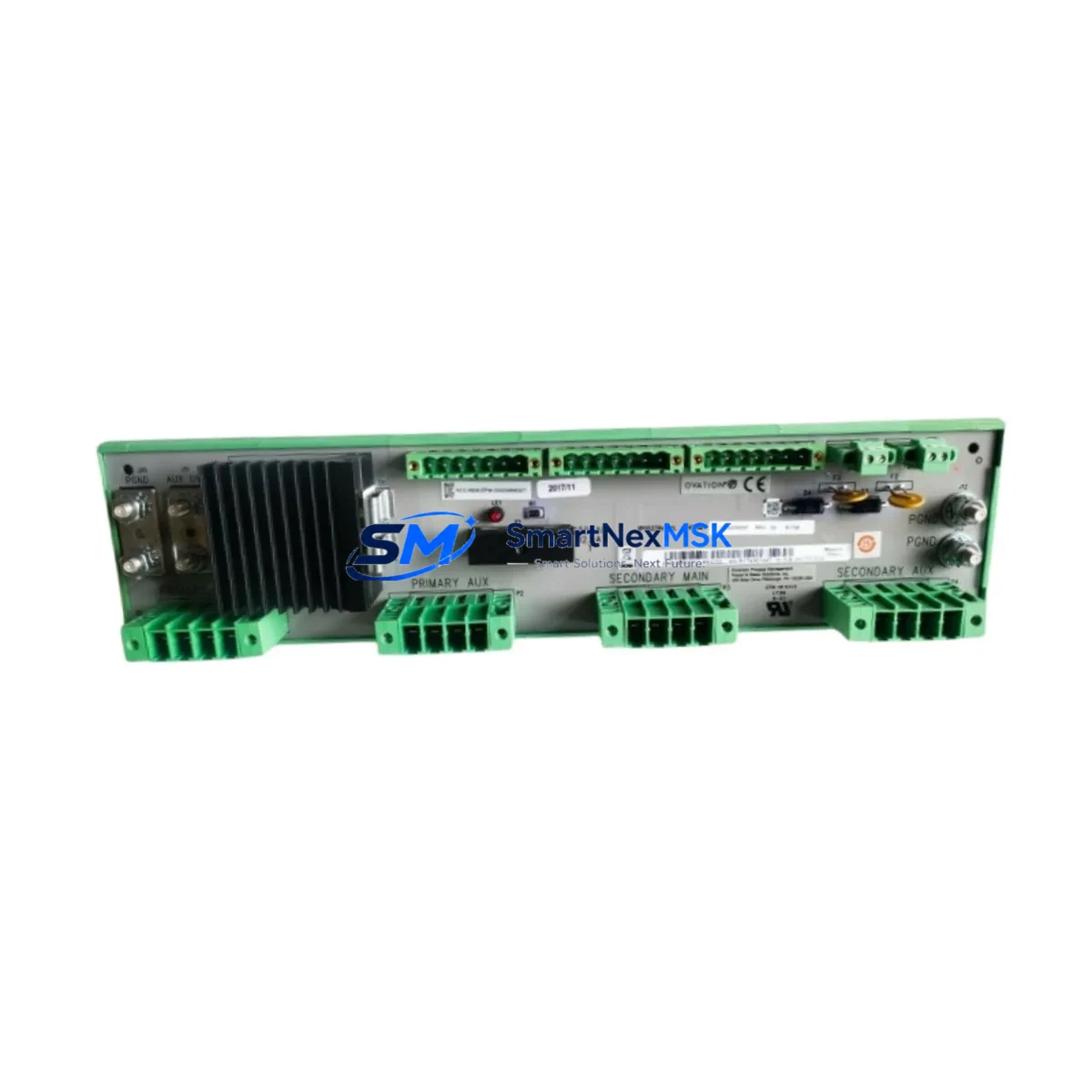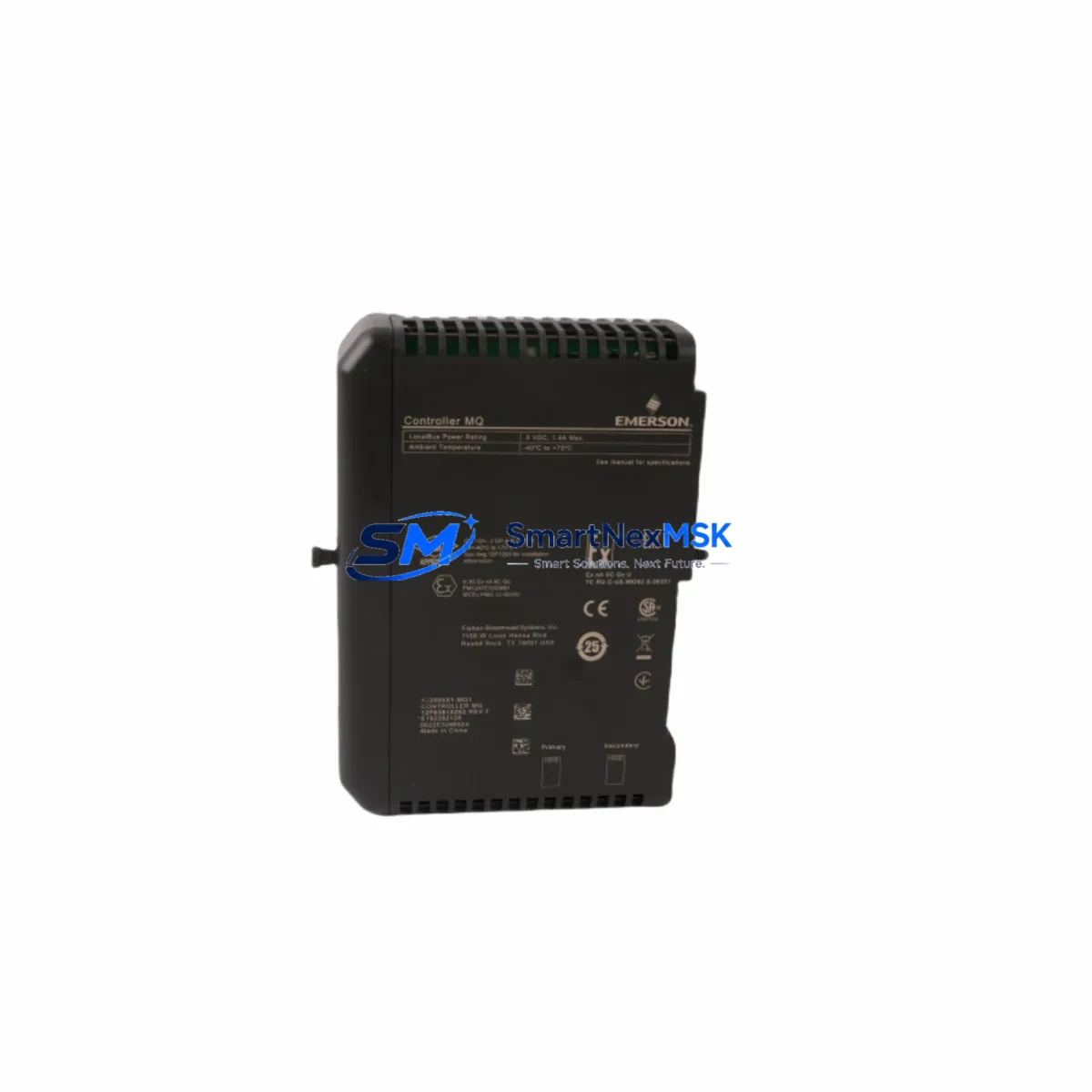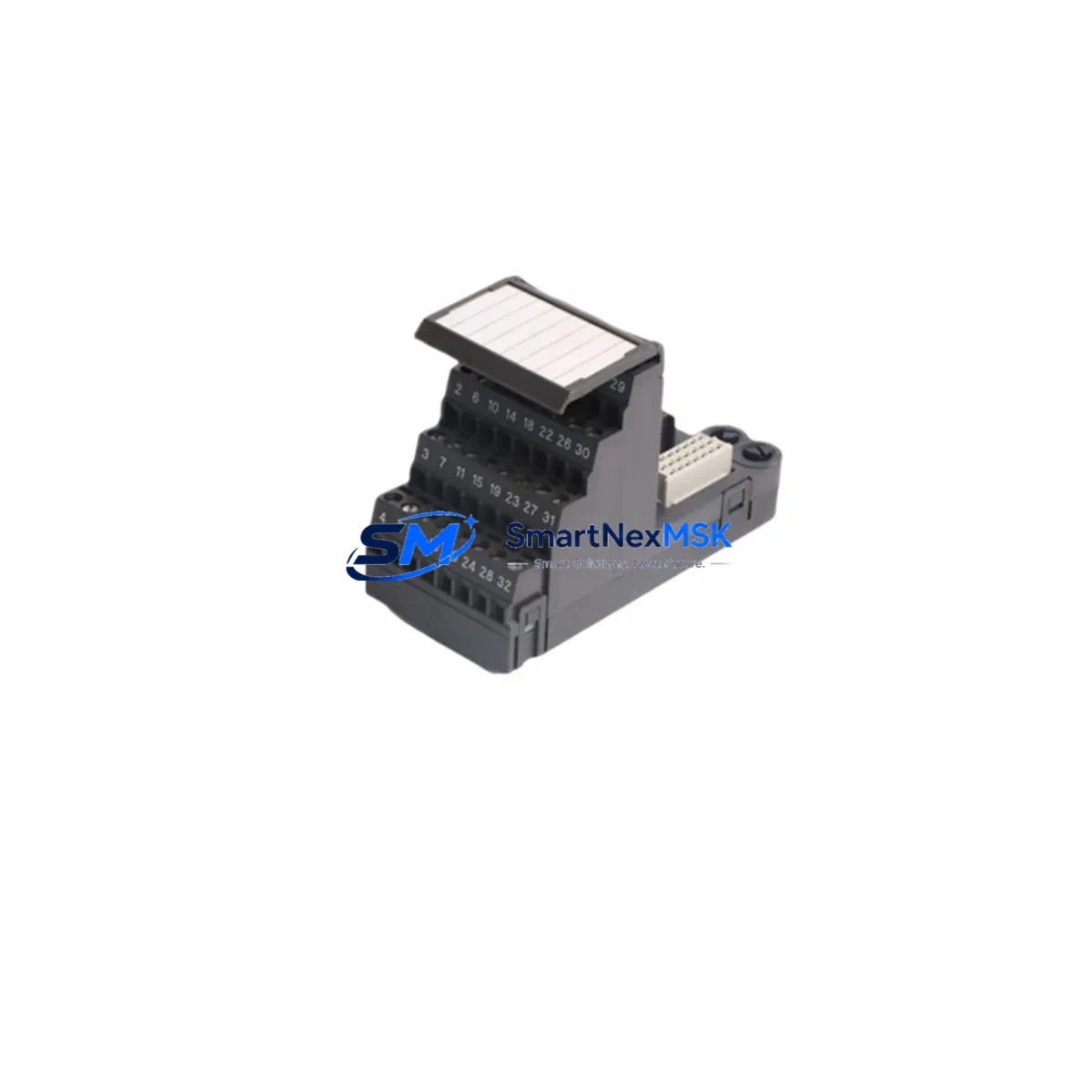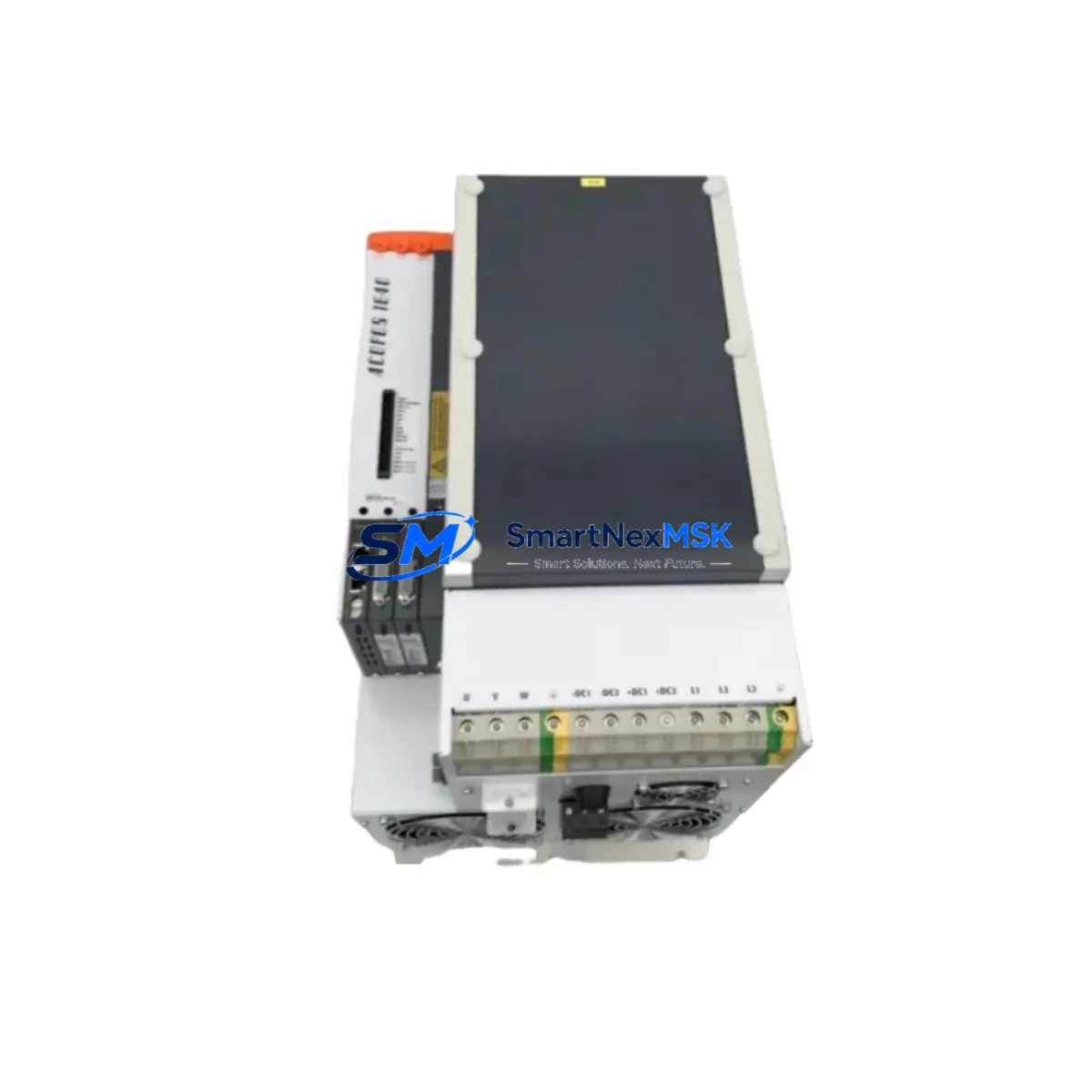
Emerson 8V1640.001-2 Retrofit-Ready Analog Output for APACS+ Control Systems
The Emerson 8V1640.001-2 (also referenced as 8V1640.01-2) is an 8-channel analog output module engineered for the APACS+ distributed control system platform. As legacy APACS+ installations approach end-of-life and original spare parts become increasingly scarce, this module serves as a critical retrofit component for facilities seeking to extend operational continuity without committing to a full DCS migration. Whether you are replacing a failed unit on an active production line, upgrading a control cabinet, or executing a phased modernization program, the 8V1640.001-2 delivers the signal fidelity, backplane compatibility, and firmware alignment required for seamless integration into existing APACS+ architectures.
Each unit is sourced from verified supply channels, subjected to pre-shipment functional testing, and backed by a 12-month warranty. Global logistics from our Xiamen warehouse ensures fast delivery to minimize unplanned downtime during emergency replacements.
Upgrade Compatibility Table
| Parameter | Details |
|---|---|
| Module SKU | 8V1640.001-2 / 8V1640.01-2 |
| Compatible Platform | Emerson APACS+ DCS |
| Channel Count | 8-Channel Analog Output |
| Output Signal | 4–20 mA / 0–10 V (field-configurable) |
| Backplane Interface | APACS+ standard I/O backplane — direct slot replacement |
| Installation Requirement | No hardware modification required; matches original mounting footprint |
| Communication Compatibility | APACS+ internal bus; compatible with QUADLOG safety extensions |
| Replacement Recommendation | Direct drop-in for failed or end-of-life 8V1640.001-2 units |
| Commissioning Notes | Verify module address assignment in APACS+ configurator; confirm AO channel scaling in PMIO database before hot-swap |
| Warranty | 12 Months — covers manufacturing defects and functional failure under normal operating conditions |
| Origin | China (CN) — exported with full documentation |
Retrofit Planning for Existing Automation Systems
Integrating the 8V1640.001-2 into an aging APACS+ system requires a structured pre-installation review. Begin by auditing the existing APACS+ I/O backplane and confirming available slot positions within the control rack. The module occupies a standard APACS+ I/O slot and does not require a dedicated carrier or adapter plate, which significantly simplifies the physical swap process.
Power budget verification is essential before installation. The APACS+ power supply module — typically a redundant 24 VDC unit housed in the same control cabinet — must have sufficient headroom to support the 8V1640.001-2’s current draw alongside co-installed modules such as the 8V1200 analog input module, 8V1300 digital input module, and 8V1400 digital output module. If the cabinet is near capacity, consider redistributing I/O loads across available racks before proceeding.
Terminal wiring on the field side connects through the APACS+ marshalling terminal assembly or directly via the module’s front-face terminal block, depending on cabinet configuration. Confirm that existing field wiring — particularly 4–20 mA loops to control valves, variable frequency drives, or positioners — is correctly labeled and isolated before disconnecting the legacy module. Mislabeled wiring is one of the most common causes of extended commissioning time during APACS+ retrofits.
For facilities running QUADLOG safety-rated extensions alongside standard APACS+ I/O, verify that the replacement module’s firmware revision is compatible with the QUADLOG controller’s diagnostic polling cycle. In mixed-architecture cabinets, the APACS+ controller module (such as the 8V1100 or 8V1101 processor card) manages module addressing through the PMIO configuration database — ensure the new module’s slot address matches the original entry exactly to avoid I/O mapping errors at startup.
If the retrofit is part of a broader migration toward a DeltaV or Ovation platform, the 8V1640.001-2 can serve as a bridge module during the transition period, maintaining analog output continuity while upstream controller changes are staged. During this phase, the APACS+ communication interface module and any associated Modbus or HART gateway devices should be retained to preserve field instrument communication until the new DCS platform assumes full control.
HMI screens tied to APACS+ analog output tags should be reviewed in parallel. If the facility uses an Emerson DeltaV Operate or legacy APACS+ Workstation for operator displays, confirm that AO tag names and engineering unit ranges are preserved in the new module configuration to avoid alarm floods or display discrepancies at startup.
Downtime Control During System Migration
Minimizing production interruption during an APACS+ analog output module replacement requires disciplined pre-staging and a clear sequence of operations. Before initiating the physical swap, export the current APACS+ PMIO database and save a full controller backup to a secure engineering workstation. This preserves the original I/O configuration, module addresses, channel scaling, and alarm setpoints — all of which must be restored identically on the replacement 8V1640.001-2.
Where process conditions permit, place affected analog output loops in manual mode at the DCS workstation before removing the legacy module. This transfers control authority to the operator and prevents uncontrolled output swings to field devices — particularly critical for modulating control valves, steam flow regulators, or motor speed references connected to the AO channels.
Physical module replacement on a live APACS+ backplane should follow the platform’s hot-swap procedure if supported by the installed firmware revision. Confirm this capability with the site’s DCS engineer before attempting live removal. If hot-swap is not supported, a controlled shutdown of the affected I/O rack — rather than the entire DCS — is the preferred approach to limit the scope of the outage.
After seating the 8V1640.001-2, allow the APACS+ controller to complete its module recognition and self-test cycle before returning AO channels to automatic mode. Verify each channel’s output against the expected engineering unit value using a calibrated loop tester or field instrument readback. Document the commissioning results and update the site’s maintenance records before closing the work order. With proper pre-staging, total replacement time for a single 8V1640.001-2 module can typically be completed within a planned maintenance window of two to four hours.
Retrofit Support FAQ
Q1: Is the 8V1640.001-2 a direct replacement for the original Emerson APACS+ analog output module?
Yes. The 8V1640.001-2 is a form-fit-function compatible replacement for the original APACS+ 8-channel analog output module. It installs into the same backplane slot, uses the same terminal wiring configuration, and is recognized by the APACS+ controller without firmware modification in standard configurations. Verify the module firmware revision against your site’s APACS+ controller version before installation if your system is running a non-standard firmware branch.
Q2: What commissioning steps are required after installing the replacement module?
After physical installation, confirm the module address in the APACS+ PMIO configurator matches the original slot assignment. Perform a channel-by-channel output verification using a calibrated milliamp meter or HART communicator on each of the 8 AO channels. Check that engineering unit scaling, output limits, and failsafe states are correctly loaded from the restored PMIO database. Return each loop to automatic mode only after field instrument response has been confirmed.
Q3: Can this module be used during a phased migration from APACS+ to a newer DCS platform?
Yes. The 8V1640.001-2 is well-suited for bridge deployments during phased DCS migrations. It maintains full APACS+ analog output functionality while upstream controller and network changes are staged, allowing production to continue without interruption. Coordinate with your migration project team to ensure the module’s I/O tags are correctly mapped in the target DCS platform before cutover.
Q4: What does the 12-month warranty cover?
The 12-month warranty covers manufacturing defects and functional failures under normal operating conditions from the date of shipment. Each unit undergoes pre-shipment functional testing prior to dispatch. Warranty claims are supported by our technical team — contact [email protected] with your order reference and a description of the fault. Physical damage caused by incorrect installation, overvoltage, or environmental exposure outside the module’s rated operating range is excluded from warranty coverage.
© 2026 SMARTNEXMSK. All rights reserved.
Original Source: https://smartnexmsk.com
Contact: [email protected] | +86 18259474341